I wasn’t supposed to care about roof pitch.
Nobody sits you down when you’re buying a house and says, “hey, this one number controls everything above your head.”
But after years of standing on rooftops, arguing with contractors, and actually reading the specs most people toss straight in the bin, here I am.
Standard roof pitch is the number most people overlook until something goes wrong.
Get it right, and your roof handles weather, material, and age exactly as it should. Get it wrong, and you’ll feel it in your wallet for years.
This covers the standard roof pitch ranges, how climate and material affect the right number, and the mistakes most people make before they even break ground.
What is a Standard Roof Pitch?
Roof pitch measures how steeply your roof rises for every 12 inches it runs horizontally.
In residential construction, the standard roof pitch falls between 4/12 and 9/12. That range isn’t arbitrary.
It hits the sweet spot where water drains efficiently, common roofing materials perform reliably, and contractors can work without specialist equipment.
Anything below 4/12 falls into low-slope territory and requires membrane waterproofing. Anything above 9/12 requires specialist labor and adds high cost.
How is Roof Pitch Measured?
Pitch and slope get used interchangeably on job sites, but they’re technically different.
Pitch is rise over total span. Slope is rise over a 12-inch run.
For practical purposes — measuring, quoting, specifying mean the same thing.
Roof Pitch = Rise / 12. A 6 inch rise over 12 inches of run equals a 6/12 pitch.
On blueprints, a small triangle near the roof section shows that ratio. Four ways to measure an existing roof:
- Level and tape measure: Mark 12 inches on the level, measure vertically down to the roof at that point
- Smartphone apps: Pitch Gauge reads pitch using your phone’s sensors in seconds
- Digital angle finders: Place flat on the surface, get an instant reading
- Professional inspector: Best for re-roof quotes or insurance claims/seo-editor
Certain styles like a single slope roof or a saltbox roof have pitch requirements built into the design itself, so style and pitch decisions need to happen together, not separately
Roof Pitch Ranges: What Each One Actually Means
Not every roof pitch works for every home, and picking the wrong range is one of the most common and costly mistakes I see people make.
1. Low-Pitch Roofs (2:12 to 4:12)
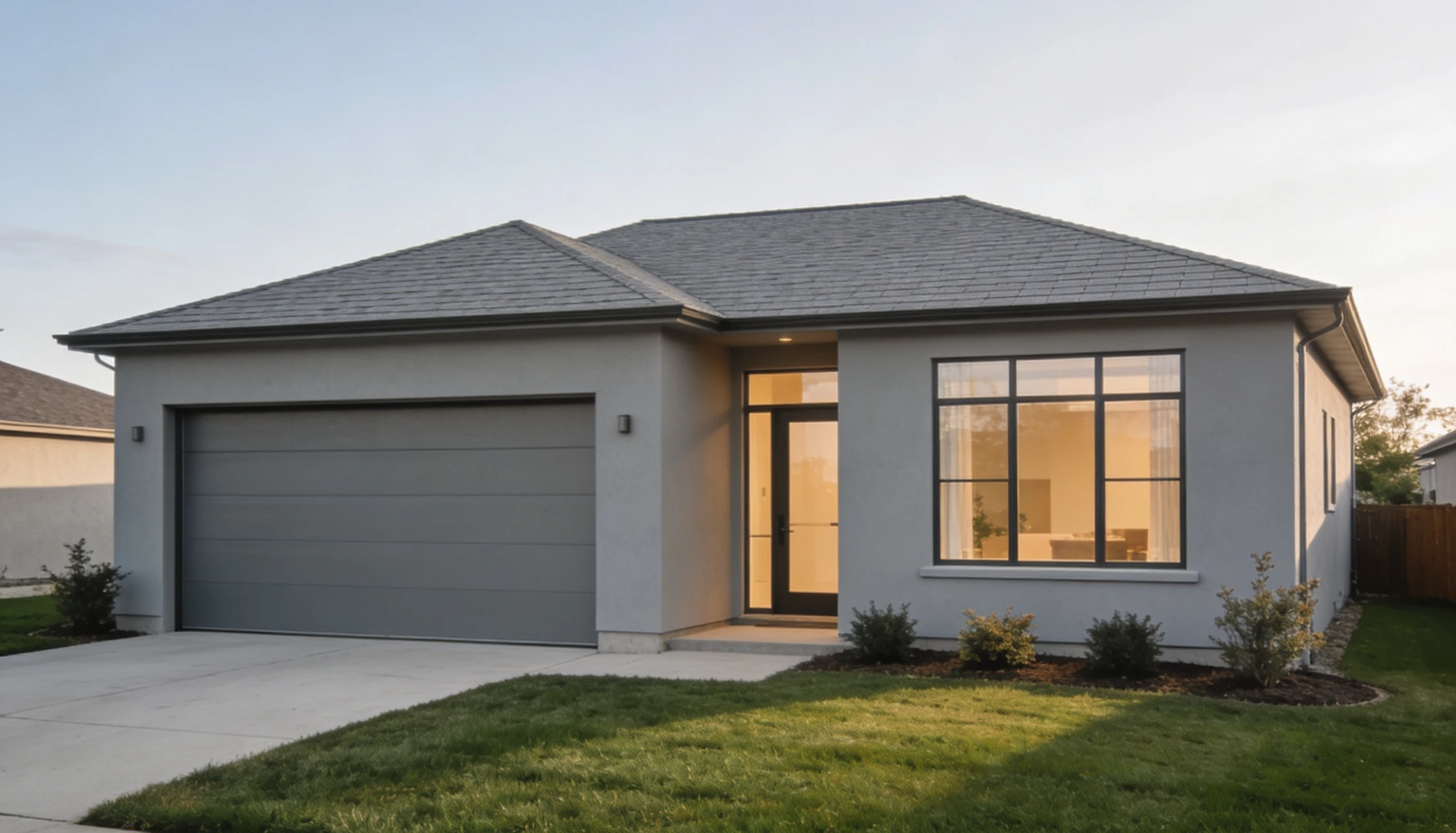
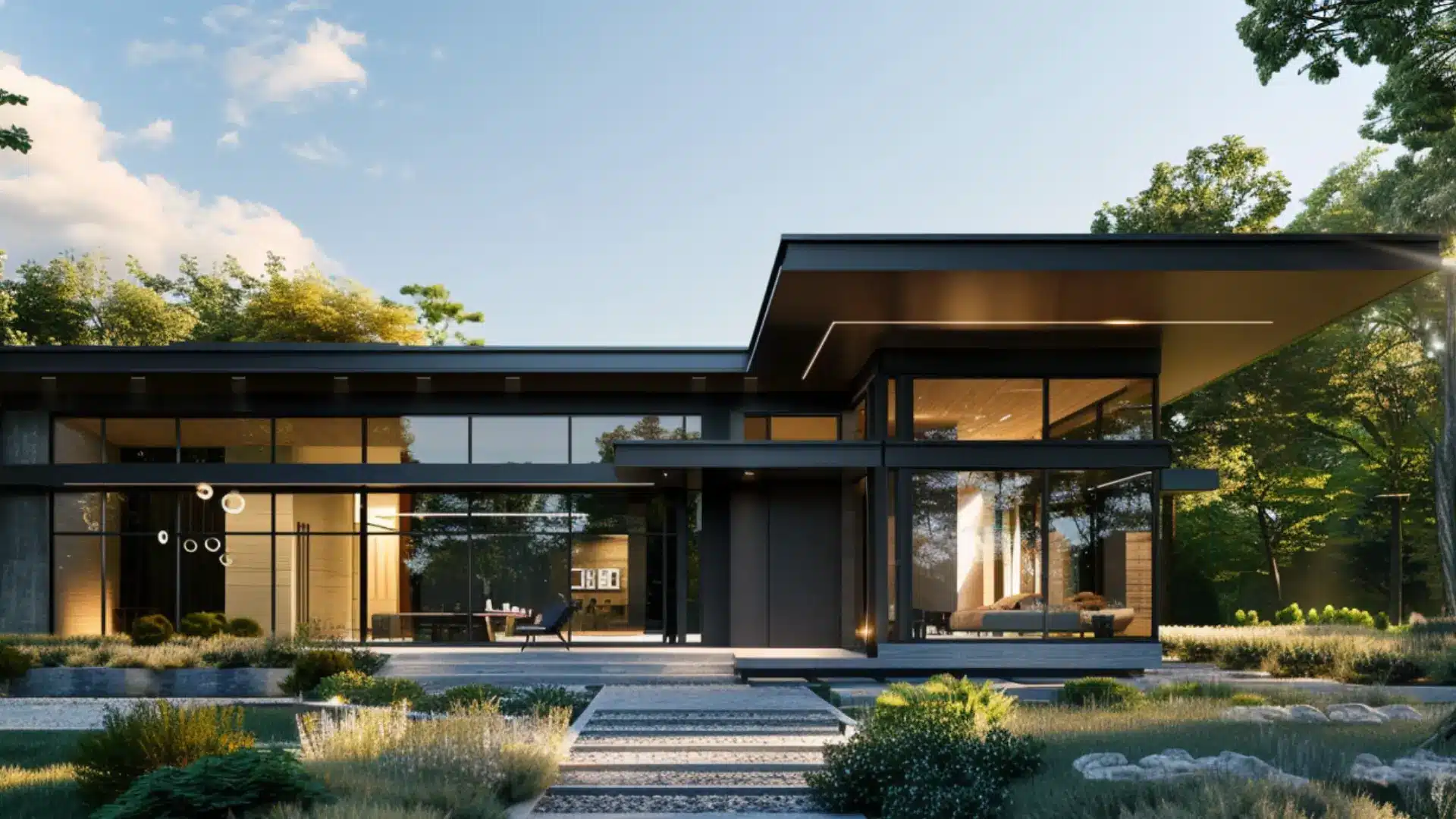
You’ll spot low-pitch roofs on modern homes, extensions, garages, and porches most commonly.
They need less material, install faster, and keep overall building height down, which helps in areas with height restrictions.
The catch is that drainage is slower, material options are limited, and maintenance needs increase over time.
I learned this the hard way on an early project. A low-pitch roof without quality underlayment is just a slow leak waiting to happen. Don’t cut that corner.
2. Medium-Pitch Roofs (4:12 to 9:12)
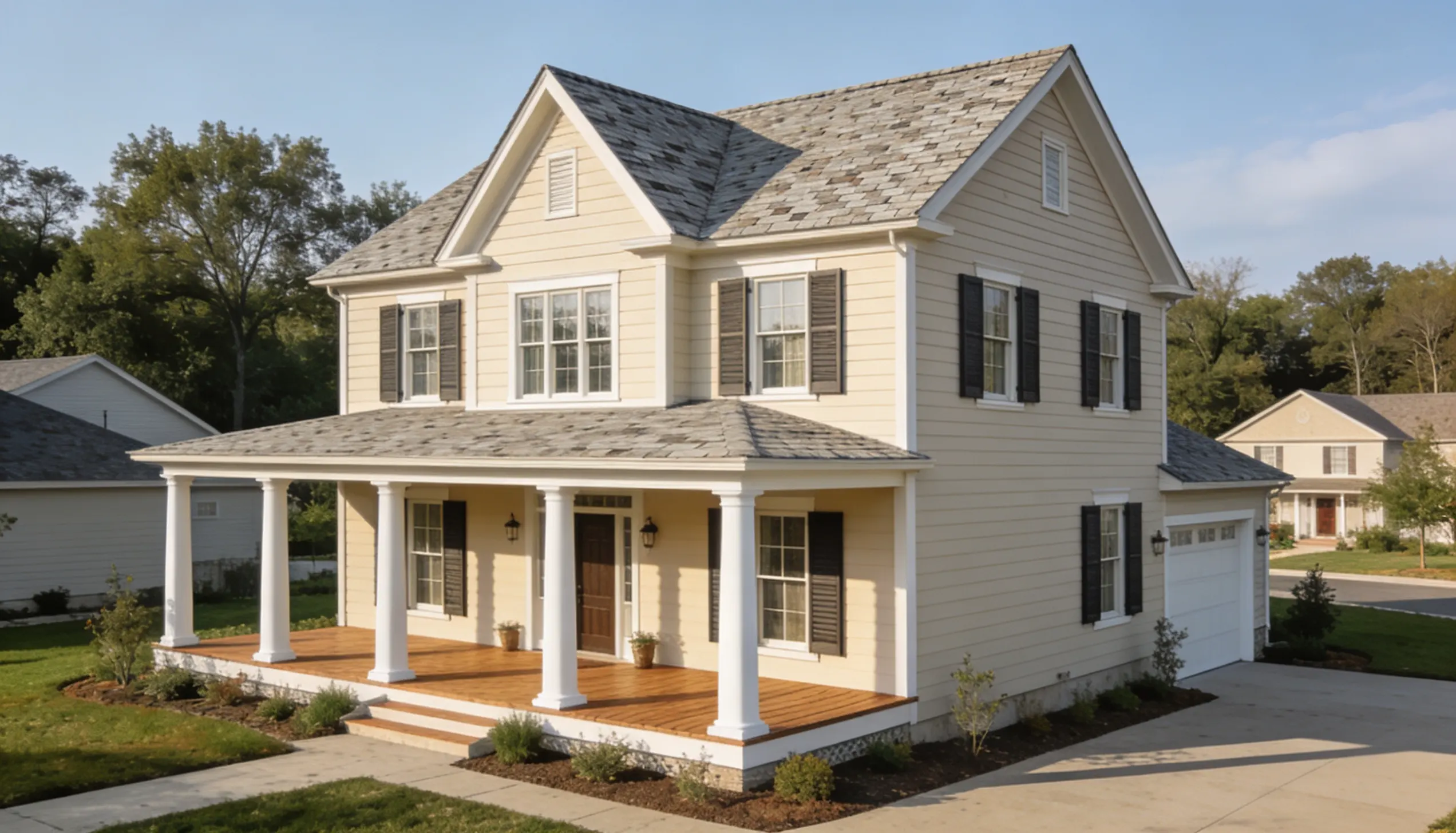
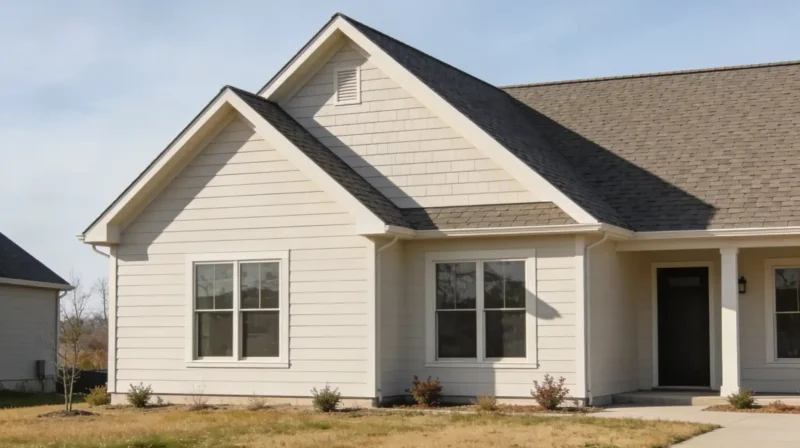
This range is the industry standard for good reason. It drains efficiently, handles most climates well, and keeps construction costs balanced.
The 5:12, 6:12, and 7:12 are the most popular among residential builders for exactly that reason.
- Drainage: Sheds water quickly and consistently
- Material flexibility: Works with asphalt shingles, metal, wood shakes, and more
- Cost balance: Neither the cheapest nor the most expensive range to build
One mistake I see constantly: people finalizing pitch before confirming what their chosen material actually needs. Lock in the material first. Then set the pitch around it.
3. Steep Roof Pitches (9:12 and Above)
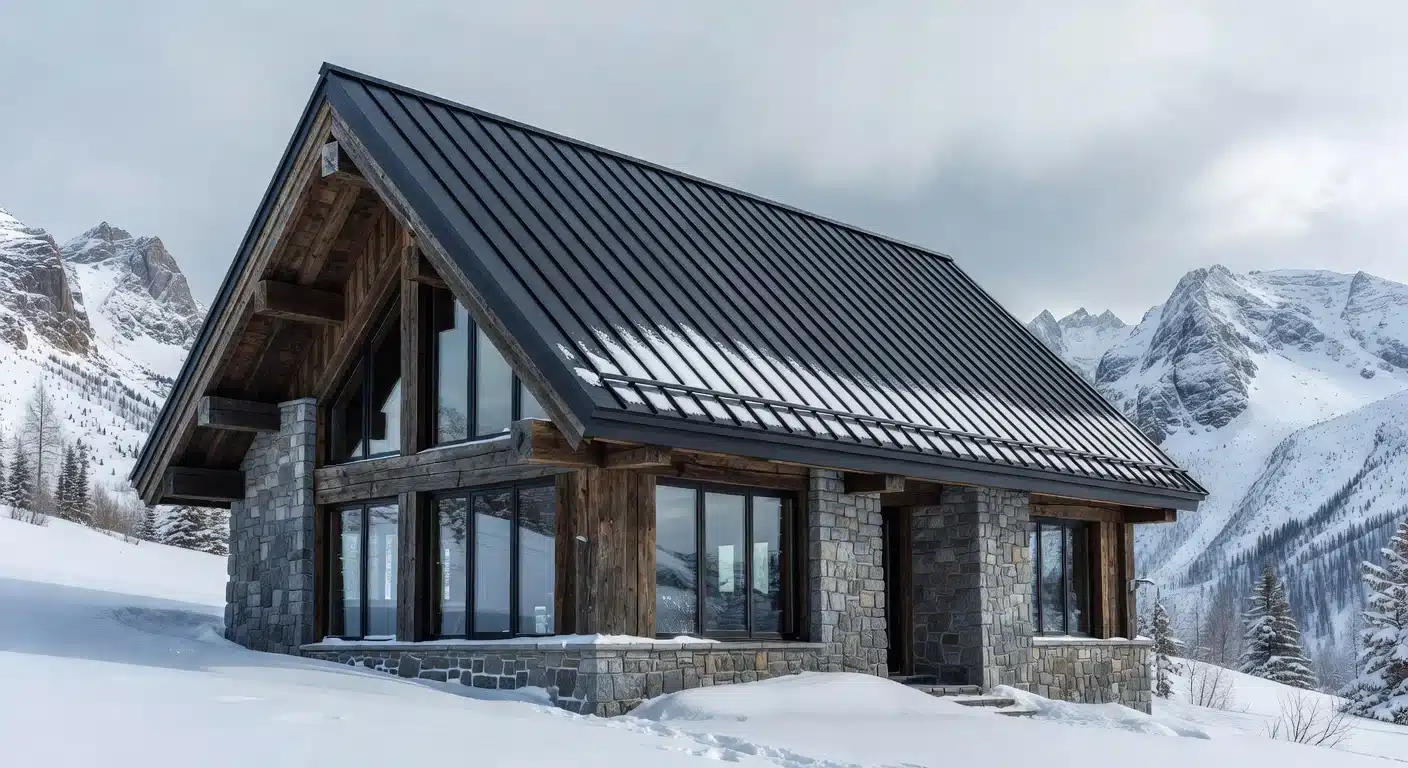
Steep pitches work best on mountain cabins and snow-prone regions. Water runs off fast, snow sheds naturally, and the visual impact is strong.
But installation costs climb significantly, maintenance gets harder, and not every contractor is comfortable at these angles.
From experience, always budget an extra 25 to 30 percent for labor on anything above 9:12. That number catches most people off guard.
How Does Climate Influence Standard Roof Pitch Selection?
Climate is honestly one of the first things I consider before recommending any pitch. Get this wrong, and no amount of quality materials will save you.
1. Roof Pitch for Rainy Regions
A steeper pitch is non-negotiable in high-rainfall areas. Water needs to move fast and completely off the surface.
- A minimum 6:12 pitch is recommended for consistent heavy rainfall
- Ensures water clears the roof before pooling or seeping under materials
- Pairs well with metal roofing for maximum water shedding performance
2. Roof Pitch for Snow-Prone Areas
Snow accumulation adds serious structural weight, and pitch is your first line of defense against it.
- A 6:12 pitch or higher allows snow to slide off naturally
- Reduces ice dam formation along the eaves in freezing temperatures
- Lower pitches in snowy climates often require costly structural reinforcement
3. Roof Pitch for Hot and Dry Climates
In dry climates, drainage is less critical, but attic heat buildup becomes the bigger concern.
- A 4:12 to 5:12 pitch keeps building height low and reduces heat absorption
- Adequate attic ventilation at this range helps control indoor cooling costs
- Reflective roofing materials work particularly well at these moderate pitch angles
Roof Pitch and Material Compatibility
Not every material works at every pitch, and finding that out mid-project is expensive.
Asphalt shingles work from 2:12 with double underlayment but perform best from 4:12 up.
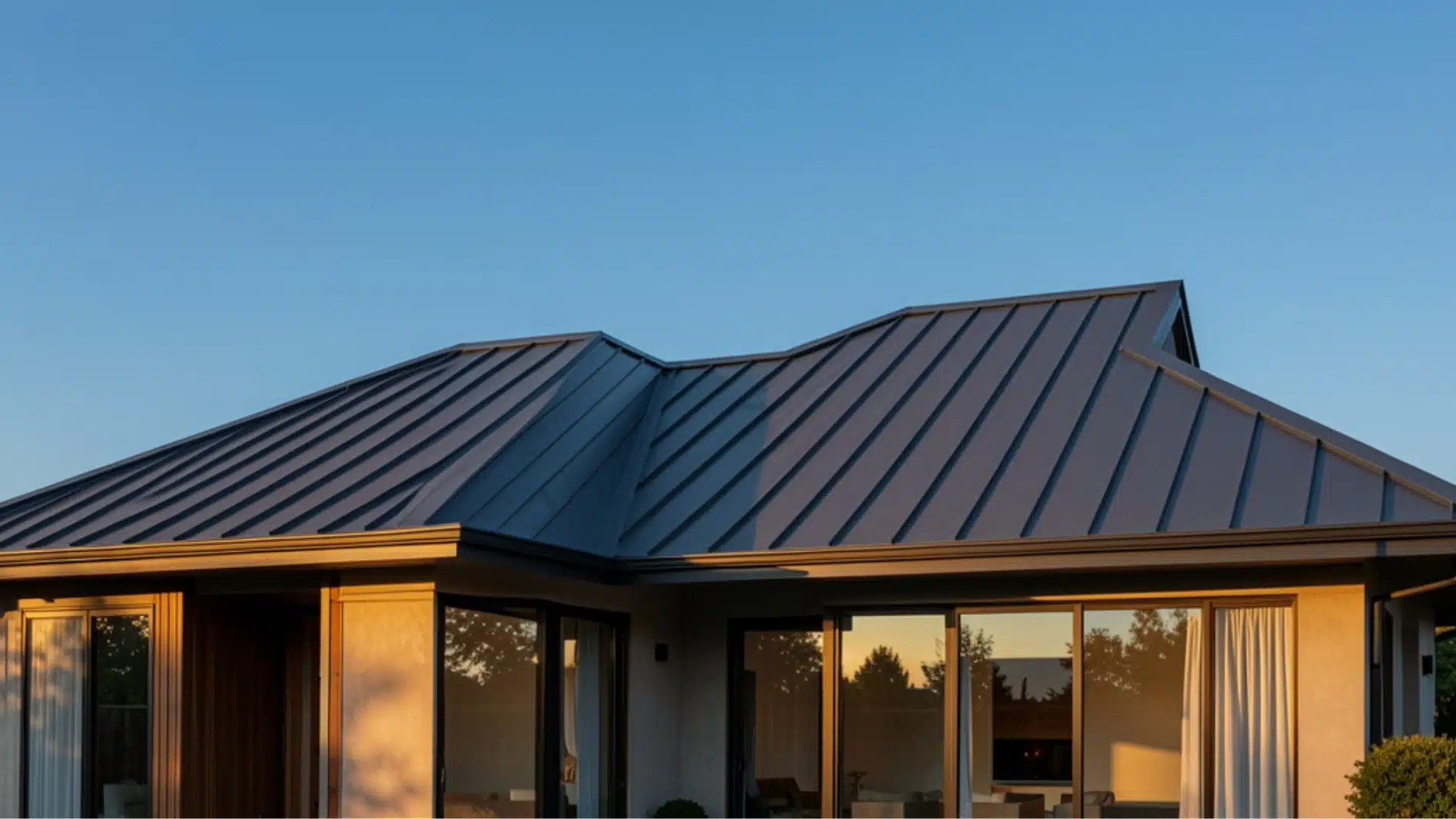
Metal is the most flexible, with standing seam systems going as low as 1:12. Clay and concrete tiles need at least 4:12, though the weight often means structural upgrades.
Slate performs best at 6:12 and above, and an incorrect headlap calculation results in leaks regardless of material quality.
| Material | Minimum Pitch | Ideal Pitch Range | Key Consideration |
|---|---|---|---|
| Asphalt Shingles | 2:12 | 4:12 to 9:12 | Needs extra underlayment below 4:12 |
| Metal Roofing | 1:12 | 3:12 and above | Standing seam works at lower pitches |
| Clay and Concrete Tiles | 4:12 | 5:12 to 12:12 | Heavy material needs structural support |
| Slate Roofing | 4:12 | 6:12 and above | Headlap requirements change with pitch |
How to Choose the Standard Roof Pitch for Your Home?
Choosing the right pitch comes down to balancing several factors at once, and rushing that decision is where the most costly mistakes happen.
I always tell people to think through these before committing to anything:
- Climate: Snow, rain, and heat all demand different pitch responses
- Roofing material: Confirm compatibility before finalizing any pitch number
- Architectural style: Work with your home’s design tradition, not against it
- Budget: Factor in both construction and long term maintenance costs
- Local building codes: Minimum pitch requirements vary by region and material type
- Attic goals: If future living space or storage matters, pitch determines what’s possible
Final Thoughts
Standard roof pitch isn’t the most glamorous part of building or re-roofing a home, but it’s one of the decisions I’ve seen cause the most expensive regrets when ignored.
Every factor, climate, material, budget, and style, connects back to it in some way. Take the time to get it right before breaking ground.
Talk to experienced contractors, check your local codes, and match your pitch to your climate first. Everything else follows from there.
Frequently Asked Questions
1. Can I Change my Roof Pitch Without Rebuilding the Entire Roof?
Not practically. Changing pitch means altering the structural framing, which is a major project that rarely makes financial sense unless you’re doing a full rebuild.
2. Does Roof Pitch Affect my Home Insurance Premium?
Yes, some insurers factor pitch into premiums. Steeper roofs can mean higher repair labor costs, while moderate pitches are generally viewed as lower risk.
3. Does Roof Pitch Affect How Long my Roof Lasts?
Absolutely. A pitch that suits your climate and material choice extends roof lifespan significantly, while a mismatched pitch accelerates wear and increases repair frequency.