I never paid much attention to roofs until I stood in front of a building with a single slope roof and thought, “that actually looks sharp.”
One side rises, the other drops clean. No complicated angles, no second-guessing the design.
Just a simple, purposeful structure that does its job well. I started looking into it more deeply, and honestly?
There’s a lot more to a single slope roof than how it looks from the street.
This covers where it works best, what it costs, how the pitch affects everything, and what to sort out before breaking ground.
What is a Single Slope Roof?
A single slope roof is a single continuous plane that runs from a higher point to a lower one.
No ridge, no two sides meeting at a peak. It’s also called a mono pitch or shed roof, and all three terms mean the same thing.
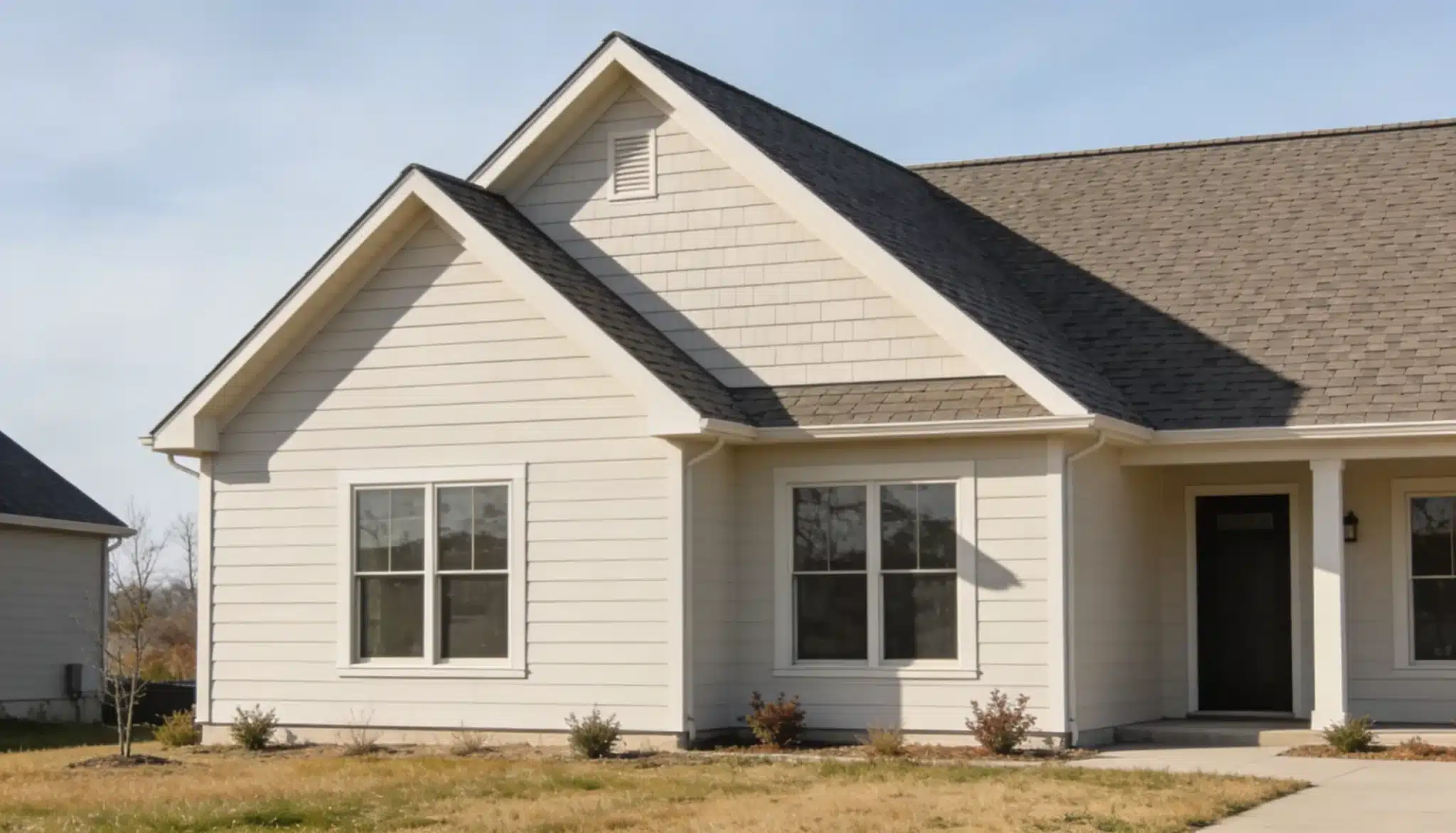
Unlike a saltbox roof, which has two unequal slopes meeting at a ridge, a single slope keeps everything on one plane.
Water drains in one direction only, which makes the structure simple and drainage predictable.
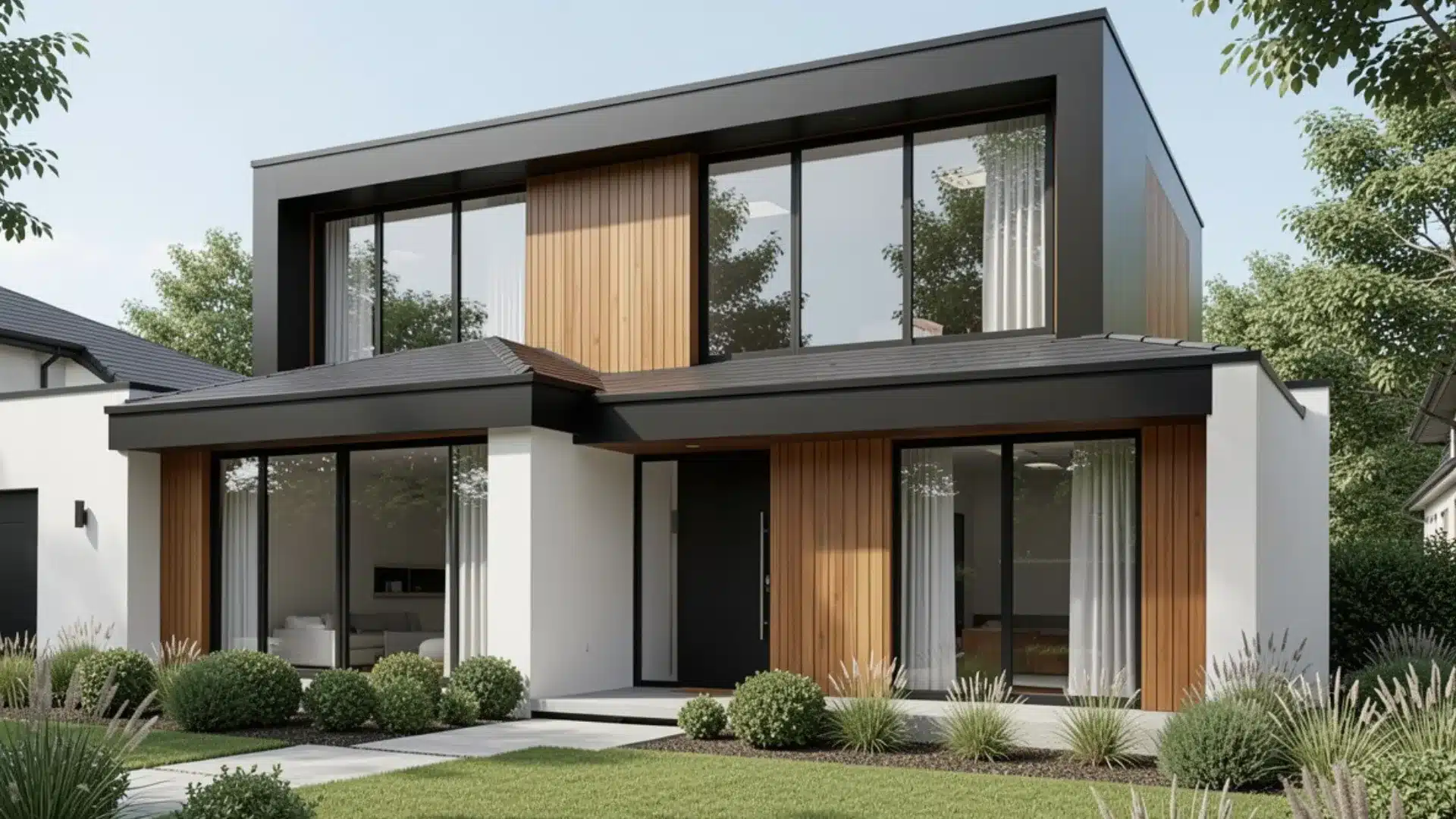
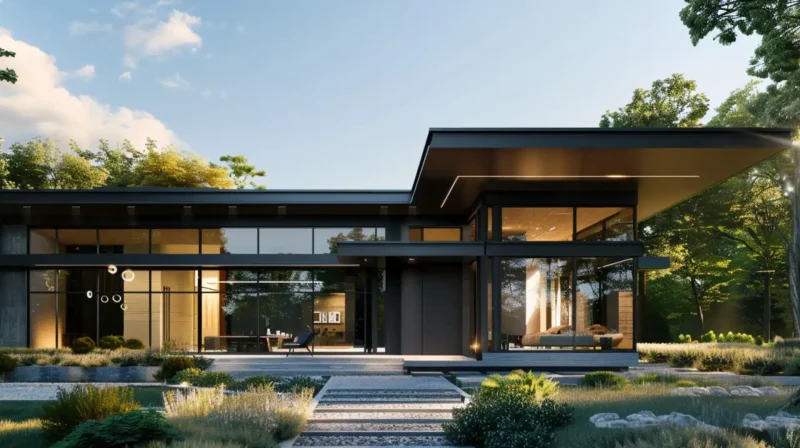
Modern and contemporary architecture uses it heavily, from residential extensions and backyard studios to commercial warehouses and minimalist home builds.
Key Features of a Single Slope Roof
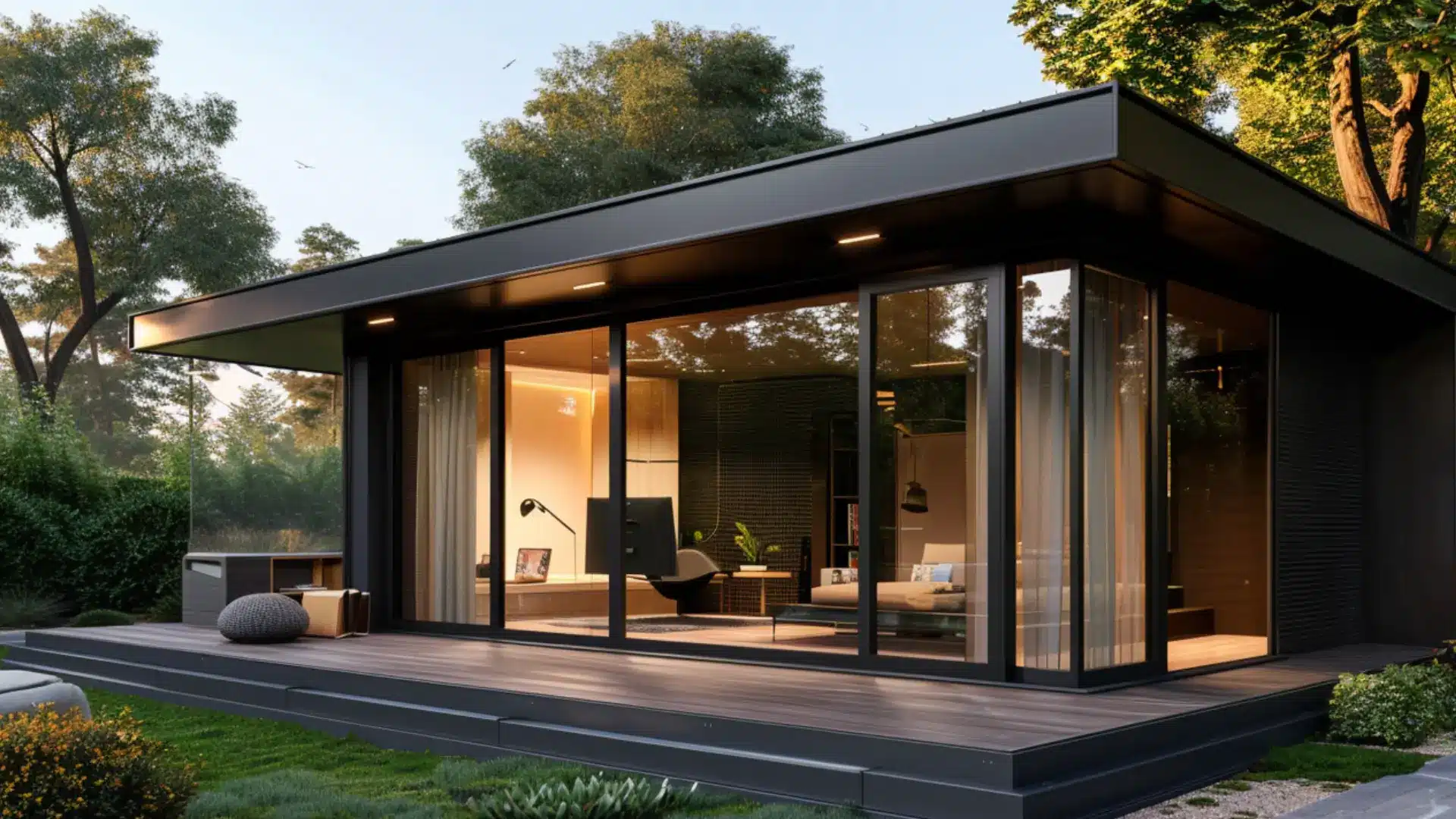
Single slope roofs are functional by design. Every feature serves a purpose, from how water moves off the surface to how the interior feels inside.
Pitch determines how well the roof handles rain, snow, and debris.
Residential builds use pitches between 10 and 20 degrees. Commercial applications go as low as 1to 5 degrees with membrane roofing. Snow load areas need a minimum of 15 degrees.
- Anything under 10 degrees needs careful waterproofing
- South facing slopes in the northern hemisphere maximize solar exposure
- A pitch between 15 and 40 degrees captures the most annual sunlight
- No valleys or ridges means simpler wiring and easier maintenance
- High wall variation makes interiors feel larger without adding square footage
The single slope profile suits modern architecture, positions solar panels without extra tilt frames, and creates natural ceiling variation that makes interiors feel larger than they are.
The Right Materials for a Single Slope Roof
Material choice on a single slope roof affects more than just appearance.
It determines how long the roof lasts, how well it handles water, and how much maintenance it needs over time.
1. Metal Roofing Options
Metal is one of the most reliable choices for a single slope roof.
It handles water runoff efficiently, sits well on lower pitches, and lasts significantly longer than most alternatives.
Corrugated metal panels are cost effective and work well on agricultural or industrial builds. For residential projects, a smoother profile tends to suit the clean lines of a single slope better.
- Lifespan of 40 to 70 years with minimal maintenance
- Works on pitches as low as 3 degrees with proper sealant
- Available in steel, aluminum, and zinc, depending on budget and location
2. Asphalt Shingles
Asphalt shingles are the most common roofing material in North America and work reasonably well on single slope roofs with a pitch above 10 degrees.
They are affordable, widely available, and straightforward to replace.
The limitation is lifespan. Most last 20 to 30 years, significantly shorter than metal or membrane alternatives.
On a low pitch single slope roof, shingles are not recommended as water can back up under the edges before draining.
3. Green Roofs and Eco Friendly Options
A single slope roof with a low to medium pitch is well suited for a green roof installation.
The slight angle allows drainage without washing away the growing medium. Sedum and low maintenance ground covers work best on shallower pitches.
Steeper slopes need additional retention systems to hold the substrate in place. A structural assessment is essential before committing to this option, as the added weight of soil and plants is significant.
4. Standing Seam Metal Panels
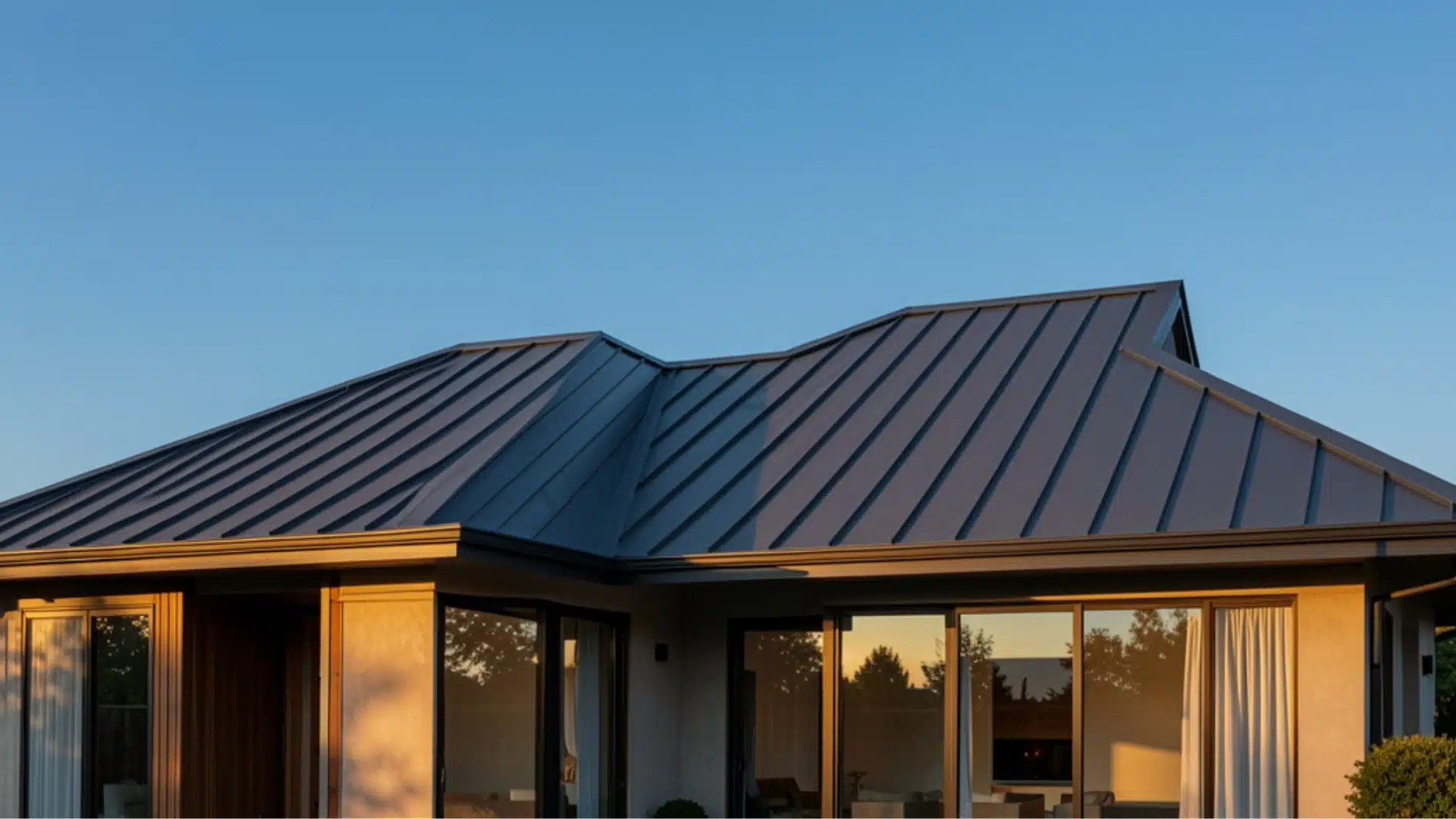
Standing seam is the premium choice for a modern or contemporary single slope build.
The raised seams run vertically down the slope and keep water out without relying on exposed fasteners, which means no rust points and no visible screw heads breaking up the surface.
It allows thermal movement without cracking, works on pitches as low as 1-2 degrees, and has lower lifetime maintenance costs than shingles, despite the higher upfront price.
For a clean, unbroken roofline, nothing else comes close.
Cost and Budget
Single-slope roofs are generally more cost-effective to build than complex multi-pitch designs, but costs still vary based on size, material, and labor.
A basic residential build typically runs between $8,000 and $20,000 installed.
Asphalt shingles sit at the affordable end, while standing seam metal and green roofs push costs higher. Labor adds $2 to $5 per square foot on top of materials.
Budget an additional 20 to 30 percent if the design includes clerestory windows or extended overhangs.
The right material choice upfront significantly reduces lifetime maintenance costs and improves long term return.
| Category | Budget Range |
|---|---|
| Average construction cost | $8,000 to $20,000 |
| Asphalt shingles | $3 to $5 per sq ft |
| Metal roofing | $7 to $12 per sq ft |
| Standing seam metal | $10 to $16 per sq ft |
| Green roof installation | $15 to $25 per sq ft |
| Labor cost | $2 to $5 per sq ft |
| Expected ROI timeline | 8 to 15 years |
Single Slope Roofs for Different Climates
A single slope roof performs differently depending on where it is built.
Pitch, material, and orientation all need to account for local climate conditions before construction starts.
1. Rainy Regions
Pitch is everything in high rainfall areas. A steeper slope moves water off faster and reduces the risk of pooling.
Aim for a minimum of 15 degrees, and use metal or standing-seam roofing over asphalt shingles, which absorb moisture and degrade faster in wet climates.
Size gutters and downspouts for peak storm flow, not average rainfall. Standard gutters on a 15-degree metal roof will overflow during the first heavy season, and the fascia damage will cost more to fix than upsizing would.
2. Snow Prone Areas
A pitch below 15 degrees allows snow to accumulate rather than slide off, adding significant structural weight through winter.
Aim for 20 degrees or steeper in heavy snowfall regions.
Metal roofing sheds snow cleanly. Avoid green roofs here, as saturated soil combined with snow load can quickly exceed structural limits.
3. Hot or Sunny Climates
In hot climates, the orientation of a single-slope roof does most of the cooling work before the HVAC system switches on.
Point the high wall south for cross ventilation through clerestory windows. Reflective metal roofing reduces heat absorption significantly compared to dark asphalt.
Light colored zinc and aluminum panels perform best in sustained heat.
4. Coastal Locations
Salt air and high winds make coastal builds more demanding.
Aluminum and zinc hold up better than steel in salt air environments without requiring protective coatings.
Use concealed fastener systems, such as standing seam, since exposed screw heads corrode faster near the coast.
In high wind zones, the extended back slope needs additional structural reinforcement to prevent uplift.
Comparing Single Slope Roofs with Other Roof Types
Each roof type solves a different problem. A saltbox has two unequal slopes meeting at a ridge. A single slope has none, which makes it simpler to frame and better suited to modern builds.
A gable roof distributes load evenly but costs more to build and works less naturally with solar panels or clerestory windows.
Flat roofs depend on membrane waterproofing to manage drainage. A single slope does the same job more reliably because gravity does the work.
On drainage, longevity, and build simplicity, the single slope holds up well against all three.
From experience: When clients ask me to compare roof types, I always start with what the building needs to do first. In most modern residential projects, the single slope answers more of those questions with less structural complexity than any of the alternatives on this list.
Final Thoughts
A single slope roof is one of those design choices that looks simple from the outside and delivers more than expected once you start building with it.
Better drainage, solar compatibility, cleaner interiors, and lower construction complexity than most multi-pitch alternatives.
In my experience, it is the roof type that comes up most often when the brief calls for something modern, functional, and low maintenance.
If I were starting a new build, extension, or redesign today, this is the first roof type I would put on the table.
Frequently Asked Questions
1. How Long Does a Single Slope Roof Last on Average?
Metal and standing seam last 40 to 70 years, asphalt shingles average 20 to 30 years, and green roofs extend membrane life when maintained correctly.
2. Do Single Slope Roofs Need More Maintenance than Other Roof Types?
Generally less, because no valleys or ridges means fewer areas where debris collects and water pools.
3. Can a Single Slope Roof be Added to an Existing Home?
Yes, it is one of the most practical choices for extensions because it connects to existing structures without complex framing.