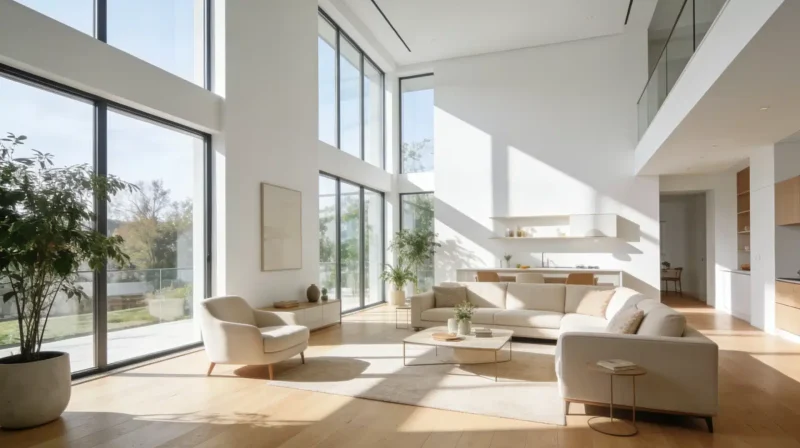
Some homes feel cramped not because they are small, but because walls are cutting the space and light in half.
Removing those walls, or working around them smartly, is often all it takes to make a home feel noticeably larger and brighter.
Small details like matching your wall color with your wood floor can also shape how open and cohesive the space looks.
These open floor plan ideas cover practical changes for real homes, from simple layout shifts to a few bigger moves, so there is a starting point for every budget and space.
What is an Open Floor Plan?
An open floor plan removes the walls between your kitchen, dining area, and living room, turning three separate rooms into one connected living space.
No doors to pass through. No walls cut off the light. Just one big, breathing area where everything flows together.
It is the opposite of a traditional layout, where each room is boxed off from the next. Instead of moving from room to room, you move through one continuous space that feels open, airy, and far larger than the square footage suggests.
It works in most homes, from a small apartment to a large family house.
For smaller spaces, looking into tiny home floor plans can give a clearer idea of how compact layouts handle zoning and flow before committing to any changes.
The approach simply shifts depending on your square footage and how the rooms are currently arranged.
One thing worth keeping in mind is that without walls to contain sound and smells, noise and cooking odors tend to travel more freely through the space.
Good storage planning and ventilation help manage that.
Open Floor Plan Ideas
Space and light are two things every home needs more of, and the right open floor plan ideas deliver both without requiring a complete rebuild.
Below are some inspiration ideas to get you started.
1. Install Floor-to-Ceiling Windows
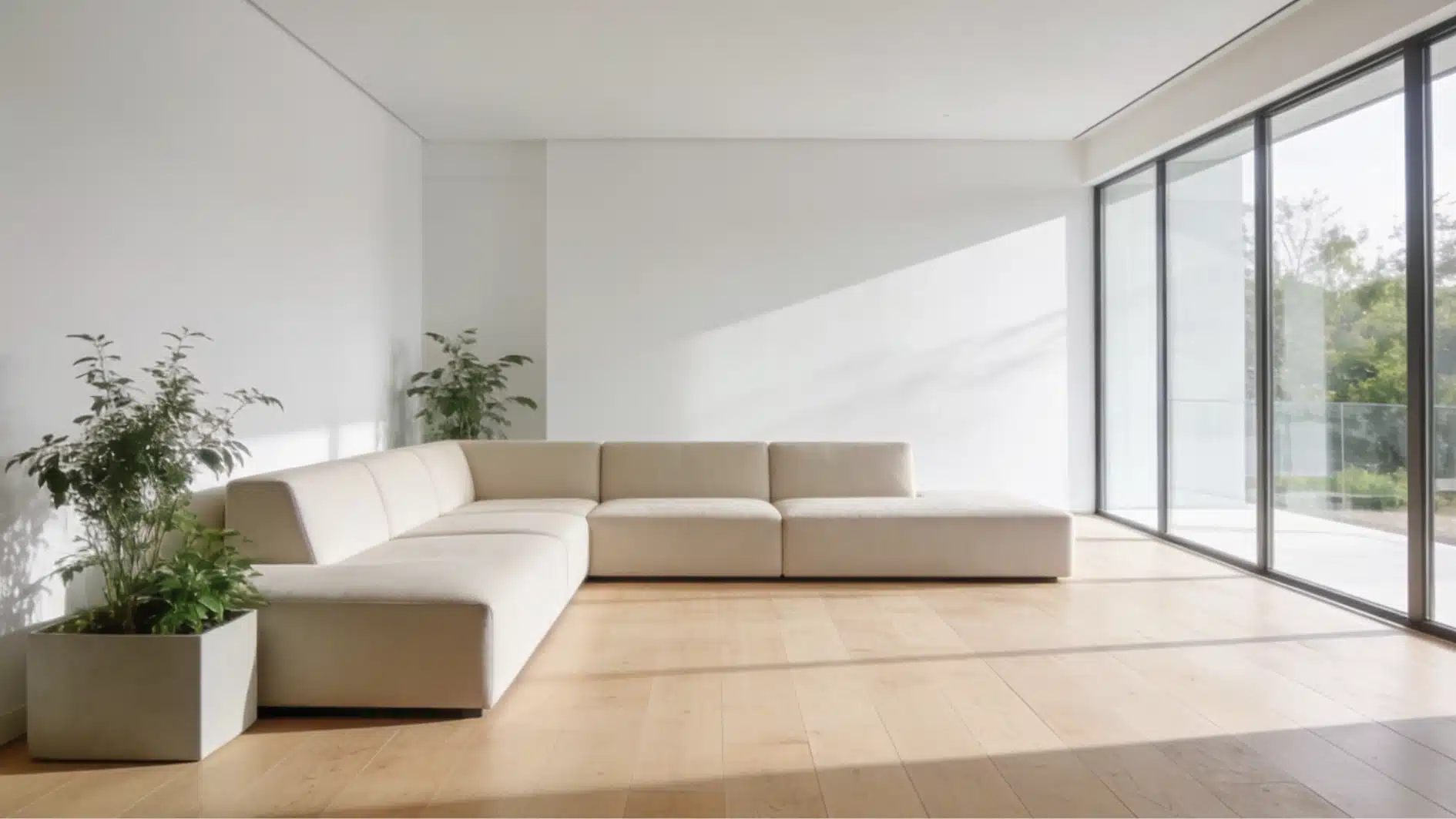
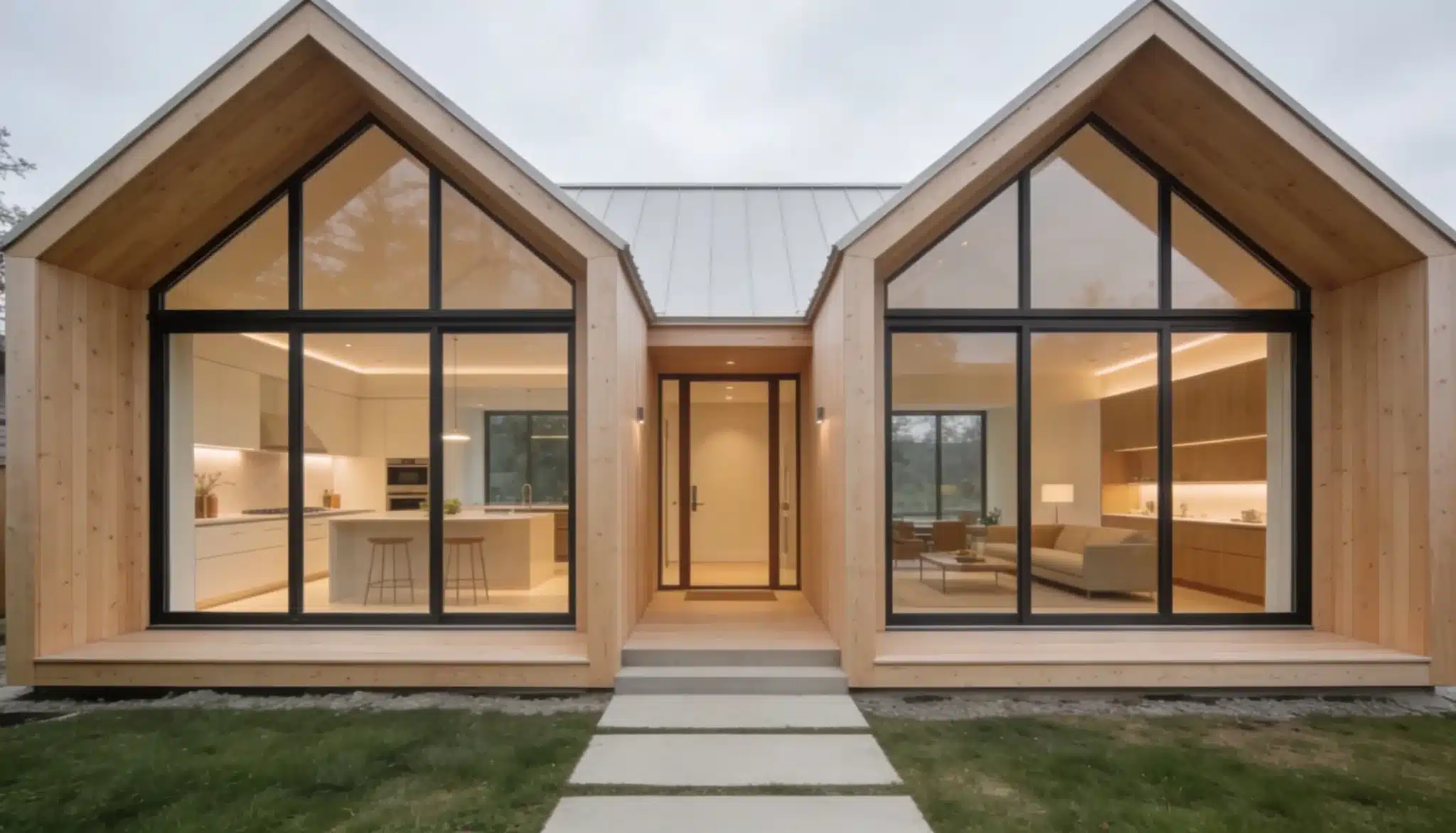
Floor-to-ceiling windows pull in maximum daylight, make ceilings feel higher, and erase the boundary between indoors and outdoors.
The more glass, the more light, and the more light, the larger the space feels, even if the square footage stays the same.
2. Add a Skylight for Overhead Light
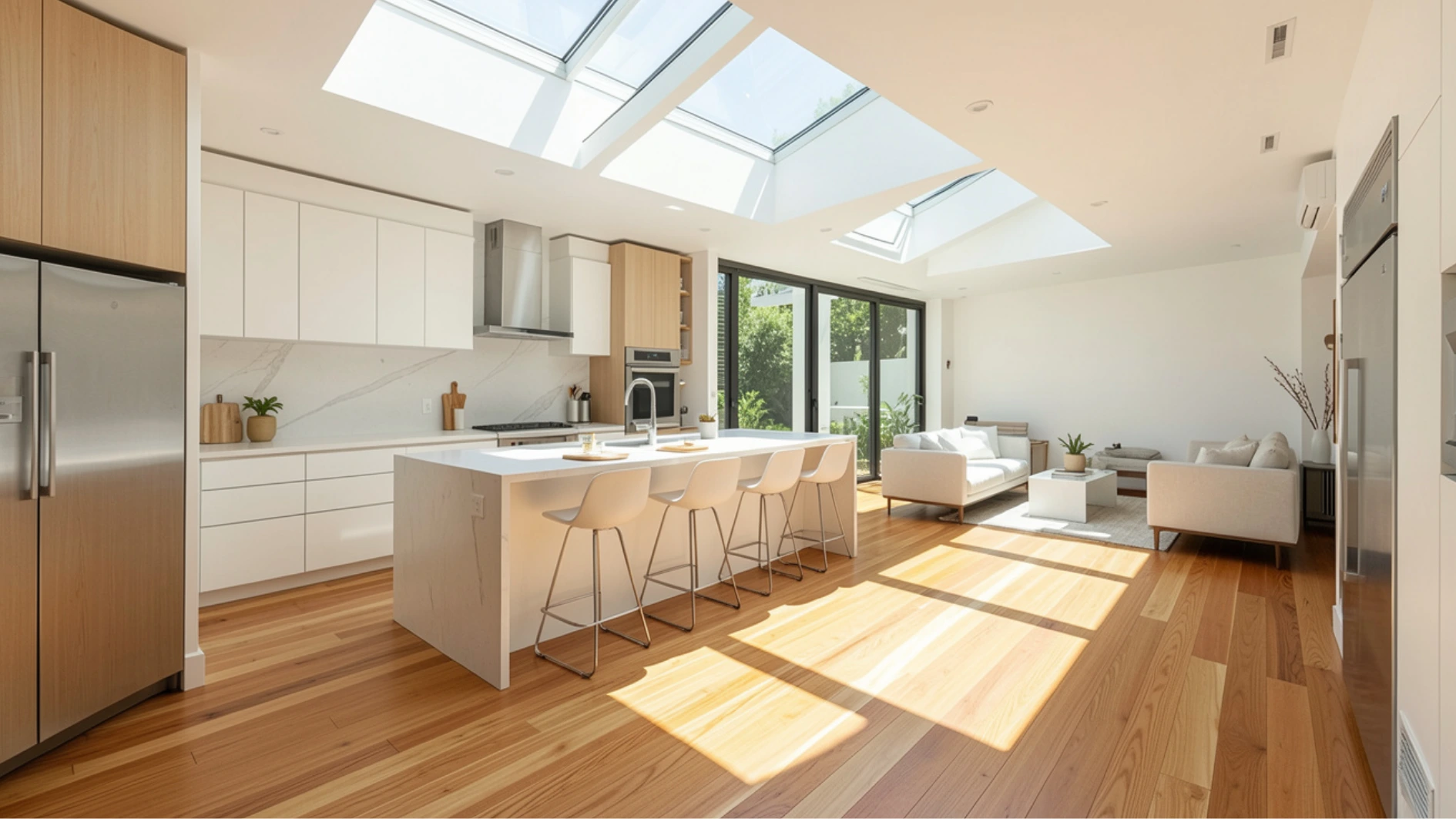
Walls can get windows. But the center of a room often stays dim regardless.
A skylight solves that. It pulls light in from directly above, brightening the zones that side windows simply cannot reach, like the middle of a kitchen or a long hallway junction.
3. Use Consistent Flooring Throughout
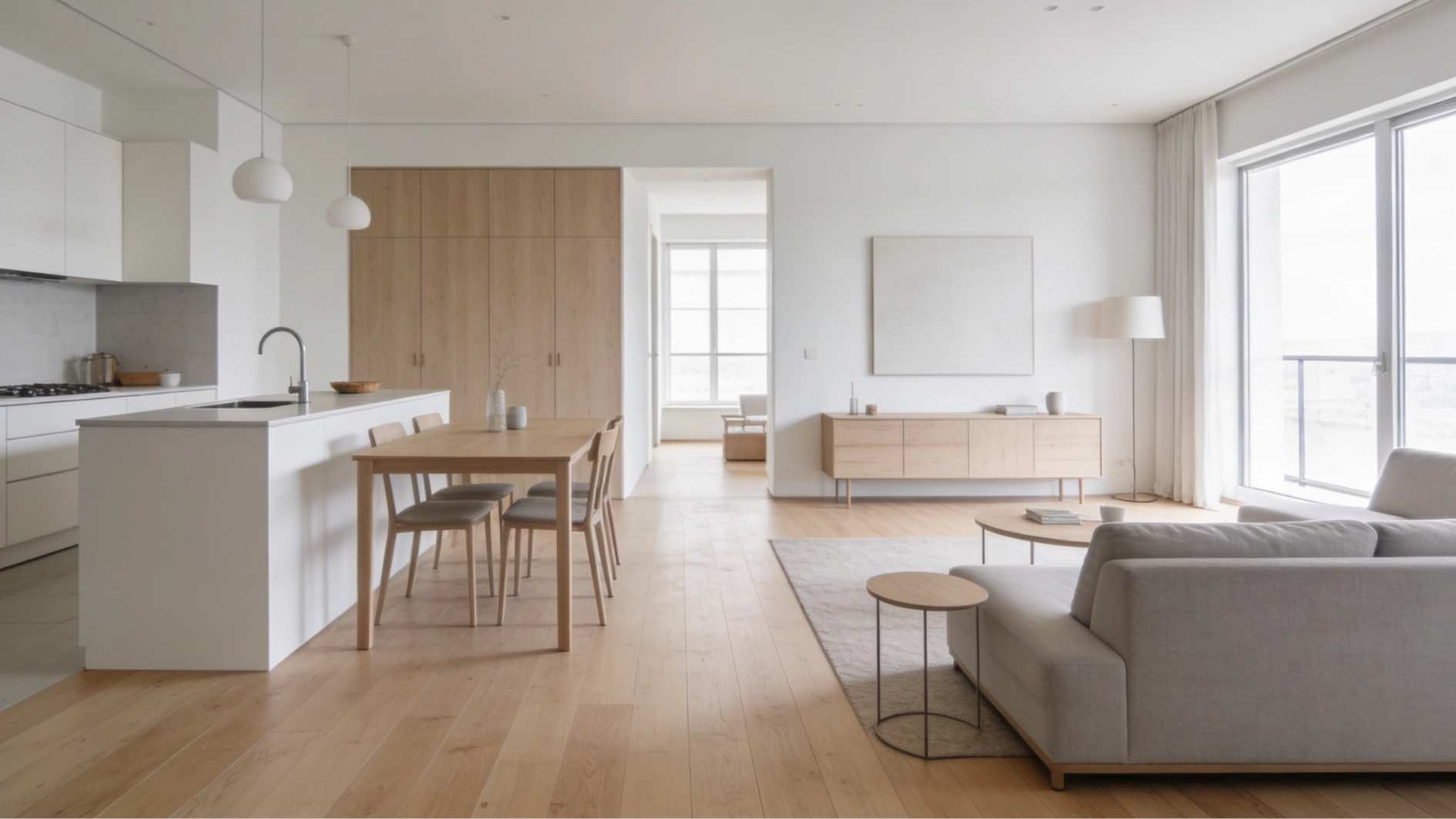
Running the same flooring across every zone is one of the simplest open floor plan ideas and one of the most effective.
It removes visual interruptions, ties the space together, and tricks the eye into reading the entire area as one large room.
Light-toned, wide-plank hardwood works especially well because it reflects light and adds length to the space.
Keep in mind it can show scratches more easily in high-traffic areas, so the finish you choose makes a real difference.
4. Define Zones with Area Rugs
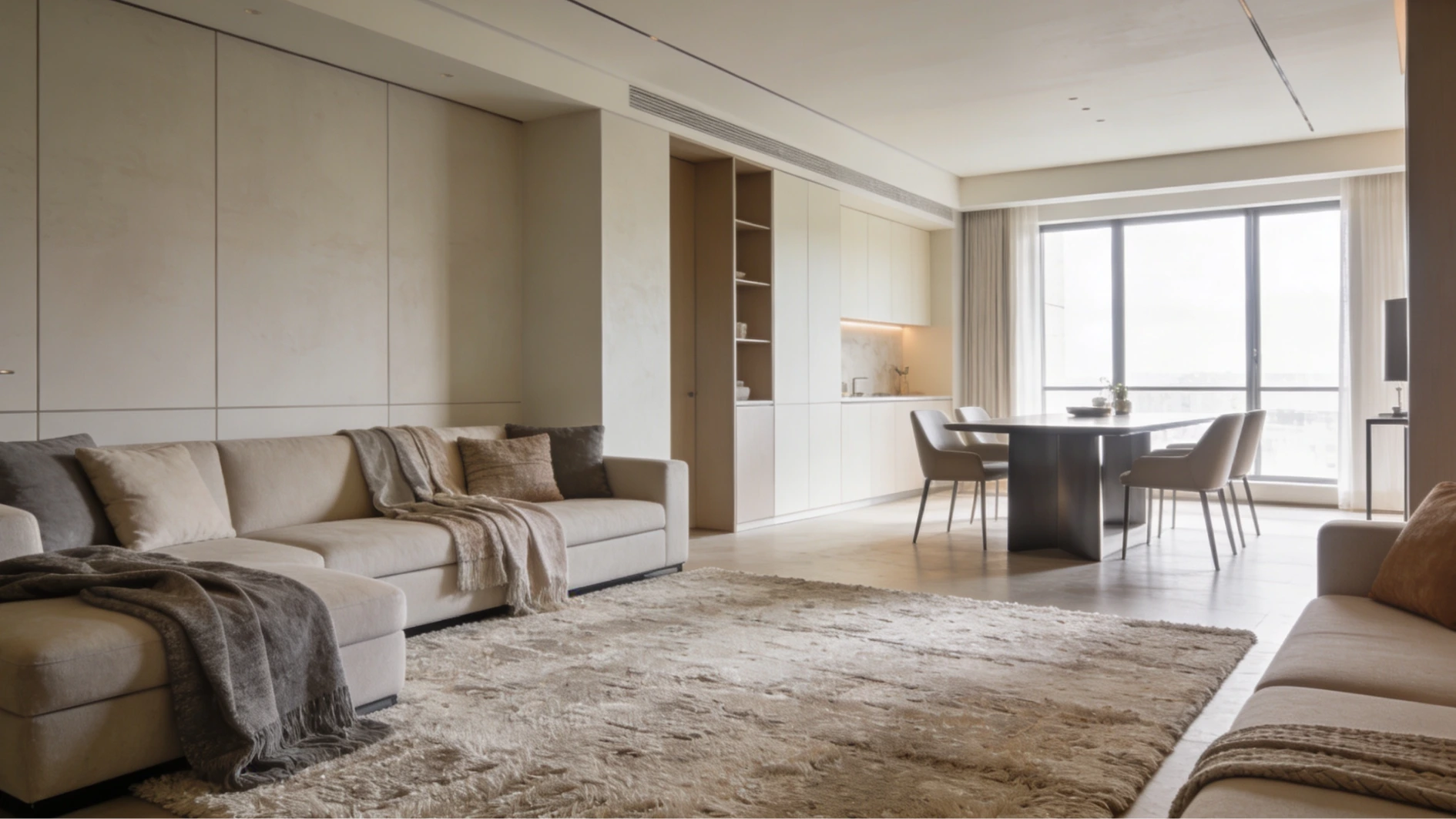
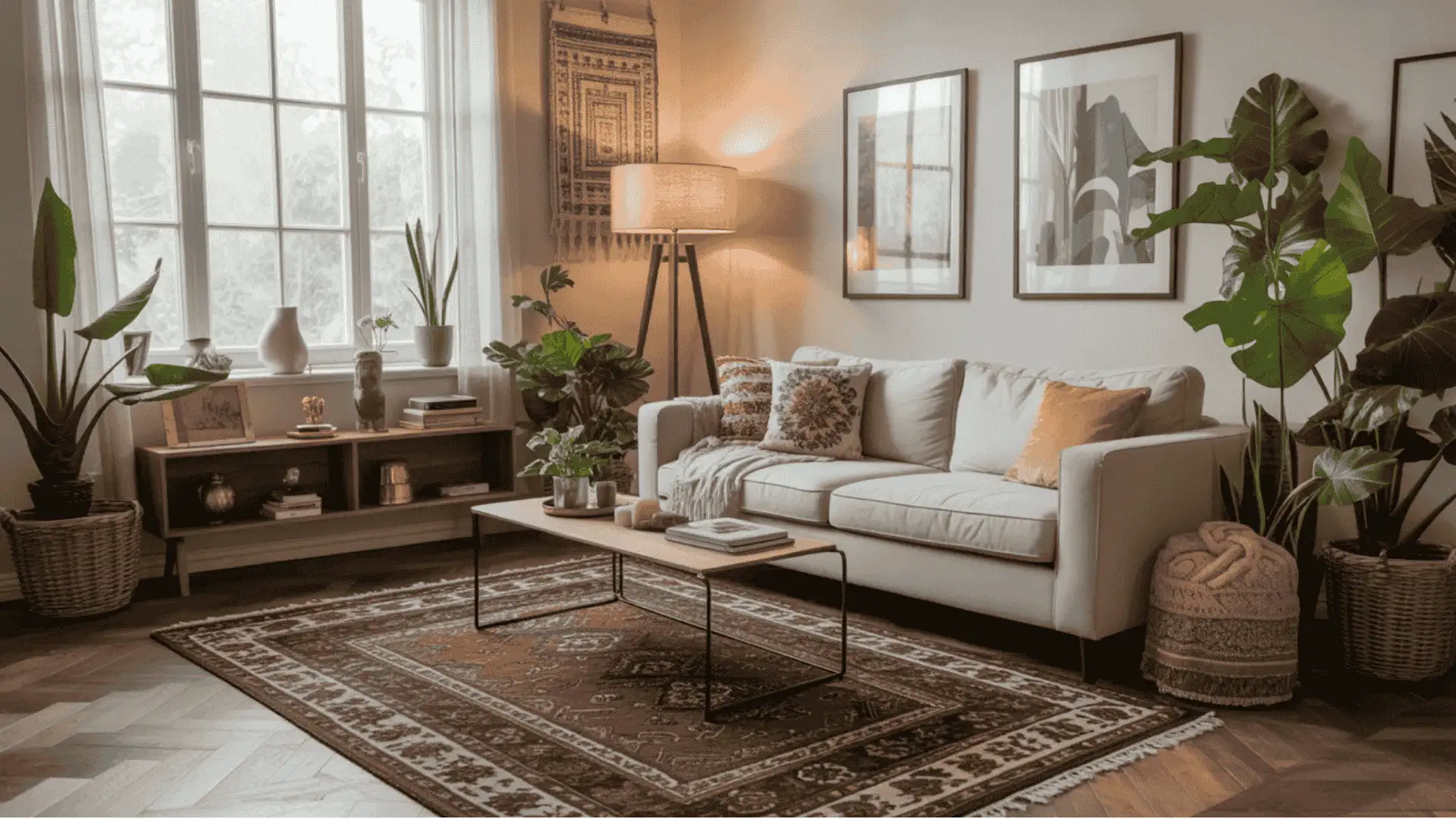
Anchor a large rug under the living room furniture, and it instantly becomes its own zone, separate from the dining area, without a single wall involved.
Rugs add warmth, absorb sound, and give each area a sense of purpose without breaking the open feel.
5. Make the Kitchen Island the Anchor
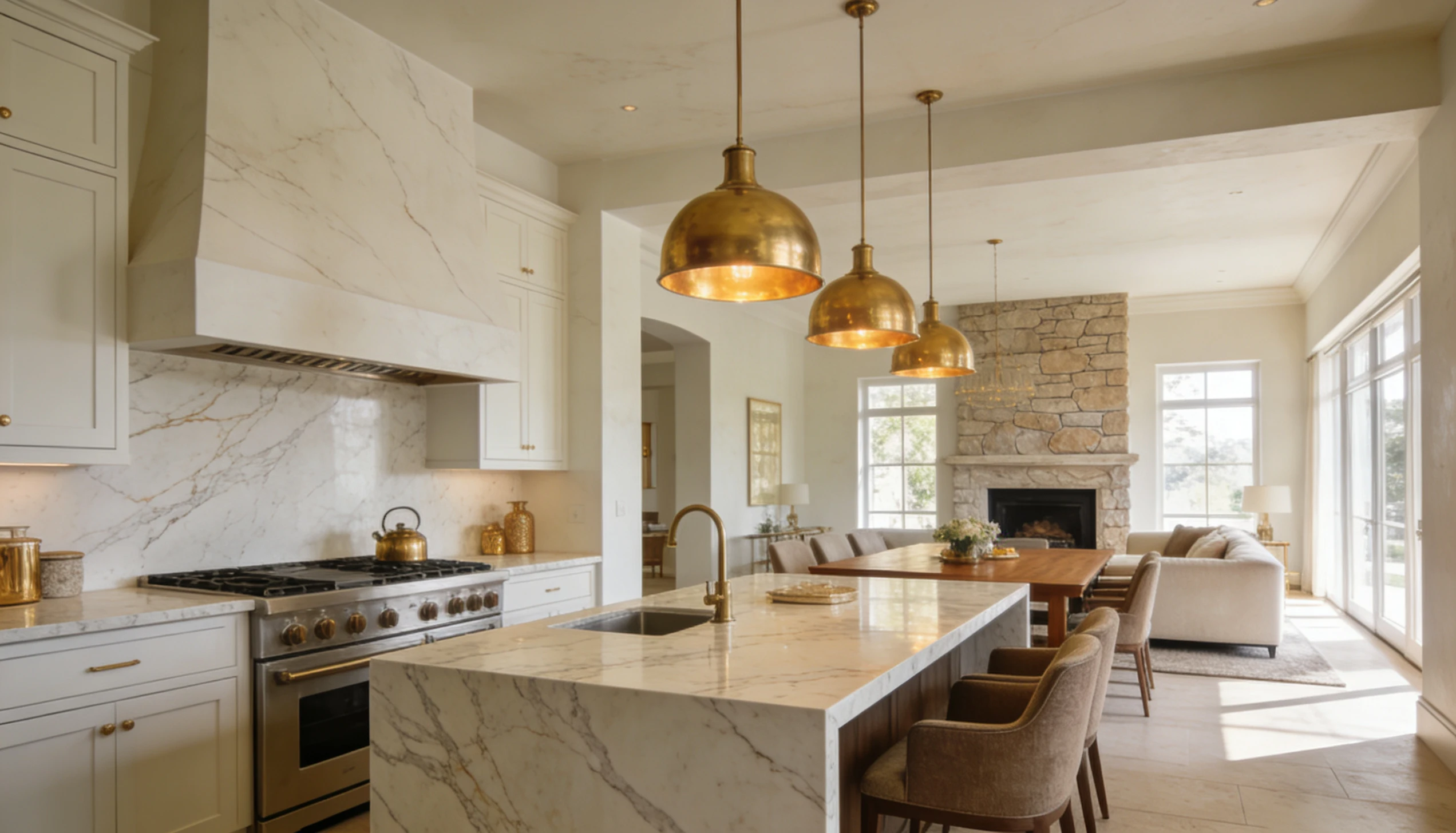
In most open layouts, the kitchen sets the tone for the entire space.
A well-designed island with pendant lighting above it creates a natural gathering point, marks the kitchen zone, and acts as a soft visual divide between cooking and living areas.
It is functional, social, and one of the hardest-working design elements in any open floor plan.
6. Float Furniture Away from Walls
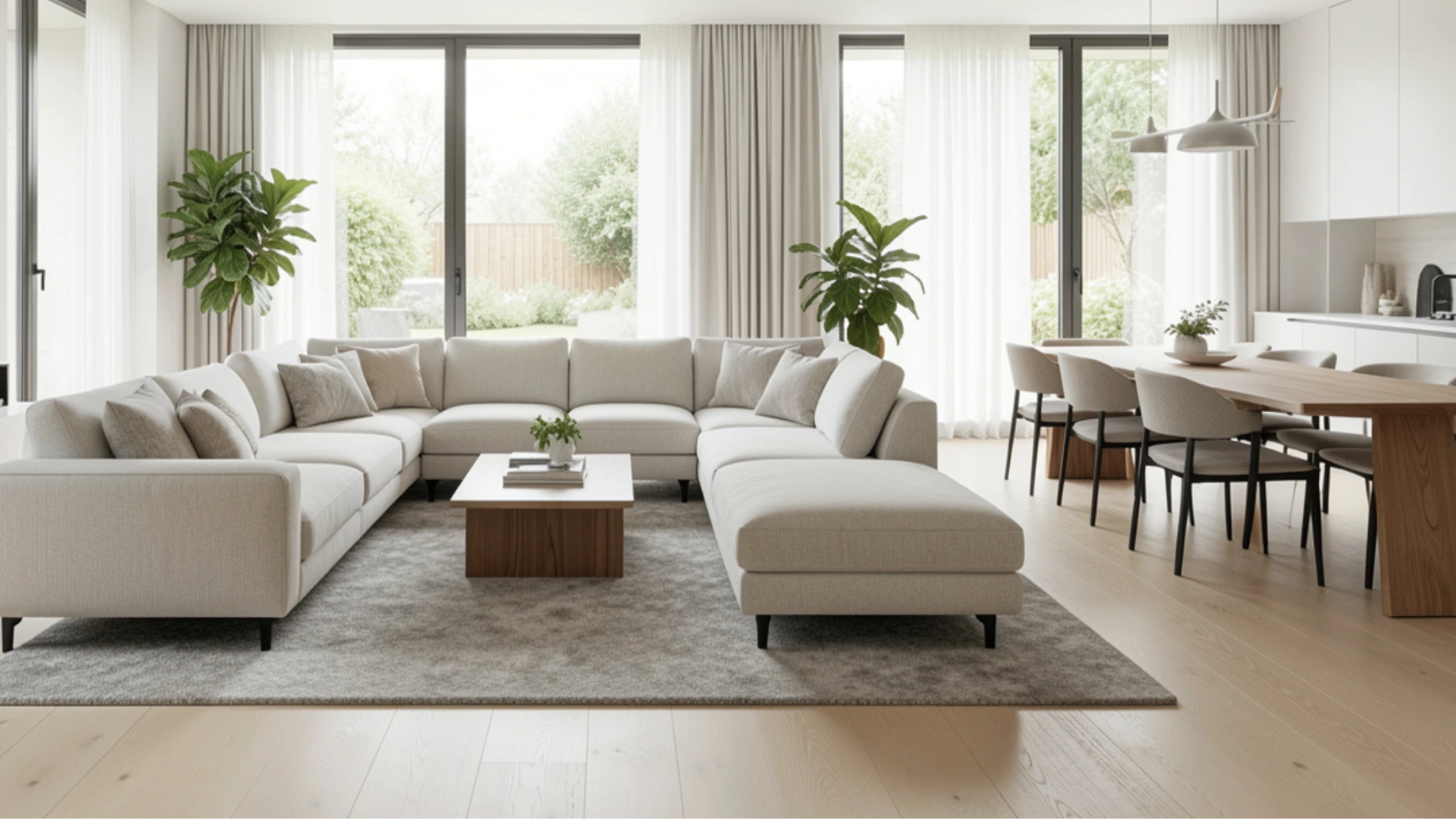
The instinct is to push everything against the walls to free up floor space. In an open layout, that instinct works against you.
Floating furniture toward the center creates defined conversation zones, gives the room a sense of intention, and prevents that cold, empty hall feeling.
A sofa placed with its back to the dining area quietly divides two zones without any construction.
7. Stick to a Light, Cohesive Color Palette
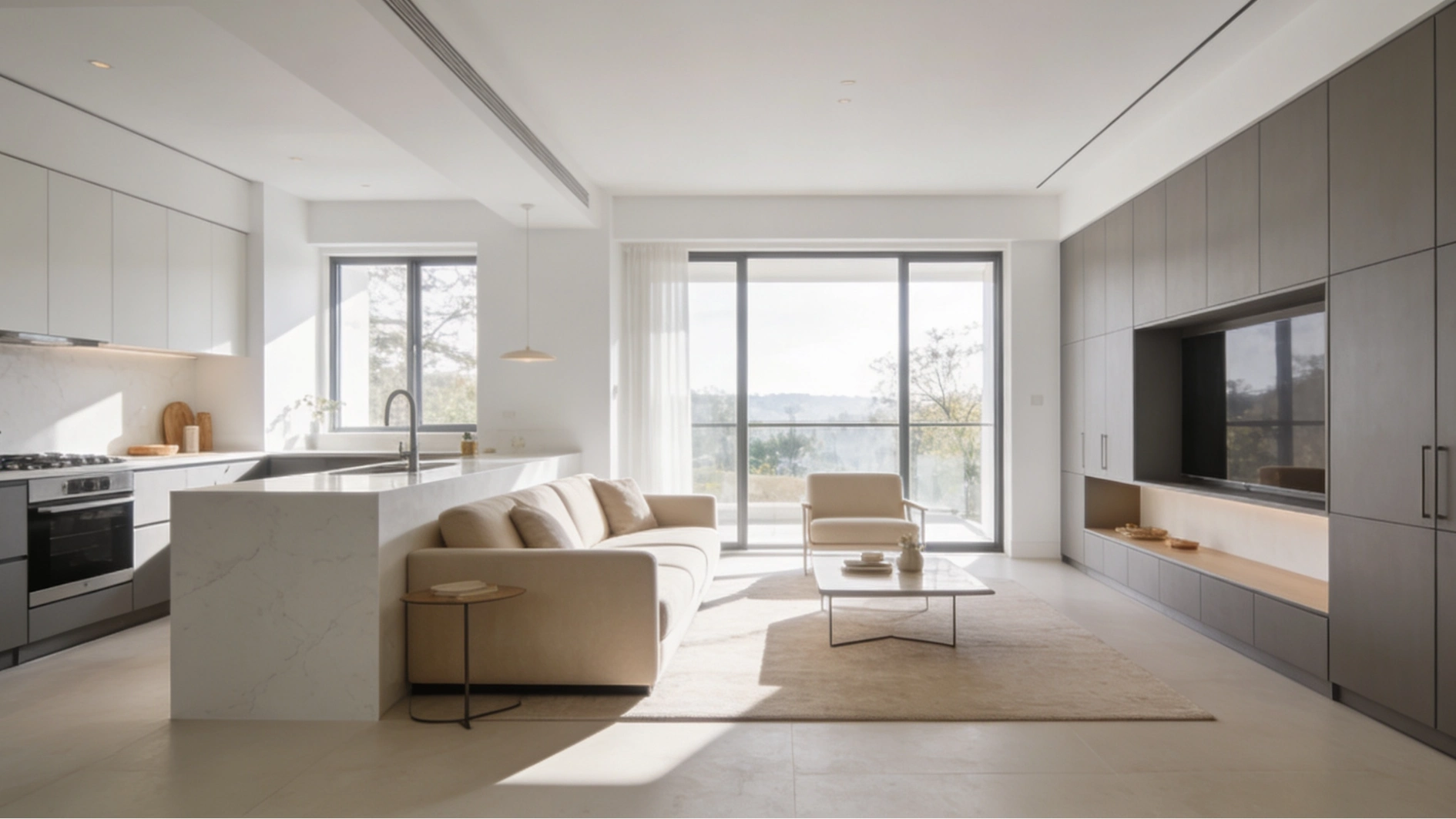
Color does two things in an open layout: it unifies the space, and it controls how light moves through it.
Light neutrals like whites, soft grays, and warm beiges bounce sunlight further and make every zone feel connected.
Use slightly different shades of the same color per zone for subtle distinction without breaking the visual flow.
8. Layer Lighting by Zone
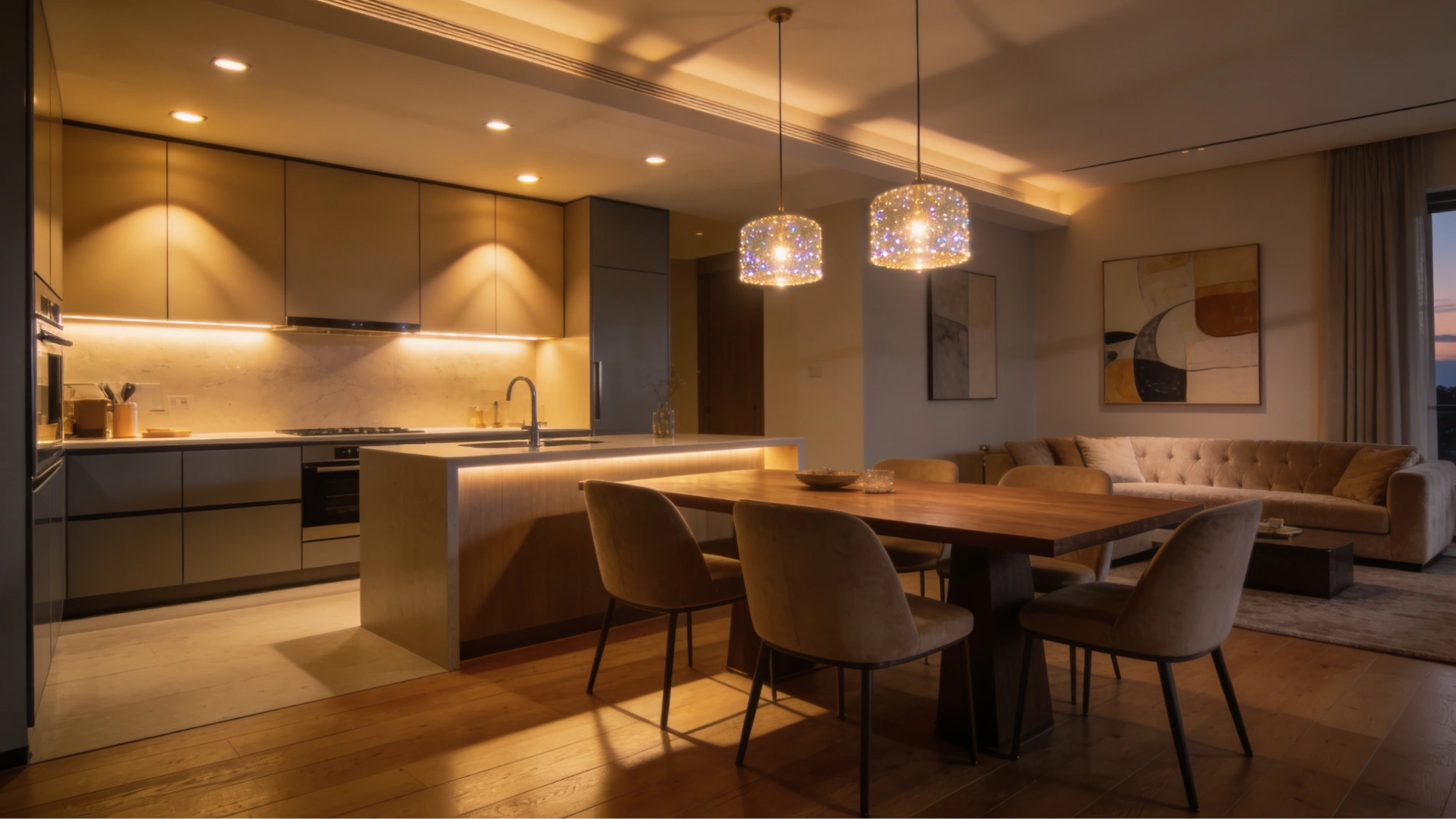
Without walls to signal where one room ends and another begins, lighting takes over that job.
A statement pendant over the dining table, recessed lights over the kitchen, and a floor lamp beside the sofa each quietly mark their zone.
Ambient lighting covers the overall room, task lighting goes over work surfaces like the kitchen counter, and accent lighting draws attention to shelving or artwork.
Adding dimmers to each circuit lets you adjust the mood without any rewiring later.
9. Place Mirrors Opposite Windows
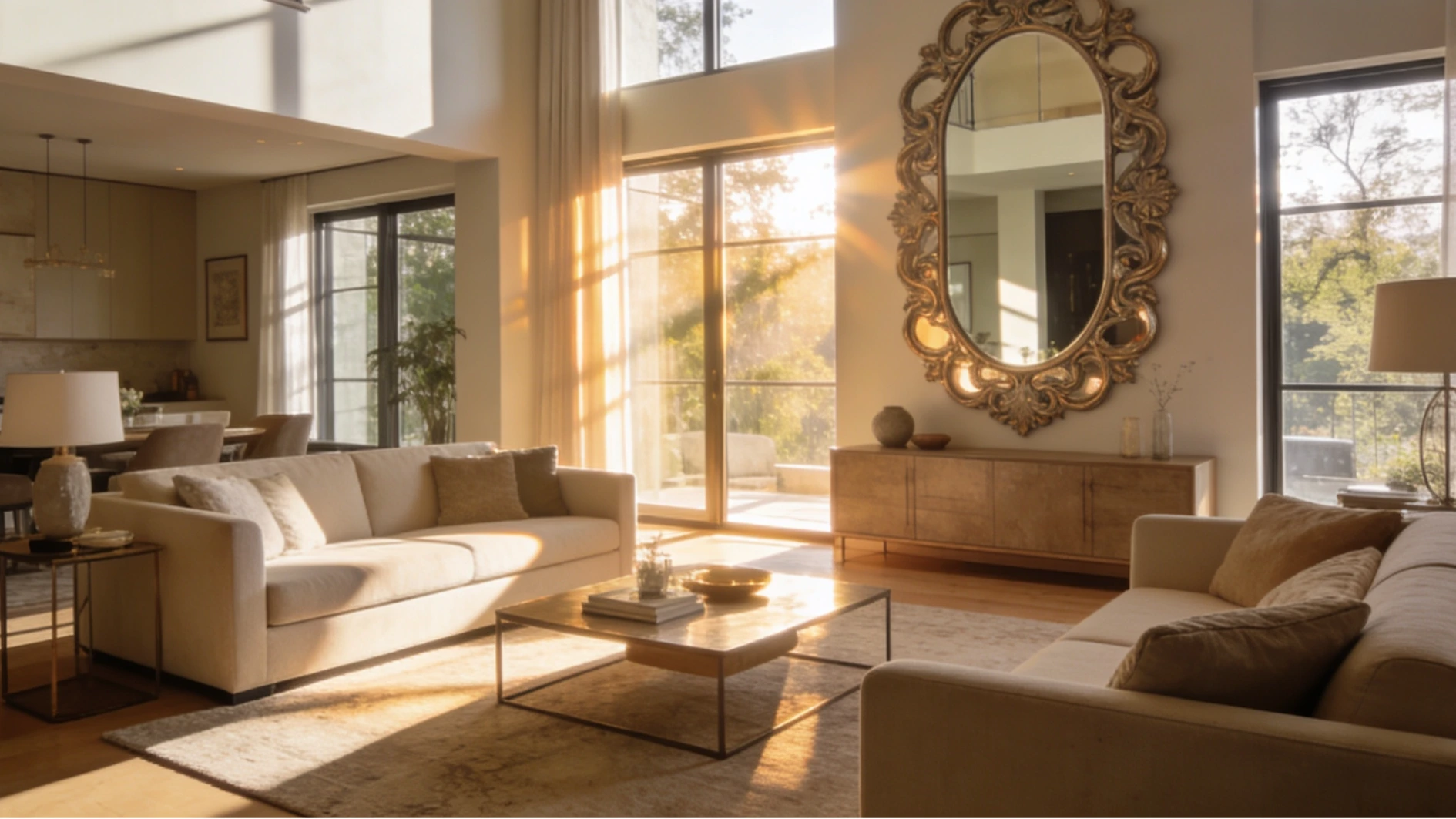
A mirror at least 24 inches wide tends to make a visible difference. Very large mirrors work well on a long wall, though they can feel overwhelming in a small corridor.
Natural light bounces off the surface and travels deeper into the space, brightening corners that sunlight would not otherwise reach.
In smaller open-plan homes, especially, a large mirror is one of the most cost-effective ways to make the space feel bigger and brighter at the same time.
10. Switch to Open Shelving in the Kitchen
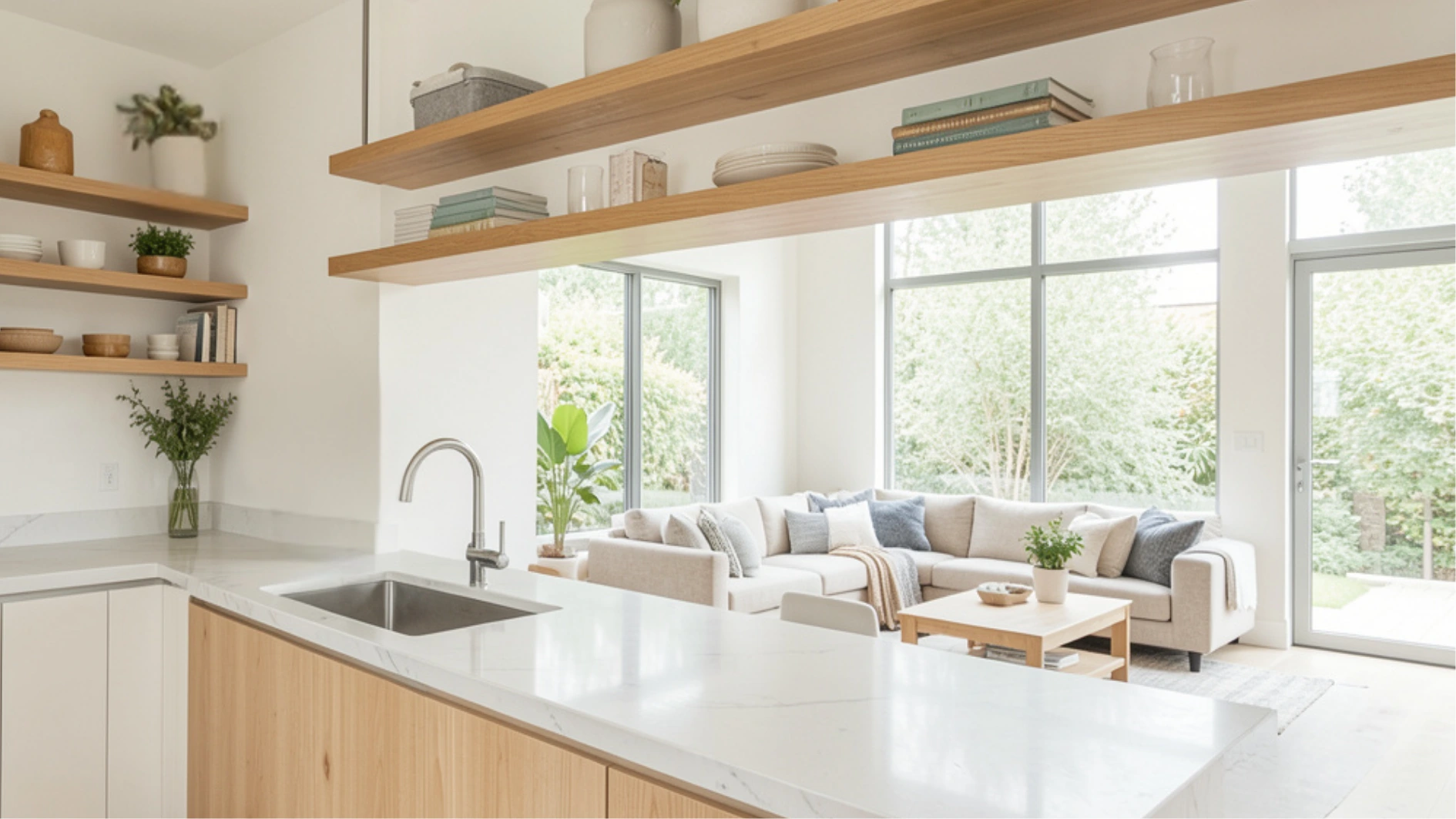
Heavy upper cabinets create visual walls inside an open layout.
Replacing them with open shelving keeps the eye moving, lets light pass through, and integrates the kitchen more naturally into the rest of the living space.
Group items in odd numbers and leave at least a third of each shelf open. A crowded shelf in an open kitchen pulls the eye and makes the whole space feel messier than it is.
11. Bring Nature Inside
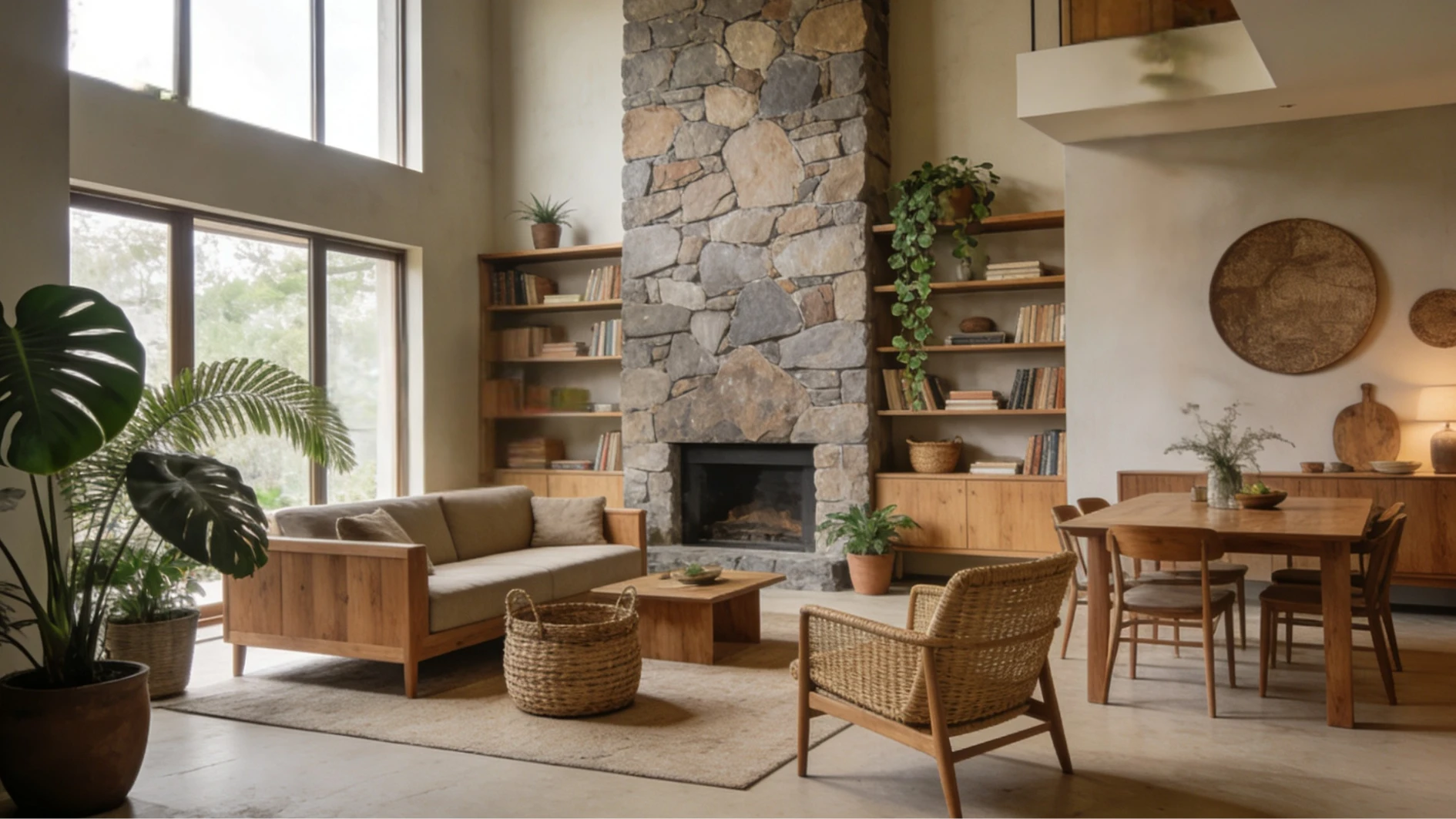
Plants, natural wood accents, stone surfaces, and woven textures add life to an open space without weighing it down.
Positioned well, a large indoor plant can also act as a soft, organic zone divider between the living and dining areas.
12. Connect Indoors to Outdoors with a Glass Door
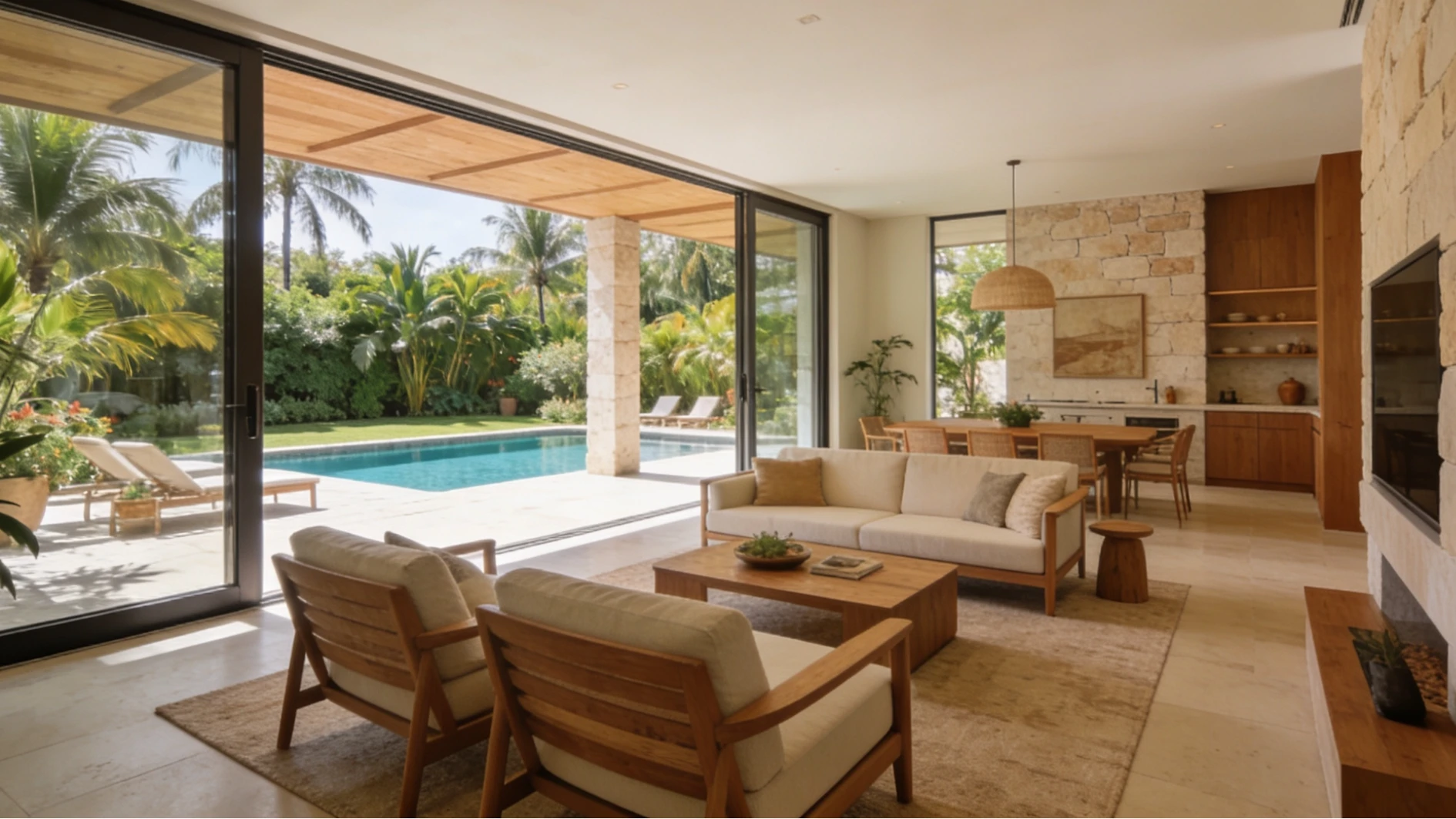
A large glass door or retractable wall physically extends the open plan into the outdoors when the weather allows. Even when closed, it maintains the visual flow and keeps light pouring in.
Matching your outdoor furniture to your interior palette helps the two areas read as connected. Just make sure the materials are actually rated for outdoor use.
Powder-coated steel and teak hold up well. Upholstered indoor pieces left outside will not.
13. Use Floor-to-Ceiling Shelves as Dividers
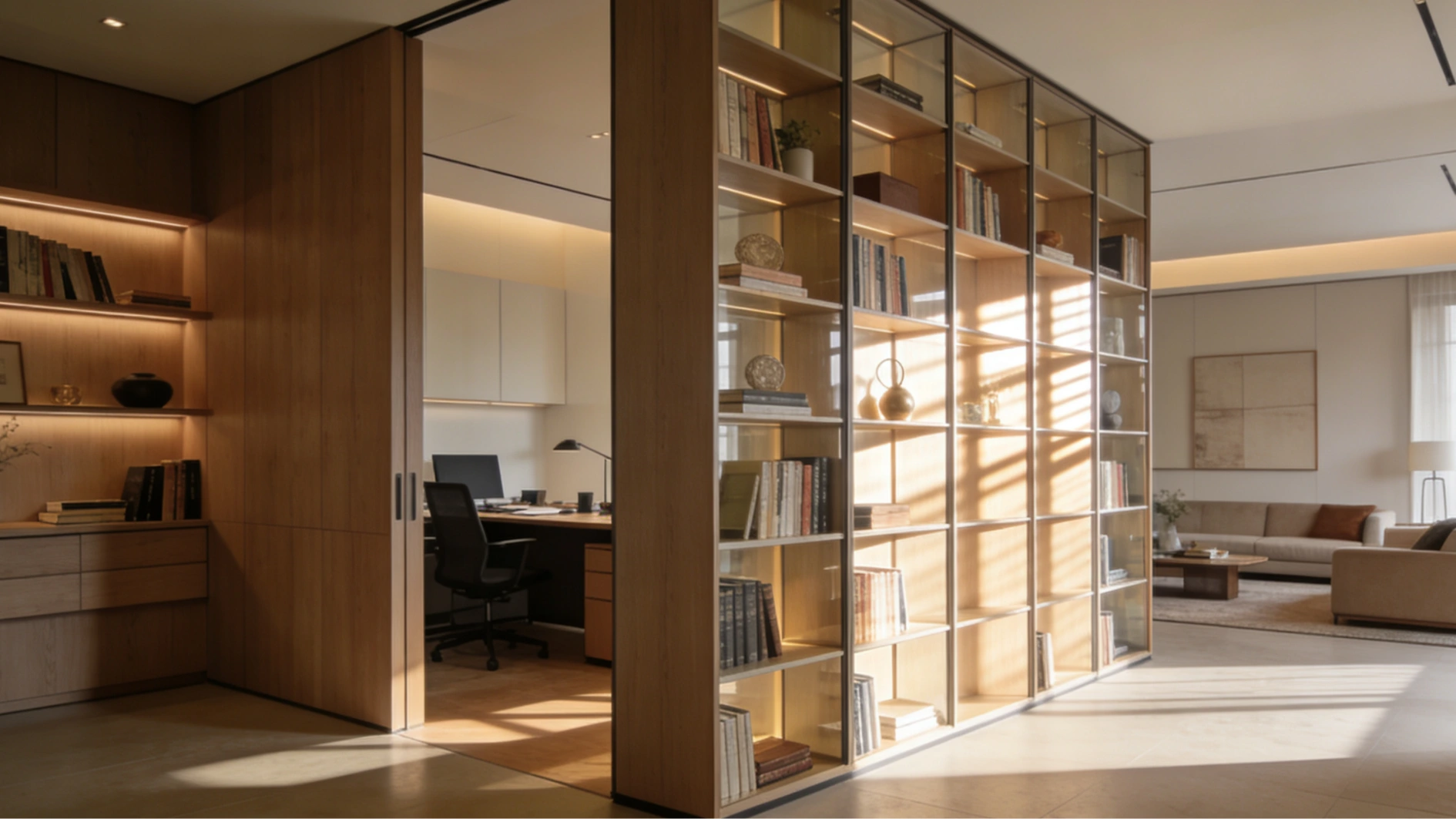
When a degree of separation is needed between a home office corner and the living area, for example, a floor-to-ceiling bookcase does the job without closing off the space.
It adds vertical interest, maximizes storage, and keeps the open feel intact.
Open-back units work best, allowing light to filter through both sides and keeping sightlines as clear as possible.
Open Floor Plan Decorating Ideas
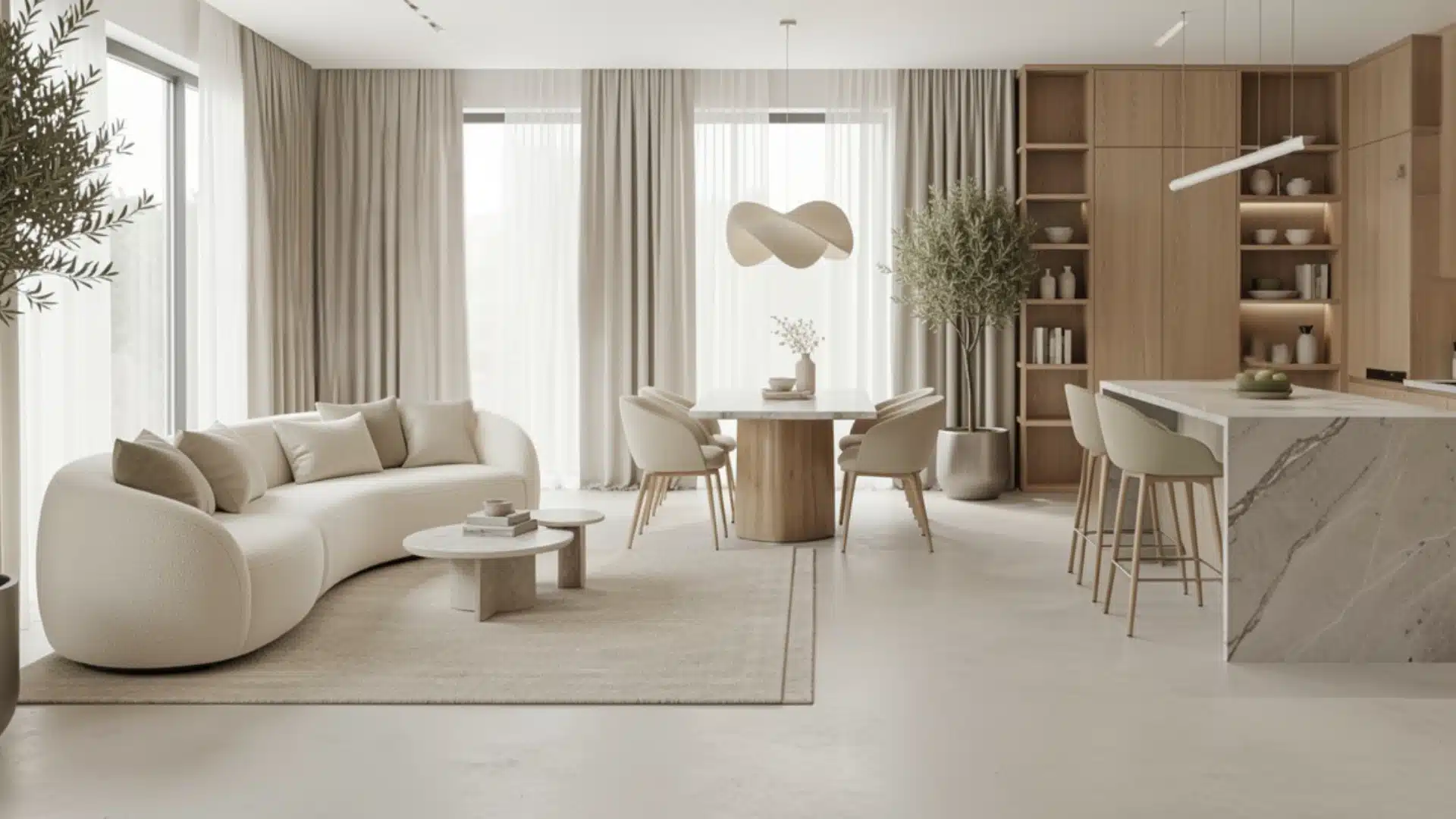
A great layout is only half the job. How you decorate determines whether the space feels pulled together or all over the place.
Anchor Each Zone with a Statement Piece: A bold pendant light, large artwork, or sculptural island gives the eye a place to land and makes each zone feel intentional.
Keep a Consistent Color Thread Running Through: Pick two or three colors and carry them across every zone. It ties the whole space together without any extra effort.
Mix Textures, Not Styles: Combine wood, linen, metal, and stone in the same room. They tend to sit well together because they have different weights and finishes, which keeps things from looking flat.
Style with Purpose, Not Volume: A single large piece of art does more for a living area than six small ones spread across the walls. In an open layout, less really does read as more.
Let Negative Space Do the Work: Not every corner needs filling. Breathing room between furniture groupings keeps the layout feeling open and intentional.
Benefits of an Open Floor Plan
Before jumping into the ideas, it helps to understand why so many people are making the switch and what makes an open floor plan worth every bit of the effort
More Natural Light
Without walls breaking up the space, sunlight travels freely from one end of the home to the other. One good window can brighten an entire floor.
A Bigger Feel without Added Square Footage
Open layouts create the illusion of more space. The eye travels further, the ceiling feels higher, and the whole area breathes.
Better Connection
Cook dinner and still be part of the conversation. Keep an eye on the kids while working in the kitchen. The layout keeps everyone in the same space without crowding them.
Higher Resale Value
Open floor plans are popular with buyers and often noted as a plus in real estate listings. The actual resale impact varies by market and condition, but the preference for open layouts has been consistent for years.
Easier to Entertain
Guests move freely, conversations flow naturally, and nobody gets stuck in a separate room.
Conclusion
An open floor plan changes more than the layout.
It changes how you use the space, how much light comes in, and how connected the rooms feel day to day.
The ideas in this blog explain everything from big structural moves to small styling shifts, so there is always a starting point regardless of your budget or home size.
Pick the open floor plan ideas that fit your space, apply them gradually, and watch an ordinary layout turn into something that actually works for you.
Frequently Asked Questions (FAQ’s)
1. Is an Open Floor Plan Cheaper to Build?
Open floor plans can be cheaper to build since fewer walls mean less material and labor costs overall.
2. What are the Biggest Downsides of Open Plans?
Noise travels freely, privacy is limited, and clutter is always visible. Cooking smells also spread across the entire space. These are real trade-offs, but smart furniture choices and good storage planning can manage most of them.
3. Does an Open Floor Plan Increase Home Value?
Yes. Open floor plans can increase resale value by up to 15% and tend to sell faster, as buyers consistently rank them among their top must-have features.