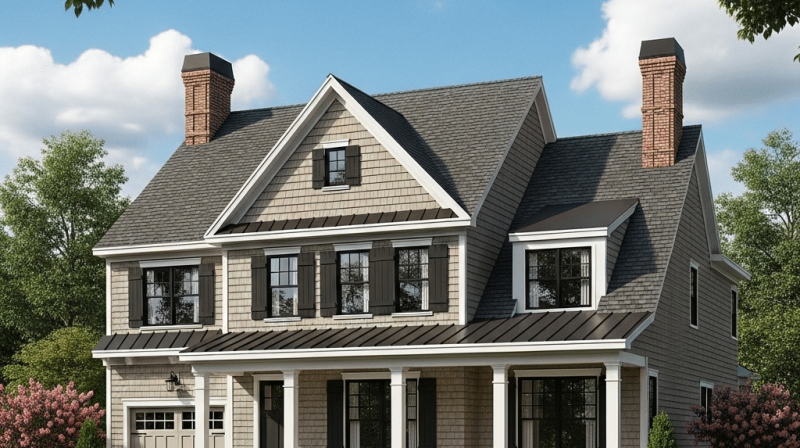
When I first saw a saltbox roof, its unique silhouette immediately caught my eye one side slopes gently, while the other drops steeply, giving it a distinct, charming look.
Today’s homeowners love saltbox roofs for their blend of practicality and curb appeal.
In this post, I’ll quickly cover why saltbox roofs are making a comeback, highlight their weather-resistant design and extra living space, and help you decide if this classic style fits your home.
You’ll also get a glimpse of their history, key features, maintenance tips, and cons.
What is a Saltbox Roof?
A saltbox roof is an asymmetrical roofing style where one side has a long, steep slope while the other features a shorter, more gradual incline.
The name comes from its resemblance to the wooden boxes that colonial families used to store salt in their kitchens.
The Colonial Connection
I find it interesting how this roof style emerged in 17th-century New England out of pure necessity.
Early American settlers needed homes that could handle harsh winters, heavy snow loads, and driving rain. The saltbox design proved perfect for these challenges.
Many colonial families started with simple homes, then added lean-to additions to the back.
This created the signature long rear slope that we associate with saltbox roofs today. It wasn’t just about expansion; it was smart building.
What Makes it Stand Out
The most obvious feature is the asymmetry. When I look at a saltbox roof, I see:
- A steep front slope (usually 40-50 degrees).
- A much longer back slope that extends almost to the ground.
- A ridgeline that sits closer to the front of the house.
- Clean, unbroken lines that shed water and snow efficiently.
This uneven design might look odd at first glance, but it serves multiple purposes. The long slope creates extra interior space while the steep pitch handles weather beautifully.
Pros of Saltbox Roof Design
| Advantage | Description |
|---|---|
| Excellent Drainage | Steep slopes allow water and snow to shed quickly, reducing pooling and ice dams. |
| Unique Visual Appeal | Asymmetrical shape gives strong curb appeal and architectural character. |
| Space-Saving Interiors | High front creates cathedral ceilings; sloped back offers cozy upper rooms. |
| Weather Resistance | Aerodynamic form resists wind uplift; snow naturally slides off. |
Cons of Saltbox Roof Design
| Disadvantage | Description |
|---|---|
| Complex Construction | Requires skilled labor due to asymmetrical angles and framing complexity. |
| Limited Attic Space | Sloped back often results in awkward or low-clearance attic areas. |
| Furniture Placement Issues | Uneven ceilings make arranging tall furniture and décor more difficult. |
| Higher Costs | More materials and labor lead to increased building and maintenance expenses. |
Creative Saltbox Roof Variations & Adaptations
The beauty of saltbox roofs lies in their adaptability. From glass-filled contemporary homes to charming tiny houses, the saltbox shape is proving it can work in almost any context.
Let me show you some of the most interesting variations I’ve come across.
Modern Saltbox

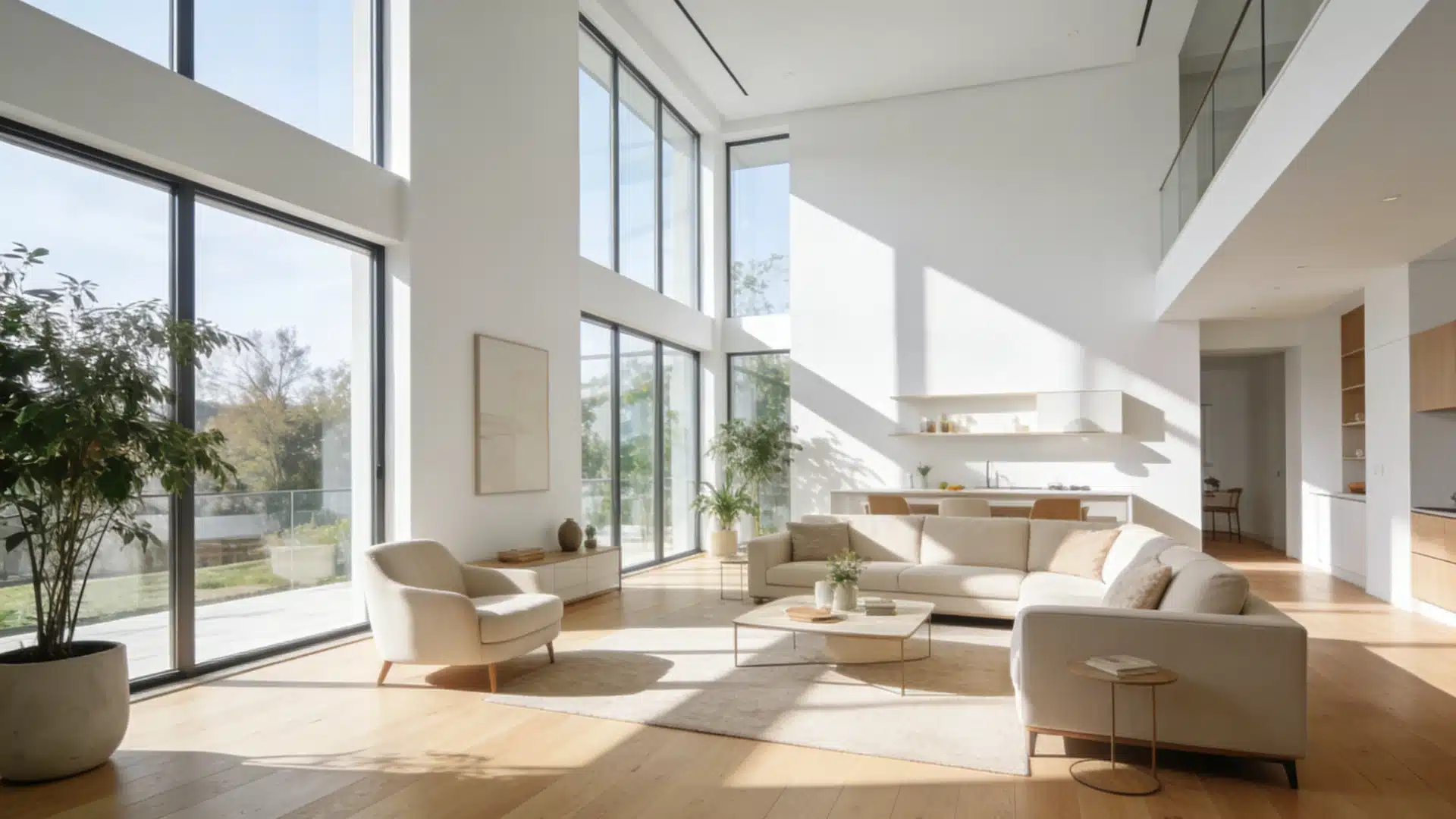
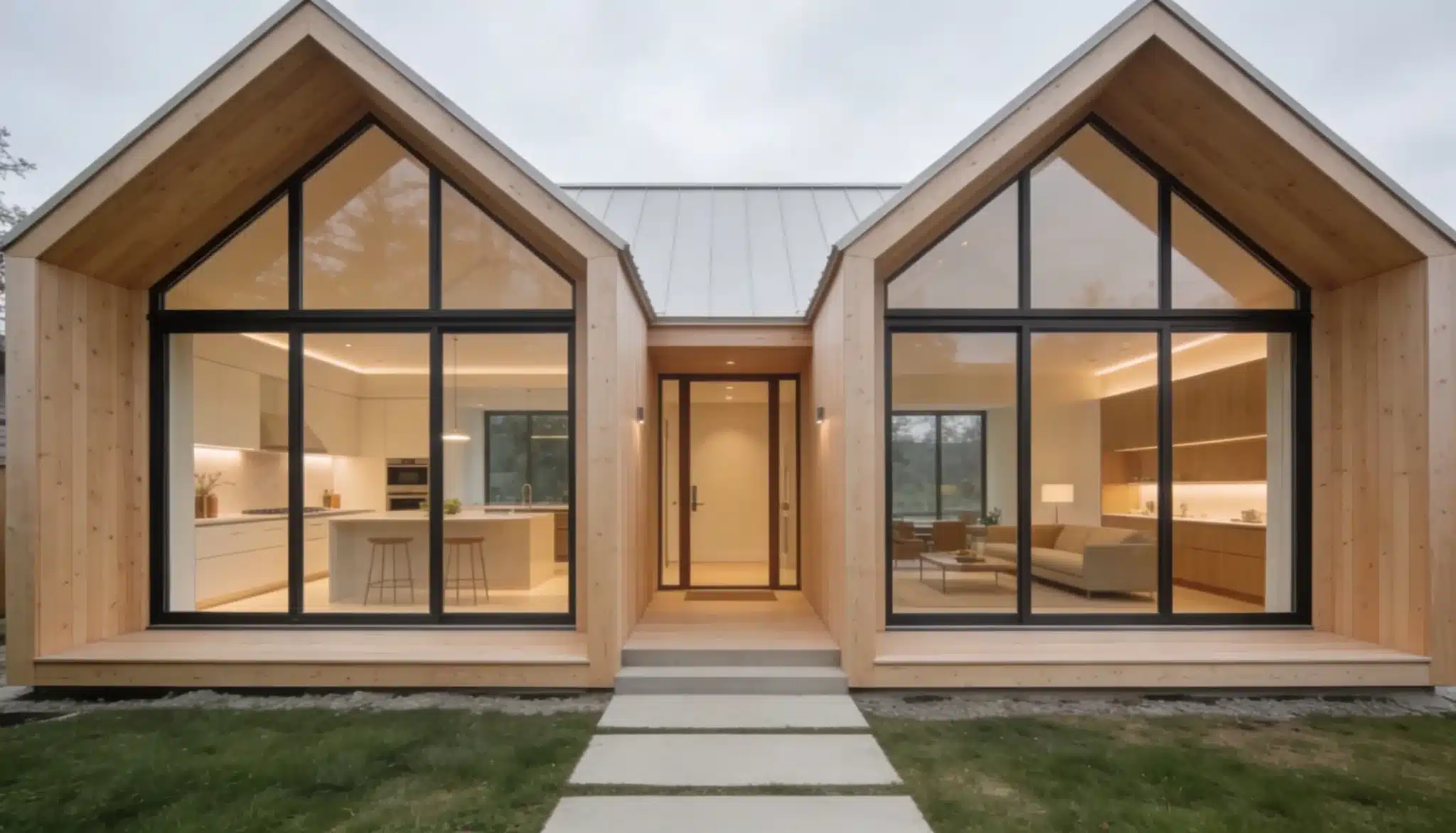
I’ve been amazed by how contemporary architects are reimagining the traditional saltbox. Instead of small colonial windows, I’m seeing floor-to-ceiling glass panels installed along the steep front slope.
This floods the interior with natural light while maintaining that classic asymmetrical profile.
Open floor plans work beautifully with saltbox designs the soaring front ceiling creates dramatic living spaces while the lower back section houses more intimate areas like kitchens and dining rooms.
Saltbox Sheds & Tiny Homes

The saltbox shape translates perfectly to smaller structures, and this trend is growing currently.
Garden sheds with saltbox roofs look charming while providing excellent storage in the tall front section.
Tiny home builders are using this design to maximize headroom where you need it most, usually over the living area, while keeping sleeping lofts cozy under the long slope.
Weekend cabins with saltbox roofs feel rustic.
Blending Tradition with Modern Materials

What excites me most is watching builders mix traditional saltbox proportions with modern materials.
I’ve seen homes where the classic roofline is covered in standing seam metal instead of wood shingles, or where one slope features traditional cedar while the other showcases contemporary fiber cement.
The contrast creates stunning visual interest while honoring the historical roots.
Saltbox Roofs for Multi-Generational Living

I’m noticing more families using saltbox designs to create separate but connected living spaces.
The natural division between the high front section and lower back area makes it easy to design homes where grandparents or adult children can have their own private areas while sharing common spaces.
It’s a smart solution for changing family needs.
Tips for Building or Installing a Saltbox Roof
If you’re thinking about building a saltbox roof, I want to share some hard-earned wisdom from my experience with these projects.
Here are the key things I’ve learned that can make or break your saltbox roof installation.
1. Find Contractors with Saltbox Experience
I always ask to see photos of their previous asymmetrical roof projects. Generic roofers often struggle with the complex framing angles and uneven load calculations that saltbox designs require.
2. Match Materials to Your Slope Angles
The steep front and gentle back slopes need different approaches. I’ve learned that metal roofing works great on the longer, lower-pitched back section where standard shingles might fail.
3. Plan Insulation Strategically
Poor insulation placement creates hot and cold spots throughout saltbox homes. I work closely with contractors to ensure continuous coverage without thermal bridging, especially in the cathedral ceiling areas.
4. Reinforce the Extended Back Slope
In windy areas, that long back slope acts like a sail. I always specify extra structural support additional rafters, hurricane ties, or enhanced sheathing attachment to prevent wind damage.
5. Account for Complex Drainage Patterns
Water flows differently on each slope, so I make sure gutters and downspouts are sized appropriately. The steep front section sheds water fast, while the back slope needs careful drainage planning.
6. Budget for Specialized Labor Costs
Saltbox roofs take longer to build and require skilled craftsmen. I typically budget 20-30% more than standard roof installations to account for the complexity and expertise needed.
Final Thoughts
Saltbox roofs are more than just a design choice they’re a smart, long-term investment.
The main point? While saltbox roofs can cost more upfront, their durability, extra living space, and curb appeal often make them worth it in the long run.
If you’re interested, start by finding local contractors who have experience with asymmetrical roof styles. Tour nearby saltbox homes for inspiration, and talk to homeowners about their experiences.
Have questions about saltbox roofs? Leave a comment below I’m here to help you make the best choice for your home.
Frequently Asked Questions (FAQ’s)
1. What is the Purpose of a Saltbox Roof?
A saltbox roof improves drainage, handles snow well, and creates extra living space with its asymmetrical roof design.
2. What is the Strongest Shape for a Roof?
Gable and hip roofs are considered strong because they evenly distribute weight and withstand harsh weather conditions.
3. Why do They Call it a Saltbox House?
Saltbox houses resemble old wooden salt containers used in colonial kitchens, which inspired the architectural name.
4. Where are Saltbox Houses Most Common?
Saltbox houses are most common in New England, especially in colonial towns with harsh winters and heavy snowfall.