Your floors take more abuse than any other surface in your home. The right stain protects them. The wrong one peels, fades, and costs you a full refinish job.
There are only three main types of floor stain worth knowing.
Once you understand what each one does, the choice gets a lot simpler.
Which Floor Stain is Right for Your Space?
The stain you pick does more than change the color. It determines how well the wood holds up, how long it stays looking good, and whether you’re refinishing again in five years or fifteen.
Choose the wrong one, and you may end up with peeling or an uneven finish.
1. Oil-Based Stains
Oil-based stains use a chemical carrier solvent that helps them penetrate the wood more slowly.
That slow penetration is actually a feature — it gives you more working time and produces a smooth, warm finish with good color depth.
They are very durable for busy rooms and hold up well over time, though they do take longer to dry. Expect 8–12 hours between coats.
Do not apply oil-based stain in a poorly ventilated room. The fumes are strong and can be harmful. Always open windows and use a fan before you start.
2. Water-Based Stains
Water-based stains use water as their primary solvent, which means they dry much faster.
For refrence, the Bona Chroma Waterborne Colorant gives a clean, fresh look that works well in modern spaces. Most water-based stains are dry to recoat in 2–4 hours.
These stains are less durable than oil-based options and work best in low-traffic rooms.
Do not apply water-based stain over an oil-based finish without sanding first. The two do not bond well together and will cause the new stain to peel off quickly.
3. Gel Stains
Gel stains are best for tricky wood types like pine or birch that absorb stain unevenly.
Unlike other stains, gel stain sits on top of the wood rather than soaking in. This gives you a thick, consistent stain color with better control over the final finish.
The tradeoff: gel stains take longer to dry than oil- or water-based options, so plan for longer wait times between coats.
Do not apply gel stain in thick coats all at once. Too much product at one time causes it to streak and never dry properly. Always work in thin, even layers.
How Many Coats of Floor Stain do You Need?
Most floors need 2 coats of stain. But the right number depends on the color depth you want and how the wood absorbs the first coat.
Here’s the practical breakdown:
- 1 coat — works for light, natural tones where you want the wood grain to show through clearly. Common with light oak or ash.
- 2 coats — the standard for most jobs. Gives you a richer, more even color without over-saturating the wood.
- 3 coats — only needed for very dark stains (ebony, dark walnut) or woods that absorb unevenly, like pine.
The rule between coats:
Always let the first coat dry completely before applying the second. With oil-based stains, that means waiting 8–12 hours.
Water-based stains dry faster (usually 2–4 hours). Don’t rush this. Applying a second coat too early traps moisture and causes peeling.
How to know if you need a second coat:
After the first coat dries, check the color in natural light. If it looks patchy or lighter than expected, a second coat will even it out.
If the color looks right, stop there. More coats don’t always mean better results.
Can You Stain Over an Existing Stain?
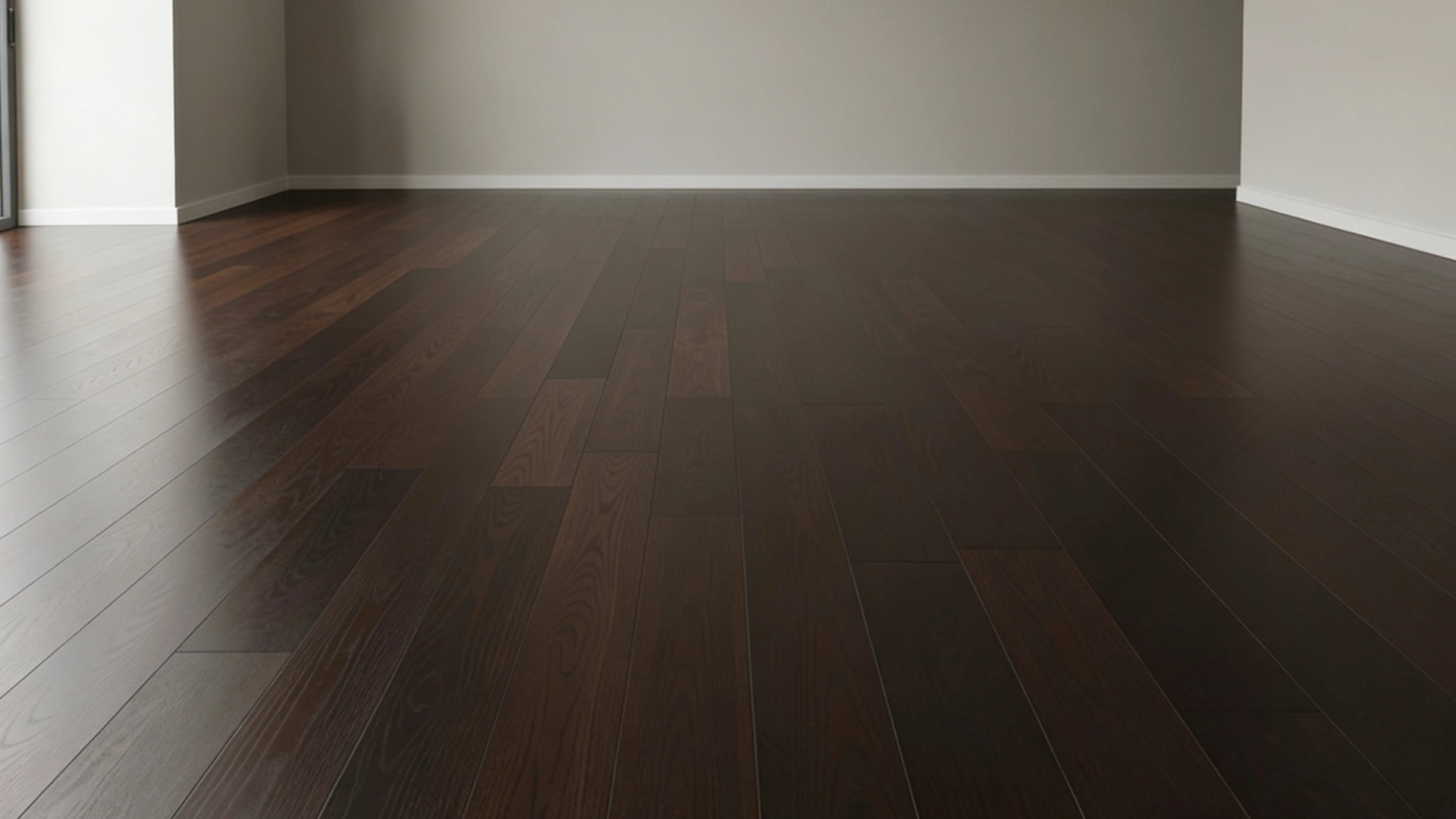
Yes, you can stain over an existing stain, but only if you prepare the surface first.
Preparing the surface first is important because simply applying a new stain over the old one will not work.
The old layer blocks the new one from soaking into the wood properly.
This leads to an uneven, blotchy finish that looks worse than before. So, the right way to do it is to sand the floor first.
Sanding lets the new floor stain absorb evenly and bond well.
But remember to keep the sanding intensity in mind. Light sanding works for minor touch-ups, and full sanding is for a completely fresh color.
Never skip sanding just to save time. Staining over an unsealed or unprepped surface is a common error which is the hardest one to fix.
How Often Should Stained Floors be Refinished?
Most stained floors need refinishing every 7 to 10 years because the protective clear topcoat (usually polyurethane) layer fades off over time.
But sometimes, you may need refinishing sooner if certain signs are clearly noticeable.
1. When Deep Scratches Expose Bare Wood: Deep scratches cut through the protective layer, and bare wood soaks up moisture and dirt fast.
When you see this, refinishing sooner prevents the damage from spreading.
2. Uneven Fading or Discoloration: Uneven fading happens when some areas get more sunlight or foot traffic than others.
Area rugs can slow this down, but once the discoloration is obvious, refinishing is the only real fix.
3. Water Stains: When water stains stay on the floor after wiping, it means the finish has worn through. Moisture is now reaching the wood directly, which causes the wood to swell.
Don’t wait on this one — swelling leads to warping.
Final Thoughts
Now you know that choosing the floor stain does not have to be that stressful.
Just start by selecting a stain that suits your wood type, lifestyle, and the amount of traffic your floors handle every day.
And remember to keep up with refinishing before the damage gets too deep.
When you make these informed choices and maintain your floors properly, they can remain protected and durable for many years to come.
Frequently Asked Questions (FAQs)
1. Is it Better to Stain Wood with a Brush or a Rag?
A rag works better for most wood staining jobs. It spreads the stain evenly and lets you wipe off the excess quickly. Brushes can leave streaks.
2. What is the Easiest Stain to Apply to Wood?
Water-based stain is the easiest to apply. It dries fast, spreads evenly, and cleans up with just water. It is a great option for beginners.
3. What Floor Color Looks the Cleanest?
Light and neutral shades like natural oak or light gray look the cleanest. They hide dust less but show fewer scuffs and scratches.