
Ever repainted a room twice in one year?
That’s what happens when people pick the wrong finish between flat vs satin paint.
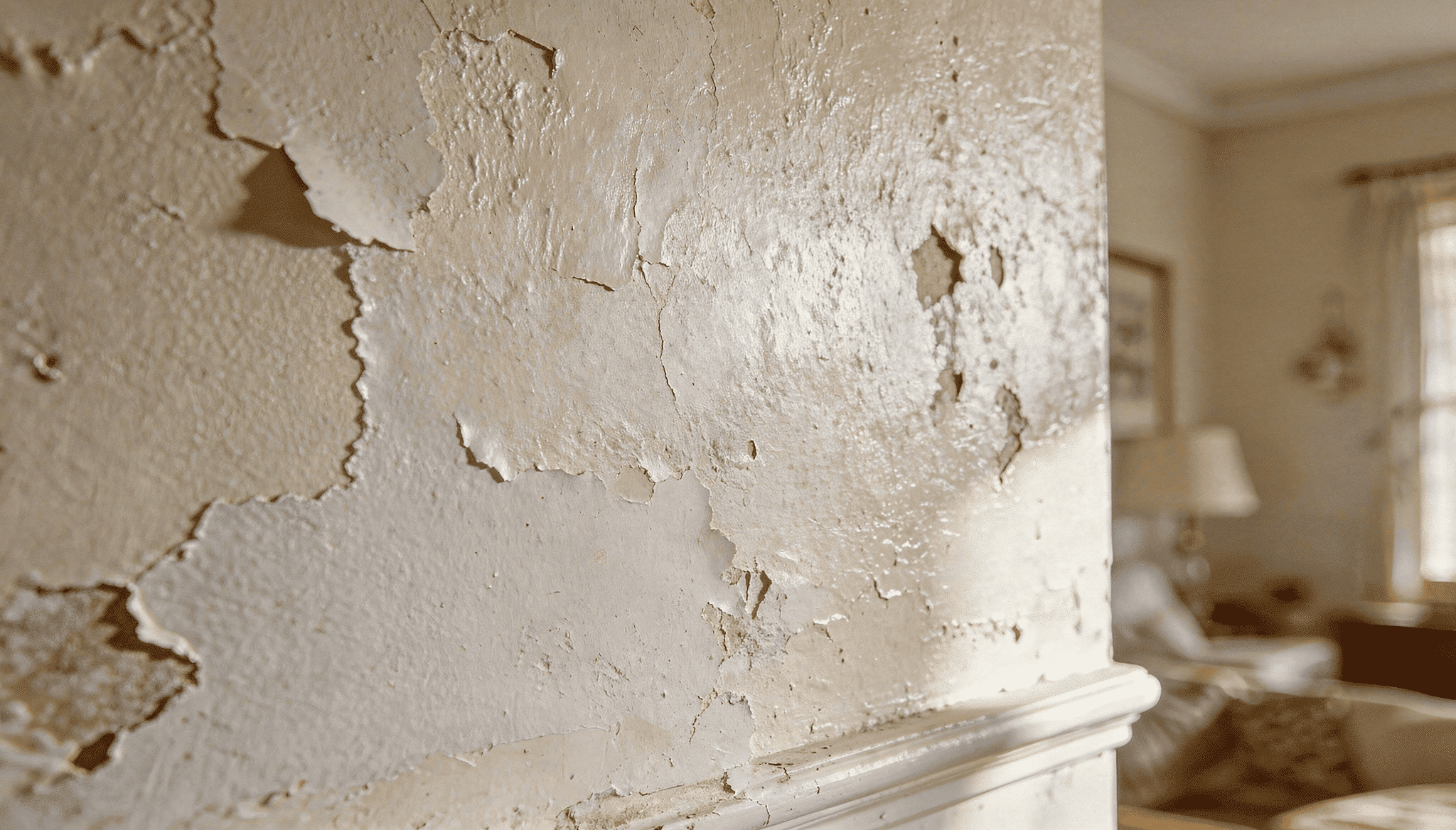
Flat paint in high-traffic areas tends to get dirty quickly and is difficult to clean. Satin paint in low-traffic areas can appear too glossy and reveal roller marks.
This blog breaks down exactly where each finish shines and where it fails.
What Does Sheen Mean?
Sheen refers to how much light a paint finish reflects. It’s the glossiness or shine level you see on a painted surface.
Low sheen means the paint looks flat and dull. High sheen means it appears shiny and reflective.
Paint manufacturers measure sheen in gloss units. These numbers tell how much light bounces back at specific angles.
The scale runs from zero for flat paint to over 85 for high-gloss finishes.
Sheen affects both appearance and performance. It changes how colors look, how dirt shows up, and how easily surfaces clean.
Difference Between Flat vs Satin Paint
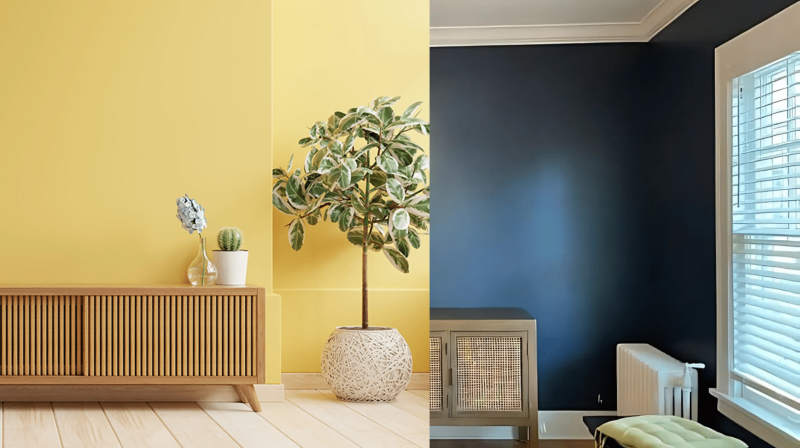
Flat and satin finishes serve different purposes in homes. Each one has strengths that make it better for specific situations.
| Feature | Flat Paint | Satin Paint |
|---|---|---|
| Sheen Level | No shine, completely matte | Low to medium sheen with subtle glow |
| Durability | Low marks and damage easily | Moderate to high, resists wear better |
| Cleanability | Difficult, washing removes paint | Easy, wipes clean with soap and water |
| Hides Imperfections | Excellent, masks wall flaws well | Moderate, shows some surface problems |
| Best For | Ceilings, low-traffic bedrooms | Kitchens, bathrooms, high-traffic areas |
| Touch-Ups | Blends in seamlessly | More visible, harder to match |
| Cost | Lower price point | Slightly higher cost |
| Moisture Resistance | Poor, not suitable for humid areas | Good, handles moisture and humidity |
Types of Paint Finishes – Detailed Overview
Paint finishes come in multiple sheen levels for different needs. These options help create better-looking, longer-lasting paint jobs.
1. Flat
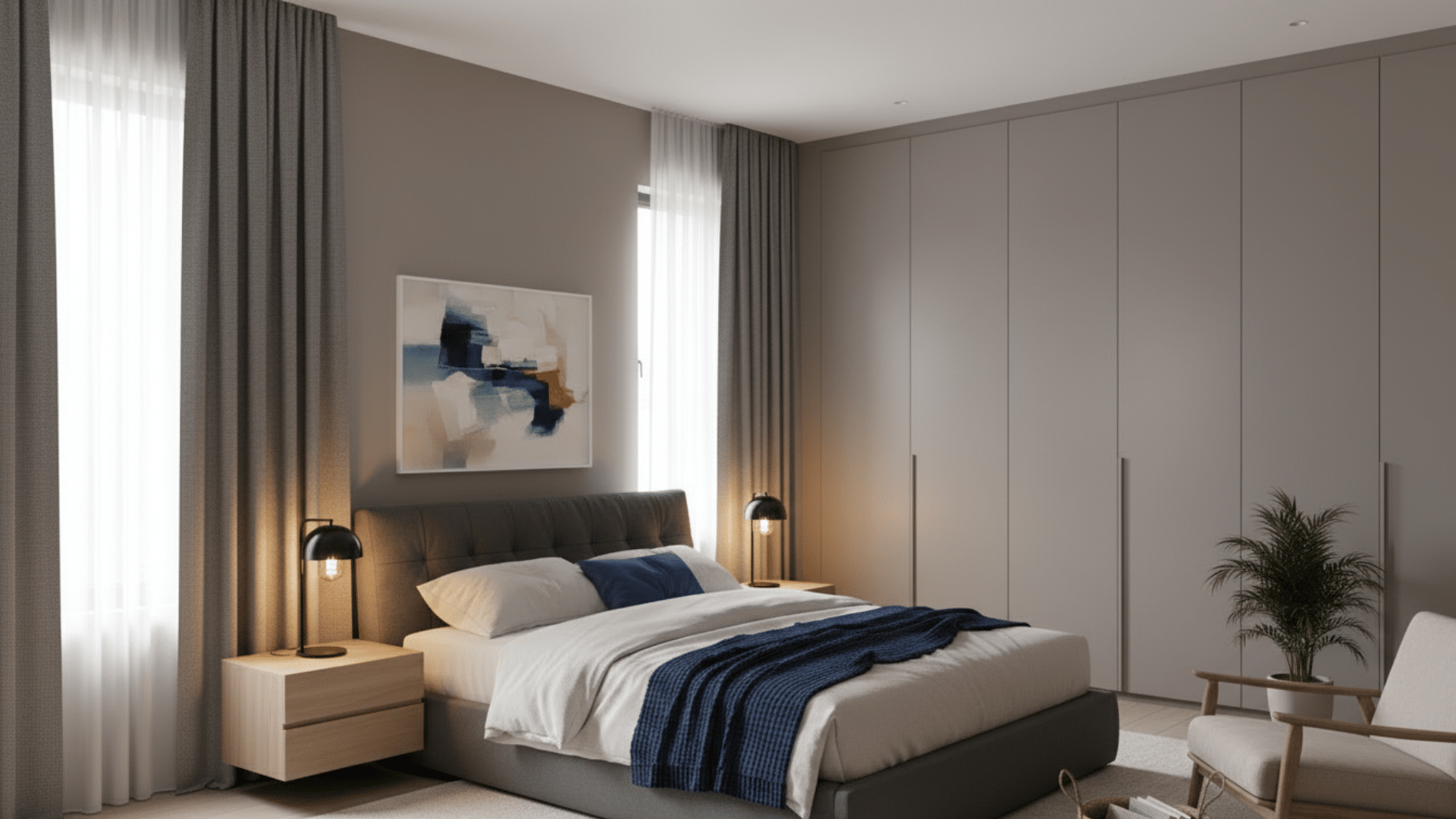
Flat paint absorbs all light and creates a completely matte surface. It hides wall imperfections exceptionally well because no shine to highlight flaws.
This finish works best in low-traffic areas like adult bedrooms and ceilings where surfaces don’t get touched often.
2. Ultra Flat
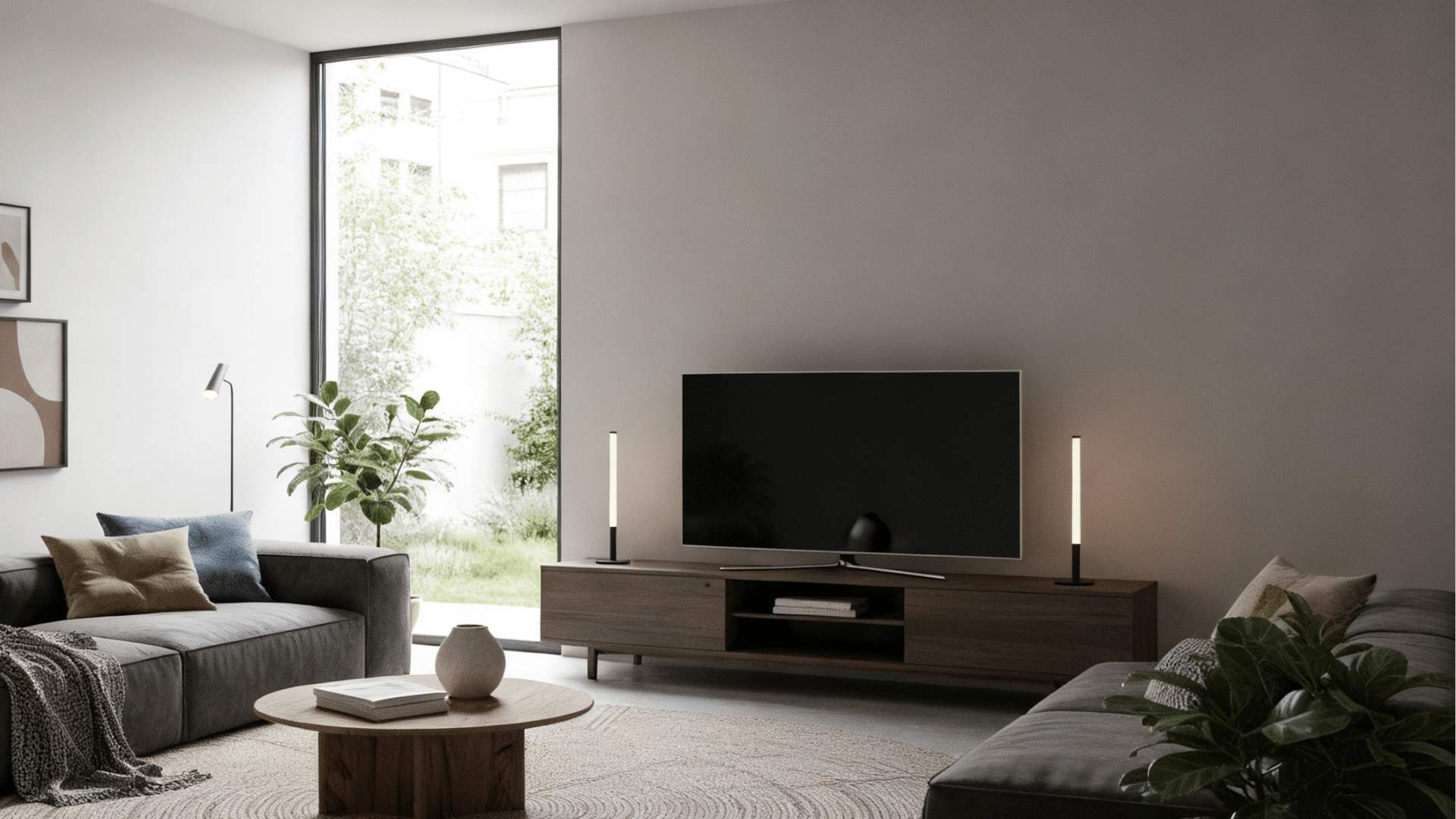
Ultra flat delivers even less sheen than standard flat paint. It provides maximum coverage for damaged or textured walls and ceilings.
The finish cannot be cleaned without removing paint, so it only suits areas that never need washing or maintenance.
3. Eggshell
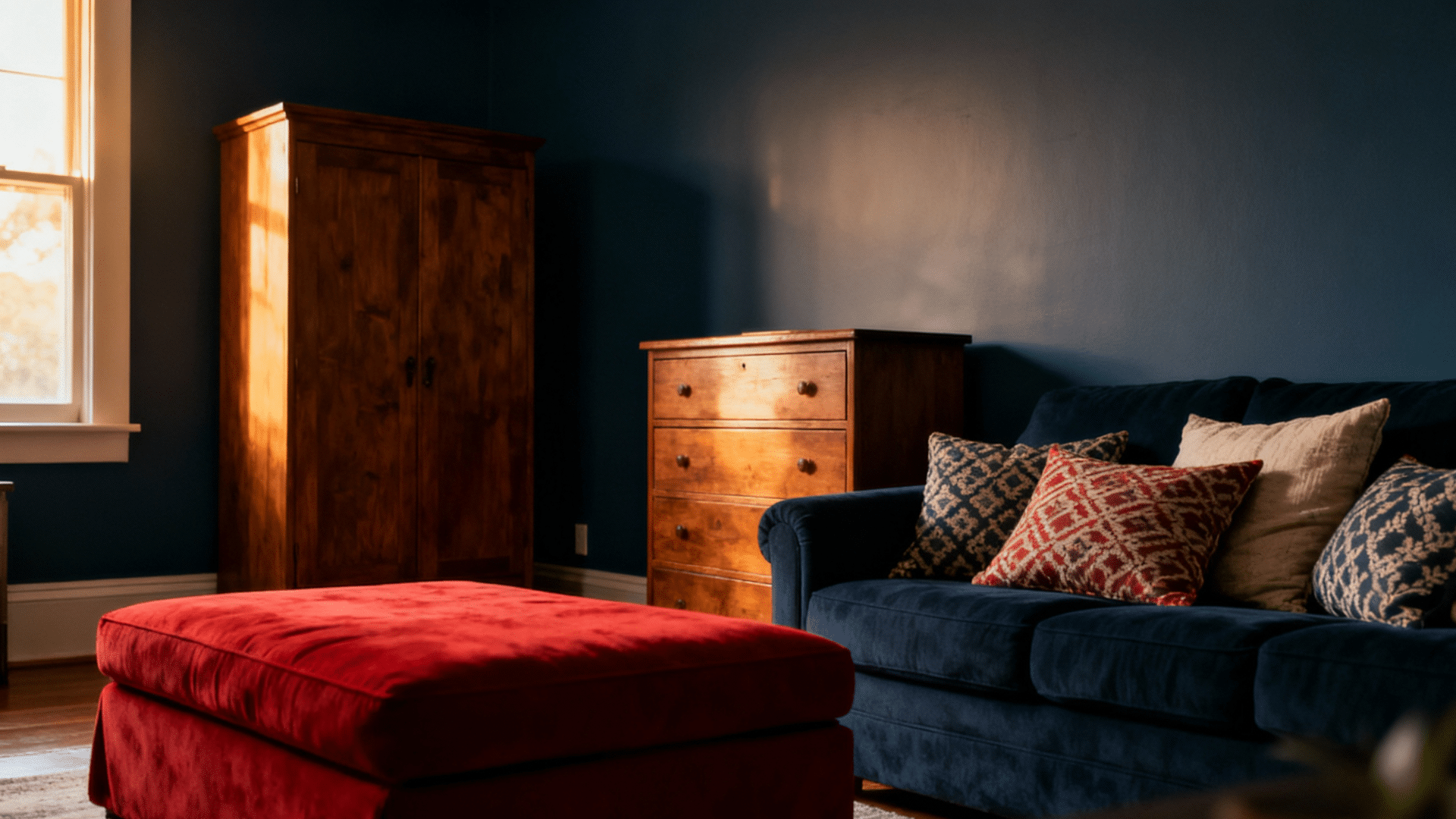
Eggshell mimics the soft sheen of an actual eggshell surface. It offers slightly better durability than flat while still hiding minor wall flaws.
This finish tolerates gentle cleaning and works well in dining rooms, hallways, and living spaces with moderate activity.
If you want to know more about Eggshell finish, check out our blog on What is Eggshell Paint?
4. Satin
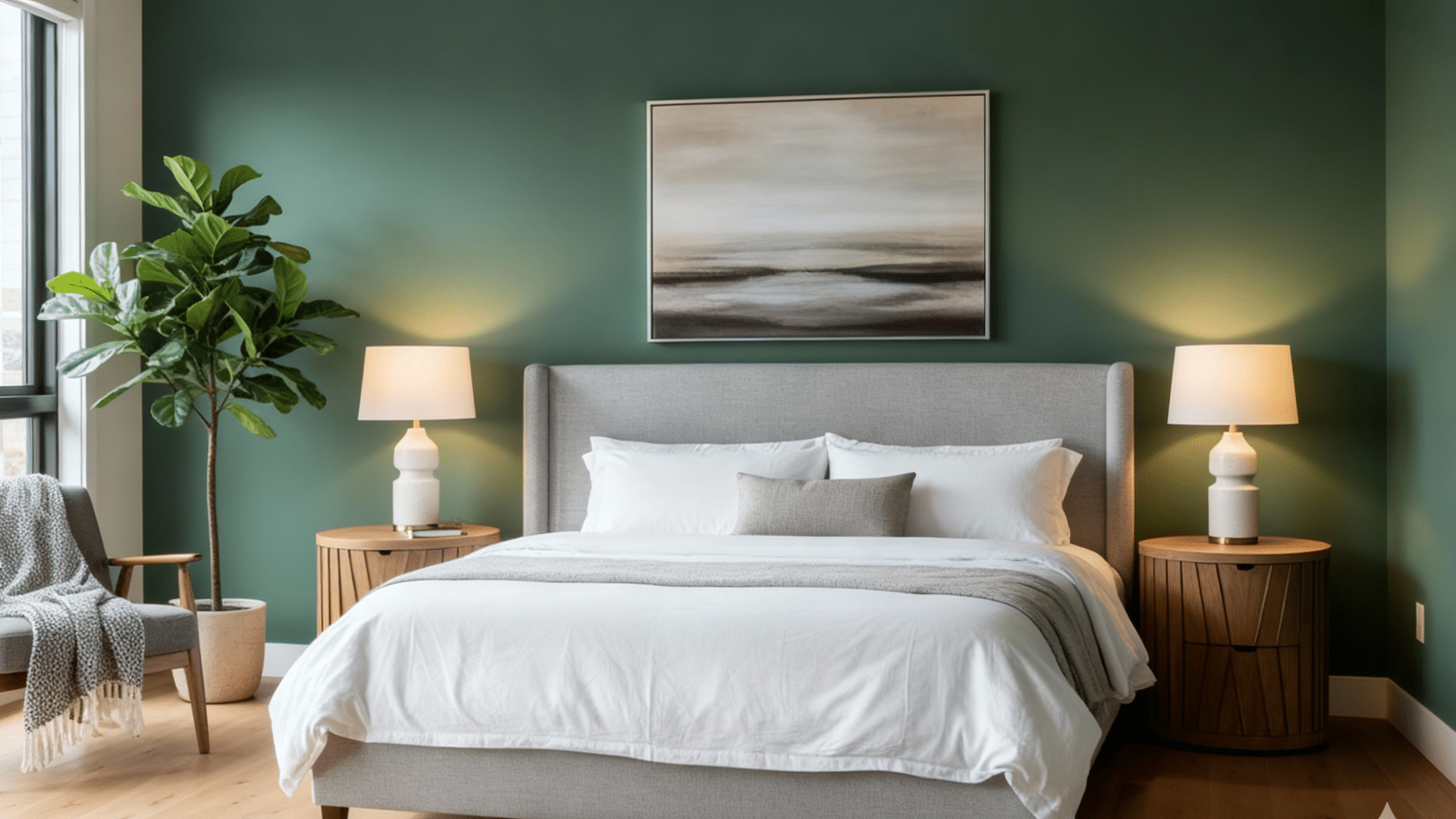
Satin creates a subtle glow that reflects light gently across walls. It cleans easily and resists moisture, making it perfect for busy areas.
Kitchens, bathrooms, kids’ rooms, and family spaces benefit from this practical, durable finish that handles daily life well.
5. Semi-Gloss
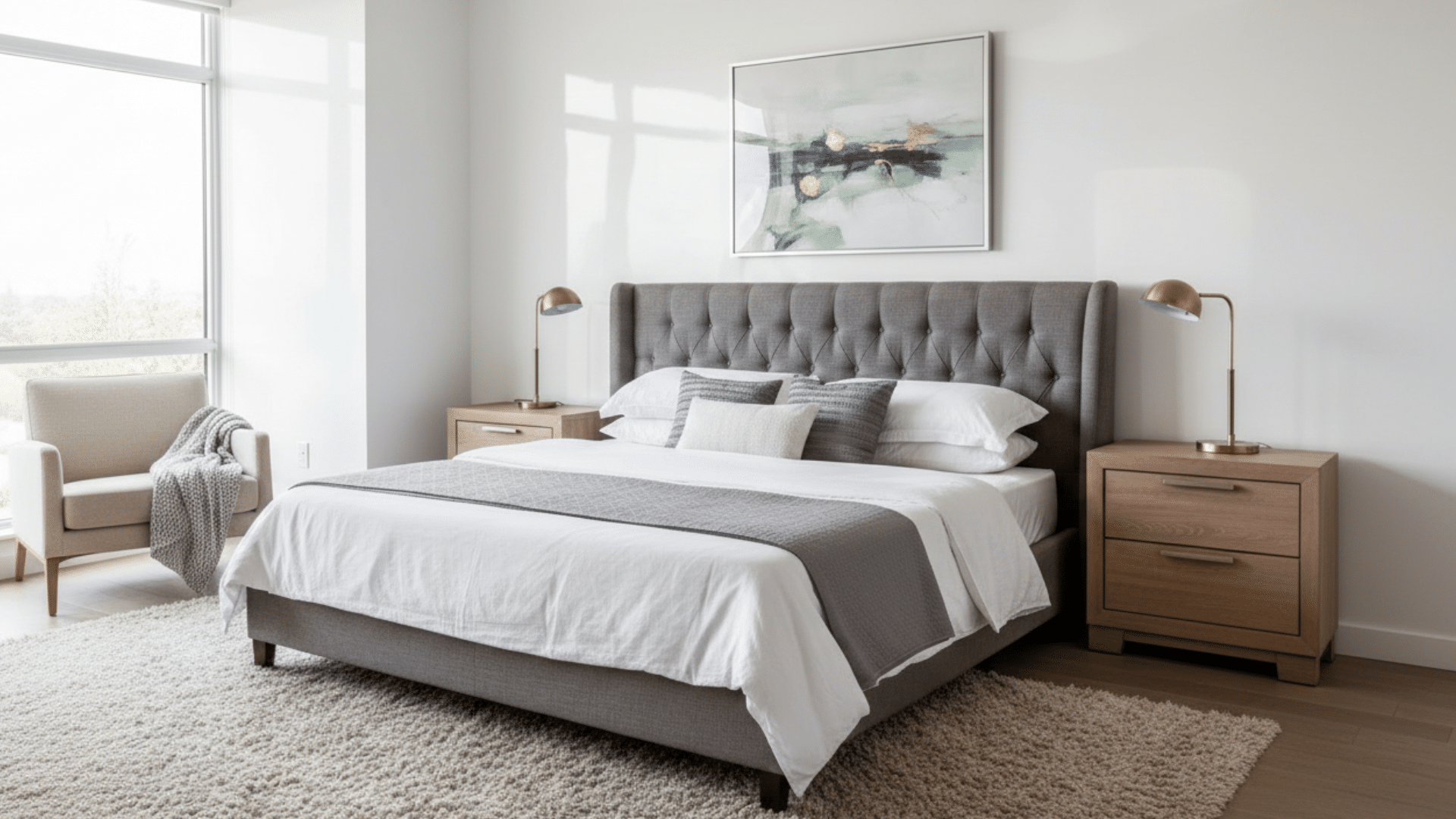
Semi-gloss produces noticeable shine and exceptional durability for high-contact surfaces. It withstands frequent scrubbing and resists moisture, stains, and mildew effectively.
This finish suits trim, doors, cabinets, and any surface that needs regular cleaning or faces heavy use daily.
6. Gloss
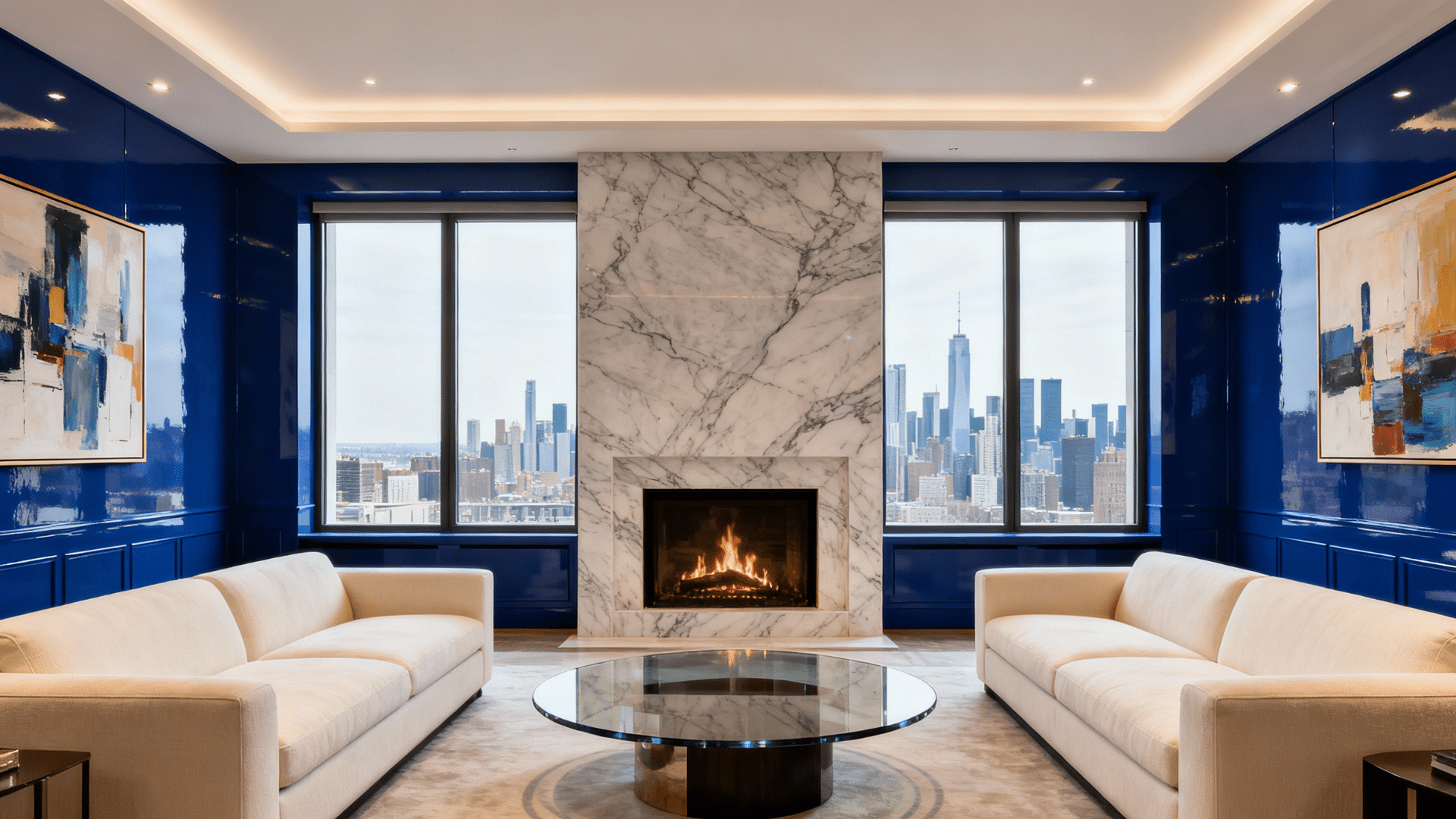
Gloss delivers maximum shine with a mirror-like, reflective surface. It creates the hardest, most durable finish available for painted surfaces.
The high sheen highlights every wall imperfection but cleans effortlessly. Use it on furniture, trim, and doors requiring frequent washing.
Flat vs Satin Paint: Which Finish is Better?
Flat and satin paints serve different purposes in home projects. Their specific differences help to make smarter choices.
1. Light Reflection and Sheen Level
Flat paint absorbs light completely. It creates a non-reflective, matte surface that hides imperfections well.
Satin paint reflects some light, giving walls a soft glow. This subtle sheen adds depth to colors and makes rooms feel brighter without looking overly shiny or glossy.
2. Durability and Resistance to Wear
Satin finishes hold up better against daily wear and tear. They resist scuffs, scratches, and minor impacts more effectively.
Flat paint shows damage faster and wears down in high-traffic areas. The harder surface of satin paint makes it last longer, especially in hallways, kitchens, and children’s rooms.
3. Cleaning and Maintenance Requirements
Satin paint wipes clean easily with a damp cloth. Most stains and marks come off without leaving residue or damaging the finish.
Flat paint is harder to clean because scrubbing can remove the paint itself.
Dirt and fingerprints often stay visible even after cleaning attempts, making flat finishes impractical for busy spaces.
4. Surface Imperfection Coverage
Flat paint excels at hiding wall flaws. Dents, patches, and texture irregularities disappear under its matte finish.
Satin paint highlights these same imperfections because of its reflective quality.
Light bounces off the surface and draws attention to bumps, cracks, and uneven areas that need repair before painting begins.
5. Best Room Applications
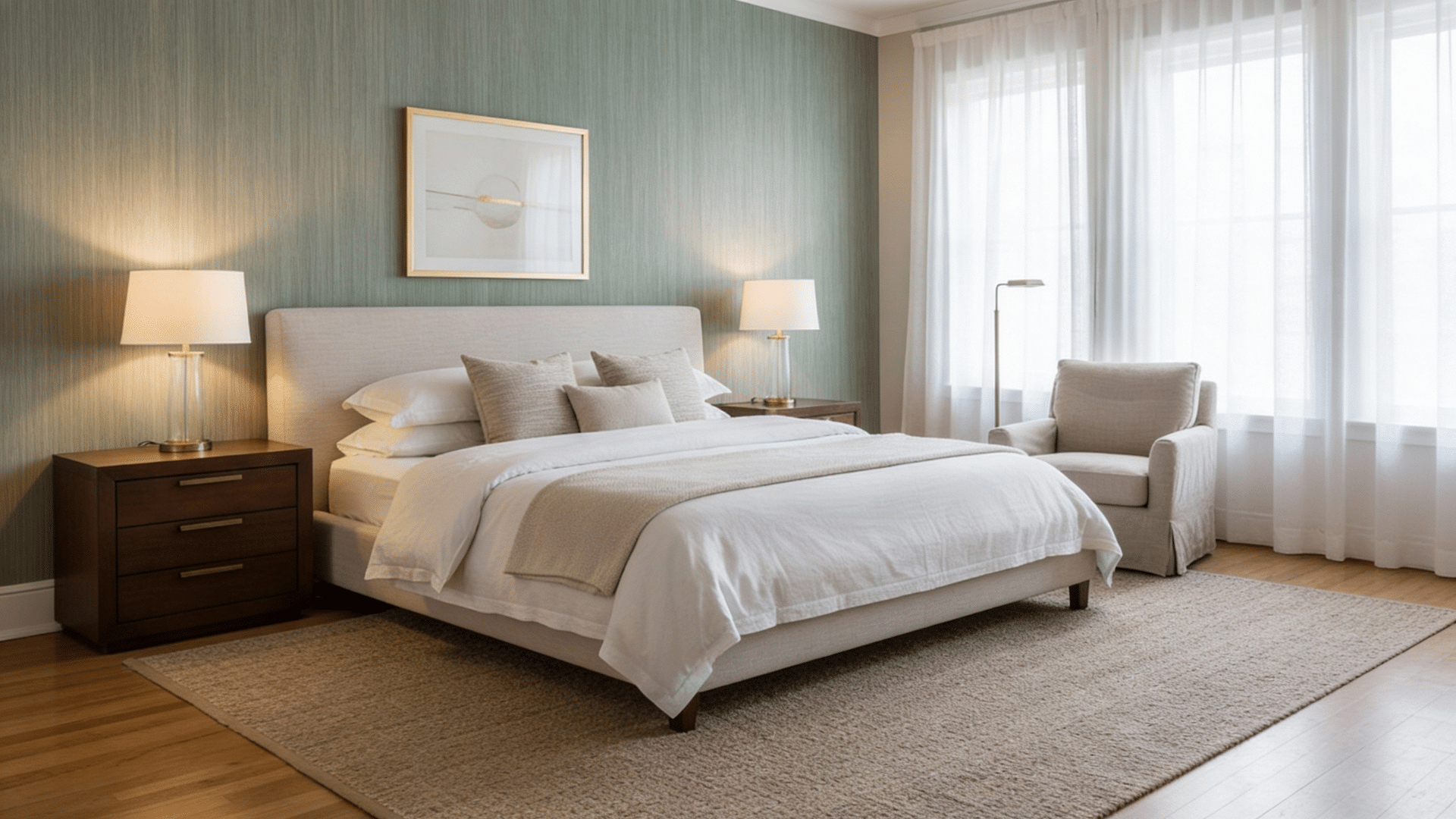
Flat paint works best in low-traffic spaces like formal dining rooms, ceilings, and adult bedrooms. These areas don’t need frequent cleaning.
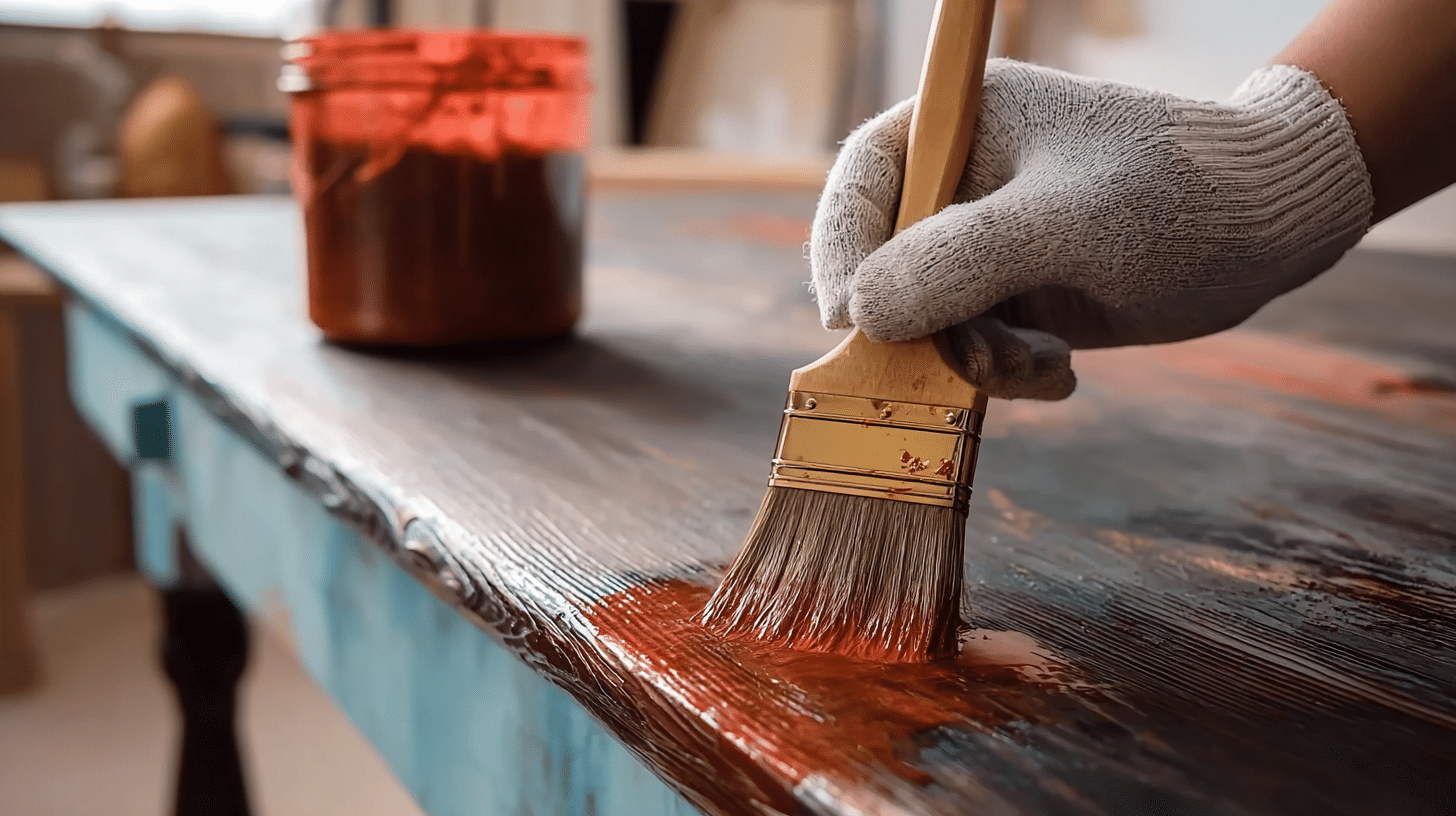
Satin paint suits kitchens, bathrooms, hallways, kids’ rooms, and trim work.
The moisture resistance and washability make satin ideal for spaces that see constant use and need regular cleaning.
6. Touch-Up and Blending Capability
Flat paint touch-ups blend perfectly into existing walls. The matte finish makes patches invisible once dry.
Satin paint shows touch-up spots more easily because the sheen level is hard to match exactly.
Even slight differences in application technique create visible lines or patches that stand out, requiring careful work for good results.
7. Cost and Long-Term Value
Both finishes typically cost about the same per gallon at purchase.
However, satin paint offers better long-term value in most rooms. It lasts longer and requires fewer repaints over time.
Flat paint may need more frequent touch-ups or complete repaints, especially in active areas, which increases the total cost over the years.
Recommendations
Different paint brands excel at specific finishes. These top-rated products deliver professional results for their sheen categories.
Sherwin-Williams Cashmere
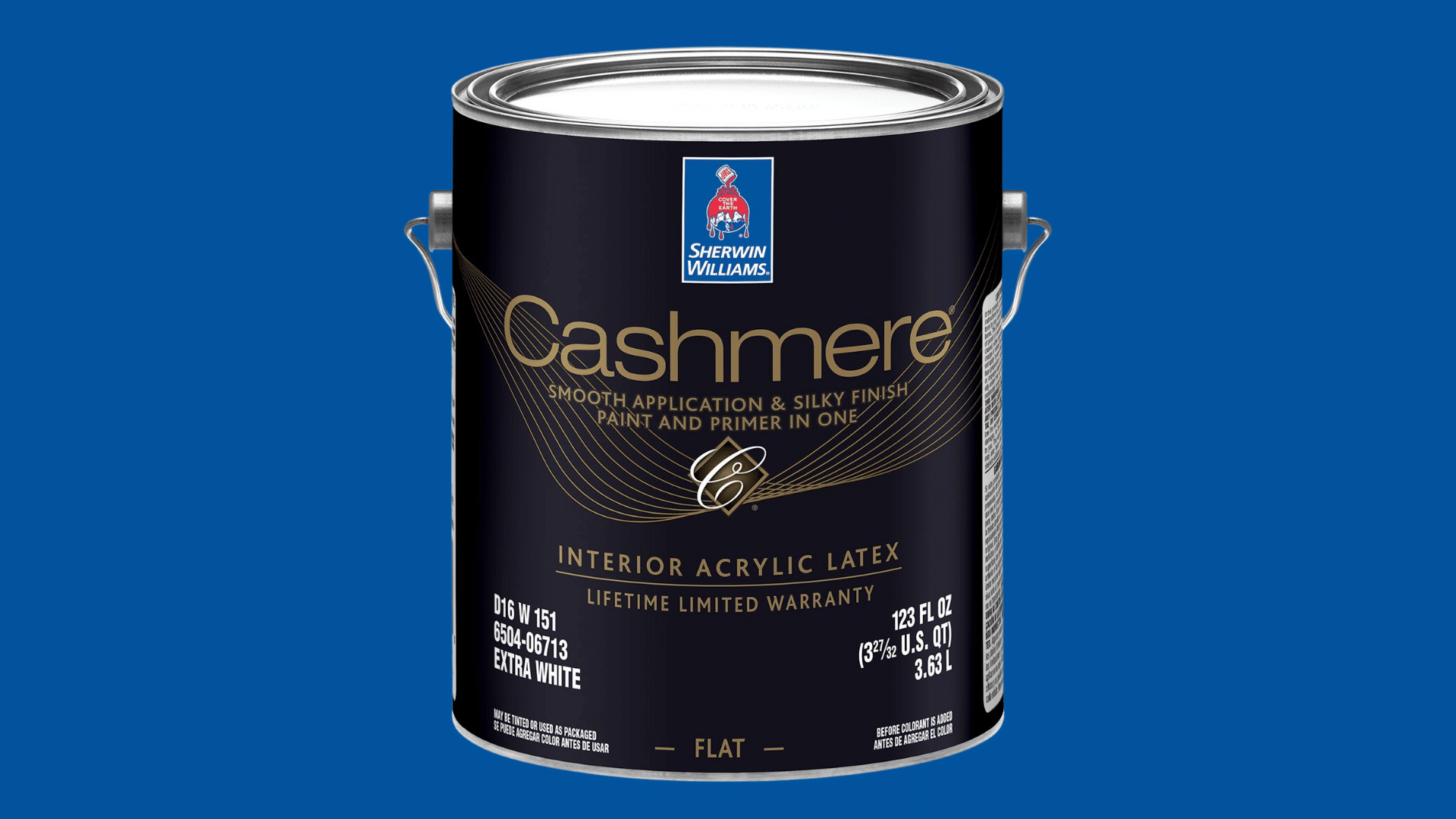
Sherwin-Williams Cashmere offers superior coverage with a velvety smooth texture.
It hides wall imperfections better than most flat paints. The formula resists burnishing and allows light cleaning without damage or shine.
Benjamin Moore Ultra Spec 500
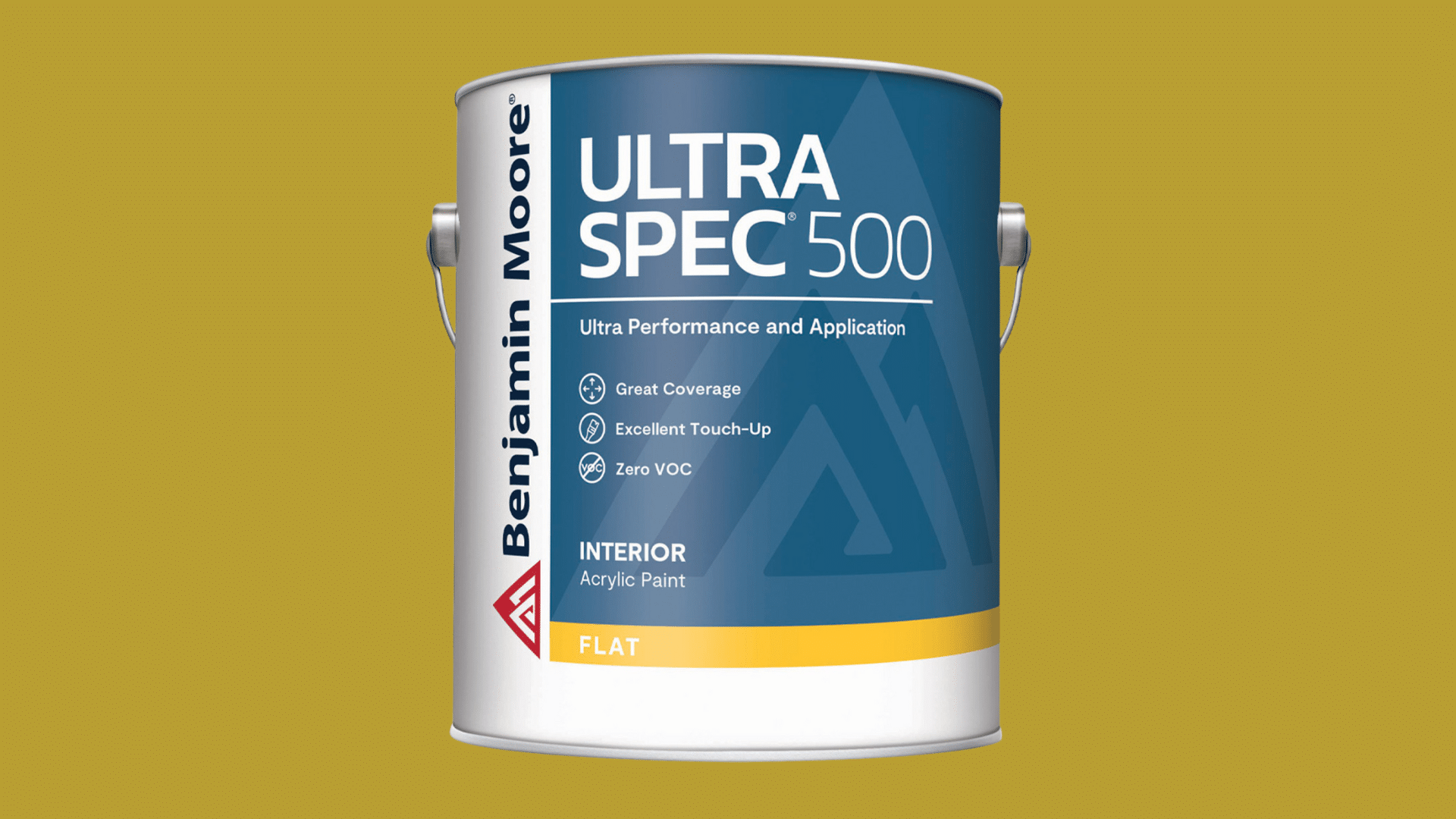
Benjamin Moore Ultra Spec 500 provides zero sheen for perfect ceiling coverage. It dries quickly and minimizes roller marks effectively.
Sherwin-Williams SuperPaint
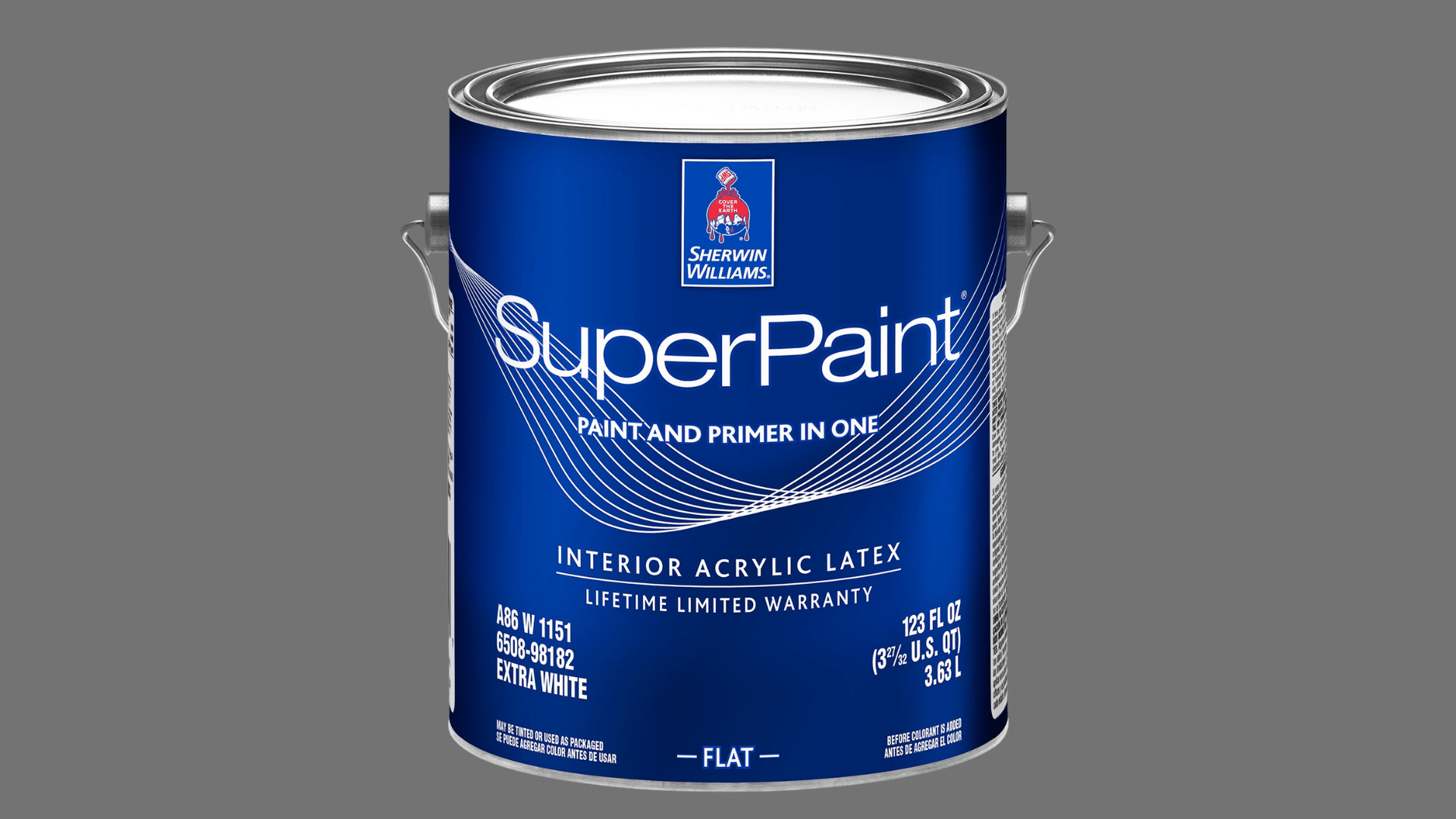
Sherwin-Williams SuperPaint balances durability with a soft appearance nicely. It cleans better than flat while still hiding minor flaws.
Benjamin Moore Regal Select
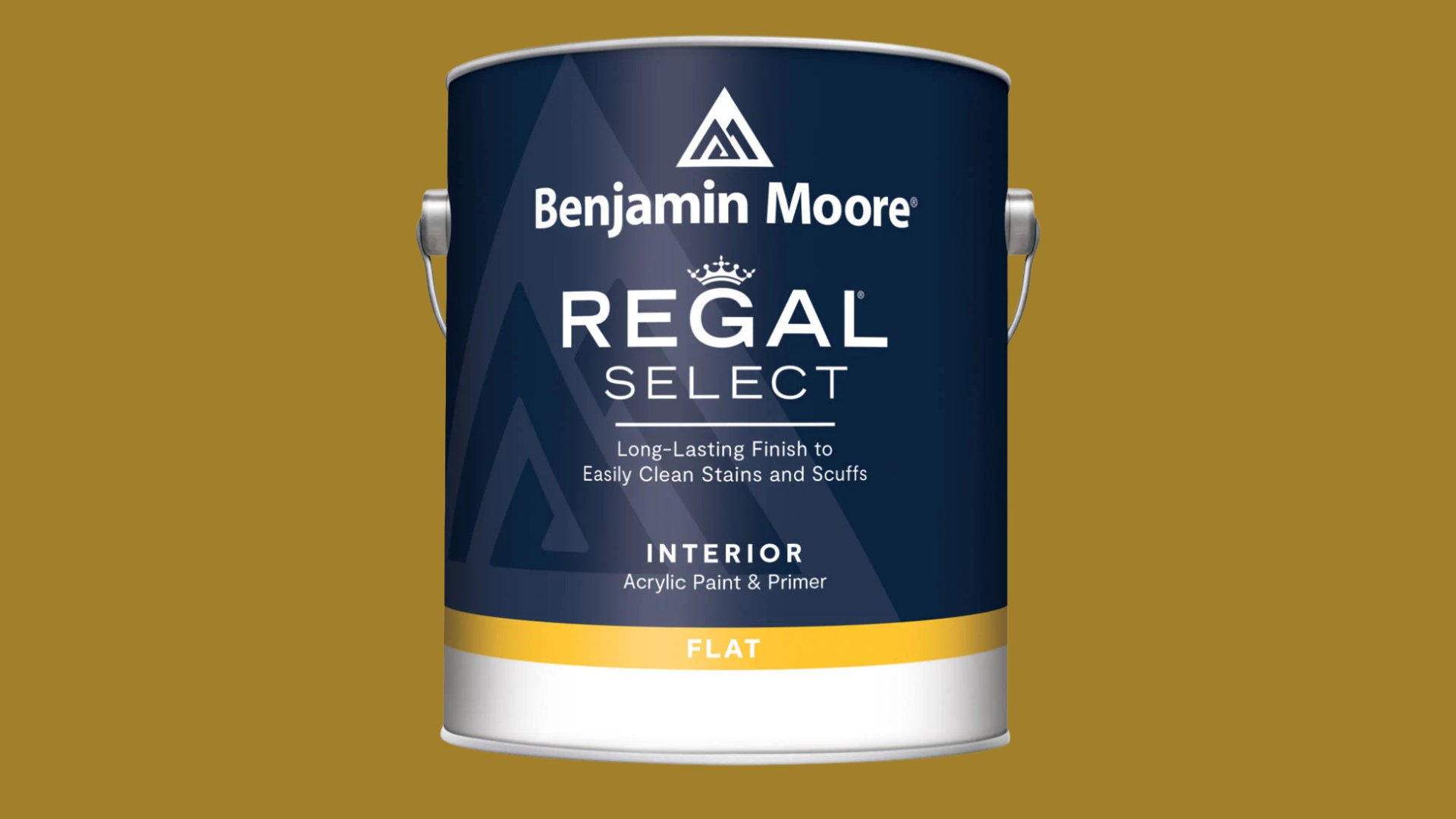
Benjamin Moore Regal Select delivers rich color with excellent coverage in one coat. The satin finish resists moisture and wipes clean easily.
Sherwin-Williams Emerald
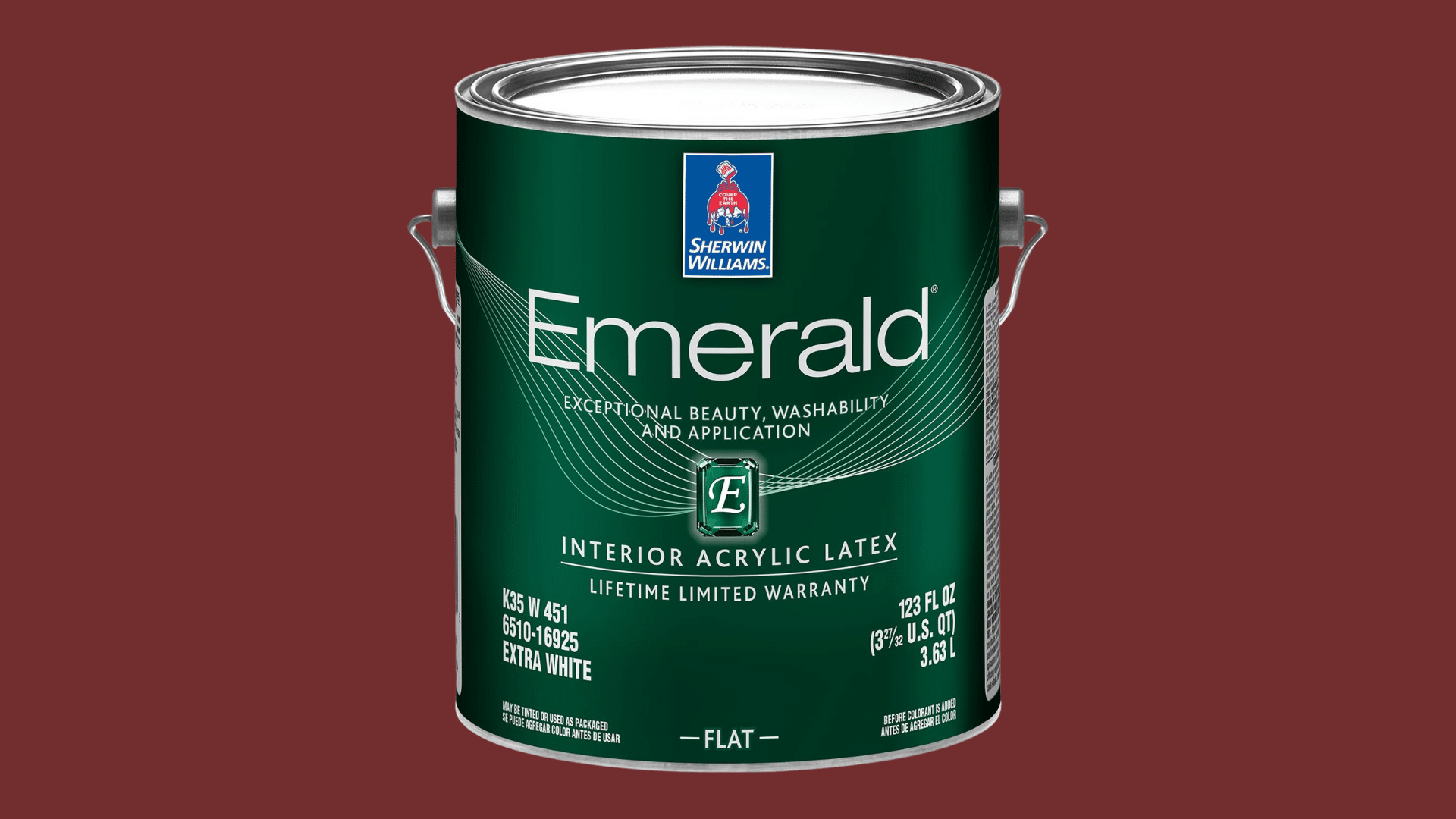
Sherwin-Williams Emerald provides a hard, durable finish that stands up to scrubbing. It resists stains, moisture, and mildew exceptionally well.
Benjamin Moore Aura Bath & Spa

Benjamin Moore Aura Bath & Spa handles extreme humidity and temperature changes perfectly. The high-gloss finish creates a waterproof barrier against moisture damage.
Pick the Perfect Finish for Your Home
Each finish serves a specific purpose in homes.
Flat paint creates beautiful, smooth walls in quiet spaces. Satin handles the mess and activity of busy rooms.
Think about how each room gets used. Bedrooms rarely need scrubbing. Kitchens face daily spills and splashes. Match the finish to the lifestyle, not just the look.