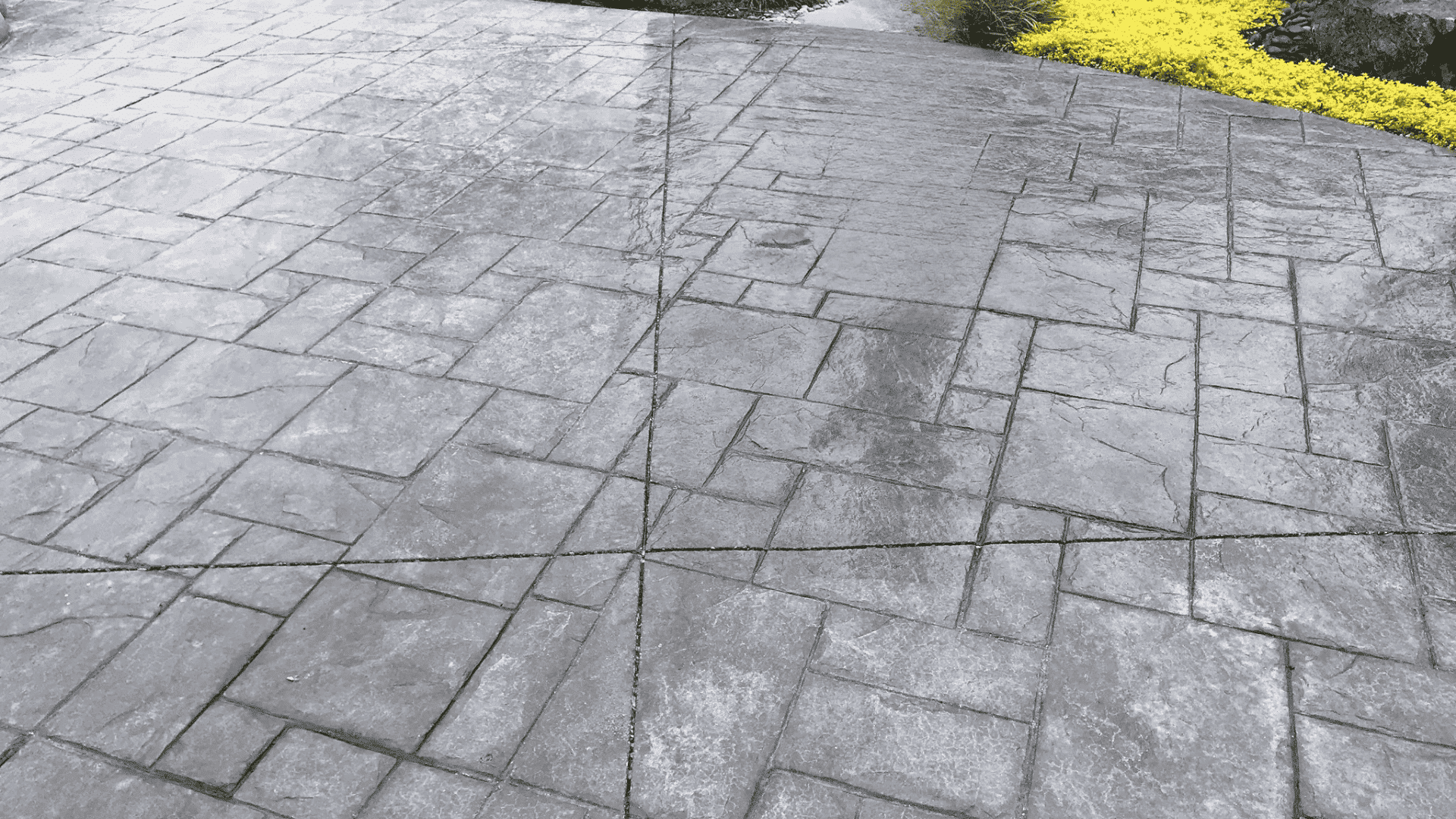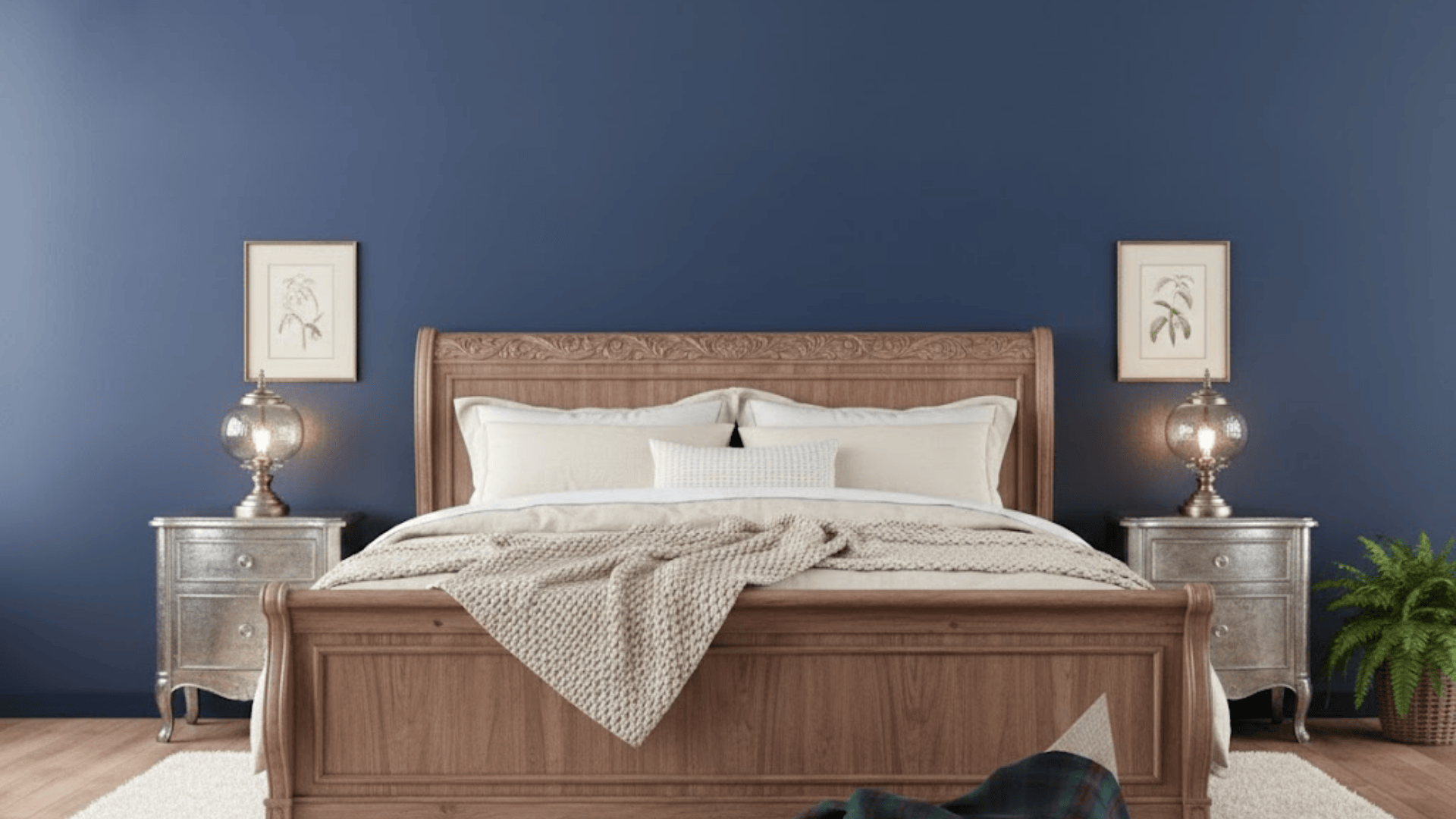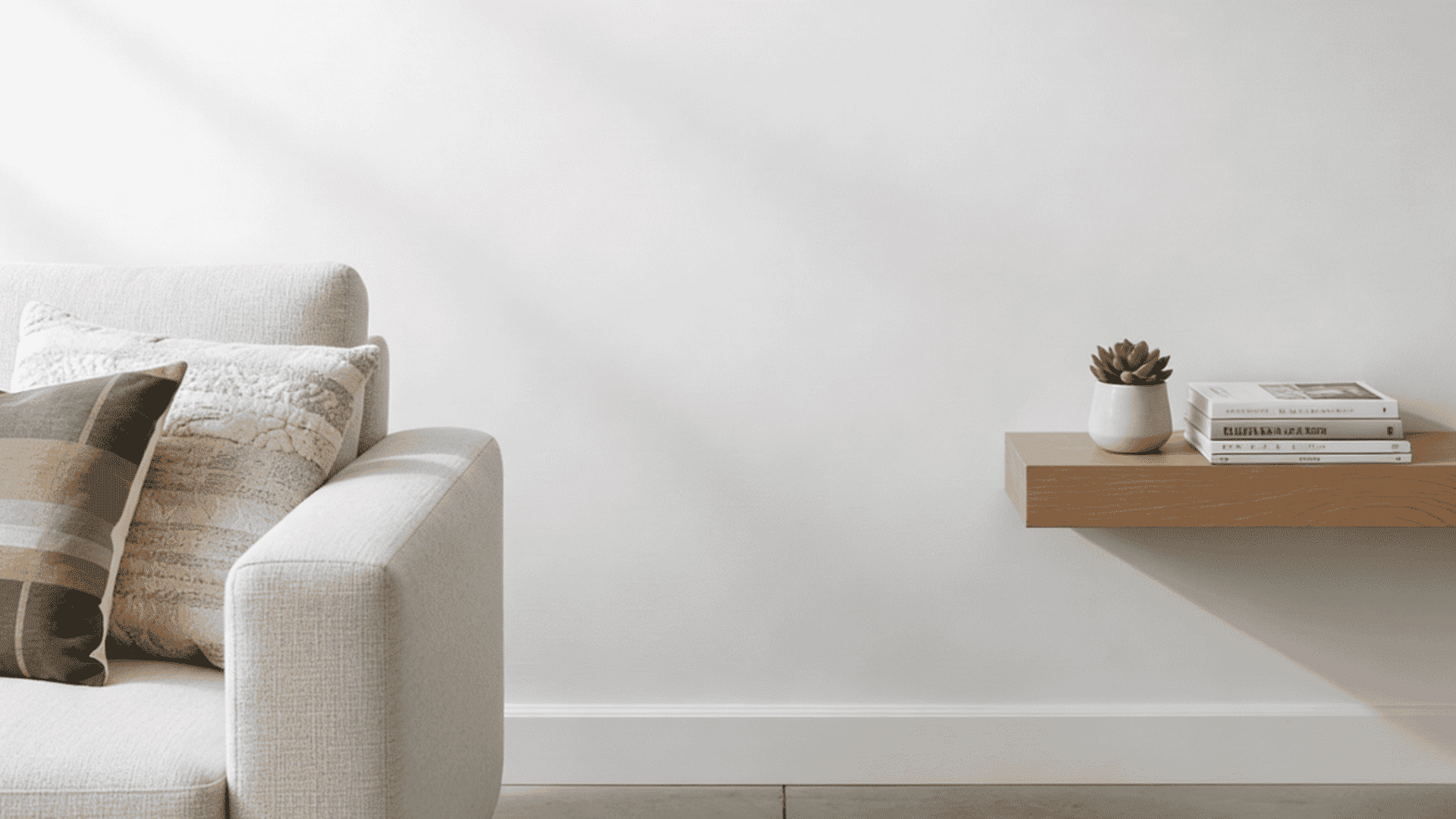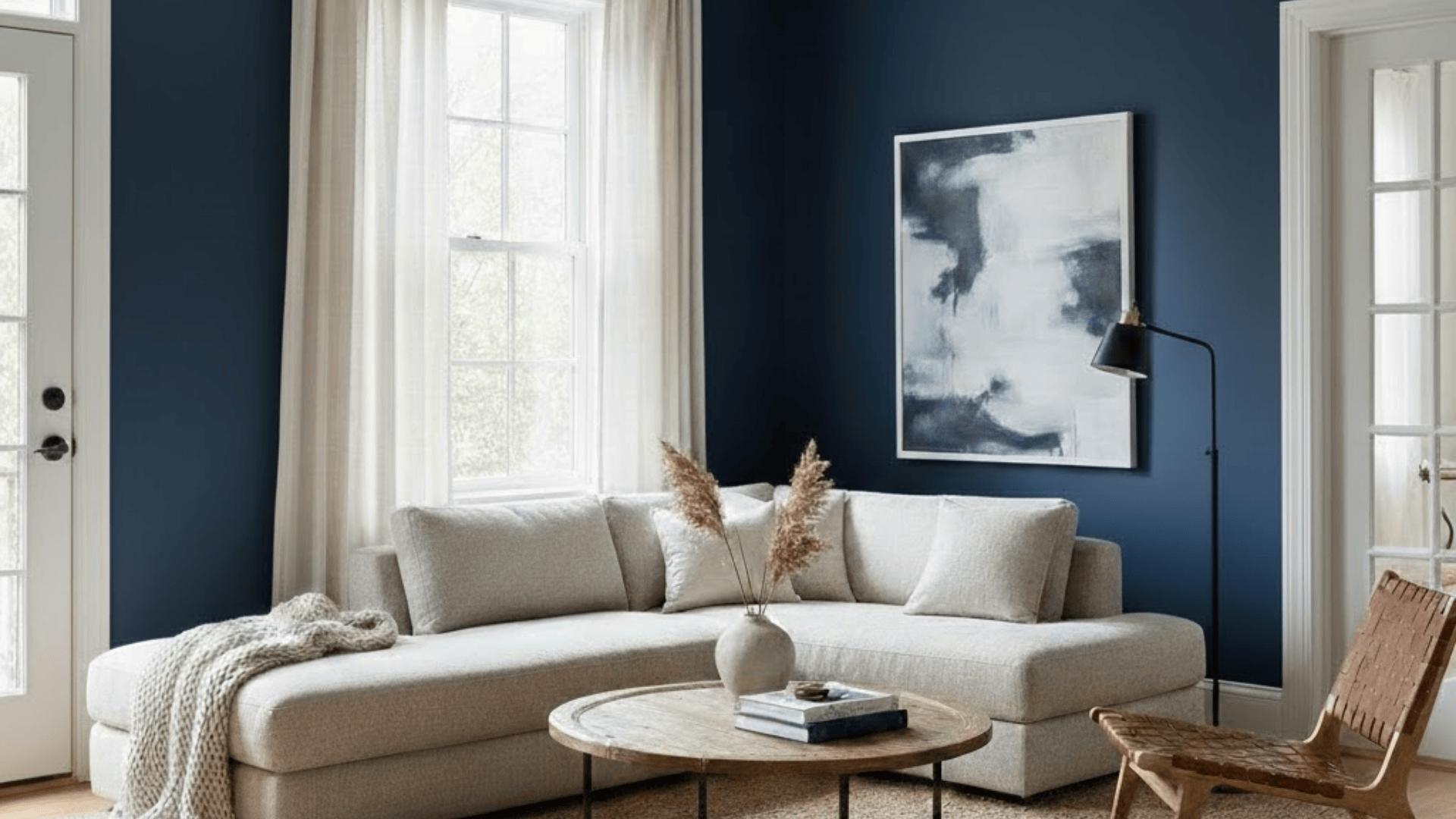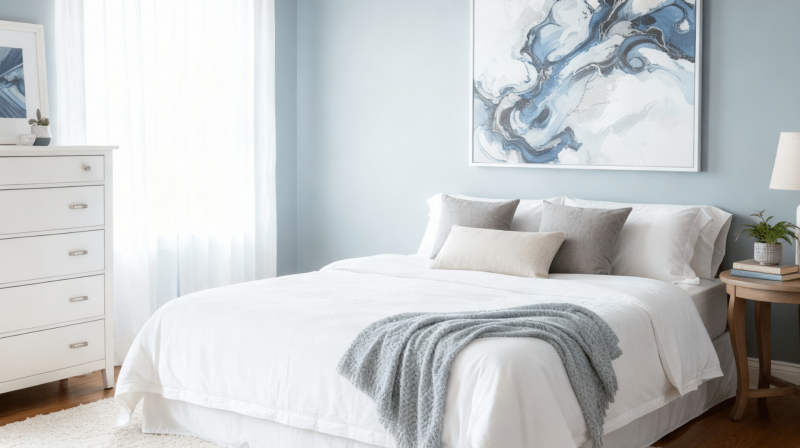
Flat paint shows every mark. Glossy paint reflects too much light, but Eggshell paint combines the best qualities of both worlds.
It has a low sheen that hides wall flaws while staying washable. You get a finish that looks good and lasts long.
This blog will take you through why eggshells might be the perfect choice for your house.
Eggshell Paint – Everything You Need to Know
Eggshell paint gets its name from the subtle sheen it creates on walls.
The finish looks like the surface of an actual eggshell. It falls between matte and satin on the glossiness scale.
This paint reflects just a little bit of light, giving walls a soft glow. It’s not flat, but it’s not shiny either. The low-luster finish works well in most rooms.
Many pick eggshell for living areas and bedrooms because it balances looks with function.
| Pros | Cons |
|---|---|
| Hides wall imperfections better than glossy finishes | Not as washable as satin or semi-gloss paints |
| Easy to clean compared to flat paint | Shows brush strokes if not applied properly |
| Works in most rooms of the house | Costs more than flat paint options |
| Resists moisture better than matte finishes | May need touch-ups after scrubbing tough stains |
| Creates a homely look | Not ideal for high-moisture areas like bathrooms |
| Durable enough for moderate traffic areas | Takes longer to dry than some other finishes |
Characteristics and Features
Eggshell paint has specific qualities that set it apart from other finishes. These features make it a popular choice for interior walls.
1. Low Sheen Finish
Eggshell paint reflects about 10 to 25 percent of the light that hits the surface. This creates a soft glow without being too shiny.
The low sheen adds depth to walls and makes colors look richer and warmer in any room.
2. Excellent Coverage
This paint type covers wall surfaces evenly and hides minor flaws well. Small dents, scratches, and texture variations disappear under the eggshell finish.
It needs fewer coats than glossier paints to achieve full coverage, which saves time and money.
3. Moderate Durability
Eggshell paint stands up to daily wear better than flat finishes do. It resists scuffs and marks from furniture or foot traffic.
The finish holds up well in rooms where people gather often, but doesn’t need constant heavy-duty cleaning.
4. Washable Surface
You can wipe down eggshell walls with a damp cloth when needed. Light stains and fingerprints come off without damaging the paint surface.
This makes maintenance easier than flat paint, though it’s not as scrub-resistant as satin or semi-gloss options.
5. All-Rounder
This finish works in nearly every room except high-moisture spaces. Living rooms, dining rooms, bedrooms, and hallways all benefit from eggshell paint.
It adapts to different lighting conditions and complements various decor styles, making it a flexible choice for homes.
6. Smooth Appearance
Eggshell creates a velvety look on walls that feels pleasant to touch. The finish smooths out the texture without looking plastic or artificial.
It gives rooms a polished appearance while maintaining a natural, comfortable feel that people find appealing.
7. Color Retention
The paint keeps its color true for years without fading quickly. Eggshell finish protects pigments from light exposure better than flat paints do.
Colors stay consistent over time, which means walls look freshly painted longer and require less frequent repainting.
Cost of Eggshell Paint
The price of eggshell paint varies based on brand quality and coverage. Premium brands cost more but often require fewer coats.
| Brand | Price Per Gallon | Coverage Area | Quality Level |
|---|---|---|---|
| Behr | $30 – $45 | 350-400 sq ft | Mid-range |
| Sherwin-Williams | $50 – $70 | 350-400 sq ft | Premium |
| Benjamin Moore | $55 – $75 | 400-450 sq ft | Premium |
| Valspar | $28 – $40 | 300-400 sq ft | Budget to Mid-range |
| Glidden | $22 – $35 | 300-350 sq ft | Budget |
| Farrow & Ball | $110 – $130 | 400-450 sq ft | Luxury |
| Dunn-Edwards | $45 – $65 | 350-400 sq ft | Premium |
| Colorhouse | $55 – $70 | 350-400 sq ft | Eco-Premium |
Note: Prices may vary by location and retailer. Coverage depends on surface texture and application method.
Eggshell Paint: Sherwin-Williams vs. Benjamin Moore
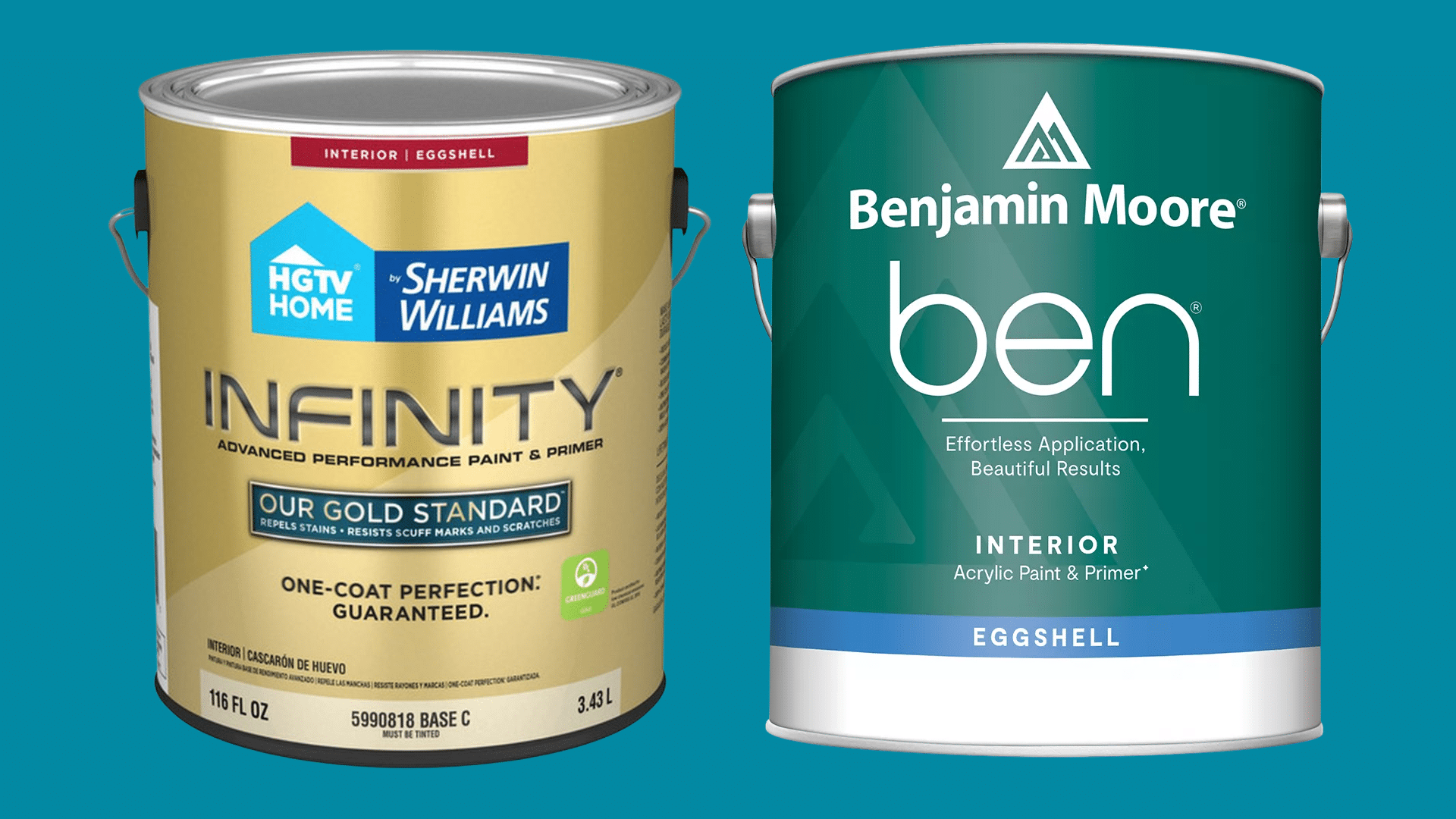
1. Coverage Area
Benjamin Moore Eggshell typically covers 400 to 450 square feet per gallon on smooth surfaces. Sherwin-Williams covers about 350 to 400 square feet with one gallon of paint.
Better coverage means fewer coats needed, which saves time and reduces the total amount of paint required for complete projects.
2. Color Selection
Sherwin-Williams Eggshell offers over 1,500 color choices in its eggshell finish line.
Benjamin Moore provides more than 3,500 color options across their various collections.
Both brands allow custom color matching, but Benjamin Moore gives homeowners a wider range of pre-mixed shades to choose from right off the shelf.
3. Durability and Wear
Both brands create durable eggshell finishes that resist everyday wear and scuffing well.
Sherwin-Williams formulas tend to be slightly thicker, which some painters prefer for coverage. Benjamin Moore’s eggshell resists fading from sunlight exposure exceptionally well.
4. Application Ease
Sherwin-Williams eggshell spreads smoothly with brushes and rollers without much effort. Benjamin Moore has a creamier consistency that levels out nicely as it dries. Both brands minimize brush marks and streaking when applied correctly, though Benjamin Moore dries slightly slower, giving painters more working time.
5. Drying Time
Sherwin-Williams eggshell dries to the touch in about one to two hours, typically. Benjamin Moore takes slightly longer, at two to three hours for surface drying.
Both require four to six hours between coats and a full cure time of about two weeks before walls can handle regular cleaning.
7. VOC Levels
Benjamin Moore offers zero-VOC options in their Natura and Eco Spec lines with eggshell finishes.
Sherwin-Williams provides low-VOC formulas in their Harmony and ProMar lines for healthier indoor air.
Both brands meet strict environmental standards, but Benjamin Moore has more zero-VOC choices for chemically sensitive individuals.
Best Uses for Eggshell Paint
Here are the top places where eggshell paint performs well.
Living Rooms
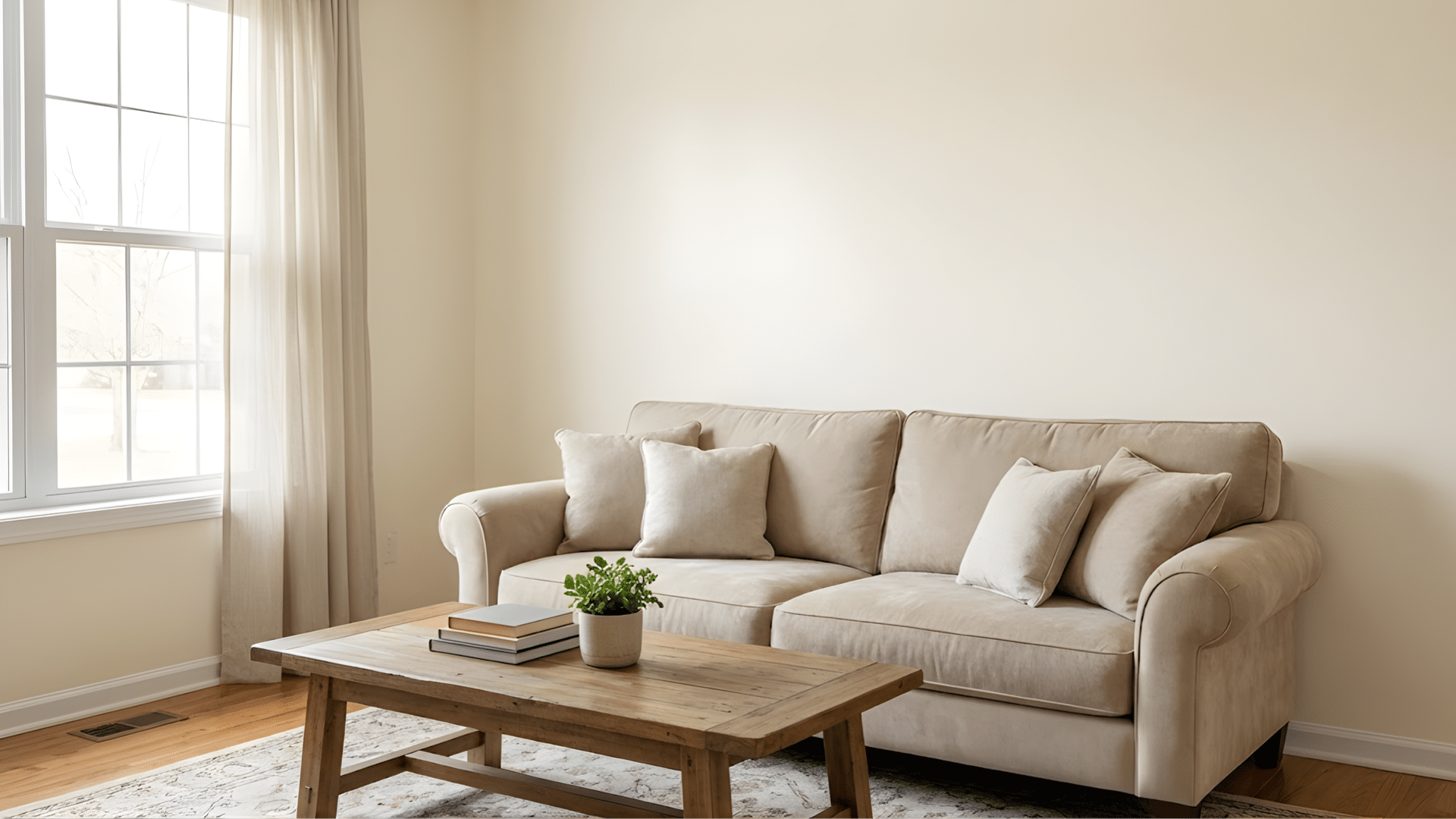
Living rooms benefit from eggshell’s soft sheen that creates a welcoming atmosphere. The finish handles moderate traffic while looking refined and polished.
It reflects natural light nicely without glare, making the space feel brighter and more open throughout the day.
Bedrooms
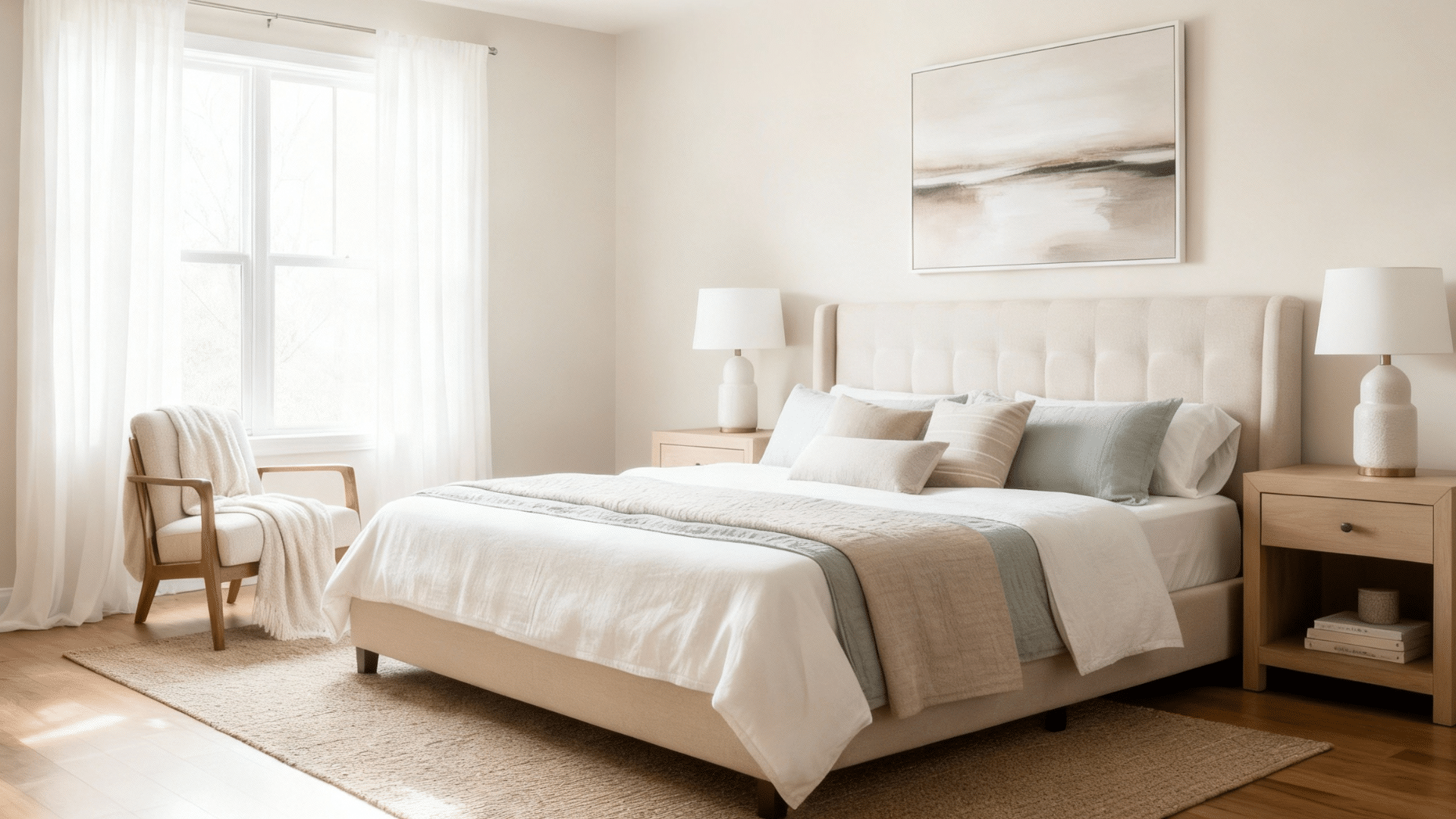
Bedrooms are perfect for eggshell because the subtle finish promotes relaxation. The low sheen doesn’t reflect too much light from lamps or windows.
It hides small wall imperfections while being easy enough to clean when dust or smudges appear over time.
Dining Rooms
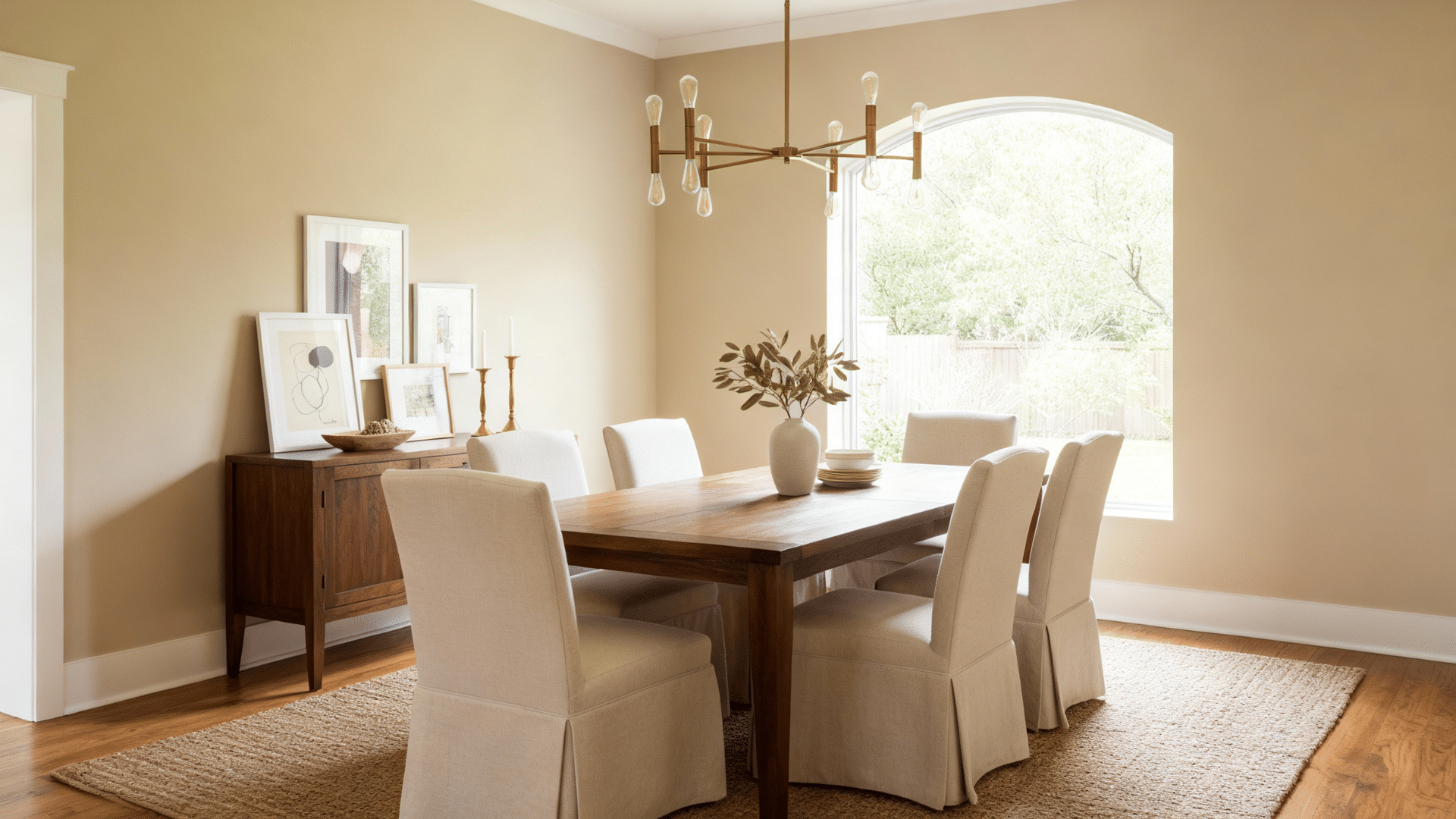
Dining rooms need a finish that looks good and cleans easily. Eggshell handles both requirements well for this gathering space.
Light food splatters and fingerprints wipe away without much effort, and the finish complements both casual and formal dining room styles.
Hallways
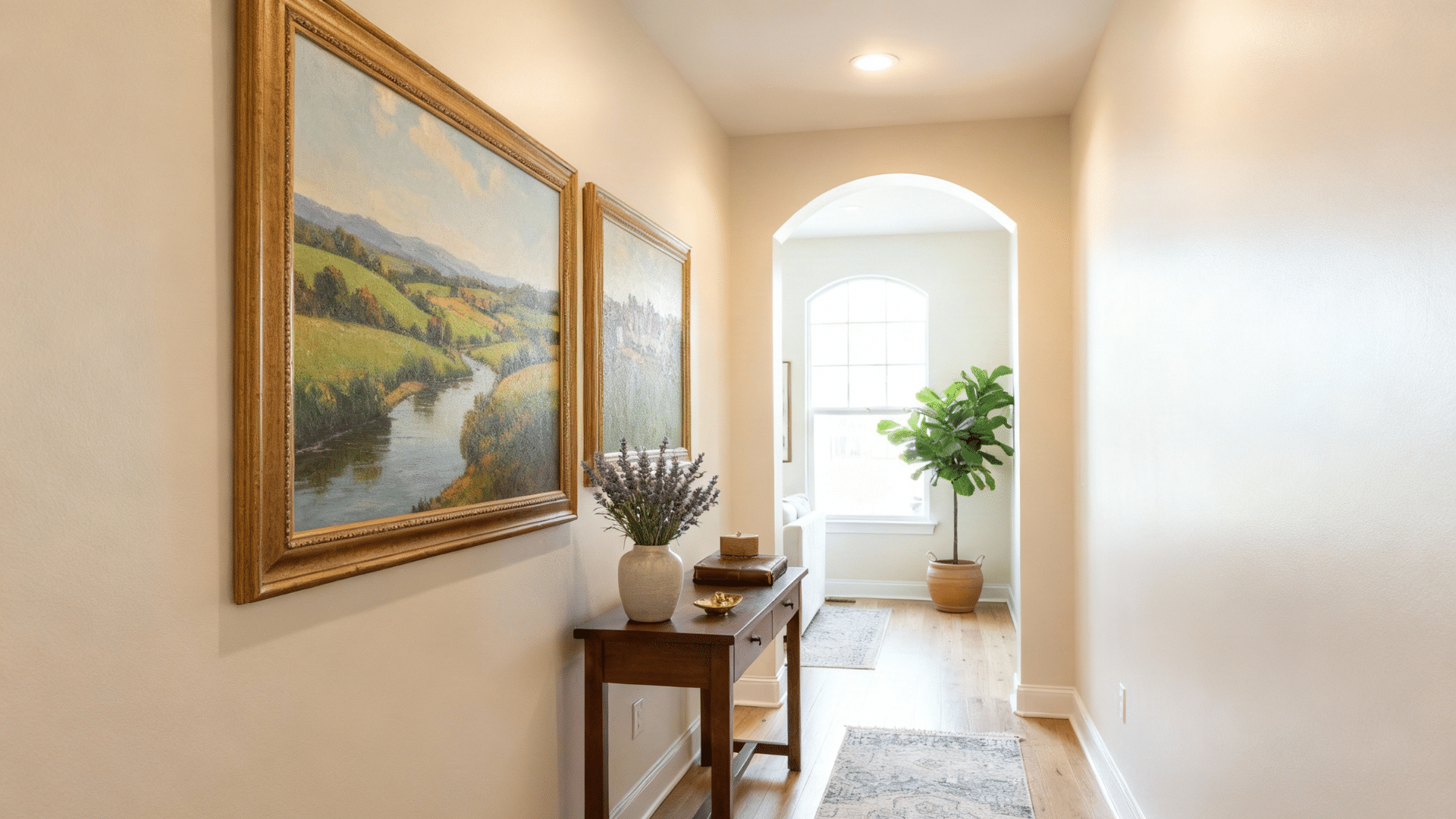
Hallways see regular foot traffic and occasional wall contact from people passing through. Eggshell paint resists scuffs better than flat finishes in these high-use areas.
The slight sheen also helps narrow hallways feel less closed in by reflecting some light into the space.
Home Offices
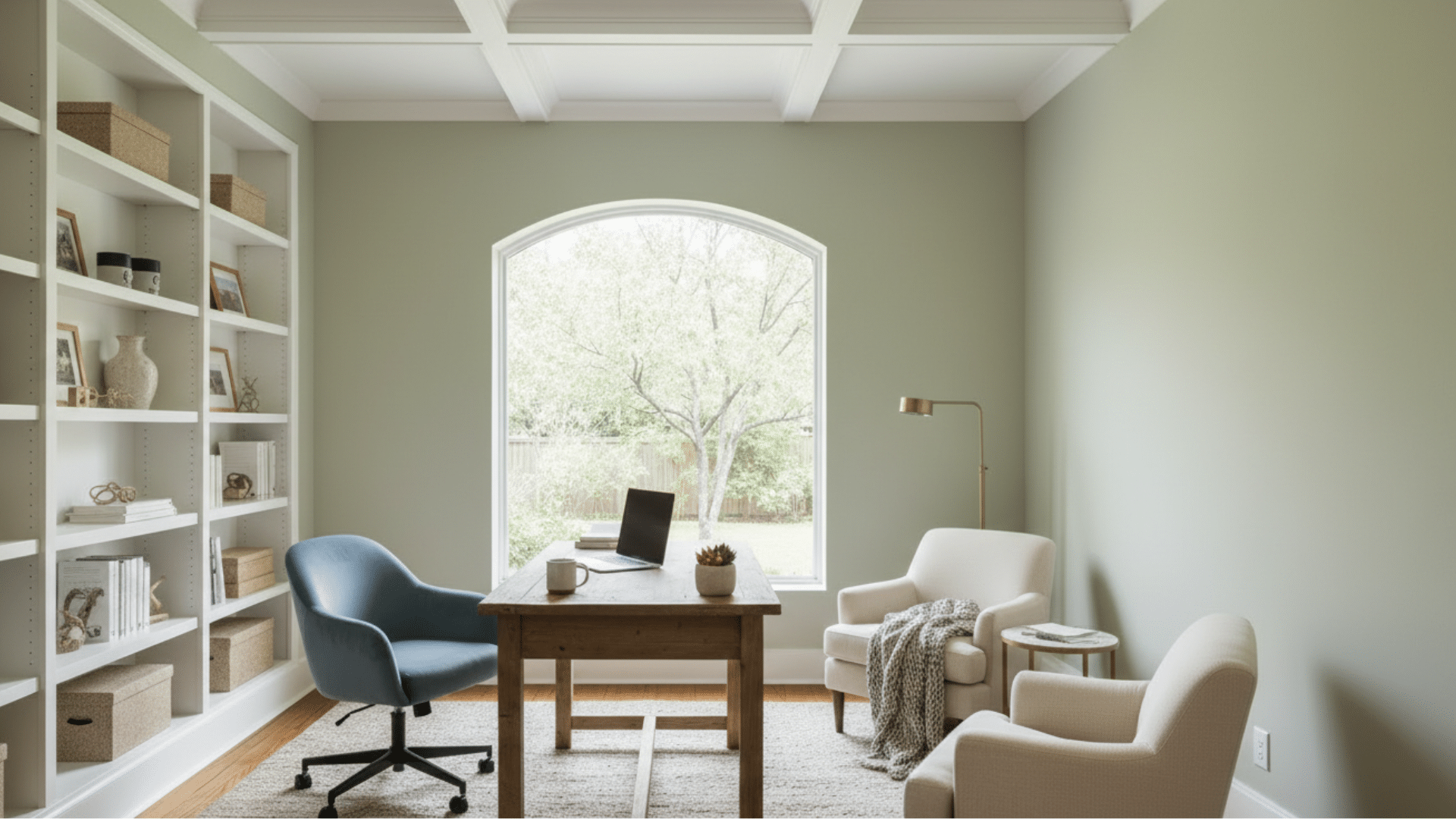
Home offices require a finish that reduces screen glare but stays clean. Eggshell provides the right balance for productive work environments.
The paint resists marks from chairs or equipment bumping walls, and it creates a professional look that’s not too casual or sterile.
Is it Difficult to Touch Up the Eggshell Paint?
Touching up eggshell paint creates visible patches that stand out from the original coat.
The sheen level makes blending nearly impossible because new paint looks different from aged paint.
Light hits touched-up spots differently, creating noticeable variations in how surfaces reflect. The original paint fades slightly over time from sun exposure and air.
Fresh paint appears brighter and more visible next to older sections. Brush strokes show up more clearly with eggshell than with flat finishes.
Rolling technique affects how the sheen appears on walls. Small touch-ups often require repainting entire walls for a uniform look.
Eggshell vs. Satin vs. Falt vs. Matte vs. Gloss
| Feature | Flat | Matte | Eggshell | Satin | Gloss |
|---|---|---|---|---|---|
| Light Reflection | 0-5% | 5-10% | 10-25% | 25-35% | 70-85% |
| Sheen Level | No shine | Minimal shine | Low sheen | Moderate sheen | High shine |
| Durability | Low | Low to Medium | Medium | Medium to High | Very High |
| Washability | Poor | Fair | Good | Very Good | Excellent |
| Hides Imperfections | Excellent | Excellent | Very Good | Good | Poor |
| Moisture Resistance | Poor | Fair | Good | Very Good | Excellent |
| Touch-Up Ease | Easy | Moderate | Difficult | Difficult | Very Difficult |
| Maintenance | High (needs repainting) | Moderate | Low to Moderate | Low | Very Low |
Paint Finishes Similar to Eggshell
Eggshell isn’t the only finish option available for interior walls. Several other paint types offer similar benefits with slight variations.
Satin Finish
Satin paint has a bit more sheen than eggshell, reflecting about 25 to 35 percent of light.
It’s easier to clean and more moisture-resistant, making it better for kitchens and bathrooms. The finish shows imperfections slightly more, but handles scrubbing better than eggshell does.
Matte Finish
Matte paint sits just below eggshell on the shine scale with almost no reflective quality. It hides wall flaws better than eggshell but doesn’t clean as easily.
This finish works well in low-traffic areas where washability isn’t a priority, like formal dining rooms or adult bedrooms.
Pearl Finish
Pearl paint falls between eggshell and satin with a soft, luminous quality. It reflects light beautifully while still hiding minor wall flaws reasonably well.
The finish adds a touch of style to rooms and cleans more easily than eggshell, though it costs slightly more per gallon.
Low-Luster Finish
Low-luster paint is essentially another name for eggshell in some paint brands. It offers the same subtle sheen and practical benefits for everyday living spaces.
The finish provides a good compromise between appearance and function, making it suitable for most interior applications throughout the home.
When to Use Eggshell Paint and When to Avoid?
Eggshell paint in living rooms, bedrooms, dining rooms, and hallways where moderate traffic occurs.
It works well when walls need a finish that looks good and cleans reasonably easily. Choose eggshell for spaces that get natural light but don’t need high-gloss durability.
The finish suits homes with adults or older children who won’t constantly touch the walls.
Avoid eggshells in bathrooms, kitchens, and laundry rooms where moisture levels run high.
Skip it in children’s playrooms or mudrooms that need frequent scrubbing. Don’t use eggshell on trim, doors, or cabinets that require tougher finishes.
To Wrap Up
Eggshell paint offers a practical middle ground who want durability without too much shine.
It works in most rooms and handles daily life reasonably well. Yes, touch-ups can be tricky, and it’s not perfect for every situation.
But for living rooms, bedrooms, and hallways, eggshell delivers solid performance.
Consider the room’s traffic level and moisture exposure before choosing this finish.
Ready to start your painting project? Test colors and finishes on your actual walls before committing to gallons.