Pressure-treated wood is everywhere, in decks, fences, and raised garden beds. And at some point, most people want to paint it.
So, can you paint pressure treated wood? The answer is yes, but the real question is whether you are doing it at the right time.
Fresh treated wood comes loaded with moisture from the treatment process, and that moisture is exactly why paint fails.
Apply it too early and the finish gets pushed right off. Get the timing and prep right, and it holds up for years without much trouble
This blog covers exactly what to check before you start.
What is Pressure Treated Wood?
Pressure treated wood is lumber that has been treated with chemicals to make it last longer.
The chemicals get pushed deep into the wood fibers. They protect it from rot, moisture, and bugs.
It is like a shield for the wood. It holds up well outdoors, even in rain, heat, and humidity. That is the reason so many people use it for outdoor projects. People also use it for wooden posts that sit in the ground.
Regular wood would rot quickly there. Pressure treated wood handles it really well.
It’s one of the most common materials used for outdoor building projects. It usually has a slightly greenish tint and small cut marks along the surface from the treatment process.
Can You Paint Pressure Treated Wood? Yes (If the Timing is Right)
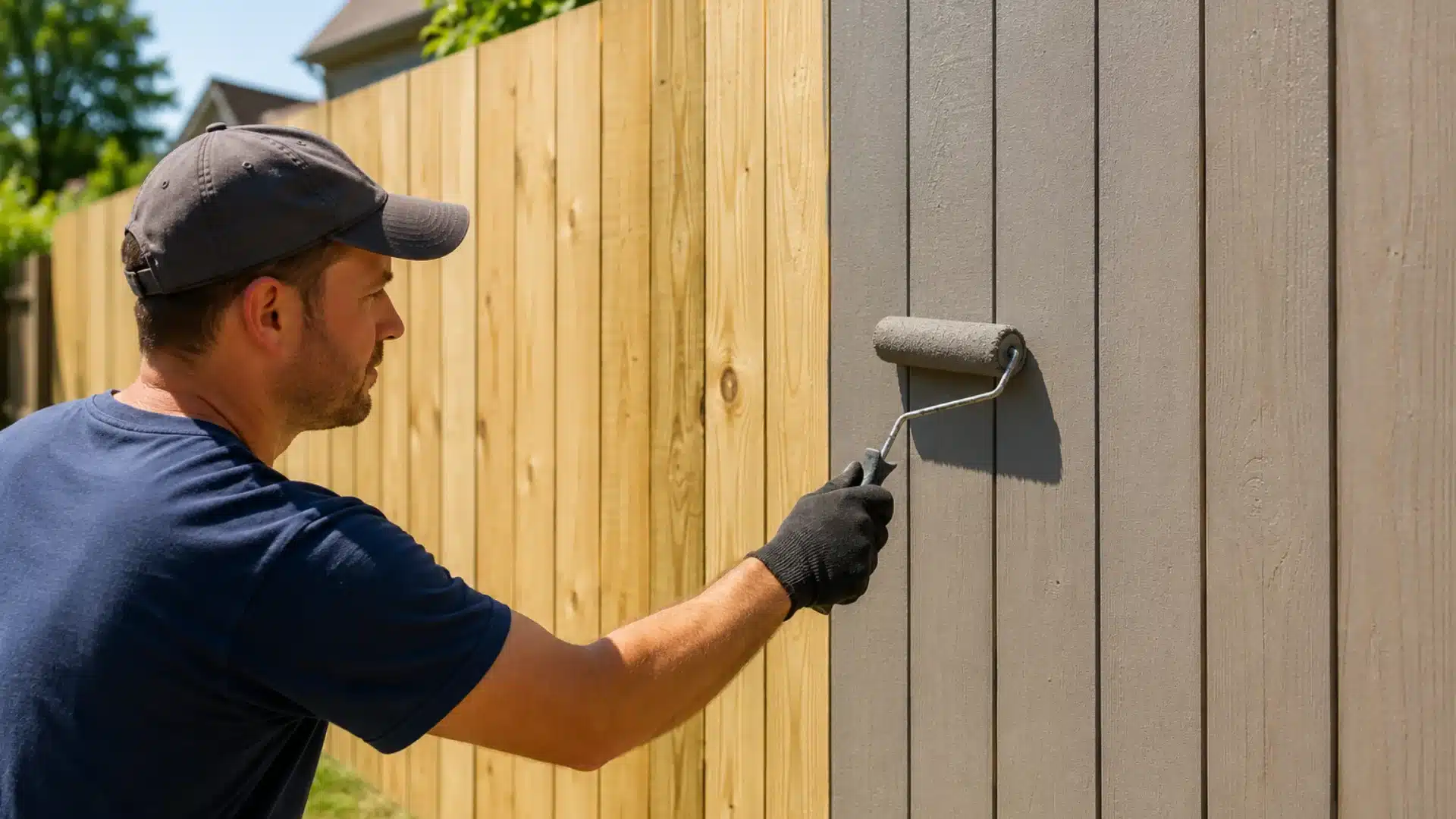
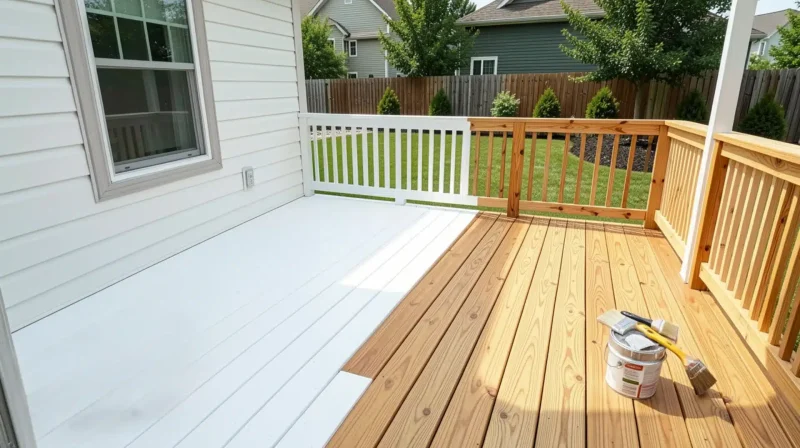
Yes, you can paint pressure treated wood. But there are a few things you need to keep in mind before you start.
Fresh pressure treated wood is full of moisture. That moisture needs to dry out before you paint. If you skip this step, the paint won’t stick properly and will start peeling quickly.
Surface prep matters just as much as drying time.
Clean the wood thoroughly and prime it before painting — Zinsser Bulls Eye 1-2-3 is a reliable choice for exterior wood because it bonds well even on surfaces that have slight residual moisture.
How Long Should You Wait Before Painting or Staining Pressure Treated Wood?
Wait at least 3 to 6 months. In humid climates, it can take longer. In dry climates with good airflow, some boards dry faster. Don’t guess — use the water drop test: sprinkle a few drops on the surface.
If they soak in, the wood is ready. If they bead up, it isn’t.
Tools You Need Before Painting Pressure Treated Wood
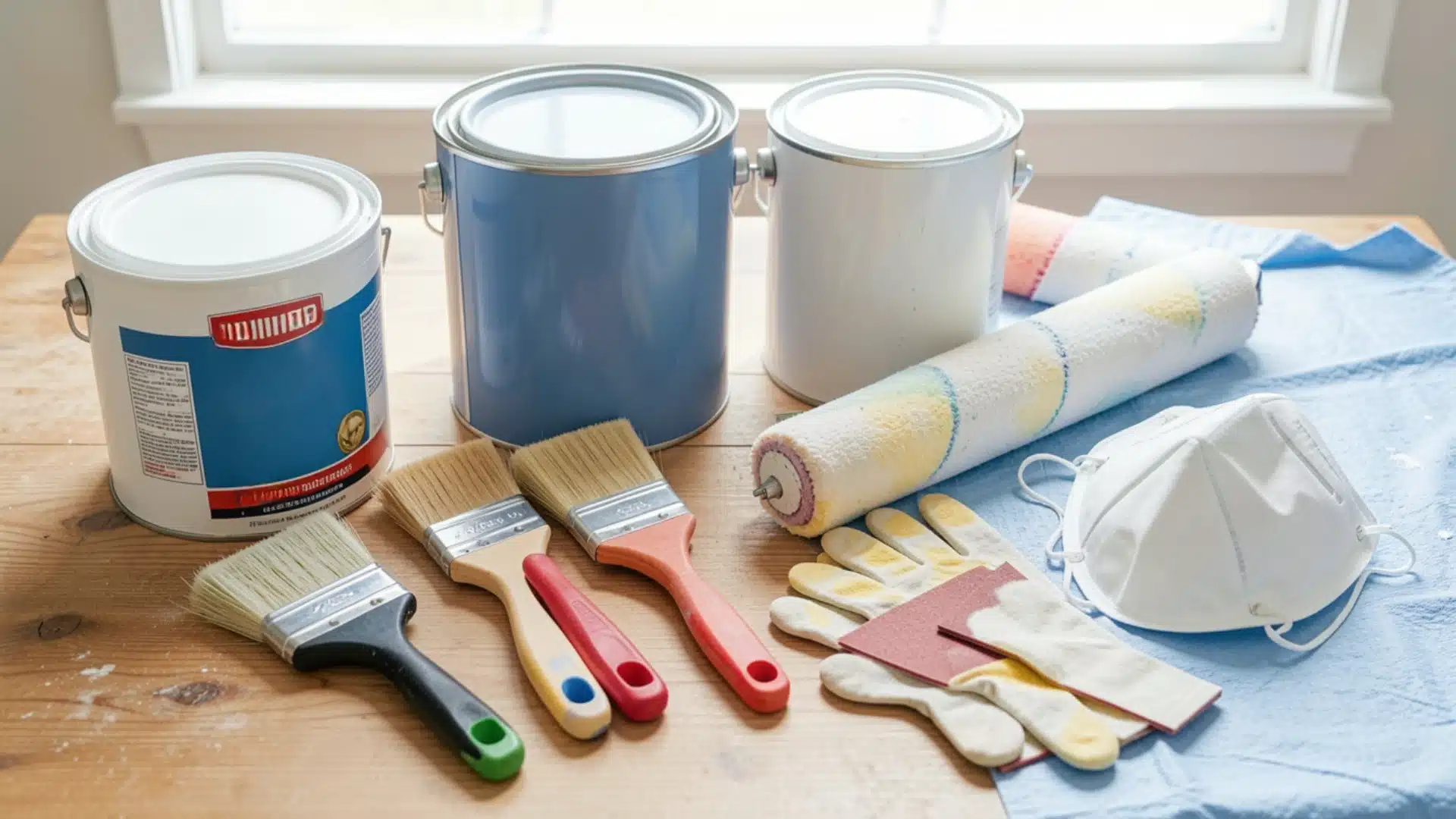
Before you start painting, make sure you have everything ready. Having the right tools on hand makes the whole job much easier.
The things that you’ll need are:
- Sandpaper: Use medium-grit sandpaper to lightly sand the surface and smooth out rough spots.
- Wood Cleaner or Deck Wash: Cleans dirt and debris off the surface before painting.
- Primer: Seals the surface and gives the paint something solid to grip onto.
- Exterior Paint: Use a paint made specifically for outdoor wood surfaces.
- Paintbrush and Roller: A brush works well for edges. A roller covers large flat surfaces faster.
- Drop Cloth: Protects the ground and nearby surfaces from paint drips.
- Safety Gear: Wear gloves and a mask when sanding pressure treated wood. The preservative chemicals in older treated lumber (pre-2004 CCA-treated wood especially) are worth taking seriously.
How to Paint Pressure Treated Wood?
Follow the steps in order — skipping ahead is where most paint jobs go wrong.
Step 1: Let the Wood Dry
Wait the full 3 to 6 months, then confirm with the water drop test. If droplets soak in within a minute or two, you’re ready. If they sit on the surface, give it more time – a few more weeks can save you a full repaint.
Step 2: Clean the Surface
Use a wood cleaner or deck wash to clean the surface. Remove all dirt, dust, and debris. Let it dry completely before moving to the next step.
Step 3: Sand the Wood
Lightly sand the surface with medium-grit sandpaper. This smooths out any rough spots and helps the paint bond better. Wipe off the dust after sanding.
Step 4: Apply Primer
Apply a coat of exterior primer to the entire surface. Don’t skip this step. The primer seals the wood and gives the paint a solid base to stick to. Let it dry fully before painting.
Check the primer’s label for recommended dry time — most need at least 1 to 2 hours before topcoat.
Step 5: Apply the Paint
Use a brush for edges and corners. Use a roller for larger flat surfaces. Apply the first coat evenly and let it dry completely. Then apply a second coat for a better finish.
Step 6: Let It Cure
Keep the painted surface dry and off heavy foot traffic for at least 24 to 48 hours. Full cure takes longer because most exterior paints reach full hardness in about 30 days.
What Happens When You Stain Too Soon
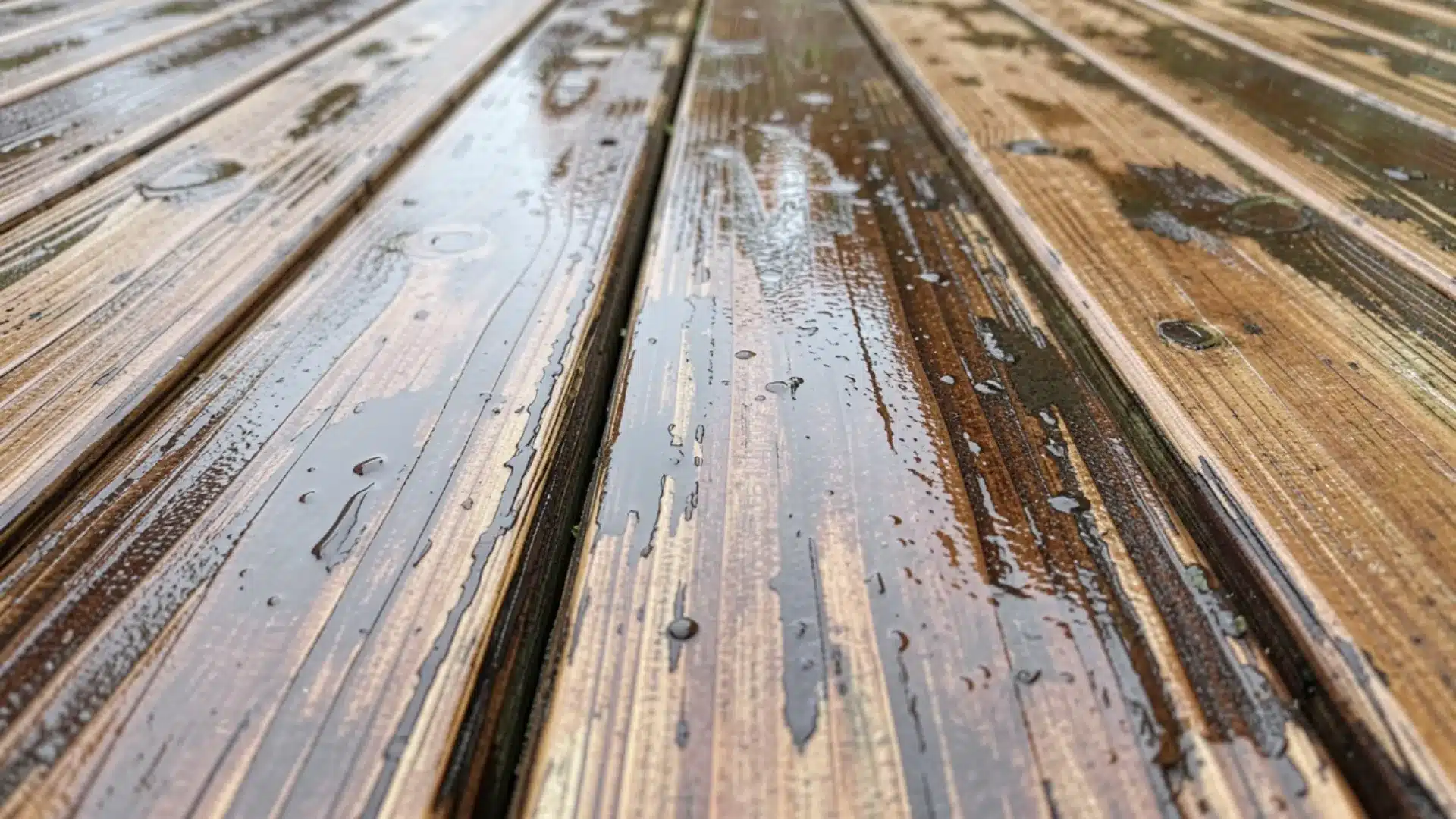
Staining too soon is just as bad as painting too soon. And a lot of people make this mistake.
When the wood still has moisture in it, the stain can’t soak in properly. It sits on top of the surface instead of bonding with the wood fibers.
This leads to peeling, fading, and an uneven finish.
Some spots may look darker than others, and in some cases, the stain may not take at all.
What to do instead: wait for the wood to dry out completely before applying any stain. Use the water drop test to check if it’s ready.
What is Pressure Treated Lumber? Is it Any Different?
Not really. Pressure-treated lumber and pressure-treated wood are the same thing. People just use different terms for it.
Lumber refers to wood that has been cut and sized for building. So when someone says pressure treated lumber, they simply mean pressure treated wood ready for construction.
As both are the same thing, like pressure treated wood, you can paint pressure treated lumber.
Now You Know, Go Get Started!
Yes, you can paint pressure treated wood.
Wait 3 to 6 months, confirm dryness with the water drop test, clean and prime the surface, and use an exterior paint. Skip the drying phase and you’ll be repainting within a season.
Painting and staining both work well on pressure-treated wood.
It really comes down to the look you want and how much maintenance you’re willing to do.
If you’ve painted a deck or fence with treated wood and ran into something unexpected, drop it in the comments; it might save someone else the same headache.
Frequently Asked Questions (FAQ’s)
1. What Paint Will Stick to Pressure Treated Wood?
Latex or oil-based exterior paint works best. Always apply a good primer first.
2. What Happens if You Paint Over Pressure Treated Wood?
If the wood is dry and prepped properly, the paint will stick well and last long. But if the wood is still wet, the paint will bubble, crack, and peel off quickly.
3. Is it Better to Paint or Stain Pressure Treated Wood?
It depends on what you want. Paint gives a solid color and a clean finish. Stain lets the natural wood grain show through and is easier to maintain. Both work well.