

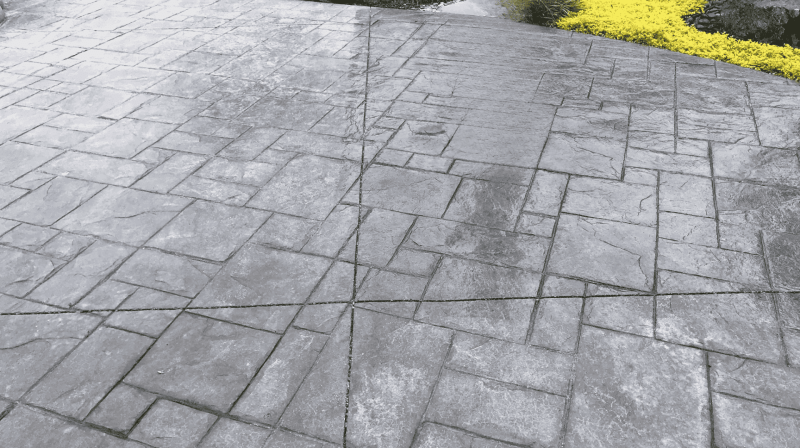
You just poured fresh concrete. Now you’re wondering if you should seal it right away.
Sealing at the wrong time can trap moisture, causing discoloration, peeling, and structural damage.
Knowing when NOT to seal is just as important as knowing when to seal. Poor timing ruins your concrete’s durability. Wrong conditions lead to costly repairs down the road.
In this blog, you will see the critical moments when you should avoid sealing.
You’ll learn about timing issues, weather problems, and surface conditions that spell trouble.
Overview: What is Concrete Sealing?
Concrete sealing is a protective process.
You apply a liquid coating over your concrete surface. This coating acts as a barrier. It blocks water, oil, chemicals, and stains from penetrating the concrete.
Sealers come in different types. Some create a glossy finish, while others stay invisible.
Popular options like Drylock and Flex Seal provide different methods for protecting concrete surfaces, each with distinct advantages.
Water-based options exist, and so do solvent-based ones. The sealer soaks into the pores of your concrete.
Once it dries, it forms a protective layer. This layer extends your concrete’s life and keeps it looking clean.
Timing matters. Apply it too soon, and you’ll trap problems inside. Wait too long, and damage might already start.
How to Tell if Concrete is Ready for Sealing
Testing your concrete prevents costly mistakes. Here’s how to check if it’s truly ready.
- Tape a Plastic Sheet Overnight: Secure plastic over a small area. Check for condensation in the morning. No moisture means it’s ready.
- Sprinkle Water Drops: Pour small amounts of water on the surface. Water should absorb within minutes. Beading means there is too much moisture inside.
- Check the Calendar: Count 28 days from the minimum pour date. Mark your calendar to avoid guessing. Some climates require even longer waiting periods.
- Scratch Test: Lightly drag a screwdriver across the surface. It shouldn’t leave deep gouges. Soft concrete needs more curing time first.
- Use a Moisture Meter: Electronic meters give accurate moisture readings instantly. Levels should stay below 4 percent.
- Observe Color Consistency: The entire surface should match in shade. Darker patches indicate wetness below. Wait until everything looks uniform throughout.
Once you’ve confirmed your concrete is ready, choosing the right sealer is important.
Knowing the performance and repair capabilities of popular sealers helps match the product to your concrete’s conditions and damage concerns.
Why Sealing Concrete at the Wrong Time Causes Problems

Timing isn’t just important; it’s everything. Seal too early or during bad conditions, and you’re asking for trouble.
Traps Moisture Inside
Fresh concrete contains water. Sealing before it fully cures locks in moisture. The trapped water has nowhere to go. It creates pressure under the sealer.
Eventually, this causes bubbling, cloudiness, and peeling. Your sealer fails within months instead of lasting years.
Creates Surface Discoloration
Premature sealing leads to uneven drying. Some areas dry faster than others.
This creates blotchy, white spots across your concrete. The discoloration becomes permanent. No amount of cleaning will fix it. You’ll need to strip the sealer and start over.
Reduces Sealer Adhesion
Sealers need a properly cured surface to bond. Wet or contaminated concrete won’t grip the sealer.
The coating merely sits on top, does not bond, and peels off with foot traffic, flaking and chipping appearing within weeks.
Surface Conditions that Mean You Should Not Seal Yet
- Oil, grease, or chemical stains are present.
- Dust, dirt, or debris covering the concrete.
- Efflorescence (white, chalky deposits) is showing up.
- Rough, uneven texture from poor finishing.
- Dark spots indicate moisture underneath.
- Surface pH above 10 (too alkaline).
- Mold or mildew growth is present.
- Concrete appears darker when wet than when dry.
- Paint or coating residue from old applications.
- Loose aggregate or sand coming off when touched.
Common Risks of Sealing Concrete at the Wrong Time
Bad timing doesn’t just affect appearance. It creates serious problems that cost you time and money.
Sealer Blistering and Bubbling
Heat and trapped gases cause the sealer to lift. Small bubbles form under the coating. They grow larger over time. The surface looks bumpy and uneven.
Walking on it feels strange. You’ll need professional help to remove and reapply everything.
Premature Sealer Failure
Your sealer wears out faster than expected. Normal wear should take years. Instead, it breaks down into months.
You’ll spend money resealing more often. The cost adds up quickly. Protection disappears when you need it most.
Increased Maintenance Costs
Fixing rushed sealing jobs isn’t cheap; you’ll pay for stripping old sealer, surface prep, and new application, which costs more than doing it right initially.
Voided Product Warranties
Manufacturers have strict policies. Documentation is useless if instructions aren’t followed.
Ignoring cure times invalidates your warranty and excludes coverage for defects, leaving you to pay for replacements.
When Not to Seal Concrete Based on Timing
Never seal within the first 28 days after pouring. Concrete needs this full period to cure properly.
Some fast-cure products claim shorter wait times, but it’s recommended to stay cautious.
Avoid sealing in extreme temperatures. Don’t seal when the temperature is below 50°F or above 90°F.
Skip sealing during high-humidity days. Moisture in the air slows drying. It interferes with proper bonding.
Don’t seal in direct sunlight during hot afternoons. The sealer dries too quickly. This creates lap marks and uneven coverage. Early morning or late evening works better.
Areas Where Sealing at the Wrong Time is Riskier
Some concrete locations face harsher conditions. These areas demand extra caution with sealing timing.
Driveways and Parking Areas:Heavy vehicle weight stresses sealed surfaces, causing persistent tire marks and sealer peels. Oil drips become tougher to clean as they dry.
Pool Decks: Constant water exposure makes timing critical. Chlorine and chemicals react badly with improperly cured sealers. Slippery surfaces become safety hazards. Refunds won’t cover injury lawsuits from falls.
Basement Floors: Underground moisture continually moves through concrete. Sealing too early traps moisture, leading to mold growth beneath the coating and a lasting musty smell.
Garage Floors:Temperature swings stress the sealer daily. Hot tires soften coatings. Salt and chemicals damage weak sealers. Stains set quickly on outdoor concrete.
Outdoor Patios:Sun exposure varies daily. UV rays can damage sealers if applied improperly. Furniture legs leave lasting indentations. Rain may wash away the sealer before it fully sets.
Conclusion
Sealing concrete protects your investment. But rushing the process destroys what you’re trying to save.
Wait the full 28 days. Check surface conditions carefully. Test for moisture before applying anything. These simple steps prevent thousands in repair costs.
You now know which conditions to avoid. You know how to test if concrete is ready.
Frequently Asked Questions (FAQ’s)
1. What is 10/20/30/40 Rule when Making Concrete?
It refers to the ideal temperature and humidity ranges for mixing and curing concrete.
2. What is the 90-Minute Concrete Rule?
Concrete must be placed and finished within 90 minutes after mixing with water.
3. When Mixed with Water, it Will Set Immediately. How To Overcome This Problem?
Mix only small batches at a time and work quickly before it hardens completely.


