
Concrete problems can ruin anyone’s day: water seeps through garage floors, cracks appear on driveways, and leaks occur unexpectedly.
Most people face these frustrating issues.
Just like other waterproofing solutions like Radonseal and Drylok, Flex Seal has become another popular option.
People often wonder whether this is safe and effective for their concrete projects, compared to other options. This rubber coating is said to seal concrete and stop leaks quickly.
This blog covers how Flex Seal performs on concrete surfaces.
You will learn about its lifespan, how well it handles cracks, and if it can genuinely fix persistent leaks.
What is Flex Seal and How Does it Work on Concrete
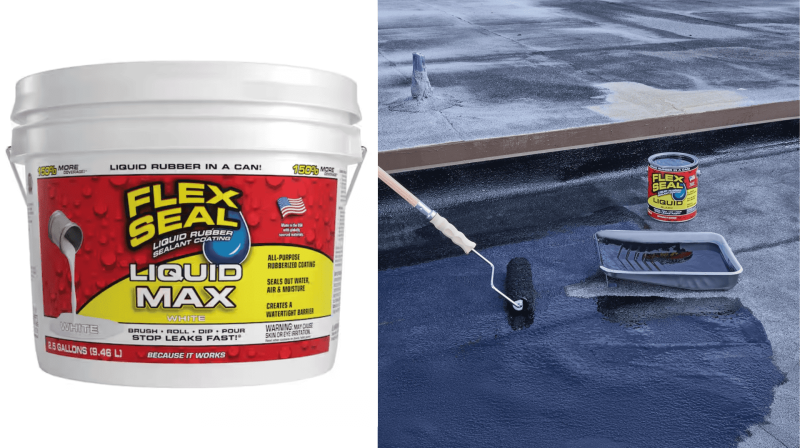
This is a liquid rubber sealant that creates a waterproof barrier.
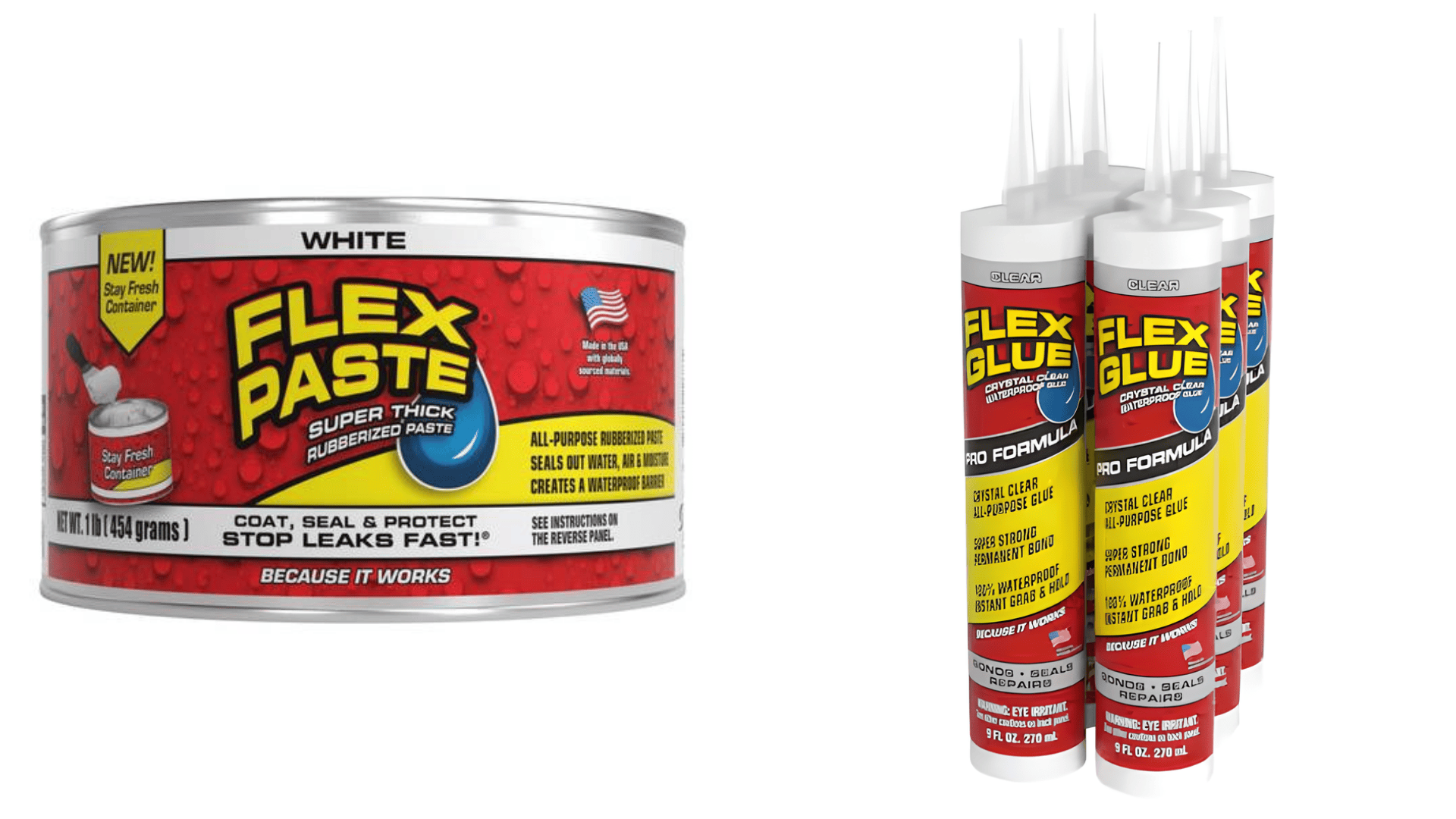
It comes in spray cans, liquid form, and paste versions for different applications. For concrete work, the spray and liquid types work best.
The spray covers large areas quickly, while the liquid version handles smaller repairs.
The product bonds with concrete through its porous surface.
Concrete has tiny holes that let the sealant seep in and grip tight. Once it dries, it forms a flexible rubber coating.
This coating moves with the concrete as temperatures change. It prevents water from getting through while still allowing the surface to breathe beneath.
Radonseal vs Drylok vs Flexseal
| Feature | RadonSeal | DryLok | Flex Seal |
|---|---|---|---|
| Primary purpose | Radon blocking + deep waterproofing | Surface waterproofing | Quick fixes and patching |
| How it works | Penetrates deep into concrete, bonds from within | Coats the surface, creates a barrier | Flexible rubber coating on surface |
| Best for | Radon concerns, permanent sealing | Minor seepage, finished basement look | Cracks, multi-surface repairs |
| Durability | Permanent | 5 to 10 years | Needs reapplication over time |
| Works over paint | No | No | Yes |
| Cost | Mid-range | Budget friendly | Higher per unit |
Bottom line:
RadonSeal works from within the concrete while DryLok acts more like a protective coat on the surface.
Flex Seal sits in a different category altogether. It is less about basement waterproofing and more about quick, flexible repairs across a range of surfaces.
Can You Use Flex Seal on Concrete Surfaces?
People often wonder if this is safe and effective for their concrete projects.
- Compatible with both interior and exterior concrete applications.
- Not recommended for surfaces with constant water pressure or submersion.
- Best results occur on clean, dry concrete free of oil or grease.
- The temperature during application should be between 32°F and 120°F.
- Requires proper surface preparation before applying the sealant.
- May need multiple coats, depending on the condition of the concrete.
- Should not be used on concrete that will have direct food contact.
For larger projects, knowing overall project budgets for different space sizes helps determine whether DIY solutions like Flex Seal are cost-effective compared to professional services.
Flex Seal on Concrete: Lifespan
The durability of this on concrete depends on several factors that people need to understand.
Average Lifespan on Concrete
This seal typically lasts between 2 and 5 years on concrete surfaces.
Indoor applications often reach the higher end of this range. Outdoor concrete has a shorter lifespan due to sun exposure and weather changes.
Factors That Affect How Long it Lasts
1. Surface Condition:
The concrete’s initial condition is crucial. Smooth, prepared surfaces improve its durability, but damaged or flaking concrete weakens the bond.
Old concrete with sealers may reject the coating. Proper cleaning and prep increase effectiveness.
2. Weather Exposure
Sun, rain, and temperature changes wear down the seal. UV rays degrade rubber.
Freeze-thaw cycles cause expansion and contraction. Heavy rain challenges waterproofing. Shaded areas usually last longer than sunny spots.
3. Traffic and Pressure
Foot traffic and vehicle weight influence durability; high-traffic zones wear faster, and heavy vehicles can crack the seal over time. Constant pressure points create weak spots, while light-use areas last longer.
Signs That Flex Seal is Wearing Out
Peeling edges indicate the seal is failing. Discoloration shows UV damage and aging.
Water spots indicate weaker protection. Cracks show loss of flexibility. Exposed concrete signals reapplication.
Recognizing these signs helps avoid water damage.
Pros and Cons of Using Flex Seal on Concrete
Knowing both advantages and drawbacks helps make an informed decision about using this seal on concrete.
| Pros | Cons |
|---|---|
| Quick and easy to apply without special tools | Requires reapplication every few years |
| Dries within 24 hours for most projects | Can be expensive for large concrete areas |
| Creates a flexible, waterproof barrier | May not work on severely damaged concrete |
| Available in multiple application methods | Surface prep takes time and effort |
| Works in various temperatures | Strong odor during application |
| Fills small cracks effectively | Not suitable for structural repairs |
| Prevents moisture damage | Can yellow or discolor over time |
| No professional installation needed | Performance drops in high-traffic zones |
How to Apply Flex Seal on Concrete the Right Way
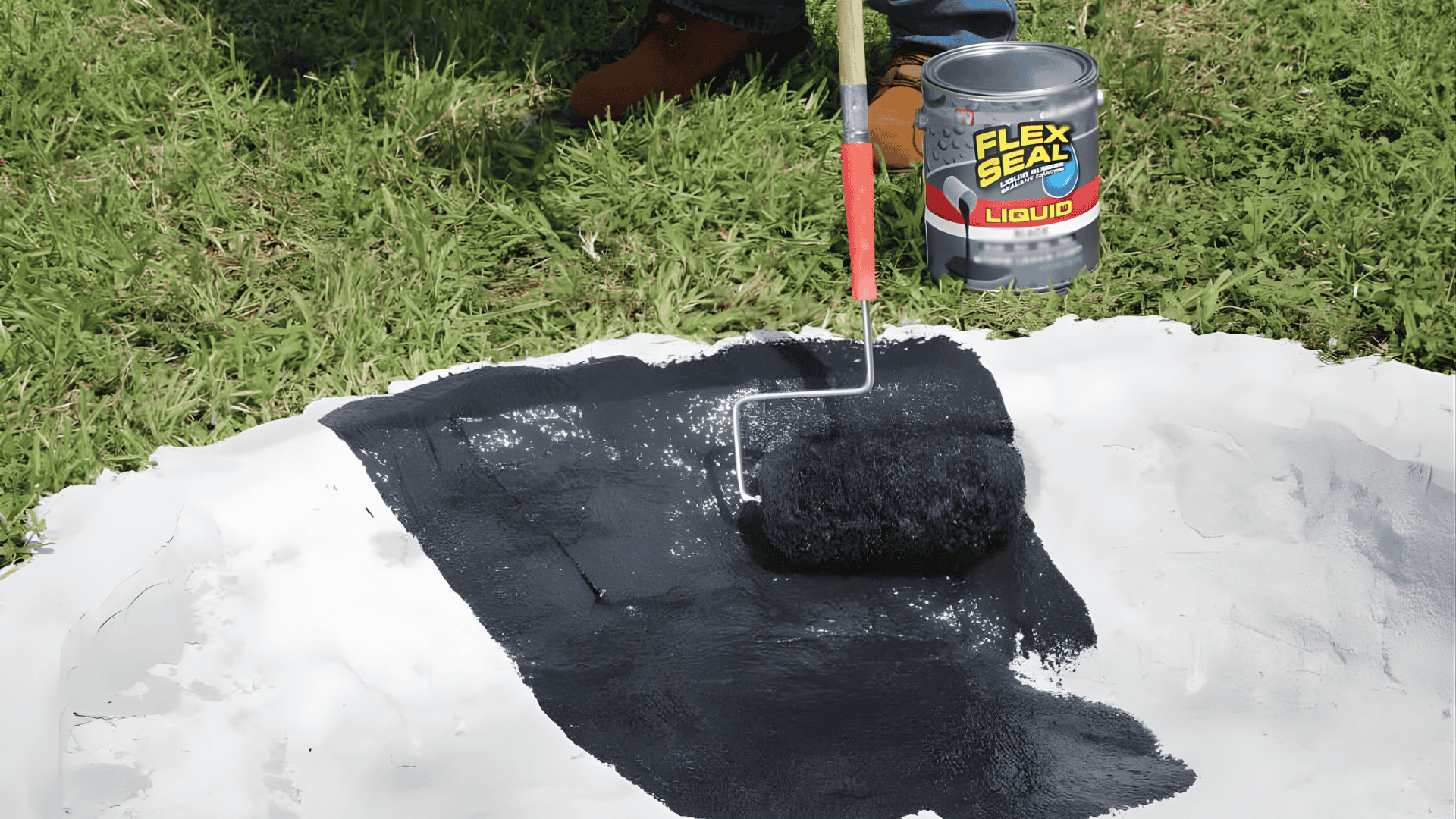
Proper application technique makes all the difference in getting long-lasting results with Flex Seal on concrete.
Step 1: Clean the Concrete Surface
Remove dirt, dust, and debris from the concrete by sweeping thoroughly, washing with soap and water, and scrubbing oil stains with a degreaser.
Allow it to dry completely for at least 24 hours to ensure proper bonding and prevent seal failure.
Step 2: Repair Large Cracks and Damage
Fill deep cracks over 1/4 inch with concrete filler first.
Flex Seal is best for minor imperfections, not major damage. Smooth the filler and let it cure as directed. Sand rough patches for a smooth surface. Proper prep ensures better coverage.
Step 3: Apply the First Coat
Shake the can for at least a minute. Hold 8-12 inches from the surface. Apply smoothly with slight overlap.
For liquids, use a brush or roller. Work in small sections, avoiding thick coats in one pass.
Step 4: Let it Dry Between Coats
Wait 24-48 hours before adding another layer. Check if it’s dry by touching the surface.
Rushing causes uneven coverage and weak spots. Cooler temperatures and humidity increase drying time.
Step 5: Add Additional Coats as Needed
Most concrete surfaces require 2-3 coats for full protection. Apply each coat evenly and let it dry completely before adding the next.
Check for thin spots or missed areas. Additional coats increase the seal’s water resistance and lifespan.
Fixing Concrete Leaks with Flex Seal
This can stop many types of concrete leaks when applied correctly.
- Identify the exact source of the leak before applying any sealant.
- Clean and dry the leaking area completely for best adhesion.
- Use Flex Seal Paste for active leaks, as it works on damp surfaces.
- Apply multiple thin coats rather than one thick layer.
- Seal both sides of the concrete if accessible for maximum protection.
- Allow 24 hours of curing time before testing with water.
- Reapply if leaks persist after the first treatment dries.
- Consider professional help for leaks caused by foundation cracks.
- Monitor the sealed area regularly for signs of new moisture.
Flex Seal vs Other Concrete Crack and Leak Solutions
| Solution | Best For | Cost | Durability | Application Ease |
|---|---|---|---|---|
| Flex Seal | Minor cracks and surface leaks | low to high | 2-5 years | Very simple, DIY-friendly |
| Epoxy Injections | Structural cracks & deep repairs | High | 10+ years | Requires skill and equipment |
| Hydraulic Cement | Active leaks and wet conditions | Low | 5-10 years | Moderate, sets quickly |
| Concrete Caulk | Expansion joints & cracks | Low | 3-7 years | Simple, needs a caulk gun |
| Polyurethane Sealers | Waterproofing protection | Moderate | 5-8 years | Professional results |
| Acrylic Sealers | Decorative concrete | Low to high | 1-3 years | Reapplication is needed |
When to Choose a Permanent Concrete Repair Instead
Sometimes this isn’t enough, and more permanent concrete repair methods become necessary.
Structural cracks wider than 1/4 inch that continue to grow over time
These cracks indicate foundation issues or settling problems. They need a professional evaluation and structural repair to prevent further damage to the building.
Concrete that’s crumbling, flaking, or showing signs of severe deterioration
Surface sealants can’t fix concrete that’s breaking apart.
The damaged sections need to be removed and replaced with fresh concrete for lasting results.
Cracks that affect the structural integrity of walls, floors, or foundations
Safety becomes the priority when there is structural damage.
Engineers should assess the problem and recommend repair methods, such as carbon fiber reinforcement or underpinning.
Areas where building codes require specific repair methods or professional certification
Some jurisdictions mandate licensed contractors for certain concrete repairs.
Check local regulations before attempting DIY fixes on critical structural elements.
Final Thoughts
Flex Seal offers a practical solution for minor concrete leaks and cracks. It’s affordable, easy to apply, and works well for DIY repairs. However, it’s not a miracle fix for every situation.
Clean surfaces, multiple coats, and regular maintenance extend its lifespan.
Most people see good results for 2 to 5 years. For small repairs and waterproofing needs, Flex Seal does the job.
For bigger problems, consult a concrete specialist. The right solution saves time, money, and frustration.
Frequently Asked Questions (FAQ’s)
1. How to Permanently Fix Cracks in Concrete?
Use epoxy injections or hydraulic cement for deep, structural crack repairs.
2. What is the Downside of Sealing Concrete?
Sealers trap moisture underneath and require frequent reapplication every few years.
3. Which Flex Seal is Best for Concrete?
Flex Seal Liquid works best for most concrete repair and waterproofing projects.