
Seeing a table and feeling it’s too high or too low? Getting the right standard table height matters.
The right height keeps your body in a natural position. Your arms rest comfortably and your back stays straight.
This prevents strain and fatigue, especially if you spend hours at a table daily.
A table that’s the wrong height leads to back pain, poor posture, and discomfort.
Standard heights exist because they’re based on how our bodies work and what feels comfortable for most people.
Here you’ll learn exact measurements for different table types, how to measure your tables and chairs, and how to pick the right height for your space and needs.
Standard Table Height
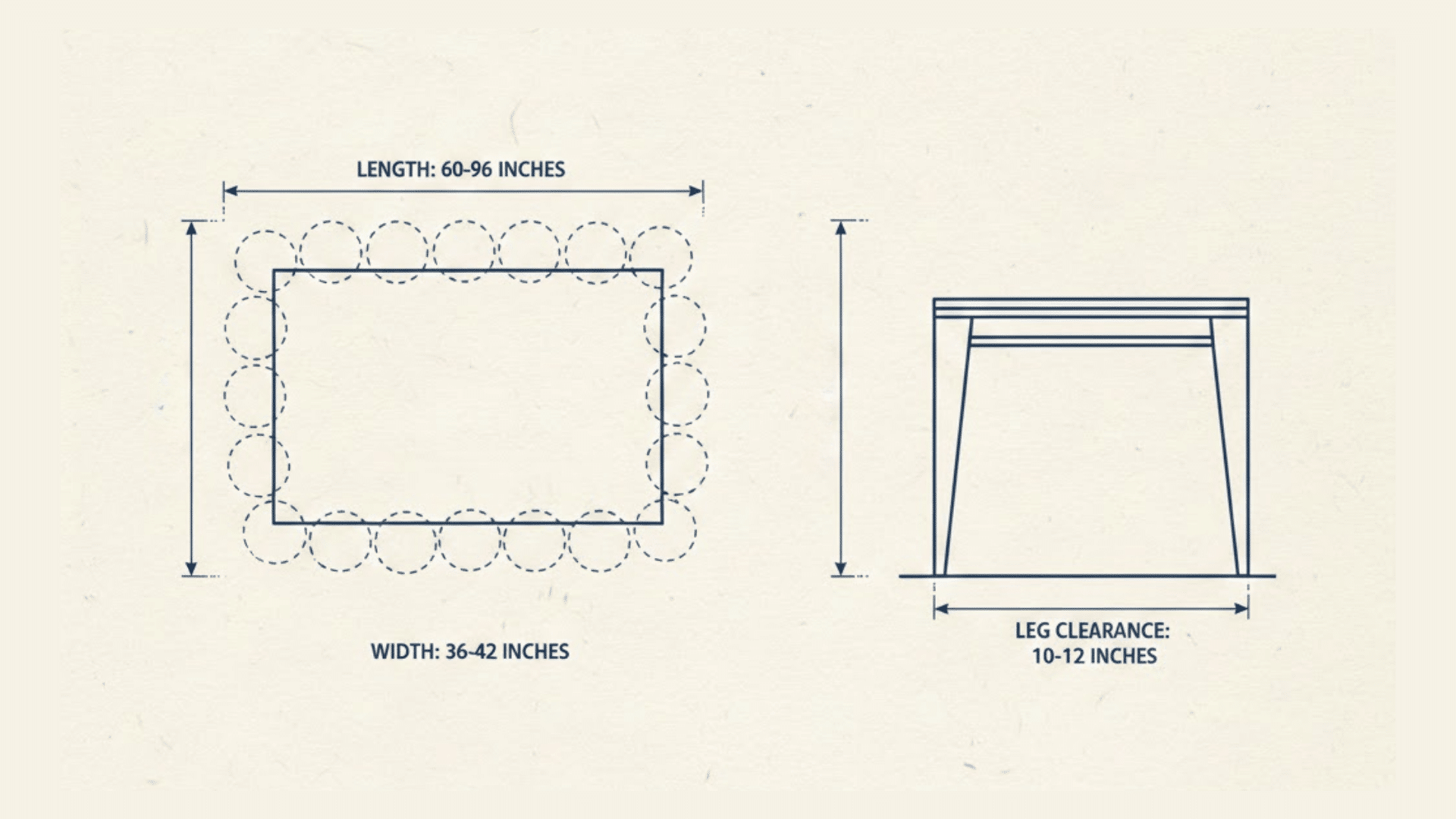
Most dining tables follow specific measurements that work well for everyday use. Here are the dimensions:
Standard Dining Table Dimensions
- Height: 28 to 30 inches (most common is 30 inches)
- Length: 60 to 96 inches (seats 6 to 10 people)
- Width (Depth): 36 to 42 inches
- Leg Clearance: 10 to 12 inches from seat to table bottom
Common Table Shapes and Their Sizes
- Rectangular: 60 x 36 inches (seats 4-6), 72 x 36 inches (seats 6-8)
- Square: 36 x 36 inches (seats 4), 60 x 60 inches (seats 8)
- Round: 36-inch diameter (seats 4), 48-inch diameter (seats 6)
- Oval: 72 x 42 inches (seats 6-8)
These measurements ensure everyone has enough elbow room and comfortable seating space
Ideal Dining Chair Height
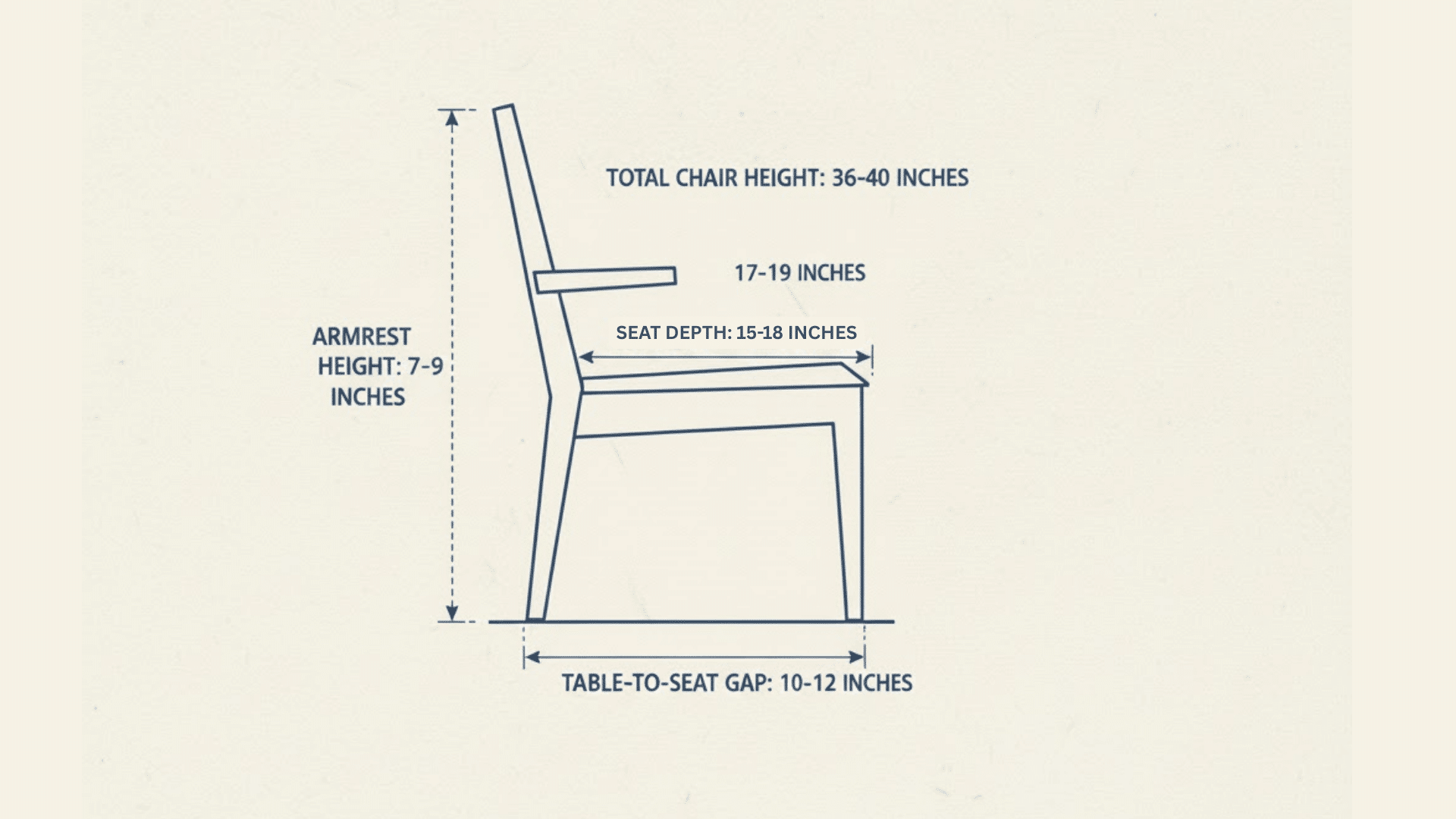
The right chair height makes all the difference when paired with your dining table. Here are the measurements:
Standard Dining Chair Dimensions
- Seat Height: 17 to 19 inches from floor to seat
- Total Chair Height: 36 to 40 inches (including backrest)
- Seat Width: 16 to 20 inches
- Seat Depth: 15 to 18 inches
- Armrest Height: 7 to 9 inches above the seat (if included)
The Perfect Match
- Table to Seat Gap: 10 to 12 inches of clearance
- Armchair Consideration: Arms should slide under the table edge
- Lower Back Support: 12 to 16 inches above the seat
- Full Backrest: 18 to 22 inches above the seat
Standard Table Height of Different Tables
Not all tables serve the same purpose, so their heights vary based on how you’ll use them.
Here’s a breakdown of different table types and their standard measurements:
1. Dining Table
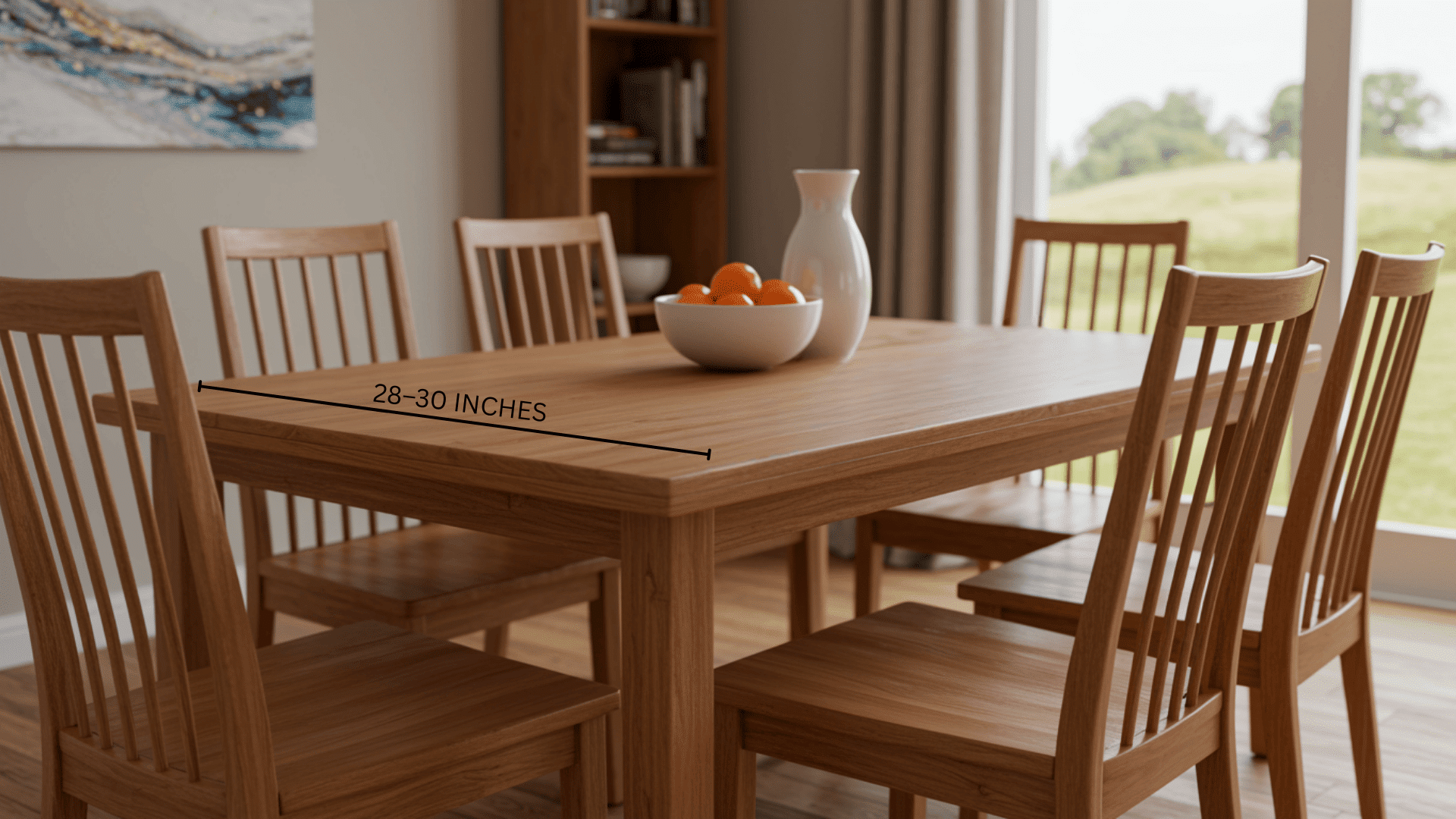
These are used for everyday meals and family gatherings. Works best with standard dining chairs. Provides comfortable eating and conversation space.
- Height: 28 to 30 inches
- Length: 60 to 96 inches
- Width: 36 to 42 inches
2. Counter Height Table
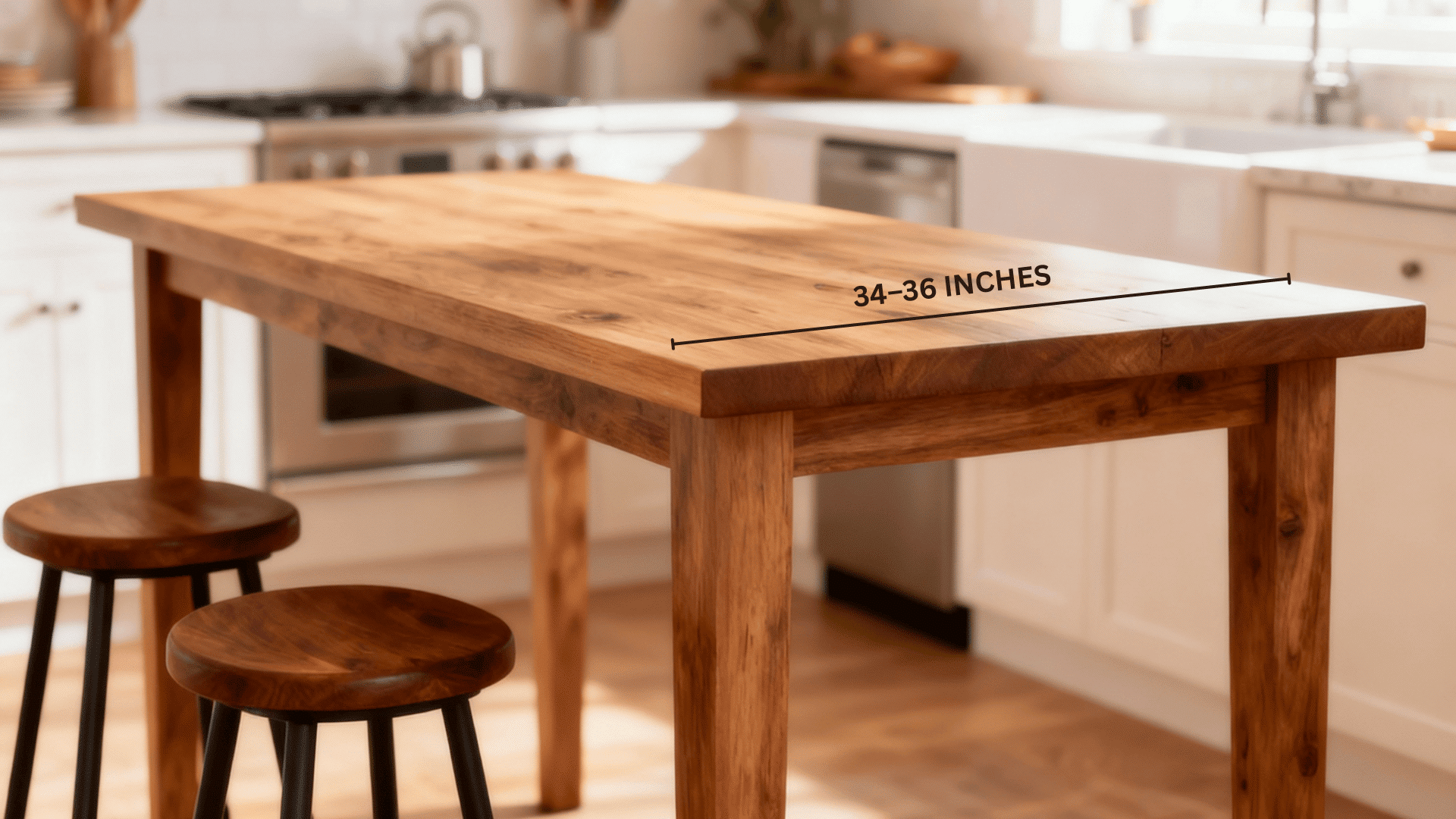
Sits higher than regular dining tables. Creates a casual, bar-like atmosphere. Great for small kitchens and breakfast nooks.
- Height: 34 to 36 inches
- Length: 48 to 72 inches
- Width: 30 to 42 inches
3. Bar Height Table
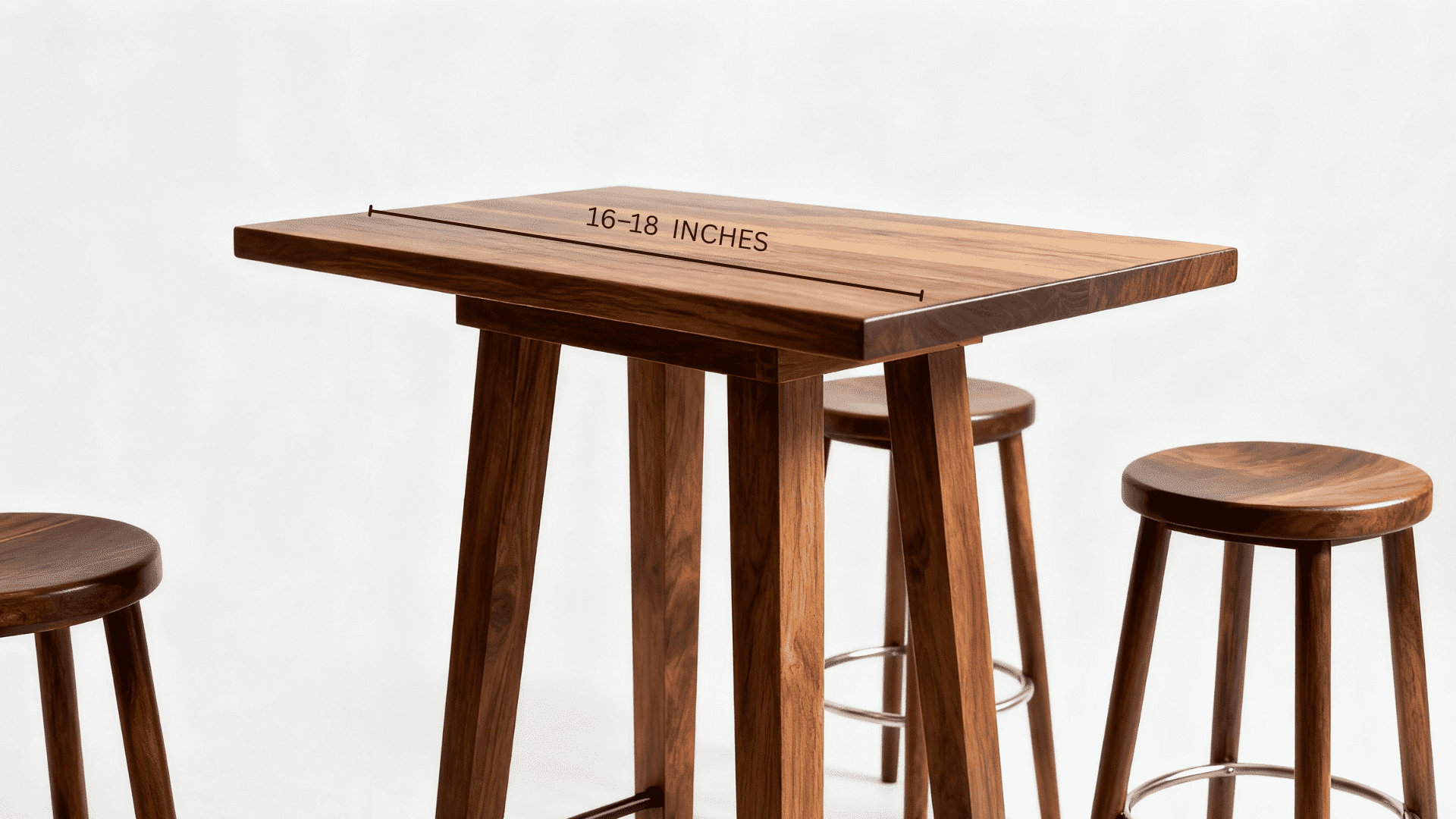
The tallest type of dining surface. Perfect for entertaining and standing conversations. Commonly found in pubs and home bars.
- Height: 40 to 42 inches
- Length: 42 to 72 inches
- Width: 24 to 36 inches
4. Coffee Table
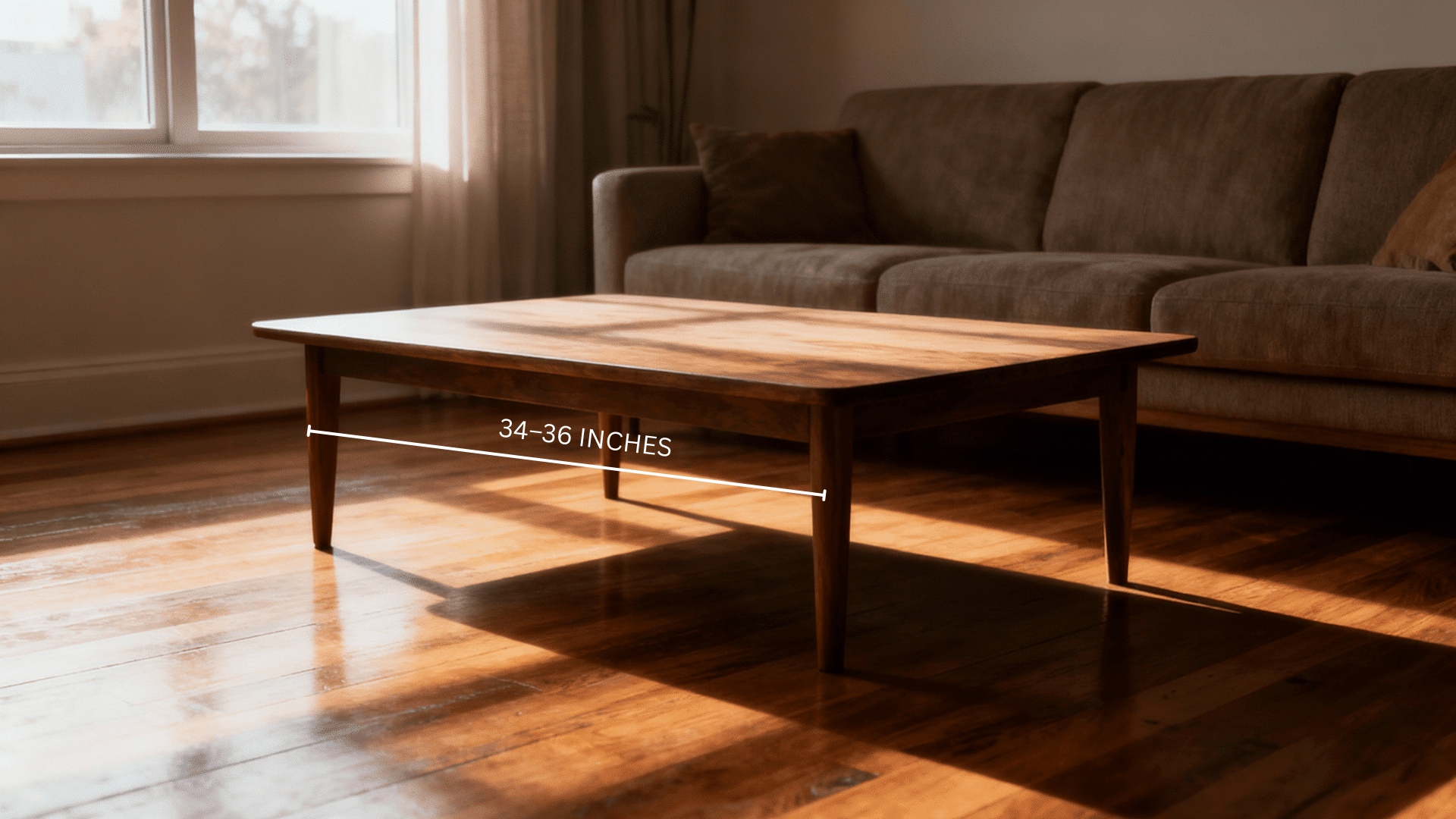
Sits in front of sofas in living rooms. Holds drinks, books, and decorative items. Should align with sofa seat height.
- Height: 16 to 18 inches
- Length: 48 to 60 inches
- Width: 24 to 30 inches
5. Side Table
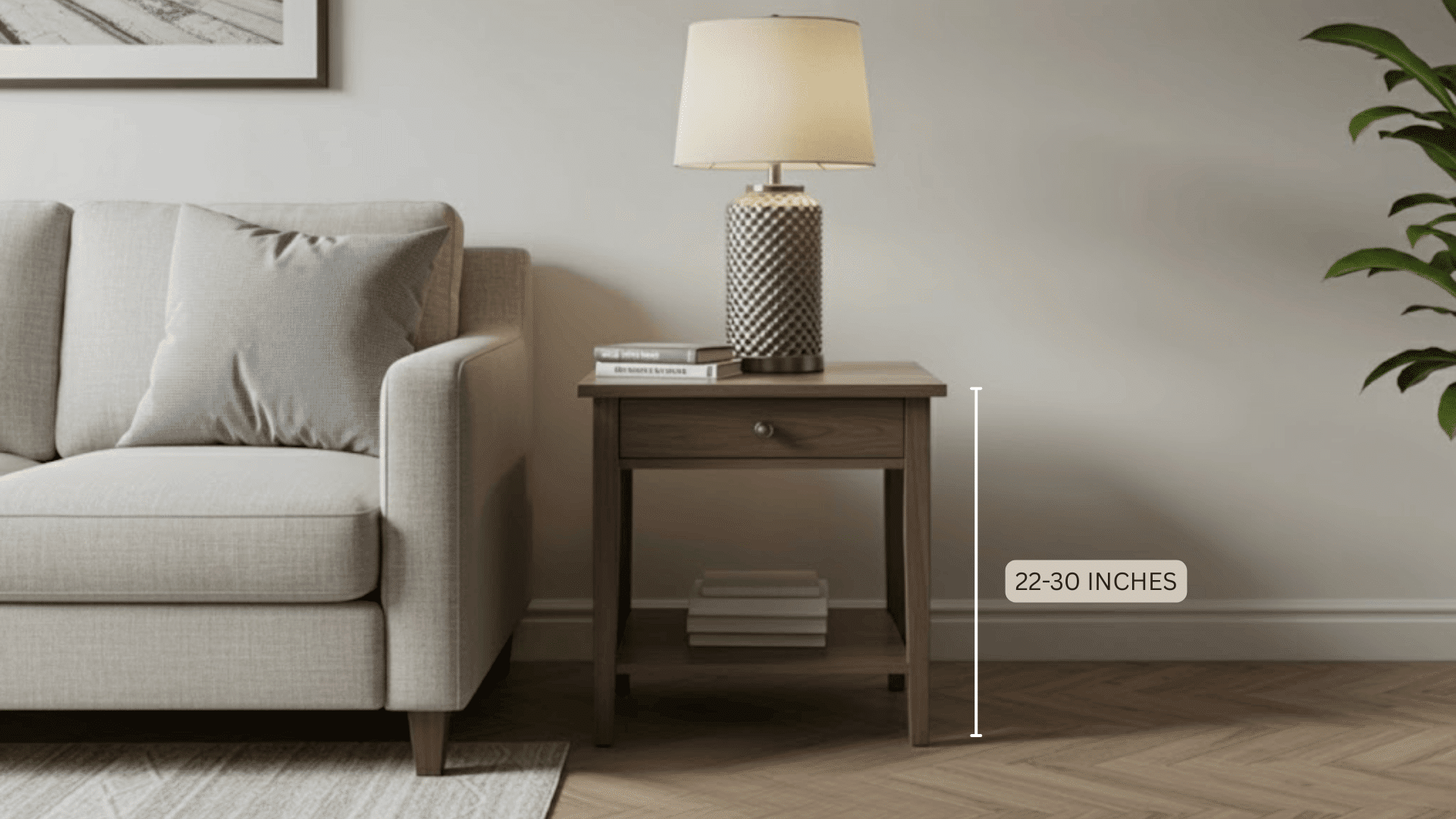
These tables are placed beside sofas, chairs, or beds. Holds lamps, phones, and small items. Matches the arm height of seating furniture.
- Height: 22 to 30 inches
- Diameter/Width: 18 to 24 inches
- Depth: 18 to 24 inches
6. Desk Table
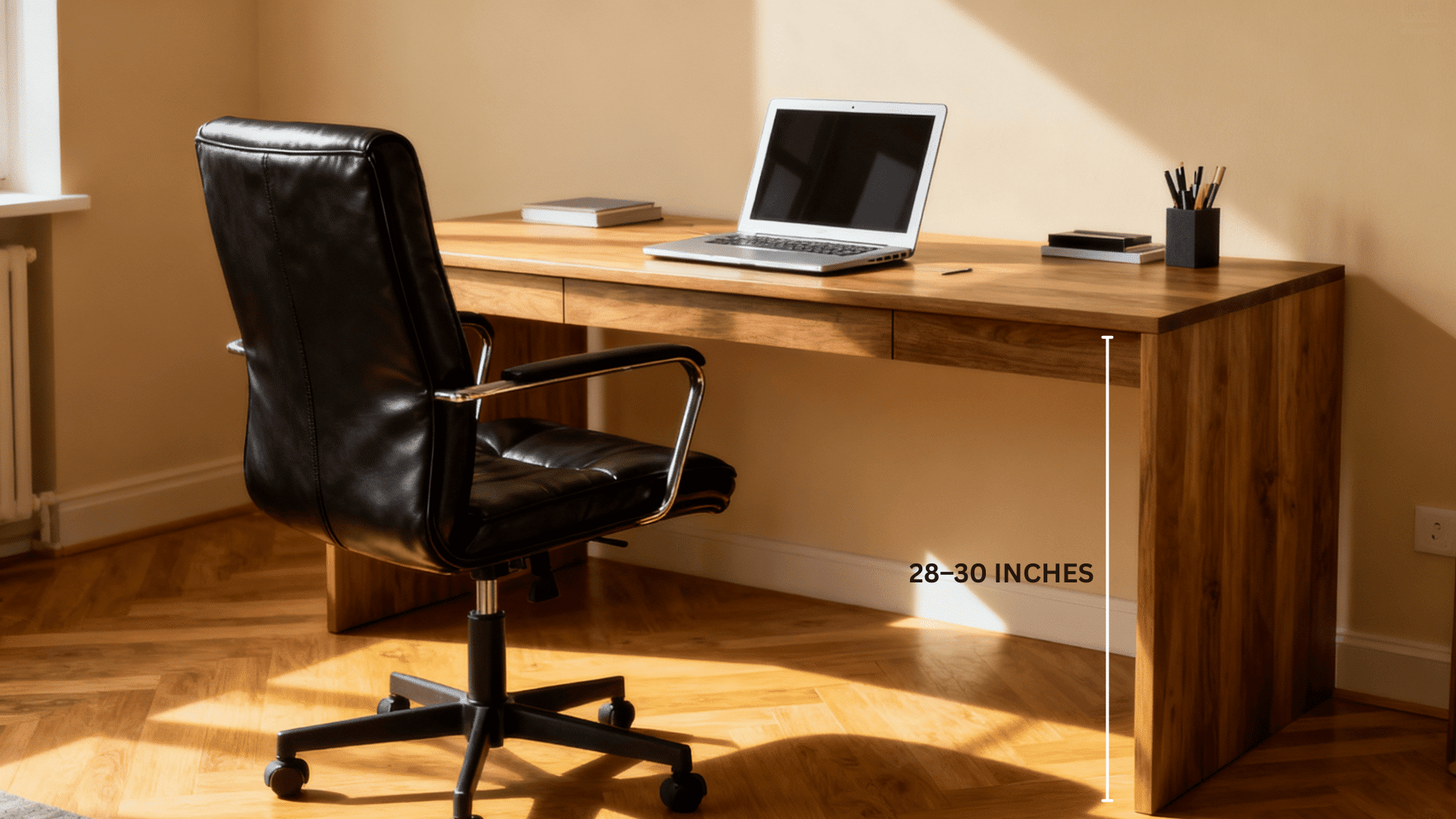
Designed for writing, computer work, and studying. Allows arms to rest at right angles. Needs space for legs underneath.
- Height: 28 to 30 inches
- Length: 48 to 72 inches
- Width: 24 to 36 inches
7. Console Table
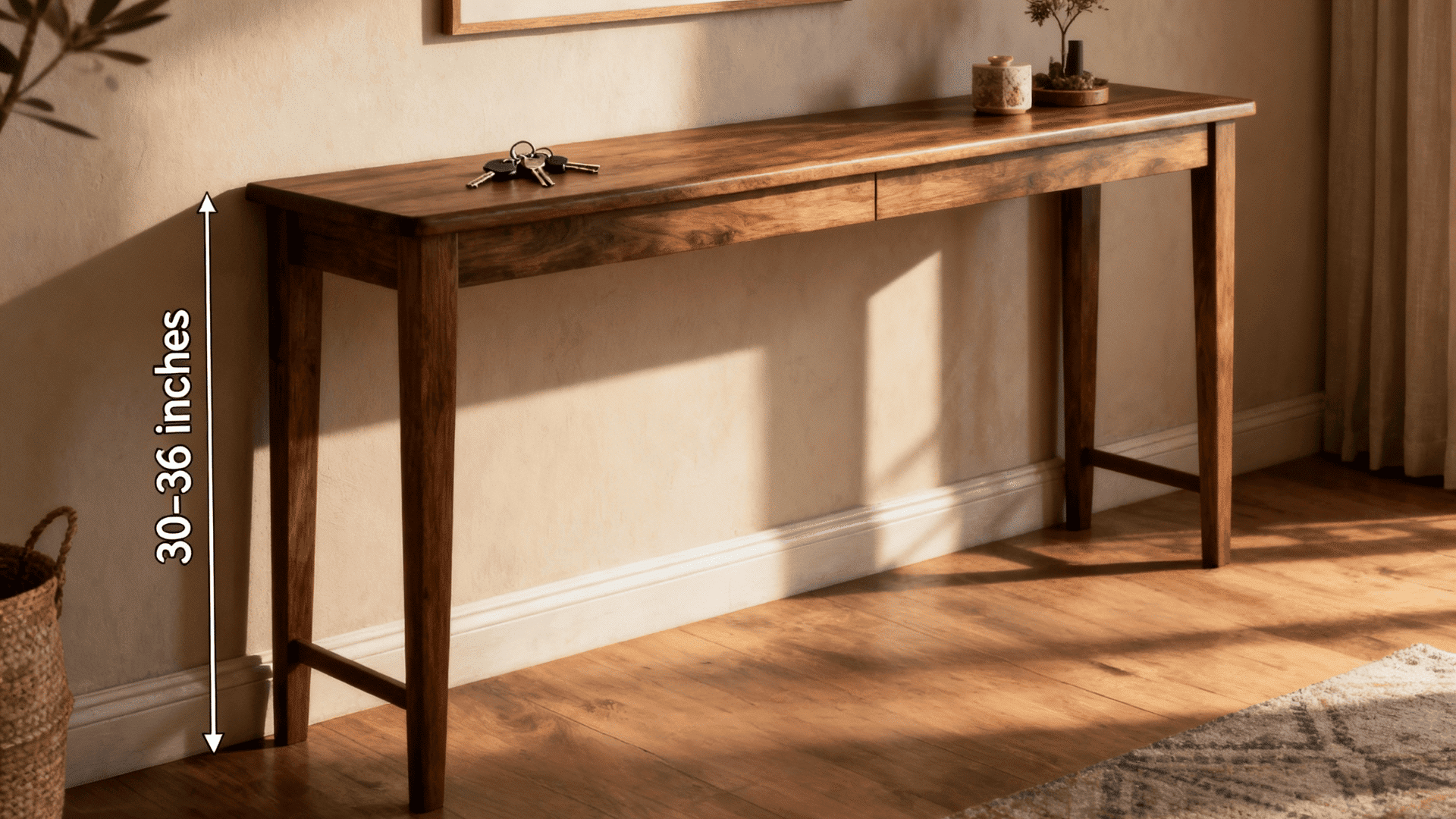
Narrow design fits hallways and entryways. Displays photos, keys, and mail. Often placed against walls.
- Height: 30 to 36 inches
- Length: 48 to 72 inches
- Width: 12 to 18 inches
8. End Table
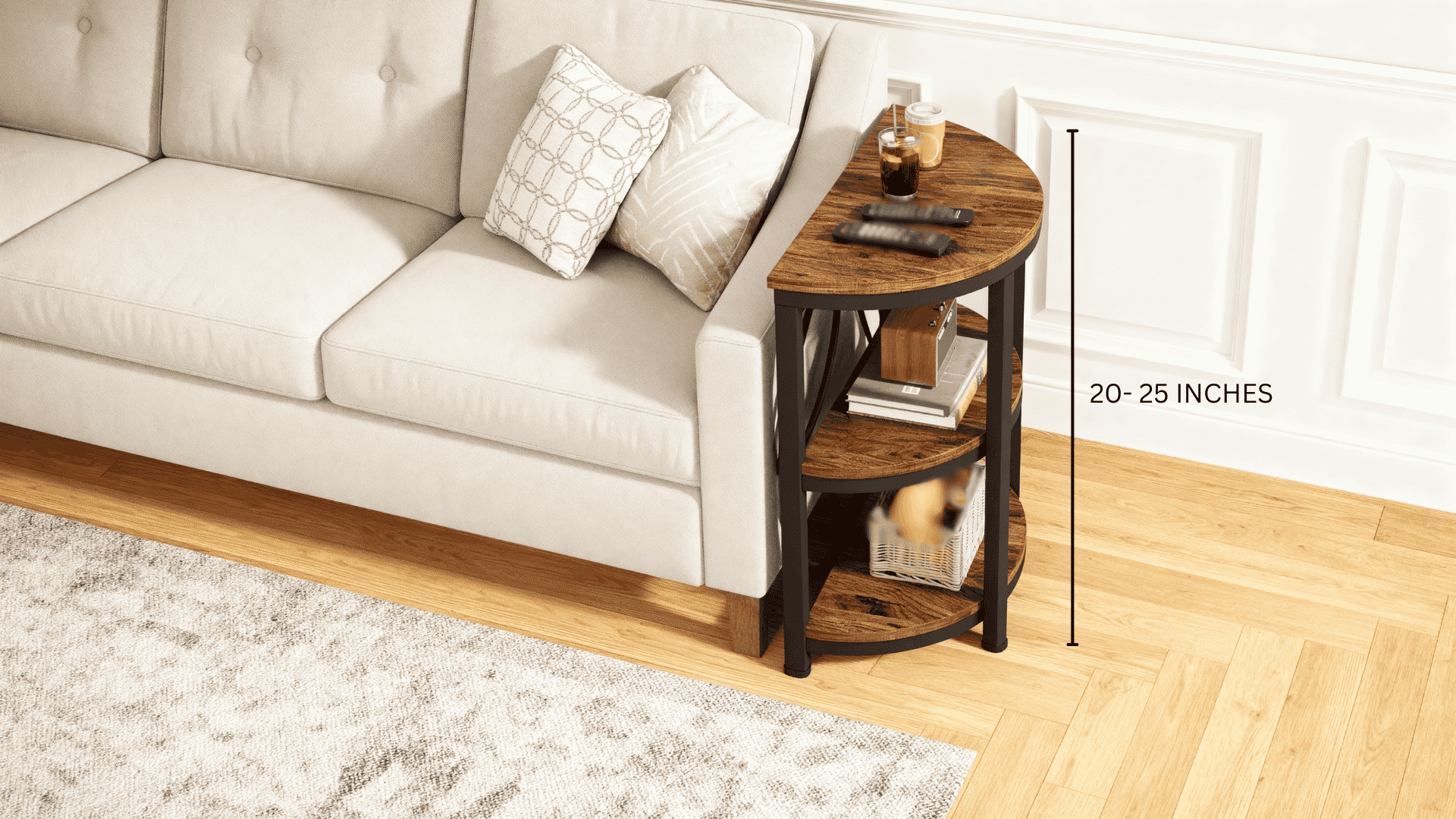
The end table sits at the end of the sofas. Similar function to side tables, but smaller. Holds remotes, drinks, and reading materials.
- Height: 20 to 25 inches
- Diameter/Width: 16 to 22 inches
- Depth: 16 to 22 inches
9. Bedside Table
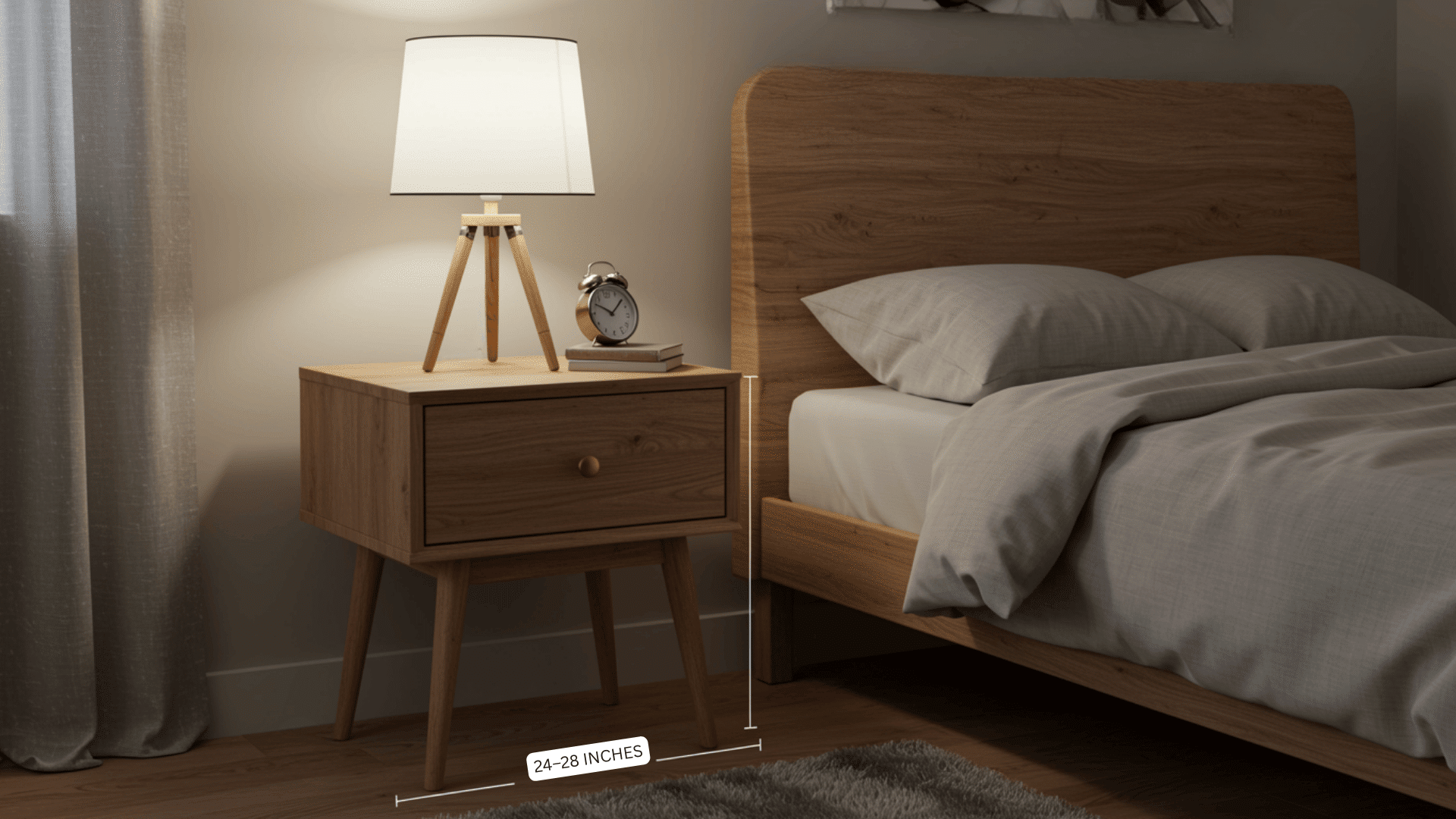
These tables are positioned next to beds for easy reach. Stores nighttime essentials, such as books and glasses. These should match the mattress height for convenience.
- Height: 24 to 28 inches
- Width: 18 to 24 inches
- Depth: 16 to 20 inches
Pros and Cons
Standard-height dining has its advantages and drawbacks. Here’s what you should consider:
| Pros | Cons |
|---|---|
| Fits most people comfortably | May not suit very tall individuals |
| Easy to find replacement chairs | Limited style variety compared to other heights |
| Works with existing decor | Feels too formal for some spaces |
| Children can reach the table | Kids may need booster seats |
| Widely available in stores | Not ideal for standing conversations |
| Affordable pricing options | Less storage space underneath |
| Pairs with standard chair heights | Can feel low in rooms with high ceilings |
| Comfortable for long meals | Harder for the elderly to sit and stand |
| Fits through doorways easily | Takes up more floor space than bar tables |
| Easy to clean underneath | Limits furniture flexibility |
How to Measure Your Table and Chairs Correctly
Getting accurate measurements ensures your furniture fits perfectly. Follow these simple steps:
Measuring Your Table
Step 1: Place your tape measure on the floor next to a table leg
Step 2: Pull the tape straight up to the tabletop surface
Step 3: Record the height measurement in inches
Step 4: Measure the table length from end to end
Step 5: Measure the width from one side to the other
Step 6: Write down all three dimensions for reference
Measuring Your Chairs
Step 1: Position your tape measure on the floor beneath the chair
Step 2: Measure straight up to the top of the seat
Step 3: Measure from the seat to the top of the backrest
Step 4: Check the seat width from edge to edge
Step 5: Measure the seat depth from front to back
Tips for Choosing the Right Set for Your Space
- Measure your dining area before shopping for furniture.
- Leave 36 to 48 inches of space around the table for movement.
- Choose tables that seat your typical number of guests.
- Sit at the table in the store to check comfort levels.
- Verify the chair height works with the table before buying.
- Match the table finish with your existing furniture style.
- Consider how children and pets will use the space daily.
- Get extendable tables if you host large gatherings occasionally.
Wrapping It Up
Finding the right standard table height isn’t complicated once you know the basics. Standard measurements exist because they work for most people in most situations.
A 30-inch dining table paired with 18-inch chairs creates the comfort you need for daily meals.
Your body will thank you when everything fits just right. Don’t rush this decision. A table is something you’ll use every single day for years.
Take your time, check the dimensions, and make sure the height suits your needs.
Now you have all the information to choose wisely. Go ahead and find that perfect table set for your home.