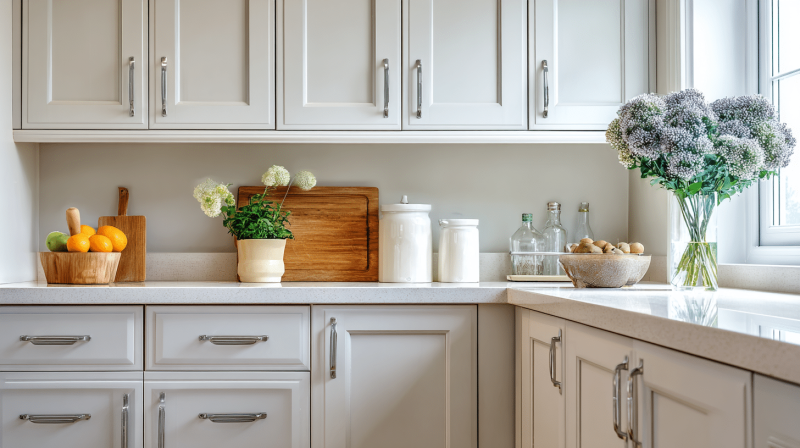
Picking the best paint finish for kitchen cabinets sounds simple until you’re staring at a dozen options.
Should you go glossy or something softer?
And what about color?
Semi-gloss or satin finishes work best for most kitchens, and neutral tones like white, gray, or navy tend to last.
You’ll learn which finish holds up to daily use, which colors actually make sense for your space, and how to match both to the way you cook and live.
Why Paint Finish Matters More Than You Think
Your cabinet finish takes more abuse than almost any other painted surface in your home.
Every time you grab a door handle, you leave oils behind. Cooking sends grease into the air that settles on surfaces. Heat from the stove can soften paint over time.
How finish affects what happens next:
- Glossier finishes repel moisture and wipe clean with just a damp cloth
- Flatter finishes absorb stains and show scuff marks faster
- Shinier surfaces reflect light, making kitchens feel brighter
The finish also determines how tough the surface is. More shine usually means a harder coating that resists chips and scratches.
That’s why choosing based on looks alone can backfire if you cook often.
Paint Finishes That Perform Well on Kitchen Cabinets
Not every finish can handle what a kitchen throws at it. Some wipe clean in seconds, while others trap grease and show every fingerprint.
Here’s what actually works.
Satin Finish for a Soft, Clean Look
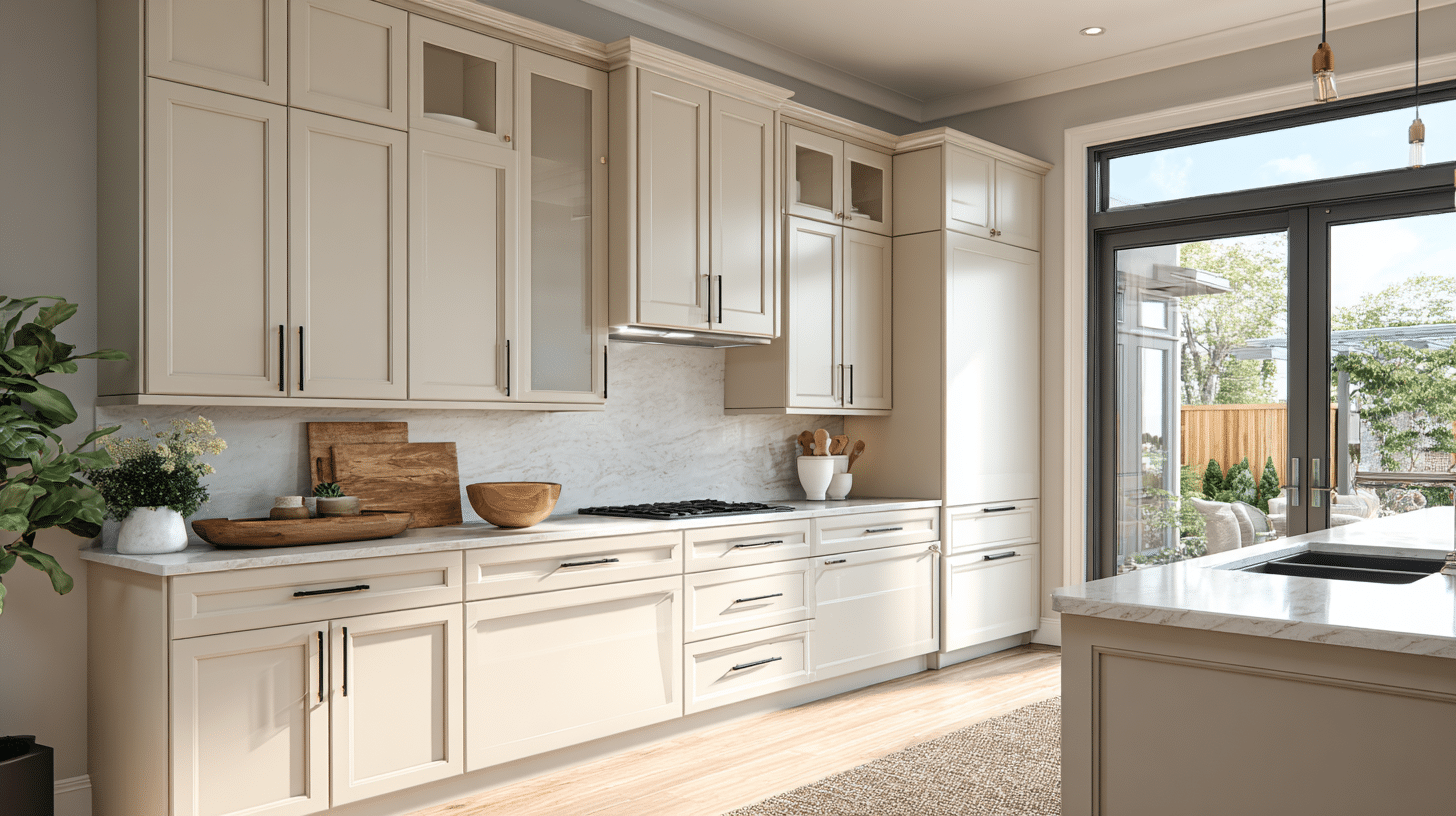
Satin gives you a low sheen with enough protection for moderate use. It hides imperfections better than glossier options and doesn’t reflect light harshly.
Grease doesn’t wipe off as easily, though, and repeated scrubbing can dull the surface over time.
Choose satin if: You cook lightly, prefer a softer look, or have older cabinets with surface flaws you want to hide.
Semi-Gloss Finish for Easy Cleaning
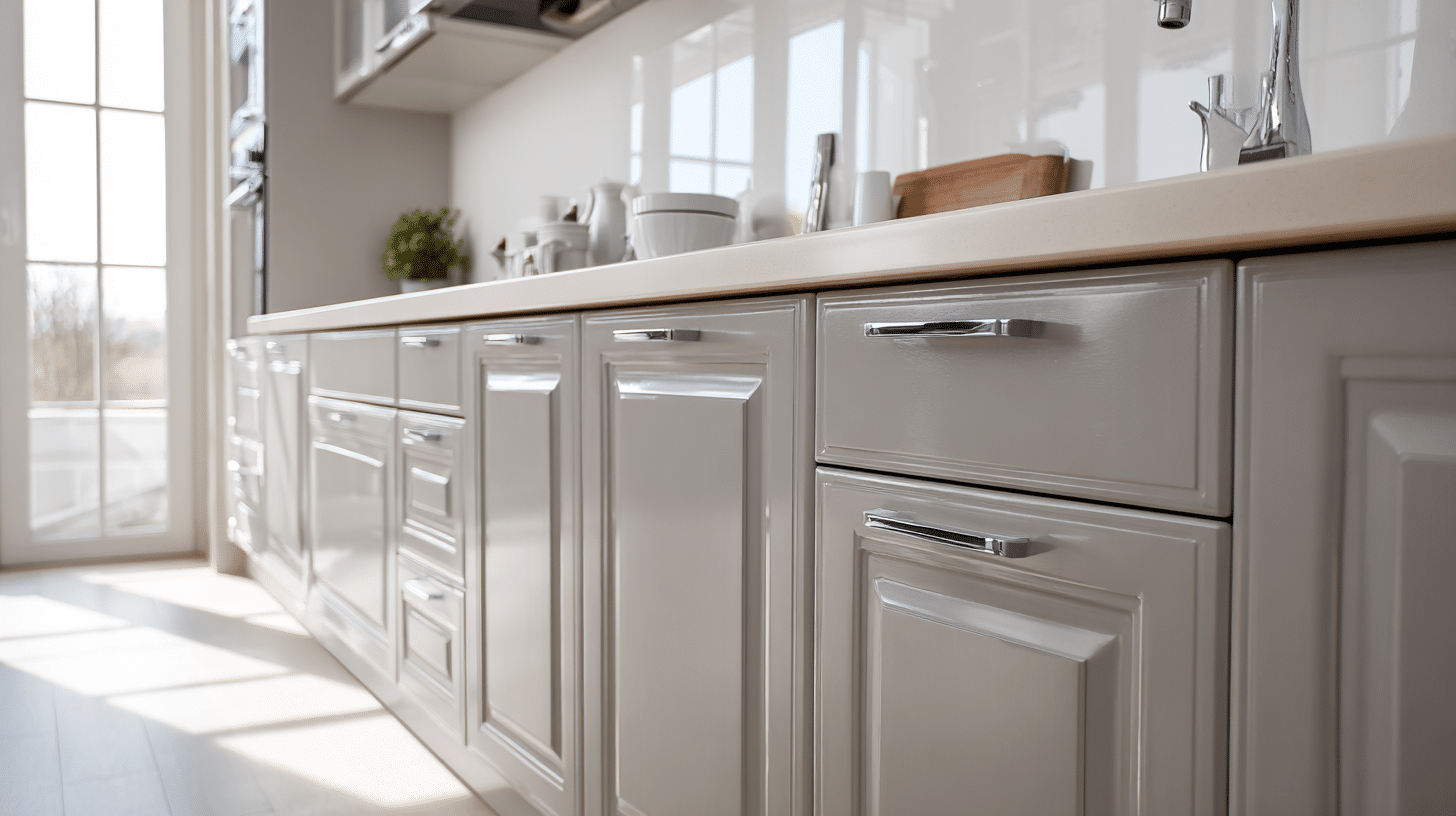
Semi-gloss balances shine with practicality. Water beads off, grease wipes away fast, and it resists chipping better than satin. Most painters recommend it for cabinets near stoves and sinks.
The downside is that it shows surface flaws and brush strokes more clearly.
Choose semi-gloss if: You cook daily, need cabinets that clean easily, or have high-traffic areas near the sink and stove.
Gloss Finish for Maximum Shine
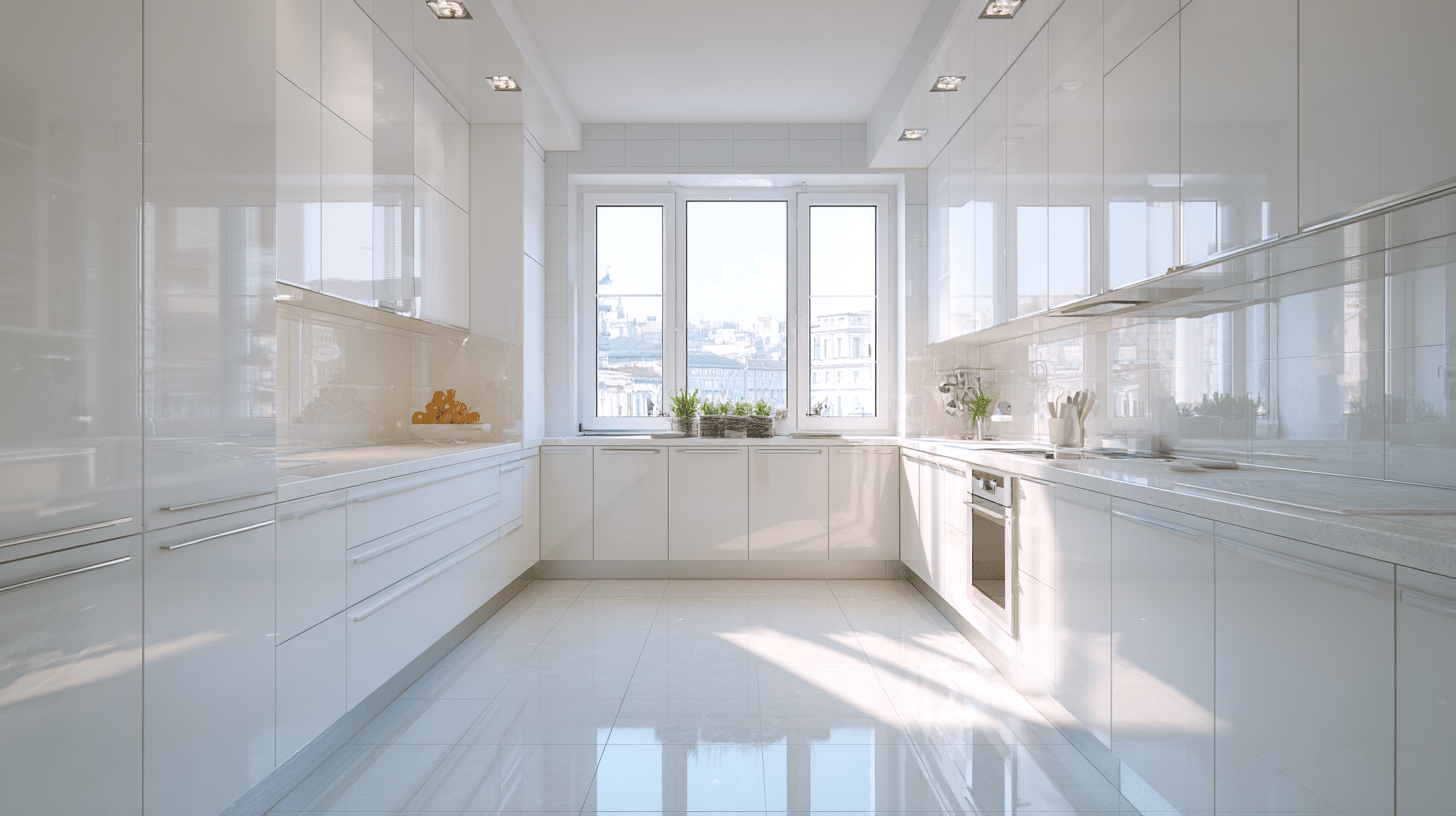
Gloss delivers the most rigid, most moisture-resistant surface, but highlights every imperfection.
It’s smart for modern kitchens or high-moisture areas, though fingerprints show constantly.
Choose gloss if: Your cabinets are perfectly smooth, you want maximum durability, or you’re going for a bold modern look.
Flat and Matte Finishes for Zero Shine
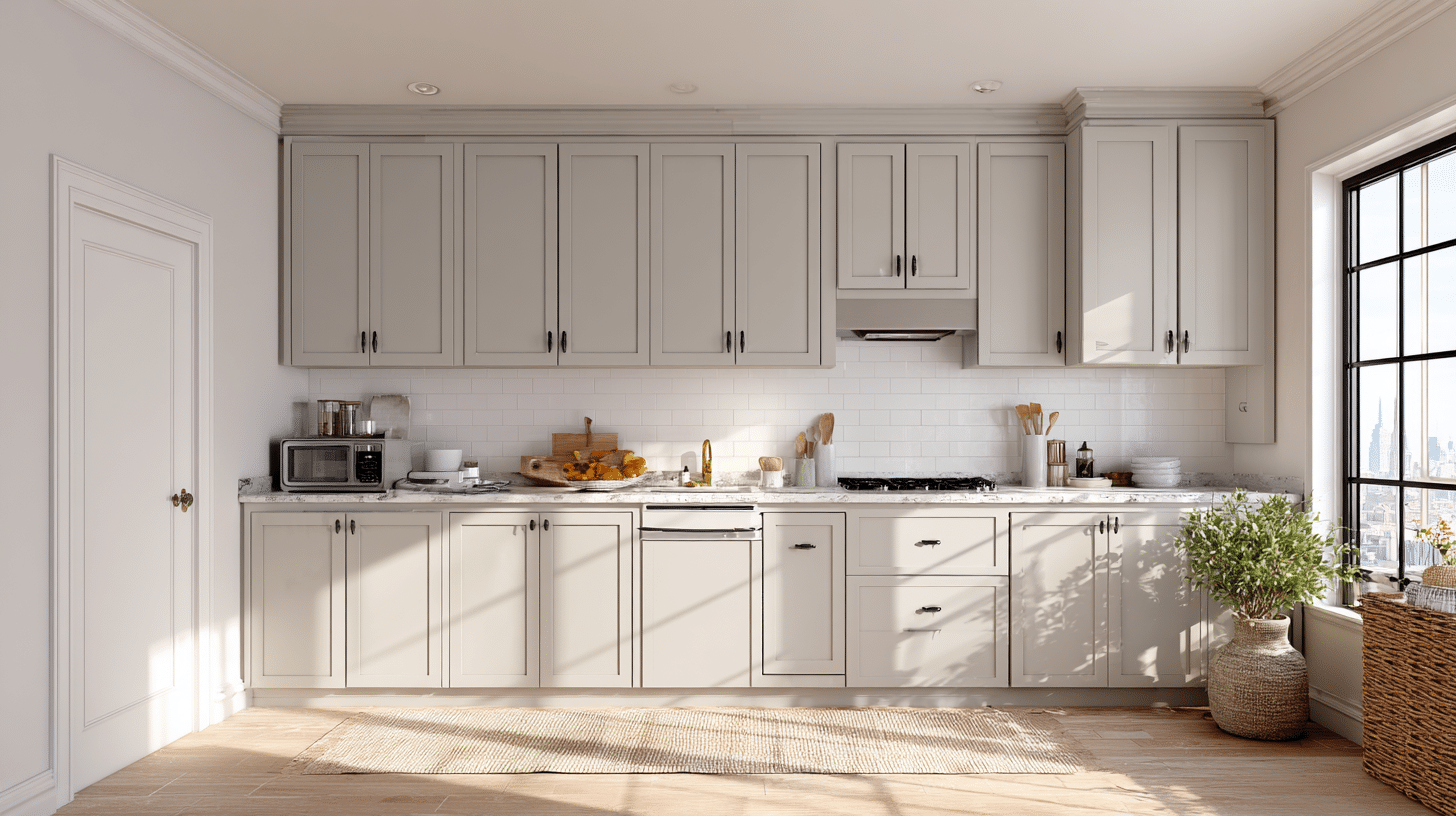
Flat finishes give you zero shine and hide surface imperfections well, creating a smooth, clean look. But they absorb moisture and stains instead of repelling them.
You can’t scrub them without damage, and grease settles into the surface rather than wiping away.
Choose flat or matte only if: Your kitchen is mostly for show, or you rarely cook and want a specific design style.
Types of Paint Commonly Used for Kitchen Cabinets
The paint type matters as much as the finish.
Cabinet paints are formulated to handle more abuse than wall paints, with more complex surfaces that resist chips and moisture better.
1. Sherwin-Williams Emerald Urethane Trim Enamel
- Water-based formula that performs like oil paint without harsh fumes
- Dries hard and cleans easily with soap and water
- Multiple finish options from satin to semi-gloss
- Resists yellowing over time
- Handles grease, moisture, and daily scrubbing
2. Acrylic Latex Cabinet Paint
- Fast-drying and beginner-friendly
- Works for light-use kitchens
- Less durable than urethane options
3. Alkyd Paint (Oil-Like Performance, Water Cleanup)
- Smooth, hard finish like oil paint, but cleans up with water
- Self-levels as it dries, hiding brush marks
- Stands up to scrubbing and daily wear
- Good middle ground for DIYers wanting durability without oil paint hassles
4. Traditional Oil-Based Cabinet Paint
- Extremely durable and damage-resistant
- Long dry times and strong fumes
- Yellows over time, especially on white
Best Color to Paint Kitchen Cabinets
Color changes how your kitchen feels and how much work it creates. Light shades brighten small spaces, while darker tones add depth but show dust faster.
Dark Cabinet Colors for a Strong Look
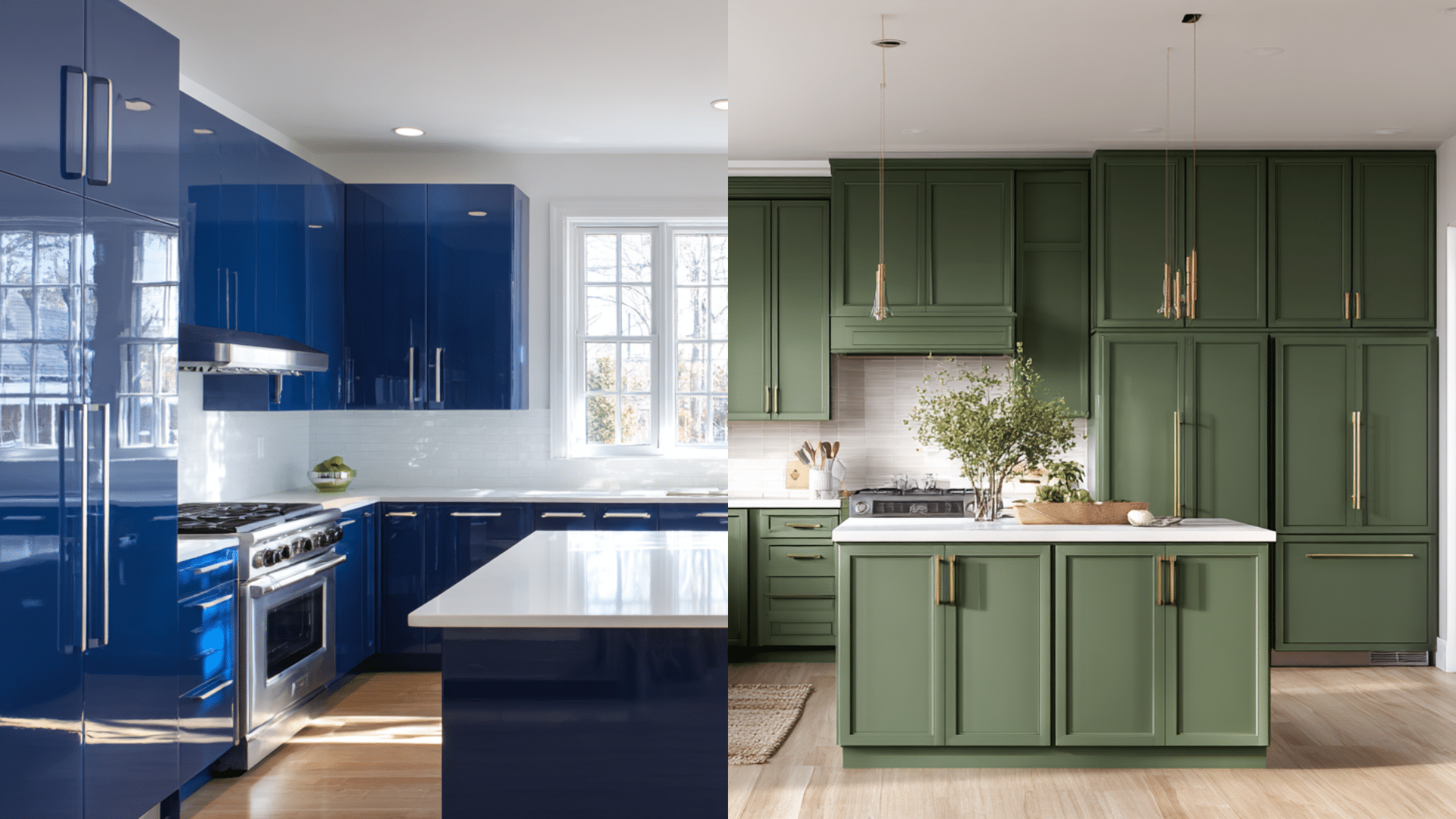
Navy, charcoal, forest green, deep teal, and black hide wear add drama.
They make hardware pop and suit larger kitchens with good light. Dust and water spots show constantly, though, and they can shrink small spaces.
White and Off-White Cabinet Colors
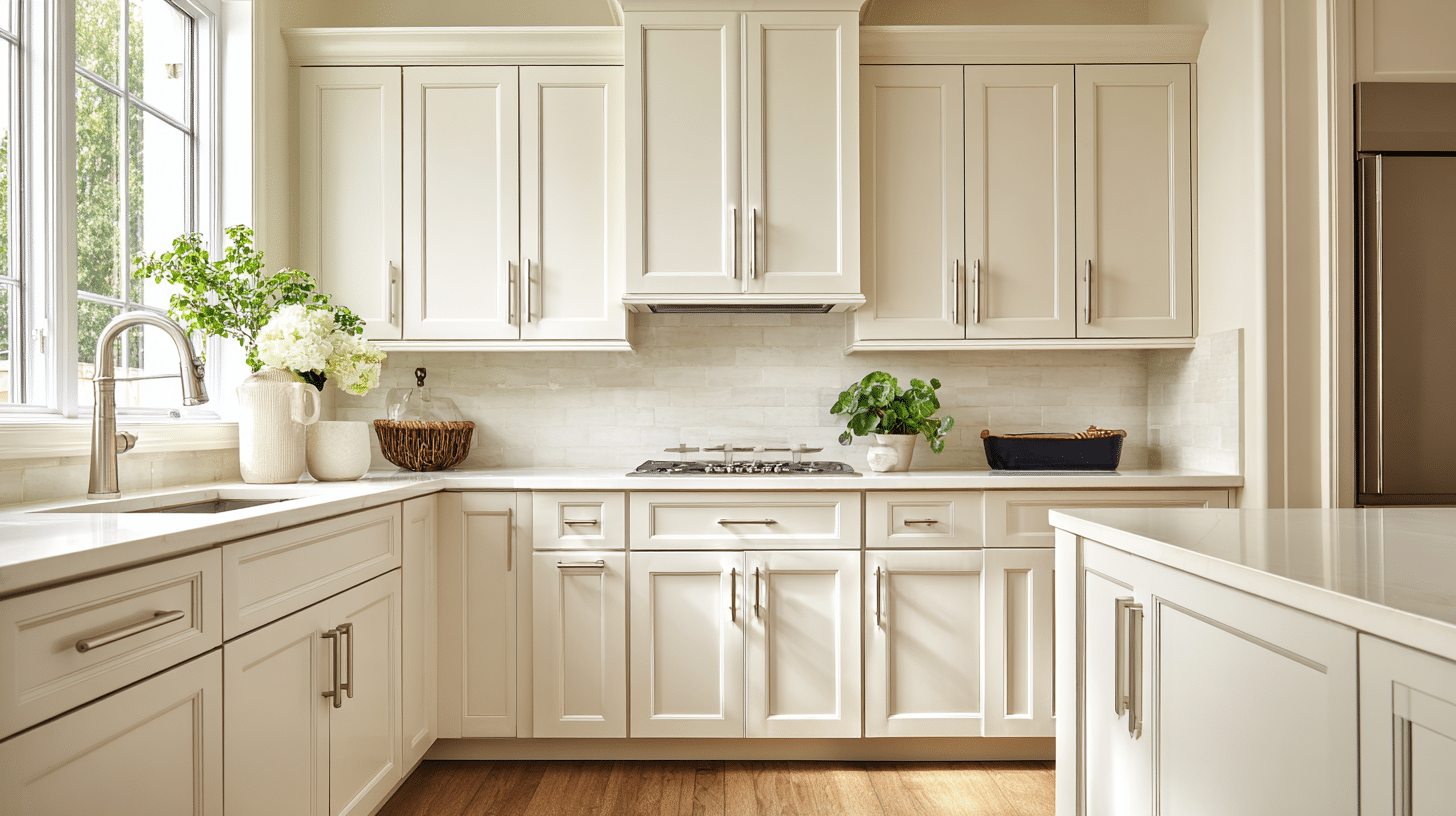
White brightens kitchens, pairs with anything, and stays timeless.
Off-white shades like cream or ivory add warmth. The catch? White shows every smudge, so you’ll clean often. It can also feel cold without warm accents.
Neutral Cabinet Colors That Stay Safe
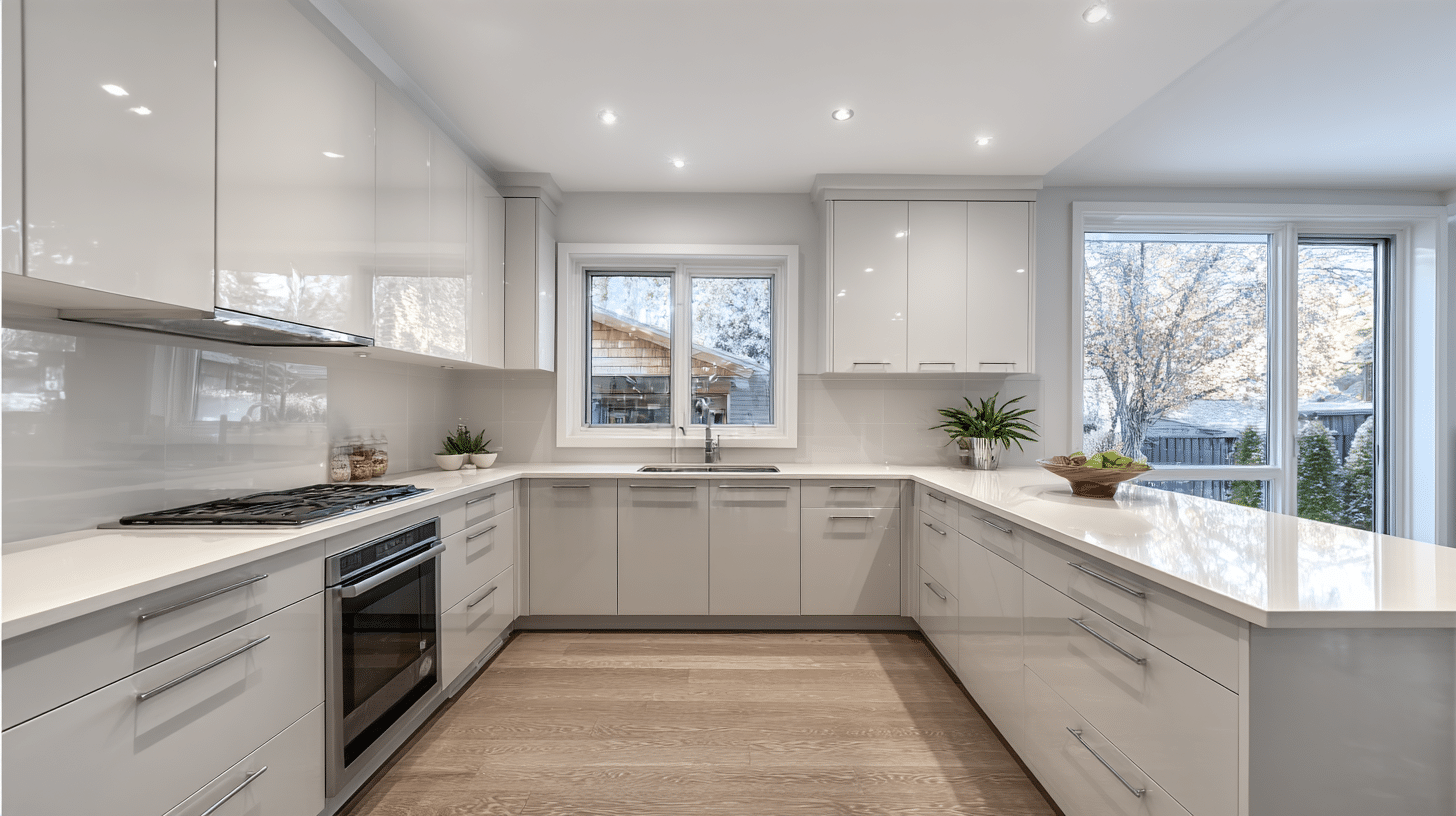
Light gray, greige, beige, taupe, and soft sage hide fingerprints better than white and work with most styles. They age well and give you design flexibility.
Just add interesting hardware to avoid a bland look.
Pick a color that fits your lighting and maintenance tolerance.
Before You Start Painting Kitchen Cabinets
Paint doesn’t perform the same way on every surface. What works on wood might peel off laminate, and skipping prep steps can ruin even the best paint job.
1. Cabinet Material Makes a Difference
Wood Cabinets: Grain texture shows through paint, especially with satin and semi-gloss finishes. Sand well to smooth the surface, or the grain will remain visible.
MDF Cabinets: The smooth surface looks great, but absorbs paint unevenly without primer. Apply thin, even coats to avoid drips and streaks.
Laminate Cabinets: Paint struggles to stick to slick laminate. Use bonding primer and avoid flat finishes, which peel easily.
2. Prep Steps that Help Paint Hold Better
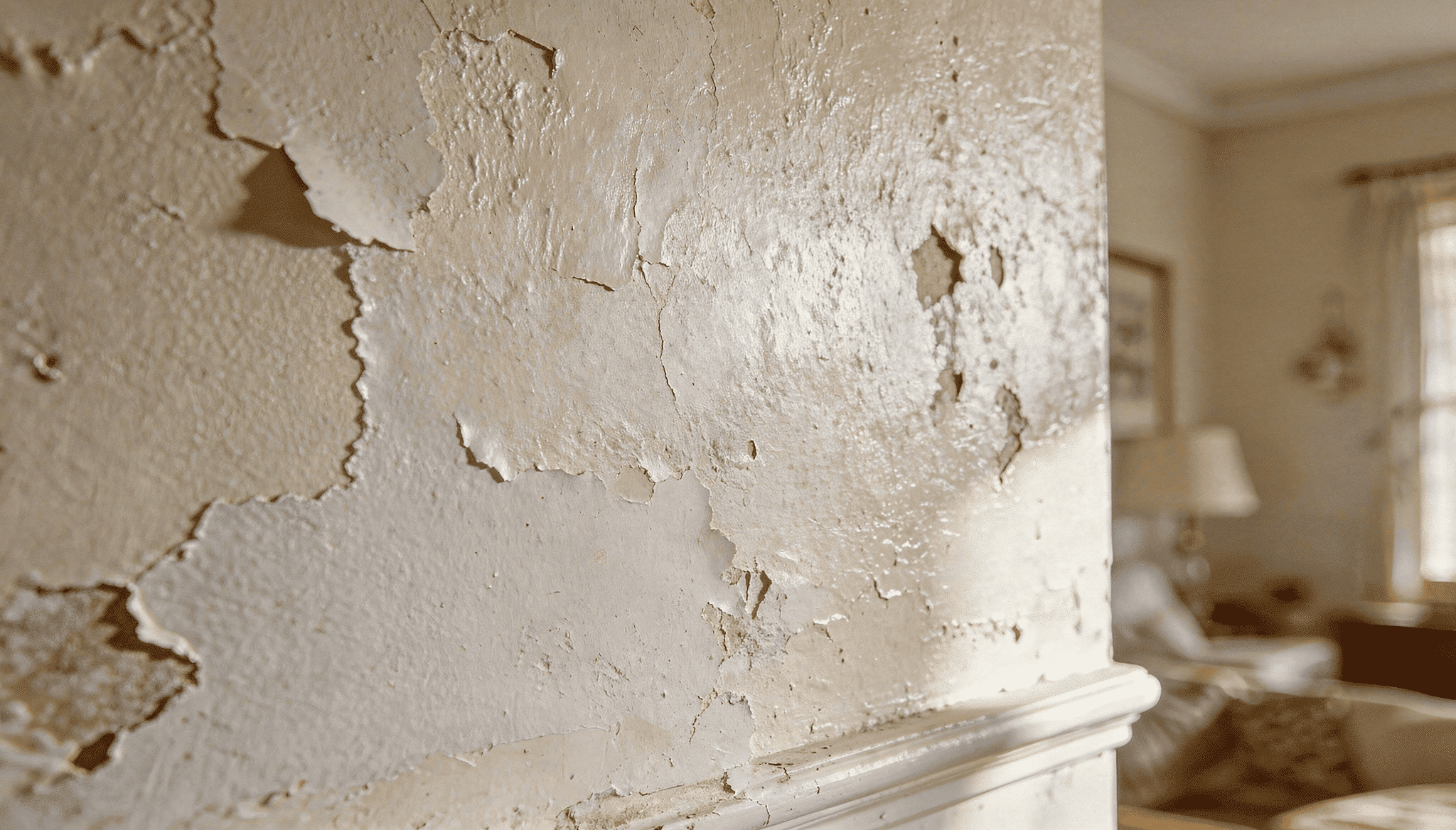
Cleaning and Sanding: Grease blocks paint from adhering. Clean cabinets with degreaser, then lightly sand to roughen the surface for better grip.
Why Primer Matters: Primer seals the surface, helps paint stick, and improves color coverage. Skip it, and you’ll need extra coats.
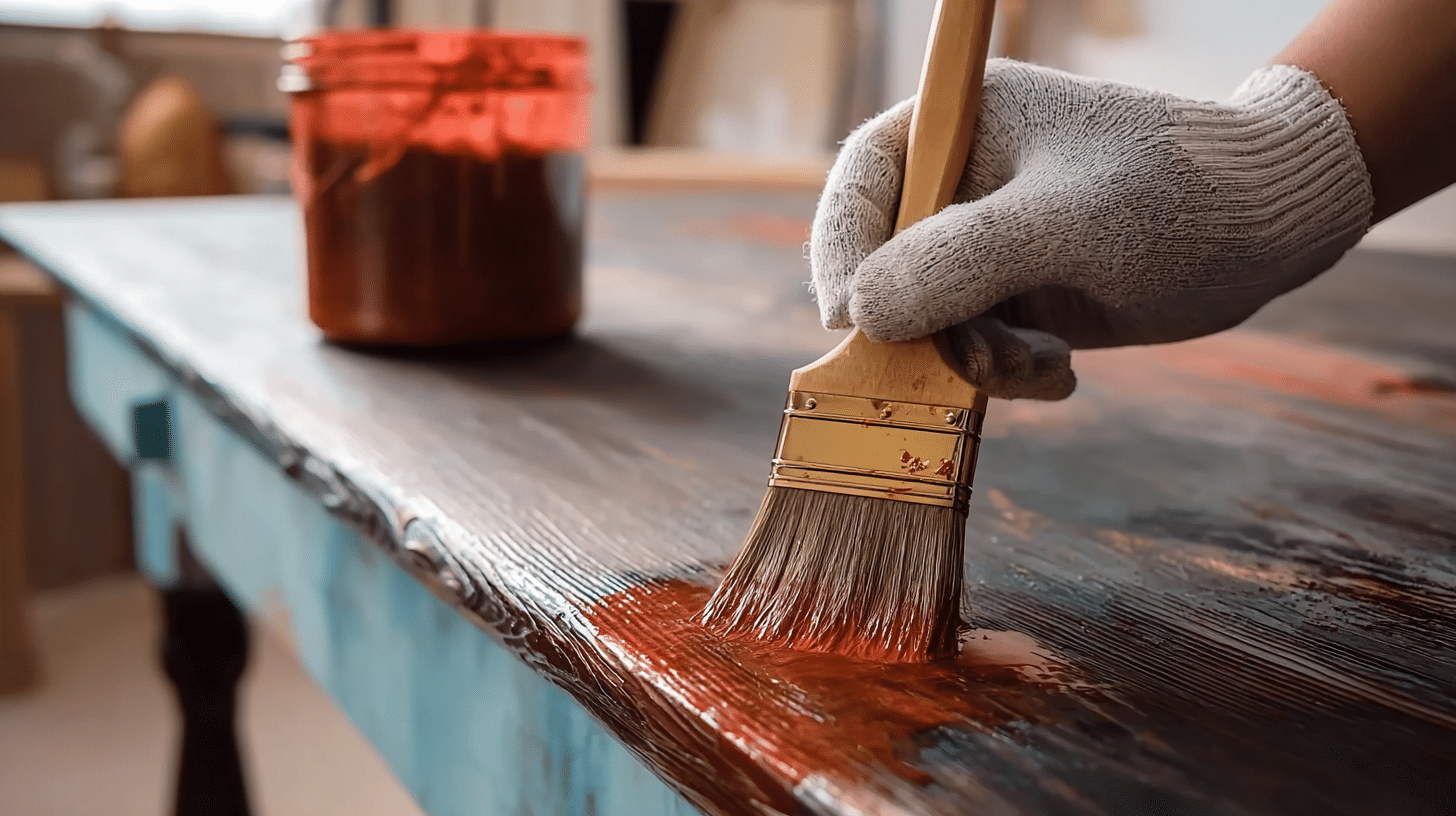
Brush, Roller, or Spray: Brushes work for detailed areas but show strokes. Rollers cover fast but need careful technique. Sprayers give the smoothest finish but require practice and prep.
3. Common Cabinet Painting Mistakes to Look Out For
- Choosing gloss for looks when your cabinets have surface flaws
- Not testing colors under different lighting conditions throughout the day
- Skipping sample patches before painting all your cabinets
- Rushing prep work and skipping proper cleaning or sanding
- Using wall paint instead of cabinet-specific formulas
Final Thoughts on Finish and Color Choices
The best paint finish for kitchen cabinets comes down to how you cook and live. Semi-gloss handles heavy use, satin works for lighter kitchens, and your color choice should match your lighting and maintenance tolerance.
Prep work matters more than the paint itself. Test samples, pick durable formulas, and don’t rush the process.
Ready to transform your cabinets?
Start with a small test area and see how it holds up before tackling the full kitchen.