
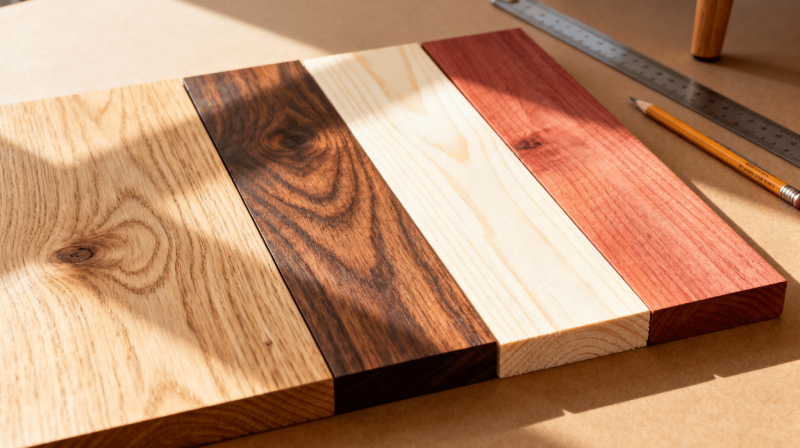
Shopping for furniture can get tough when you come across endless wood options. Oak, pine, maple, what’s the difference, and why does it matter?
The wood you pick isn’t just about looks. It affects how long your furniture lasts, what it costs, and how well it handles daily wear and tear.
But when you know which woods work best for different furniture pieces, you can make smart choices that fit your style and budget.
But first, let us know why we would choose?
Why is Wood Good for Furniture?
Wood has been the go-to material for furniture for centuries, and there’s a good reason why it’s still popular today.
First off, it’s incredibly long-lasting. Quality wood furniture can last decades, even generations, with proper care.
It’s also adaptable, from rustic farmhouse tables to sleek modern desks, wood can be used for almost everything. You can stain it, paint it, or leave it natural to match any style.
Plus, wood is repairable. Got a scratch or dent? You can often fix it without replacing the whole piece.
It’s an investment that pays off in both function and beauty.
Hardwood vs Softwood
Not all wood is created equal. Understanding hardwood and softwood helps you pick the right material for your furniture needs.
Hardwood
It comes from deciduous trees, which means the ones that lose their leaves in the fall.
Think oak, maple, and walnut. They are:
- Dense
- heavy
- highly durable
- resist dents and scratches
They are perfect for high-traffic pieces like dining tables and dressers. But the downside? They’re pricier and more complicated to work with.
Softwood
They come from evergreen trees like pine, cedar, and fir.
Don’t let the name fool you, softwood can still be plenty sturdy. It’s lighter, easier to cut, and more budget-friendly. Softwoods work great for bedroom furniture, shelving, and accent pieces.
However, softwood dents and scratches more easily than hardwood. But if you’re careful and don’t mind a few character marks over time, it’s a solid choice that won’t empty your wallet.
19 Types of Woods for Furniture
Each wood type has its own personality, different strengths, looks, and price points.
Some are tough as nails, others are budget-friendly, and a few bring that luxury vibe to any room.
Let’s know in detail about each one of them.
1. Oak
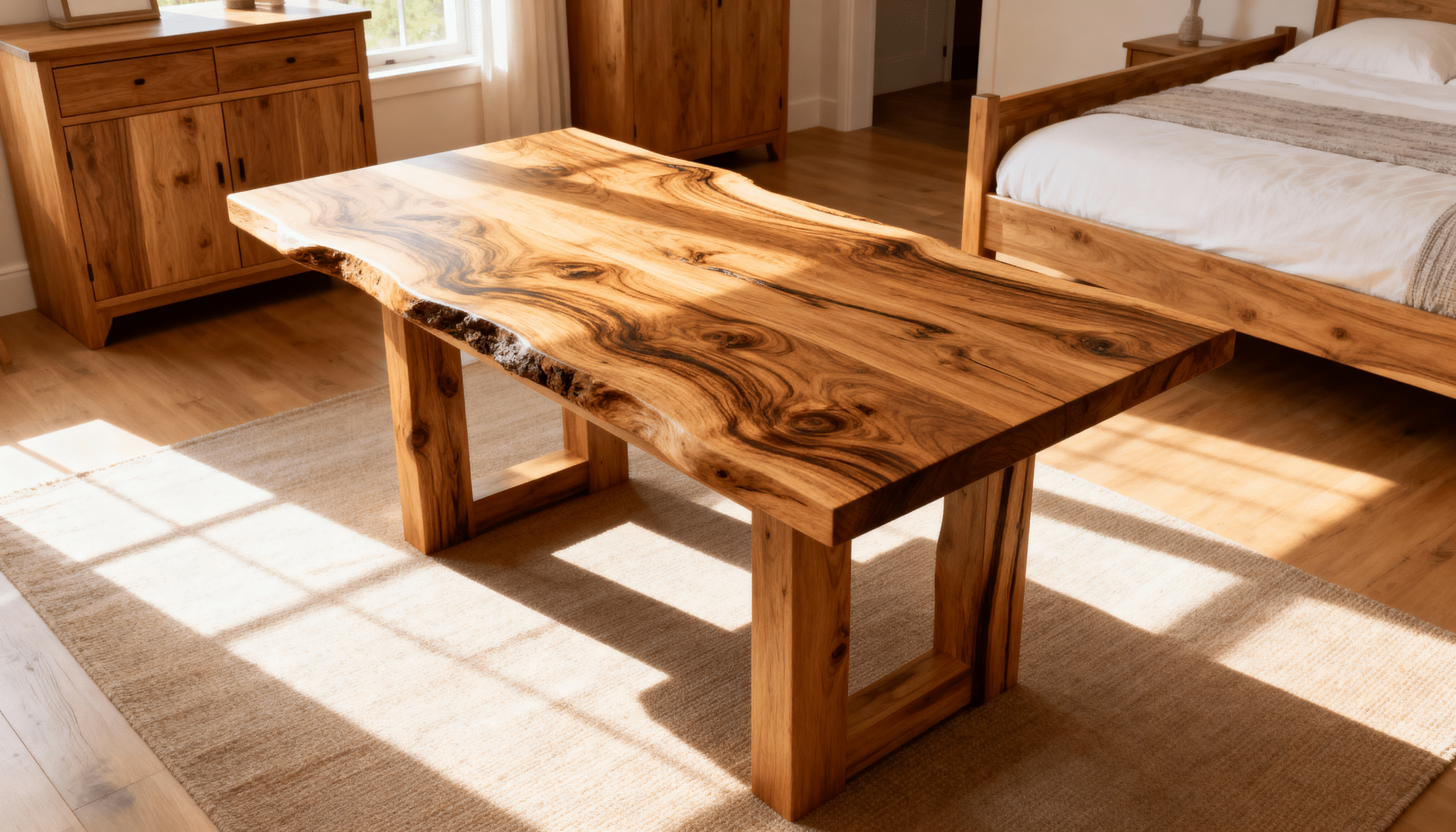
Oak is the workhorse of furniture woods.
It’s strong, resistant to moisture, and features prominent grain patterns that add character. It’s perfect for heavy-use pieces like dining tables, cabinets, and bed frames that need to last.
You’ll find it in two varieties:
- Red oak with a warm, reddish tone
- White oak with cooler, grayish hues
2. Maple
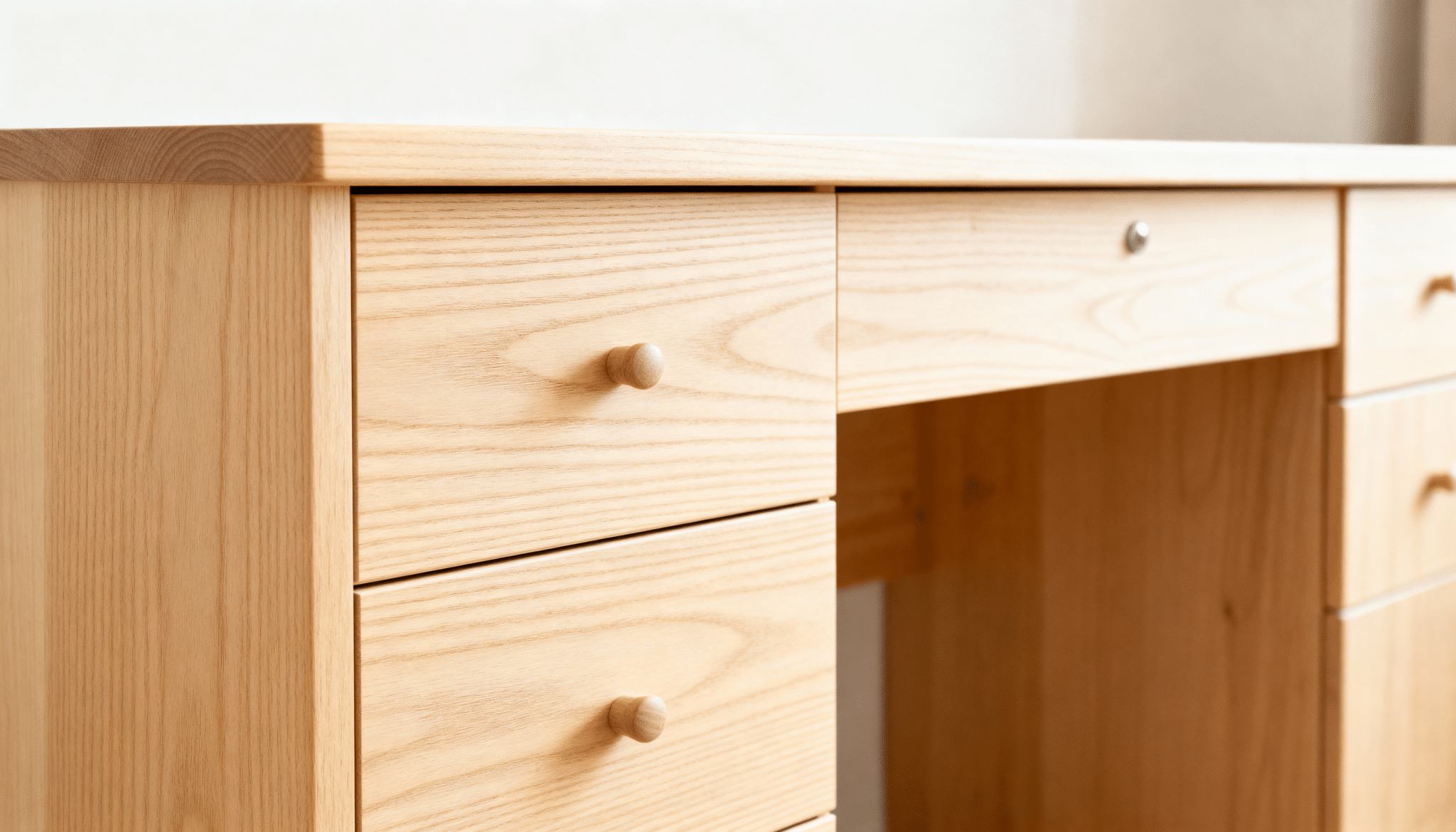
Maple is one of the hardest domestic woods available, making it highly resistant to dents and scratches.
It has a fine, uniform grain and a light, creamy color that takes stain beautifully. However, many prefer its natural look. Maple works great for kitchen cabinets, dressers, and desks where durability matters most.
3. Cherry
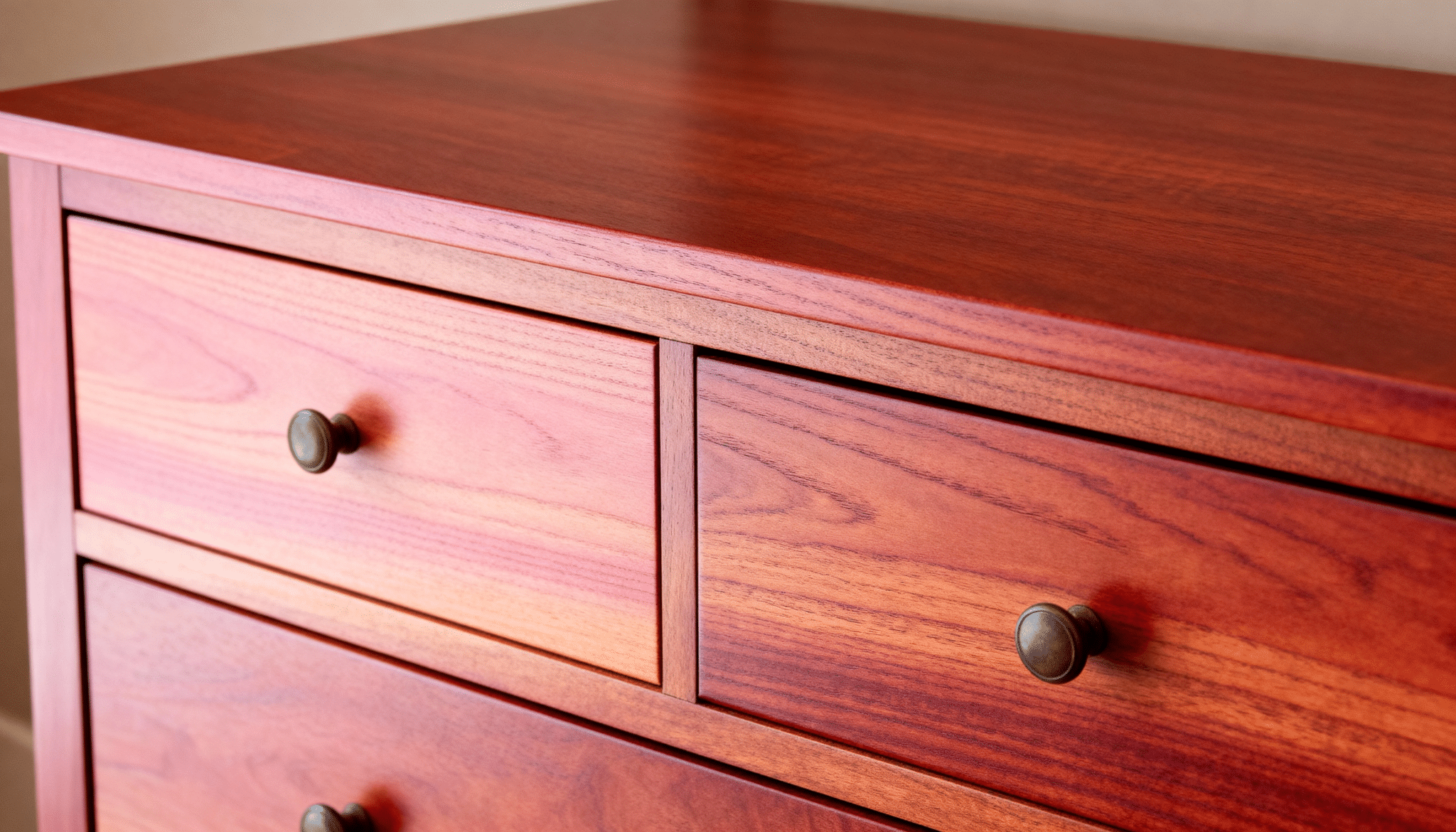
Cherry is the wood that gets better with age. It starts with a light pinkish-brown color and darkens to a rich reddish-brown over time when exposed to light.
The wood has a smooth, fine grain and is moderately hard, making it a premium choice for bedroom furniture, formal dining sets, and heirloom pieces.
4. Walnut
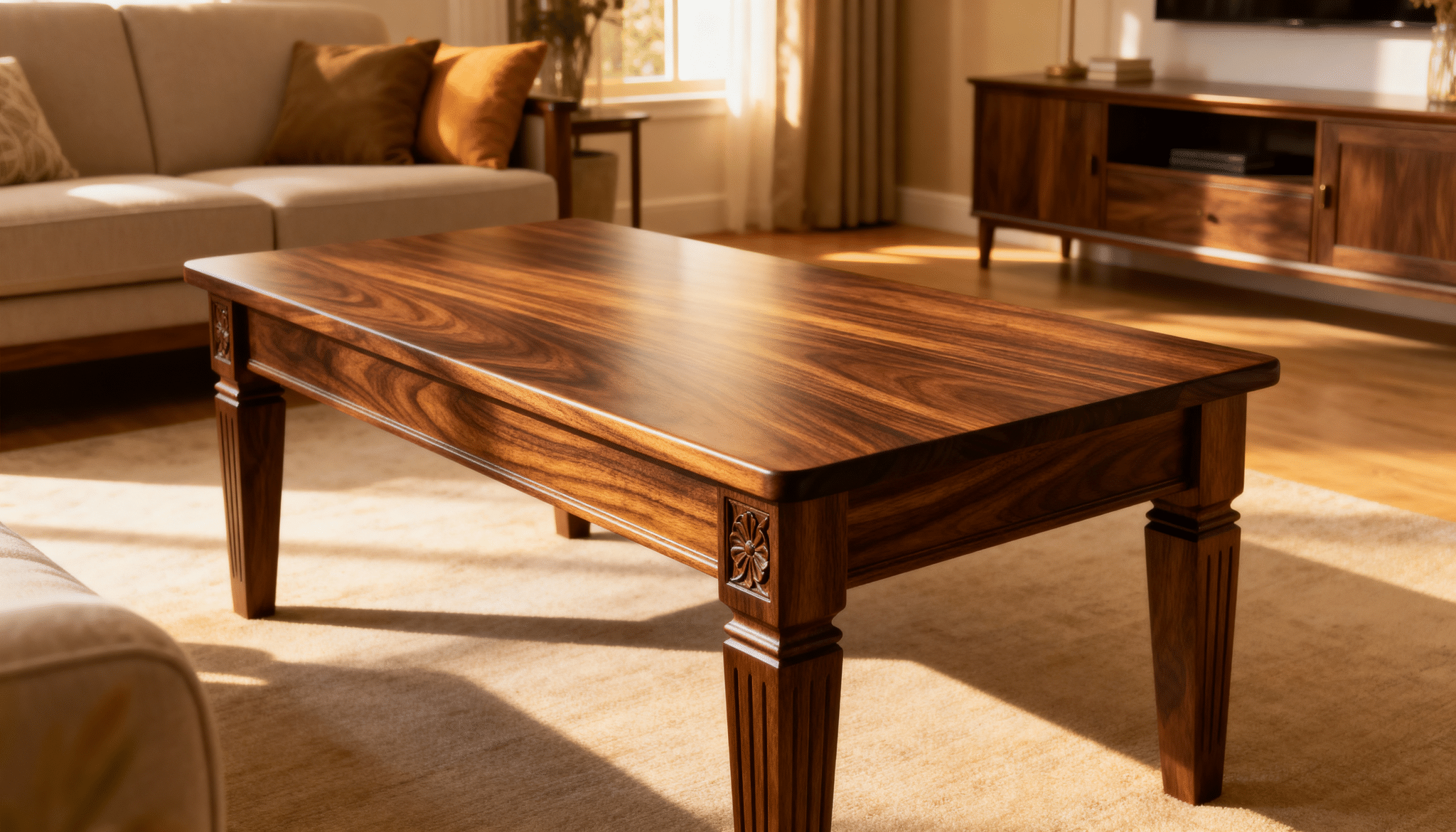
Walnut brings luxury to any room with its rich chocolate-brown color and open grain.
It’s strong, stable, and works beautifully for detailed carving and intricate designs. The wood is softer than oak or maple but still plenty durable.
You’ll pay premium prices, but walnut furniture makes a stunning statement in living rooms and offices.
5. Mahogany
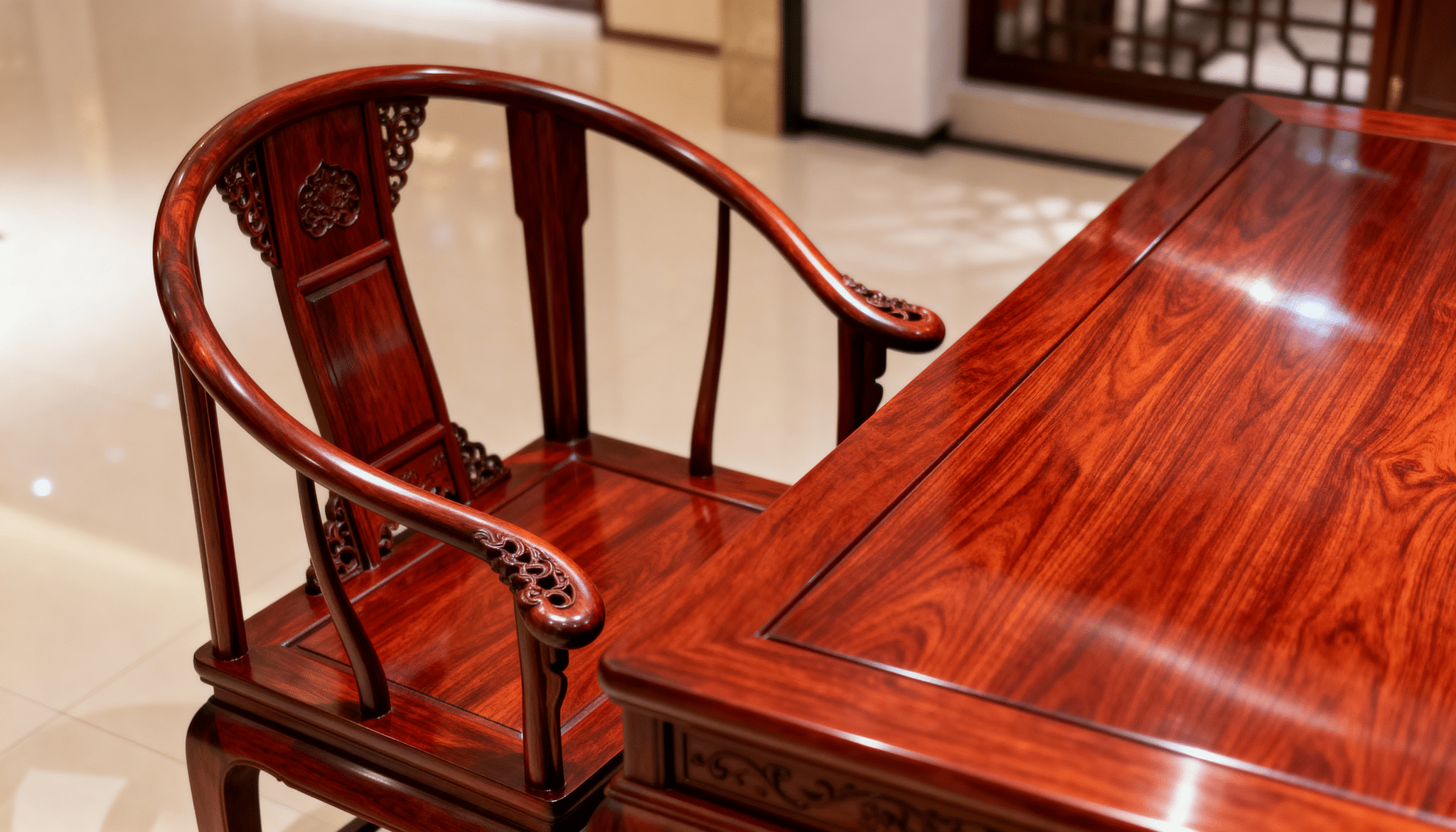
Mahogany is a classic high-end furniture wood known for its reddish-brown color and excellent strength.
It’s dimensionally stable, meaning it won’t shrink much with changes in humidity.
The wood has a straight, fine grain and takes finish exceptionally well. Traditional furniture makers love it for ornate pieces, but it comes with an expensive price tag.
6. Birch
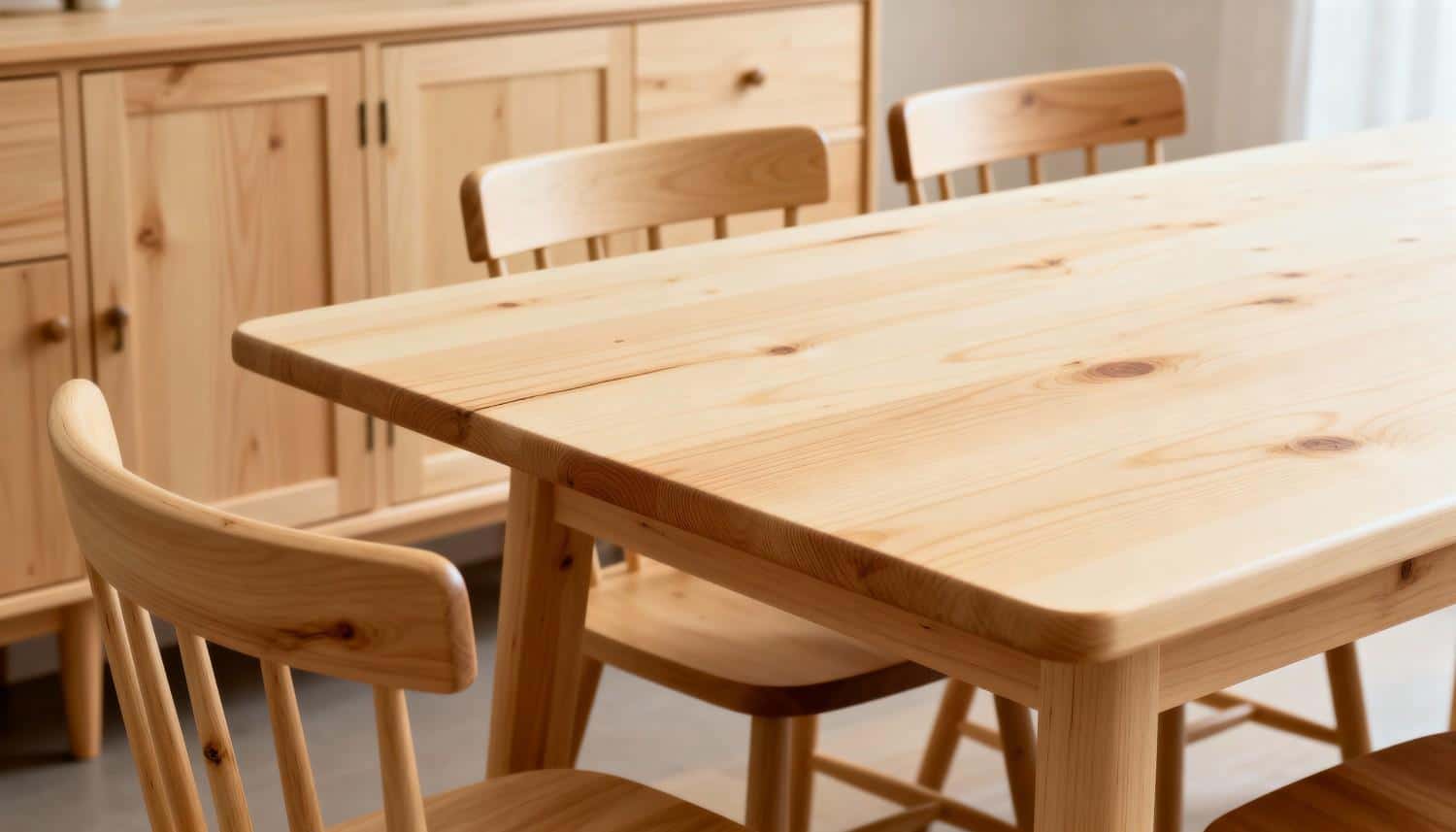
Birch shows the durability of hardwood at a more accessible price.
It has a pale, creamy color with subtle grain patterns and is nearly as hard as maple. The wood stains really well.
It’s commonly used in cabinets, chairs, and tables where you want strength without breaking the bank.
7. Ash
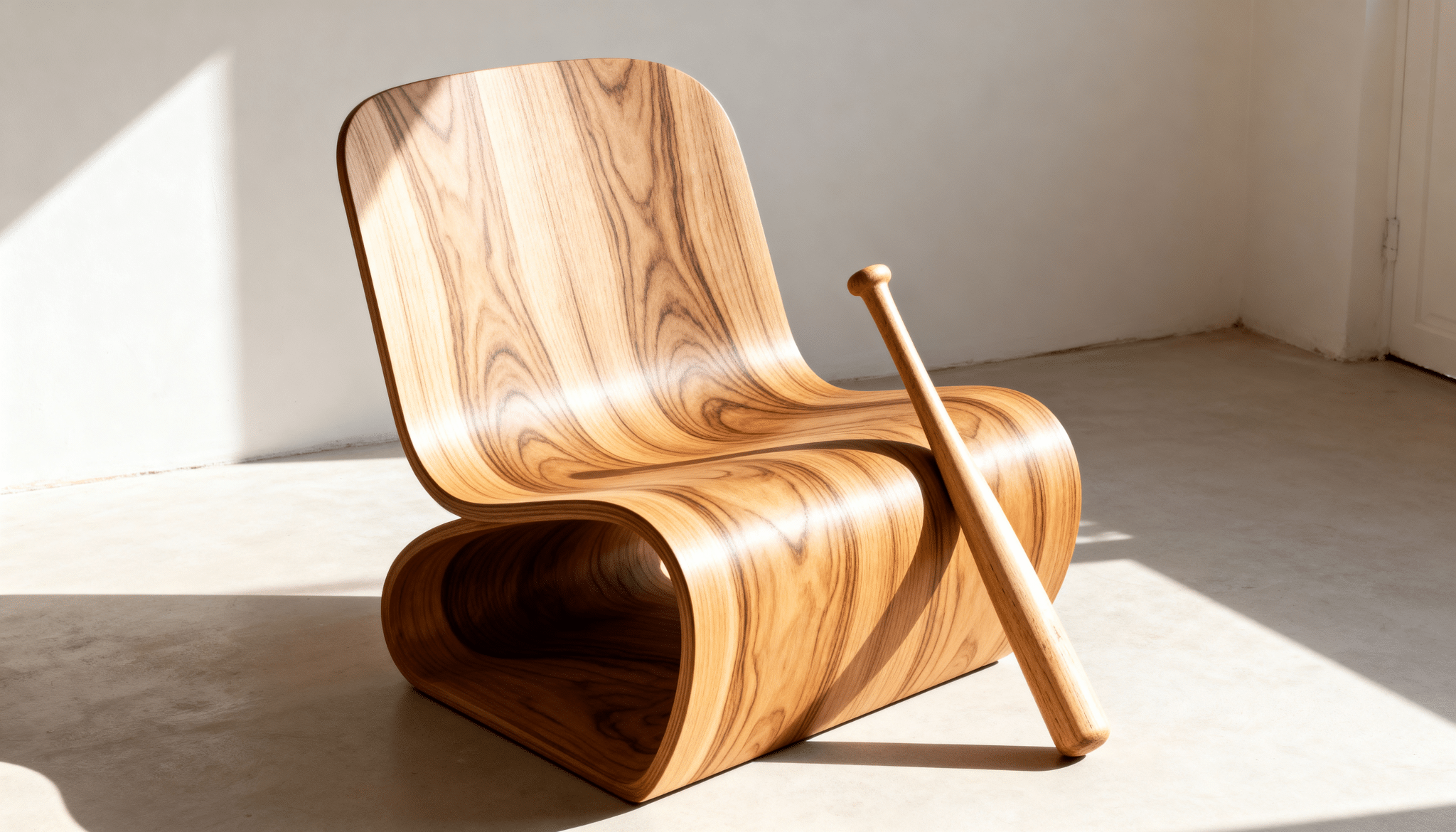
Ash is tough, flexible, and shock-resistant, which makes it perfect for furniture that takes a beating.
It has a light color with bold, attractive grain patterns similar to oak.
The wood bends well when steamed, making it ideal for curved furniture pieces.
8. Pine
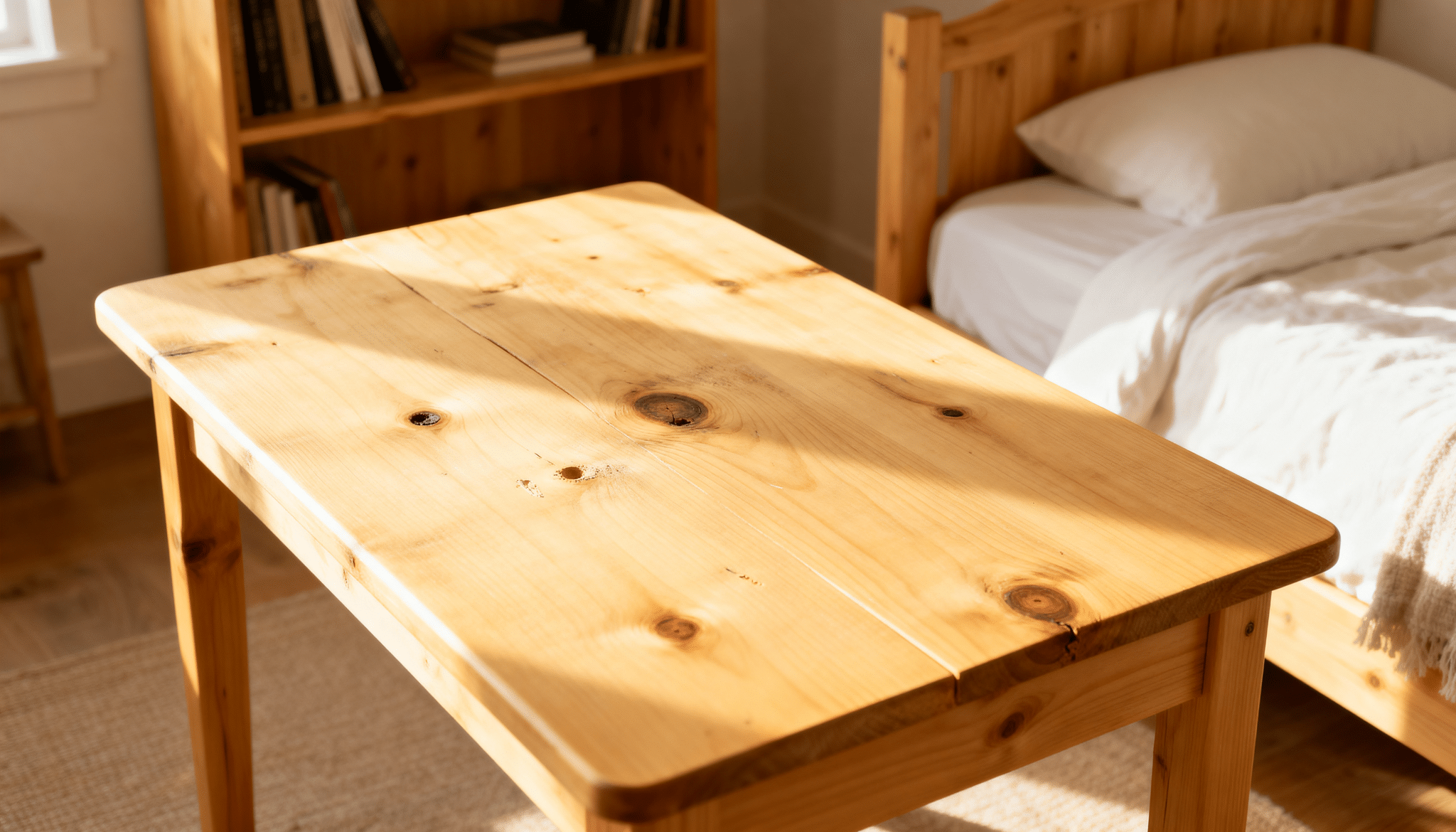
Pine is the budget-friendly softwood.
It’s lightweight, easy to work with, and has a knotty, rustic charm that many people love. The wood dents and scratches more easily than hardwoods.
Pine works great for bedroom sets, bookshelves, and farmhouse-style pieces.
9. Cedar
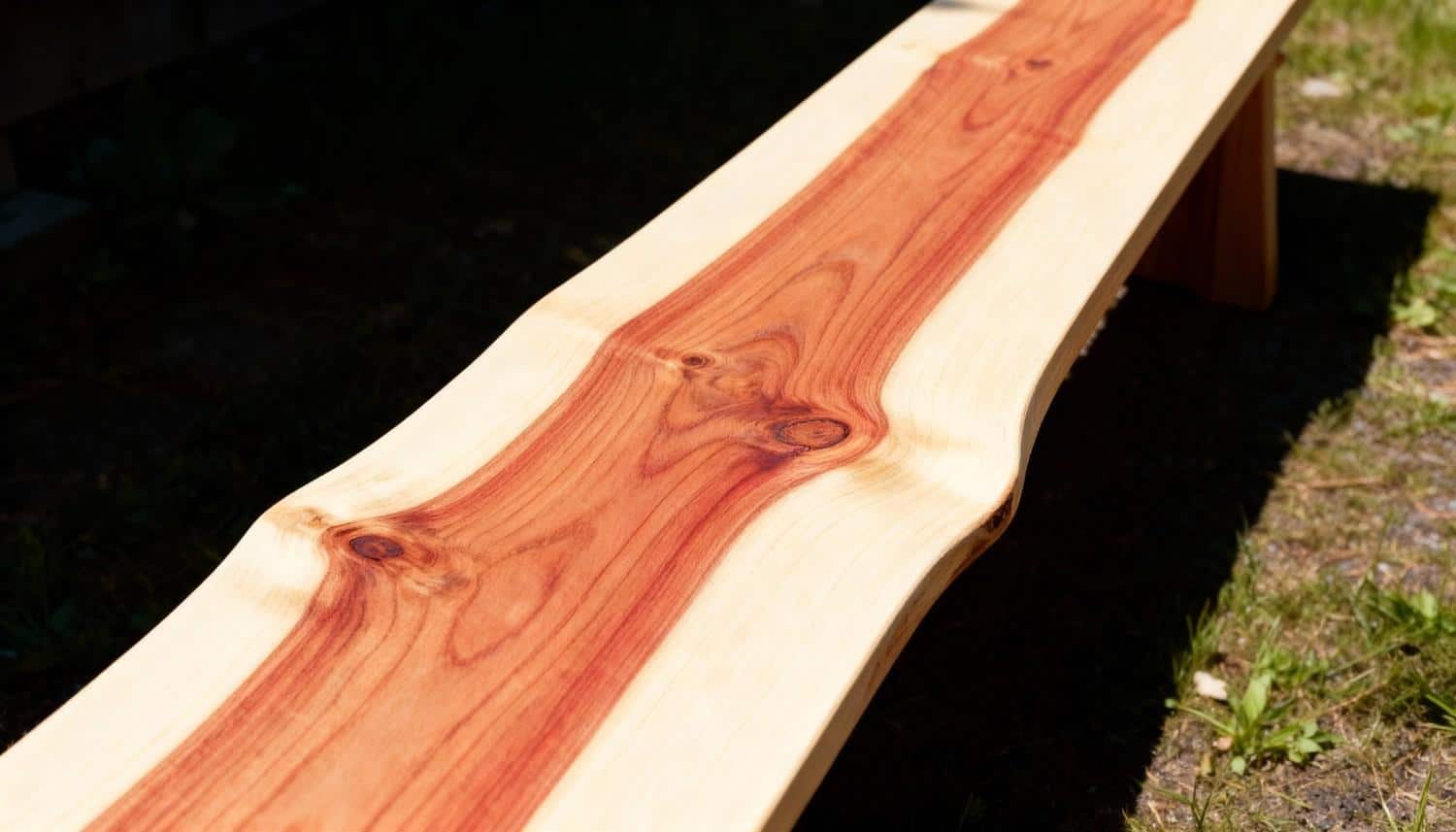
Cedar is naturally immune to moisture, insects, and rot, which is why you see it in closets and outdoor furniture.
It has a distinctive, pleasant aroma and ranges from light cream to reddish-brown. The wood is soft and lightweight, so it’s not ideal for heavy-use pieces.
10. Teak
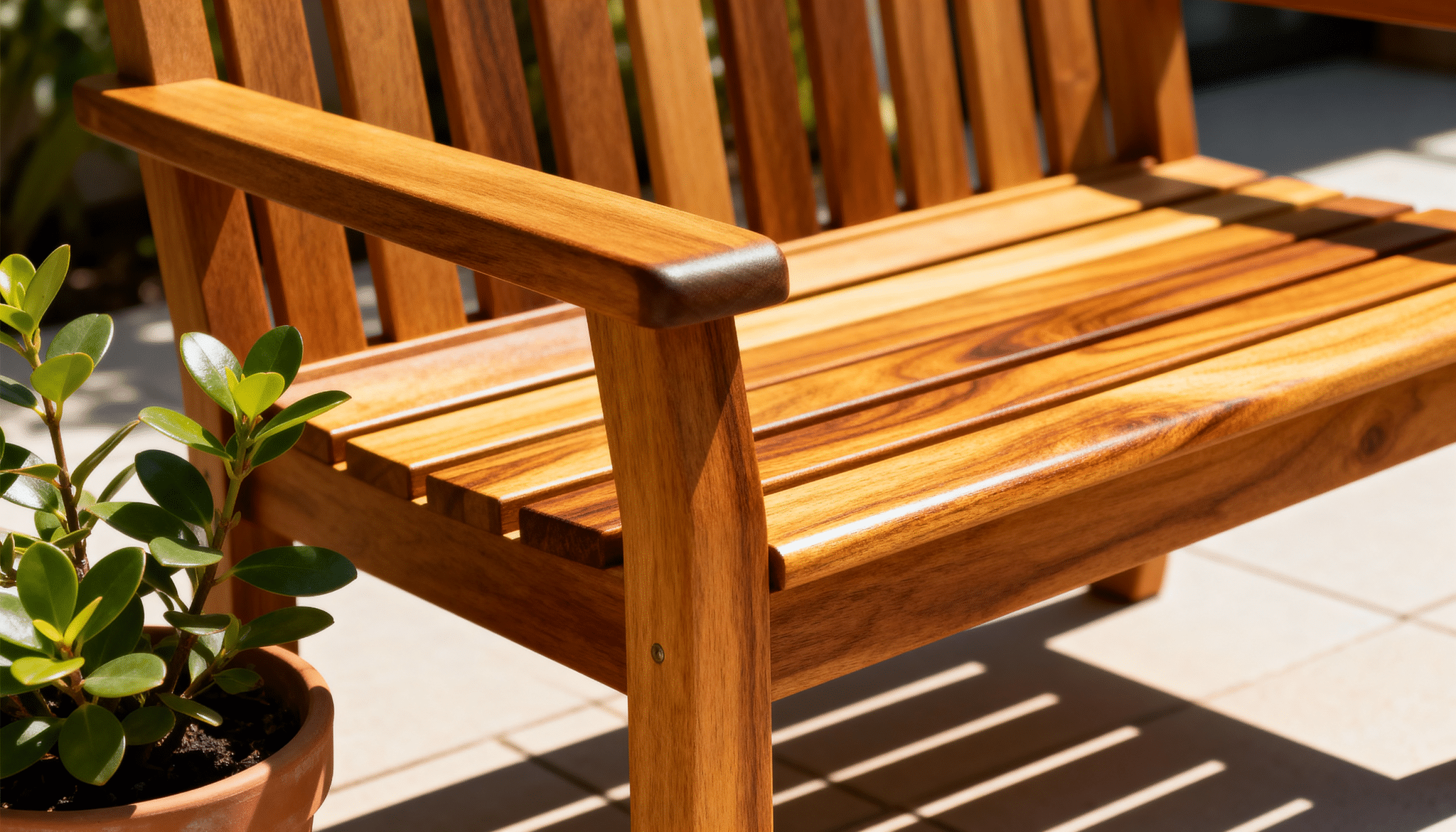
Teak is the king of outdoor furniture wood.
It contains natural oils that repel water and resist rot, insects, and weather damage. The wood has a golden brown color that changes to silvery-gray if left untreated.
It’s expensive but incredibly durable, and can last 50+ years outdoors with minimal maintenance.
11. Acacia
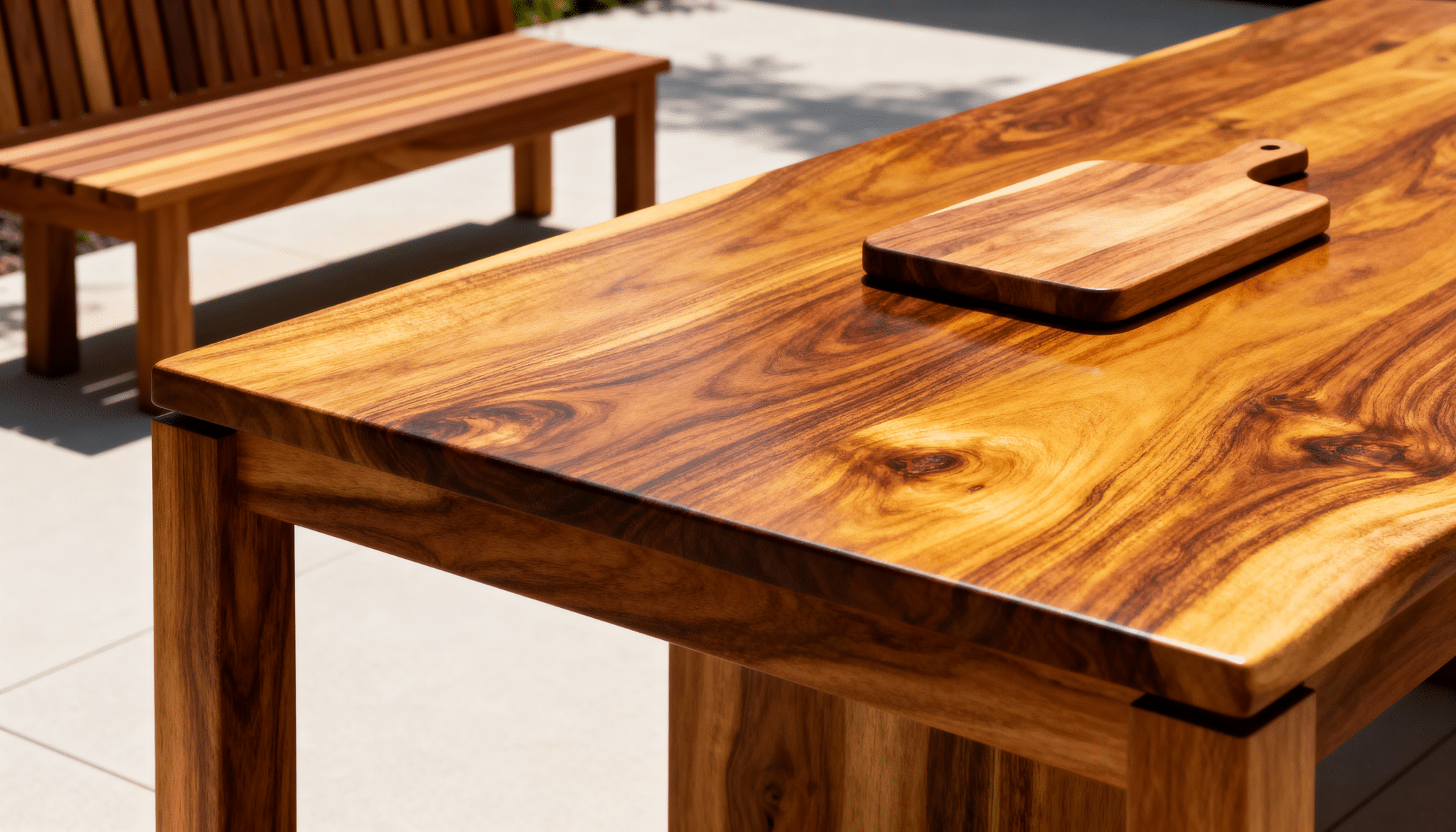
Acacia is a dense hardwood with rich, varied grain patterns and warm golden to dark brown tones.
The wood is naturally water-resistant and durable enough for both indoor and outdoor use. Acacia works beautifully for dining tables, cutting boards, and patio furniture with a modern, organic feel.
12. Bamboo
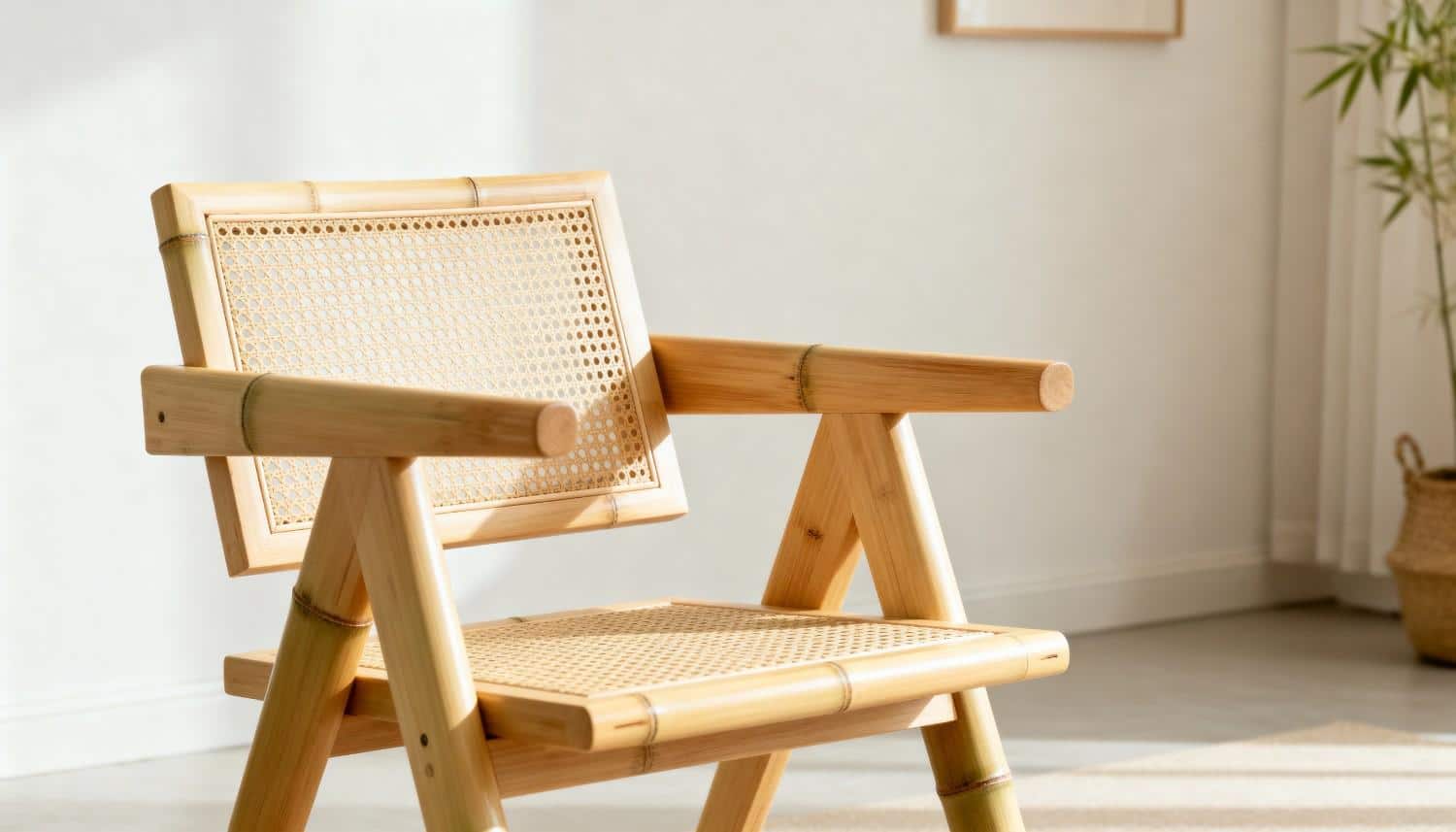
Bamboo isn’t technically wood, it’s a grass, but it’s harder than many hardwoods and incredibly sustainable.
It grows back quickly after harvesting. Bamboo furniture is lightweight yet strong, and it works well in modern spaces. Just keep it away from excessive moisture, which can cause warping.
13. Beech
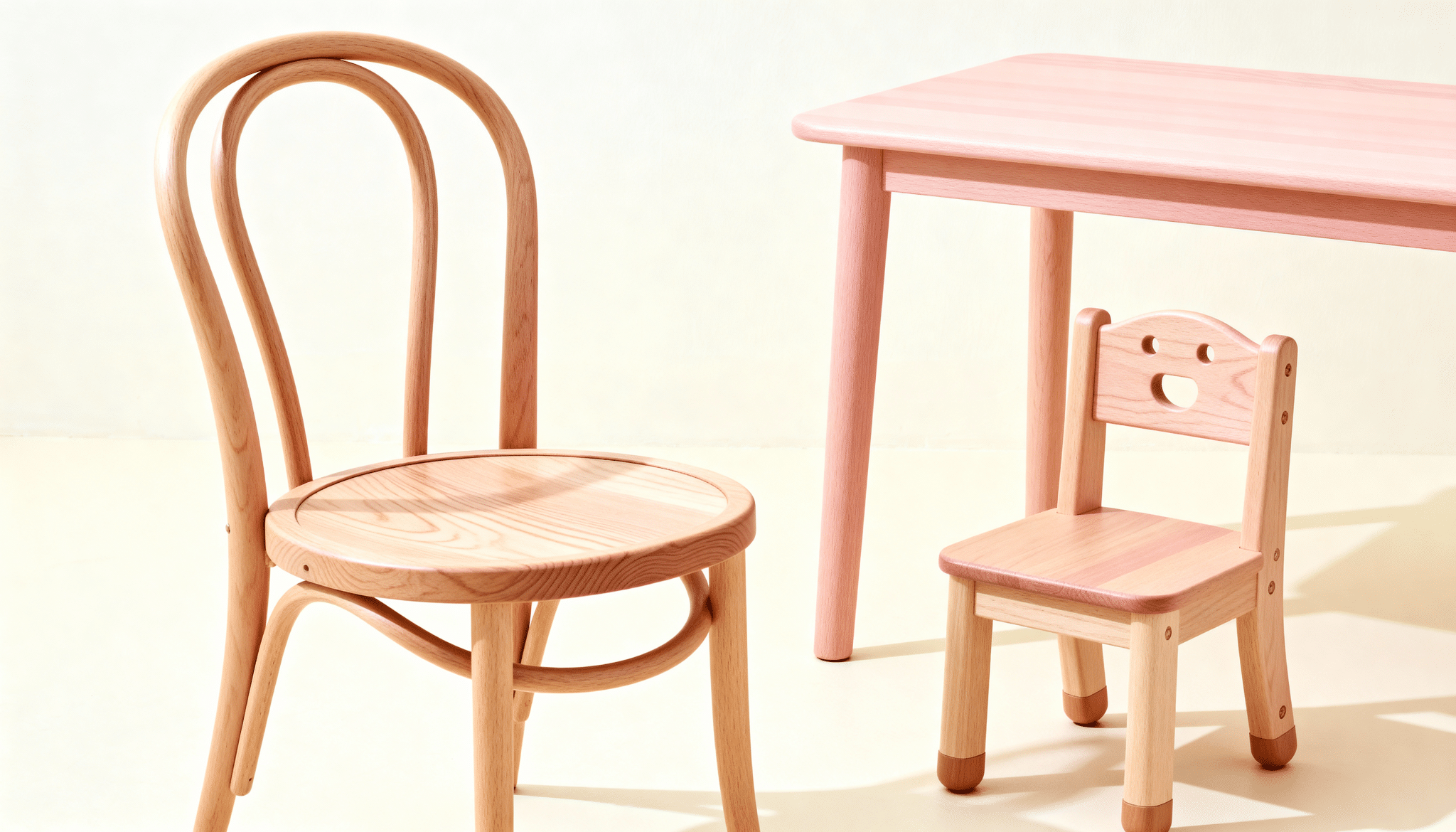
Beech is a strong, dense hardwood with a pale cream to pinkish-brown color and fine, even grain.
It’s steam-bendable like ash, making it popular for curved furniture and chair frames. The wood is hard-wearing and takes stain well, though it’s not ideal for humid environments.
You’ll find beech in chairs, tables, and children’s furniture.
14. Poplar
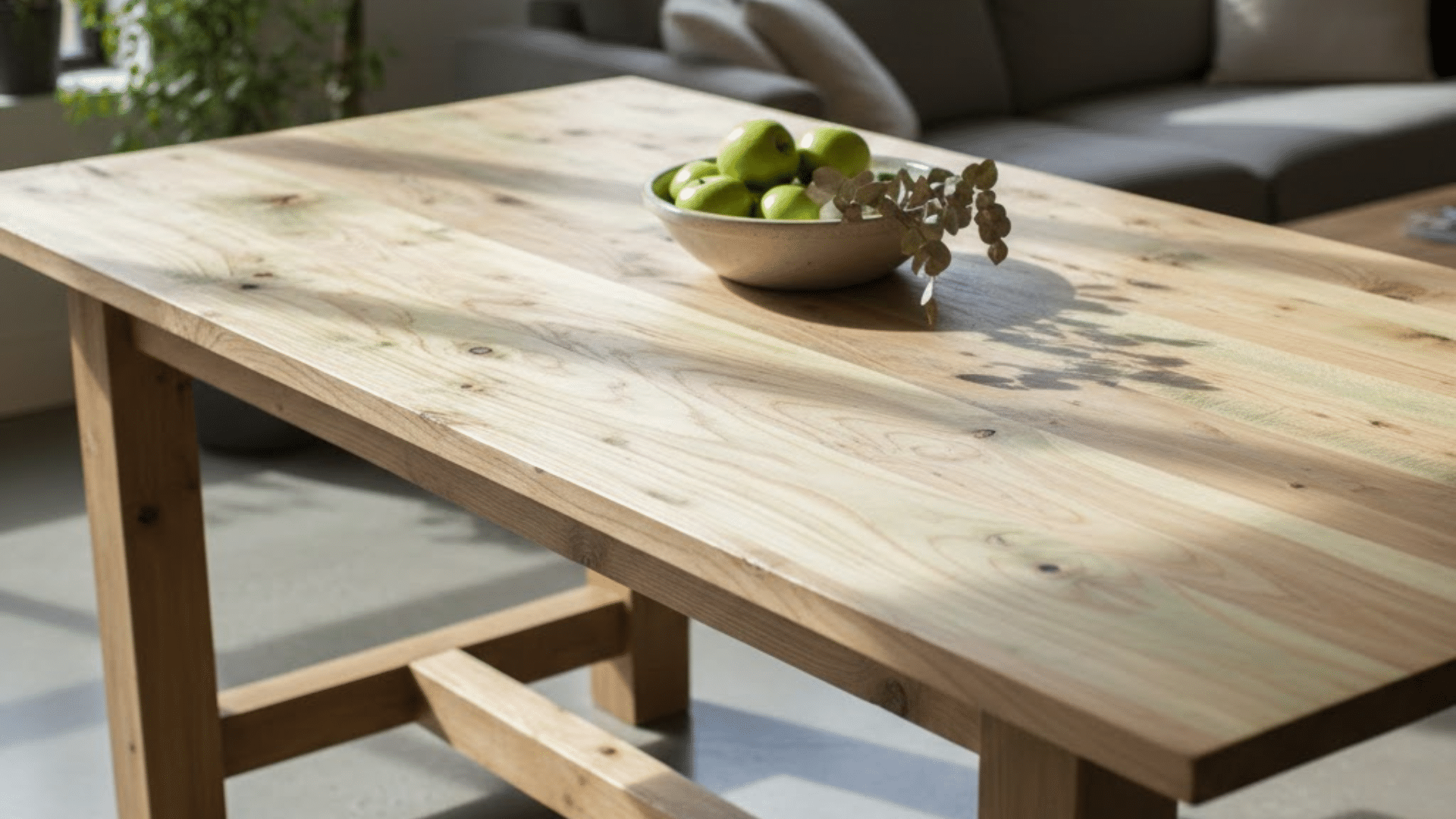
Poplar is the affordable hardwood.
It’s softer than oak or maple but still plenty durable for painted furniture. The wood has a greenish or purple tinge that disappears under paint or stain.
Furniture makers use poplar for structural frames, drawers, and any painted pieces where the grain won’t show.
15. Spruce
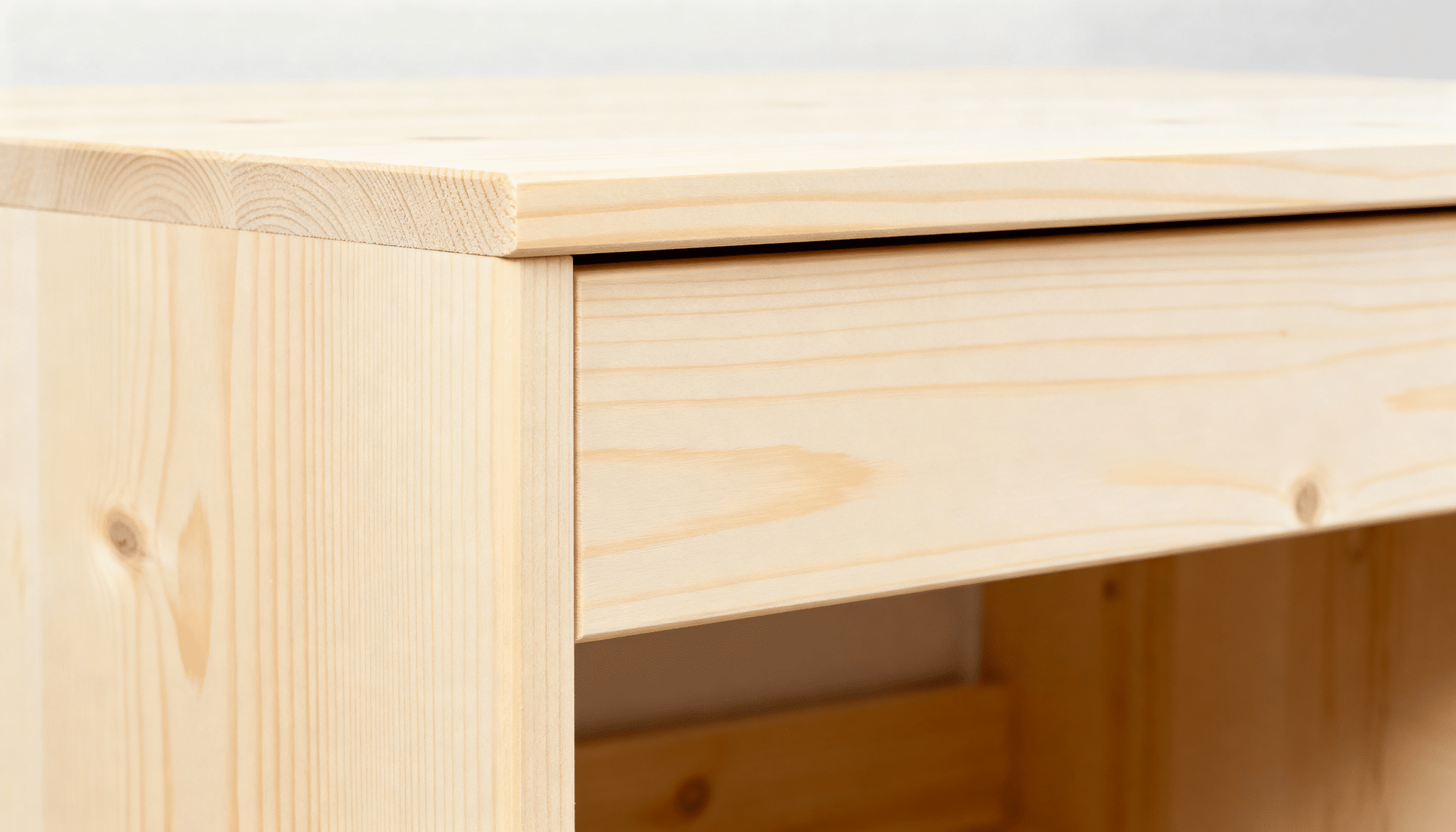
Spruce is a lightweight softwood with a pale, creamy color and minimal grain pattern.
It’s not as strong as pine but works well for furniture that doesn’t take heavy use. The wood is inexpensive and easy to work with.
16. Fir
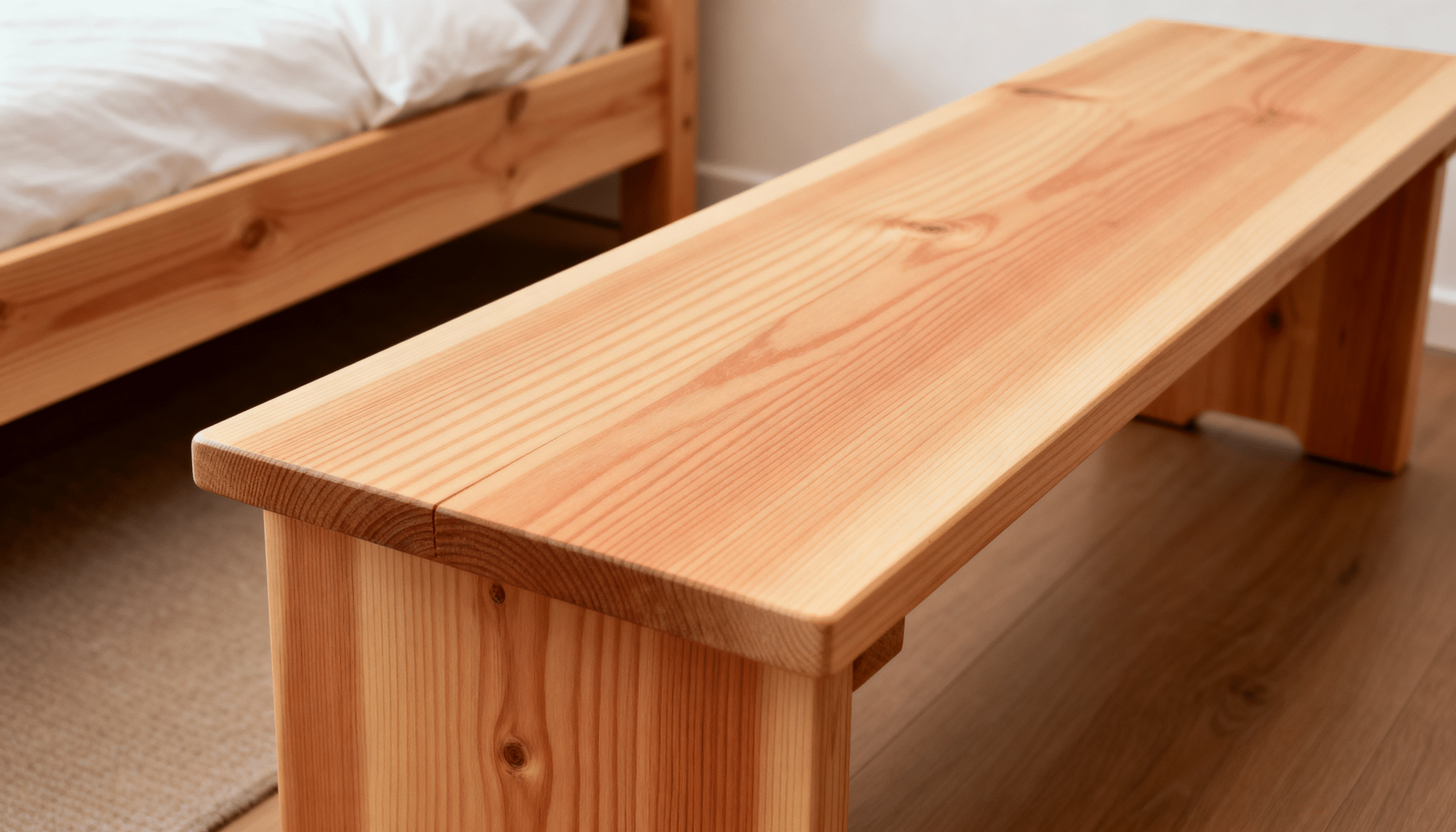
Fir is stronger than most softwoods and features straight grain with subtle patterns.
It has a light color with reddish-brown tones and resists warping well. The wood is moderately priced and works for both rustic and modern styles.
You’ll see fir in bed frames, benches, and casual furniture.
17. Rosewood
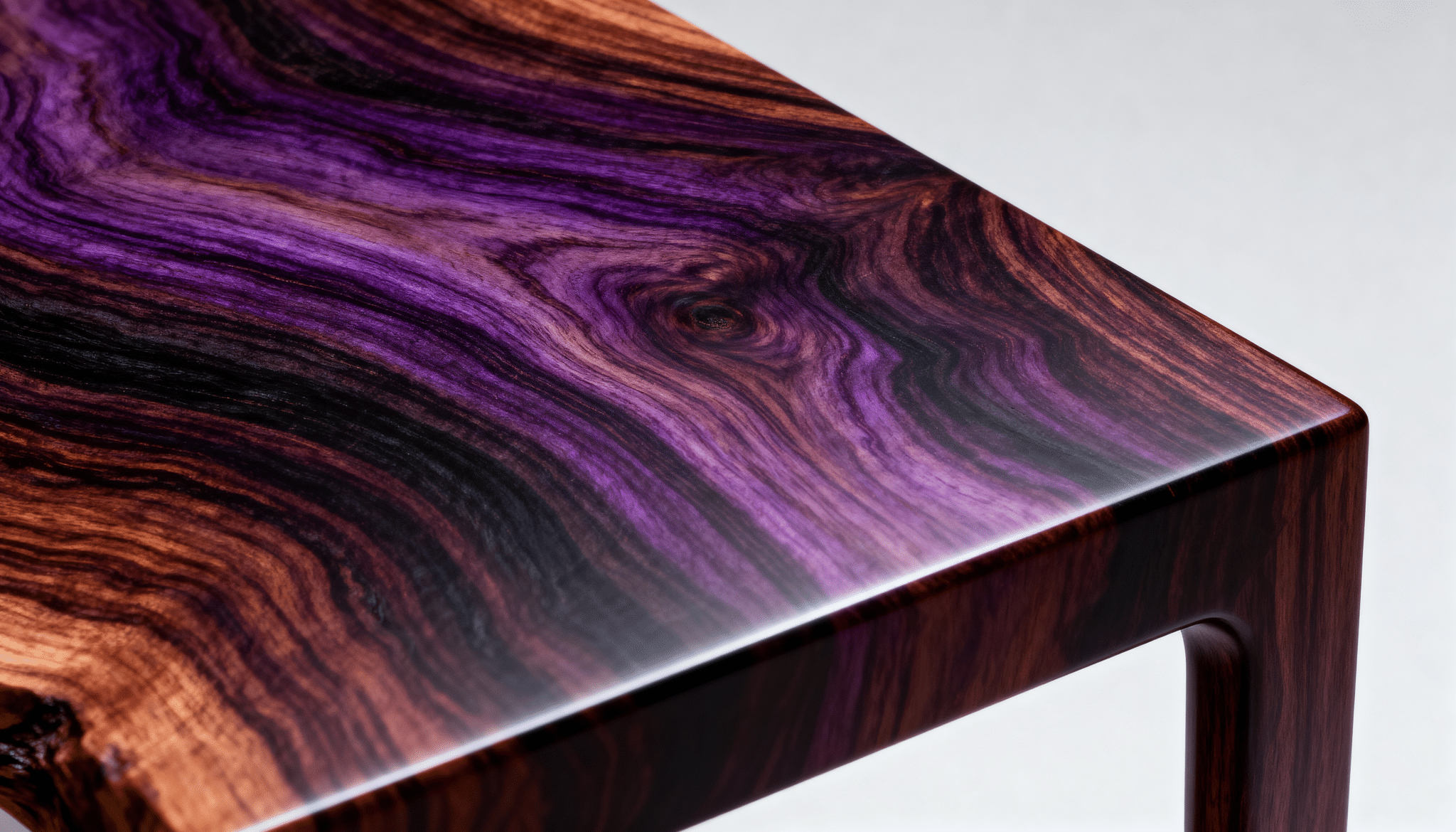
Rosewood is exotic, expensive, and absolutely gorgeous. It features dark purplish-brown to black streaks over a lighter background, creating dramatic patterns.
The wood is dense, oily, and highly durable.
Due to environmental concerns and trade restrictions, genuine rosewood is rare and costly.
18. Mango Wood
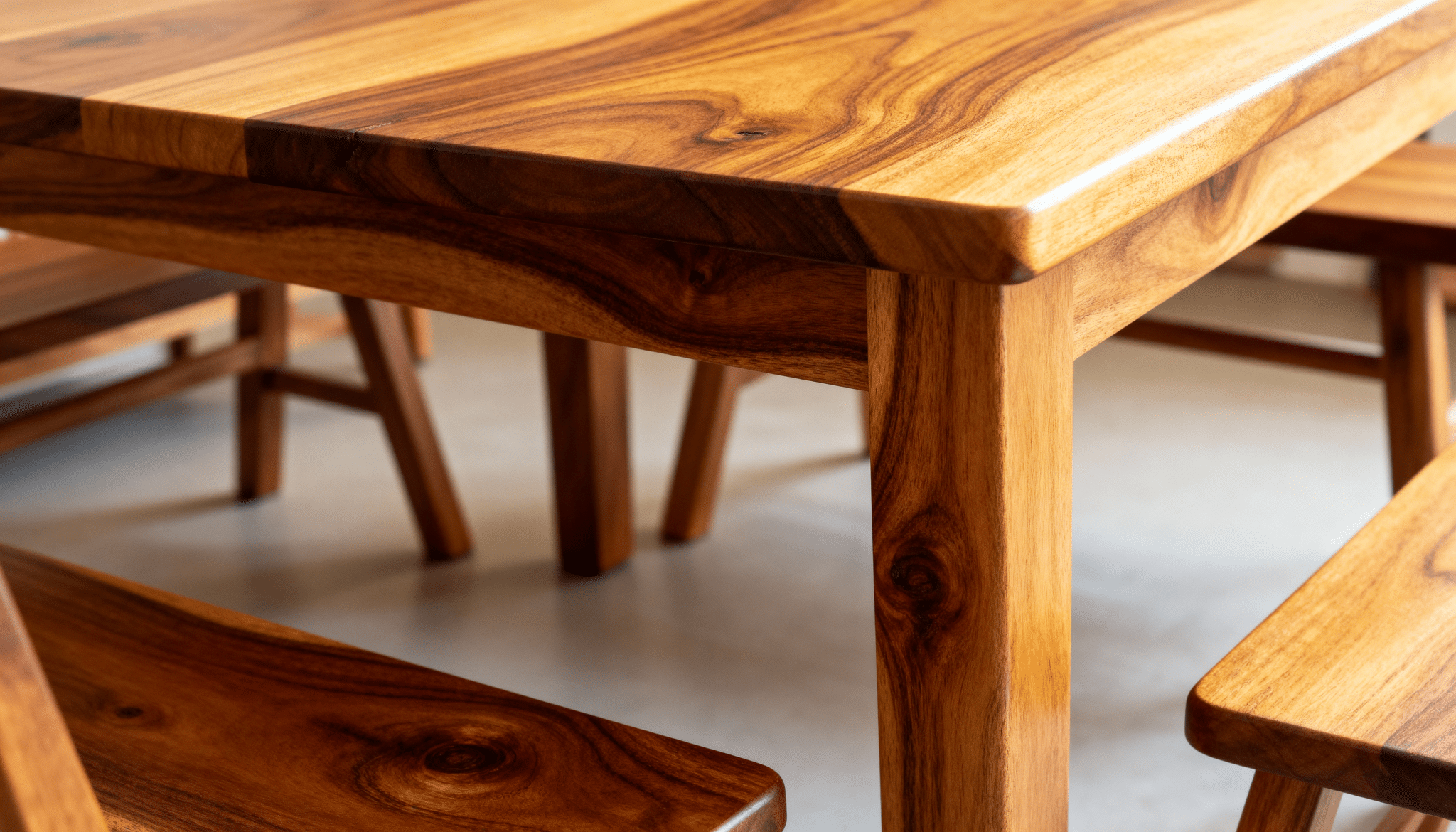
Mango wood comes from mango fruit trees at the end of their productive life, making it an eco-friendly choice.
It’s a hardwood with varied grain patterns and warm golden to dark brown colors. The wood is moderately durable and has a unique, organic look.
19. Rubberwood
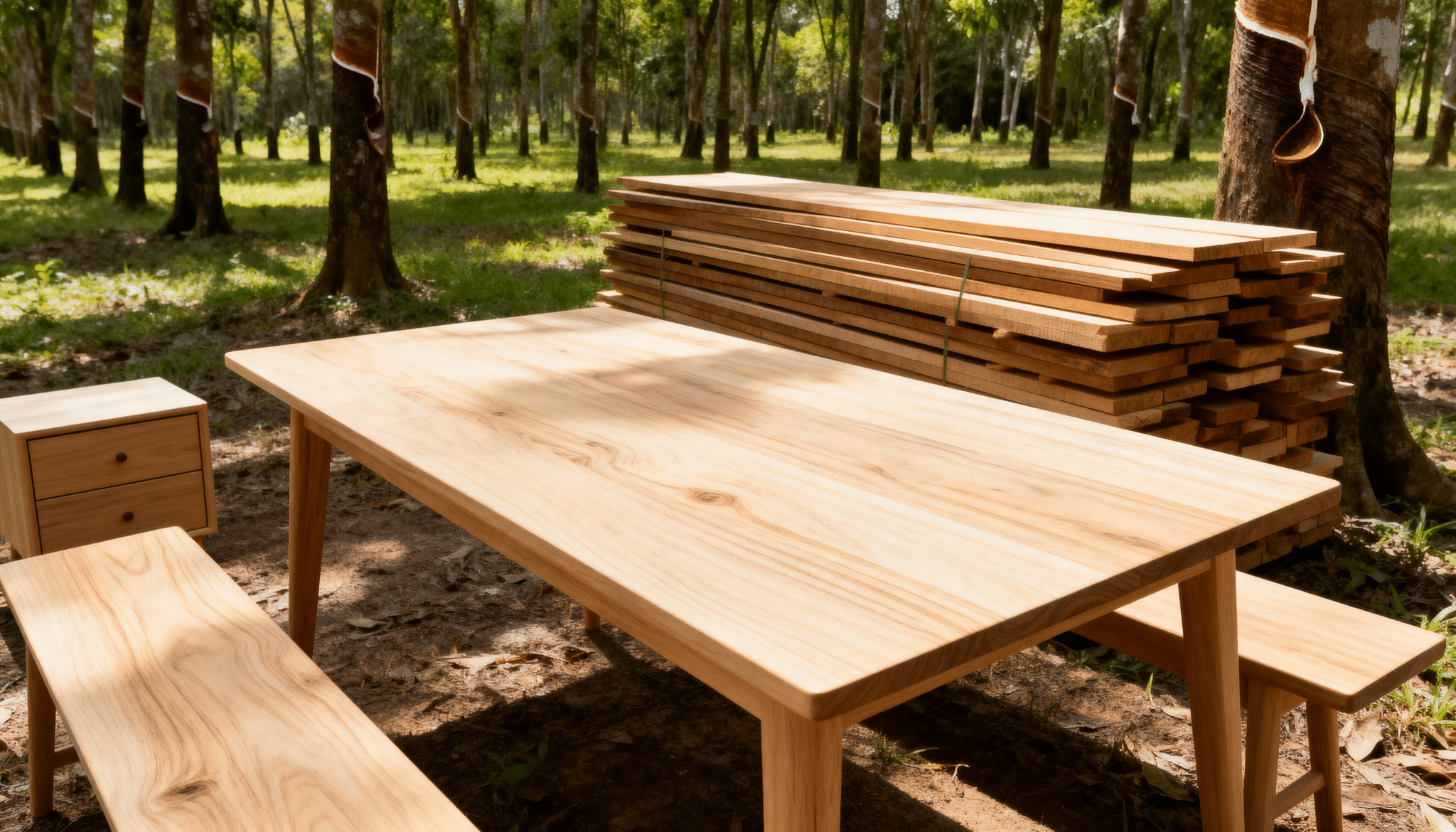
Rubberwood is harvested from rubber trees after they stop producing latex.
It’s a medium-density hardwood with a light color and tight grain. The wood is easy to work with and takes stain well.
While not as durable as oak or maple, rubberwood offers good value for everyday furniture.
Which is the Most Durable Wood from Above?
When it comes to pure durability, maple and oak tie for the top spot among domestic woods.
Maple is one of the hardest woods available and resists dents like a champ.
Oak handles moisture and heavy use without breaking a sweat.
Teak is the exotic option, especially for outdoor furniture. Its natural oils make it nearly indestructible against weather, rot, and insects.
If you want furniture that outlasts everything else, these three are your best bets.
Drawbacks of Engineered Wood
Engineered wood (like plywood, MDF, and particle board) has its place, but it comes with some downsides:
-
Can’t be refinished: Unlike solid wood, engineered wood can’t be sanded and restained when it gets worn or scratched.
-
Moisture damage: It swells, warps, and falls apart when exposed to water or high humidity, especially in particle board.
-
Lower resale value: Engineered wood furniture doesn’t hold value like solid wood pieces do.
-
Shorter lifespan: It breaks down more quickly than solid wood and can’t withstand heavy use as well.
-
Off-gassing concerns: Some engineered woods release formaldehyde and other chemicals from the adhesives used.
-
Harder to repair: Damage is often permanent since the material doesn’t respond well to traditional wood repairs.
Choosing the Right Wood for Your Furniture
Picking the right wood doesn’t have to be complicated. Start by thinking about where the furniture will live and how you’ll use it.
For high-traffic areas:
- If you want to use the furniture in the kitchen and dining room, go with hardwoods like oak, maple, or walnut. They handle daily wear and won’t show every scratch.
- For bedrooms and guest rooms, go for softer woods like pine or poplar, which work well and save you money.
Consider your budget:
- Hardwoods cost more upfront but last longer.
- Softwoods are cheaper but might need replacing sooner.
Maintenance:
- Outdoor furniture needs weather-resistant woods like teak or cedar.
- Indoor pieces offer more options, but should still match your lifestyle.
Conclusion
Choosing the right types of wood for furniture comes down to balancing what you need with what you can spend.
Hardwoods like oak and maple offer durability that lasts for decades, while softwoods like pine offer charm without the hefty price tag.
Remember, the best wood isn’t always the most expensive one, it’s the one that fits your lifestyle.
A busy family might need scratch-resistant maple for the dining table, while a cozy bedroom benefits from the warm, rustic feel of pine.