Want a houseplant that won’t die on you?
Dead plants line the windowsills of even the most caring owners. Overwatering, underwatering, wrong light, it all adds up to brown, crispy disappointment.
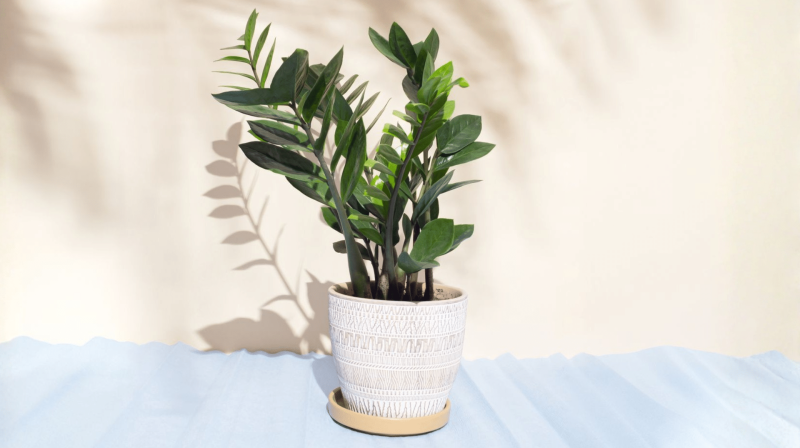
The ZZ plant thrives when you forget about it. Seriously. This tough plant handles neglect better than attention, making it perfect for real life.
This blog has everything you need to know about the ZZ plant before you get yourself one.
History and Origin
The ZZ plant comes from Eastern Africa. It grows wild in Tanzania and Zanzibar, where it thrives in dry conditions.
For years, locals knew about this tough plant, but the rest of the world didn’t pay much attention.
Dutch nurseries introduced it to the global market in 1996. They saw its potential as a houseplant. The timing was perfect.
People wanted plants that could survive in offices and homes with little natural light.
Its scientific name is Zamioculcas zamiifolia. That’s quite a lot, so most folks just call it the ZZ plant. The name stuck, and the plant became popular quickly.
Symbolism and Cultural Significance of the ZZ Plant
The ZZ plant carries special meaning in different cultures.
In feng shui practice, it represents growth and prosperity. Many believe it brings good fortune to homes and offices.
Some cultures see it as a symbol of steadiness. The plant’s ability to survive tough conditions makes it a sign of strength.
People gift it to friends starting new jobs or moving to new places.
In Chinese tradition, it’s called the “golden money tree.” Families place it near entrances to welcome wealth. The shiny leaves are thought to reflect negative energy away.
Business owners often keep ZZ plants in their shops for good luck.
The Benefits of ZZ Plant at Home

The ZZ plant offers more than just good looks. It brings real advantages to any living space.
The following are the main benefits that make it worth having:
1. Purifies Indoor Air Quality
The ZZ plant removes toxins from the air. Studies show it filters out chemicals like xylene and toluene.
These harmful substances come from paints, furniture, and cleaning products. The plant absorbs them through its leaves and roots.
This creates cleaner, fresher air in your home. Better air quality means fewer headaches and improved breathing for everyone living there.
2. Requires Minimal Maintenance
This plant thrives on neglect. It needs watering only every few weeks.
Forgot to water it? No problem. The thick roots store water for months. It grows well in low light and doesn’t need special fertilizers.
Busy people love it because it stays healthy without constant attention. Perfect for anyone who travels frequently or has a hectic schedule.
3. Adds Element to Any Space
The glossy green leaves bring life to dull corners. The plant’s upright growth pattern looks clean and modern. It fits well with any decor style, from minimalist to traditional.
The shiny foliage reflects light and brightens dark rooms. Unlike flowering plants, it looks good year-round.
No wilted blooms or seasonal changes to worry about. Just consistent beauty all the time.
4. Adapts to Various Light Conditions
Most houseplants are fussy about lighting. Not the ZZ plant.
It grows in bright indirect light but also survives in dim corners. This flexibility means you can place it anywhere in your home.
Offices with fluorescent lights work perfectly. Bathrooms with small windows are fine too. The plant adjusts without losing its color or healthy appearance.
5. Helps with Humidity Control
While not a strong humidifier, the ZZ plant does release some moisture. This small contribution helps in dry indoor environments.
Winter heating systems often make the air uncomfortably dry. The plant’s transpiration process adds a bit of moisture back.
It won’t replace a humidifier, but every little bit helps. Combined with other plants, it can improve overall humidity levels in your space.
6. Offers Long-Lasting Durability
This plant lives for many years with proper care. It doesn’t die off after one season like some plants.
The strong root system ensures survival even during neglect periods. Leaves stay green and healthy for months without special treatment.
You won’t need to replace it constantly like other houseplants. This makes it a cost-effective choice.
Health and Psychological Benefits of ZZ Plant
Beyond basic care and appearance, the ZZ plant impacts wellbeing in meaningful ways. It affects both physical health and mental state.
7. Reduces Stress and Anxiety Levels
Greenery in living spaces naturally calms the mind.
The ZZ plant’s presence lowers cortisol, the stress hormone. Just looking at plants triggers relaxation responses in the brain.
People report feeling less anxious when surrounded by indoor plants. This benefit works even in high-stress environments like offices and busy households.
8. Helps with Focus and Concentration
Indoor plants boost cognitive function significantly.
The ZZ plant helps people stay focused on tasks longer. Studies show that green environments improve attention spans and memory retention.
Workers in spaces with plants make fewer mistakes and complete tasks faster. The brain processes information better when natural elements are present in the room.
9. Improves Sleep Quality Naturally
Plants in bedrooms contribute to better rest.
The ZZ plant releases oxygen throughout the night, unlike some species. Cleaner air helps people breathe more easily while sleeping.
Having living things nearby creates a peaceful atmosphere. Better sleep leads to improved energy and mood during daytime hours.
10. Boosts Mood and Overall Happiness
Living with plants makes people feel more positive. The ZZ plant adds life to spaces that might otherwise feel sterile.
Green colors are linked to feelings of hope and renewal. Watching something grow and thrive brings satisfaction.
The connection to nature, even indoors, fulfills a basic human need for natural environments.
11. Decreases Fatigue and Tiredness
Indoor plants combat mental exhaustion effectively.
The ZZ plant refreshes stale indoor air naturally. Better oxygen levels mean less drowsiness during the day.
The break that greenery provides reduces eye strain from screens. Taking moments to look at plants recharges mental batteries. This simple habit prevents burnout in demanding environments.
What Room is Best for a ZZ Plant?

The ZZ plant works well in almost any room. It’s not picky about location, which makes placement easy.
Living rooms are perfect spots. The plant adds greenery without demanding bright windows. It tolerates the low light that many living spaces have.
Bedrooms benefit from ZZ plants too. They release oxygen and create a calming atmosphere. Plus, they don’t need much attention, so they won’t add to your daily tasks.
Bathrooms with windows work surprisingly well. The humidity actually helps the plant stay healthy.
Home offices are ideal locations. The ZZ plant thrives under fluorescent lights and brings life to workspaces. It handles dry air from heating systems without complaint.
Care Tips for Your ZZ Plants (Specifically in Winters)
Taking care of a ZZ plant is straightforward. A few simple habits keep it healthy for years.
The following are the key tips every owner should know:
- Water sparingly: Let the soil dry out completely between waterings. Overwatering causes more problems than underwatering. Check the soil with your finger before adding water.
- Use well-draining soil: Regular potting mix works fine, but add some perlite or sand. Good drainage prevents root rot and keeps the plant happy.
- Keep it in moderate light: Bright indirect light is ideal, but the plant tolerates low light too. Avoid direct sunlight, which can burn the leaves.
- Maintain average room temperature: The ZZ plant likes temperatures between 65-75°F. Keep it away from cold drafts and heating vents.
- Wipe the leaves occasionally: Dust blocks light absorption. A gentle wipe with a damp cloth keeps leaves shiny and healthy.
- Fertilise lightly: Feed once or twice during spring and summer. Use diluted liquid fertiliser. The plant doesn’t need much food to thrive.
- Repot every 2-3 years: Move to a slightly larger pot when roots fill the container. Fresh soil gives the plant new nutrients.
Winter care for ZZ plants is even easier than summer.
Reduce watering to once a month or less. The plant enters a dormant phase and needs minimal moisture.
Move it away from cold windows and heating vents. Sudden temperature changes stress the plant. Keep it in a spot with stable warmth.
Stop fertilizing completely during the winter months. The plant isn’t growing much, so it doesn’t need extra nutrients.
Wipe dust off leaves occasionally. This helps the plant absorb available light during shorter winter days.
Conclusion
The ZZ plant proves that great things come in simple packages.
It doesn’t demand much, yet it gives back plenty. From cleaner air to better mental health, the benefits stack up quickly.
Start with a small plant and watch how it changes your space. Place it anywhere that needs some life.
Your home deserves the calm, clean atmosphere a ZZ plant provides. Give it a try. The results might surprise you
Frequently Asked Questions (FAQ’s)
1. How Often Should You Water a ZZ Plant?
Water every two to three weeks during the growing season. In winter, water once a month. Always let the soil dry completely between waterings.
2. Do ZZ Plants Attract Pests?
ZZ plants rarely attract pests. Occasionally, spider mites or aphids appear. The thick, waxy leaves naturally resist most insects and common plant problems.
3. What is the Ideal Temperature for a ZZ Plant?
The ideal temperature range is 65 to 75 degrees Fahrenheit. Avoid temperatures below 45 degrees. Keep away from cold drafts and air conditioners.
4. How Long Can a ZZ Go Without Water?
A ZZ plant can survive two to three months without water. The rhizomes store moisture. However, regular watering keeps it looking its best.