
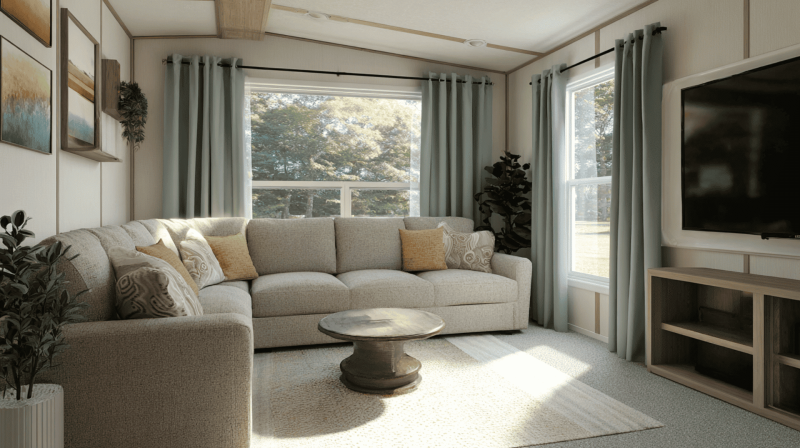
Living in a single-wide mobile home means working with limited space, but you don’t need a large area to create a comfortable, stylish living room.
The right furniture placement, colors, and storage solutions help you make the most of every inch.
Single-wide mobile homes are typically 14 to 18 feet wide and 56 to 76 feet long, totaling 600 to 1,300 square feet.
Your living room is usually located near the front or middle, connected directly to the kitchen and hallway.
In this blog, I’ll share practical single-wide mobile home living room ideas that actually work.
Things to Consider When Designing a Small Living Room
Before you start decorating, think about how you’ll actually use the space:
Room Measurement
Measure your living room carefully. Know the exact width, length, and ceiling height.
Write down where windows and doors are located. This helps you pick furniture that fits.
Traffic Flow
People need clear paths to walk through. Leave at least 30 inches between furniture pieces.
Make sure you can open doors fully without hitting anything in the way.
Natural Light
Check how much sunlight enters your room. This affects your color choices and where you place seating areas throughout the day.
Storage Needs
Think about what you need to store. Count your books, blankets, and other items.
Plan for hidden storage solutions since you can’t afford to waste any space here.
Furniture Scale
Standard-sized furniture often looks too big. Measure pieces before buying them.
Opt for smaller-scale furniture that matches your room’s actual dimensions and proportions.
Color Schemes to Make a Mobile Home Interior Feel Open
The right colors can trick your eye into seeing more space than actually exists.
| Color Choice | Effect on Space | Best Use |
|---|---|---|
| White | Makes walls recede | Entire room or ceiling |
| Light Gray | Adds depth without coldness | Main walls |
| Soft Beige | Creates calm and openness | Walls and trim |
| Pale Blue | Gives an airy feel | Accent wall or all walls |
| Light Green | Brings a calm, spacious vibe | Feature wall |
| Cream | Softens while expanding | Walls with white trim |
| Off-White | Less stark than pure white | Ceiling and walls |
| Soft Yellow | Brightens and lifts space | South-facing walls |
Single Wide Small Mobile Home Living Room Ideas
Upgrade your single-wide mobile home living room with smart design ideas that maximize space.
1. Use a Sectional Sofa in the Corner
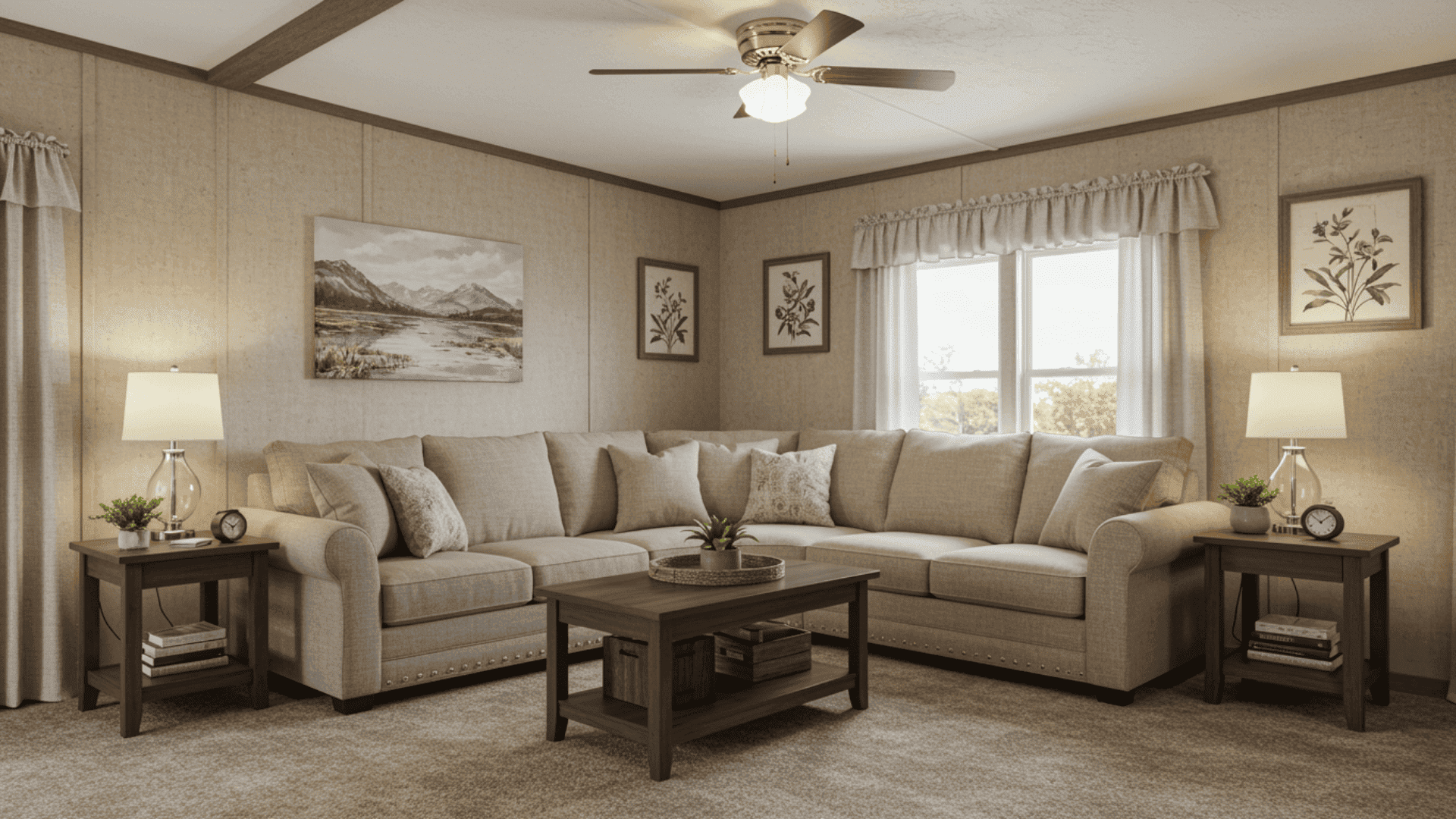
Place a small sectional in the corner of your room. This creates more seating without taking up extra floor space. Choose one with a chaise or L-shaped design.
It defines your seating area clearly and leaves the center open for movement.
2. Mount Your TV on the Wall
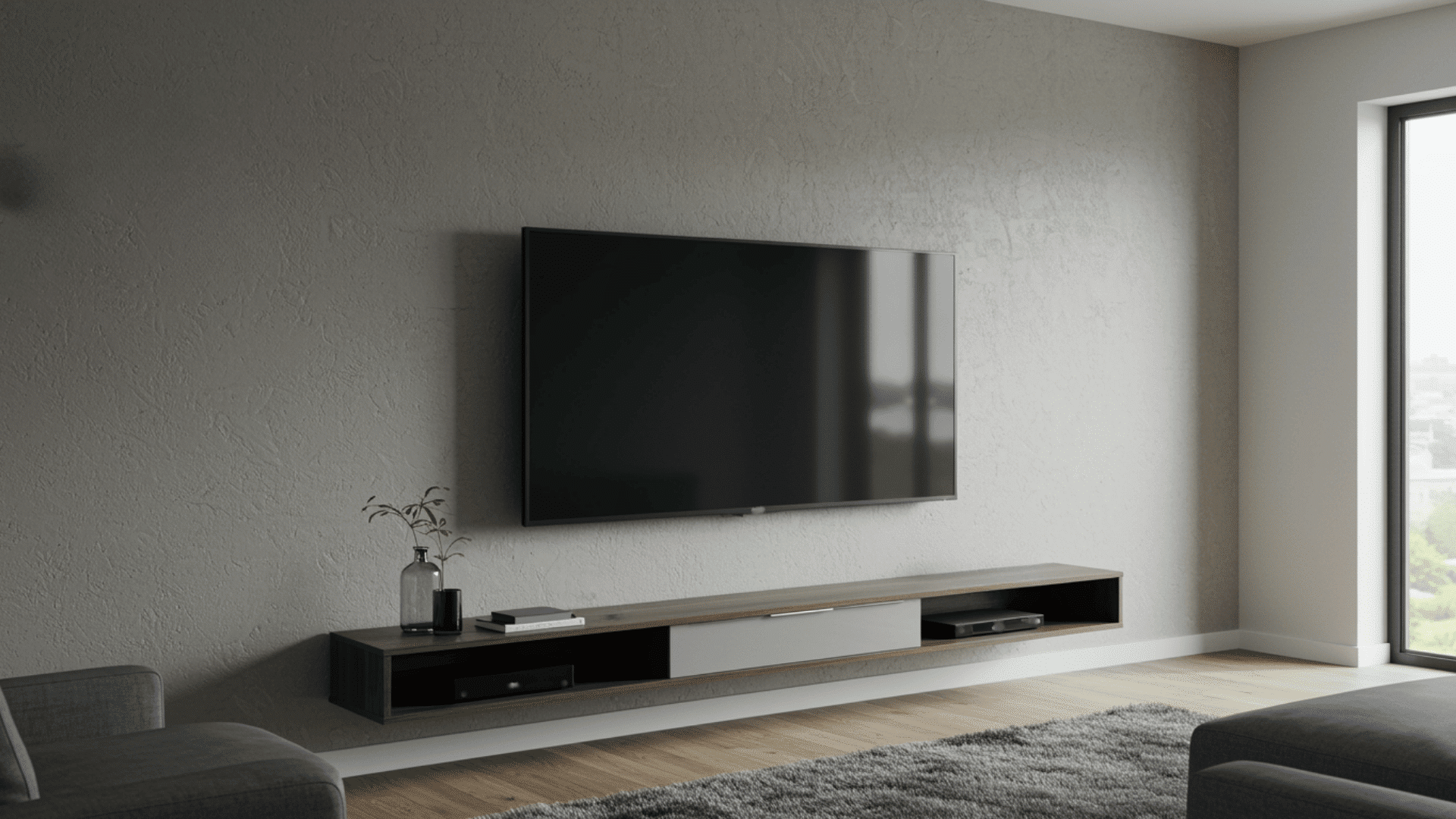
Get your TV off the furniture and onto the wall. This frees up valuable floor space where an entertainment center would sit.
Use a slim wall mount that sits flush against the surface.
Vertical Space Usage: My go-to trick is mounting things on walls. It keeps floors clear and makes the room breathe better.
3. Choose Furniture with Exposed Legs
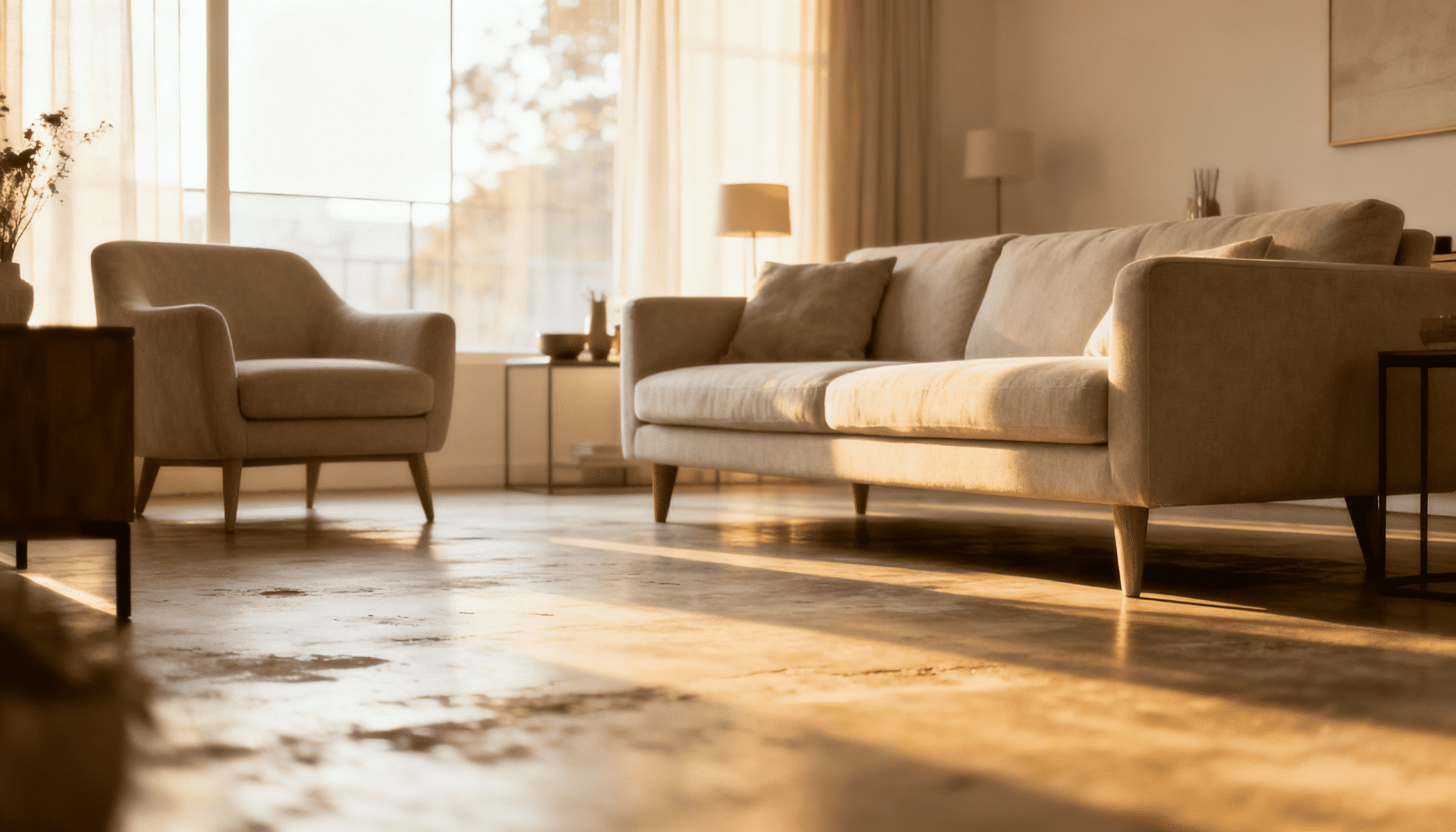
Pick sofas and chairs with visible legs. This creates visual space beneath the furniture.
The eye can see through to the floor, which makes the room feel less crowded. Avoid heavy, skirted pieces that touch the ground.
Visual Lightness: I’ve learned that furniture with legs creates a sense of airiness. You can see under it, which tricks your brain into seeing more space.
4. Add Floating Shelves Above the Sofa
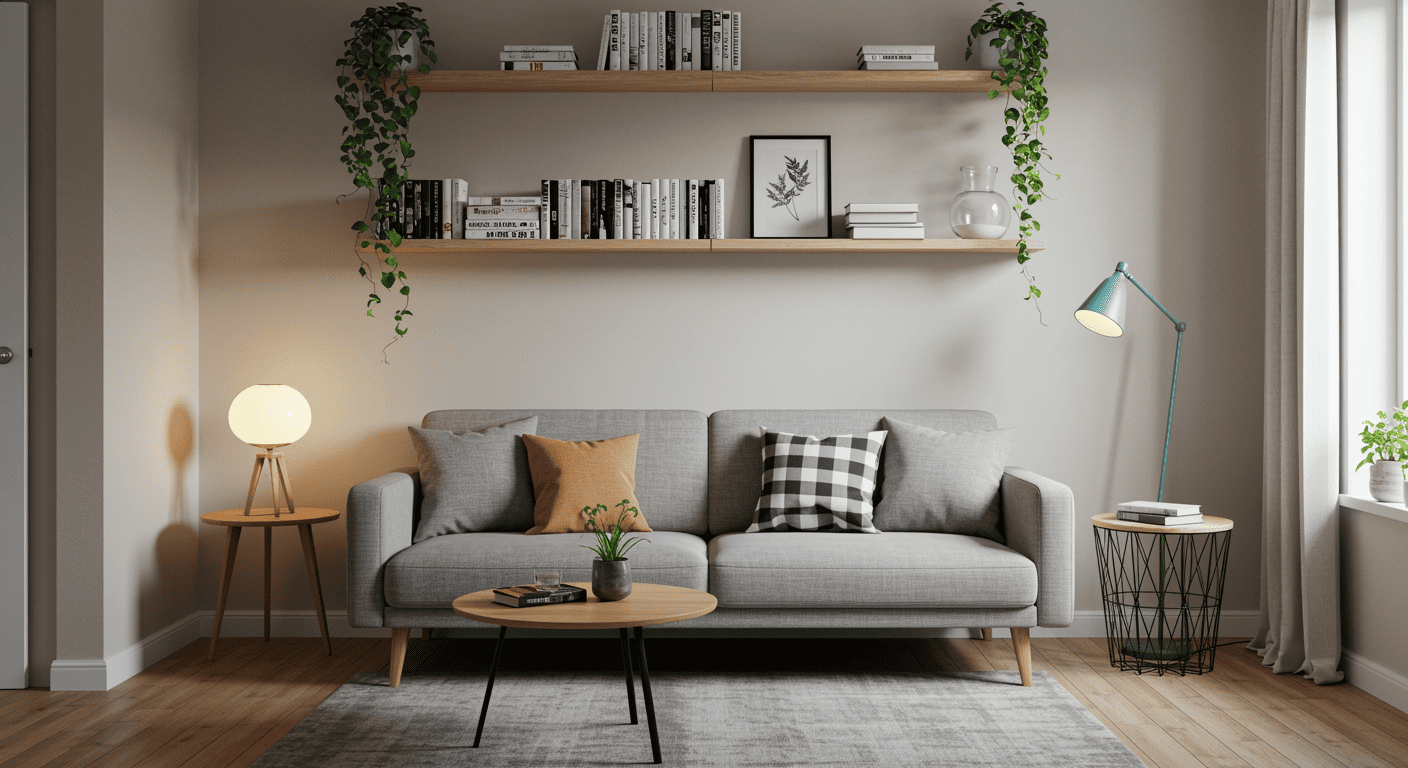
Install floating shelves on the wall behind your couch.
They provide storage and display space without using floor area. Keep books, plants, or decorative items here.
My rule is simple: empty walls waste space. I use them for both storage and style at the same time.
5. Pick a Glass Coffee Table
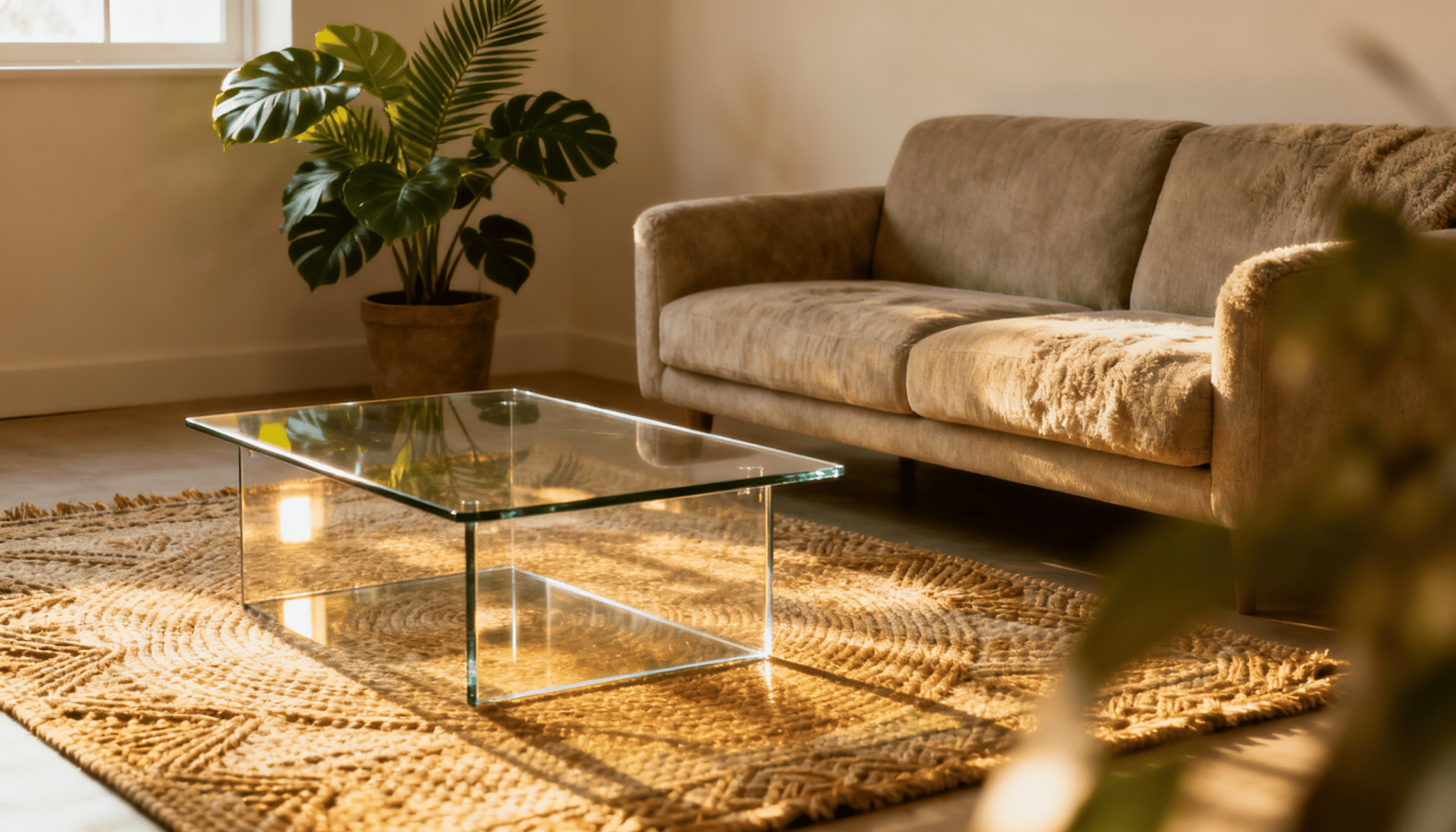
Choose a coffee table made of glass or acrylic. You can see through it, which makes the room feel less blocked.
The transparency doesn’t interrupt sight lines across the space. It serves its function while remaining visually light.
6. Use Multi-Purpose Ottoman Storage
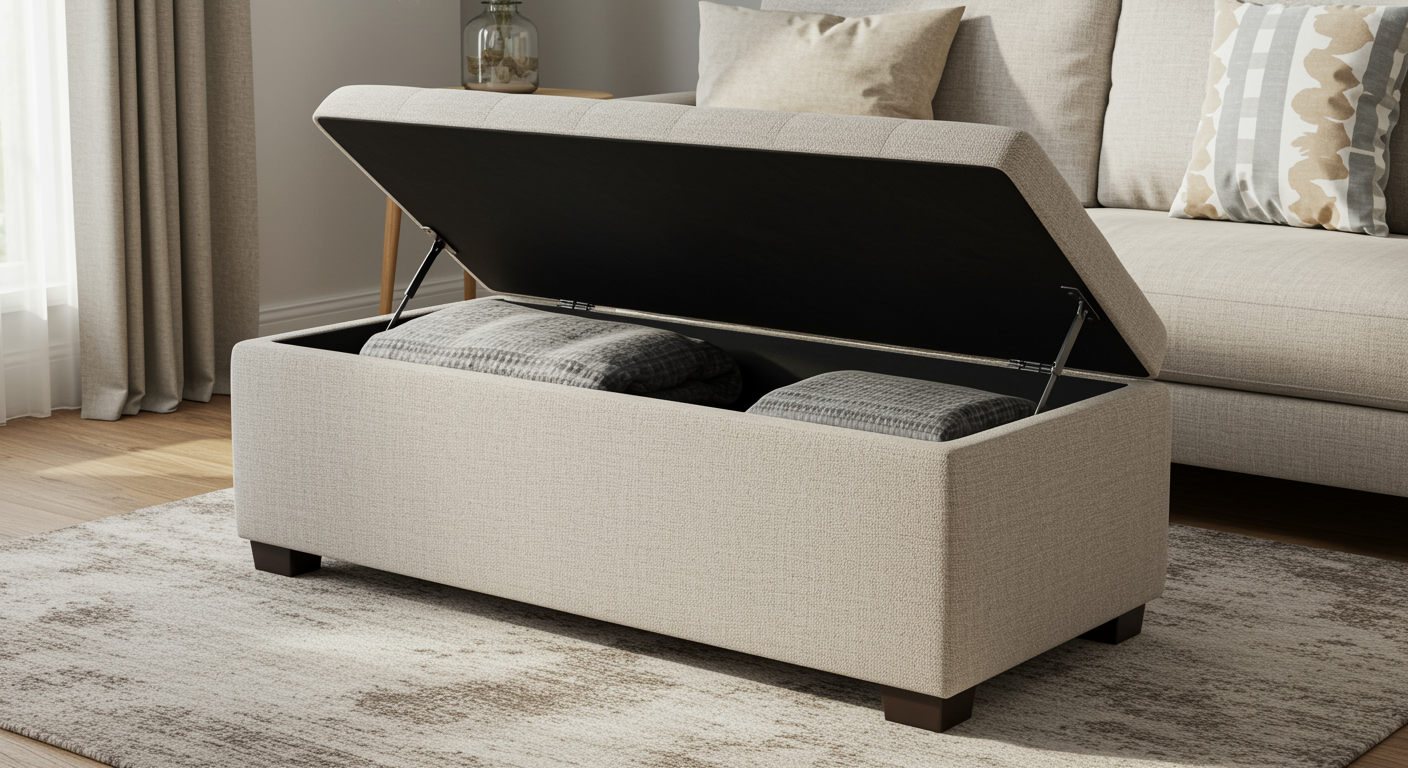
Get an ottoman that opens for storage inside. Use it as extra seating, a footrest, and a coffee table. Store blankets, magazines, or remotes inside it.
This one piece serves multiple functions and hides clutter away.
7. Hang Curtains High and Wide
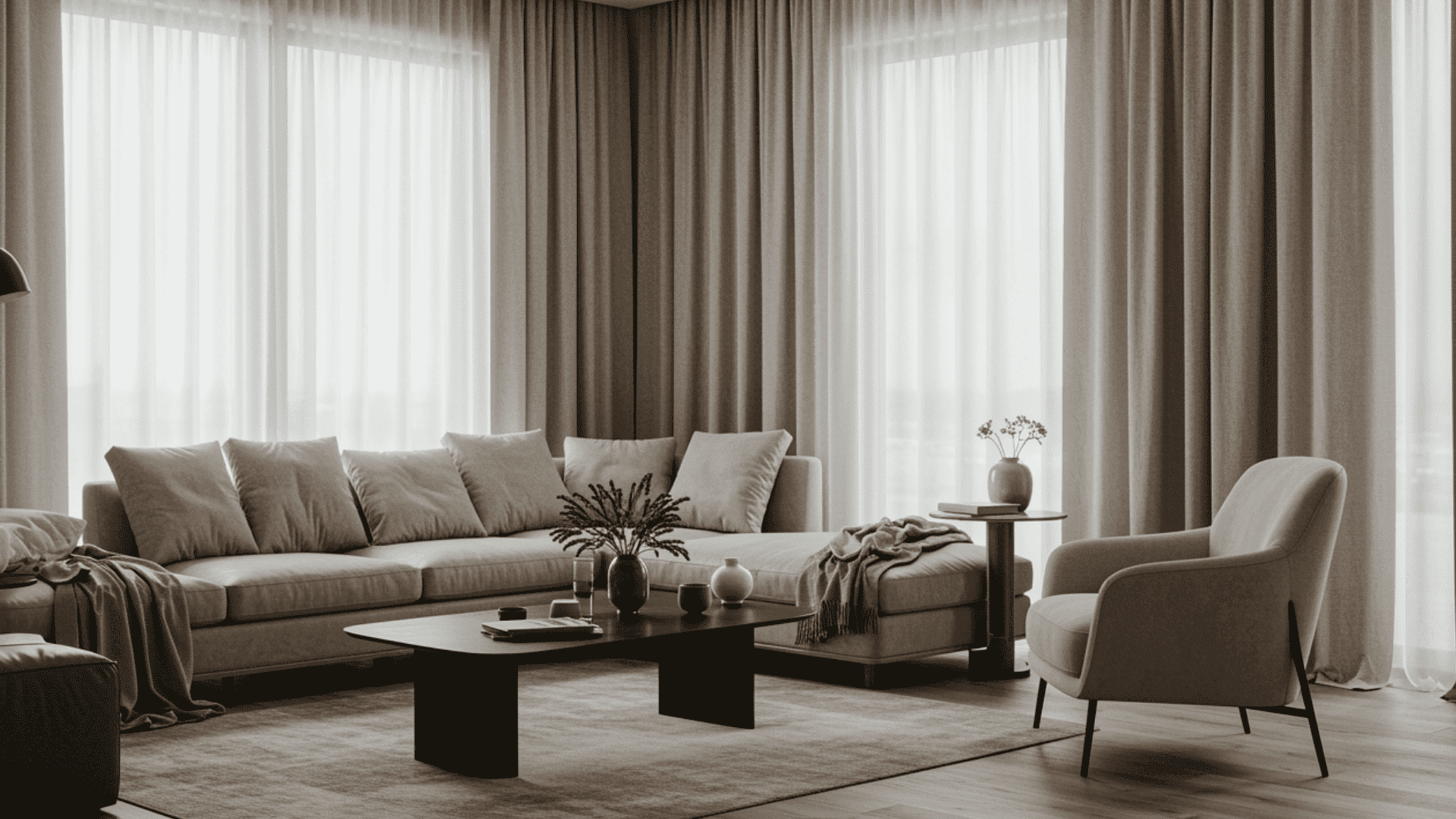
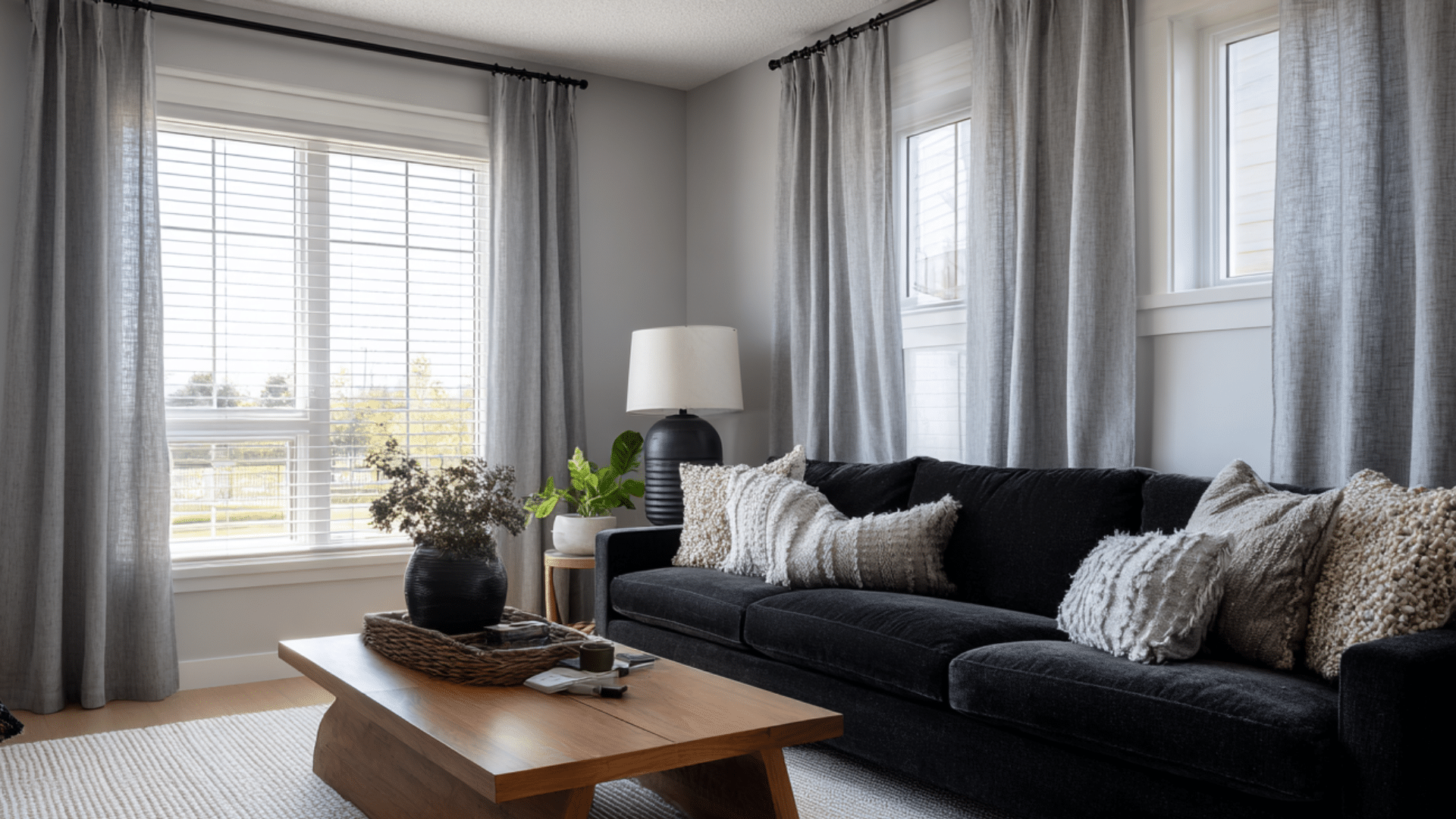
Mount your curtain rod close to the ceiling, not just above the window.
Let the curtains extend past the window frame on both sides. This makes windows appear larger, and ceilings seem higher.
The room instantly feels more spacious.
8. Create a Gallery Wall
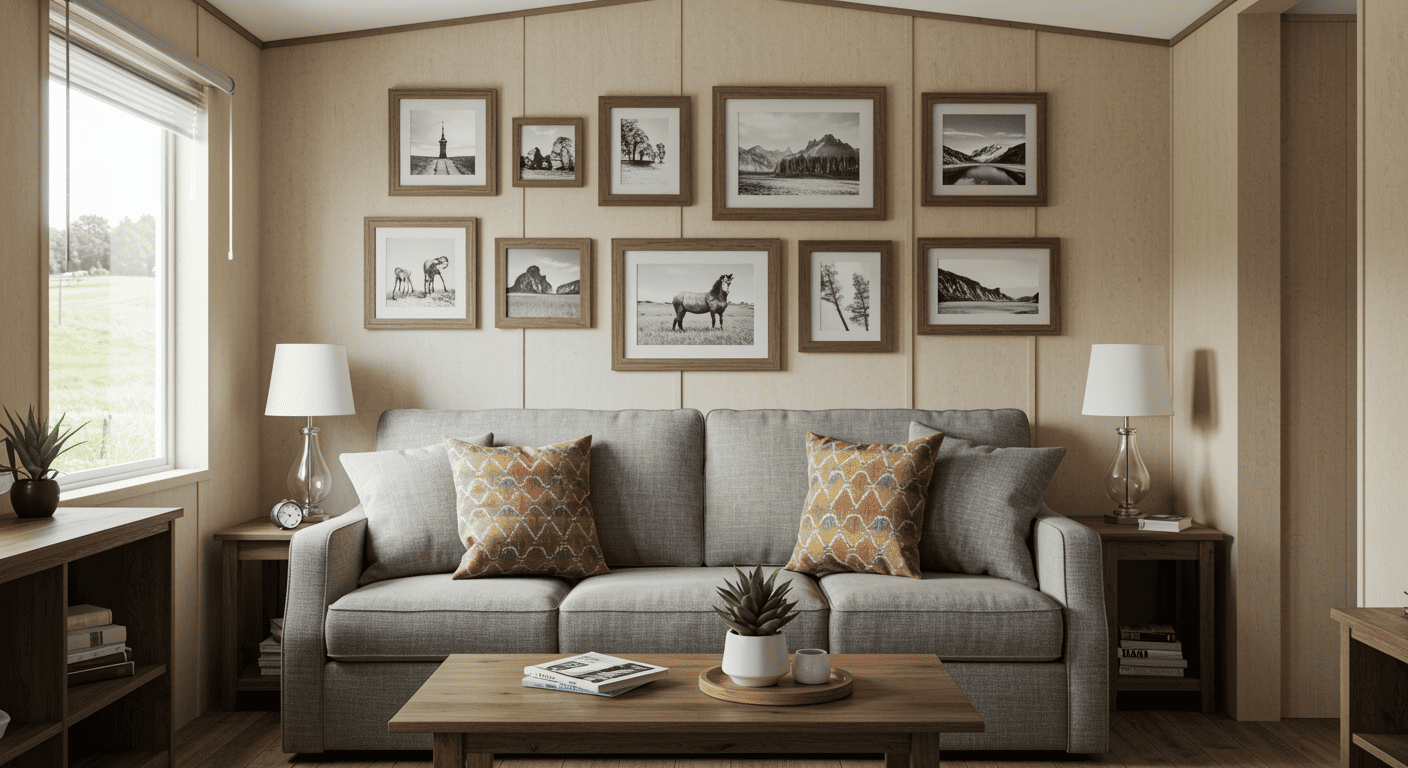
Group several small frames or artworks together on one wall. This fills the empty space without using furniture.
Mix different sizes and styles for visual interest. A gallery wall becomes a focal point that distracts from the room’s size.
Vertical Decoration: I’d rather go up than out any day. Wall displays save floor space while showing off your personality beautifully.
9. Use Nesting Tables
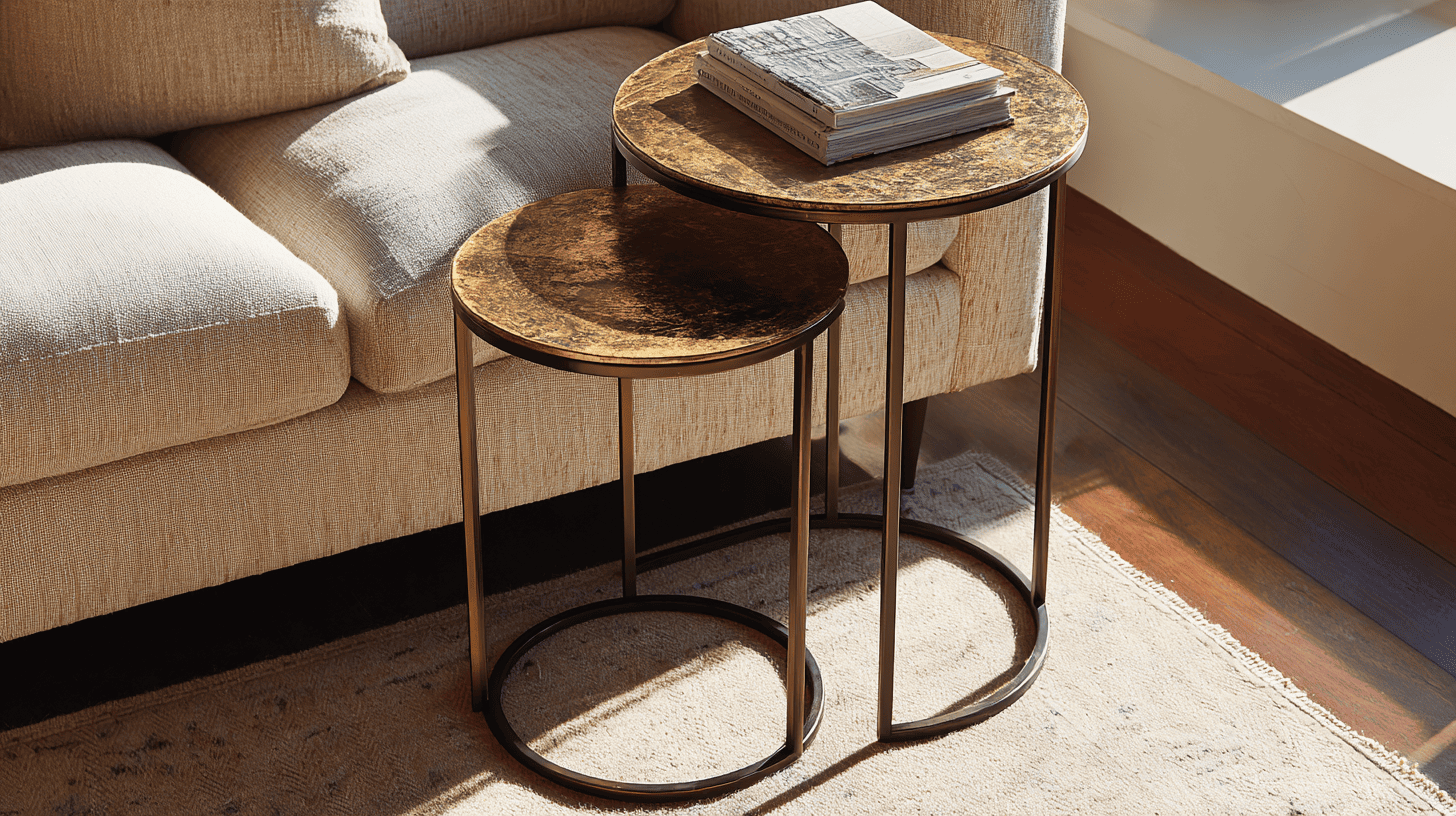
Buy a set of nesting tables that stack together. Pull them apart when you need extra surface space for guests. Tuck them back together when not in use.
They’re flexible and don’t permanently take up much space.
10. Add Mirrors Across from Windows
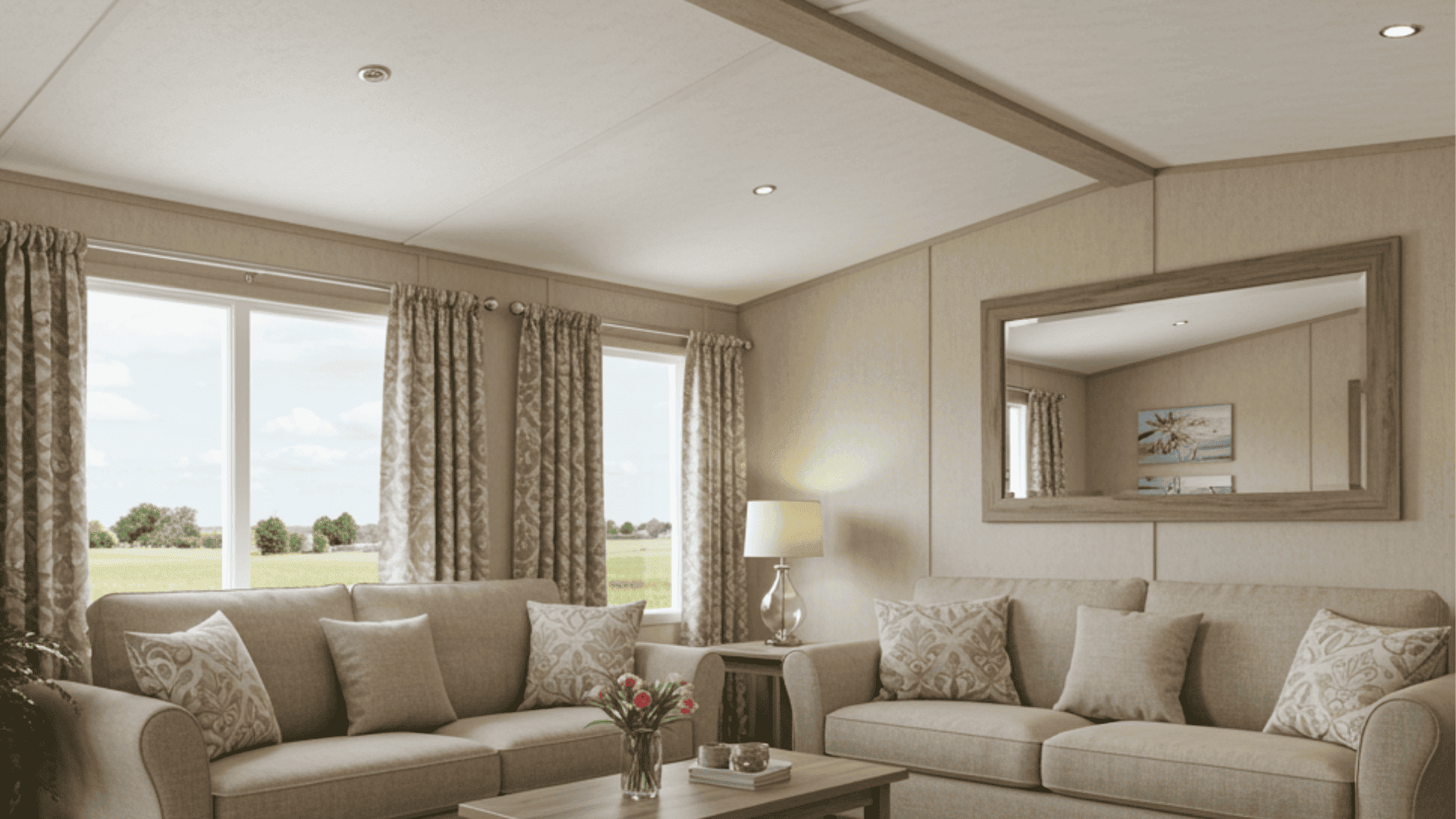
Hang a large mirror directly opposite a window. It reflects natural light back into the room.
This brightens the space and makes it feel twice as big. The reflection creates depth and dimension.
Light Reflection: I position mirrors to catch sunlight. They bounce brightness around and create the feeling of extra square footage instantly.
11. Choose a Sofa with Built-in Storage
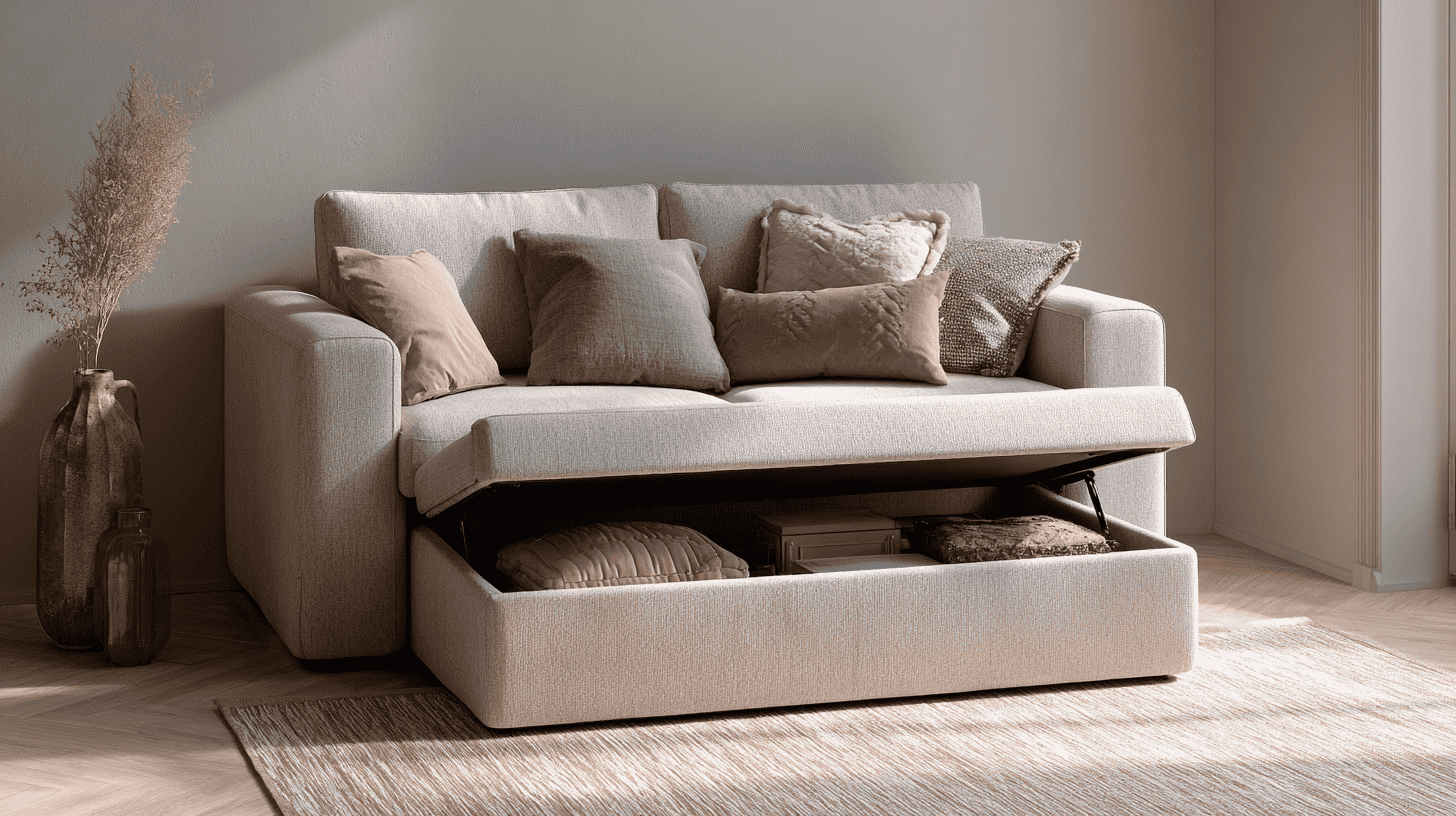
Select a couch with storage compartments beneath the cushions. Lift the seat to access the hidden storage space.
This keeps things organized without adding extra furniture. Your sofa works harder for you.
Hidden Storage: My strategy is to hide clutter inside furniture. Out of sight means your space looks cleaner and more open overall.
12. Install Recessed Lighting
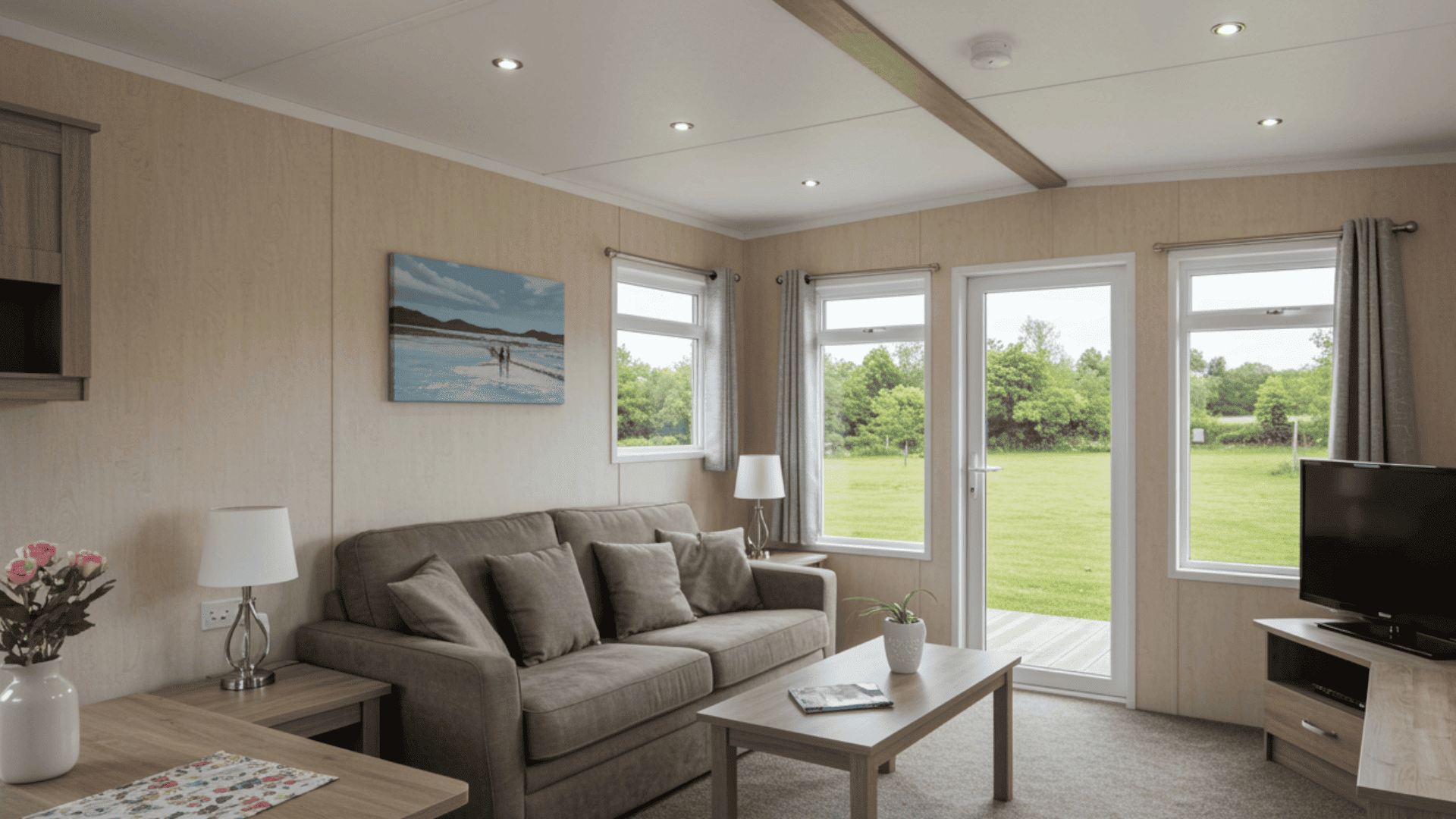
Replace bulky lights with recessed ceiling lights or track lighting. These fixtures don’t take up any floor or table space.
They provide plenty of illumination from above. Your surfaces stay clear and usable.
Overhead Solutions: I recommend using overhead lighting whenever possible. It frees up every surface below for things you actually need there.
13. Use Light-Colored Area Rugs
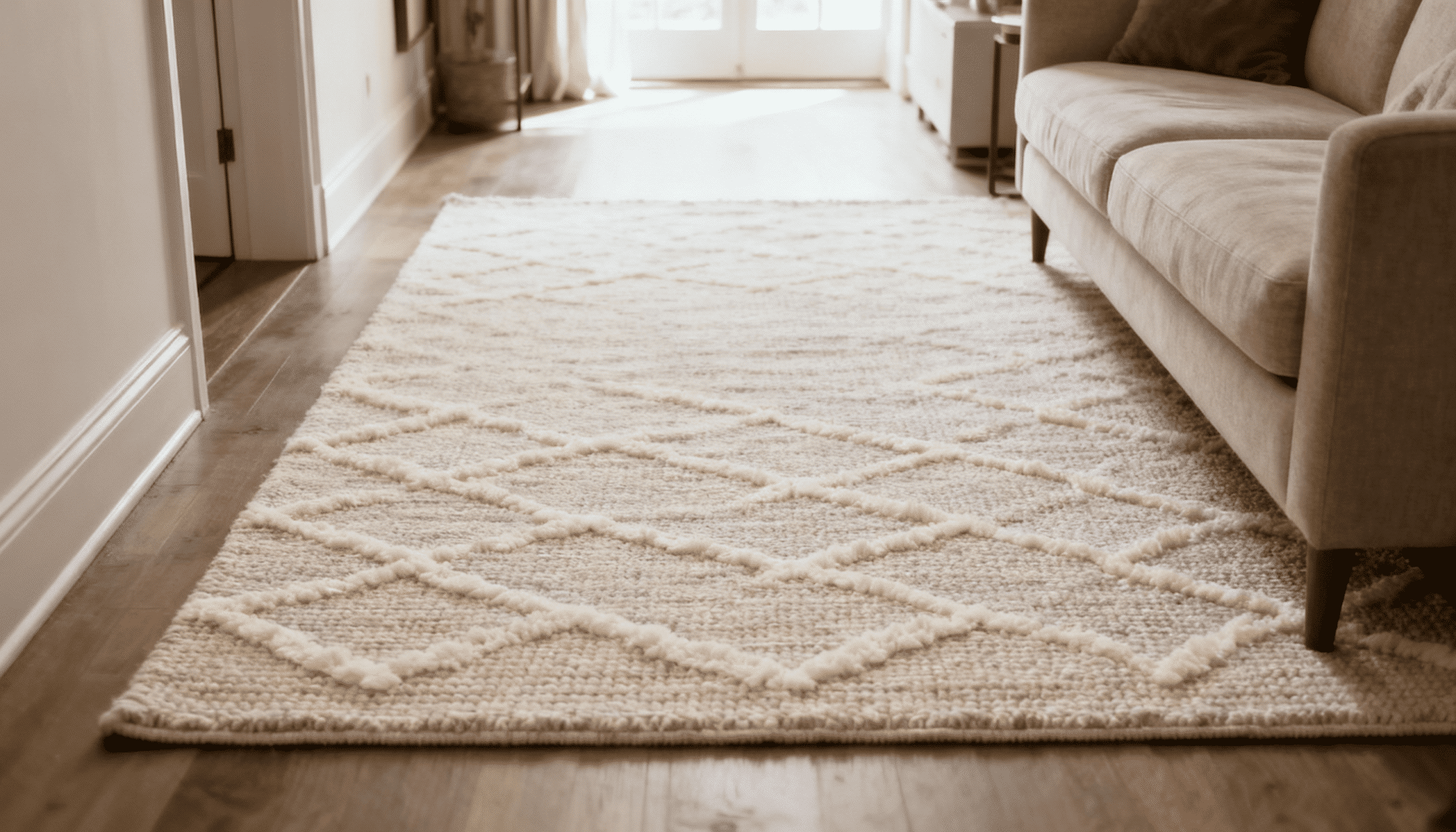
Place a light-colored rug under your seating area. Pale rugs reflect more light than dark ones.
They make the floor space feel larger and brighter. Choose a size that fits under the front legs of your furniture.
I stick with light rugs in small rooms. Dark floors absorb light, but pale ones reflect it back up.
14. Add a Slim Console Table
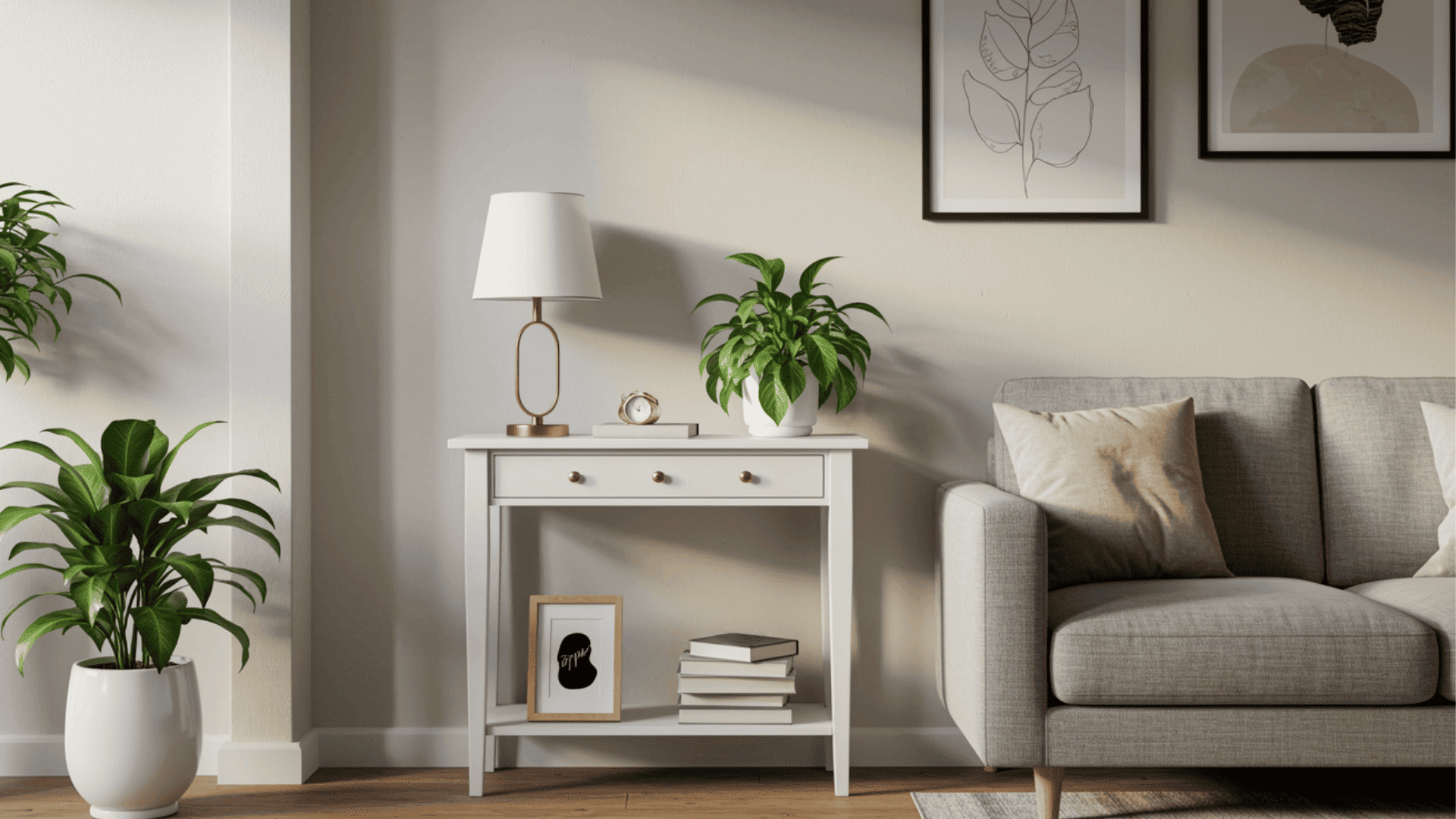
Put a narrow console table behind your sofa if there’s space. Choose one that’s only 10 to 12 inches deep.
Use it for lamps, plants, or decorative items. It adds function without blocking walkways.
My rule for tight spaces is keeping furniture shallow. Even a 10-inch table gives you surface area without crowding pathways.
15. Hang Pendant Lights
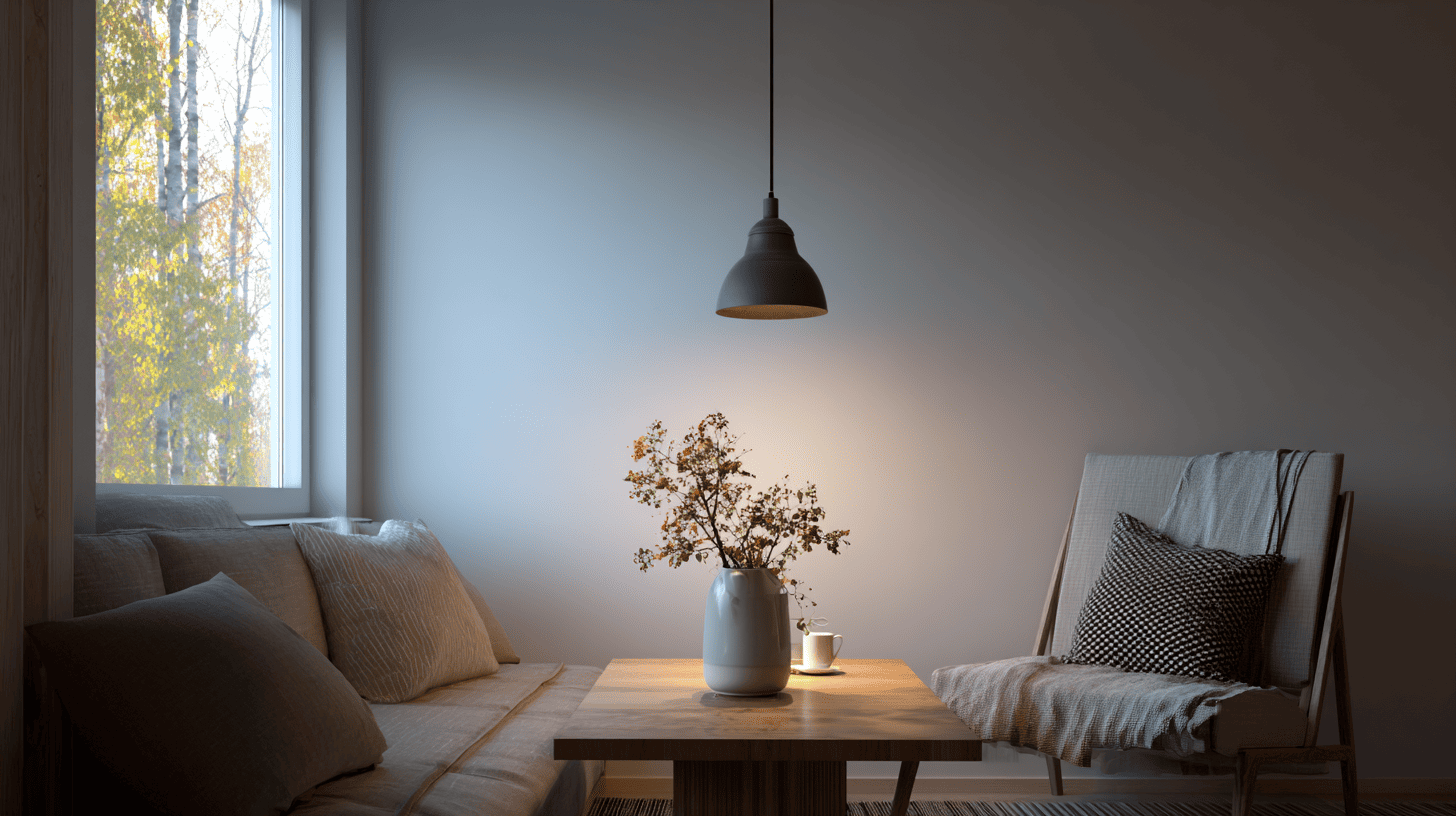
Install pendant lights that hang from the ceiling over a side table or corner.
They provide task lighting without using table space. Choose simple, small designs that don’t overwhelm the area. The hanging fixture draws eyes upward.
Suspended Lighting: I love pendant lights because they float in the air. Your tables stay empty while you still get plenty of light.
16. Use Baskets for Storage
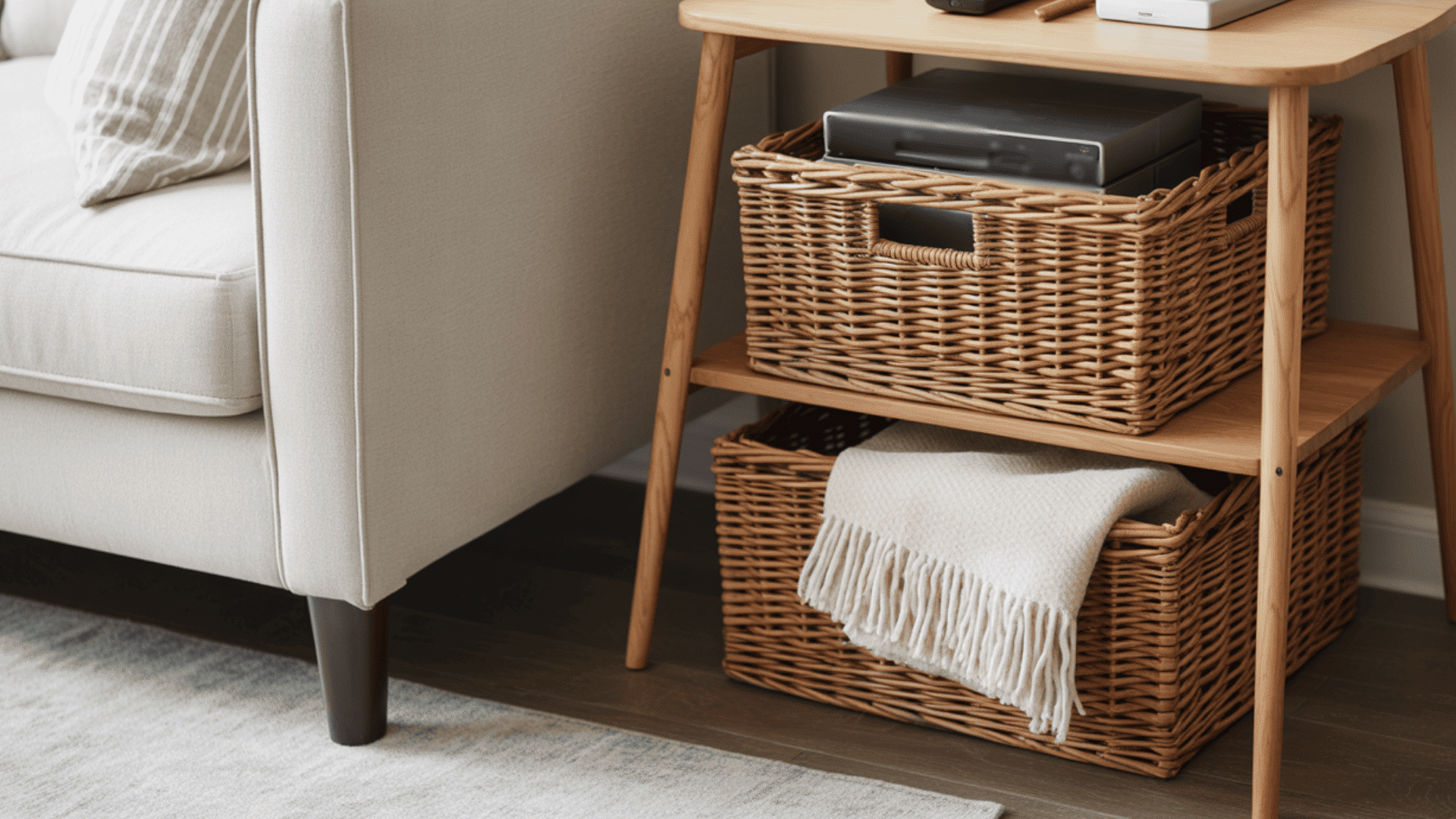
Keep woven baskets under tables, beside furniture, or on shelves.
Store remote controls, magazines, or throws inside them. Baskets look decorative while hiding everyday clutter. They’re easy to move around as needed.
My secret is using pretty storage. Baskets look good sitting out, so clutter stays hidden, but the style remains visible.
17. Choose Armless Chairs
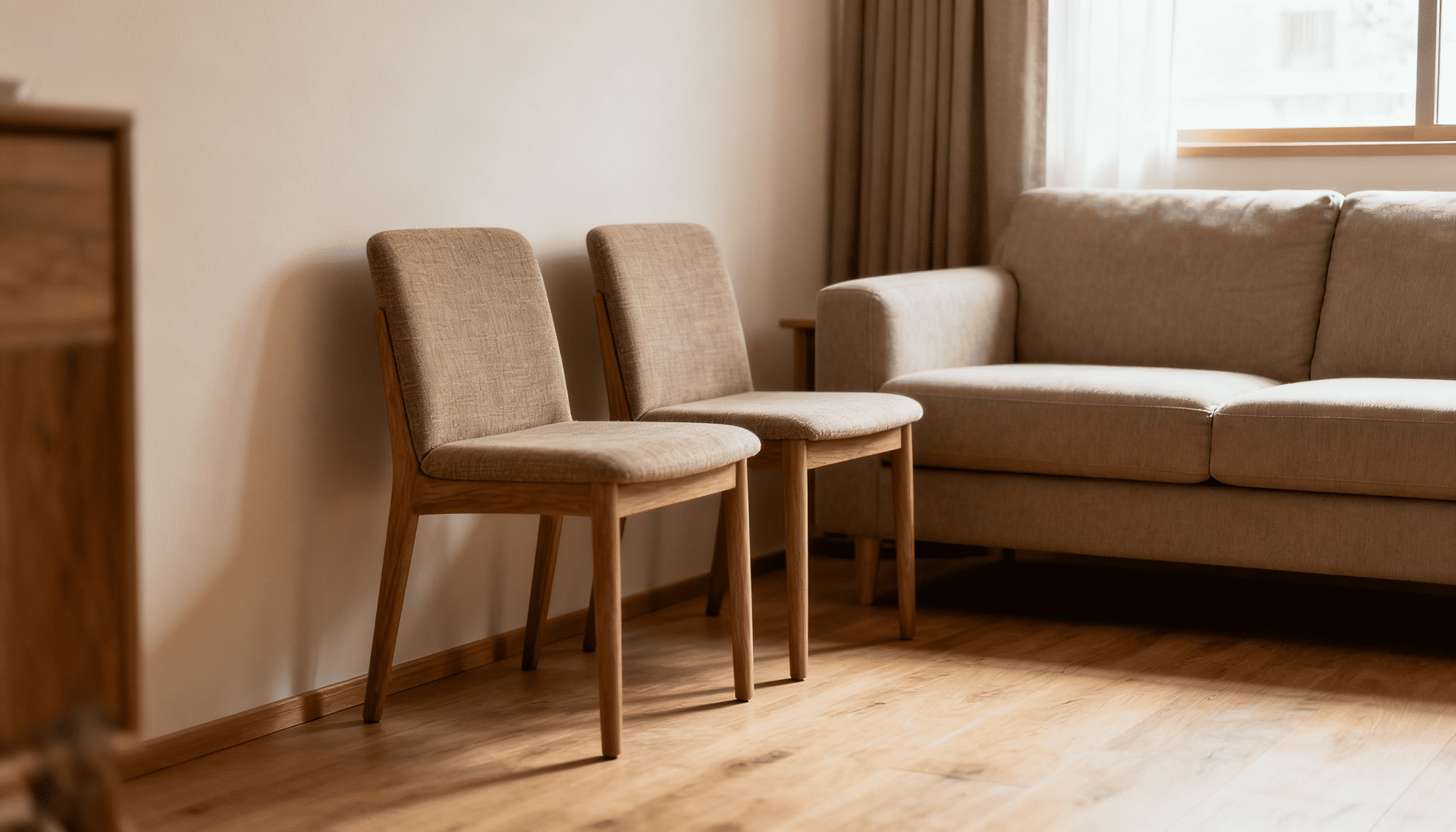
Pick accent chairs without arms for extra seating.
They take up less width than traditional chairs. You can easily tuck them into corners or beside the sofa.
They’re lighter in appearance and easier to move.
18. Add Open Shelving Units
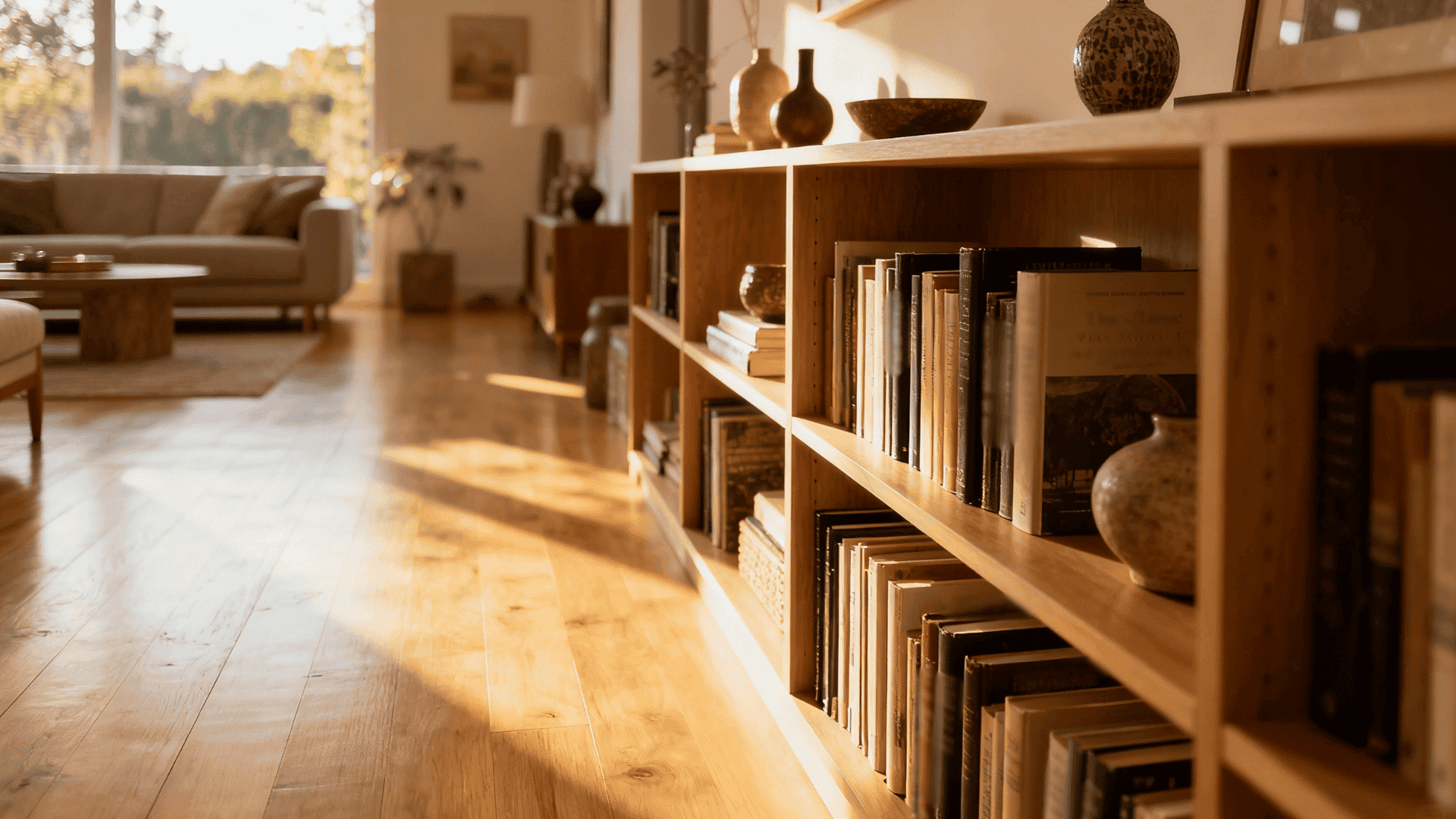
Use an open bookshelf instead of a closed cabinet. Open shelves feel lighter and less blocky.
You can see through them, which maintains sight lines. Display books and decorative objects in an organized way.
19. Place Lamps in Corners
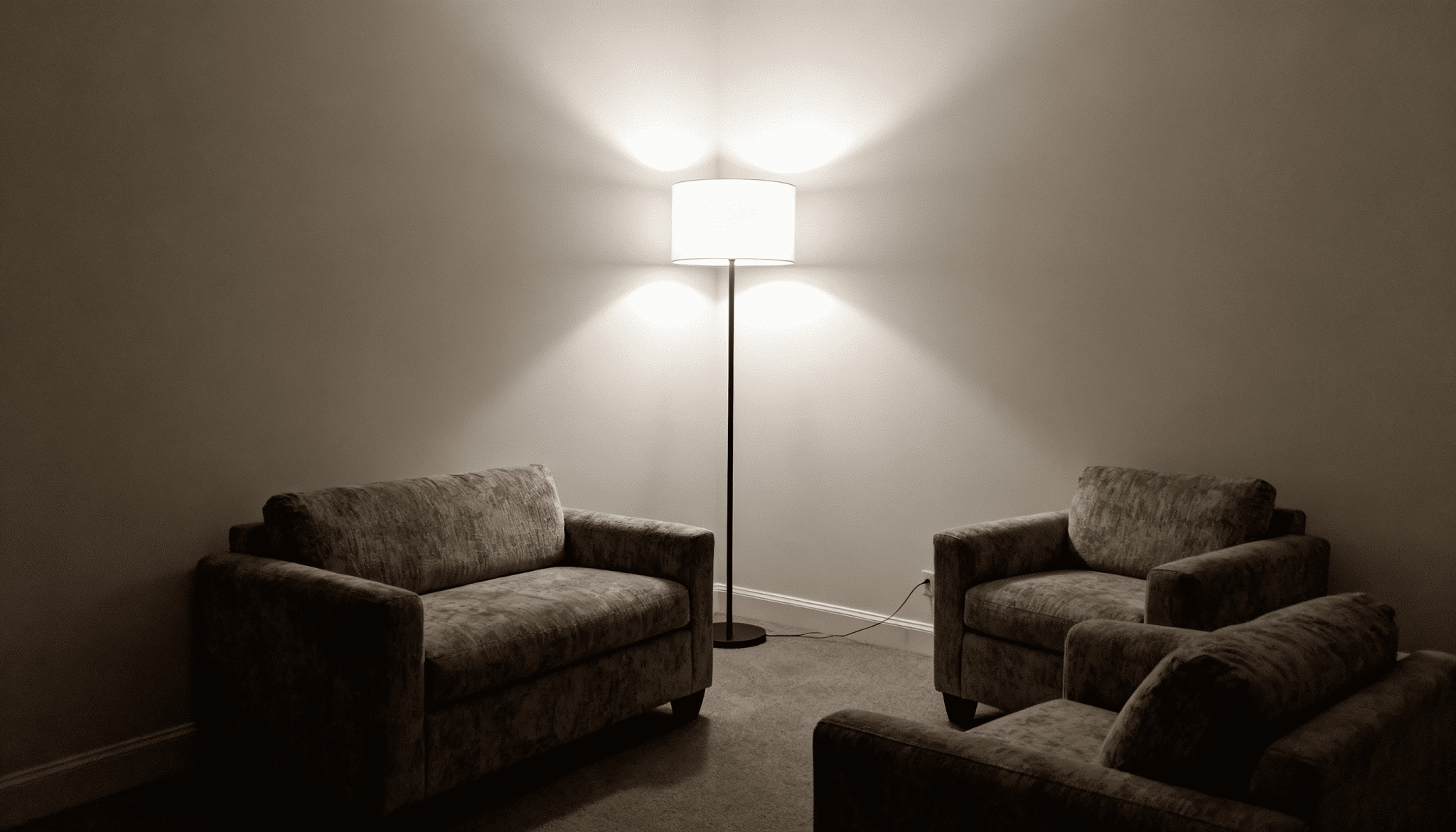
Put floor lamps or table lamps in the corners of your room. This lights up areas that usually stay dark.
Bright corners make the entire space feel larger. The light spreads outward from these spots.
20. Use Foldable Furniture
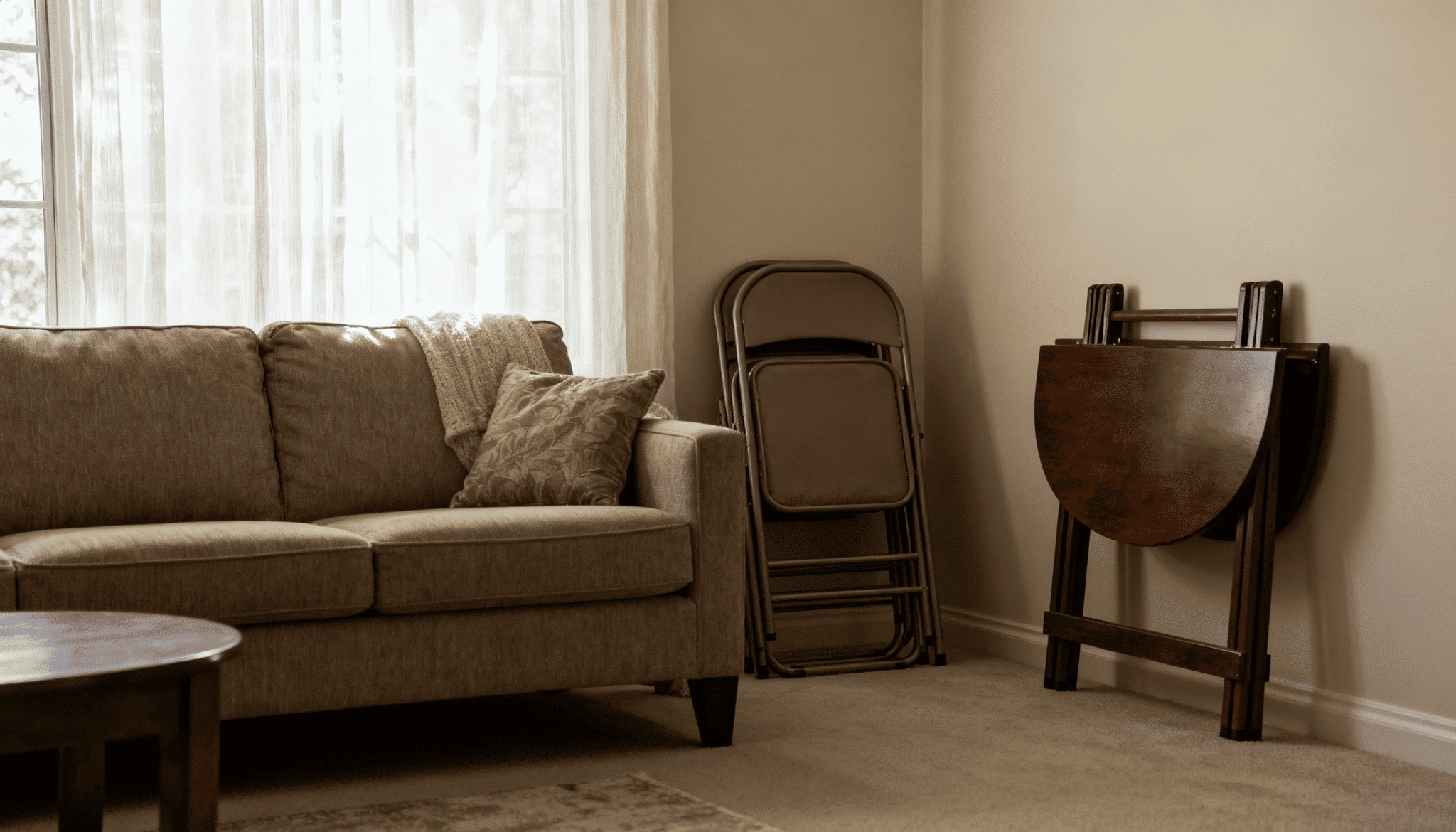
Get chairs or tables that fold flat when not needed. Store them in a closet or behind other furniture. Bring them out only when guests visit.
They provide flexibility without permanent space commitment.
Many people prefer foldable furniture. It gives extra seats for guests, without eating up daily living space.
21. Add Plants on High Surfaces
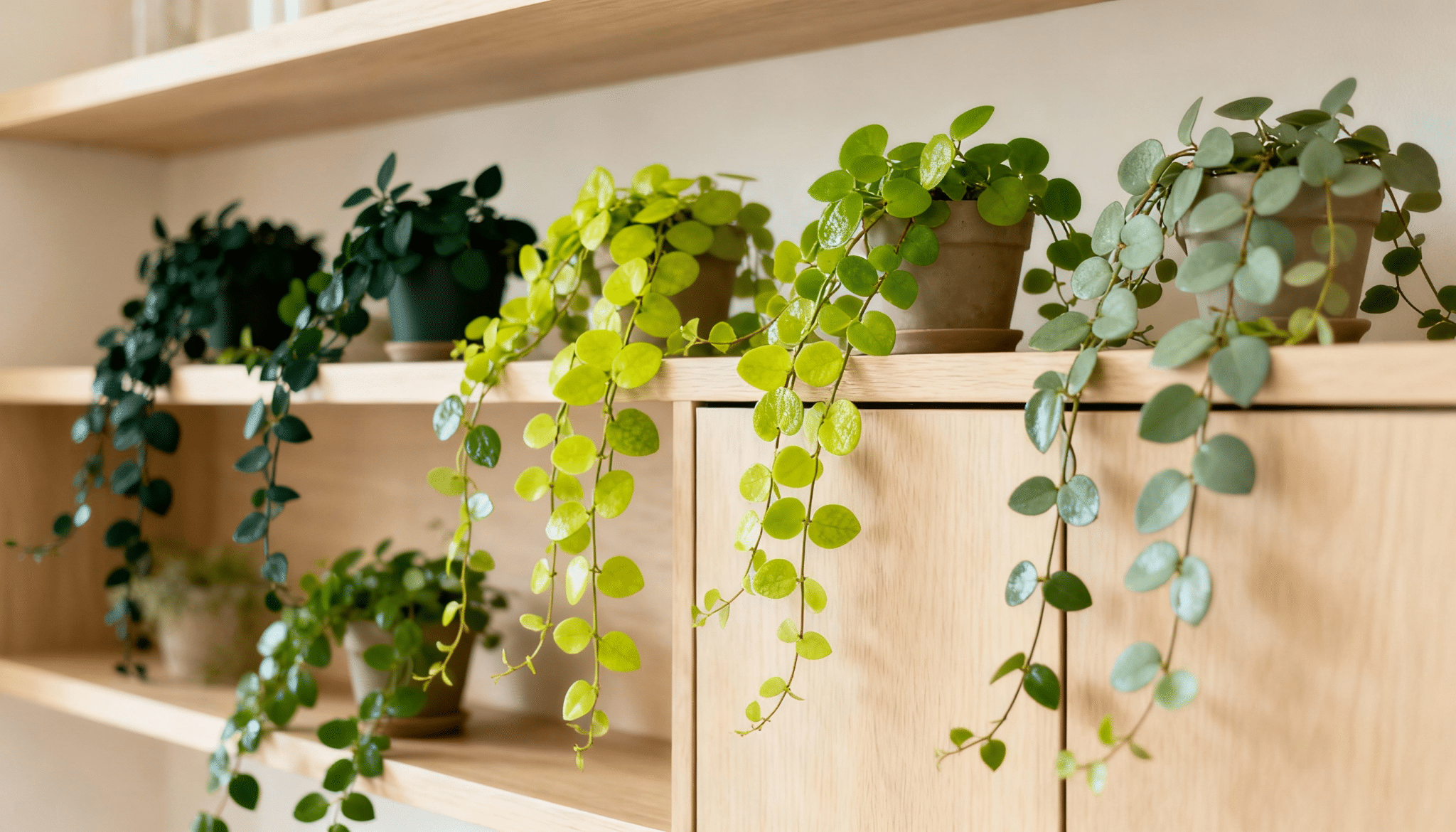
Place small plants on top of shelves, cabinets, or hanging planters. They add life and color without using floor space.
Trailing plants work especially well hanging from above. Greenery makes any room feel fresher and more open.
Elevated Greenery: Put plants up high instead of on the floor. They bring life to my room without taking away precious square footage.
22. Use a Ladder Shelf
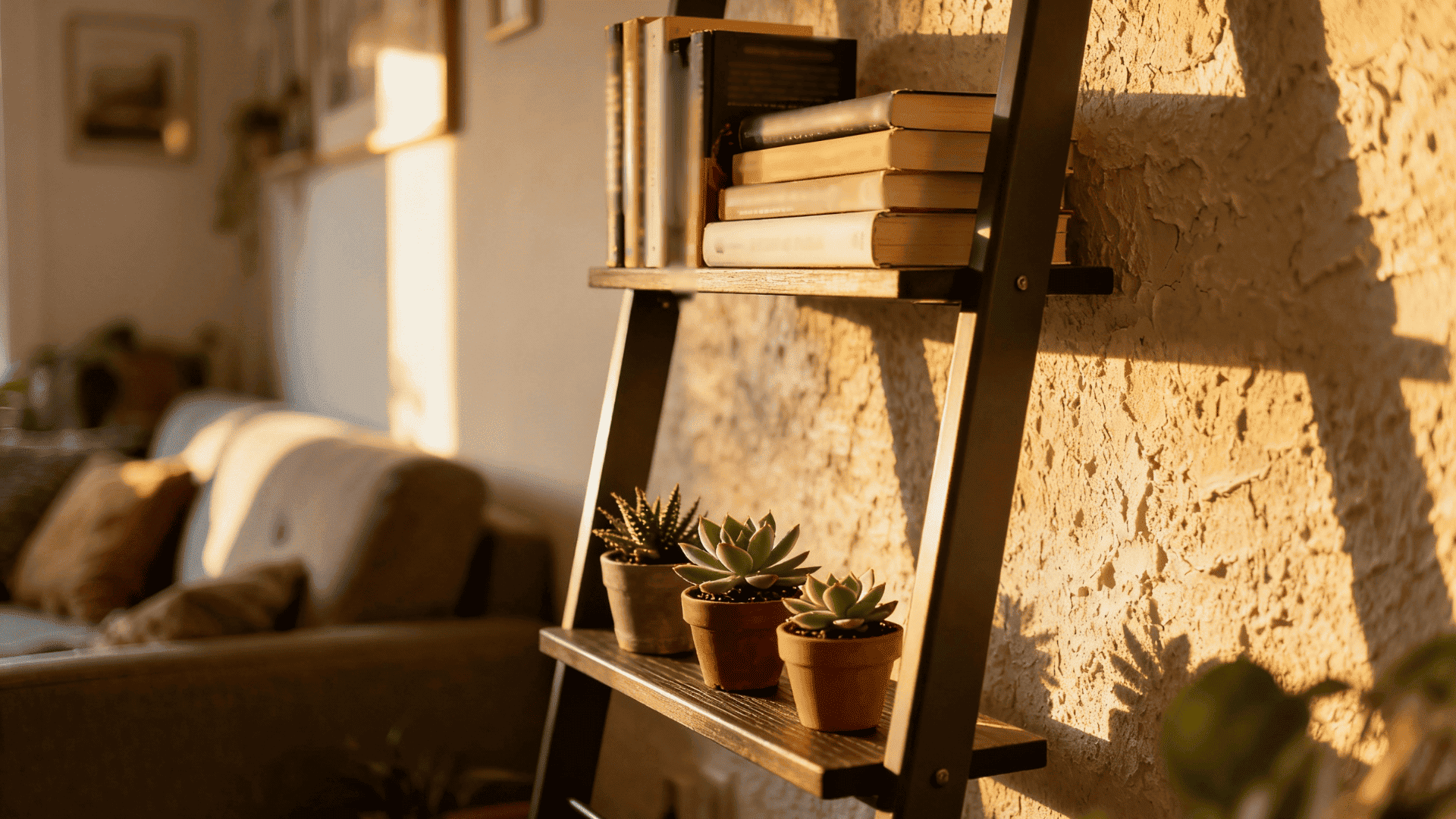
Lean a ladder-style shelf against the wall. These take the tiniest floor space since they angle upward.
Use the rungs to display books, plants, or decorative items. The vertical design draws attention up.
23. Choose Striped Patterns
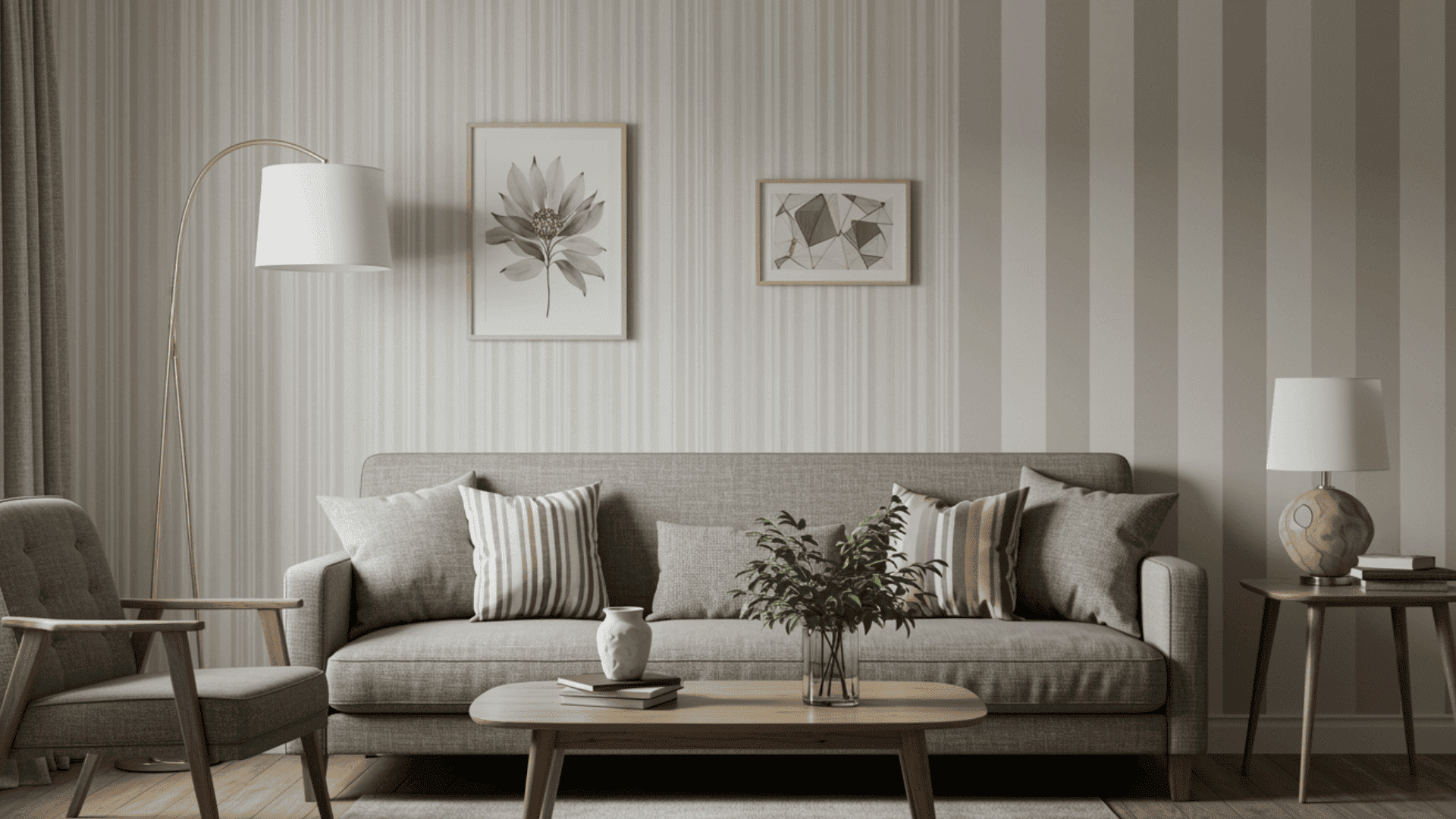
Use striped fabrics or wallpaper in your living room. Vertical stripes make ceilings appear higher.
Horizontal stripes make walls seem wider. Either direction creates an illusion of expanded space through pattern.
24. Add a Large Piece of Artwork
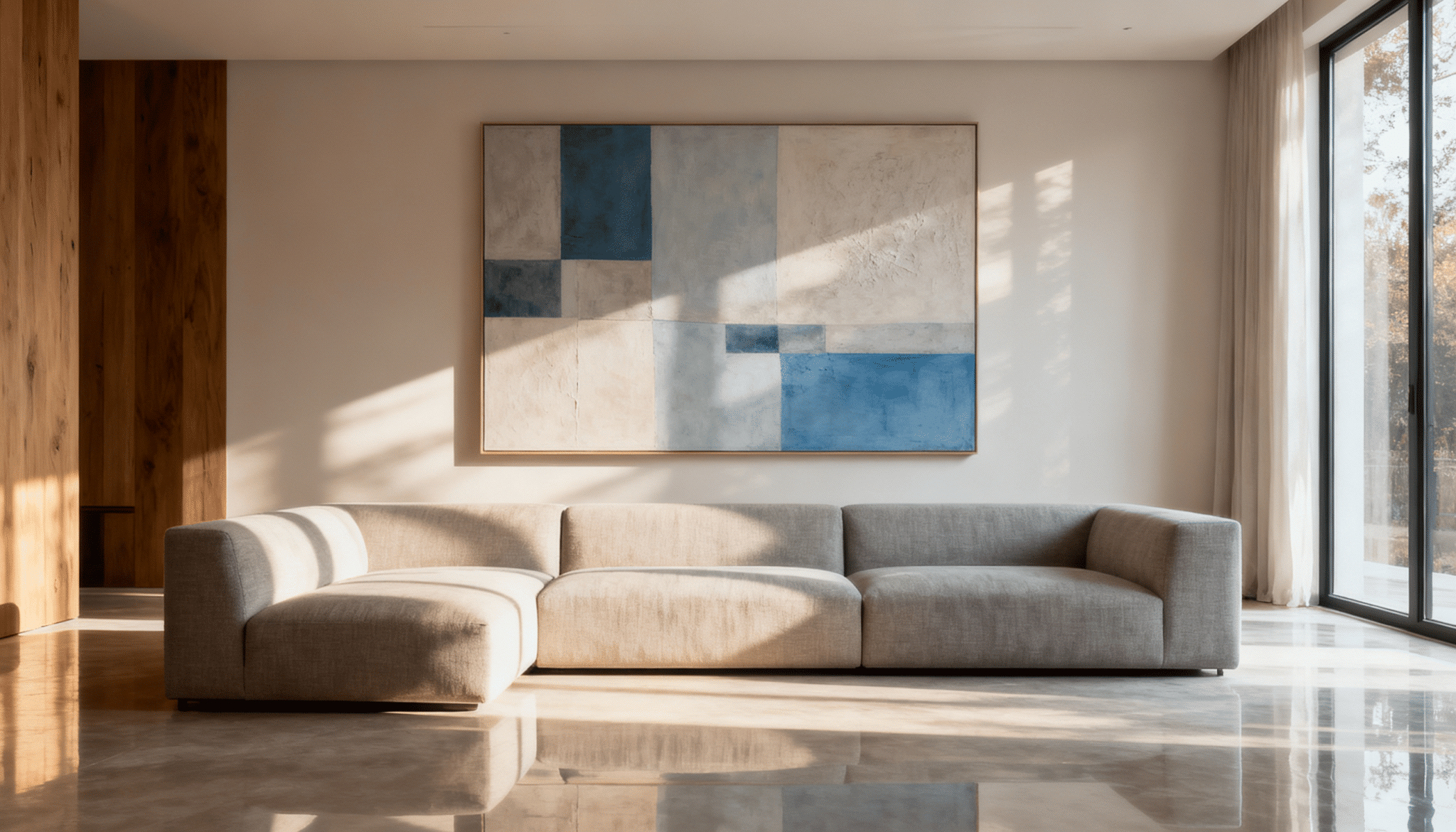
Hang one big piece of art instead of many small ones. A single large artwork creates a focal point and sophistication.
It makes the wall look intentional and less cluttered. The scale tricks the eye into seeing more space.
25. Use Furniture Sliders
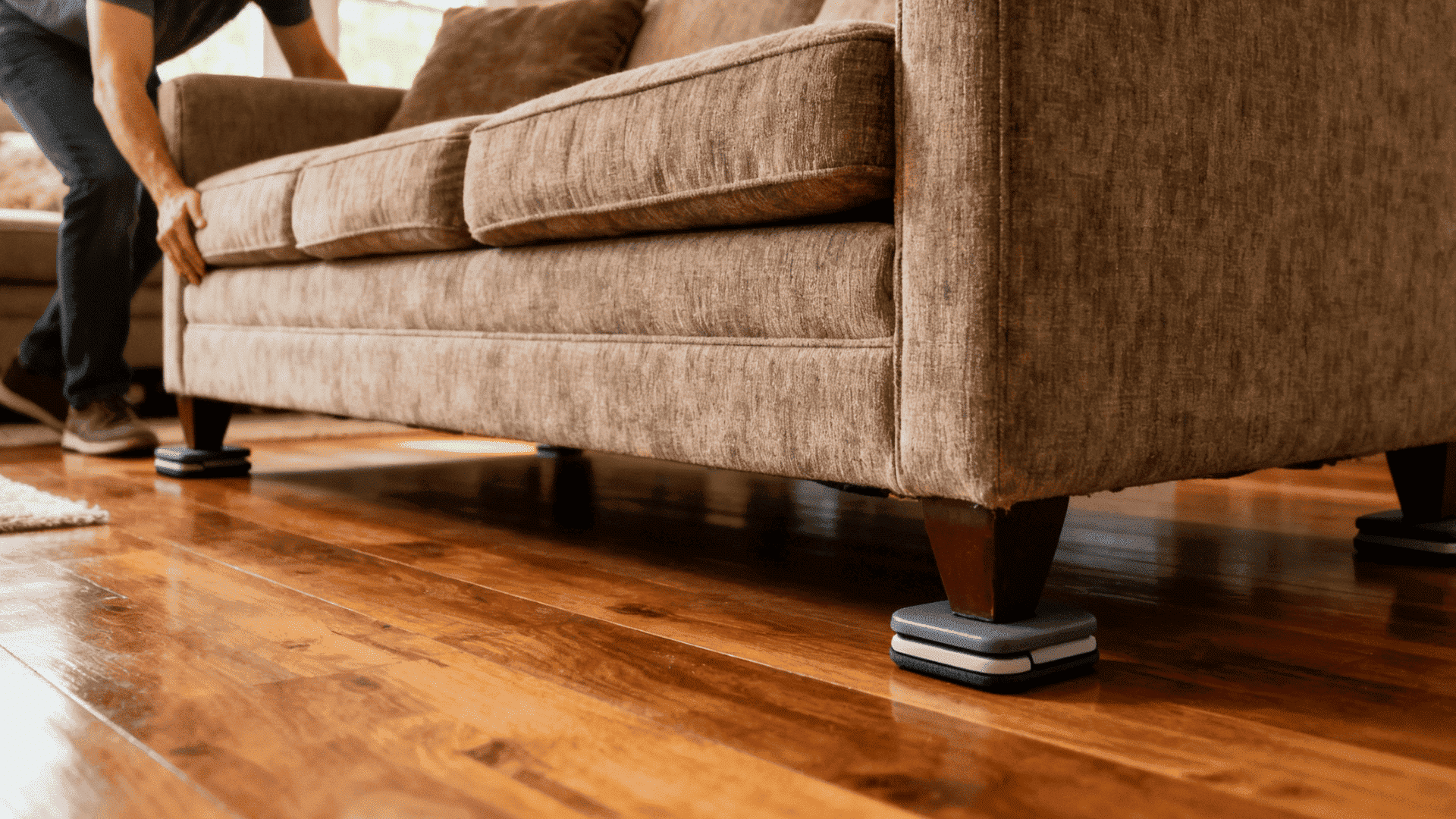
Put sliders under heavy furniture legs so you can move pieces easily.
Rearrange your layout whenever needed without scratching the floors. This flexibility lets you experiment with different configurations. Find what works best for your specific space.
26. Install Crown Molding
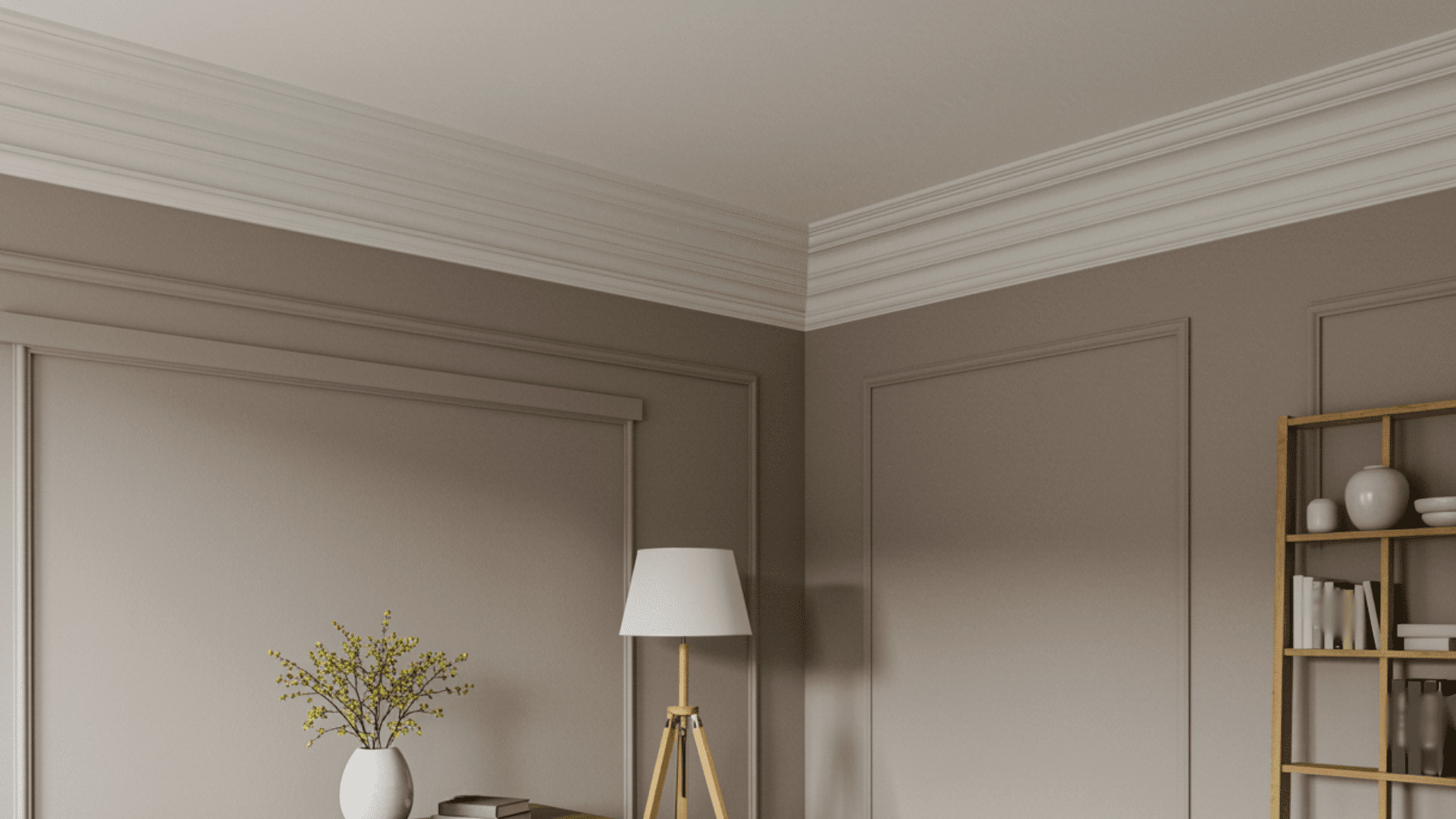
Add crown molding where your walls meet the ceiling. This architectural detail naturally draws eyes upward.
It creates the impression of higher ceilings. The room feels more finished and spacious with this simple addition.
27. Keep Floors Clear
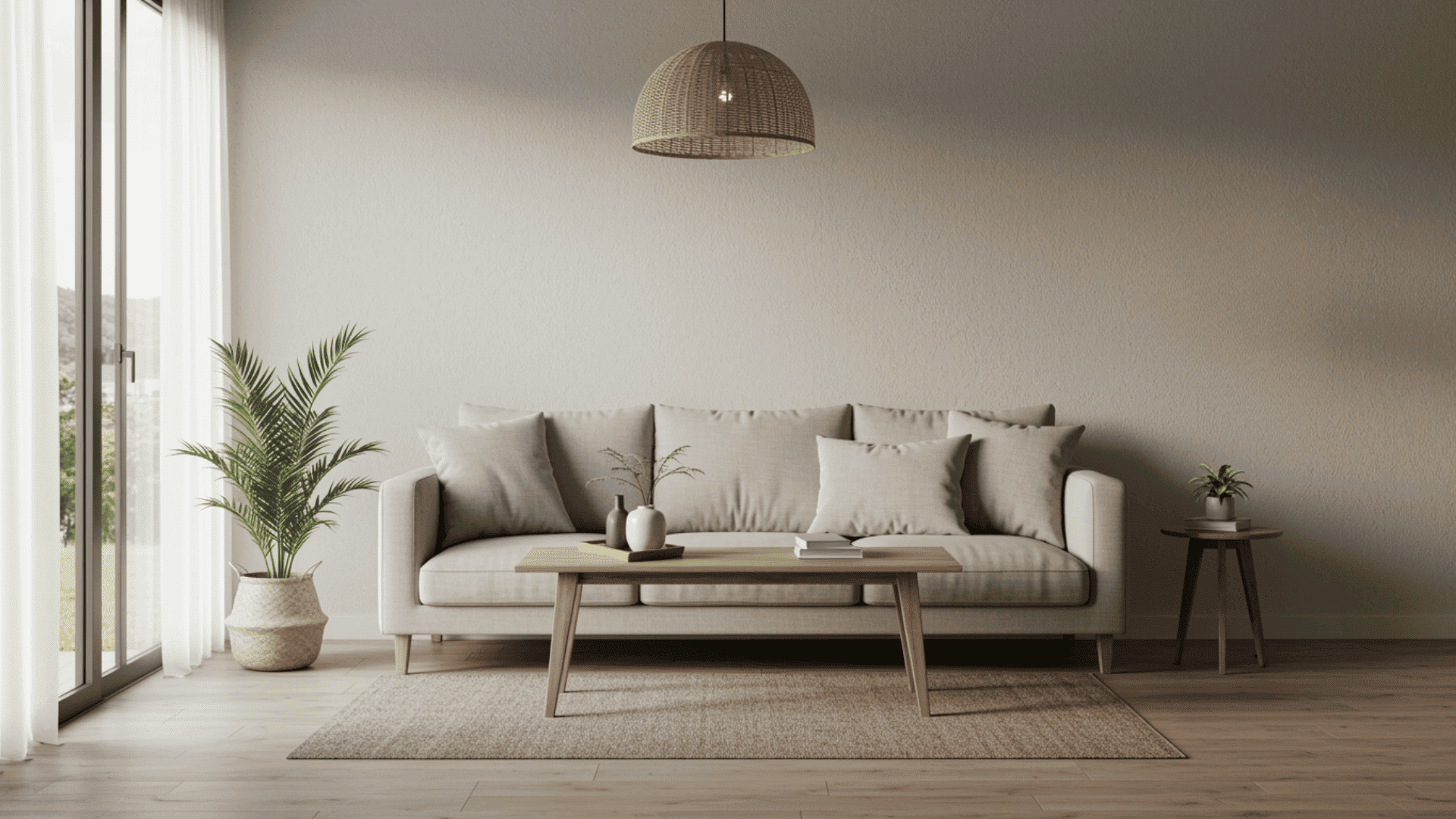
Resist the urge to place too much furniture or decor on the floor. Visible floor space makes rooms feel larger and cleaner.
Aim to see as much flooring as possible. Less really is more in small living rooms.
I follow the less-is-more rule religiously. An open floor makes walking easier, and rooms visually feel twice as big.
Strategies to Decorate Space in a Single-Wide Mobile Home
- Display only your favorite pieces, rather than cluttering every surface with accessories.
- Group decorative objects in sets of three for visual balance without creating chaos or clutter.
- Combine overhead lights, table lamps, and floor lamps to create depth and eliminate dark corners completely.
- Use different materials like wood, metal, and fabric to add interest without busy color patterns.
- Choose sheer or lightweight curtain materials that let natural light filter through during the day.
- Pick a single feature like a fireplace, TV, or artwork to center your design around clearly.
- Stick to one metal finish like brass, chrome, or black throughout the room for consistency.
- Arrange pillows, candles, or plants in groups of three, five, or seven for pleasing arrangements.
- Keep sofas, chairs, and tables at similar heights to create a calm, horizontal flow.
- Include family photos or mementos, but limit them to one dedicated area or wall space.
Final Thoughts
Now you know that the best single wide small mobile home living room ideas don’t have to feel cramped or limiting. You have seen multiple strategies that work in real homes just like yours.
The key is choosing what fits your lifestyle and budget. Pick one or two ideas from this list and try them out.
See how they change your space before moving on to the next improvement.
Living in a compact space teaches you to be creative and intentional. Every choice matters more. But that’s actually a good thing because it forces you to keep only what you truly love and need.
What will you try first in your living room?