
Waking up with itchy, red bites, and wondering where they came from? Bed bugs could be hiding in your wooden furniture, and you might not even know it.
In this blog, you will see precise signs of bed bugs in wood furniture.
You’ll learn how to check for these pests, what their evidence looks like, methods of removal, how to inspect secondhand furniture, and how to protect your home.
What are Bed Bugs?
Bed bugs are small, flat insects that feed on human blood.
They are about the size of an apple seed and reddish brown. They come out at night and do not stay only in beds.
They hide close to where people sleep. Wooden furniture gives them many places to stay hidden.
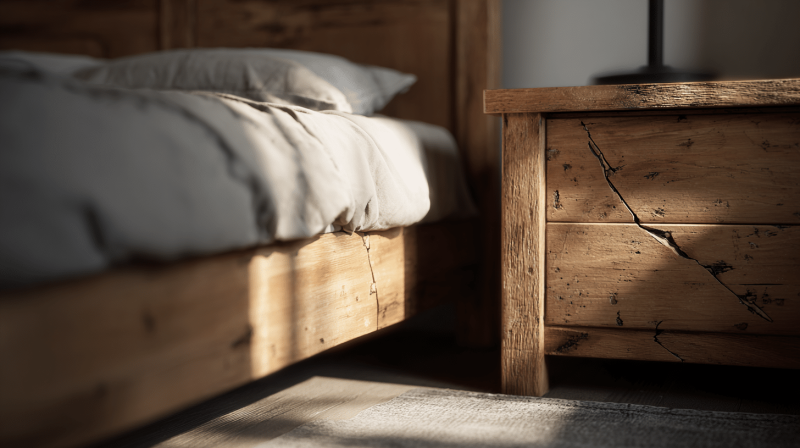
Cracks, seams, joints, and gaps in wood are perfect hiding spots. Bedroom furniture sits very close to your bed.
This makes it an easy place for bed bugs to settle. They can crawl from a dresser or nightstand to your bed at night.
Can Bed Bugs Live in Wood Furniture?
Yes, bed bugs can live in wooden furniture. They do not eat wood.
They hide in splits, dents, and tight spaces where wood pieces join. Bed bugs prefer tight spaces where they feel secure during daylight hours.
How Bed Bugs Get Into Wooden Furniture
Here’s how these hitchhikers actually make their way into your wooden furniture.
- Used Furniture from Thrift Stores: Secondhand furniture often harbors hidden bed bugs. They hide deep in the cracks before you bring the piece home. Always inspect used items carefully before purchasing them.
- Hotel and Travel Luggage: Bed bugs climb into your suitcase while you’re traveling. They hide in seams and pockets during your trip. You unknowingly carry them home, and they spread to your furniture.
- Spreading from Mattress Infestations: If your bed has bed bugs, they crawl to nearby furniture, moving at night to find new hiding spots. Wooden nightstands and dressers quickly become their next home.
- Neighbor Infestations in Apartments: Bed bugs move through wall cracks and outlets between apartments, seeking hosts. Shared walls facilitate their spread throughout buildings.
- Guest Bags and Clothing: Visitors can accidentally bring bed bugs in their belongings, hiding in backpacks, purses, and coat seams, then quickly infest wooden furniture permanently.
Most Common Signs of Bed Bugs in Wood Furniture
Spotting bed bugs early can prevent a large infestation. Watch for signs on your wooden furniture.
Live Bed Bugs
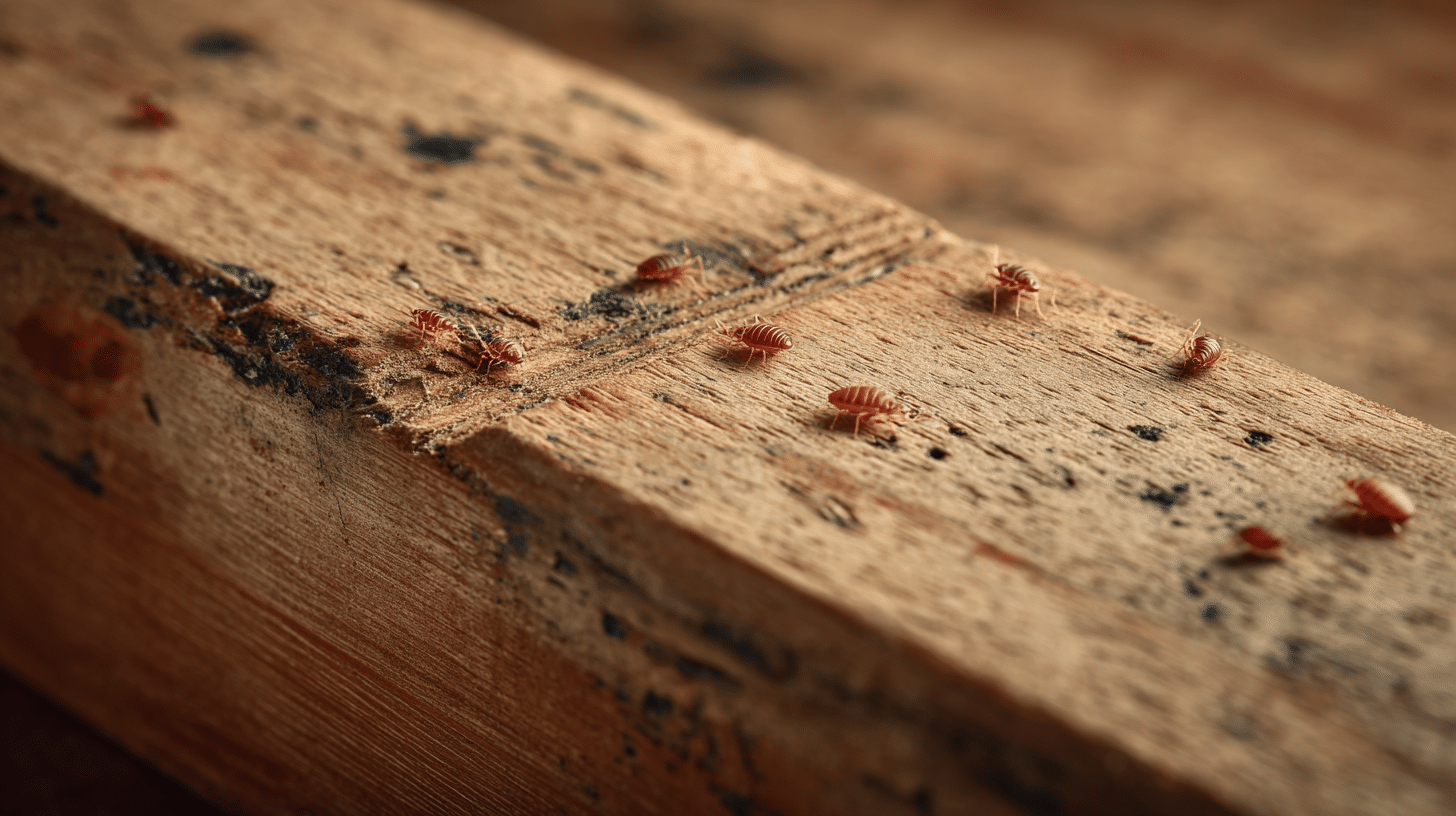
The most obvious sign is seeing the bugs themselves. Adult bed bugs are visible to the naked eye.
They’re flat, oval, and reddish-brown. Check furniture joints and crevices carefully, as you might spot them clustered or moving slowly in tight spaces during the day.
Dark Spots and Stains
These are bed bug droppings, tiny ink-like spots on furniture that are dark brown or black, often in clusters near hiding spots.
They smudge when wiped with a damp cloth and are easy to spot on light-colored wood.
Blood Smears
Small reddish-brown streaks on furniture come from crushed bed bugs, seen when bugs get squished after feeding, often on bed frame edges or headboard.
These rusty blood marks are lighter than fecal spots and more noticeable on wood.
Shed Skins
Bed bugs molt as they grow, leaving behind translucent shells opposite cracks and furniture joints.
Young bugs shed skins five times before adulthood. More skins suggest a bigger infestation.
Musty Odor
A large bed bug infestation produces a sweet, musty smell from their scent glands, noticeable near heavily infested furniture.
Not everyone detects it, but if you do, investigate further.
Signs of Bed Bugs on Furniture Beyond Wood
Bed bugs don’t discriminate when it comes to furniture materials. Here’s what to look for on other types:
- Upholstered furniture: Check seams, cushion zippers, and under cushions for bugs and stains.
- Metal frames: Look for bugs hiding in screw holes, joints, and hollow tubing.
- Plastic furniture: Inspect connection points and any cracks in the material.
- Wicker and rattan: Examine the woven patterns where bugs can easily hide.
- Leather furniture: Check tufted areas, seams, and underneath for signs of activity.
How Long Can Bed Bugs Survive?
Bed bugs are incredibly resilient pests. Knowing their survival helps you plan your treatment strategy better.
| Condition | Survival Time | What This Means |
|---|---|---|
| Without feeding | 2-6 months | They can wait a long time for their next meal |
| In cold temperatures (below 32°F) | Several days to weeks | Freezing kills them, but it takes consistent cold |
| In hot temperatures (above 113°F) | Minutes to hours | Heat kills them quickly and effectively |
| In empty homes | Up to a year | They enter a dormant state and wait for hosts |
| As eggs | 6-17 days to hatch | Eggs are harder to kill than adult bugs |
| Adult lifespan | 6-12 months | They live long enough to reproduce many times |
| Between molts (young bugs) | 1-2 weeks | Young bugs need frequent feeding to grow |
| In treated areas | Varies by method | Some treatments work instantly, others take days |
Removal of Bed Bugs
Getting rid of bed bugs takes effort, but you can do it.
Here are methods that actually work to eliminate these pests from your furniture.
1. Vacuuming
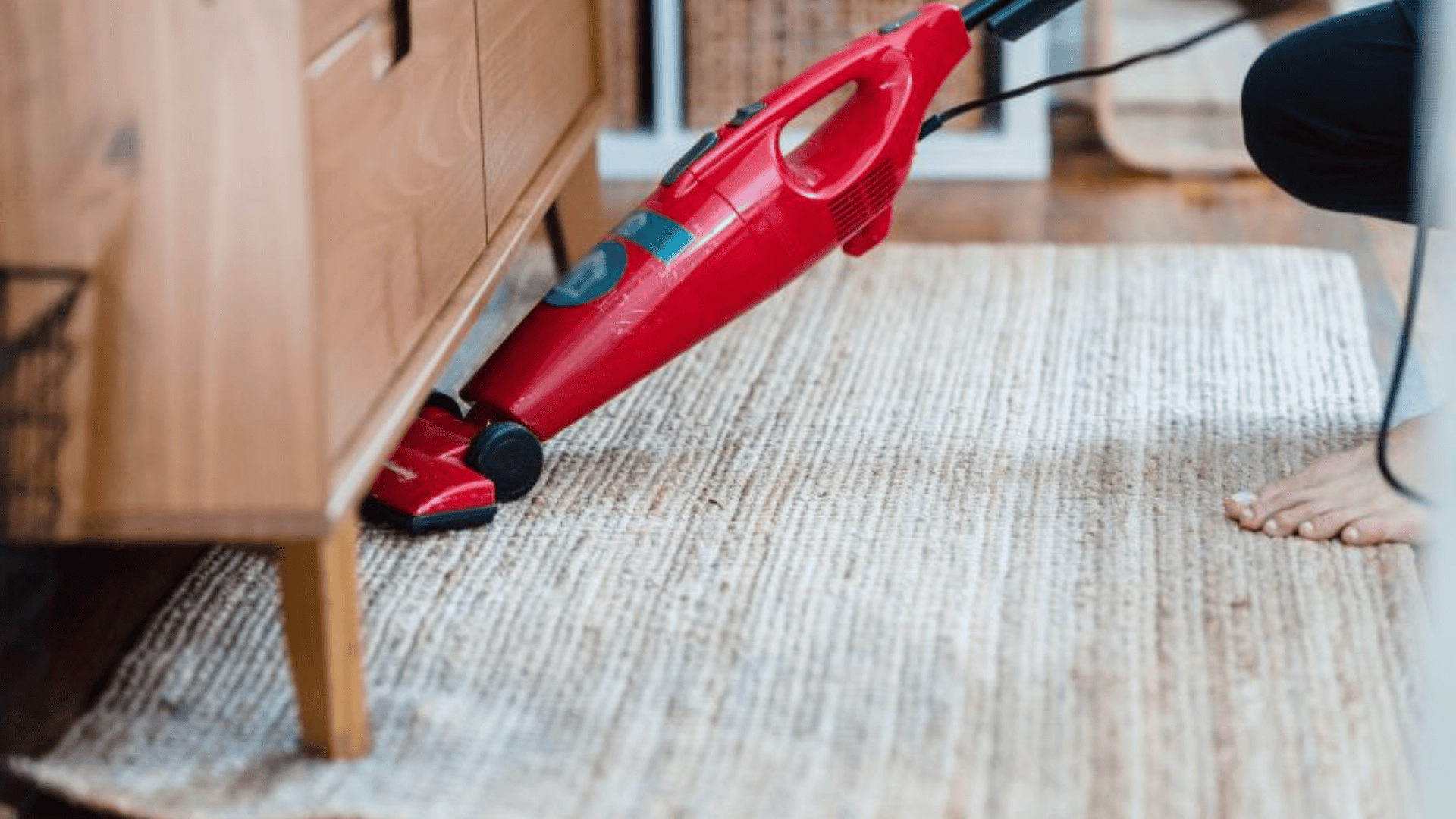
Use a vacuum with a strong suction to remove bed bugs from your wooden furniture.
Focus on all the cracks, joints, and crevices where they hide. Go over each area multiple times to catch as many bugs as possible. After vacuuming, immediately seal the vacuum bag in plastic and throw it away outside.
This prevents any surviving bugs from escaping back into your home.
2. Heat Treatment
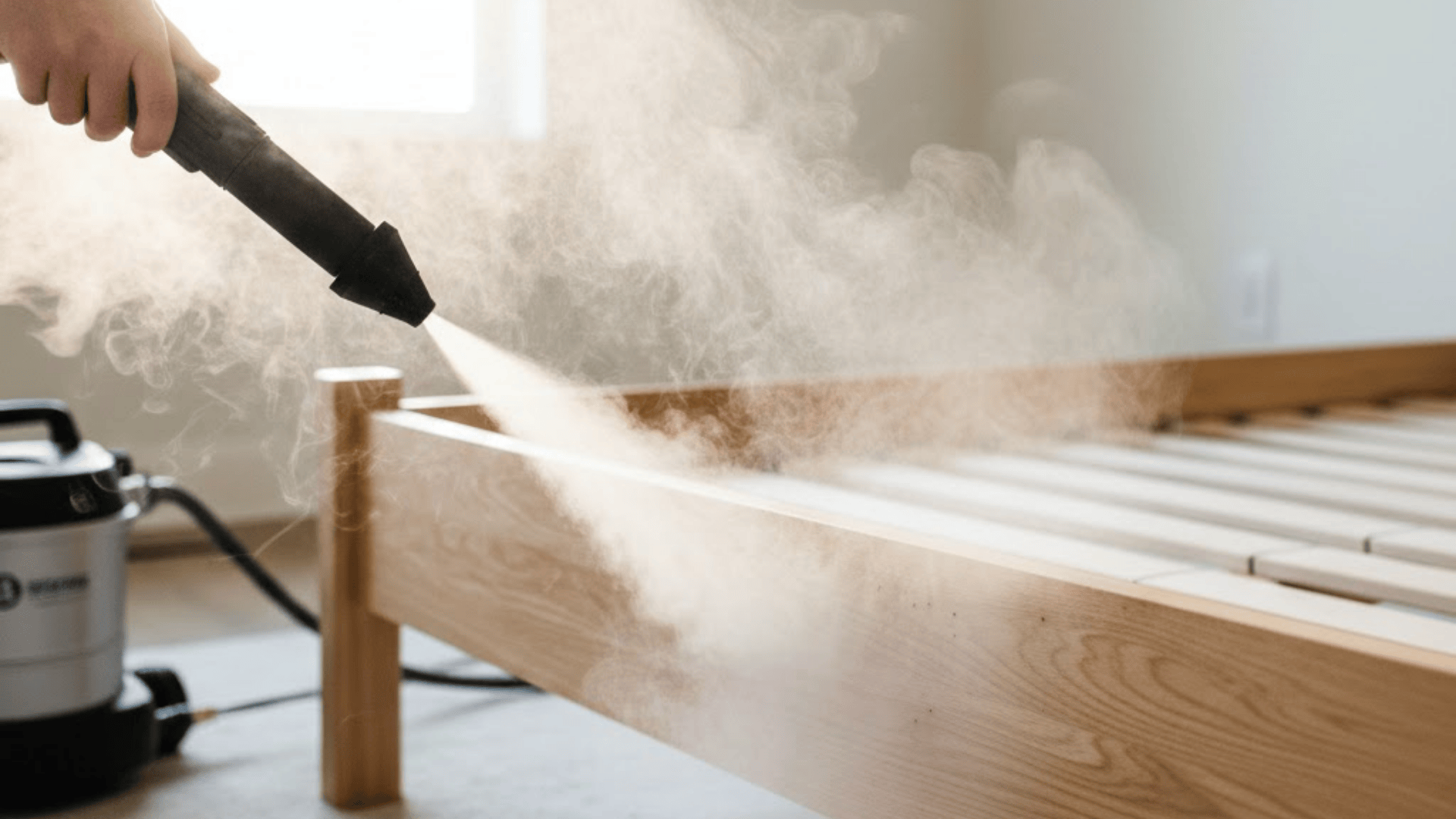
Bed bugs can’t survive extreme temperatures.
Expose your wooden furniture to heat above 120°F for at least 90 minutes. You can use a steam cleaner on furniture surfaces and joints.
For smaller items, please place them in black plastic bags and leave them in direct sunlight.
Professional heat treatments work faster and reach all the hidden bugs. This method kills bugs at all life stages.
3. Cold Treatment

Freezing is another temperature method that works well.
Place smaller wooden items in your freezer at 0°F for at least four days. This kills all bed bugs and their eggs.
Ensure the temperature remains consistently cold during treatment. Large furniture is harder to freeze without a commercial freezer.
Cold therapy is ideal for items like picture frames and small decorations.
4. Insecticide Sprays
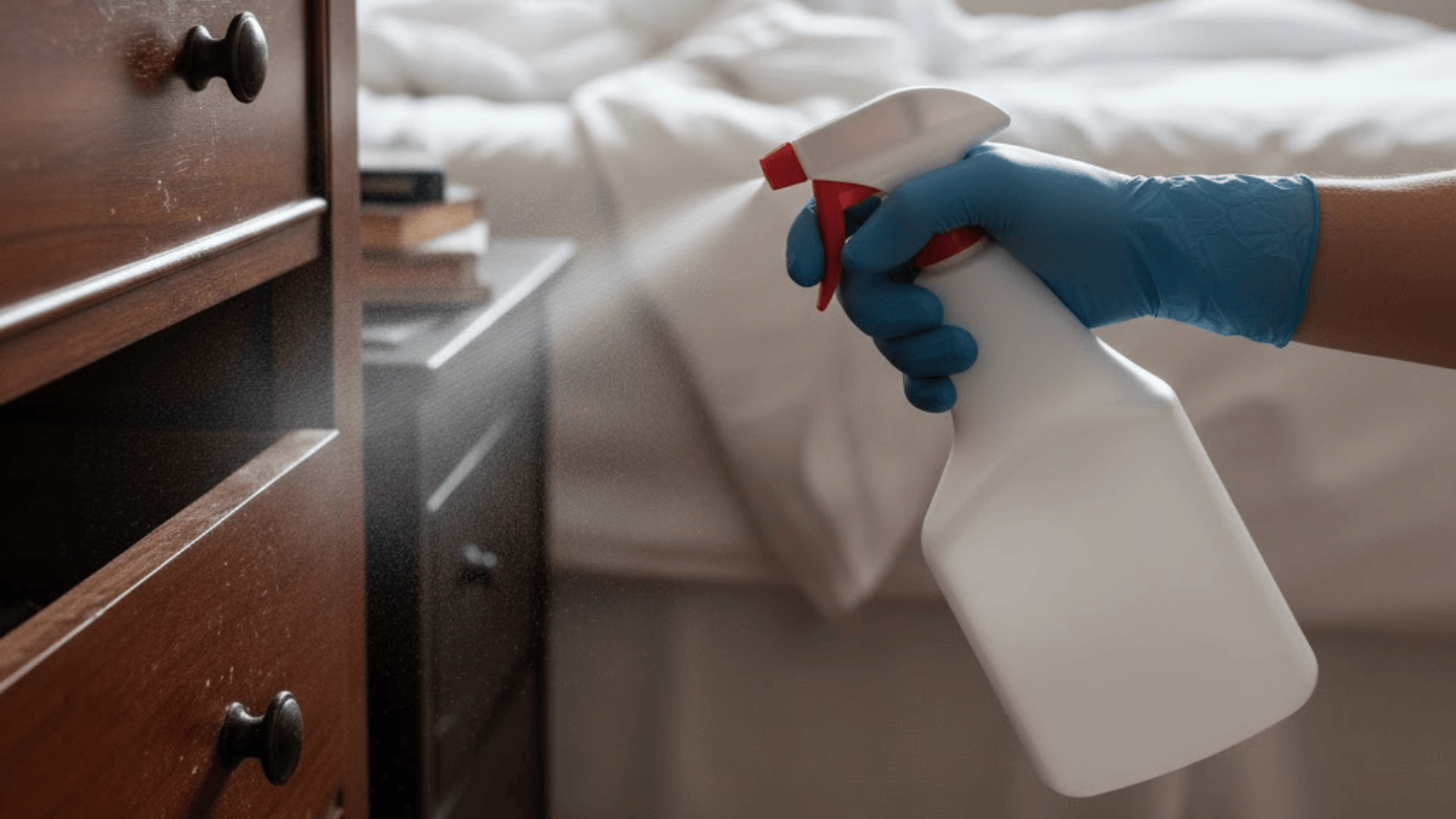
EPA-approved insecticides can kill bed bugs on contact. Apply sprays directly into cracks and crevices of your wooden furniture. Always read and follow the label instructions carefully.
Some products need multiple applications over weeks. Be careful with chemicals around children and pets.
Hire a professional exterminator for safer, more effective treatments.
5. Diatomaceous Earth

This natural powder damages the outer shell of bed bugs and dries them out.
Sprinkle food-grade diatomaceous earth in cracks and around furniture legs. The bugs pick up the powder as they crawl through it.
It takes several days to work, and it’s non-toxic.
Reapply after cleaning or if wet. Keep away from your face to avoid inhaling dust.
6. Professional Extermination
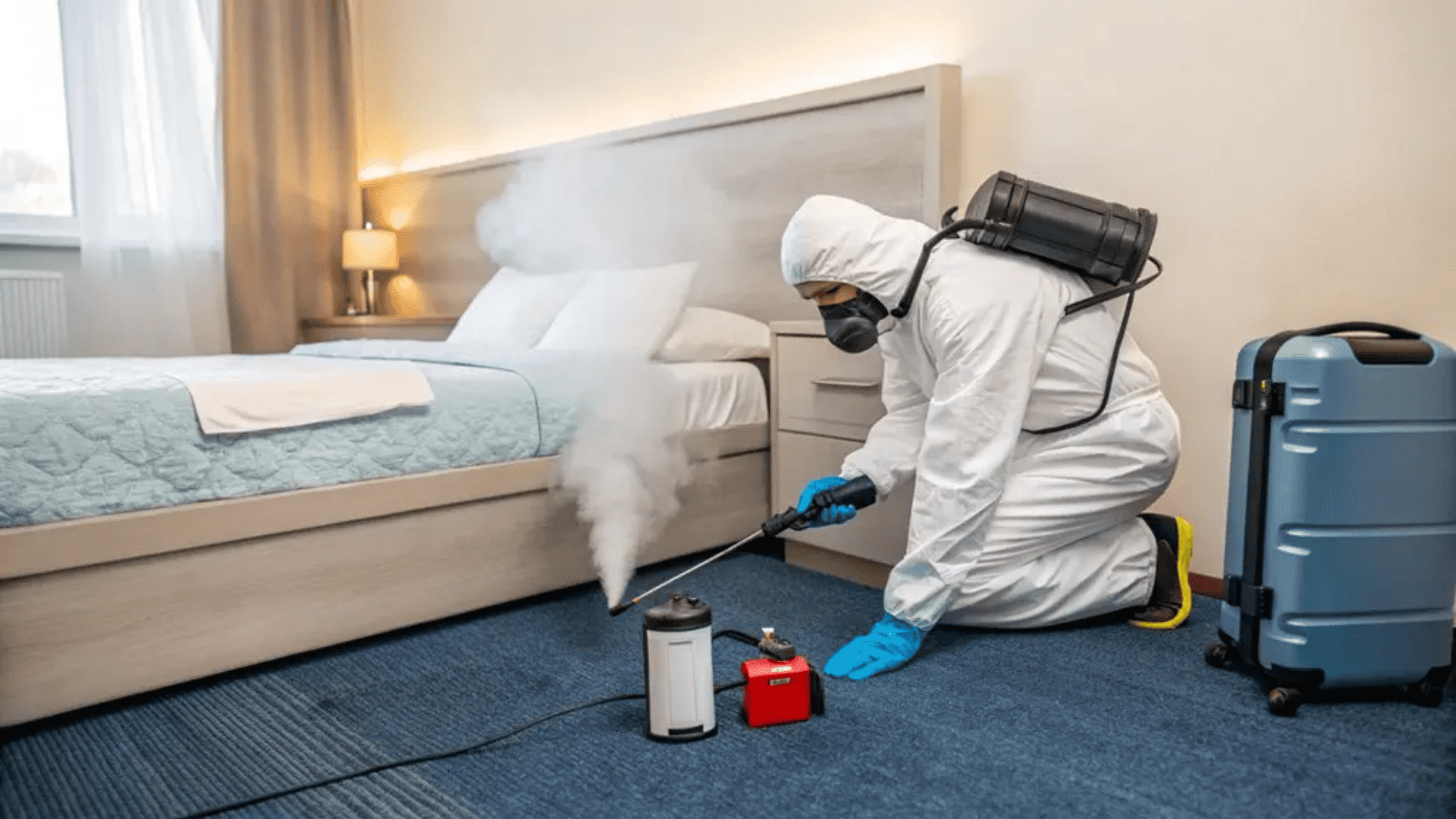
Professional exterminators have access to stronger treatments and specialized equipment.
They can inspect your home and create a treatment plan, often combining methods for better results.
The cost is higher but includes guaranteed results and follow-ups if needed.
How to Inspect Secondhand Furniture Before Bringing It Home
Always inspect for signs of bed bugs in wood furniture before bringing it home to avoid a bed bug nightmare.
Check All Cracks and Joints
Run your fingers along every seam and joint of the furniture piece. Look inside any gaps or splits in the wood.
Bring a flashlight to see into dark corners and hidden areas clearly.
Examine the Underside
Flip the furniture over if you can. Bed bugs often hide on the bottom where nobody looks.
Check the undersides of drawers and any fabric or paper backing attached to the piece.
Look for Telltale Signs
Please search for the dark spots, shed skins, and stains.
Even one small sign means you should walk away. Don’t risk bringing an infestation into your home for any furniture deal.
Smell the Furniture
Take a good sniff near joints and in drawers. That musty, sweet odor is a red flag.
If something smells off or unusual, trust your instincts and leave the furniture behind.
Inspect Upholstered Parts
If the wooden furniture has any fabric cushions or padding, check those carefully.
Lift cushions and look at the seams. Feel along the edges for any bumps or irregularities that could be bugs.
Final Thoughts
Now you know exactly what to look for when checking your wooden furniture for bed bugs.
Catching them early makes all the difference. Regular inspections of your furniture help you stay one step ahead of these pests. Remember to be extra careful with used furniture.
If you do find signs of bed bugs in wood furniture, don’t wait. Start treatment right away or call a professional.
Your home should be a place where you feel safe and comfortable.
Keep an eye on your wooden furniture, and you’ll sleep soundly knowing these pests aren’t sharing your space.