
Most people obsess over paint colors and totally ignore the finish.
Big mistake.
The sheen you pick can make or break a room faster than choosing the wrong shade of beige.
A flat finish might hide your bumpy drywall, but good luck wiping off a greasy handprint.
Gloss looks slick until every wall imperfection screams at you.
Satin lands somewhere in between, and that’s precisely why paint stores can’t keep it on the shelves. We’re cutting through the confusion here.
You’ll know if satin paint on walls actually works or if you need to look elsewhere.
What is Satin Paint?
It’s got a gentle sheen that catches light without looking like you shellacked your living room.
When you walk past a satin-painted wall, you’ll notice a soft glow, not a mirror-like reflection.
Flat paint soaks up light and looks completely matte. Gloss bounces light everywhere and can feel too intense for most rooms.
It has just enough shine to make colors look richer, but not so much that it feels overdone.
Designers call it a safe choice because it rarely looks wrong in any home style.
Characteristics and Features of Satin Paint on Walls
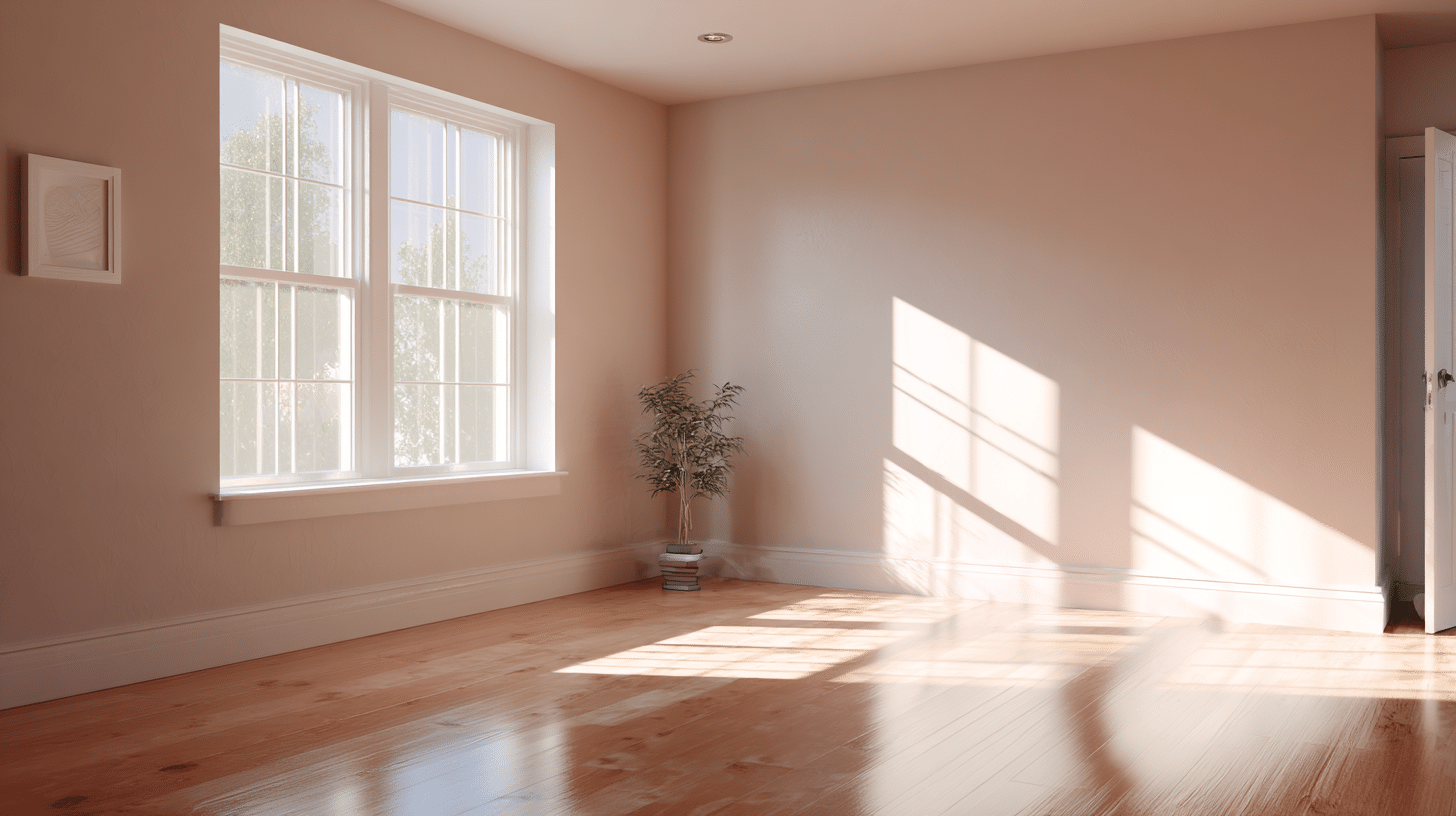
Satin paint brings specific qualities to your walls that separate it from other finishes on the paint aisle.
1. Moderate Sheen Level
Satin paint reflects about 25 to 35 percent of the light that hits the surface.
This creates a soft glow that adds dimension and makes colors appear deeper than flat finishes.
2. Superior Durability
This finish handles daily wear and tear better than flat or eggshell options.
It resists scuffs, marks, and general contact from furniture, people, and pets without showing damage.
3. Easy to Clean
You can wipe satin walls down with soap and water when spills or marks appear.
The finish doesn’t break down or fade from regular cleaning as matte paints do.
4. Moisture Resistant
Satin paint stands up to humidity better than flat or eggshell finishes.
Steam and dampness don’t cause peeling or mildew issues, making it suitable for kitchens and bathrooms.
5. Solid Coverage
The paint spreads evenly and typically needs just two coats for full coverage.
One gallon covers approximately 350 to 400 square feet.
6. Rich Color Payoff
Satin finish enhances paint colors and makes them look more vibrant on walls.
The slight sheen brings out undertones and depth that flat paint can’t match.
7. Highlights Imperfections
The reflective quality shows wall flaws more than matte finishes do.
Walls need proper prep work before painting, or the finish will broadcast every bump and crack.
Pros and Cons of Satin Paint
Every paint finish has its strengths and weak spots, and satin is no exception.
| Pros | Cons |
|---|---|
| Cleans up easily with just soap and water | Shows wall imperfections more than flat paint |
| Resists moisture and mildew better than matte finishes | It can look streaky if you don’t apply it evenly |
| Durable enough for high-traffic areas | Touch-ups sometimes show unless you repaint the whole wall |
| Makes colors appear more vibrant | Costs more than flat paint per gallon |
| Works well in almost any room | Needs better surface prep before painting |
| Reflects light nicely without being too shiny | Not ideal for ceilings since the sheen draws eyes upward |
The Aesthetic Appeal of Satin Paint on Walls
Satin doesn’t just sit on your walls.
It interacts with everything around it, and that’s what makes it interesting to work with.
1. How Satin Looks in Natural Light vs Artificial Light
Natural daylight makes satin paint glow softly and shift as the sun moves, bringing out true colors throughout the day. Artificial light changes the mood completely.
Warm bulbs create a cozy feel, while cool LEDs make the same walls look crisp and modern.
2. Small Rooms vs Large Rooms
In smaller spaces, satin paint actually helps.
Large rooms handle satin beautifully because the sheen adds visual interest across those big wall expanses without looking dull.
3. When Satin Enhances a Space
Clean-lined interiors love satin paint because that soft sheen adds character without competing for attention.
Homes with kids running around, dogs brushing against walls, or just regular everyday traffic need paint that can take a beating, and satin delivers.
4. When It Might Not Be Ideal
Got walls that look rough?
Satin will highlight every crack and dent since that subtle shine acts like a spotlight on imperfections.
Heavy textures like orange peel or knockdown can make the sheen look patchy because light hits all those bumps differently.
Satin Paint vs Other Common Wall Finishes
Choosing between paint finishes isn’t about good or bad options.
Satin vs Flat Paint
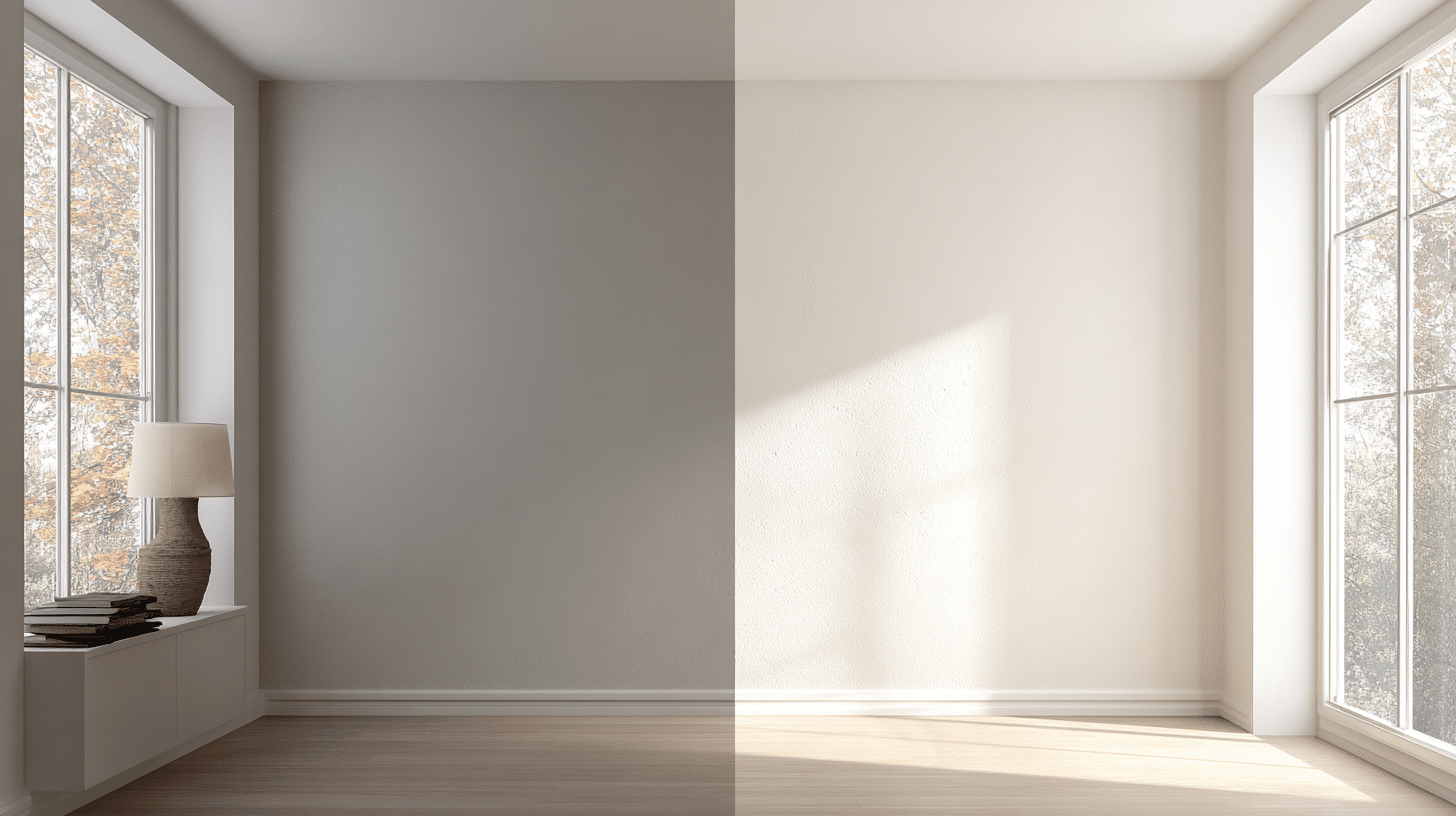
Flat paint hides flaws but can’t be cleaned, while satin handles messes easily but needs smooth walls to look good.
- Coverage Area: Flat paint typically covers 400-450 square feet per gallon since it soaks into surfaces. Satin covers 350-400 square feet because of its higher resin content.
- Color Selection: Both finishes come in virtually every color. Flat makes colors look softer and more muted. Satin deepens colors and adds richness.
- Durability and Wear: Flat paint shows scuffs and can’t be scrubbed. Satin resists moisture, handles cleaning, and lasts years longer in busy spaces.
- Application Ease: Flat paint forgives poor technique and hides roller marks. Satin requires steadier application and shows streaks if you’re sloppy.
- Drying Time: Both dry to the touch within a couple of hours. Flat paint reaches complete cure faster since it has less binder. Satin needs a full day or two before you can start heavy cleaning.
Satin vs Eggshell Paint
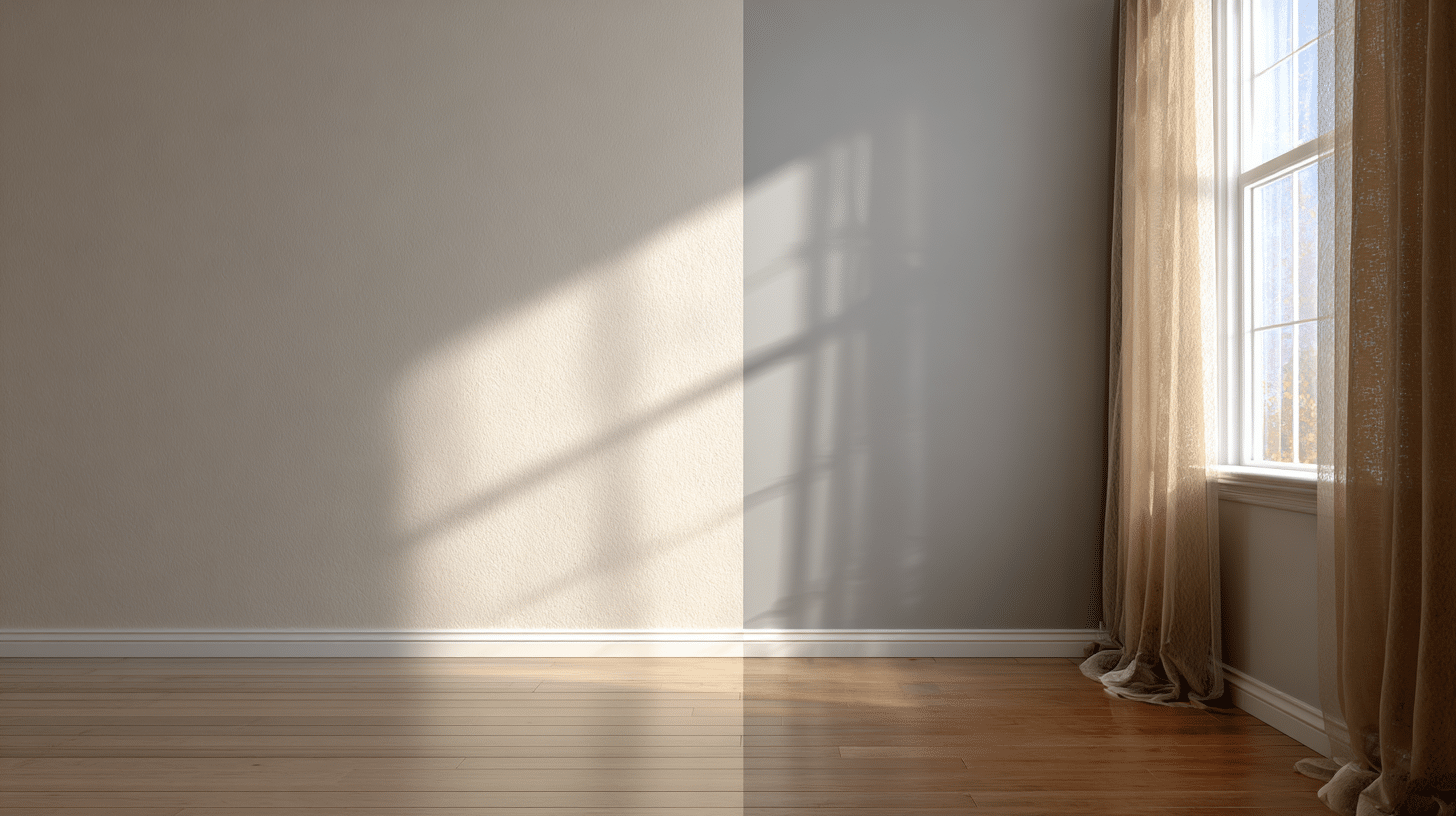
Eggshell has barely any sheen and works for low-traffic rooms, while satin cranks up both the shine and the durability.
- Coverage Area: Eggshell and satin cover similar areas, roughly 350-400 square feet per gallon. The slight sheen difference doesn’t significantly impact coverage.
- Color Selection: Both come in full color ranges. Eggshell keeps hues subdued and gentle. Satin makes the same colors pop with more depth and saturation.
- Durability and Wear: Eggshell handles light cleaning but wears down with frequent scrubbing. Satin stands up to regular moisture exposure and repeated washing without fading.
- Application Ease: Eggshell is more forgiving during application and hides minor technique flaws. Satin demands better brush control and even roller pressure.
- Drying Time: Both dry to the touch in a couple of hours, and let you apply a second coat by late afternoon. Complete cure takes a few weeks for both finishes before they’re ready for serious scrubbing.
Satin vs Gloss Paint
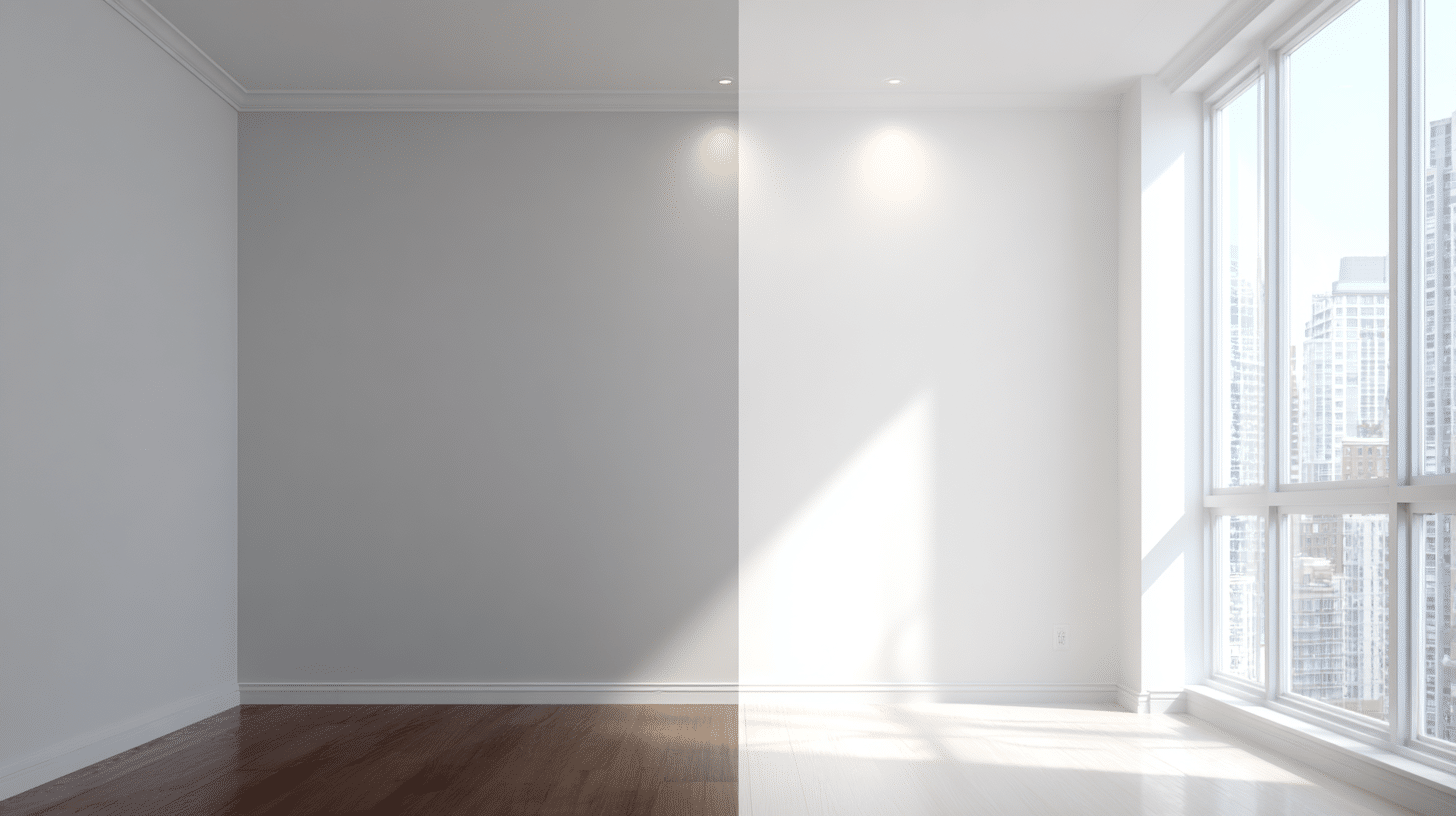
Gloss and satin couldn’t be more different when it comes to shine, durability, and where they actually belong in your home.
- Coverage Area: Both cover roughly 350-400 square feet per gallon, though gloss may need an extra coat on porous surfaces since the high sheen makes thin spots more obvious.
- Color Selection: Both come in virtually every color, but gloss makes colors look intensely saturated and jewel-like, while satin deepens colors with richness, minus the dramatic punch.
- Durability and Wear: Gloss is the toughest finish available, resisting heavy scrubbing and extreme abuse for years, while satin handles regular cleaning and moderate wear but can’t match gloss’s maximum protection.
- Application Ease: Gloss shows every brush stroke and roller mark, demanding steady technique and multiple thin coats, while satin applies more forgivingly and self-levels better for DIYers.
- Drying Time: Gloss takes longer to dry to the touch, usually a few hours, and needs a couple of days before it’s fully cured. Satin dries faster, within an hour or two, and reaches complete cure by the next day or so.
Best Uses of Satin Paint
Satin paint shines in spaces where durability meets style.
Some rooms practically demand it, while others work better with different finishes.
When to Use Satin Paint
Bathrooms
Resists moisture and mildew better than flat finishes, handling steamy showers without peeling
Kitchens
Wipes clean easily when grease and food splatter hit the walls during cooking.
Kids’ bedrooms
Survives crayon marks and sticky fingerprints without needing constant touch-ups
Hallways and staircases
Take daily traffic and constant brushing without showing wear
Trim, doors, and baseboards
Stays cleaner since fingerprints and smudges wipe away effortlessly
Accent walls
Make colors pop with a subtle sheen that adds visual depth
When to Avoid Satin Paint
- Ceilings: Flat paint works better since satin highlights every overhead imperfection
- Damaged or textured walls: The reflective surface shows flaws, cracks, and uneven patches
- Low-traffic formal spaces: Rooms like formal dining areas don’t need the extra durability or cost
Cost of Satin Paint
Budget matters when you’re painting a whole house, and satin sits right in the middle of the price range.
| Brand | Approx. Price per Gallon (Satin) | Quality Level |
|---|---|---|
| Glidden | $20 – $45 | Budget (value-oriented choice) |
| Valspar | $25 – $55 | Budget to Mid-range (good basic coverage) |
| Behr | $30 – $55 | Budget to Mid-range (solid coverage and performance) |
| Sherwin-Williams | $40 – $75+ | Mid-range to Premium (excellent durability) |
| Dunn-Edwards | $45 – $65 | Premium (professional grade) |
| Benjamin Moore | $50 – $80+ | Premium (high quality, rich colors) |
| Colorhouse | $55 – $70 | Eco-Premium (low-VOC, eco-friendly) |
| Farrow & Ball | $100 – $130+ | Luxury (specialty finishes) |
Note: Prices vary by location and retailer. Coverage depends on surface texture and application method
Best Satin Paint Suggestions for Walls
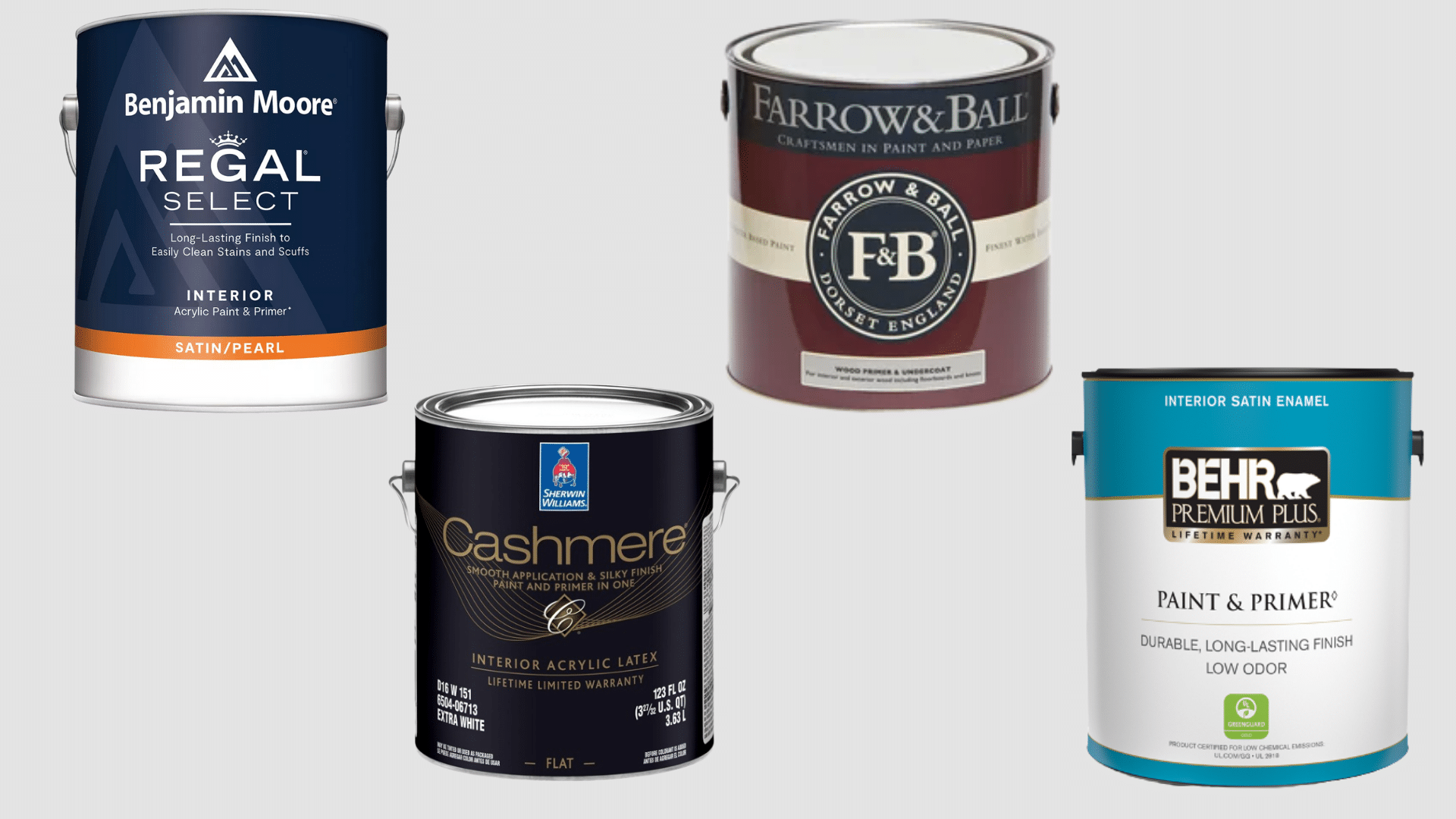
1. Benjamin Moore Regal Select Satin
Benjamin Moore Regal Select Satin is a premium choice that justifies its higher price with superior coverage and lasting color that doesn’t fade.
- Excellent coverage: Two coats handle most jobs, going on smoothly without brush marks or roller lines
- Severe washability: Coffee, crayon, and everyday grime wipe off easily without damaging the paint
- Versatile performance: Works great in living rooms, hallways, and bedrooms where reliability matters
2. Sherwin-Williams Cashmere Interior Acrylic Latex
Sherwin-Williams Cashmere Interior Acrylic Latex (Satin) paint flows beautifully and makes even amateur painting jobs look professional.
- Easy application: Self-levels nicely, perfect for first-time DIYers who want pro-looking results
- Quality sheen: Classic satin finish that doesn’t look plastic or cheap once dried
- Long-lasting color: Resists yellowing and holds up to regular cleaning over time
3. Behr Premium Plus Ultra Interior Satin Enamel
Behr Premium Plus Ultra Interior Satin Enamel is a solid all-around performer that combines paint and primer without breaking the bank.
- Time-saving formula: Paint and primer in one actually works, cutting prep time on decent walls
- Moisture-resistant: Handles kitchen and bathroom humidity better than basic paints.
- Budget-friendly: Accessible price point for larger projects without sacrificing quality where it counts
4. Farrow & Ball Premium Satin/Sheen Paint
Farrow & Ball Premium Satin/Sheen Paint is known for rich, complex colors and a luxurious finish that adds depth to any room.
- Unique color depth: Rich pigments create complex, layered colors that shift beautifully in different lighting conditions
- Eco-friendly formula: Low VOC and water-based, making it safer for indoor air quality and better for the environment
- Premium finish quality: Delivers a refined satin sheen with exceptional depth and a hand-crafted look
Wrapping Up
Satin paint isn’t the answer for every wall, but it handles real life better than most finishes.
It cleans up when things get messy, looks good without trying too hard, and works in rooms where you actually spend time.
Your walls matter more than you think; they take daily wear and set the mood for your whole space.
Grab some samples, test them in your light, and see what works. The right finish changes everything.
Got questions about your specific painting project? Drop a comment below and let’s figure it out together.