
Your ceiling has a brown stain. Or maybe you heard dripping during last night’s storm. Either way, you’ve got a problem that won’t fix itself.
A leaking roof repair job needs attention fast, before that small issue turns into a big headache.
The good news? You’ve got options, and fixing it doesn’t have to be complicated.
Let’s talk about what actually works when water starts finding its way inside.
What to do when Your Roof Starts Leaking?
First things first: don’t panic.
A leak doesn’t mean your entire roof is collapsing, but you need to act fast because water damage spreads quickly.
Grab a bucket and towels to catch the drips. Move furniture and electronics away from the wet area.
If water’s pooling on your ceiling, poke a small hole with a screwdriver so it drains in one spot instead of spreading.
Check your attic if you can safely access it.
Look for wet insulation, water stains, or visible drips. Take photos of everything for your insurance company and write down when the leak started.
When to Call for Professional Help and Why?
Some roof problems you can spot and deal with temporarily, but most need a trained eye and proper tools. If you’re seeing active leaks, don’t wait to call someone.
Water damage moves fast. What looks like a small drip today could be soaking your insulation and rotting the wooden frame by next week.
Professionals have the equipment to find hidden damage you can’t see from inside your house.
Signs You Need Help Now
- Water coming in during rain
- Ceiling stains that weren’t there last month
- Shingles or tiles lying in your yard after a storm
- Soft or spongy spots when you walk on the roof
Professionals have harnesses, proper footwear, and insurance if something goes wrong.
They also know building codes and what your insurance company needs to see. Trying to fix it yourself might void your warranty or cause issues when you file a claim.
Getting an expert involved early saves you money and stress in the long run.
Trusted Roof Repair Companies You Can Call
Finding a reliable company starts with asking neighbors and friends for recommendations. Check online reviews and make sure they have proper licensing and insurance.
Get at least three estimates to compare pricing. If one quote is way lower than the others, that’s a red flag.
Here are some reputable companies:
1. Roof by Tom
4. Lowe’s
5. Mr. Handyman
Avoid anyone who demands full payment up front or pressures you to sign right away.
Main Reasons Roofs Leak
Roofs don’t just start leaking out of nowhere. There’s always a reason, and knowing what causes leaks helps you spot problems early.
Age and Wear
Nothing lasts forever, and roofs are no exception. Most roofs have a lifespan of 20 to 30 years, depending on the material.
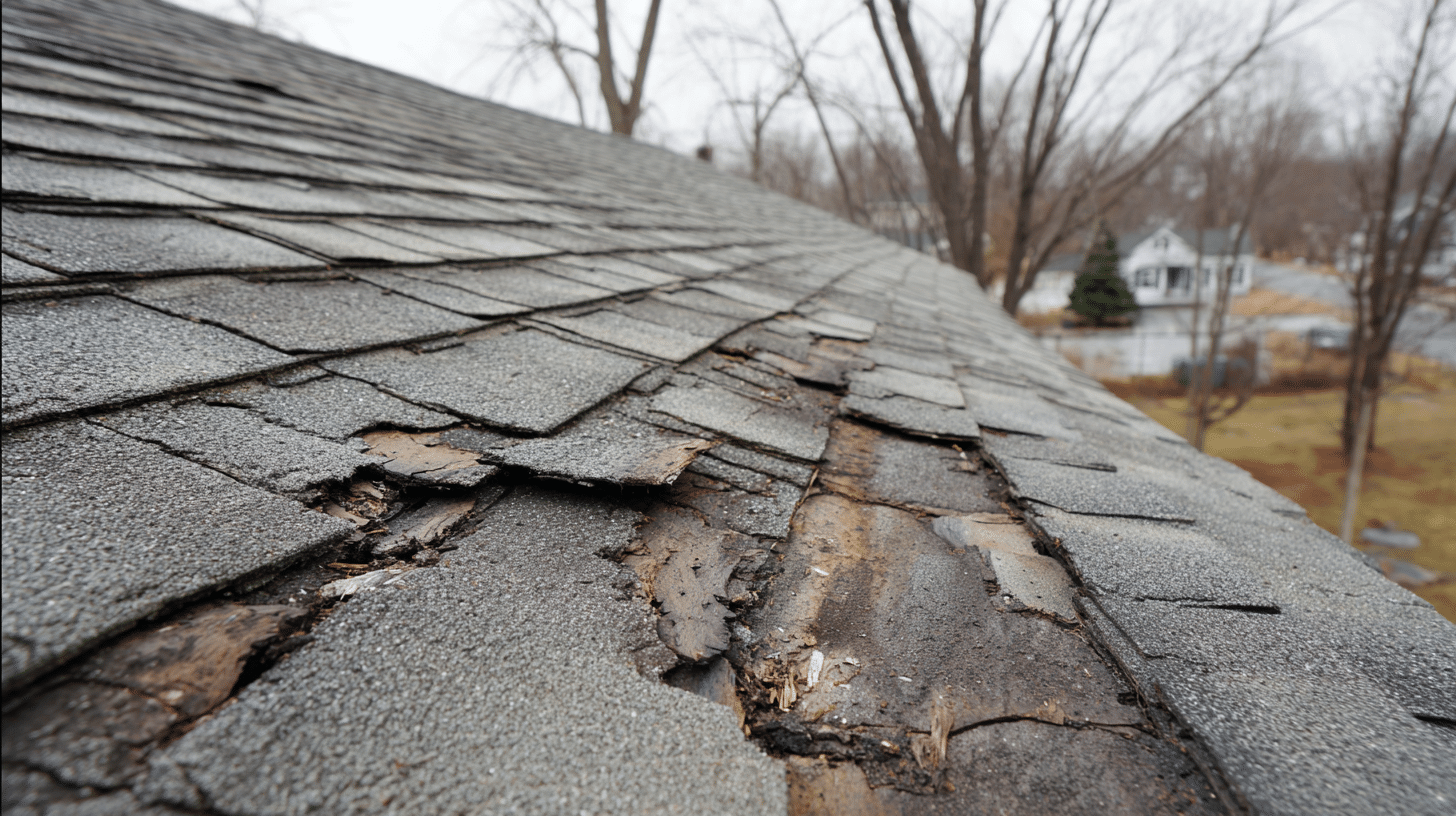
As they age, shingles crack, tiles break, and seals weaken. Sun exposure, temperature swings, and years of rain take their toll.
Storm Damage
Heavy rain, hail, and wind can rip off shingles, crack tiles, or send branches crashing down. Sometimes the damage is obvious, other times it’s subtle.
A few lifted shingles might not look like much, but they let water sneak underneath.
Flashing Problems
Flashing is the metal around chimneys, vents, and where your roof meets walls.
When it cracks, rusts, or comes loose, water finds its way in. This is one of the most common leak sources.
Clogged Gutters
When gutters fill up with leaves and debris, water has nowhere to go.
It backs up under your shingles or overflows onto areas that aren’t meant to handle that much moisture.
Cleaning your gutters twice a year prevents a lot of headaches.
Other Common Culprits Include
- Cracked or missing shingles
- Damaged roof valleys
- Worn-out sealant around vents
- Ice dams in winter climates
How Experts Handle Roof Leak Repairs
Professional roofers follow a process to make sure they fix the actual problem, not just the symptoms you can see.
The Inspection
They check your attic and exterior to trace where water’s entering. The wet spot on your ceiling might be several feet away from the real source.
A good roofer takes photos and explains the damage clearly.
Finding Hidden Damage
Water doesn’t always show up where it enters.
Roofers use moisture meters and infrared cameras to find wet spots you can’t see, which helps catch problems before they get worse.
The Repair Work
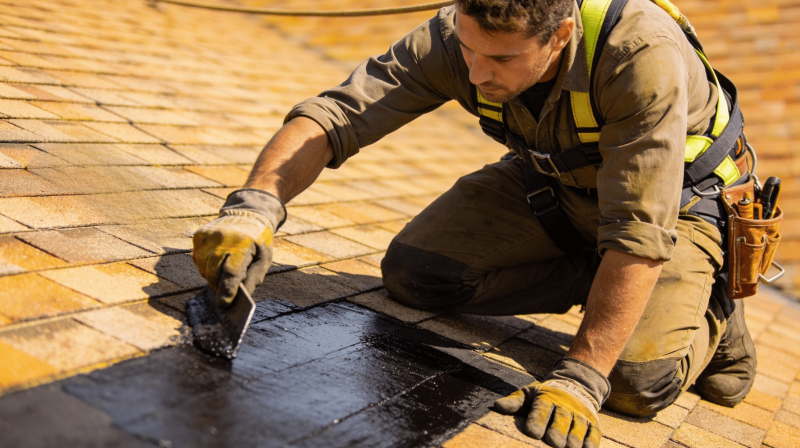
The crew protects your property with tarps and removes damaged materials. They check for rot underneath.
Then they replace damaged shingles or tiles, swap out any rotted wood, and seal everything properly so water stays out.
Testing the Fix
Many companies run a hose over the repaired area to make sure it’s sealed tight. Better to catch issues now than during the next storm.
After the Work
Good companies offer warranties, usually for at least a year, for labor.
They’ll also explain how to maintain your roof going forward so you avoid repeat problems.
Quick DIY Checks Before You Call

A few simple checks can help you describe the issue better when you call a professional.
Check from The Ground
Walk around your house and look up at the roof. Look for missing shingles, cracked tiles, or debris buildup.
Binoculars help if you have them. Check your gutters too. Are they sagging or pulling away?
Inside Your Attic
If you can safely get into your attic, take a flashlight and look around.
Check for light coming through the roof boards or water stains on wood. A musty smell usually means water’s been getting in for a while.
After a Storm
Walk your property after bad weather and look for shingles or tiles in your yard.
Sometimes, the wind lifts shingles just enough to let water underneath without completely removing them.
What You Shouldn’t Do
Don’t climb on your roof if it’s wet or damaged. Don’t walk on tile roofs since they break easily. And don’t try temporary repairs unless it’s an emergency and professionals can’t come for days.
These quick checks give you useful information to share when you call for tile roof repair.
Cost Factors for Leaking Roof Repair
Repair costs vary a lot, and there’s no one-size-fits-all price. Several things affect what you’ll end up paying.
Size and Severity of Damage: Minor fixes might run a few hundred dollars, while major repairs can climb into the thousands.
Type of Roofing Material: Asphalt shingles are cheaper to repair than tile, slate, or metal. Specialty materials cost more because they require specific skills.
Hidden Damage: Sometimes leaks reveal bigger problems like mold or rot once work starts, which adds to the final bill.
Roof Accessibility: The harder it is to reach the damaged area, the more you’ll pay. Single-story homes are simpler and cheaper than multi-story buildings.
Labor and Location: Cities typically cost more than rural areas. Busy seasons might have higher prices than slower periods.
Get multiple estimates and ask what’s included: Does the price cover cleanup and hauling away old materials?
Estimated Repair Costs: Most minor roof leak repairs range from $300 to $1,000, while extensive damage can run $1,500 to $5,000 or more depending on the factors below.
Ways to Keep Your Tile Roof in Good Condition
Tile roofs last longer than most other roofing materials, but they still need regular attention.
- Schedule Regular Inspections: Get your roof checked at least once a year.
- Keep Gutters Clean: Clean them twice a year to prevent water backup.
- Check Flashing and Seals: Make sure the metal around chimneys and vents stays sealed and rust-free.
- Trim Overhanging Branches: Keep trees at least six feet away from your roof.
- Replace Broken Tiles Quickly: One damaged tile can damage several others around it.
- Watch for Moss and Algae: Get growth professionally removed.
- Check After Storms: Look for damage or displaced tiles after heavy weather.
Final Thoughts for Homeowners
Roof leaks won’t fix themselves, and waiting only makes the damage worse.
Whether you need a quick patch or a major leaking roof repair, finding a trustworthy local company is your best move.
Regular maintenance keeps problems at bay, but when issues pop up, act fast.
Don’t let a small drip turn into a costly disaster.
Ready to fix that leak? Reach out to a professional today and protect your home from further damage.