
Red oak vs White oak?
Most people can’t tell them apart. Yet this choice affects everything from flooring to furniture. Pick wrong, and problems show up fast.
The woods look alike but perform differently. Moisture resistance varies. Grain patterns differ. Cost isn’t always the same either.
Knowing the differences helps you choose with confidence. Keep reading to find out which oak will suit your needs.
About White Oak
White oak is a hardwood known for its strength and water resistance.
The wood has a tight grain pattern with fewer visible pores. This makes it ideal for outdoor projects and moisture-prone areas. Its color ranges from light tan to medium brown.
White oak costs more than red oak but lasts longer. Many builders prefer it for flooring, cabinets, and furniture that needs durability.
| Pros | Cons |
|---|---|
| Highly water-resistant | More expensive than red oak |
| Extremely durable | Harder to work with tools |
| Tight, attractive grain | Limited availability in some areas |
| Great for outdoor use | Heavier weight |
| Takes stain evenly | Longer drying time |
| Long-lasting finish | Can dull cutting blades cut faster |
About Red Oak
Red oak is a popular hardwood with a more open grain pattern than white oak.
The wood shows prominent pores and varied grain lines. Its color ranges from light pink to reddish-brown tones. Red oak is widely available and costs less than white oak.
It works well for indoor projects like flooring and furniture. The wood is strong but absorbs moisture more easily.
| Pros | Cons |
|---|---|
| More affordable than white oak | Less water-resistant |
| Widely available | Not ideal for outdoor use |
| Easier to cut and work with | Open grain needs more finish |
| Beautiful reddish tones | Can warp in humid conditions |
| Takes finishes well | More maintenance required |
| Good for indoor projects | Stains can look uneven |
White Oak vs. Red Oak: What are the Differences?
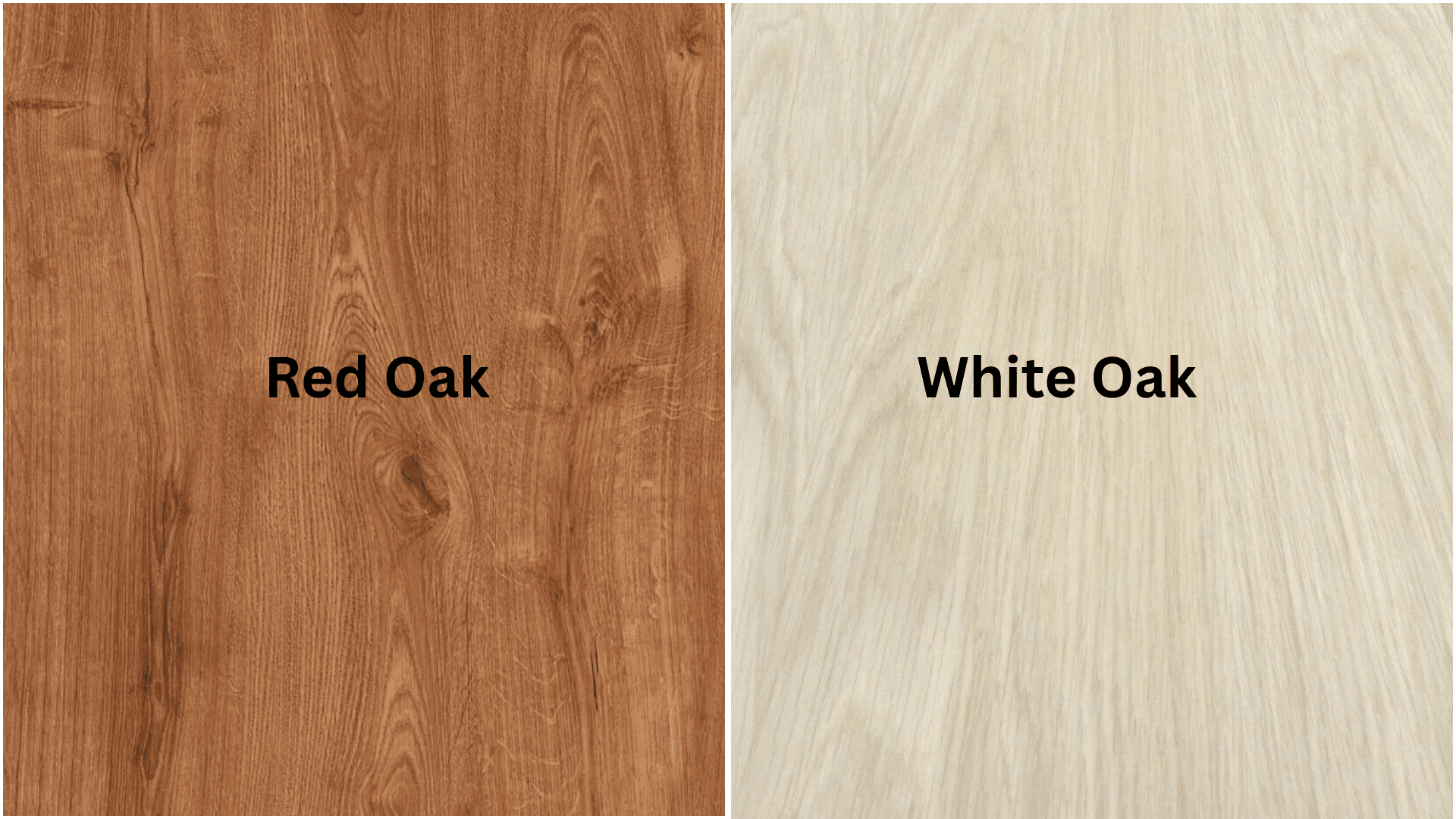
When it comes to choosing between these two hardwoods, the differences matter more than most people realize.
These distinctions help make the right choice for their specific needs.
1. Grain Pattern
The grain tells the story at first glance. White oak has a tighter, more uniform grain with smaller pores.
Red oak shows a more open grain with larger, visible pores throughout. This affects how each wood absorbs stain and finish.
White oak’s tight grain creates a smoother surface. Red oak’s pronounced grain adds character and texture to projects.
2. Color
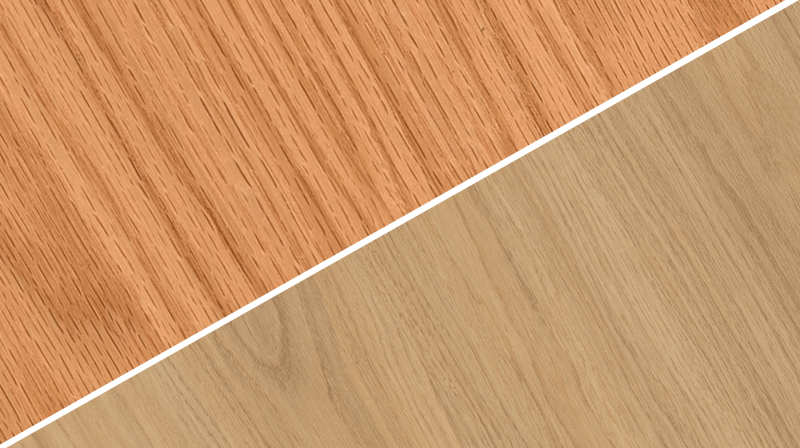
Color sets these woods apart visually. White oak ranges from light tan to medium brown with subtle golden undertones.
Red oak displays warmer hues from light pink to reddish-brown. The color difference becomes more obvious after applying the stain.
White oak accepts darker stains more evenly. Red oak’s natural warmth shines through most finishes, creating a distinct look that many homeowners love.
3. Water Resistance
Moisture tells the real performance story.
White oak contains tyloses, natural cell structures that block water absorption. This makes it highly resistant to moisture and rot.
Red oak lacks these structures, allowing water to penetrate more easily. White oak works well in bathrooms, kitchens, and outdoor applications.
Red oak performs best in dry, indoor environments where moisture exposure stays minimal.
4. Durability
Both woods are hard, but white oak edges ahead. It rates higher on the Janka hardness scale at 1,360 pounds.
Red oak scores 1,290 pounds, slightly softer but still very strong.
White oak resists dents and scratches better over time. Red oak holds up well for flooring and furniture in normal use. The difference matters most in high-traffic areas or commercial spaces.
5. Cost
Budget plays a big role in most decisions. Red oak costs less because it grows faster and more abundantly.
White oak commands higher prices due to slower growth and limited supply. The price gap varies by region and availability.
Red oak saves money up front without sacrificing too much quality. White oak costs more initially but offers better long-term value in certain applications.
6. Workability
Tools behave differently with each wood. Red oak is easier to cut, drill, and shape with standard equipment.
White oak’s density makes it tougher on saw blades and drill bits. Red oak machines smoothly with less effort and tool wear.
White oak requires sharper blades and more patience during cutting.
Both woods accept screws and nails well, though pre-drilling helps prevent splitting in either type.
7. Availability
Finding the right wood matters for project timelines. Red oak grows throughout the eastern United States in large quantities.
This makes it readily available at most lumber yards and home centers.
White oak has a more limited growing range and slower production. Builders might wait longer or pay more for white oak in certain regions.
Red oak’s abundance keeps projects moving without delays.
Red Oak vs White Oak Flooring
Red oak and white oak both make excellent flooring choices, but they perform differently in various conditions.
| Feature | Red Oak Flooring | White Oak Flooring |
|---|---|---|
| Cost | More affordable | 10-20% more expensive |
| Hardness | 1,290 Janka rating | 1,360 Janka rating |
| Water Resistance | Low to moderate | High |
| Best For | Bedrooms, living rooms | Kitchens, bathrooms, entryways |
| Maintenance | Regular sealing needed | Less frequent maintenance |
| Availability | Widely available | Less common, may require ordering |
| Staining | Can look uneven | Takes stain evenly |
| Durability | Good for moderate traffic | Excellent for high traffic |
Types of White Oak
White oak also comes in several varieties, each offering distinct qualities.
These types grow in different regions and show subtle variations in appearance and performance.
American White Oak
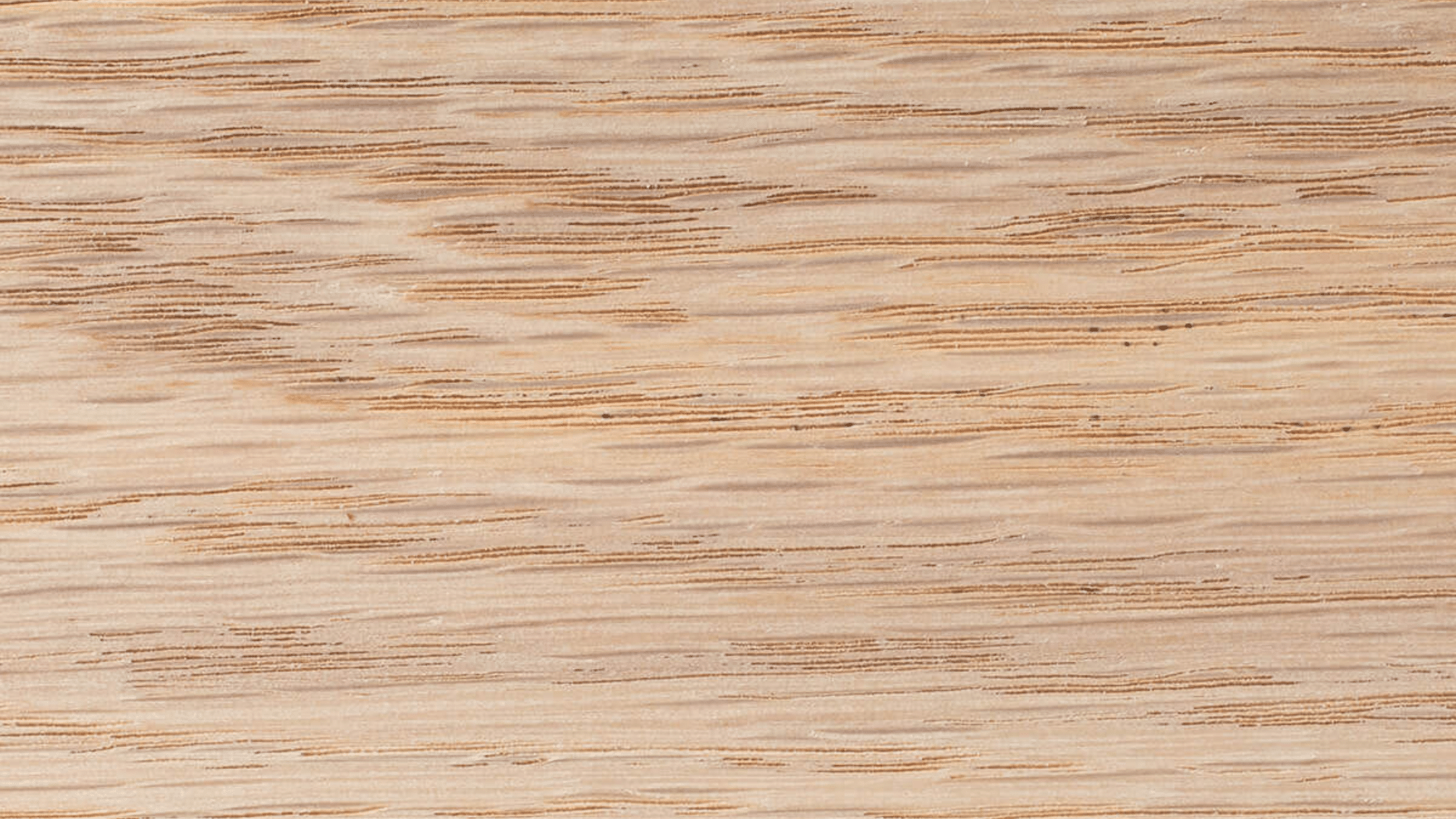
American white oak is the most common variety found across the eastern United States. It features a medium brown color with straight, tight grain patterns.
This type offers excellent water resistance and durability. American white oak is widely used for flooring, barrels, and boat building.
European White Oak
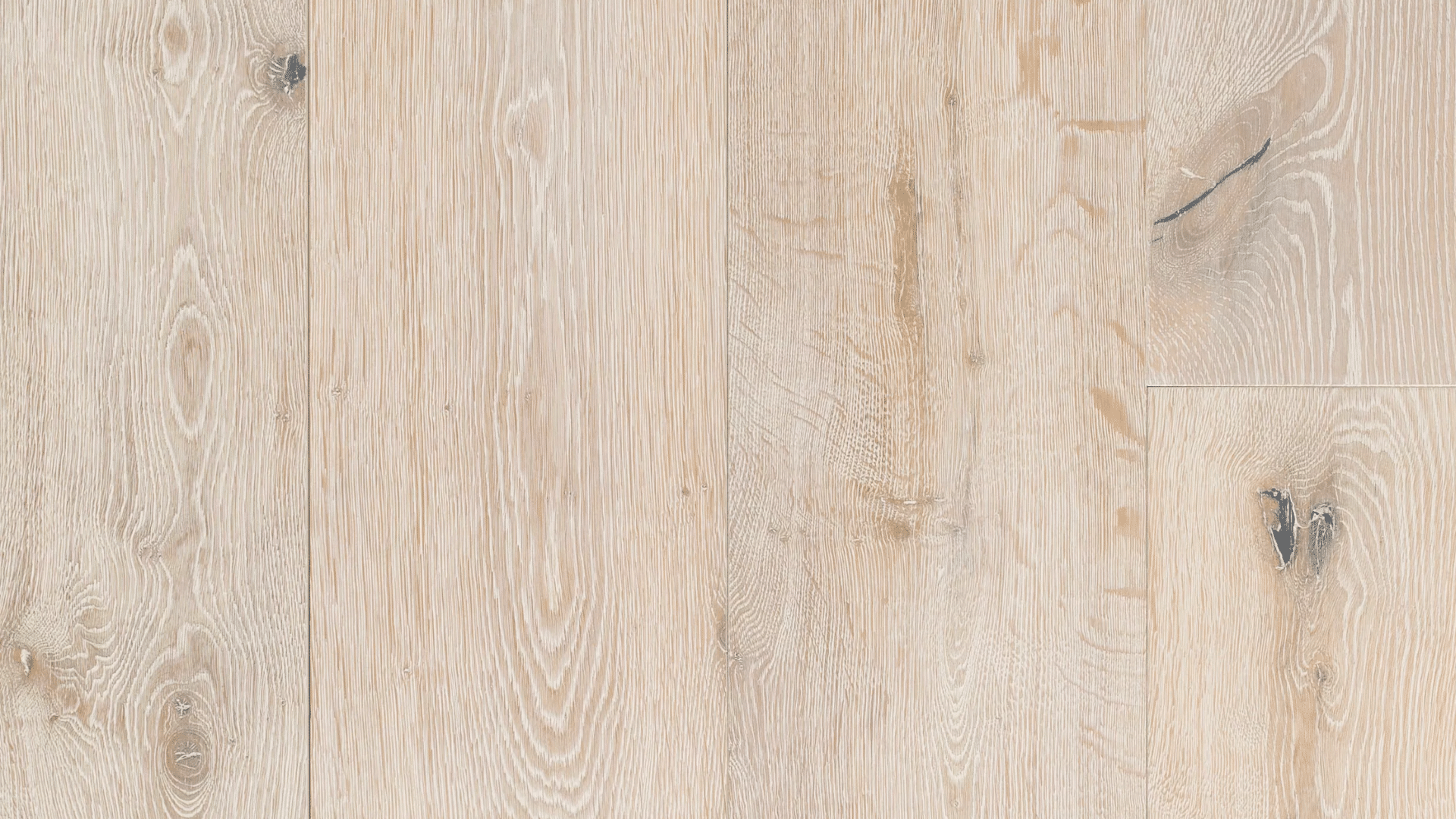
European white oak grows throughout Europe and displays a lighter, more uniform color. The grain is tighter and straighter than American varieties.
European white oak costs significantly more due to import expenses. It’s preferred for high-end furniture, wine barrels, and luxury flooring installations.
Bur Oak
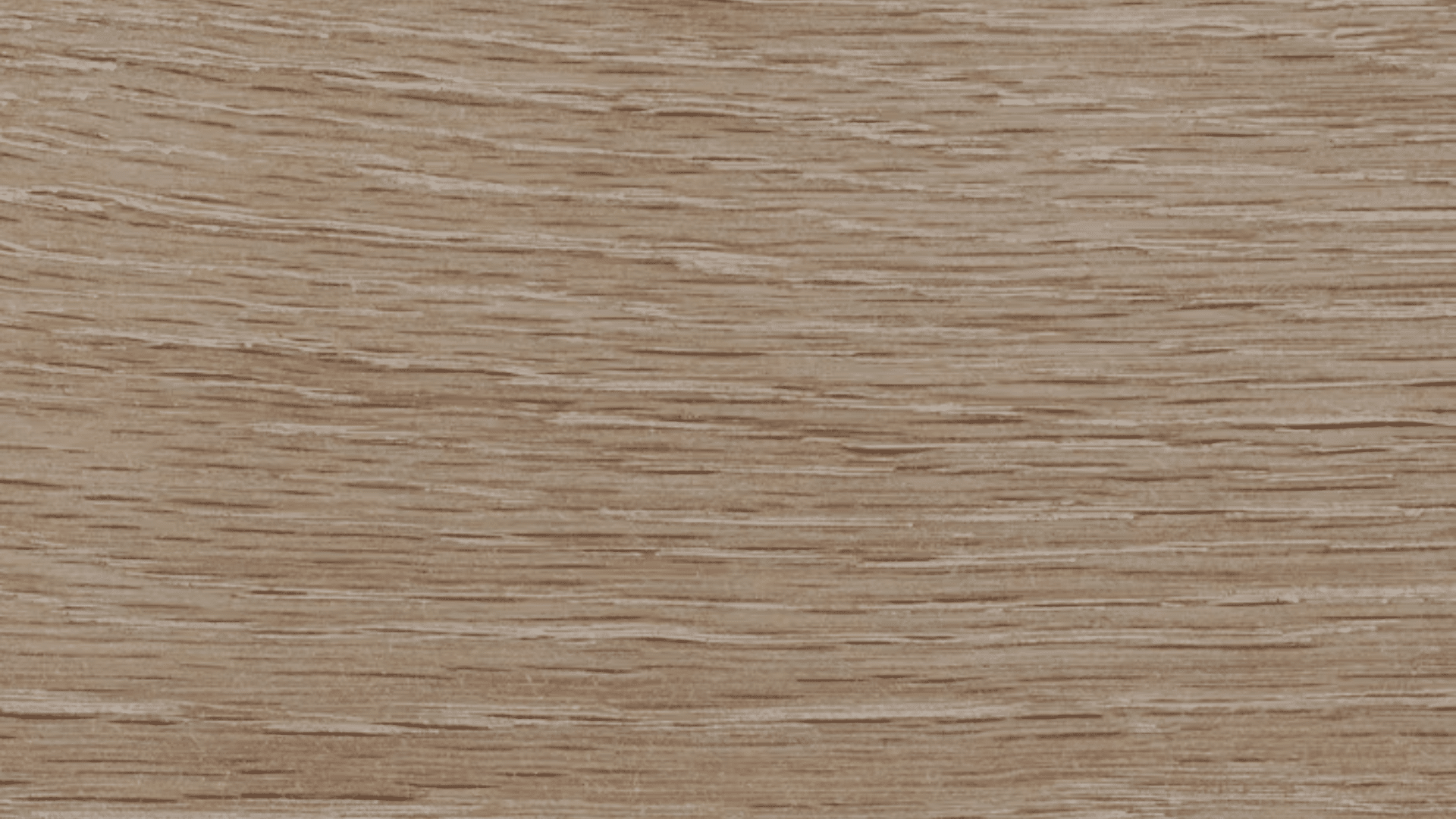
Bur oak thrives in the northern plains and midwestern regions. It shows a lighter tan color with subtle golden highlights.
The wood has excellent rot resistance, even surpassing standard white oak. Bur oak grows more slowly, creating denser wood with superior strength.
Swamp White Oak
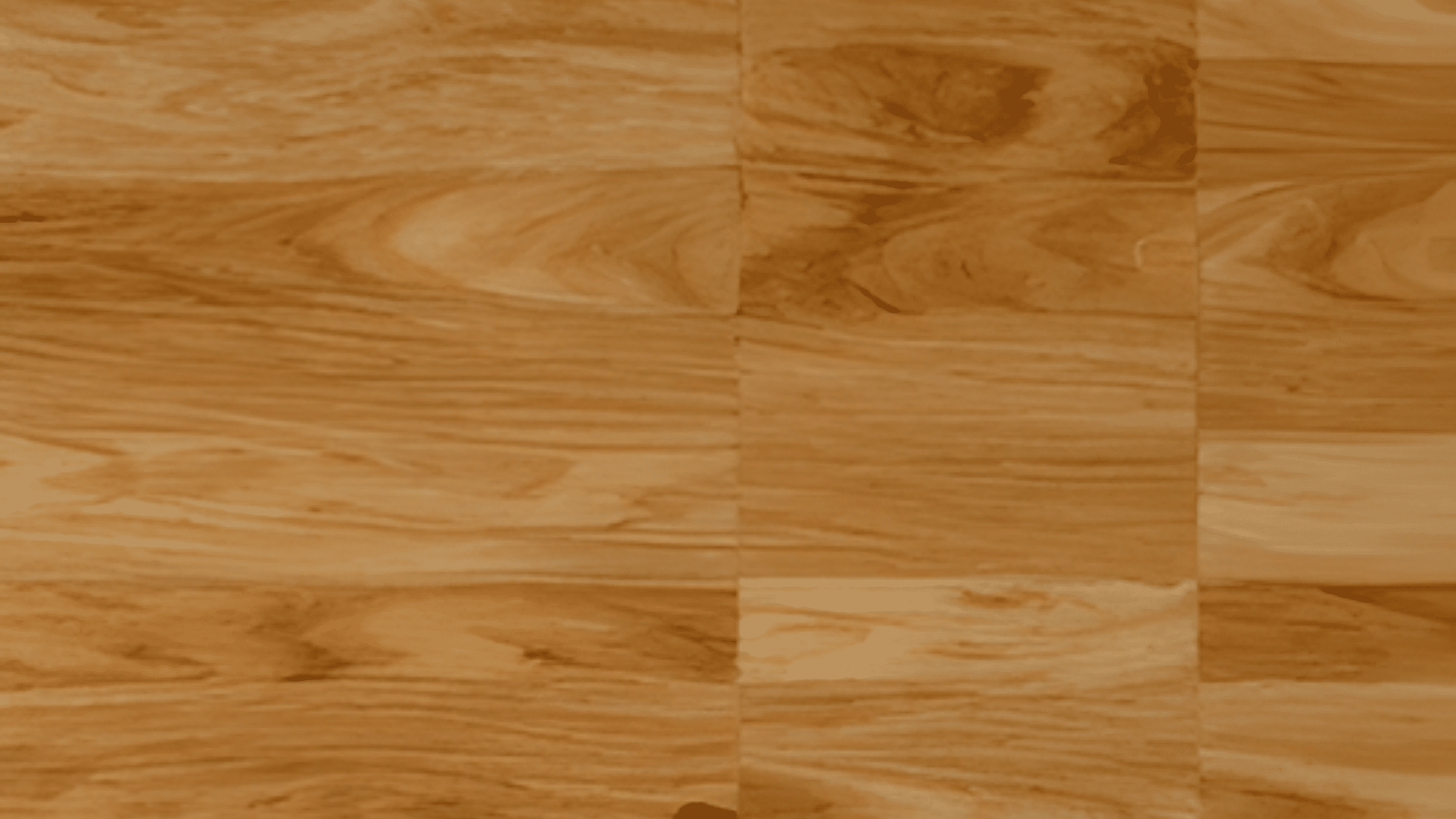
Swamp white oak grows in wetland areas across the eastern states. It features a pale brown color with distinctive flaky bark.
The wood offers strong moisture resistance similar to other white oaks. Swamp white oak has a slightly softer texture but remains durable
Famous Types of Red Oak
Red oak isn’t just one type of wood. Several varieties exist, each with unique characteristics and growing regions.
Northern Red Oak
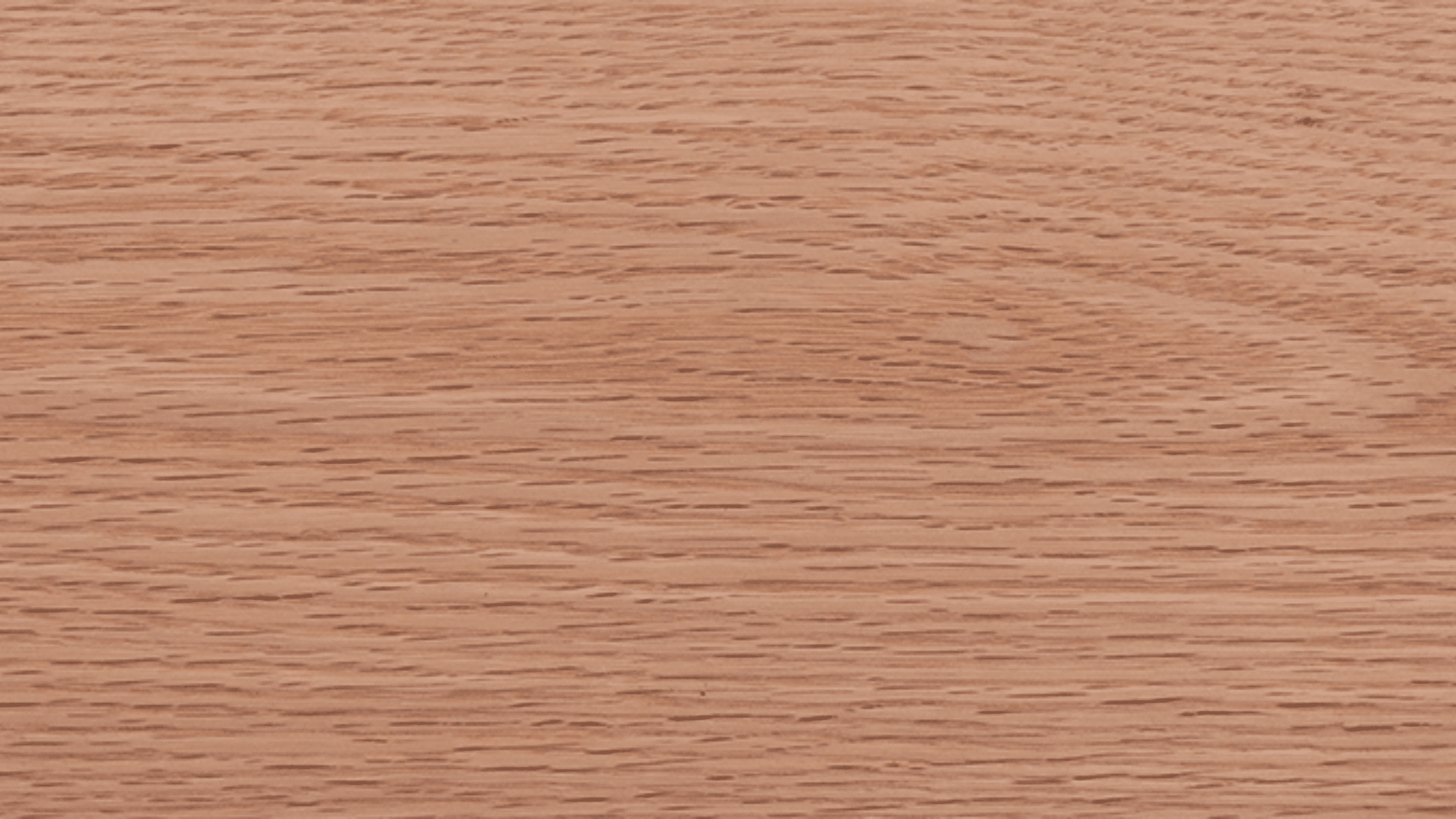
Northern red oak grows in the northeastern United States and Canada.
It features a lighter color with subtle pink tones throughout.
This variety is harder and denser than southern types. The wood has excellent strength for flooring and furniture.
Southern Red Oak
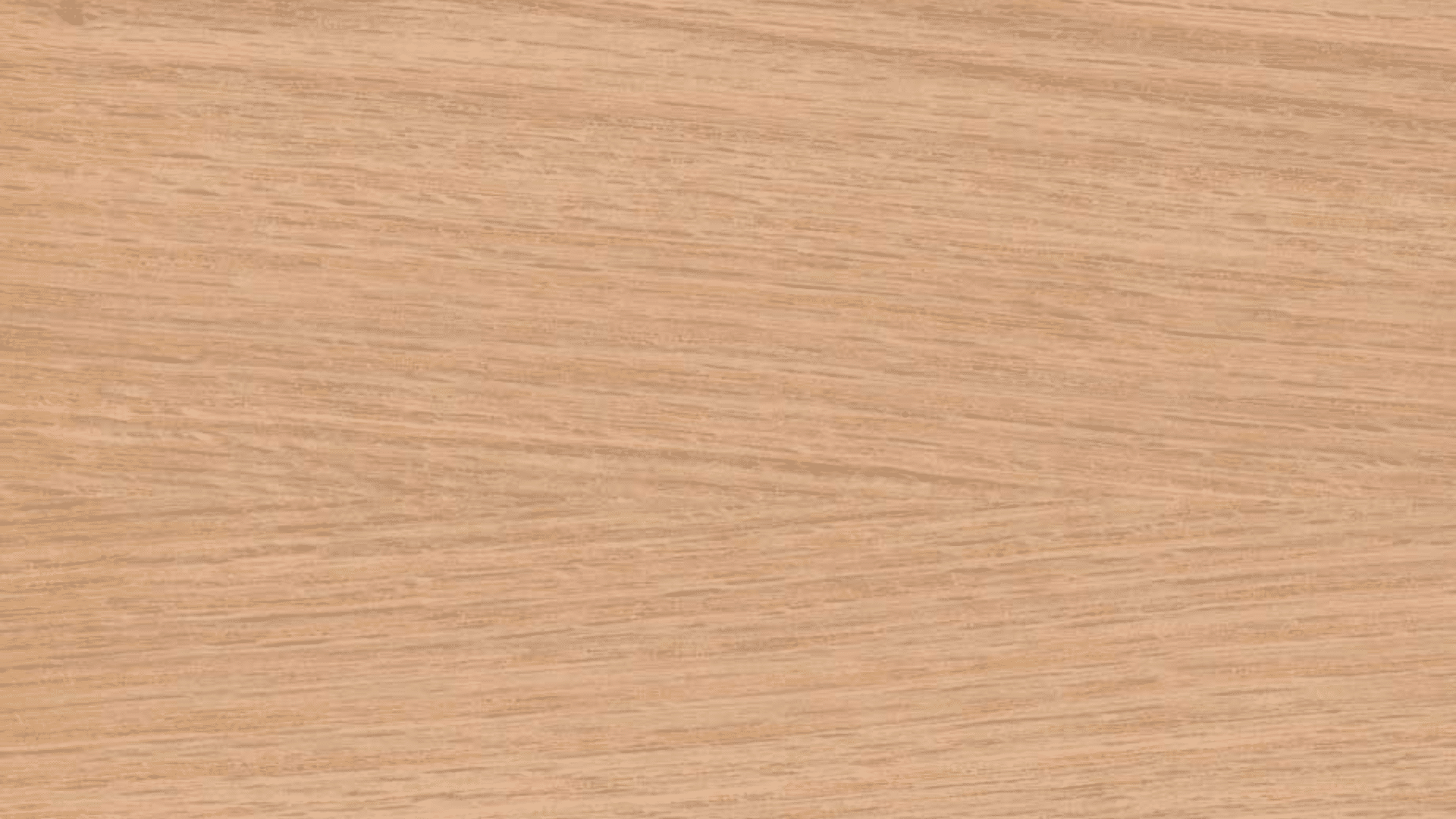
Southern red oak thrives in warmer climates across the southeastern states. The wood is slightly softer and more porous. It grows faster, making it more affordable and widely available.
Southern red oak works well for cabinets, trim, and interior applications where moisture stays low.
Shumard Oak
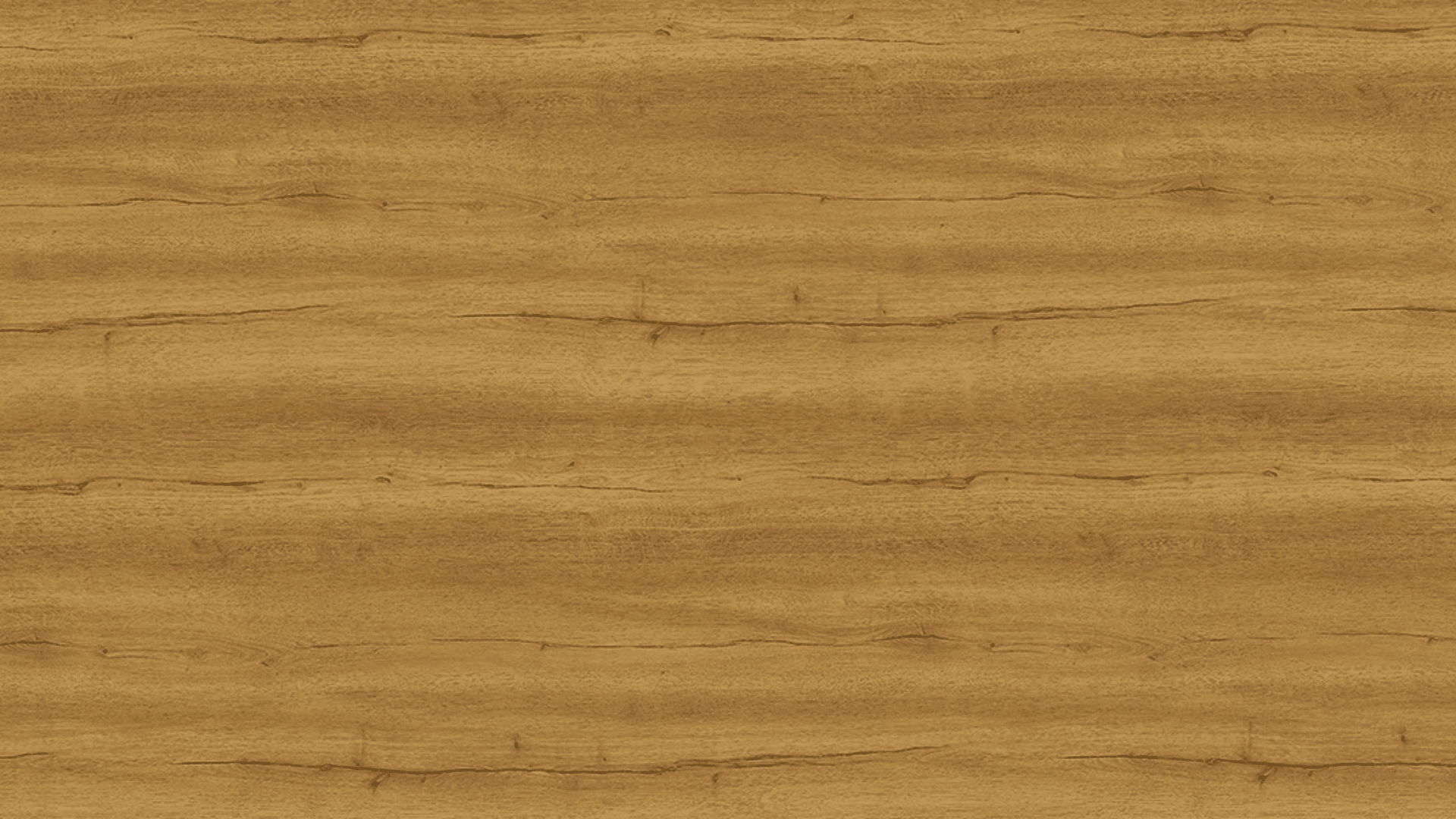
Shumard oak grows primarily in Texas and the southern plains.
The wood shares similar properties with other red oak species.
It has a rich, warm color and an open grain pattern. Shumard oak is less common in lumber yards but offers the same workability as standard red oak.
Pin Oak

Pin oak comes from wetland areas in the eastern United States. The wood has a lighter appearance with more pronounced grain patterns.
It’s slightly softer than other red oak types. Pin oak works best for decorative pieces and indoor furniture.
So, Which Oak Wood is Better for Your Home?
The answer totally and completely depends on where the wood will be used and what matters most to the homeowner.
Red oak suits living rooms, bedrooms, and dining areas where moisture stays low. It costs less and offers beautiful, warm tones that brighten interior spaces.
White oak works better in moisture-prone areas like kitchens, bathrooms, and entryways.
Its water resistance prevents warping and damage over time.
Consider the budget, too. Red oak saves money without sacrificing quality for most indoor applications. White oak justifies its higher price in high-traffic areas or anywhere durability matters most.
Both woods take stain well and last for decades with proper care.
Tips for Telling Them Apart
Telling these two oaks apart isn’t always easy at first glance. But a few simple tricks make identification quick and accurate.
1. Check the End Grain
Look closely at the cut end of the wood.
White oak shows tiny pores that are completely plugged with tyloses. Red oak displays open pores that you can see through clearly.
This is the most reliable identification method. A magnifying glass helps spot these differences more easily.
2. Examine the Color
Study the natural wood color before any finish is applied.
White oak has tan to light brown tones with golden hints. Red oak shows pinkish to reddish-brown hues throughout.
The color difference becomes obvious when comparing samples side by side. Natural lighting reveals the true tones better than artificial light.
3. Feel the Grain
Run your hand across the wood surface gently.
White oak feels smoother with less pronounced grain texture. Red oak has a rougher feel with more noticeable grain ridges.
The open pores in red oak create a textured surface. White oak’s tight grain produces a more uniform touch across the board.
4. Test Water Absorption
Place a small drop of water on the end grain.
White oak resists absorption, and the water beads up longer. Red oak soaks up moisture quickly through its open pores. This test works best on unfinished wood samples.
The difference appears within seconds of applying the water drop.
5. Look at Ray Flecks
White oak displays prominent ray flecks that look like light streaks. These medullary rays create a distinctive shimmering pattern.
Red oak has smaller, less noticeable ray flecks throughout. The flecks in white oak are longer.
Quarter-sawn cuts show these patterns most clearly in both woods.
6. Compare the Weight
Pick up similar-sized pieces of each wood type. White oak feels noticeably heavier due to its higher density.
Red oak weighs less and feels lighter in the hand. The weight difference confirms what the grain pattern suggests.
This quick test works when visual identification seems uncertain or unclear.
Environmental Impact and Sustainability
Both oak types are sustainable choices when sourced responsibly.
Red oak grows faster and regenerates more quickly than white oak. This makes it slightly more renewable for frequent harvesting.
White oak takes longer to mature, requiring more time between cuts. Look for wood certified by the Forest Stewardship Council to ensure responsible forestry practices.
Local sourcing reduces environmental impact significantly. Red oak’s wider availability means less transportation and lower carbon emissions.
Both woods are durable and long-lasting, reducing the need for replacement.
This longevity makes either oak an eco-friendly choice compared to softer woods.
To Wrap Up
Choosing between red oak vs white oak comes down to specific needs and project requirements. Both woods deliver strength, beauty, and decades of reliable performance.
Consider the budget and maintenance expectations. Match the wood’s natural strengths to the project’s challenges.
The key is matching wood characteristics to actual needs rather than simply picking based on price or appearance alone.