
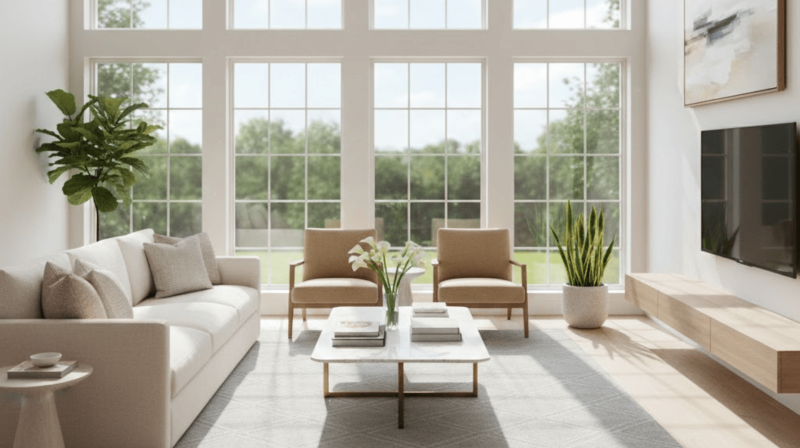
Ever look at a window and feel like something is missing?
Many windows look plain and don’t add much to a room. Finding a special style without going over the top is tough. That’s where mullioned windows come in.
Simple bars break glass into smaller sections, changing the whole feel of a home.
They appear in older buildings but fit today’s homes too. They brighten spaces, add interest, and boost home value.
This blog shows what they are and why homeowners choose them.
What are Mullioned Windows?
Mullioned windows are windows with vertical or horizontal bars running through them. These bars are called mullions.
They divide one large window into multiple smaller panes of glass.
Think of it like a grid pattern on your window. The bars can run up and down, side to side, or both. Each section holds its own piece of glass.
Here’s what makes them unique
- The bars are structural: they’re not just decorative strips stuck on top. Millions actually hold the glass panes in place.
- They create sections: instead of one big sheet of glass, you get several smaller ones arranged together.
- They’re built into the frame: the mullions become part of the window’s structure itself.
You’ll often see these windows in older buildings. Churches love them. Historic homes feature them prominently. Victorian houses almost always have them.
Different Types of Mullioned Windows
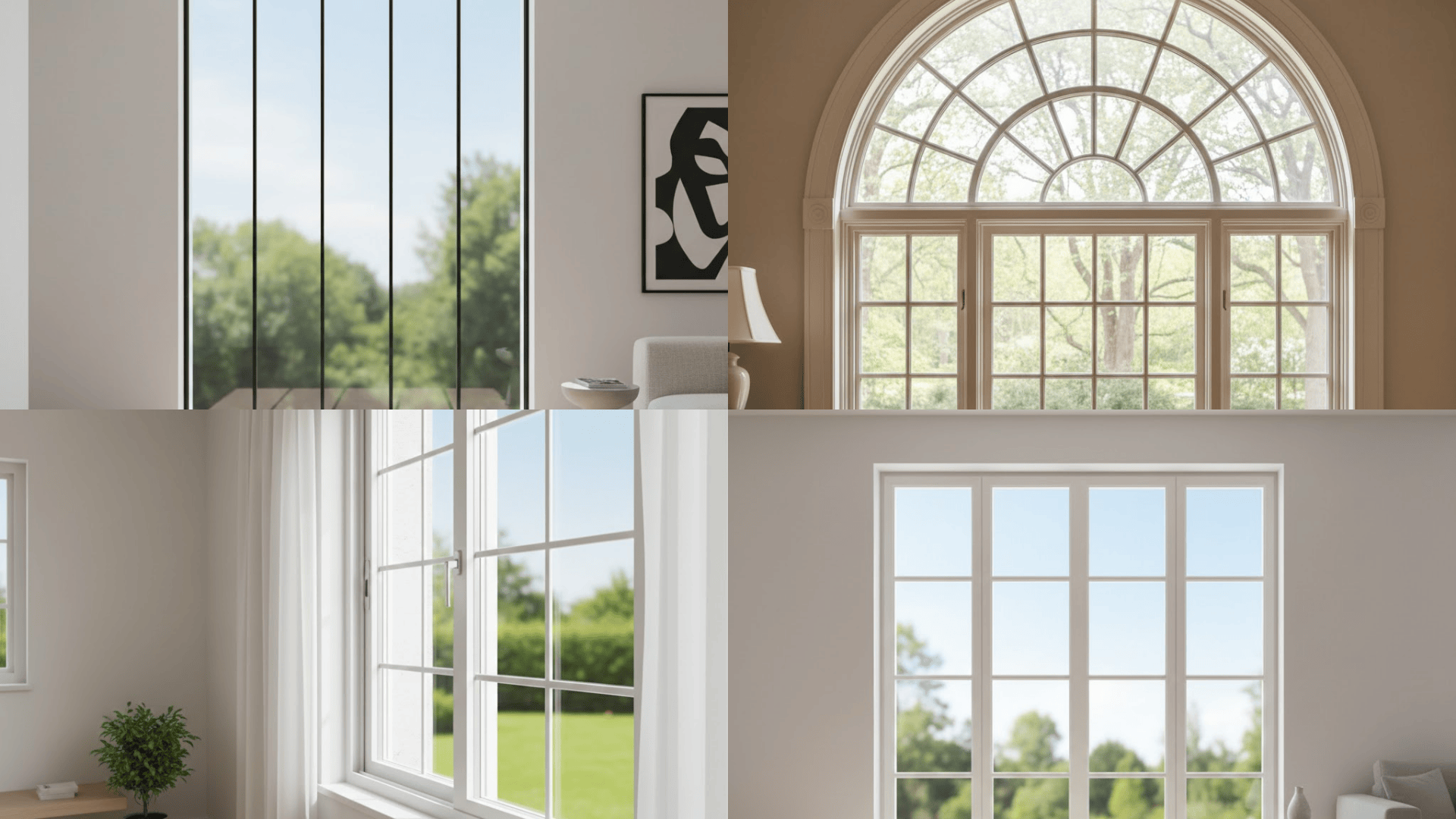
Mullioned windows come in different styles, and each one gives your home a slightly different look.
Some make a room feel taller; others make it feel wider.
1. Vertical Mullions: These have bars running up and down. They make your windows look taller. They work well in rooms with high ceilings. They can even add height in smaller spaces.
2. Horizontal Mullions: Here, the bars run side-to-side. They make windows appear wider. They suit ranch homes and many modern builds. They give rooms a more stretched-out feel.
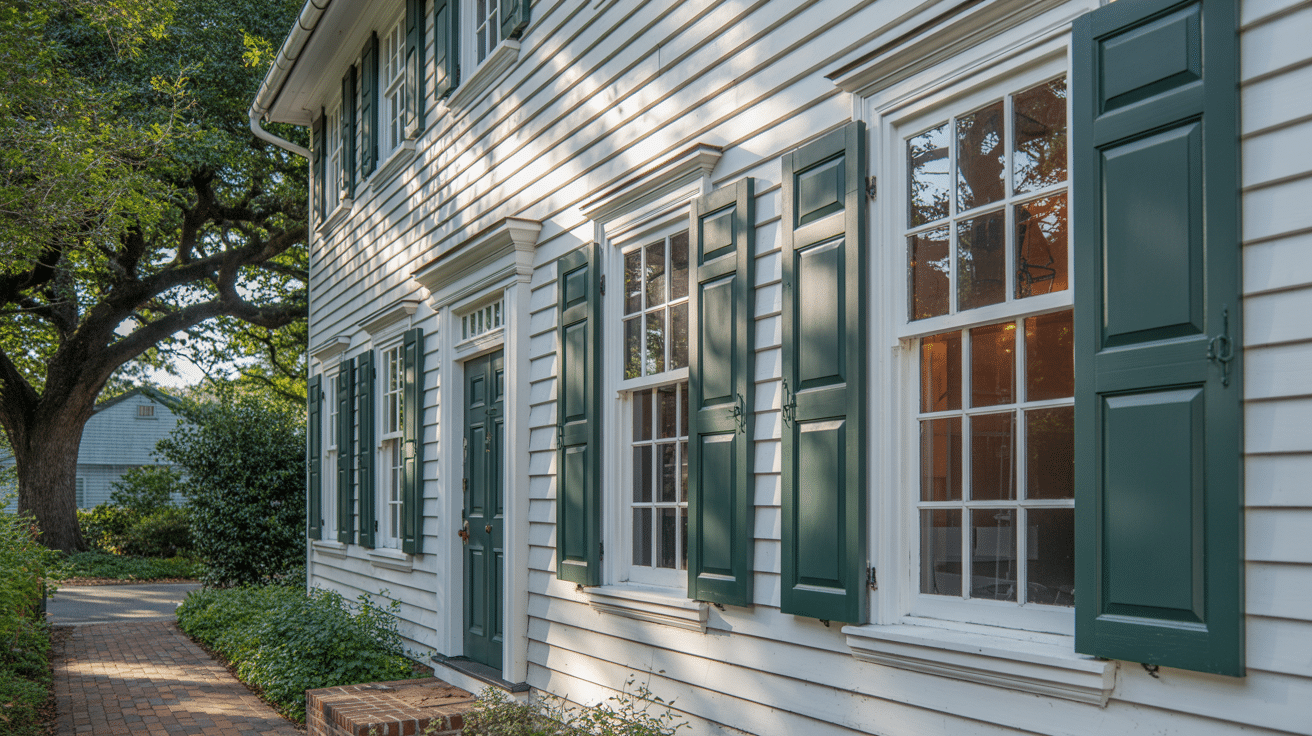
3. Grid Pattern: This style uses both directions. You get bars going up and down, plus side-to-side. It creates a classic look. Colonial homes often use this pattern. It fits many house styles.
4. Arched Mullions: These follow a curved top. You’ll find them in Gothic or Victorian homes. They add a refined, dramatic look. Churches use them often for their strong presence.
5. Fixed vs. Operable: Some mullioned windows do not open. Others can swing out or slide. Your choice depends on ventilation needs and budget.
Mullioned Windows in Different Home and Interior Styles
Mullioned windows work well in many home styles. They can look traditional, modern, or even industrial, depending on the frame and layout.
1. Traditional Homes
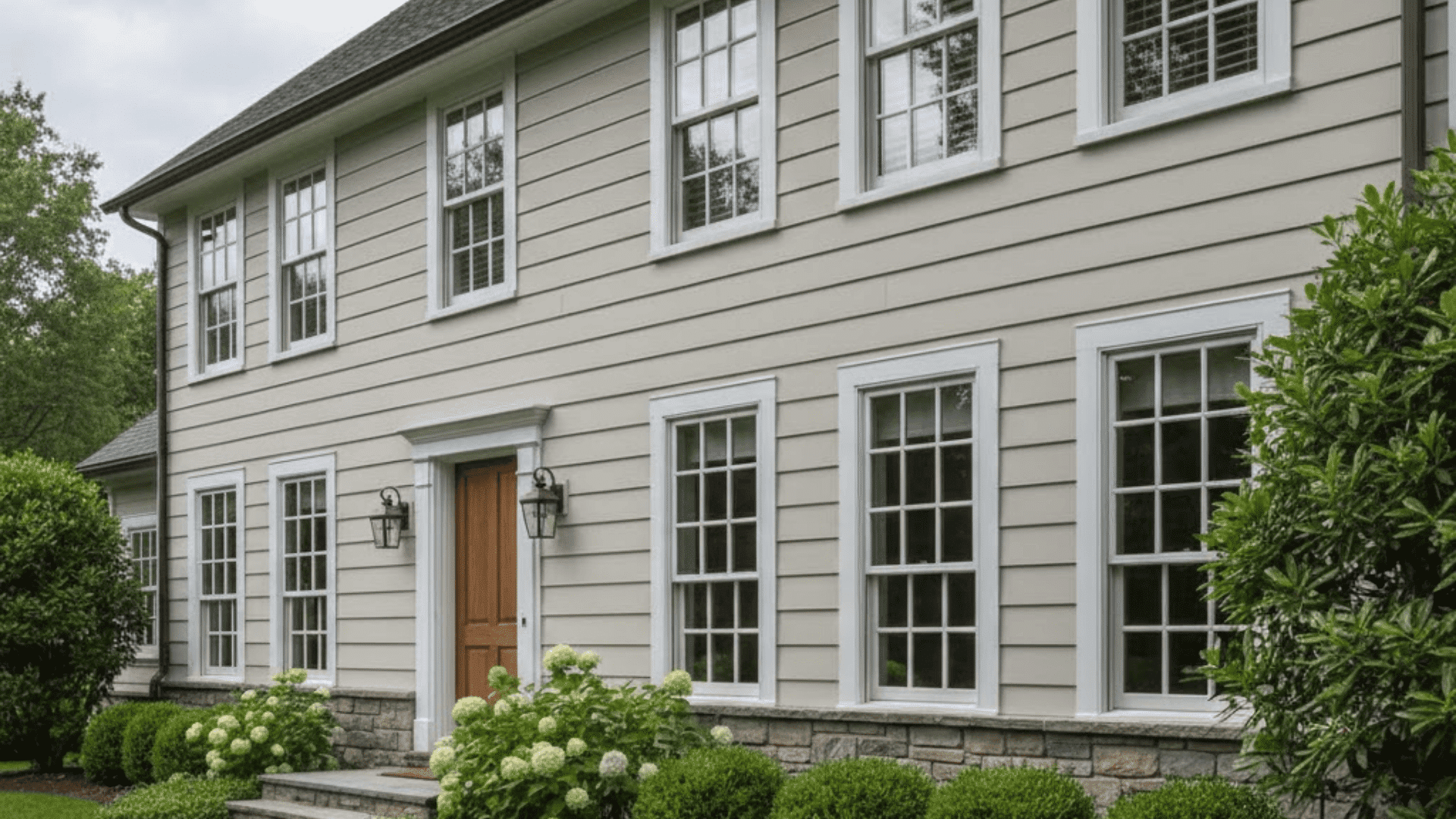
Mullioned windows fit naturally into classic homes. Colonial and Tudor houses often use them to keep their original look.
Victorian spaces also benefit from their structured design, which adds shape and balance without feeling heavy.
2. Modern Homes
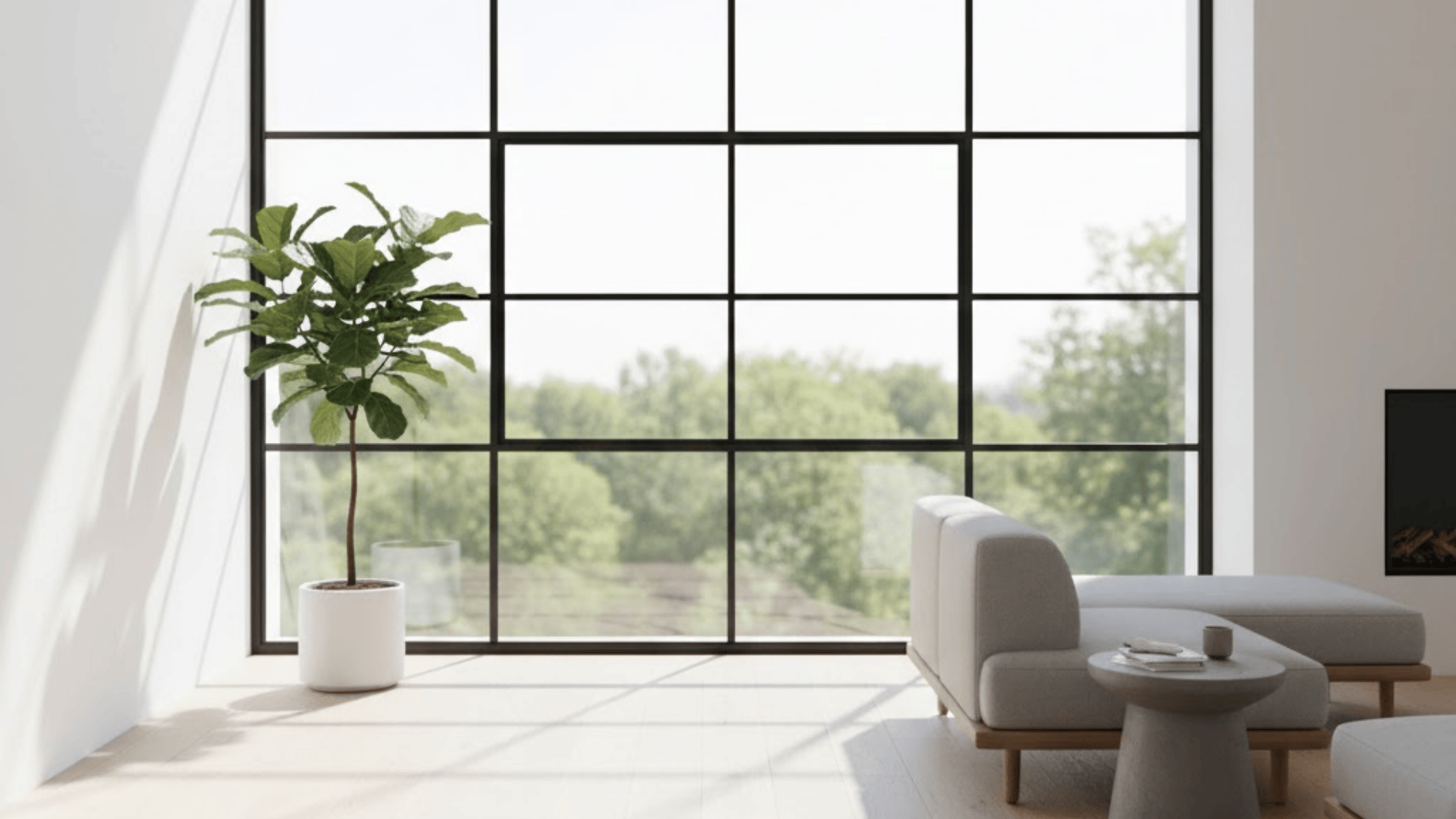
Mullioned windows work well in modern spaces, too.
Thin metal bars and clean lines blend with simple layouts.
Black frames are especially popular because they stand out against light walls and give the room a neat, updated feel.
3. Farmhouse
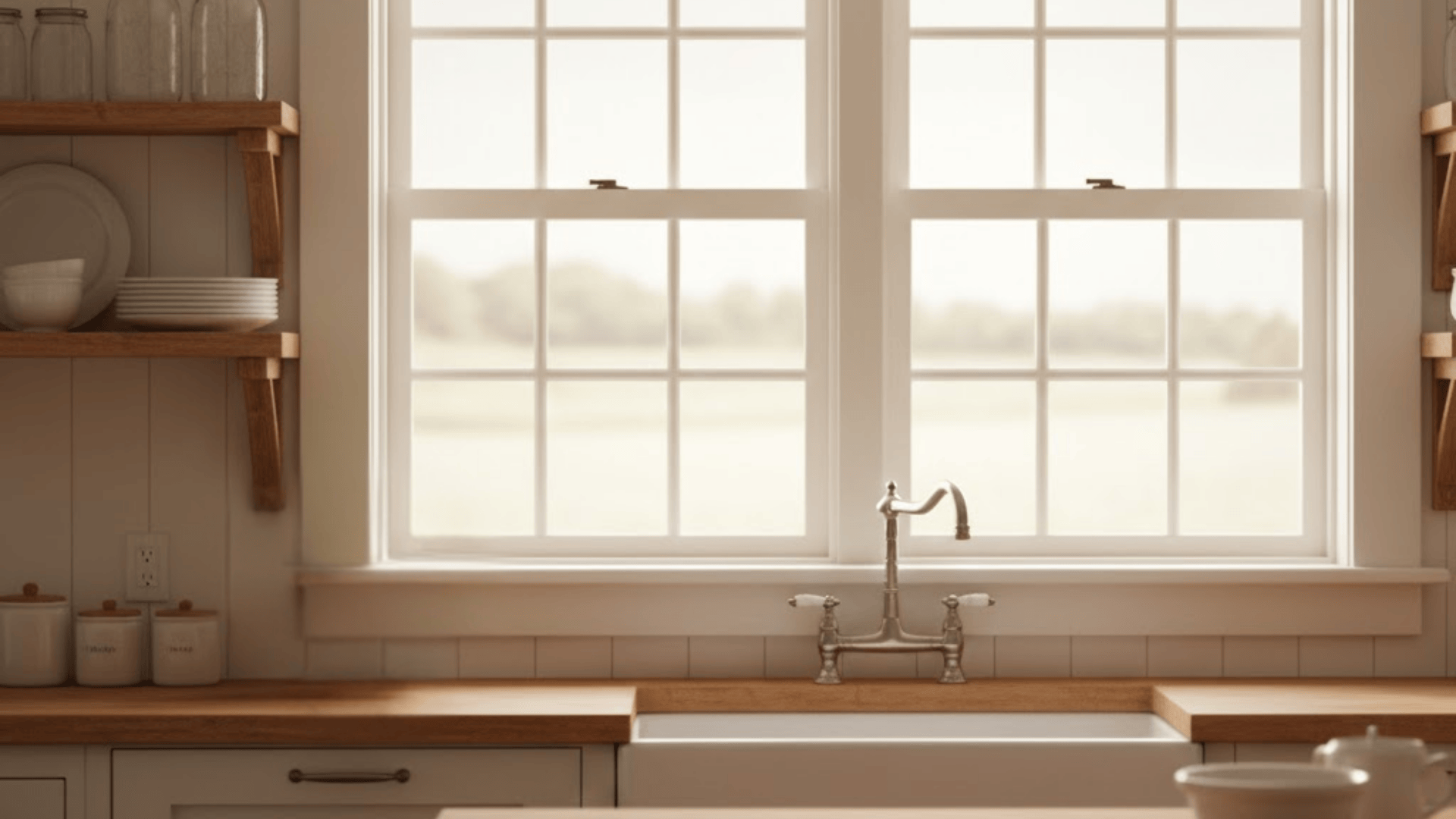
Farmhouse homes use mullioned windows to add warmth and charm. White frames with simple bars pair well with natural wood and soft colors.
They brighten the room and bring in steady light.
4. Industrial Lofts
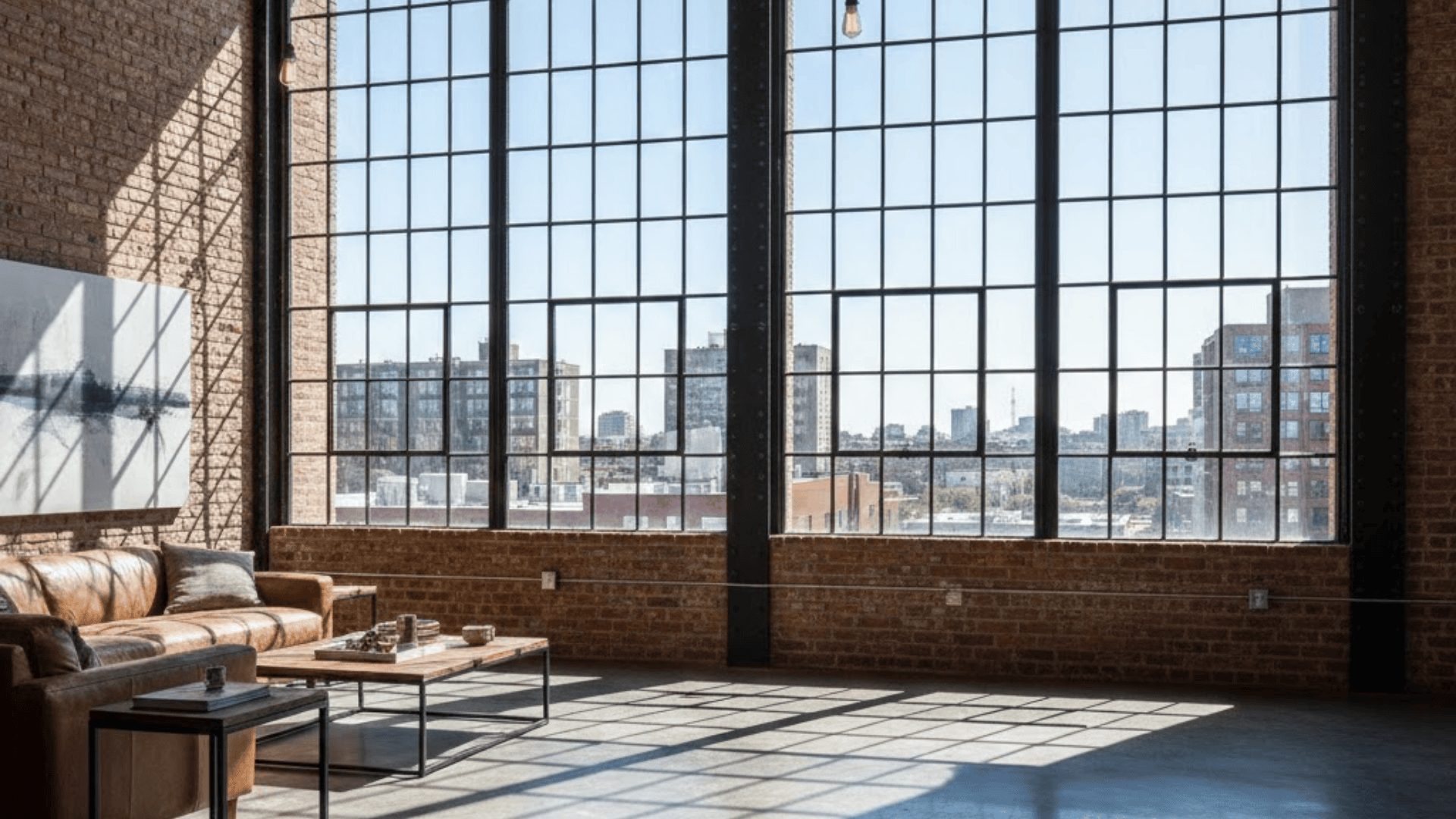
Mullioned windows match the strong look of industrial lofts.
Metal frames and wide panes work well with brick walls, open floors, and concrete textures. They help keep the space bright while supporting the room’s bold style.
5. Bay and Bow Designs
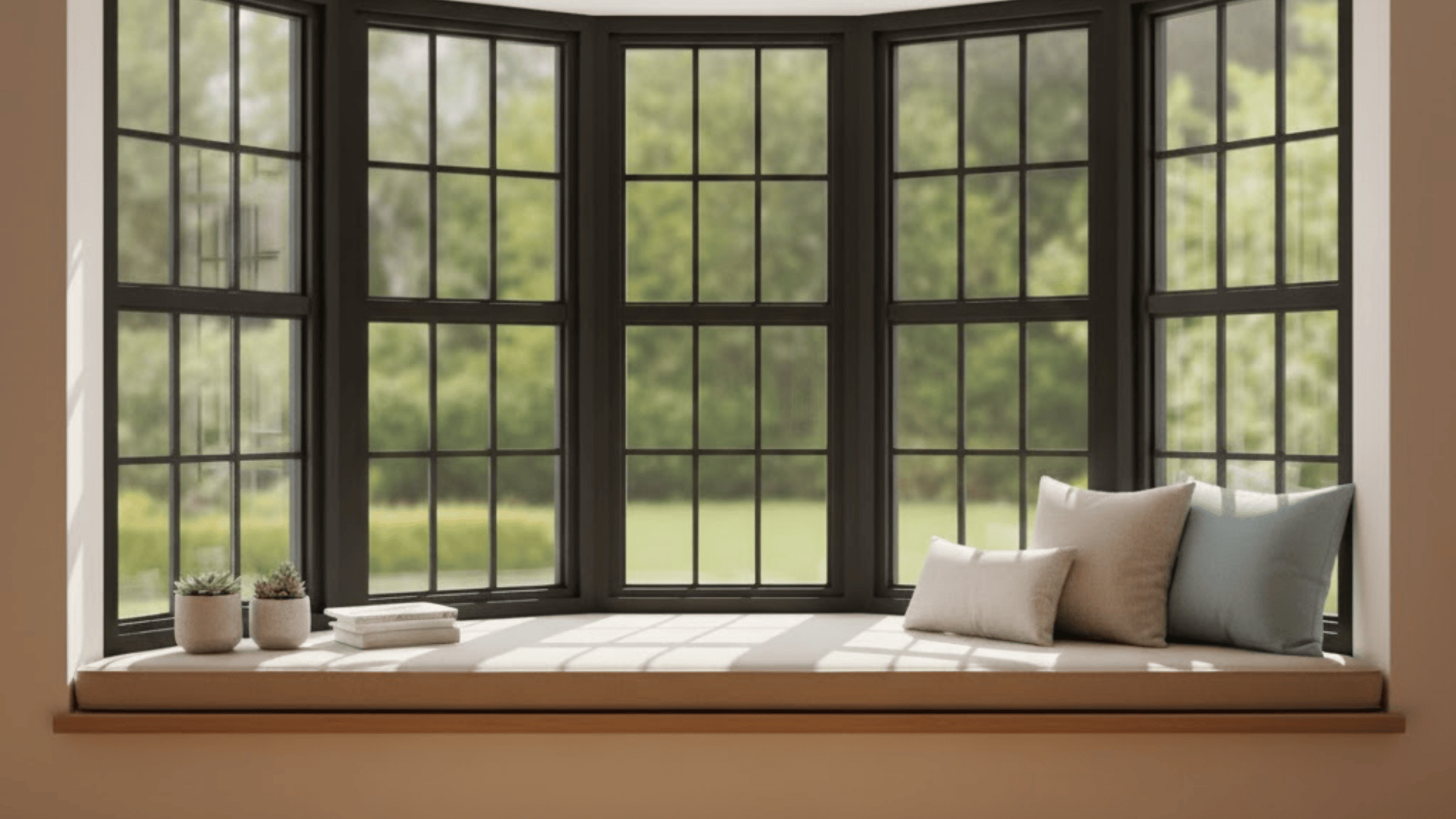
Bay and bow windows look clean and organized with mullioned windows.
The bars break up broad glass areas into smaller sections, giving the curved shape more structure and balance.
6. Mullioned Windows in French Doors
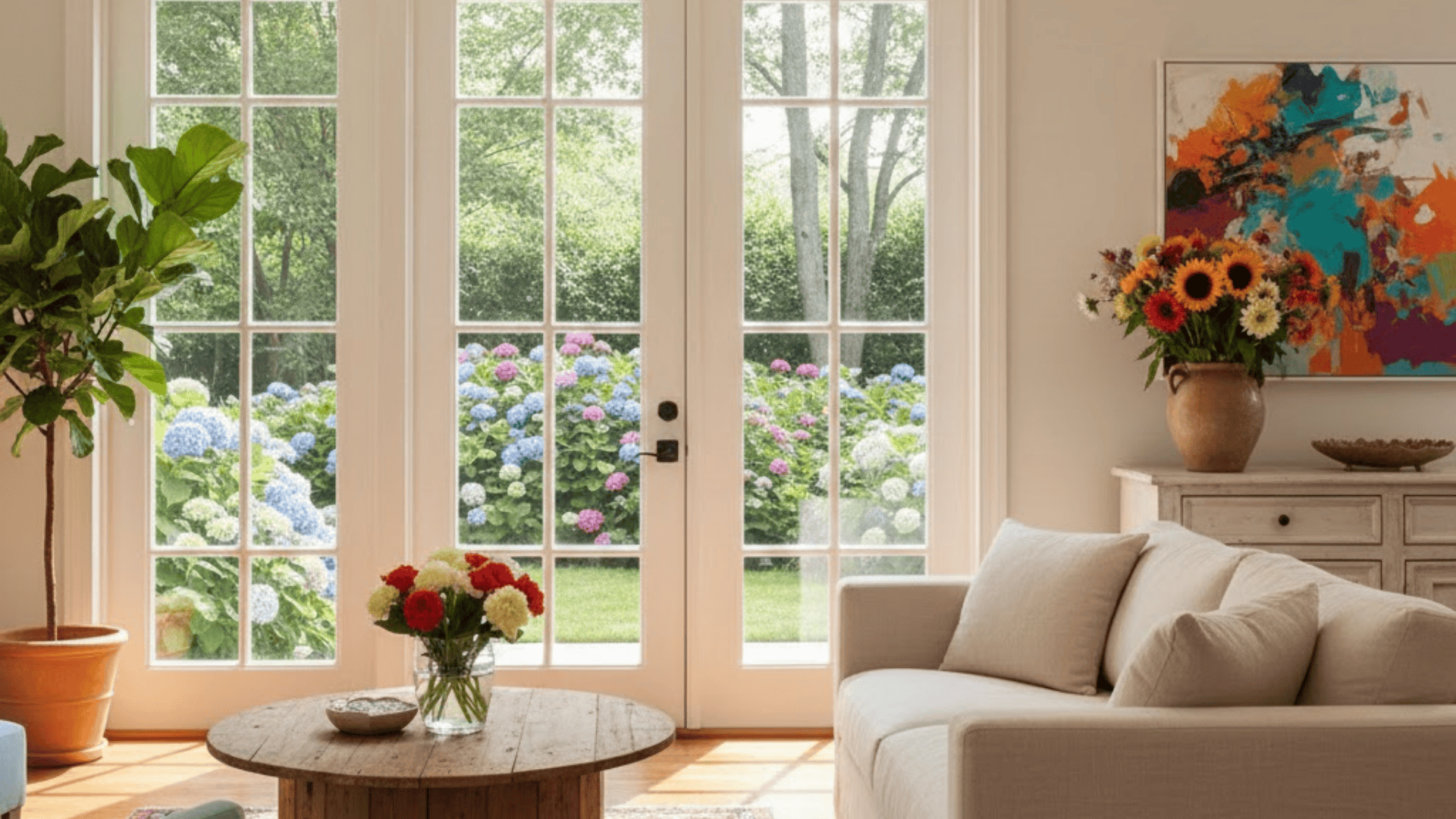
French doors often include mullioned windows to match nearby windows and create a steady look throughout the home.
The divided panes add interest while still allowing plenty of light to pass through.
Where to Use Mullioned Windows in Your Home?
Certain rooms benefit more from these windows than others. Here’s where they make the biggest impact. Let me guide you through each space with practical placement tips.
Living Rooms
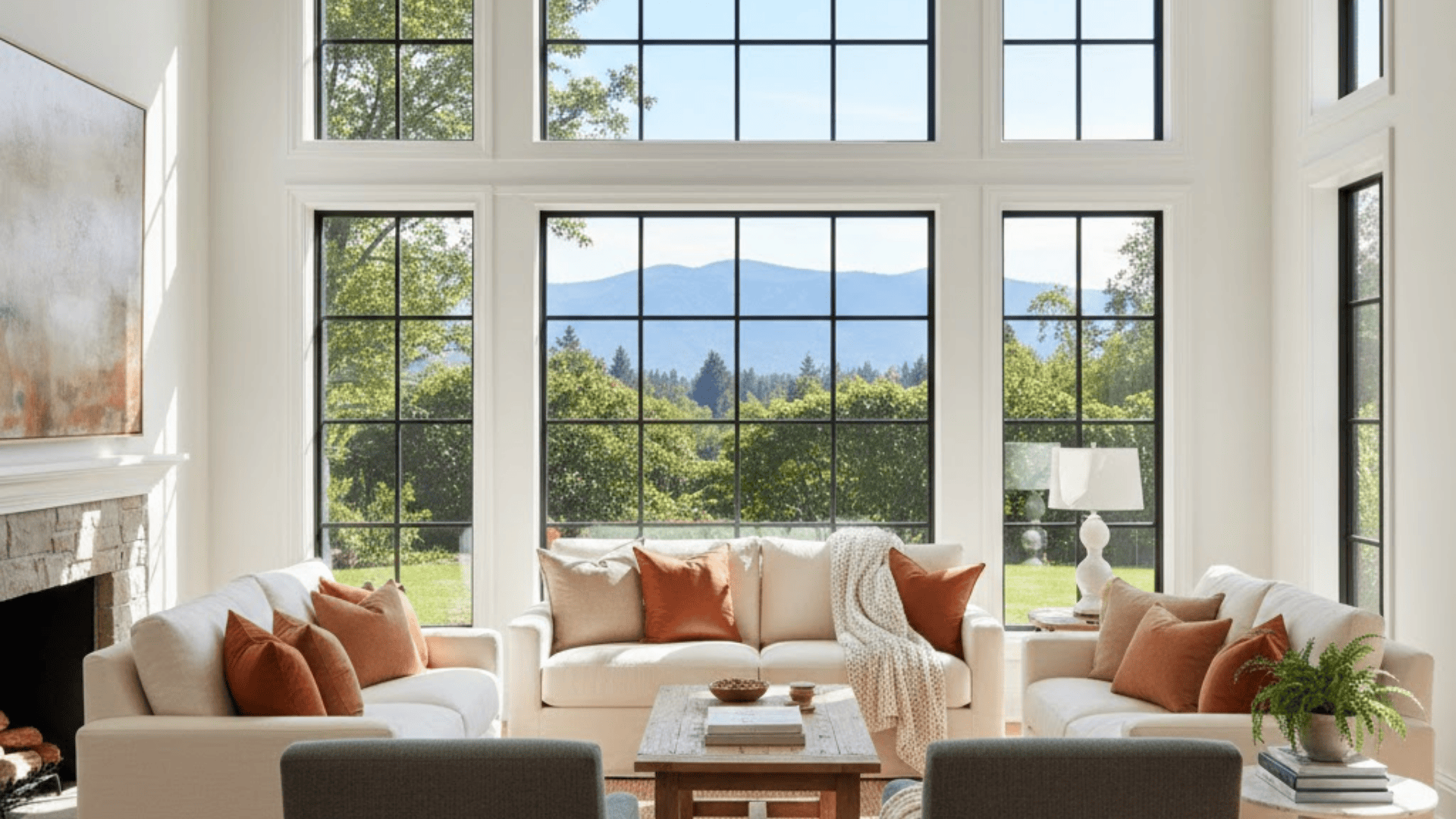
Your main gathering space deserves something special. Large mullioned designs create stunning focal points here.
They frame outdoor views beautifully. The divided sections add architectural interest to plain walls. Floor-to-ceiling options work great if you have high ceilings.
Customization Tip: Paint the mullions in a contrasting color to your walls. Black frames against white walls create drama. Or go tone-on-tone for subtle elegance.
Home Offices
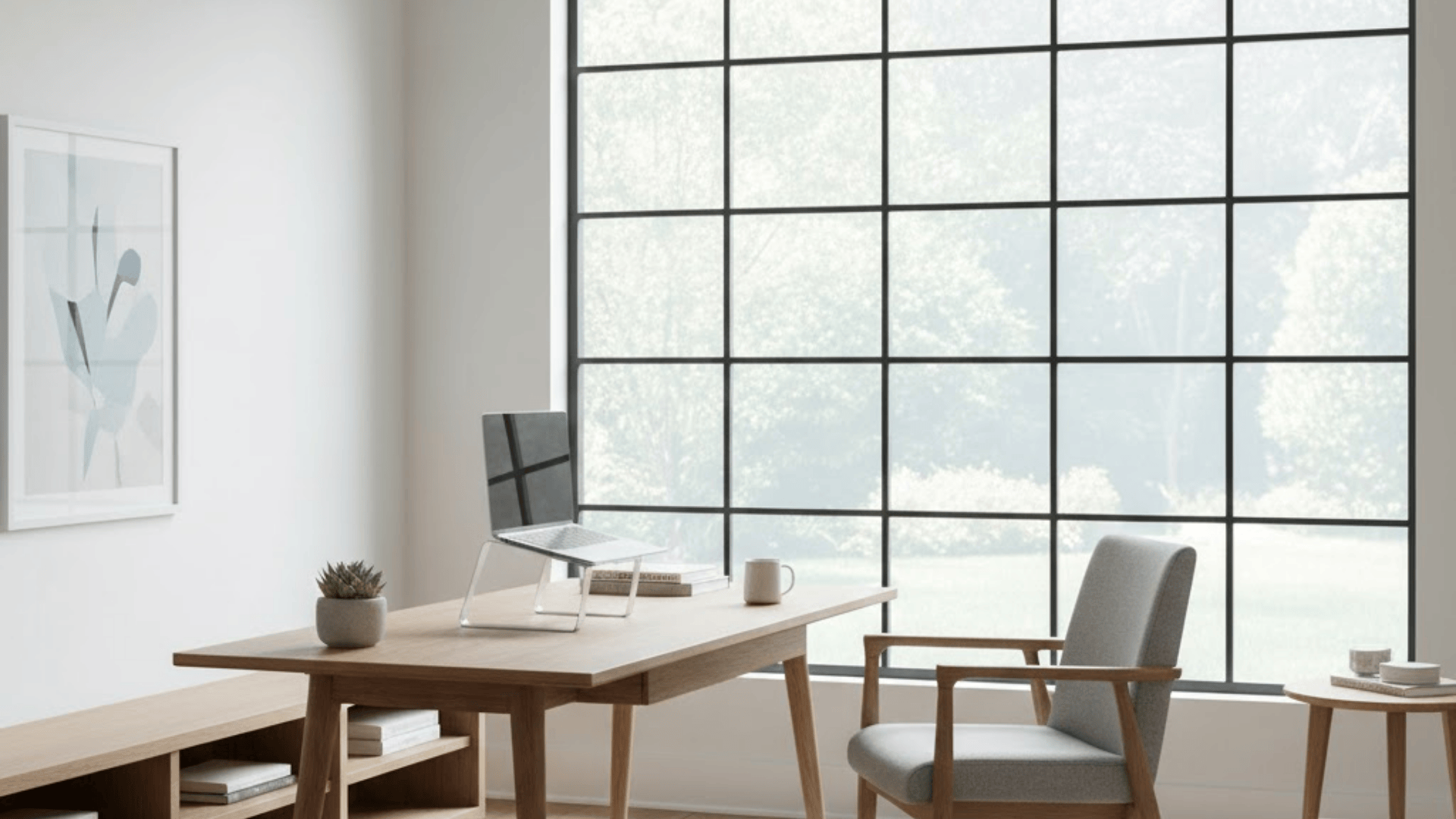
Natural light boosts your productivity and mood.
These windows provide plenty of brightness. The bars also reduce screen glare. You get clear visibility without harsh reflections on your monitor.
Position them behind or beside your desk, not directly in front, where they’d be a distraction.
Customization Tip: Add tinted glass to reduce afternoon sun without blocking light completely. Your eyes will thank you during long work sessions.
Kitchens
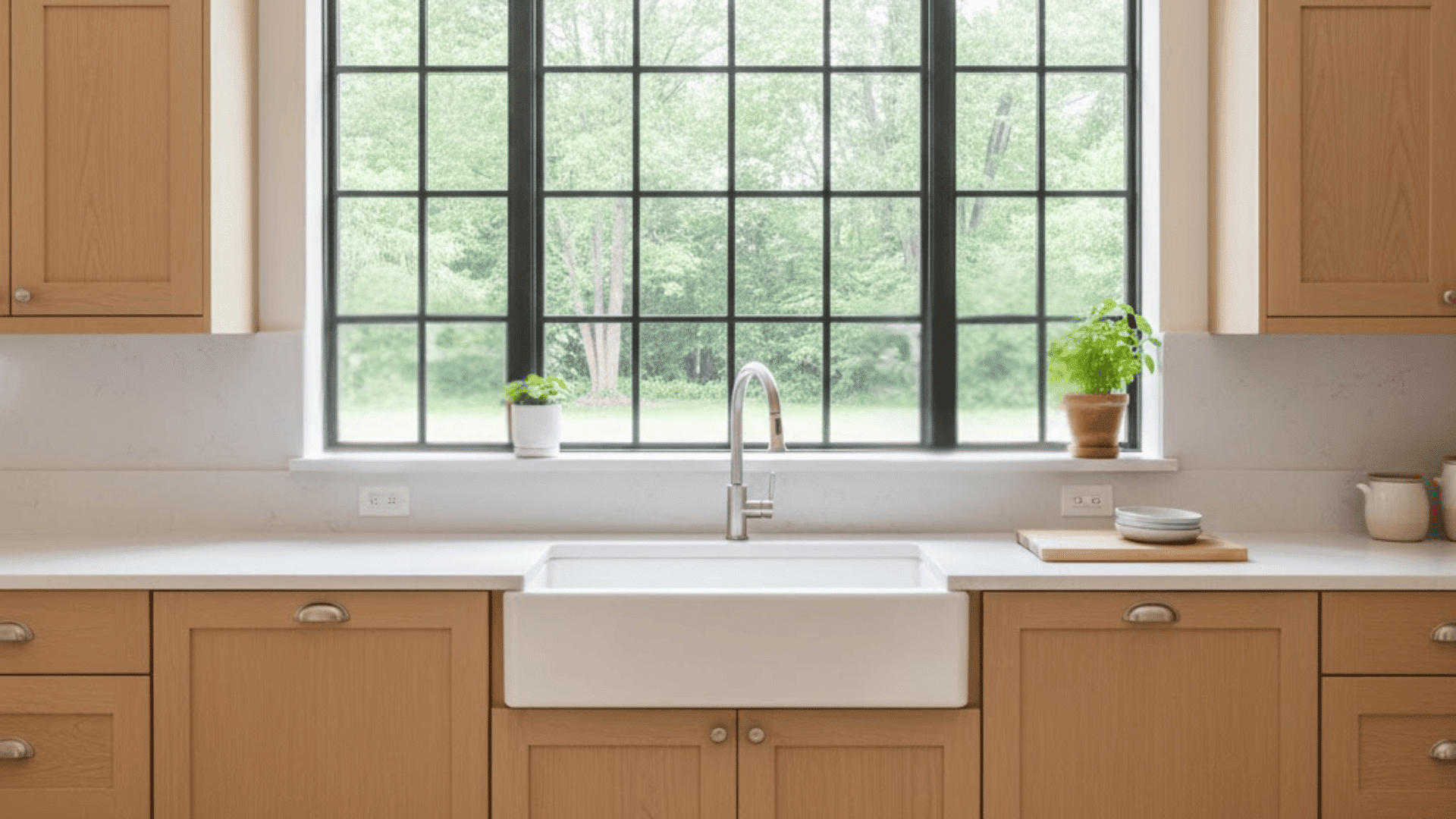
Place them above your sink for a classic look. You’ll enjoy the view while washing dishes.
The sections frame garden scenes or backyard activities nicely.
Individual opening units let you ventilate while cooking. Fresh air comes in without exposing your entire kitchen to bugs or weather.
Customization Tip: Install interior shelving between the mullions. Display small herb pots or decorative items. The bars become functional display space.
Dining Rooms
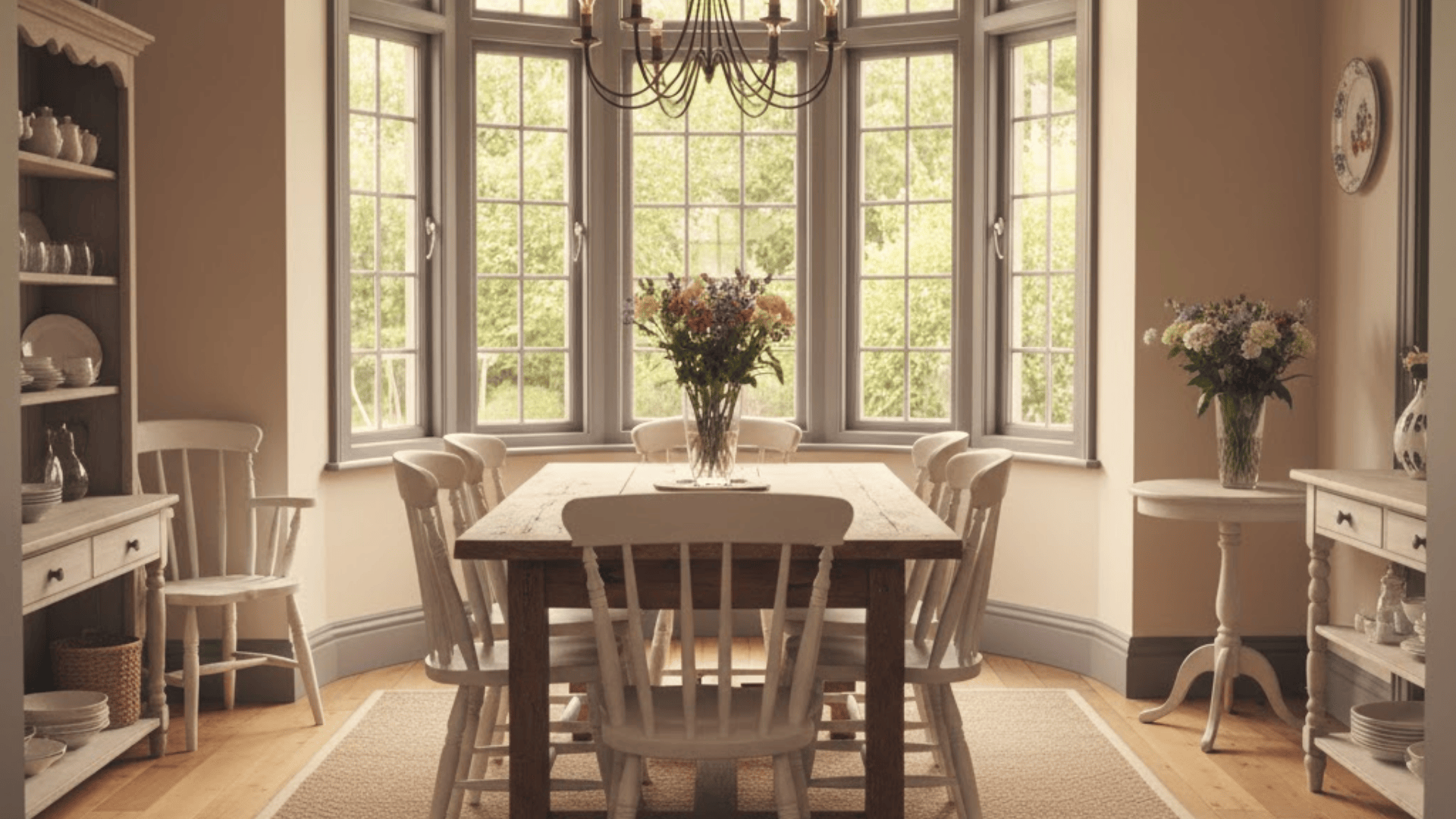
Meals feel more special with beautiful window views. Mullioned designs add formality to dinner settings.
They work exceptionally well in traditional or farmhouse-style dining spaces.
Consider bay window configurations here. They expand your space visually and physically.
Customization Tip: Choose arched top mullions for an elegant touch. They soften the geometry and add sophistication to formal dining areas.
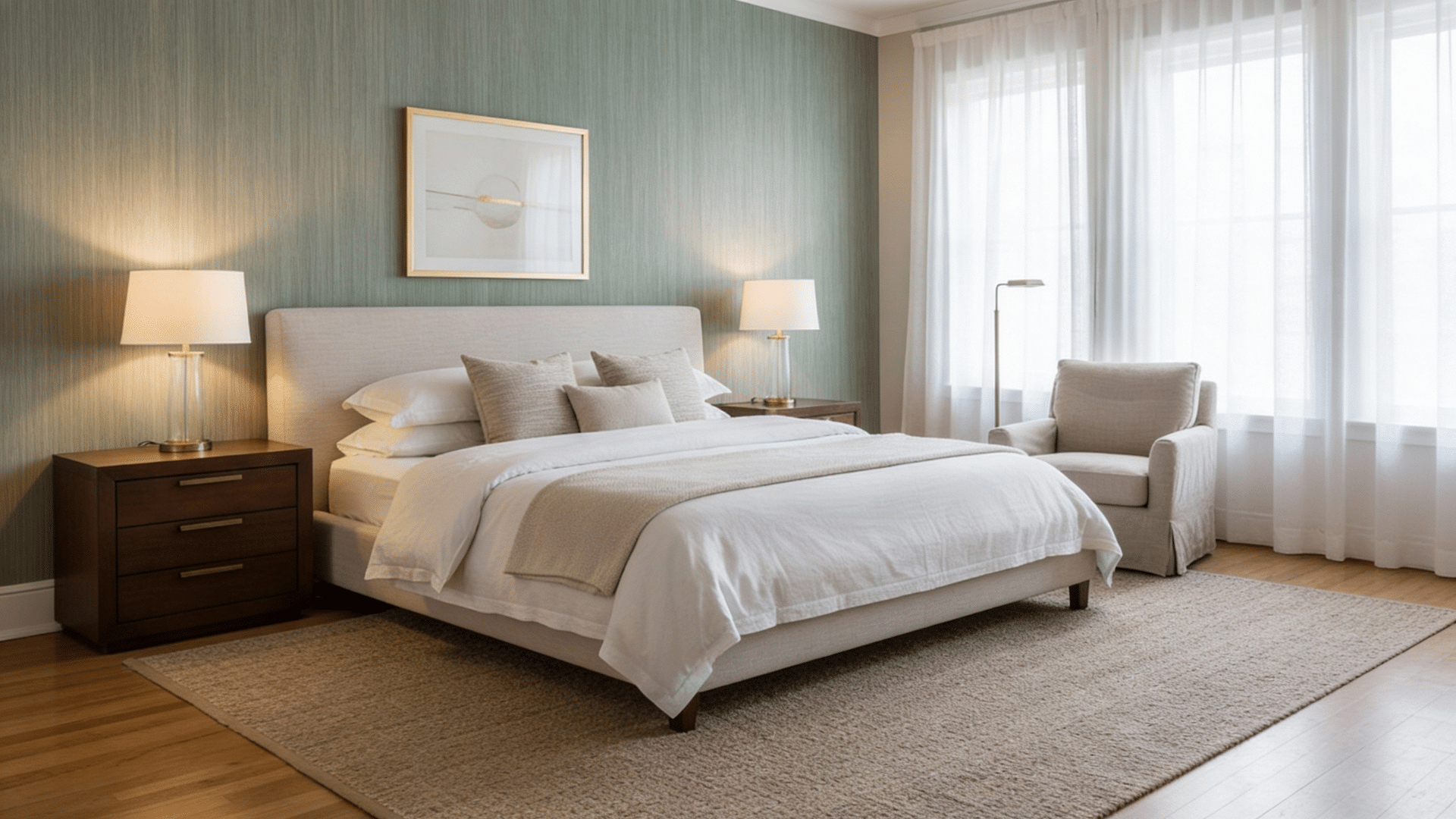
Bedrooms
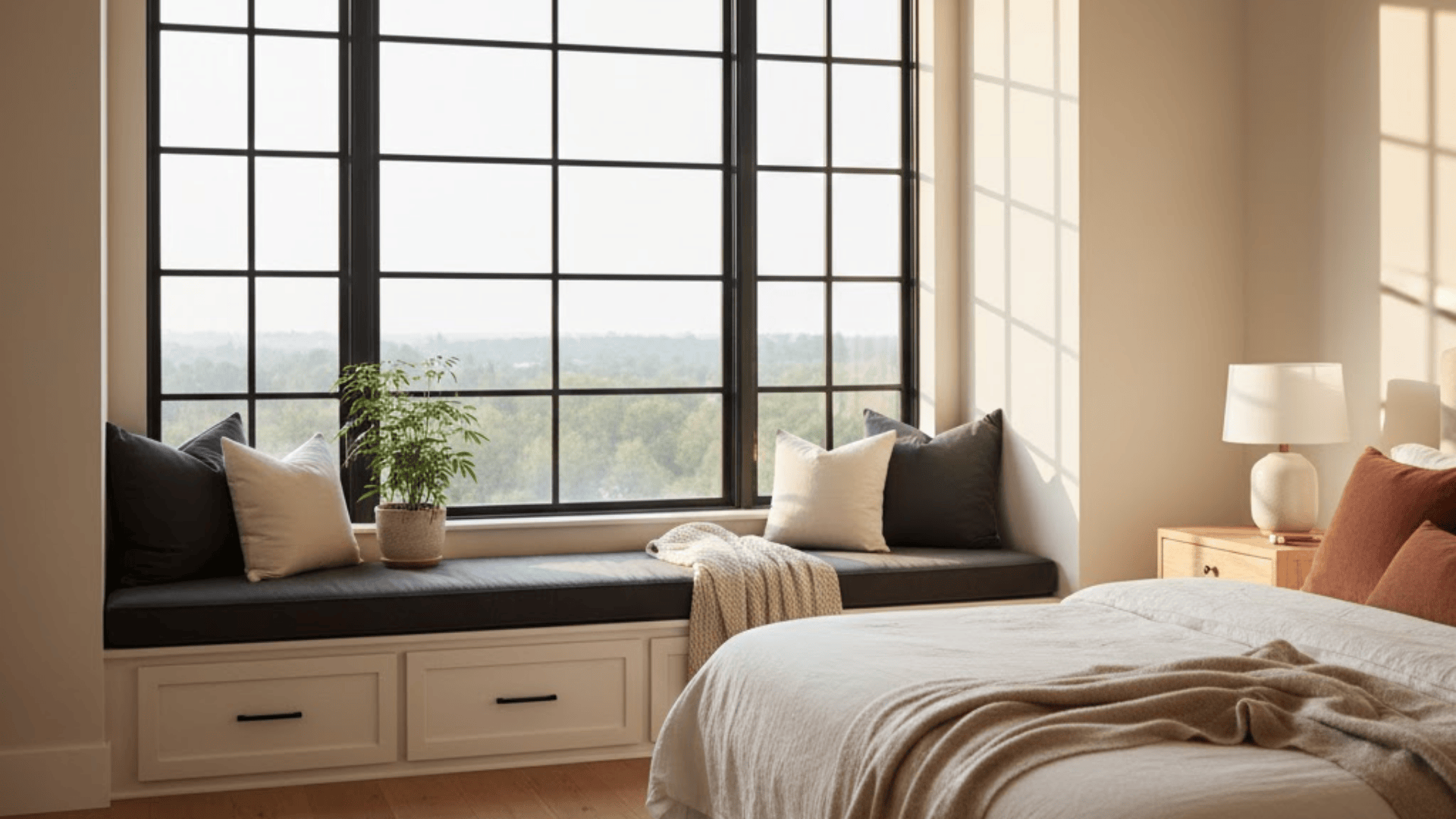
They work beautifully as statement windows here.
Position them to catch morning light. The divided panes create interesting shadow patterns on your walls.
Privacy glass options let light in while keeping views out. Perfect for street-facing bedrooms.
Customization Tip:Add window seats below with built-in storage. The mullions frame your cozy reading nook perfectly. Coordinate cushion colors with the frame finish.
Entryways and Foyers
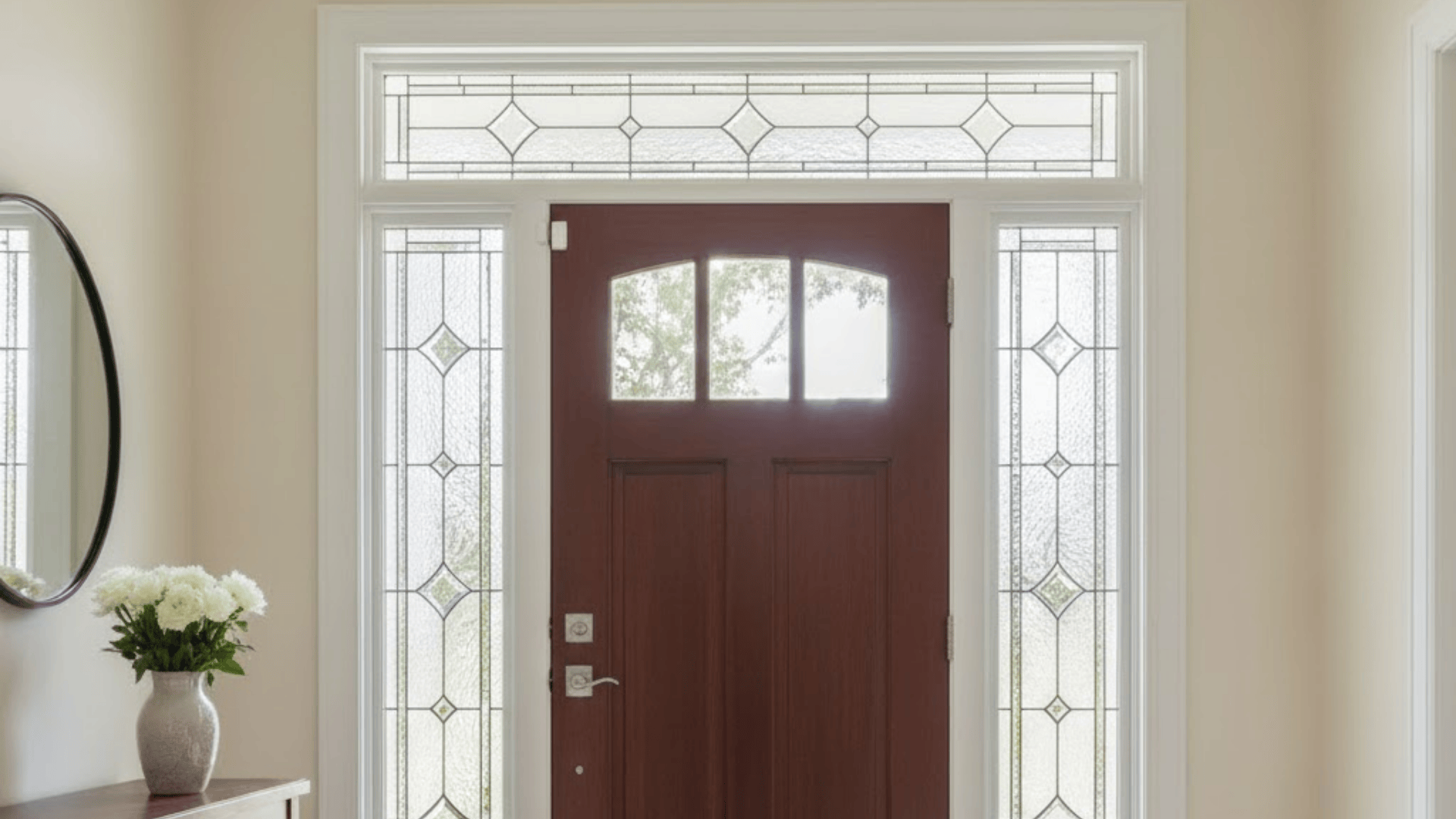
First impressions count. These windows boost your home’s curb appeal immediately. Flanking your front door with mullioned sidelights creates an inviting entrance.
Transom windows above doors add height and grandeur. Visitors notice them right away.
Customization Tip: Use decorative glass in the panes. Beveled, etched, or stained glass adds personality while maintaining privacy near your entrance.
Bathrooms
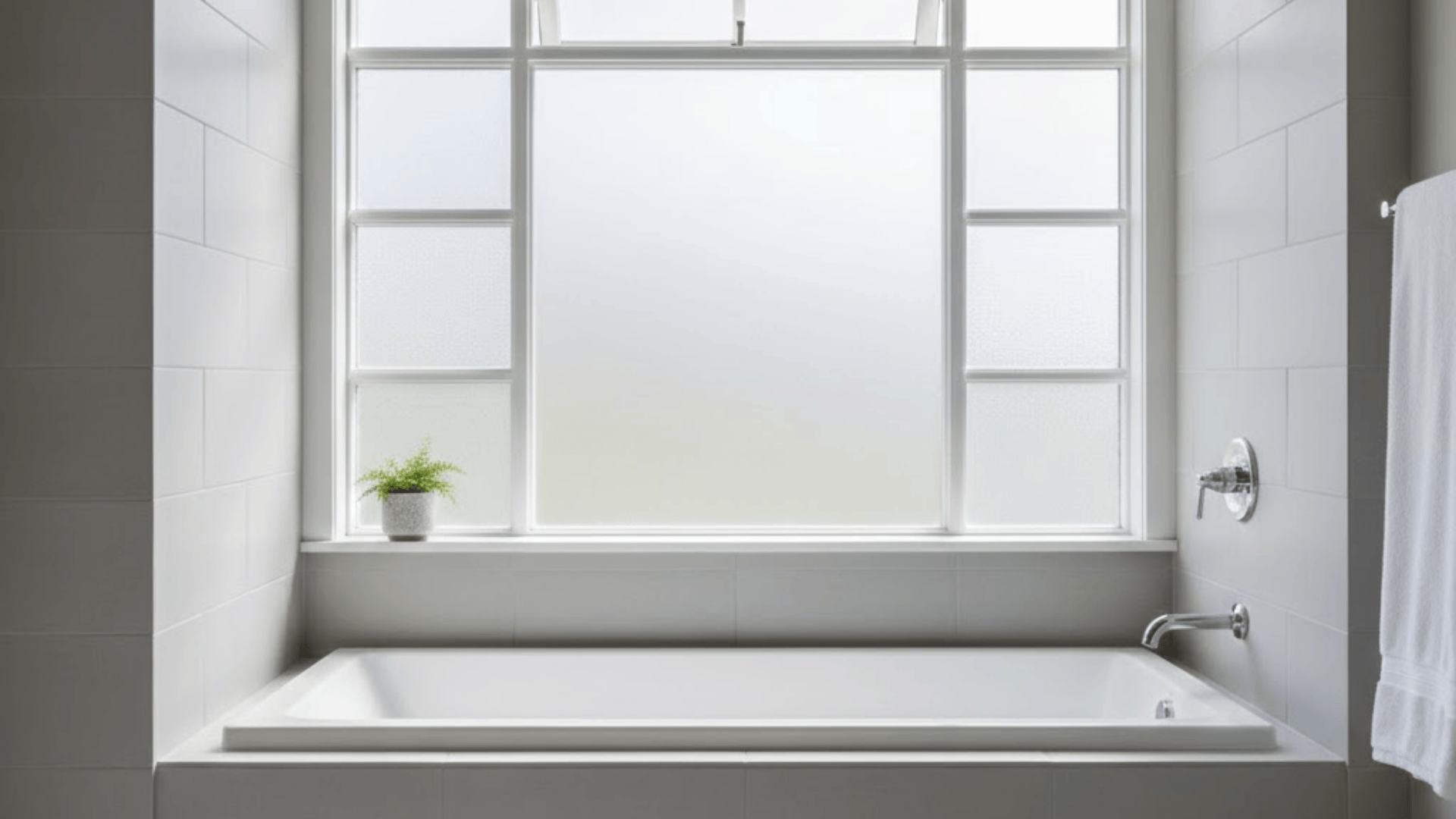
Frosted or textured glass in mullioned frames solves the privacy problem. You get natural light without sacrificing seclusion.
The bars add visual appeal to otherwise simple bathroom walls.
Small sections open for ventilation. Steam and humidity escape easily.
Customization Tip: Mix clear and frosted glass in alternating panes. Creates visual interest while controlling privacy levels exactly where you need them.
Mullions vs Muntins
People often confuse these two terms. But they’re actually different. Let me clear this up with a simple comparison.
| Feature | Mullions | Muntins |
| What they are | Bars that separate individual window units | Strips that divide glass within one window |
| Purpose | Hold the separate windows together. | Split the glass into smaller sections |
| Location | Between window frames | Inside one window frame |
| Function | Join multiple windows | Create grid patterns |
| Common use | Window walls, bay windows, storefronts | Cottage styles, French doors |
| Material | Wood, metal, vinyl | Wood, metal, simulated grids |
| Cost Consideration | Approx. $800-$2,500+ per window | Approx. $300-$1,800per window |
An easy way to remember:
- Millions go between windows. Muntins go inside windows.
- Both add visual appeal. Both create that classic divided-light look.
- But they serve different roles in your window design.
Pros and Cons of Mullion Windows
Pros:
- Perfect for large window walls
- Can replace one damaged section without redoing everything
- Holds multiple window units together securely
- Separate units can open or be replaced for ventilation
Cons:
- Thicker bars block some light
- Need more upkeep
- Break the view into sections
Pros and Cons of Muntins Windows
Pros:
- Give a traditional cottage or colonial feel
- Simpler maintenance
- Are budget-friendly
- Don’t block much light
Cons:
- Create nooks where dirt collects
- Don’t support anything substantial
- Damage often requires complete window replacement
Wrapping Up
So there you have it. You now know the difference between mullions and muntins.
You understand which styles fit different homes. You’ve seen where they work best and what benefits they offer.
The question isn’t whether these windows look good. They do. The real question is whether they match your home’s needs and your personal taste.
Maybe you want that classic charm. Perhaps you need structural support for a large window wall. Or you love how they frame your outdoor views.