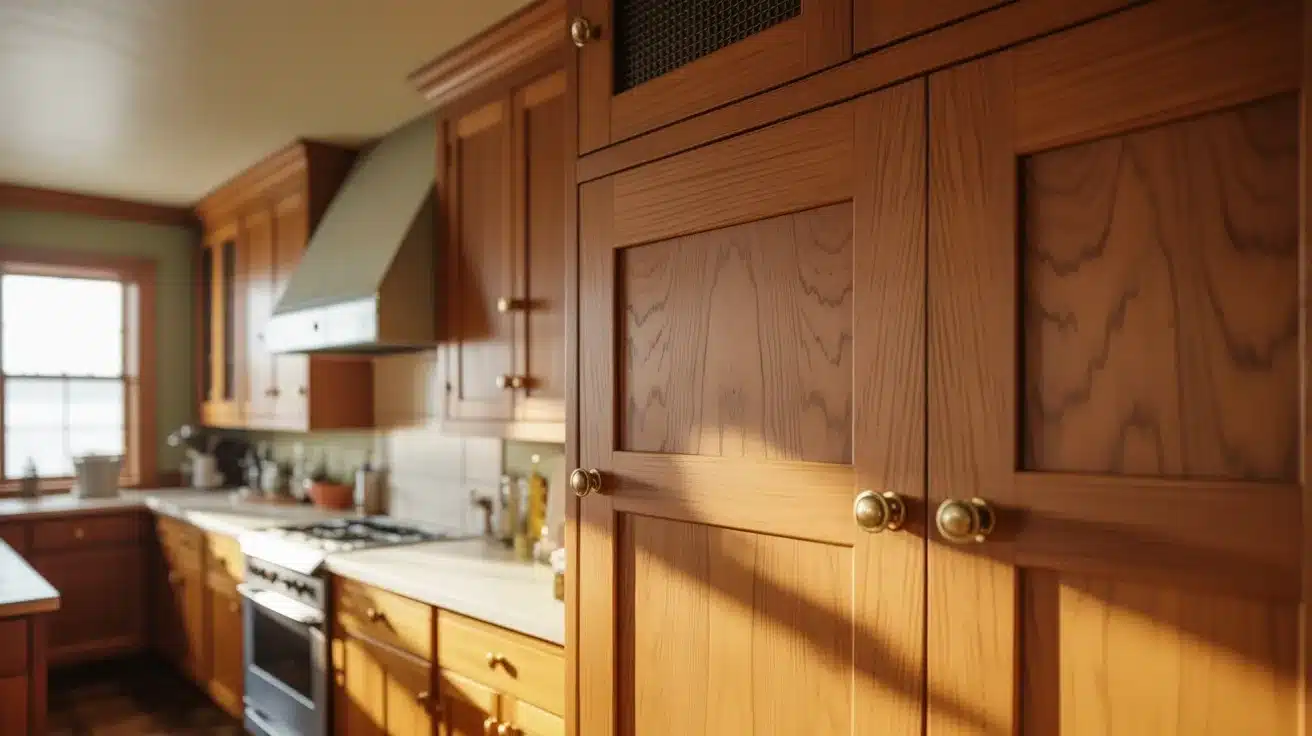


Thinking about giving your kitchen a fresh look?
Most people dream of a kitchen makeover but worry about the cost. Kitchen renovations range from a few thousand dollars to six figures. That wide range doesn’t help when planning your budget.
This blog breaks down kitchen renovation costs so you know exactly what to expect.
You’ll learn the factors that affect price, how size and layout impact your budget, where to save, and how to get the kitchen you want without overspending.
Average Kitchen Remodeling Cost
Most people spend between $13,000 and $37,000. That’s a pretty wide gap. The national average sits around $25,000.
But your actual spending depends on several factors.
- Kitchen Size: Larger kitchens need more materials and labor. Small kitchens (under 70 sq ft) cost far less than large ones (200+ sq ft).
- Layout Changes: Keeping the existing layout saves thousands. Moving plumbing or electrical adds major costs. Knocking down walls requires structural work and permits.
- Materials and Finishes: Countertops range from laminate ($20-50/sq ft) to marble ($75-200/sq ft). Cabinets go from stock ($100-300/linear ft) to custom ($500-1,200/linear ft). Flooring varies from vinyl ($2-8/sq ft) to hardwood ($8-25/sq ft).
- Appliances: Basic appliances cost $300-800 each. High-end brands run $2,000-10,000+. Built-in models cost more than freestanding ones.
- Labor Costs: Professionals charge $50-150/hour based on trade and location. DIY saves labor but requires time and skills.
- Permits and Inspections: Major renovations require permits ($200-1,500). Electrical and plumbing work needs licensed professionals.
- Location: Urban areas cost more than rural areas due to higher labor and material rates.
Typical Expenses Cost Breakdown
Where your renovation dollars actually go. Here’s a detailed look at kitchen remodeling costs.
1. Cabinets
Cabinets eat up the biggest chunk of your budget. Expect to spend $3,000 to $20,000, depending on quality and quantity. Stock cabinets start around $100 per linear foot.
Semi-custom options run $150 to $650 per foot. Custom cabinets can cost more than $1,000 per linear foot.
2. Countertops
Countertop prices vary widely depending on the material. Laminate costs $10 to $40 per square foot installed.
Granite runs $40 to $100 per square foot. Quartz ranges from $50 to $150 per square foot. For an average kitchen, budget $2,000 to $4,500 total.
3. Flooring
Kitchen flooring costs depend on the material and the square footage. Vinyl flooring starts at $2 to $8 per square foot. Ceramic tile runs $5 to $15 per square foot.
Hardwood costs $8 to $25 per square foot installed. Most homeowners spend $1,500 to $4,500 on kitchen floors.
4. Appliances
New appliances represent a major line item expense. A basic package with fridge, stove, dishwasher, and microwave costs $2,000 to $8,000. Mid-range brands run $4,000 to $10,000.
High-end or professional-grade appliances can exceed $15,000. Energy-efficient models may qualify for rebates.
5. Lighting
Good lighting turns your kitchen on, but varies in cost. Recessed lighting installation runs $100 to $200 per fixture. Pendant lights range from $50 to $500 each.
Under-cabinet lighting costs $150 to $500 total. Plan to spend $500$2,000 on lighting upgrades.
6. Plumbing & Electrical
These systems require professional installation for safety and code compliance. Moving a sink or adding outlets costs $500 to $2,000.
Upgrading electrical panels runs $1,000 to $3,000. New plumbing lines add $1,000 to $5,000. Budget $2,000 to $8,000 for these trades.
7. Labor
Professional installation makes up 20% to 35% of total costs. General contractors charge $50 to $150 per hour.
Electricians bill $50 to $100 per hour. Plumbers cost $45 to $150 per hour. Total labor for a standard remodel runs $5,000 to $15,000.
8. Cleanup & Disposal Fees
Don’t forget about removing old materials and debris. Dumpster rental costs $300 to $600 per week.
Hauling services charge $100 to $800 per load, depending on volume. Demolition adds $500 to $2,000. Set aside $800 to $2,500 for cleanup.
Best Materials or Finishes for Your Kitchen
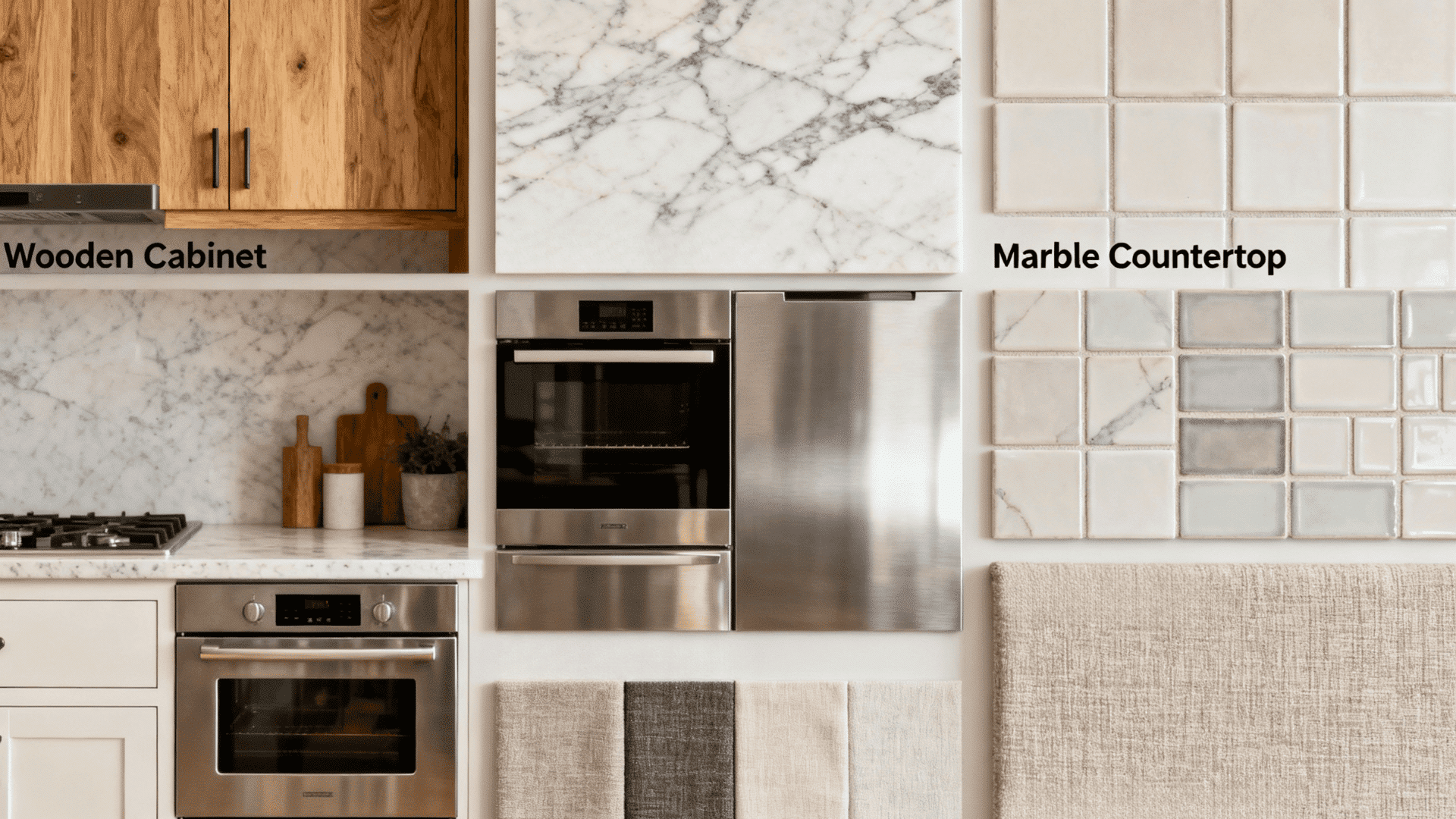
Choosing the right materials balances quality and affordability. Here are budget-friendly options that look great.
| Kitchen Element | Affordable Option | Cost Range | Why It Works |
|---|---|---|---|
| Countertops | Laminate or butcher block | $10-$50/sq ft | Durable and easy to maintain |
| Cabinets | Stock or ready-to-assemble | $100-$300/linear ft | Good quality at lower prices |
| Flooring | Vinyl plank or ceramic tile | $2-$15/sq ft | Water-resistant and long-lasting |
| Backsplash | Subway tile or peel-and-stick | $3-$15/sq ft | Simple to install yourself |
| Hardware | Brushed nickel or matte black | $2-$10/piece | Modern look without high cost |
| Sink | Stainless steel drop-in | $100-$400 | Scratch-resistant and practical |
| Faucet | Single-handle chrome finish | $80-$250 | Easy to clean and reliable |
| Paint | Semi-gloss or satin finish | $30-$60/gallon | Moisture-resistant for kitchens |
Kitchen Renovation Cost by Size and Layout
Your kitchen’s size and layout directly impact renovation expenses. Here’s what you can expect to pay per square foot.
1. Small Kitchen (70-100 sq ft)
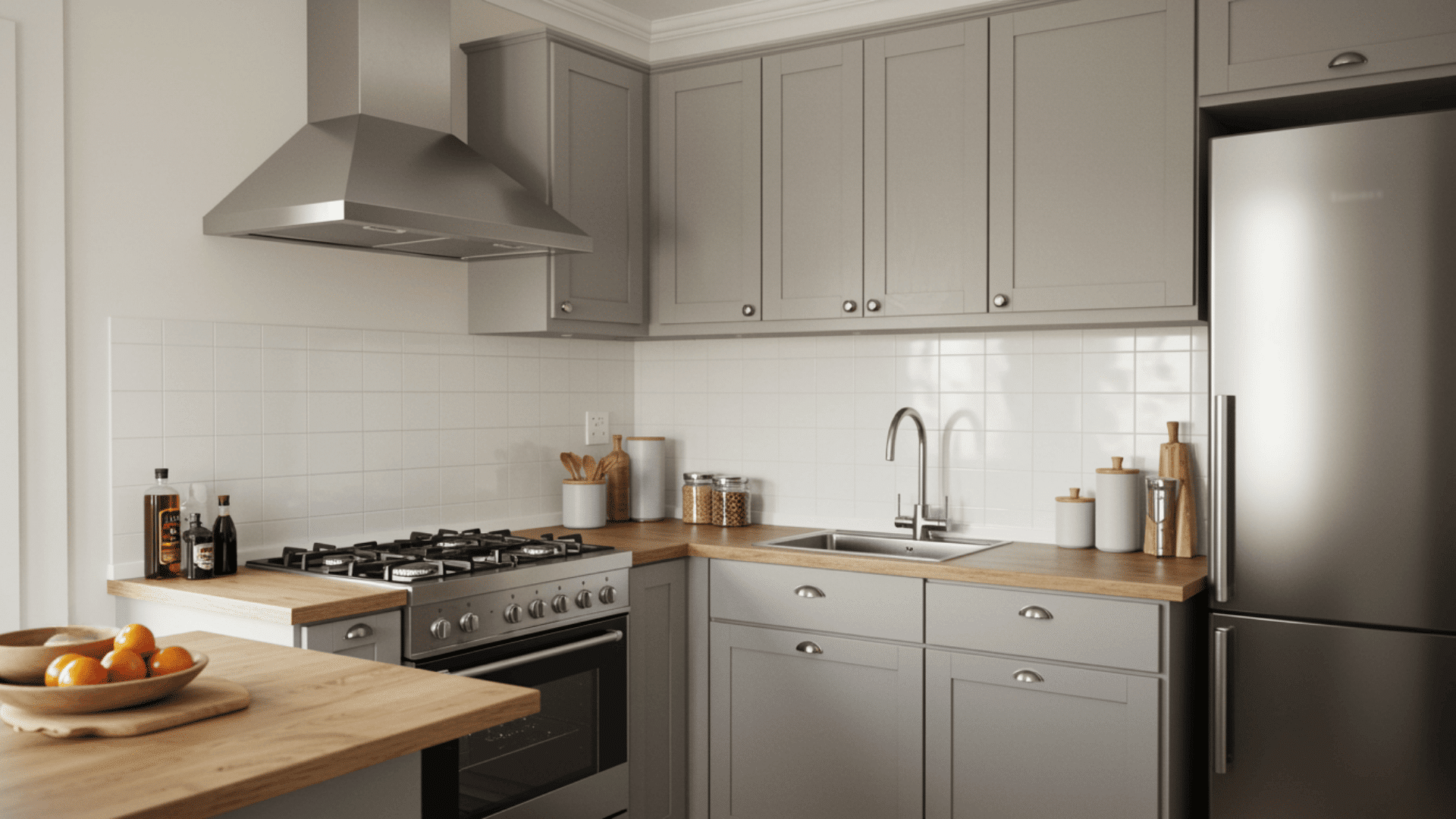
Small spaces require less material but still need quality fixtures.
These compact kitchens work well for apartments or condos. You’ll save on flooring and countertops, but won’t skimp on appliances.
- Minor renovation: $5,000 to $10,000
- Mid-range remodel: $10,000 to $20,000
- Upscale renovation: $20,000 to $35,000
2. Medium Kitchen (100-150 sq ft)
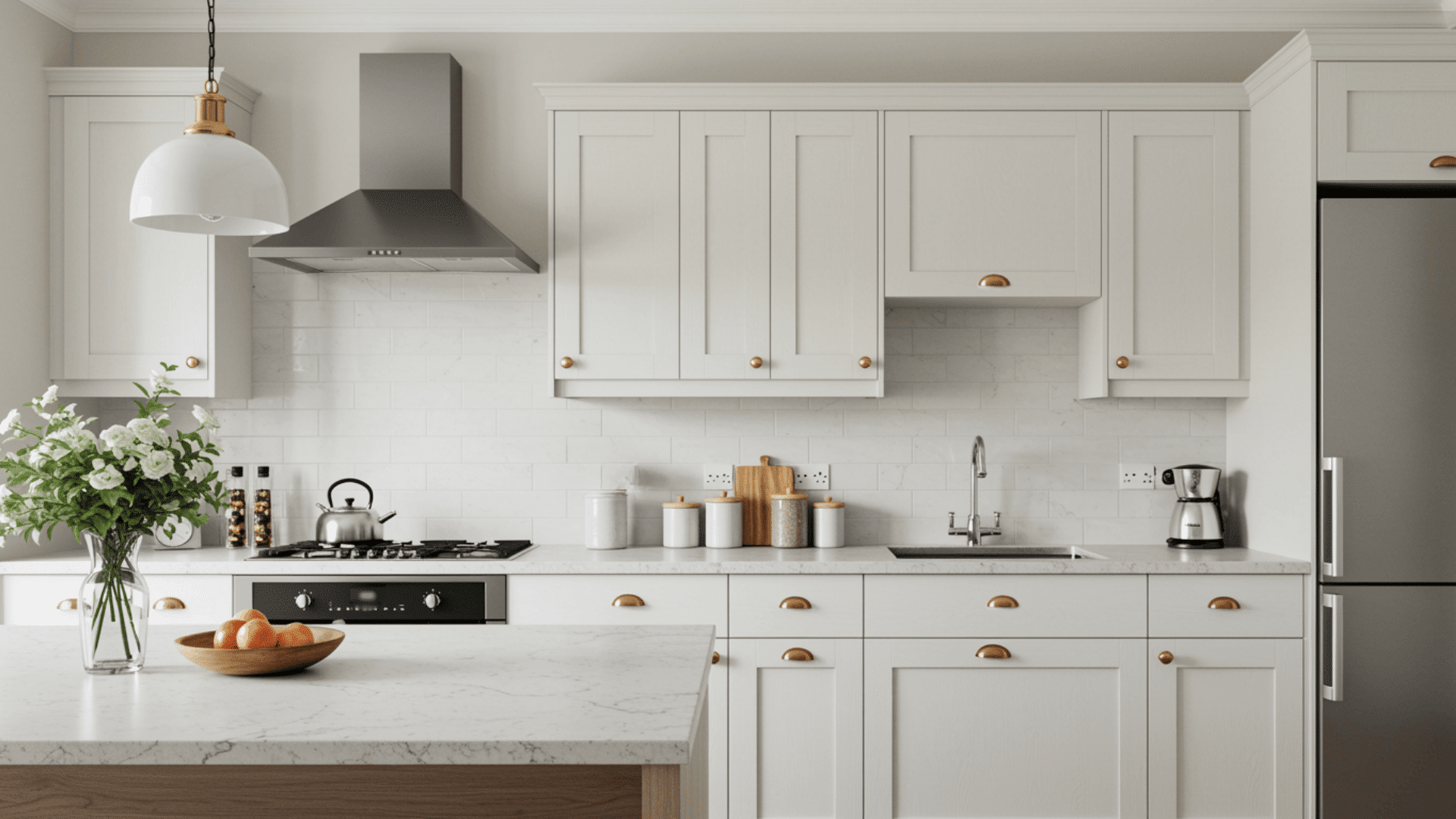
This size fits most standard homes perfectly. You have room for an island or breakfast bar.
Material costs increase but remain manageable. Labor expenses stay reasonable, too.
- Minor renovation: $12,000 to $18,000
- Mid-range remodel: $20,000 to $35,000
- Upscale renovation: $35,000 to $55,000
3. Large Kitchen (150-200 sq ft)
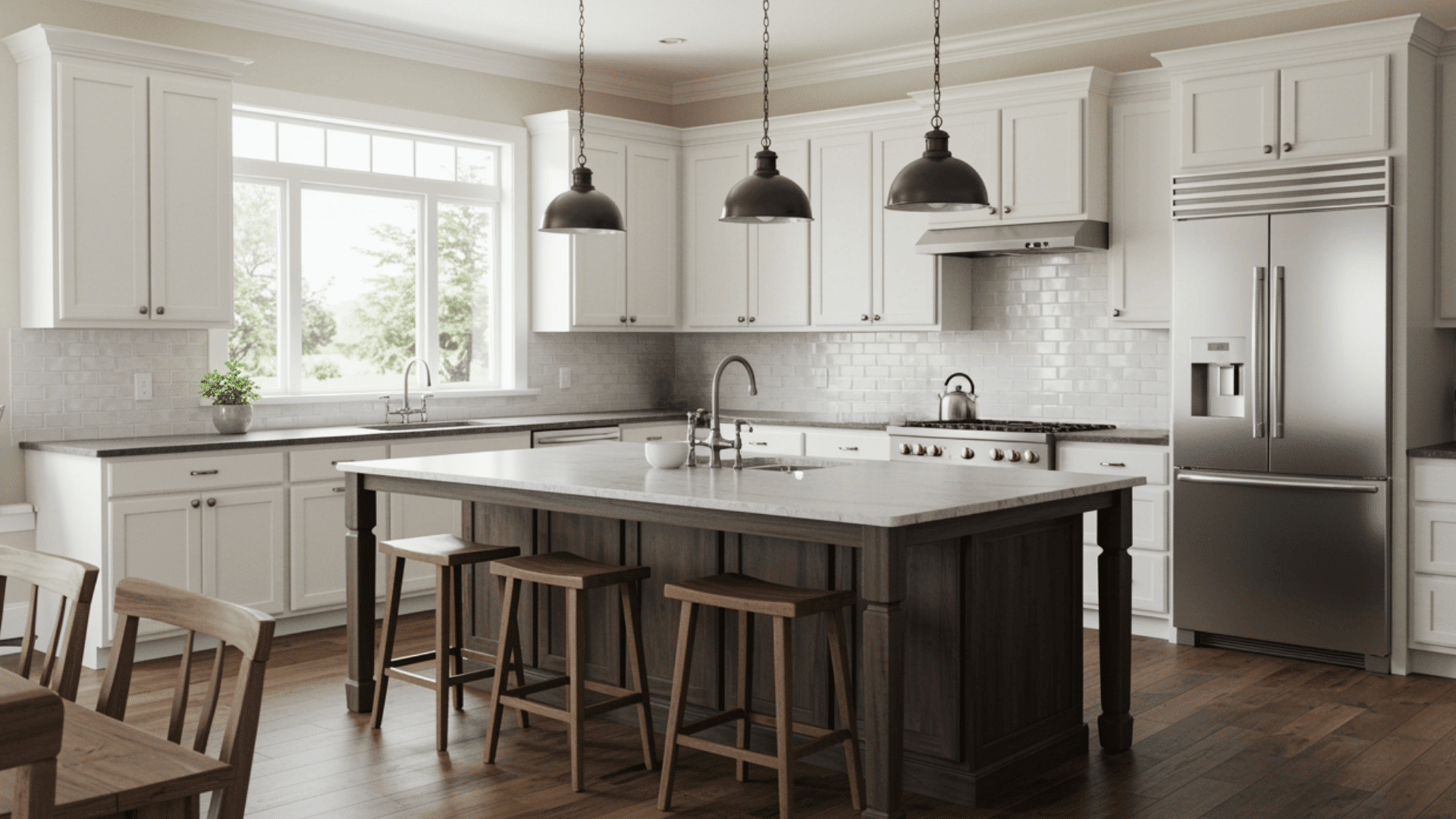
Larger kitchens offer more design possibilities and storage. You’ll need more cabinets and countertop space.
Flooring costs jump, especially here. Extra square footage means higher labor bills.
- Minor renovation: $18,000 to $28,000
- Mid-range remodel: $30,000 to $50,000
- Upscale renovation: $50,000 to $75,000
4. Extra Large Kitchen (200-300 sq ft)
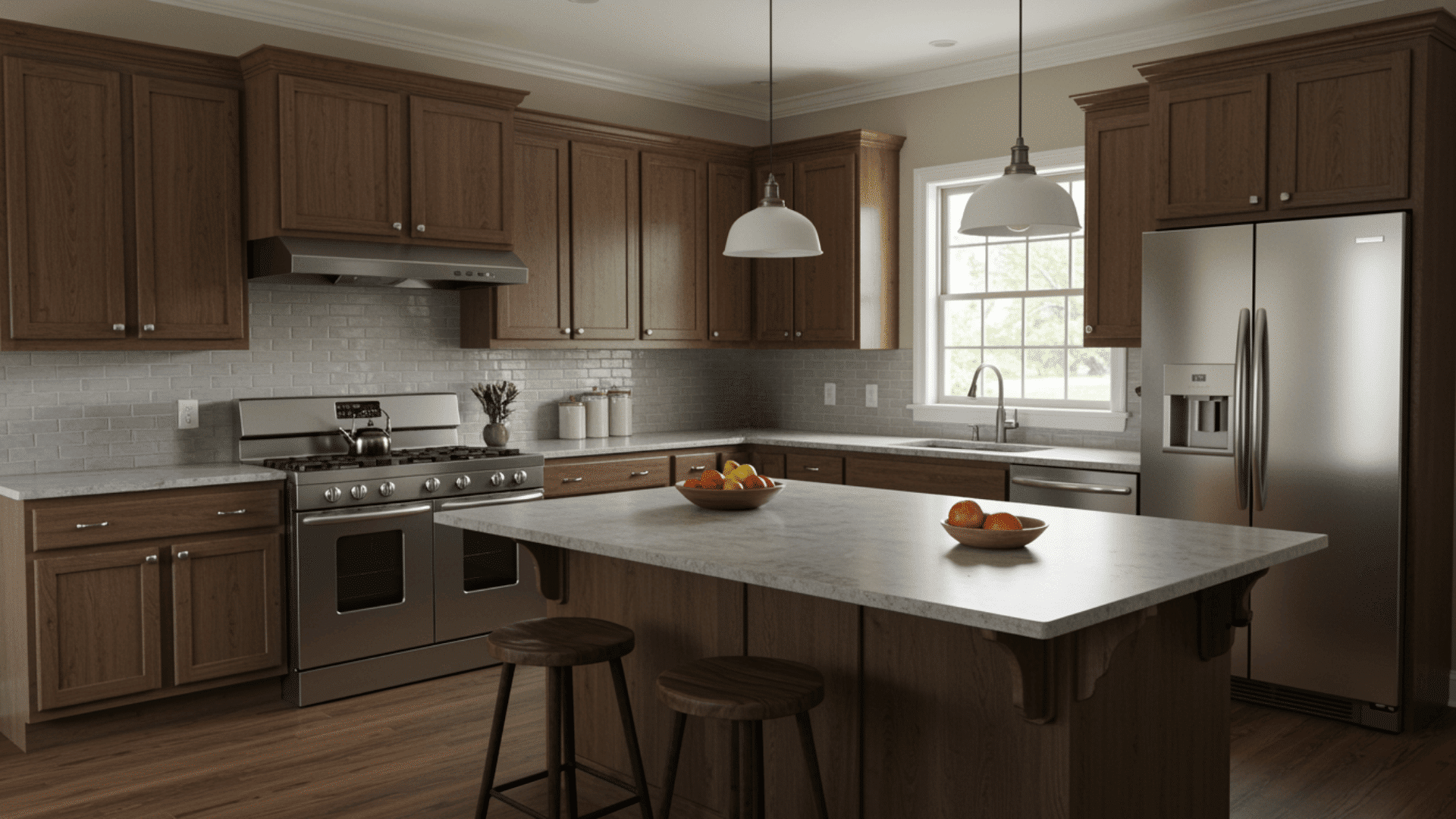
These spacious kitchens suit bigger families or entertainers. Multiple work zones become possible.
Material quantities drive costs up substantially. Professional chefs often prefer this size.
- Minor renovation: $25,000 to $40,000
- Mid-range remodel: $45,000 to $70,000
- Upscale renovation: $70,000 to $100,000+
5. Galley Kitchen
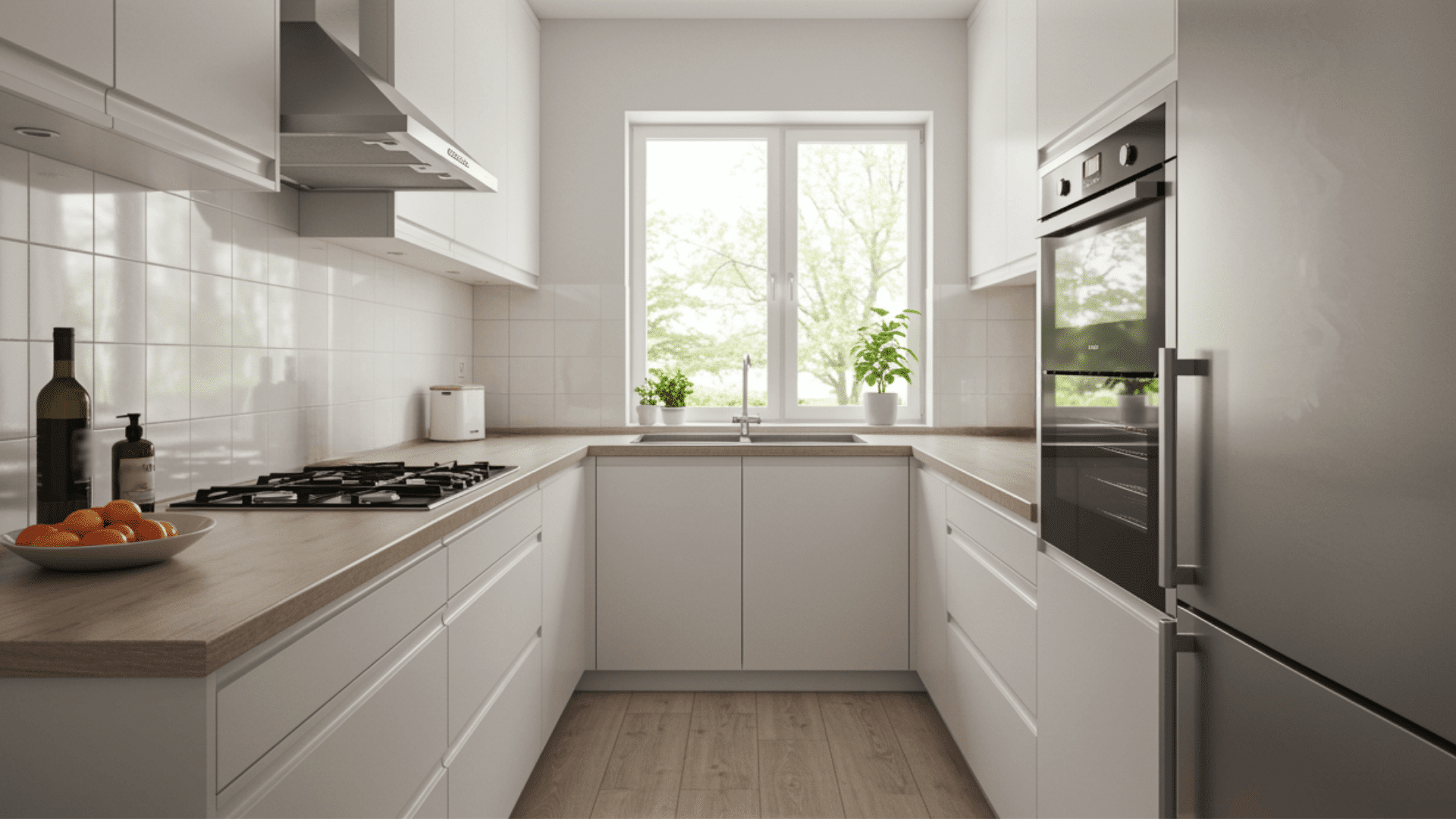
Galley layouts feature two parallel counters with a walkway between them.
They maximize efficiency in narrow spaces. Limited width reduces material needs. However, custom cabinets may cost more due to specific dimensions.
- Minor renovation: $8,000 to $15,000
- Mid-range remodel: $15,000 to $30,000
- Upscale renovation: $30,000 to $50,000
6. L-Shaped Kitchen
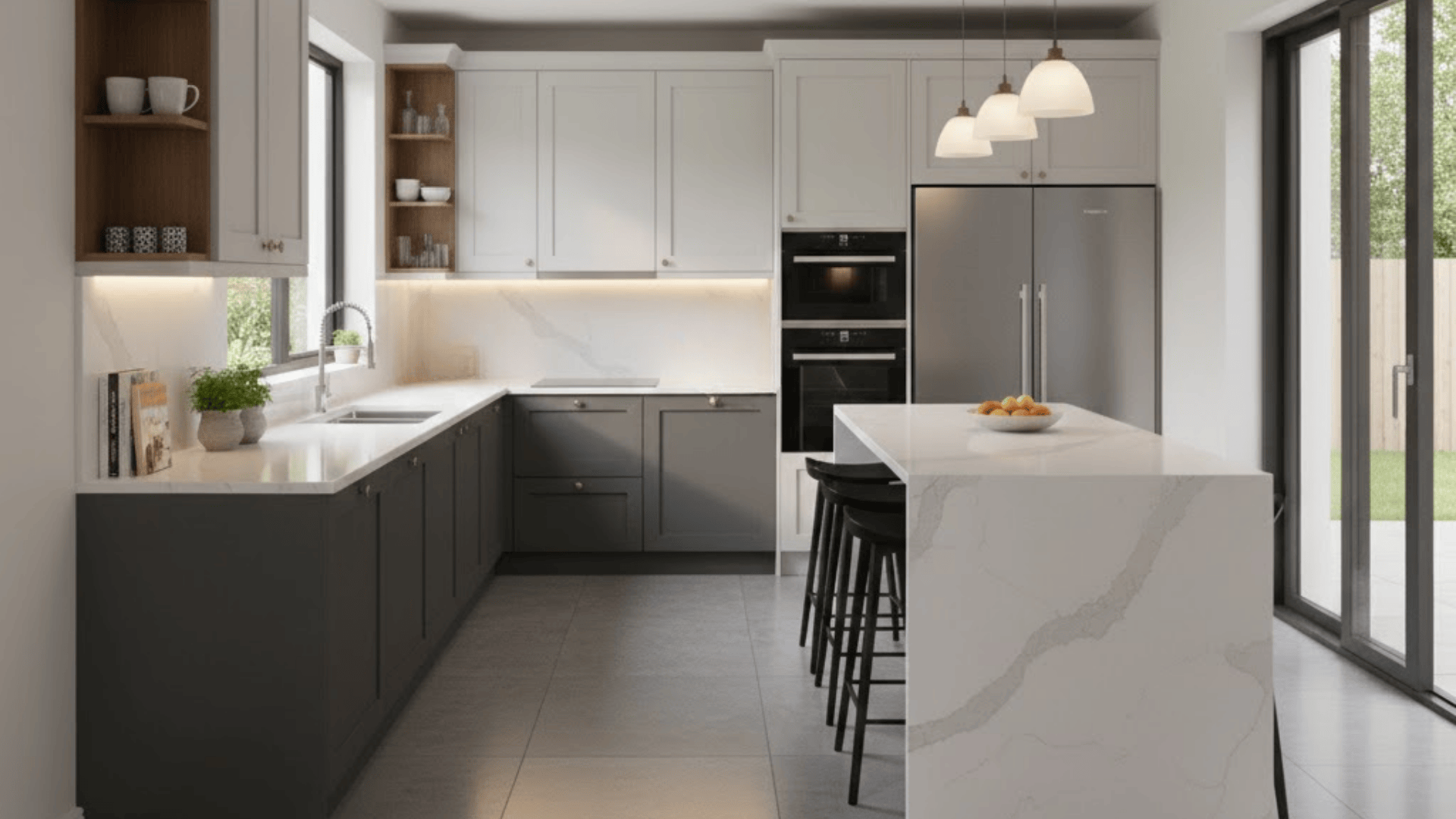
L-shaped designs make efficient use of two adjoining walls. They create natural work triangles.
Corner cabinets require special hardware. This layout balances cost with functionality well.
- Minor renovation: $10,000 to $18,000
- Mid-range remodel: $20,000 to $38,000
- Upscale renovation: $38,000 to $60,000
7. U-Shaped Kitchen
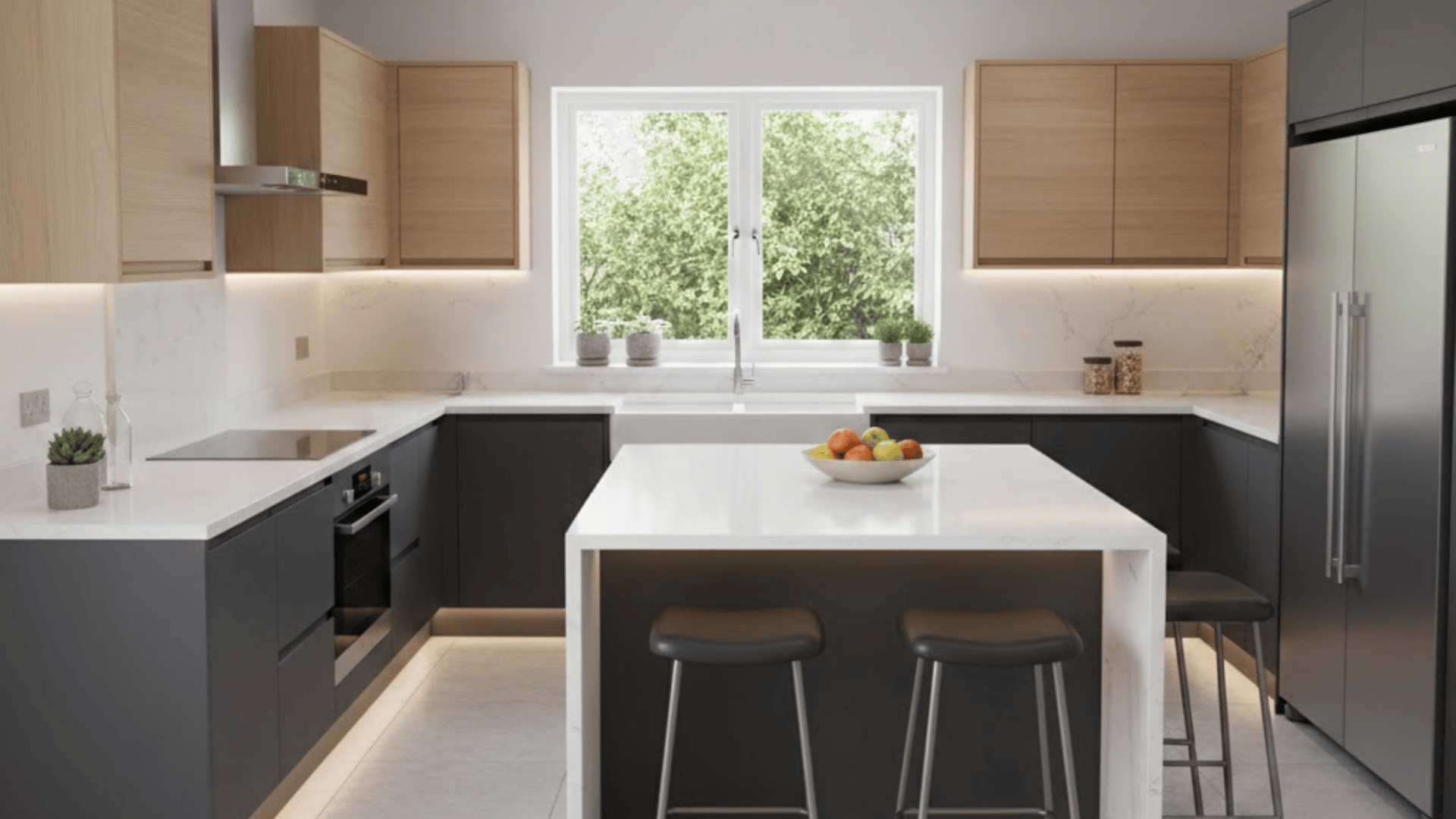
U-shaped kitchens wrap around three walls completely. They offer maximum cabinet and counter space.
More cabinetry increases overall kitchen renovation costs. These layouts suit serious cooks.
- Minor renovation: $15,000 to $25,000
- Mid-range remodel: $28,000 to $48,000
- Upscale renovation: $48,000 to $80,000
Disclaimer: The cost may vary by location and other factors.
Set a Realistic Budget
Setting a budget keeps your project on track and prevents overspending.
Keep these things in mind to plan your finances wisely. Assess your current finances and determine what you can afford without straining your savings.
Research average costs in your area by getting quotes from three to five contractors.
Prioritize your must-haves versus nice-to-haves to allocate funds effectively. Add a 10% to 20% contingency fund for unexpected issues or changes. Consider your home’s value and avoid over-improving for your neighborhood.
Decide between financing options like cash, home equity loans, or personal loans.
Track every expense throughout the project using a spreadsheet or budgeting app. Review and adjust your budget weekly as the renovation progresses.
Ways to Avoid Extra Expenses
- Keep the existing layout to avoid expensive plumbing and electrical moves.
- Reface or paint cabinets instead of replacing them completely to save money.
- Handle demolition yourself if you’re comfortable with basic manual labor.
- Stick to your original plan and avoid mid-project changes.
- Use affordable alternatives, such as laminate countertops that mimic the look of expensive stone.
- Shop at salvage yards or outlet stores for discounted fixtures and materials.
- Reuse existing appliances if they’re still functional and relatively new.
- Install open shelving instead of upper cabinets to reduce material costs.
- Time your renovation during the off-season when contractors offer lower rates.
Final Thoughts
Kitchen renovation costs don’t have to be mysterious anymore.
You now know the average ranges, from $13,000 to $37,000 for most projects. Planning ahead saves money.
Set a realistic budget. Stick to it. Avoid those mid-project changes that drain your wallet fast. These small decisions add up to thousands in savings.
Start by figuring out what you can afford. Then make smart choices that fit your budget and lifestyle.