

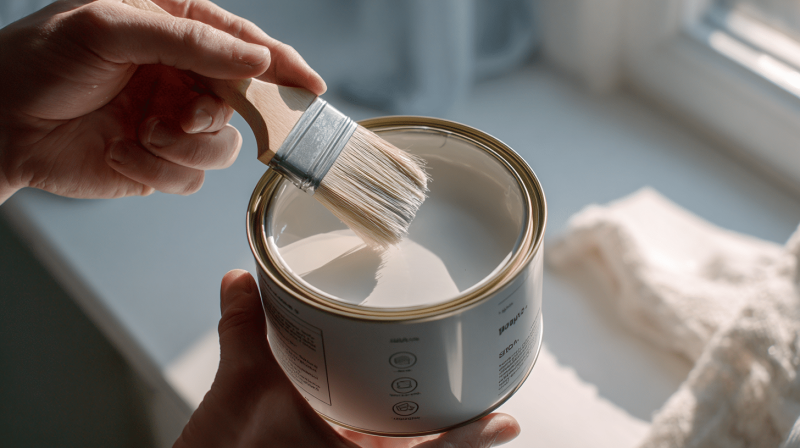
You’re standing in the paint aisle, staring at a can labeled “latex paint.”
A question hits you: Is latex paint water based? It seems like it should be simple to figure out, but the labels don’t always make things clear.
Here’s the thing. Knowing what’s actually in your paint matters more than you might think.
It affects cleanup, durability, and whether your project turns out the way you planned. Let’s clear up the confusion.
Latex, Acrylic, and Oil Paints at a Glance
Walking through the paint section can feel confusing when you see all these different labels. Let’s break down what each type actually means.
Latex Paint
This is your standard water-based option. It cleans up with soap and water, dries fast, and works great for most indoor projects.
The smell isn’t overpowering, and you can usually apply a second coat within a few hours.
Acrylic Paint
Here’s where it gets tricky. Acrylic is actually a type of latex paint, but it uses acrylic resin as the binder.
It’s more durable than basic latex and holds up better outdoors. Think of it as latex’s tougher cousin.
Oil-Based Paint
This one uses petroleum solvents instead of water. It takes longer to dry and smells stronger. Cleanup requires mineral spirits, not water.
But it creates a harder, smoother finish for trim and cabinets.
The main split is water-based versus solvent-based. Latex and acrylic fall into the water-based group, while oil paint uses solvents.
Here’s how they stack up against each other in real-world use.
| Feature | Latex Paint | Acrylic Paint | Oil-Based Paint |
|---|---|---|---|
| Base | Water | Water | Petroleum solvents |
| Drying Time | 1-2 hours | 1-2 hours | 6-24 hours |
| Cleanup | Soap and water | Soap and water | Mineral spirits/thinner |
| Smell | Mild | Mild | Strong, lingers longer |
| Durability | Good | Better | Best for high-traffic areas |
| Flexibility | Flexible, resists cracking | Very flexible | Rigid when fully cured |
| Color Retention | Fades slightly over time | Holds color well | Yellows with age (whites especially) |
| Best Uses | Interior walls, ceilings | Trim, doors, outdoor surfaces | Cabinets, metal, high-moisture areas |
| Price Range | Budget-friendly | Mid to high | Usually most expensive |
So, is Latex Paint Water Based?
Yes, latex paint is water-based. The name throws people off because “latex” sounds like rubber, but modern latex paint just uses water as its main solvent.
Here’s how it works. Paint needs something to keep it liquid until you apply it. Oil-based paints use petroleum solvents.
Latex uses water, which makes cleanup way easier.
When you brush it on, the water evaporates and leaves behind a solid coating. The binder particles (usually acrylic or vinyl) stick to your wall.
Water is just the delivery system. You’ll hear people use “latex” and “water-based” interchangeably, and that’s fine.
They mean the same thing in everyday talk. The real differences show up when you compare latex to other paint types.
What is Latex Paint Made Of?
Latex paint has four main ingredients working together. Each one plays a specific role in getting paint from the can to your wall.
Water: Is the base that holds everything together. It makes up about 20 to 30 percent of the paint and keeps it spreadable. Once you apply the paint, the water evaporates.
Binders: Binders are the glue of the formula. These are usually acrylic or vinyl polymers that stick to your surface and hold the color in place.
Higher quality paints use more acrylic because it lasts longer.
Pigments: They give paint its color. These are finely ground particles suspended throughout the mix. Titanium dioxide is the most common pigment for white paint.
Additives round out the formula. These can include:
- Thickeners to control how the paint flows
- Defoamers to prevent bubbles
- Drying agents to speed up or slow down curing time
The exact recipe changes based on the finish. Glossier paints have more binder and less pigment, which makes them shinier and easier to clean.
Pros and Cons of Water-Based Latex Paint
Latex paint dominates store shelves for good reasons, but it’s not perfect for every situation. Here’s what you gain and what you give up.
The Upside
- Easy cleanup: Brushes rinse with tap water, and spills are wiped up with a damp cloth. No chemical solvents needed.
- Fast drying: Most latex paints dry to the touch in an hour. You can apply a second coat within two to four hours.
- Low odor: Indoor work stays tolerable. Opening a window usually provides enough ventilation.
- Flexibility: The paint expands and contracts with temperature changes without cracking.
- Fewer toxins: Latex paints have lower VOCs (volatile organic compounds) than oil-based options, which means better indoor air quality.
The Downside
- Less durable: Latex shows scuff marks on baseboards and door frames more easily than oil-based options in high-wear areas.
- Surface limitations: It doesn’t stick well to glossy finishes without primer and can struggle on metal or plastic.
- Temperature sensitive: You need temperatures above 50°F for proper drying during application.
- Lower stain resistance: Compared to oil paint, especially in flat finishes.
Understanding these trade-offs helps, but so does knowing how to read what manufacturers actually put on their labels.
How to Read a Paint Can Label Like a Pro

Paint labels pack in a lot of information, but knowing what to look for makes shopping easier.
Here’s how to identify what you’re actually buying.
Spotting Water-Based Paint
These phrases tell you it’s latex:
- “Soap and water cleanup”
- “Water-based” or “latex”
- “Acrylic latex” or just “acrylic”
- “Low odor” or “low VOC”
Spotting Oil-Based Paint
Watch for these terms instead:
- “Mineral spirits required for cleanup”
- “Alkyd” or “oil-based.”
- “Solvent-based”
- “Use in well-ventilated area.”
Reading the Small Print
The details matter more than you’d think. Look for the binder type listed in the ingredients or product description.
Acrylic binders last longer than vinyl ones. The recommended use section tells you whether it’s meant for interior walls, exterior siding, or specific surfaces like metal or wood.
Primer notes usually appear near the application instructions.
Some paints say “primer not needed” for certain surfaces, but still recommend it for others.
Where to Use Latex Paint Indoors

Latex paint works well in most rooms, but some spots benefit from it more than others.
Walls and Ceilings in Living Spaces
Living rooms, bedrooms, and hallways are perfect for latex paint. Use flat or eggshell finishes to hide wall imperfections.
Kids’ Rooms and High-Traffic Areas
Kids’ rooms and hallways need satin or semi-gloss latex. It wipes clean more easily when walls get marked up or touched frequently.
Kitchens and Bathrooms
These rooms need acrylic latex since it resists mildew and handles humidity. Use satin or semi-gloss so that grease and water spots wipe off easily.
Common Myths Decoded
Plenty of bad information floats around about latex paint. Some of it comes from outdated advice, and some just sound right but aren’t.
1. Latex Paint Contains Rubber
Not anymore. The name stuck around from decades ago when paint actually included rubber latex. Modern versions use synthetic polymers instead.
2. Water-Based Paint Isn’t as Durable
This used to be true, but technology caught up. Today’s latex paints, especially acrylic formulas, hold up just as well as oil-based options for most applications.
3. You Can’t Paint Latex Over Oil-Based Paint
You can, but you need primer first. Sand the old oil paint lightly, apply bonding primer, and your latex topcoat will stick fine.
4. All Latex Paints Are the Same
Quality varies a lot. Cheap latex uses less binder and more filler, which means thinner coverage and faster wear.
Premium latex has better pigments and more durable binders.
5. Latex Washes Off Easily Since It’s Water-Based
Once the latex paint cures, water won’t remove it. The water evaporates during drying, leaving behind a permanent coating.
Of course, knowing when latex works best also means knowing when it doesn’t.
Useful Tips to Keep in Mind
Working with latex paint goes smoothly when you know a few practical tricks.
These tips save time and prevent common mistakes.
- Store paint in a cool, dry spot away from freezing temperatures
- Stir thoroughly instead of shaking to avoid air bubbles
- Test colors on a small section first, since they look different when dry
- Work in sections and maintain a wet edge to avoid lap marks
- Clean brushes immediately after finishing, not later
- Paint between 50°F and 85°F for best results
Key Takeaways
So, is latex paint water based? Yes, and that makes it the practical choice for most projects.
You now know what’s inside the can, how it compares to other types, and when to pick something different.
The label won’t confuse you anymore, and those old myths won’t steer you wrong.
Next time you’re shopping for paint, you’ll grab the right one with confidence. Got questions or tips to share? Drop a comment below.