

aHave you ever painted outdoor furniture, only to watch it peel after one rainy season?
I know that frustration. You spend hours creating something beautiful. Then the weather ruins it.
Here’s the truth: is acrylic paint waterproof? Not automatically. But it can be made water-resistant with the proper techniques.
I’ll show you exactly how acrylic paint behaves outdoors.
You’ll learn when it works, when it fails, and how to protect your projects. By the end, you’ll know if acrylic is the right choice for your outdoor space.
Is Acrylic Paint Waterproof?
No, acrylic paint isn’t waterproof on its own. It’s water-resistant once dry, but water still sneaks through over time. Your beautiful project can turn into a flaky mess if you’re not careful.
I painted my garden bench last spring. Bright blue acrylic that looked stunning. Three months later? The paint was peeling in sad little strips.
The real question isn’t just about waterproofing. It’s about what you’re painting on.
Is Acrylic Paint Waterproof on Fabric, Clothes?
No, acrylic paint isn’t waterproof on fabric.
My daughter painted her favorite t-shirt once. After one wash, the design cracked like dried mud.
The paint stays rigid while the fabric moves and flexes. Every wash makes it worse. Mix it in before you start painting, and your designs will survive laundry day.
Wood? That’s a whole different ballgame.
Is Acrylic Paint Waterproof on Wood?
The answer is: No, Wood breathes. It expands when wet and contracts when dry. Acrylic paint sitting on top doesn’t appreciate this movement.
No, acrylic paint isn’t waterproof on wood without help. Moisture seeps into the wood grain and pushes the paint off from underneath.
The next question that comes up is: Is Acrylic Paint Waterproof on Metal?
No, acrylic paint isn’t waterproof on metal.
Metal surfaces are slick and non-porous. Acrylic struggles to grab onto them. Moisture sneaks underneath and causes rust.
The first and the most commonly asked question is, "Is Acrylic Paint Waterproof on Glass?"
And the answer to this is again a No, acrylic paint isn’t waterproof on glass.
Glass is too smooth for acrylic to bond correctly; one splash of water and your design slides right off.
Is it Water-Resistant or Waterproof?
People use these terms interchangeably, but they mean very different things.
Water-Resistant
Water-resistant means paint handles some moisture exposure. Light rain or splashes won’t immediately damage it. However, prolonged contact will eventually penetrate the surface.
The paint may soften or peel over time. Think of it like a raincoat—fine for brief showers, not for swimming.
Acrylic paint falls into this category once dry.
Waterproof
Waterproof means water cannot penetrate at all. The barrier is complete and permanent. Constant exposure won’t cause damage.
Marine coatings are truly waterproof. Think of it like a submarine—designed for full immersion.
Acrylic paint alone never reaches this level.
Is Acrylic Paint Waterproof for Outdoor?
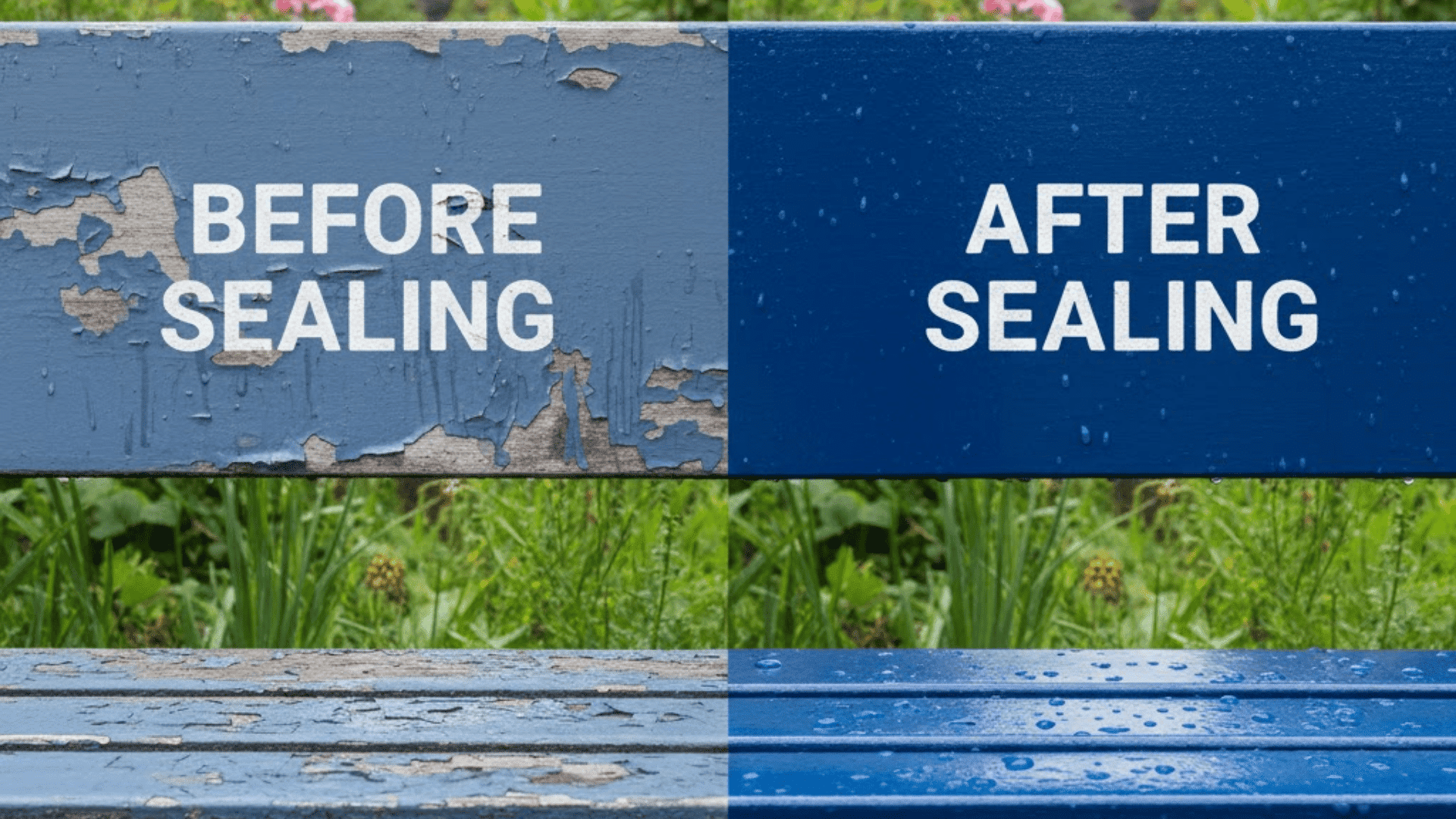
Remember my blue garden bench? That taught me an expensive lesson.
Acrylic paint isn’t waterproof for outdoor use without sealing. Rain breaks it down slowly but surely. UV rays fade the colors fast, turning vibrant shades into washed-out ghosts of their former selves.
You need a protective topcoat like polyurethane or outdoor varnish.
Think of it as armor for your paint job. Proper sealing can make your outdoor projects last for years instead of months.
Does it Need to be Waterproof for Outdoor Use?
Yes, outdoor projects absolutely need waterproof protection. Here’s why it matters.
Weather Exposure
Rain, snow, and dew constantly hit outdoor surfaces. Without waterproofing, acrylic absorbs moisture and peels within months. Your project won’t survive one season unprotected.
UV Damage
Sunlight breaks down unprotected acrylic fast. Colors fade, and paint becomes chalky. Cracks form, letting water penetrate underneath. UV-resistant sealers prevent this.
Temperature Changes
Surfaces expand in heat and contract in cold. This constant movement cracks unsealed paint. Water enters through cracks and damages the surface below.
The Bottom Line
Skip waterproofing, and you’re wasting time and money. Apply proper sealers, and your outdoor projects will last for years instead of months. It’s essential for any exterior application.
Acrylic Paint in Real-Life Applications
This paint shows up everywhere in home design. Let me walk you through how it performs in different spaces around your home.
1. Acrylic Paint in Living Room Walls

Living room walls handle acrylic paint beautifully. The paint dries fast so that you can finish in a weekend.
It resists everyday scuffs and fingerprints, and cleans walls easily with a damp cloth without damaging the finish. Acrylic doesn’t trap odors either.
2. Acrylic Paint in Bedrooms and Indoor Furniture

Bedrooms benefit from acrylic’s low smell and quick drying time. For furniture like dressers, acrylic creates a smooth finish.
Sand lightly first, then apply thin coats.
Seal with polyurethane for protection against daily wear and scratches.
3. Acrylic Paint on Outdoor Walls and Exterior Surfaces
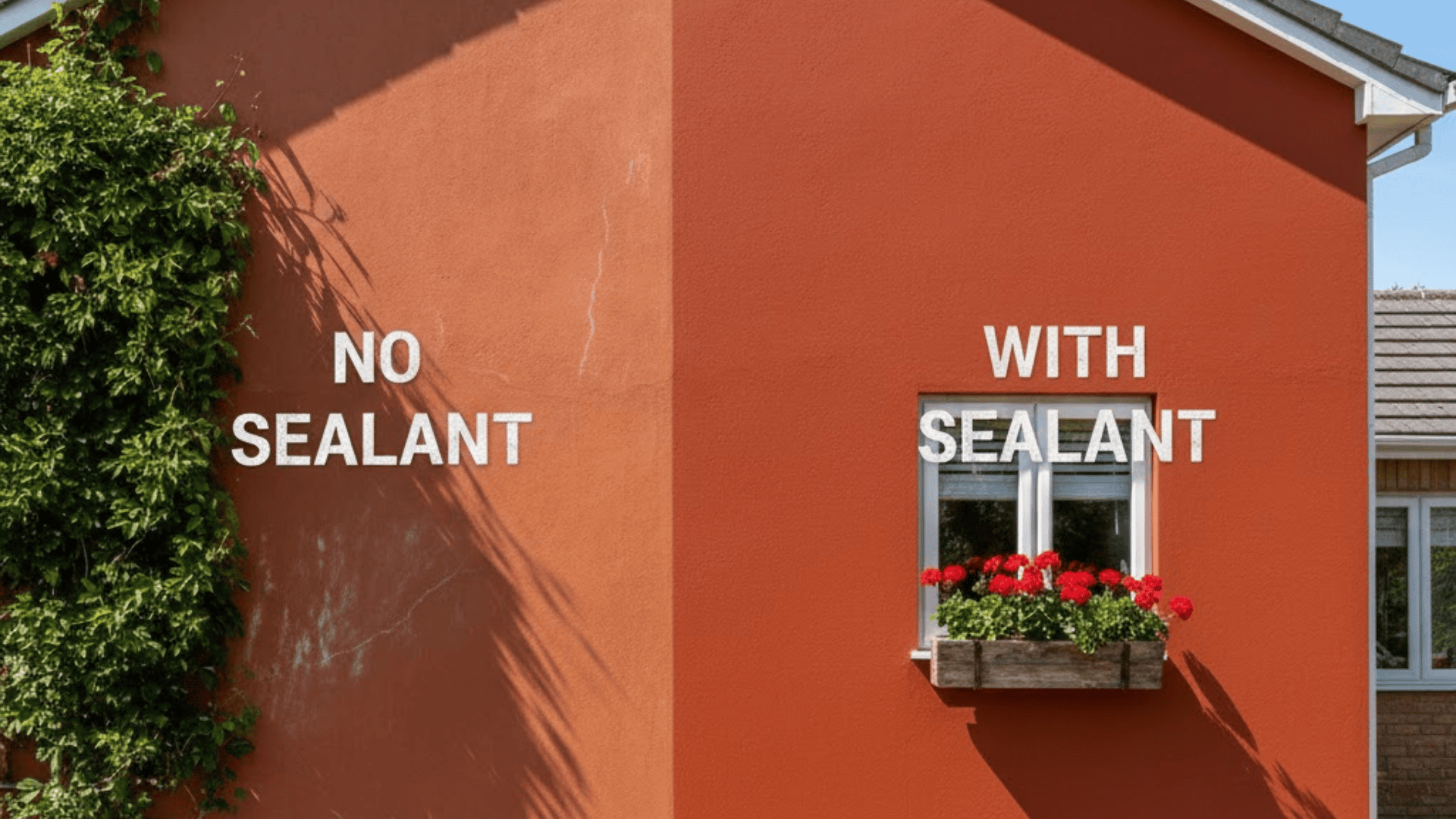
Exterior walls need extra protection since acrylic alone won’t survive harsh weather.
Use exterior-grade acrylic paint with UV protection.
Apply a weatherproof sealer on top. South-facing walls fade faster from sun exposure, so they need more attention and maintenance.
4. Acrylic Paint on Wooden Surfaces

Wood furniture takes acrylic well with proper prep.
Prime raw wood first to seal the grain.
Sand between coats for smoothness. Kitchen cabinets, shelves, and planters work great. A final clear jacket protects against moisture and everyday scratches.
5. Acrylic Paint on Glass and Decorative Objects
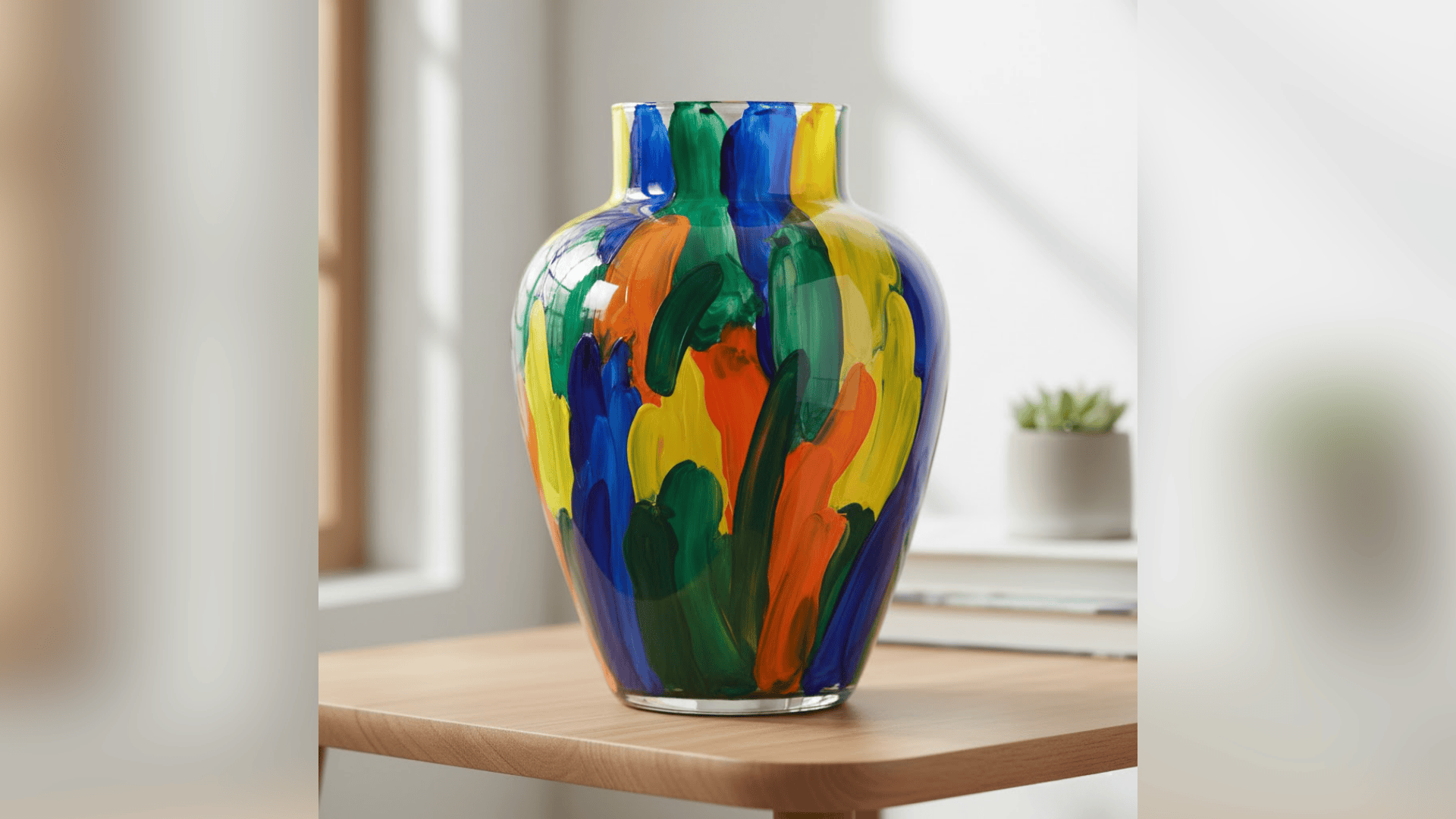
Glass vases and mirrors look stunning, painted with clean glass and rubbed with rubbing alcohol first.
Use thin layers and dry thoroughly between coats.
Bake painted glassware to set permanently, or use glass sealer. Any oil residue makes paint slide off easily.
Is Acrylic Paint Waterproof After It Dries?
Acrylic paint dries through a process called evaporation. Water in the paint evaporates into the air, leaving behind the acrylic polymer and pigment.
Here’s what happens step by step:
The Drying Process:
- Water molecules escape from the paint surface into the air
- The acrylic binder (polymer) begins to fuse
- Pigment particles get locked into the polymer structure
- The paint forms a solid, flexible film on your surface
- Complete drying happens from outside to inside
What Affects the Water Resistance of Acrylic Paint?
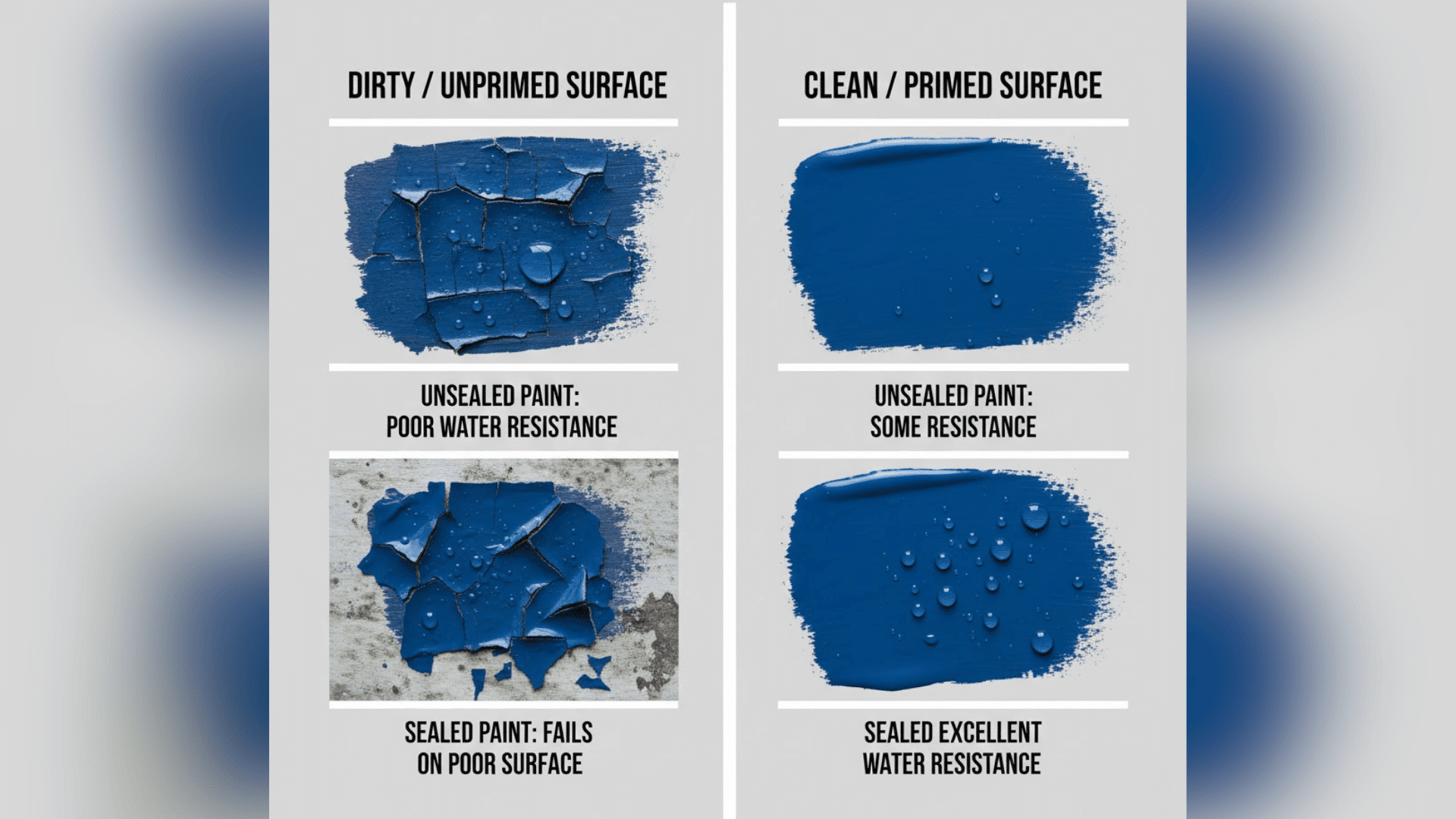
Not all acrylic paint handles water the same way. Understanding these factors helps you protect your projects better.
Here’s what affects its performance.
Paint Quality and Formulation: Cheap acrylic has less binder, making it weaker against moisture. Artist-grade contains stronger polymers. Exterior-grade formulas add UV protection for outdoor use.
Surface Preparation: Dirty surfaces reject paint. Water sneaks underneath and lifts it. Clean thoroughly and sand glossy areas before painting.
Number of Paint Layers: One coat leaves surfaces vulnerable. Three to four thin layers build stronger protection against water penetration.
Drying Time Between Coats: Rushing traps moisture inside, creating weak spots. Let each coat dry completely before adding the next one.
Environmental Conditions: High humidity weakens paint. Extreme temperatures create cracks. Direct sunlight fades colors. Paint during mild weather between 50-85°F.
Sealer Application: Water-based sealers work indoors. Oil-based polyurethane creates harder barriers. Marine-grade sealers provide maximum outdoor protection. Apply two coats minimum.
Acrylic Paint vs Other Types of Paint
Different paints perform differently with water exposure.
| Paint Type | Water Resistance | Drying Time | Durability | Best For |
|---|---|---|---|---|
| Acrylic | Water-resistant when sealed | 15-30 minutes | Good with sealer | Indoor walls, furniture, crafts |
| Oil-Based | Naturally waterproof | 6-8 hours | Excellent | Exterior surfaces, high-traffic areas |
| Latex | Water-resistant | 1-2 hours | Moderate | Interior walls, ceilings |
| Enamel | Highly waterproof | 8-24 hours | Very high | Bathrooms, kitchens, trim |
| Chalk Paint | Poor without wax | 30-60 minutes | Low | Indoor furniture, decorative pieces |
| Spray Paint | Good with sealer | 10-15 minutes | Moderate | Small projects, metal items |
Cleaning Exterior Acrylic Paint
Exterior painted surfaces get dirty fast. Dust, pollen, bird droppings, and grime build up over time.
Cleaning them properly keeps your paint looking fresh without causing damage.
Basic Cleaning:
- Mix mild dish soap with warm water
- Use a soft-bristle brush to scrub gently
- Work top to bottom
- Rinse with a low-pressure garden hose
- Wait 30 days after painting before cleaning
For Stubborn Stains:
- Mix 1 part bleach to 3 parts water for mildew
- Apply with a sponge, wait 10 minutes
- Rinse thoroughly
Avoid:
- Harsh chemicals or solvents
- Abrasive scrubbers or steel wool
Conclusion
Acrylic paint offers versatility but comes with limitations. It’s water-resistant, not waterproof—a crucial distinction for your projects.
Proper surface prep, quality paint, and the right sealer make all the difference between success and peeling disaster.
Indoor projects? You’re mostly safe. Outdoor applications? Don’t skip the sealing step.
Now you know precisely when acrylic works and when it doesn’t. Take these tips, protect your hard work, and create projects that actually last.