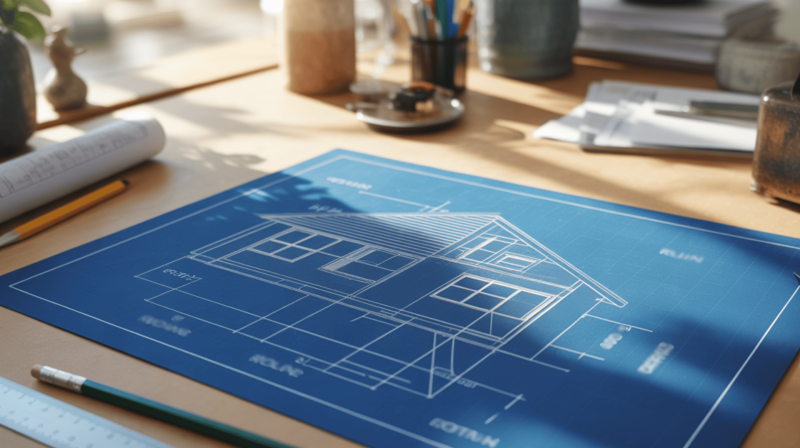
Tiny home floor plans are simple layouts that show how a small space (usually under 400 sq. ft.) is arranged.
They outline where rooms, furniture, storage, plumbing, and electrical elements go to make the most of limited space.
How to Start Building One
- List your needs (loft, kitchen size, number of people).
- Choose your tiny home size.
- Sketch a basic layout (bathroom and kitchen together, then add living/sleeping areas).
- Use a design tool to refine it.
- Plan storage early.
- Check local zoning rules.
- Finalize measurements & utilities.
- Decide to DIY or hire a builder.
How to Choose the Right Size?
Picking the right size depends on your lifestyle and needs. Here’s what matters most:
- Count Your People: A solo living situation needs less space than living with a couple or a family with kids.
- List Your Stuff: Be honest about possessions. More belongings mean you need more storage and square footage to stay organized.
- Think About Daily Activities: Do you cook often or work from home? These activities require dedicated space in your floor plan.
- Consider Your Budget: Smaller homes cost less to build and maintain. Every extra square foot adds to your project’s cost.
- Check Mobility Plans: Will your home stay put or travel? Wheeled homes are subject to size limits set by road regulations.
Factors Affecting the Cost
Several elements determine how much you’ll spend on your floor plan design:
Complexity of Design
Simple rectangular layouts cost less to draw. Complex shapes with angles need more planning time. Extra details mean higher designer fees.
Customization Level
Pre-made templates are the cheapest option. Modified plans cost moderately more. Fully custom designs from scratch are the most expensive.
Engineering Requirements
Basic plans need the tiniest calculations. Unusual designs require structural engineering approval. Load-bearing walls and lofts add engineering costs.
Software and Tools Used
Hand-drawn plans are the cheapest but basic. Computer-aided designs cost more upfront. 3D renderings and virtual tours significantly increase prices.
Permit-Ready Documentation
Simple sketches won’t pass inspections. Official stamped plans cost extra. Detailed specifications for contractors add fees.
A Collection of Tiny Home Floor Plans
Here are popular tiny house blueprints that work well in tiny spaces:
1. Single-Level Studio
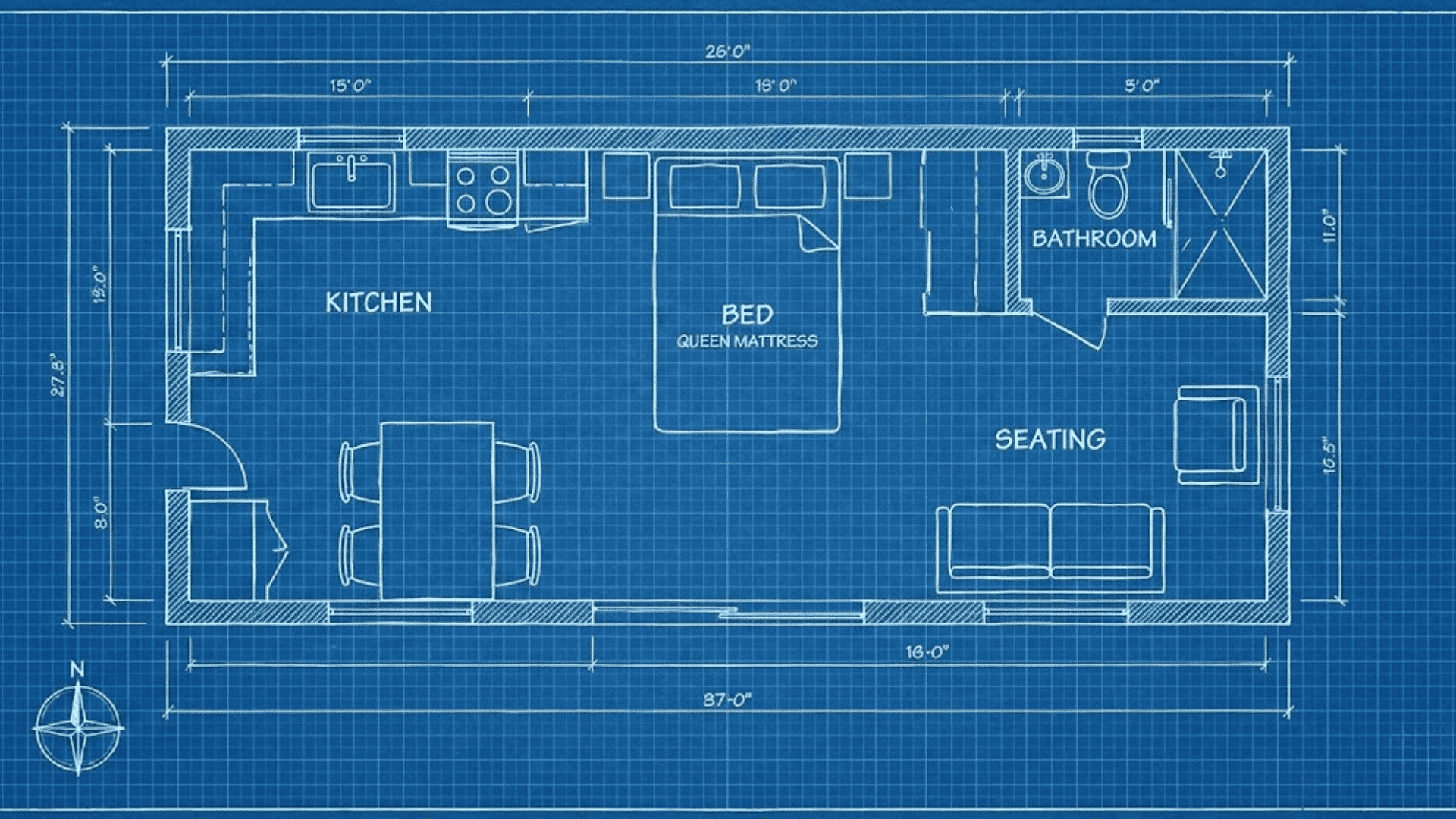
This layout keeps everything on one floor, which makes daily movement easy. The open setup helps the space feel larger without inner walls.
It suits singles or couples who want simple living with fewer steps, less upkeep, and easy access to every part of the home.
2. Loft Bedroom Layout
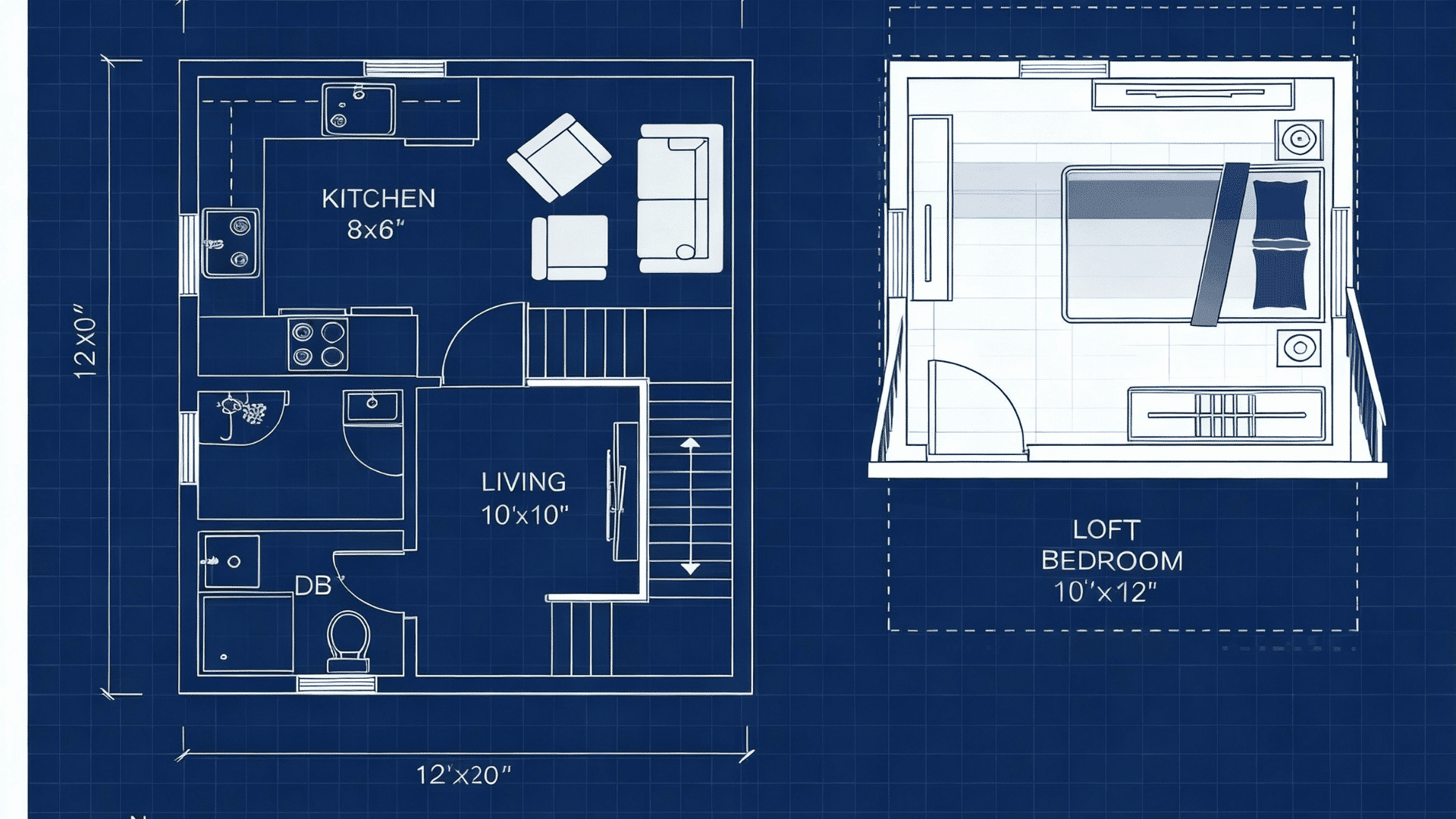
This plan moves the sleeping area upstairs, leaving the main floor open for cooking and relaxing.
It’s great for people who want more room without increasing the footprint.
Climbing is required, so it suits younger owners who enjoy having a clear divide between day and night spaces.
3. Two-Loft Design
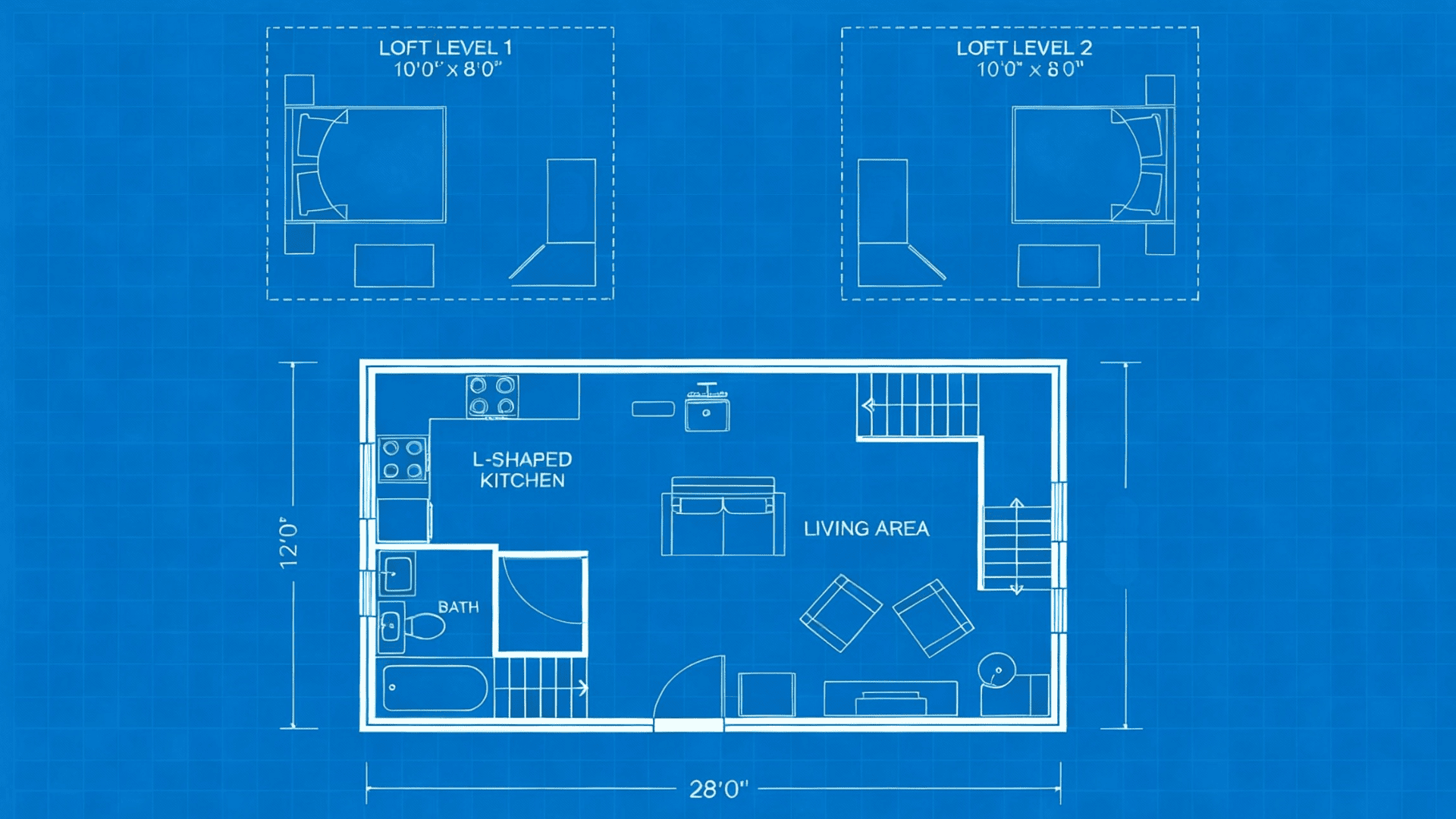
This setup offers two raised sleeping areas, helping small families maintain privacy in a tiny space. Kids can use one loft while parents use the other.
The main floor stays free for cooking, seating, and storage, making it feel more open and organized.
4. Murphy Bed Style
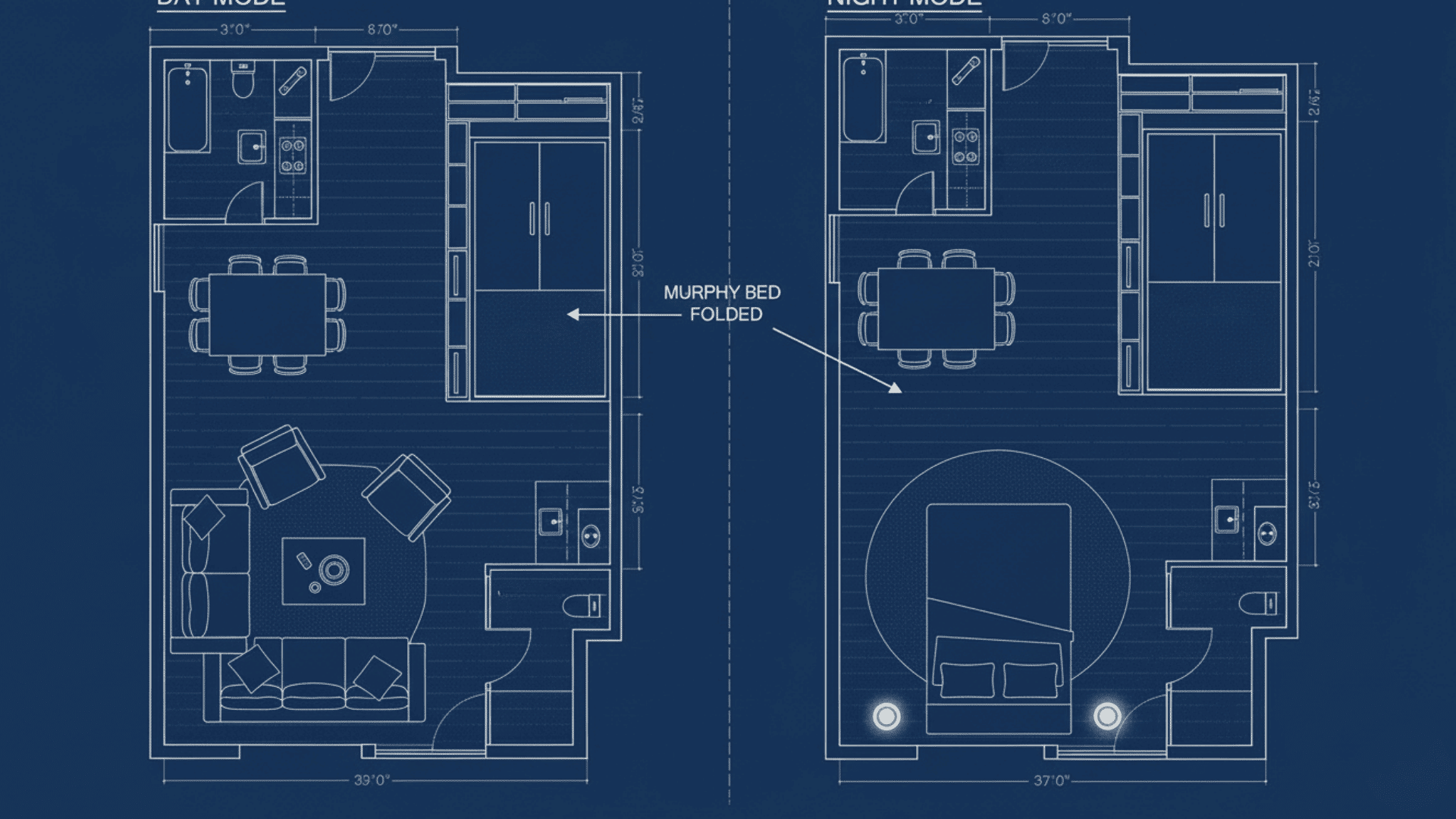
The bed folds into the wall, turning the main area into a living room during the day.
This style fits people who want flexibility or expect guests. It helps keep the room open and gives you extra space to work, eat, or relax without feeling crowded.
5. L-Shaped Kitchen Plan
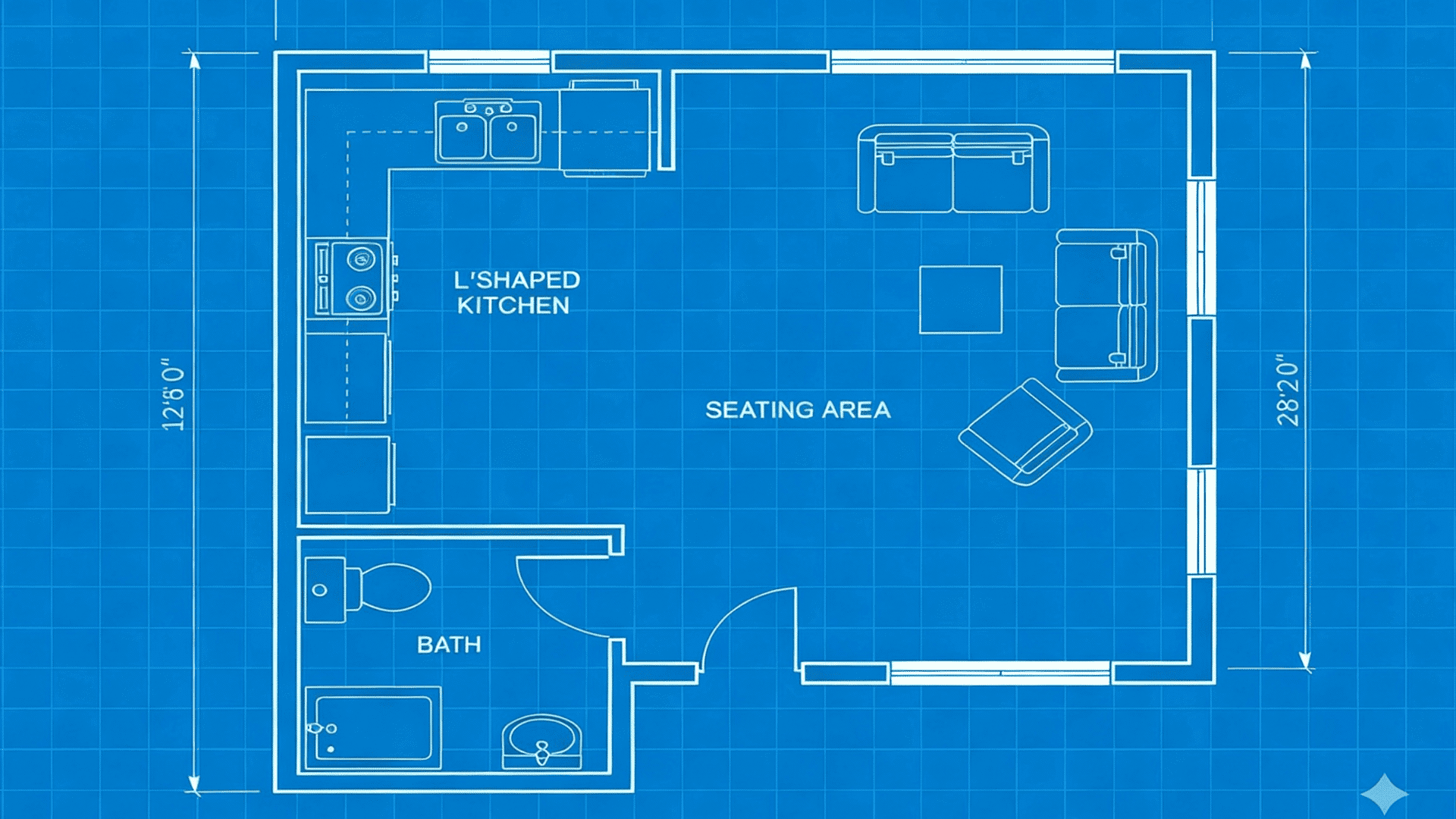
The kitchen wraps around one corner, forming an efficient work triangle.
This keeps appliances close and leaves the center clear for seating or dining.
It’s a smart fit for tiny homes under 300 square feet, especially for people who cook often and need workable counter space.
6. Galley Kitchen Layout
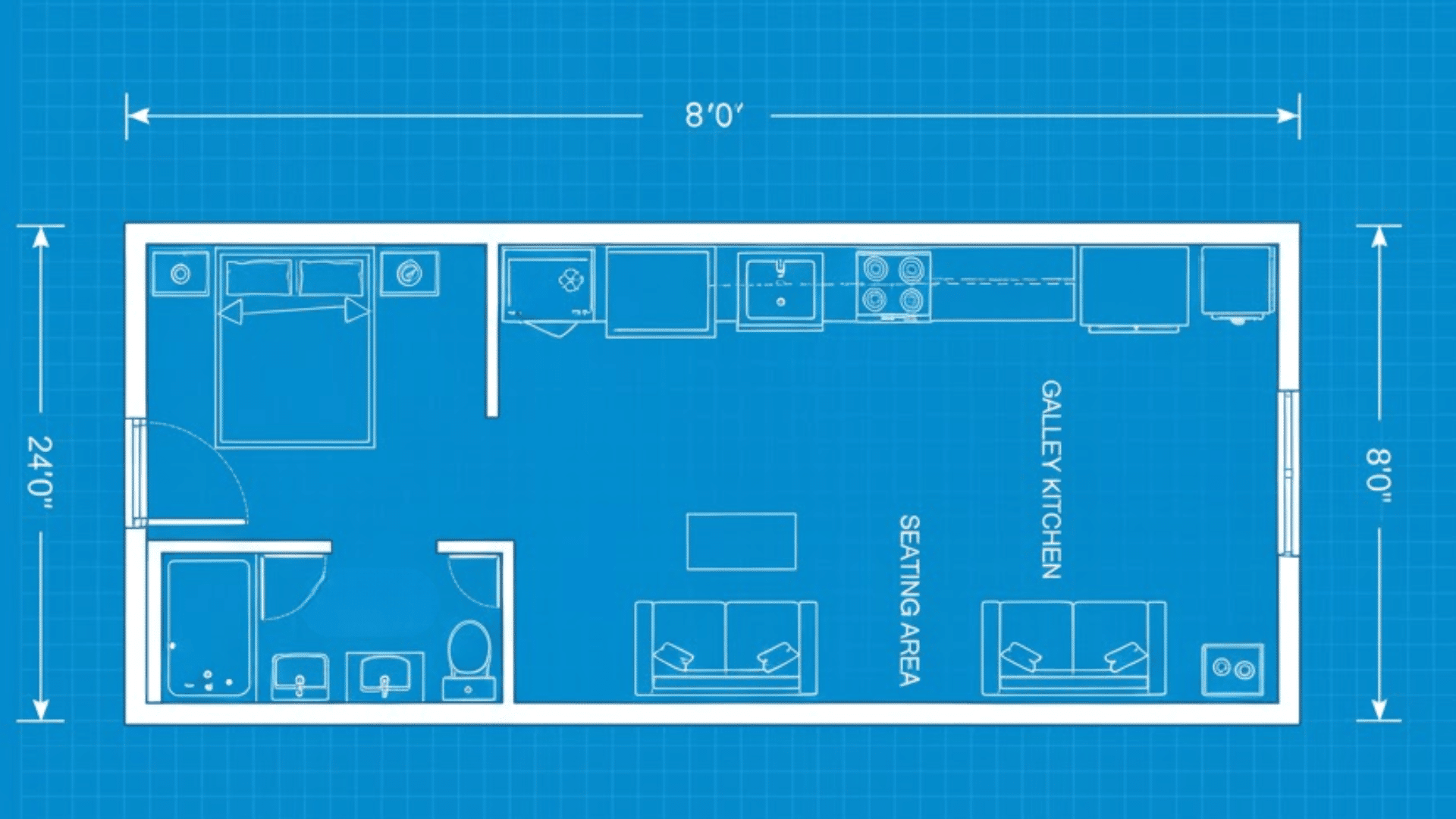
A single-wall kitchen keeps everything within easy reach while freeing the other side of the home for seating. It works well in narrow homes and stays neat with simple storage solutions.
This plan gives you a clear cooking setup without taking space from the main living area.
7. Bathroom Under Stairs
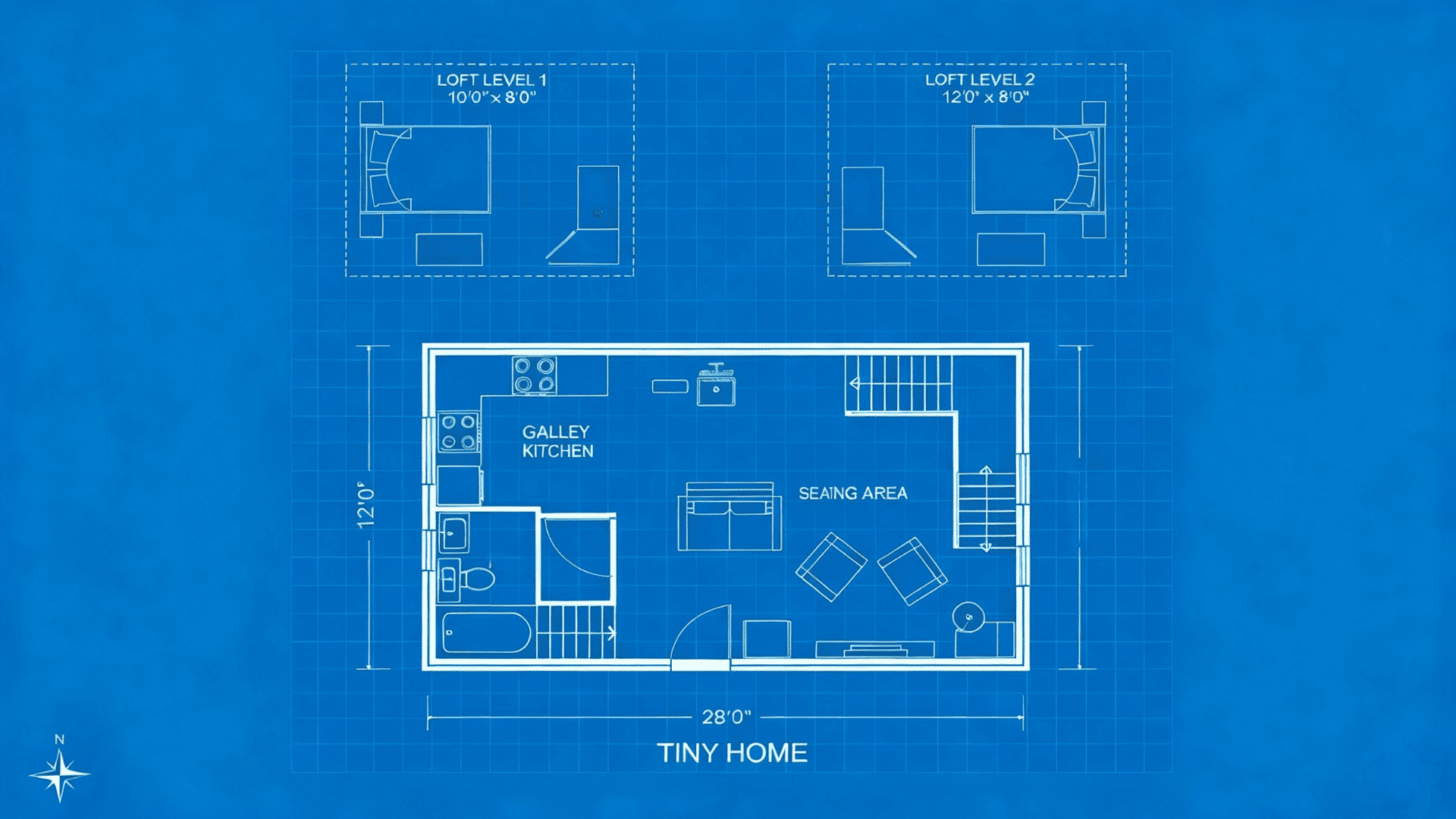
By placing the bathroom beneath the loft stairs, you use an area that often goes unused. This keeps the rest of the space open while still offering a full toilet and shower.
It’s common in trailer homes and suits people who want to save every inch possible.
8. Split Bathroom Design
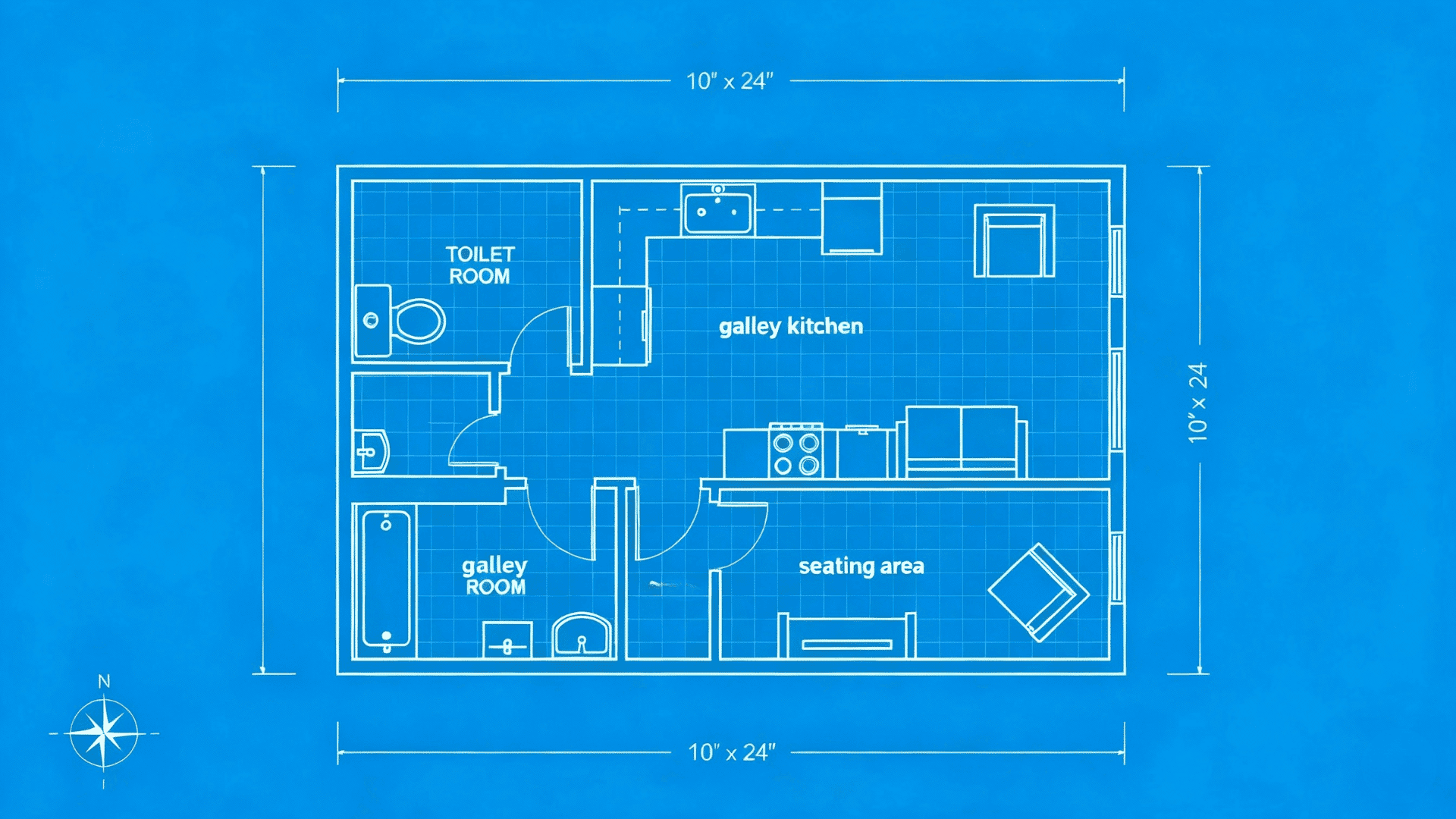
Separating the toilet from the shower lets two people use the space at once. This helps with busy mornings and adds a little comfort for couples.
It takes slightly more room than a single bathroom but often feels more practical for daily routines in a tiny home.
9. Corner Shower Plan
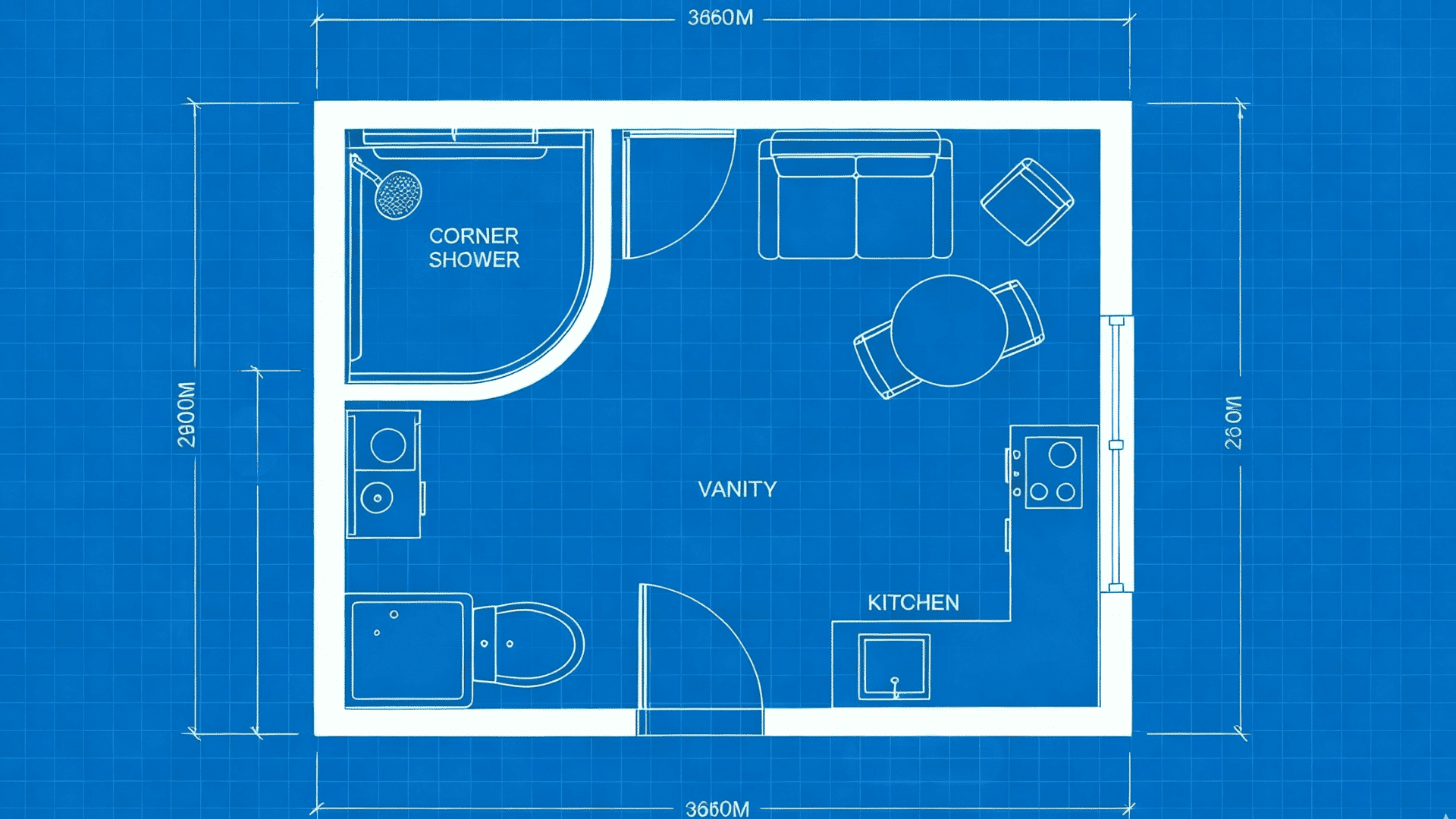
A shower placed in the corner saves wall space and leaves room for storage or a small vanity. The shape can be round or square, depending on the home.
This simple layout works for tight bathrooms and helps you move comfortably without feeling boxed in.
10. Built-In Storage Walls
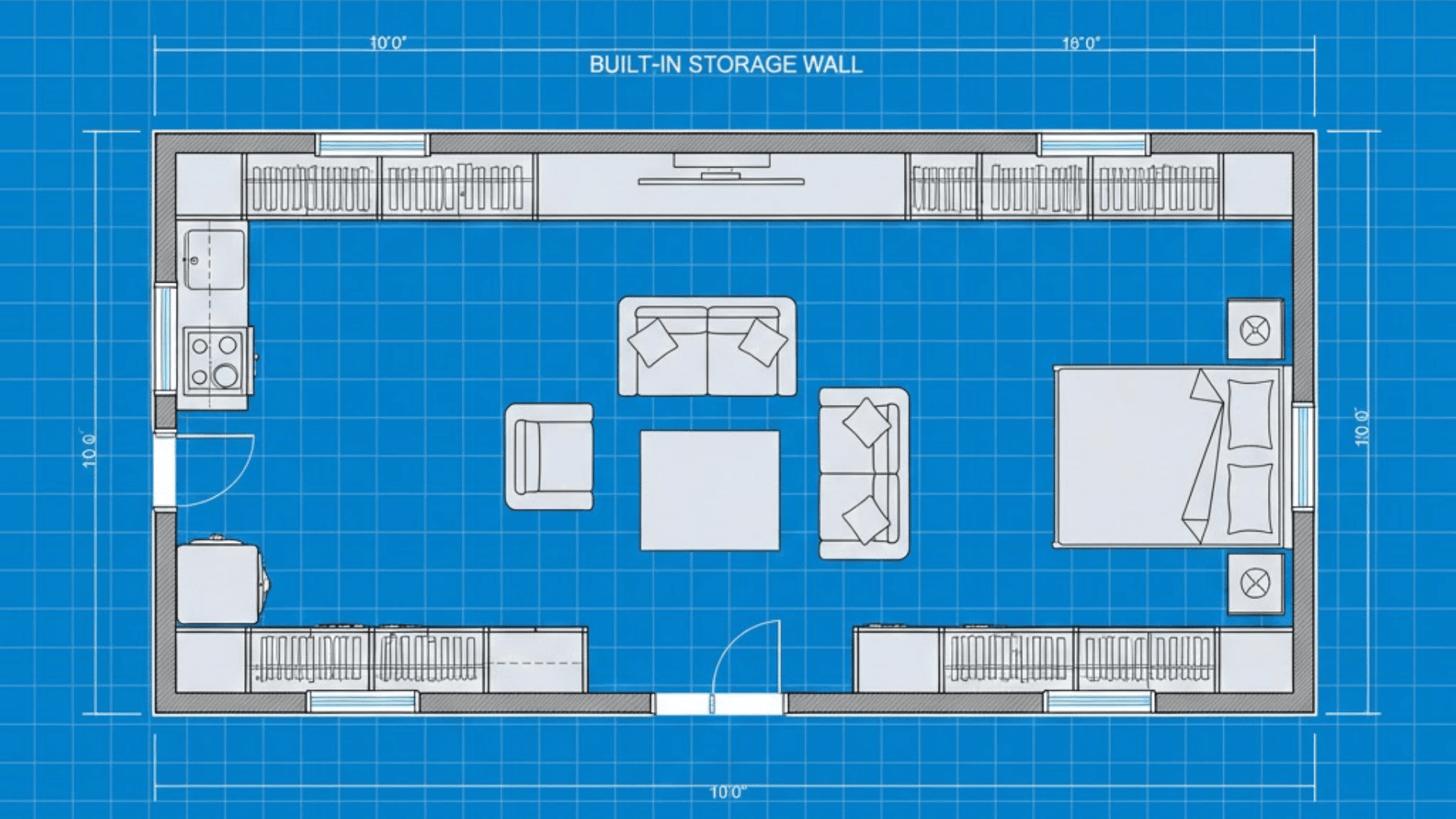
Walls filled with storage help you keep clutter away. Floor-to-ceiling cabinets replace bulky furniture and let you store clothing, kitchen items, or tools.
This design keeps the home neat and gives each item a place, which helps tiny spaces feel calm and easy to live in.
11. Window Seat Storage
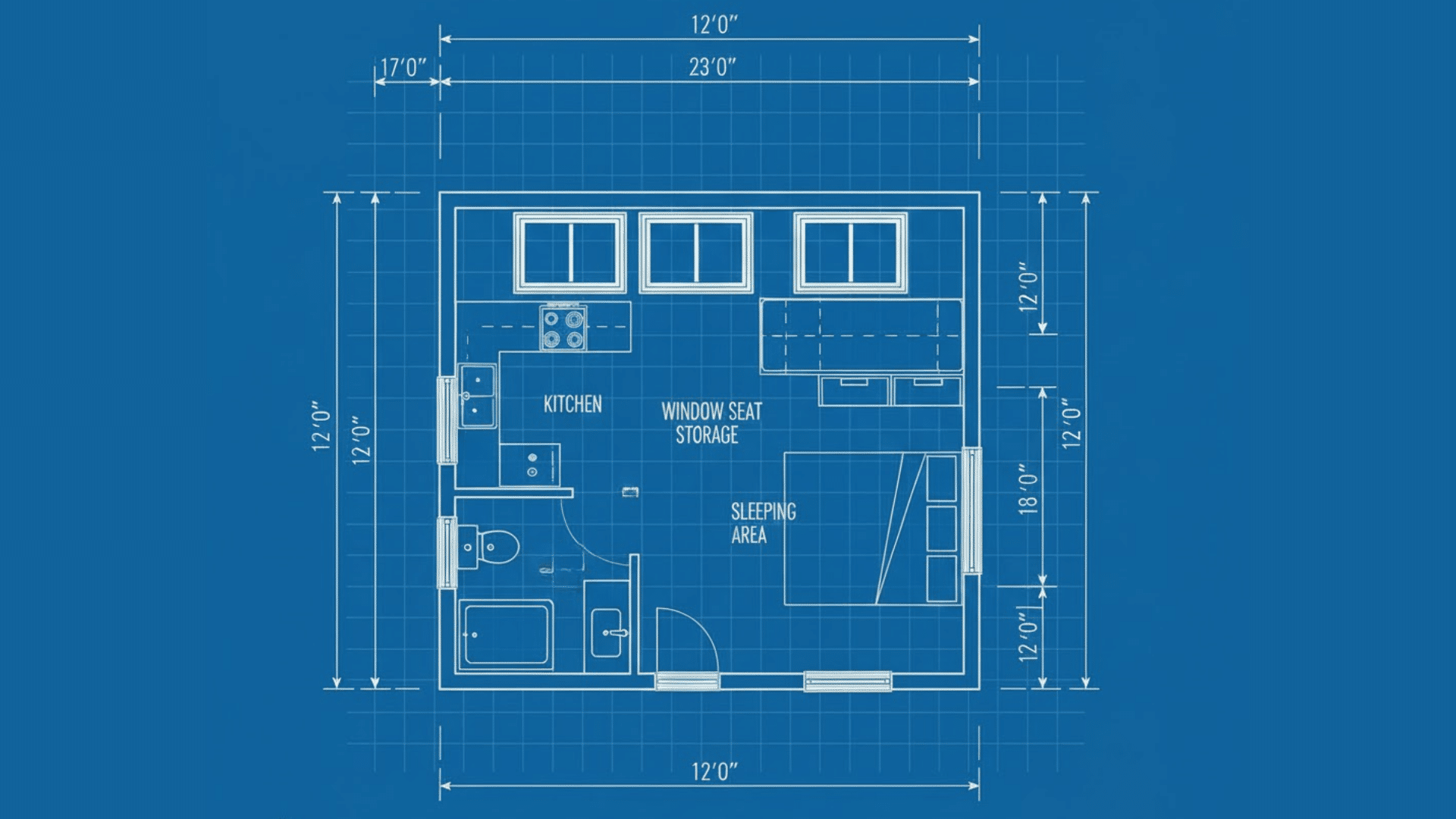
Benches under windows double as storage boxes, giving you a cozy seating spot and extra room for blankets, books, or shoes.
It’s a smart way to add comfort without bringing in more furniture. This setup works well near large windows where people like to relax.
12. Fold-Down Table Design
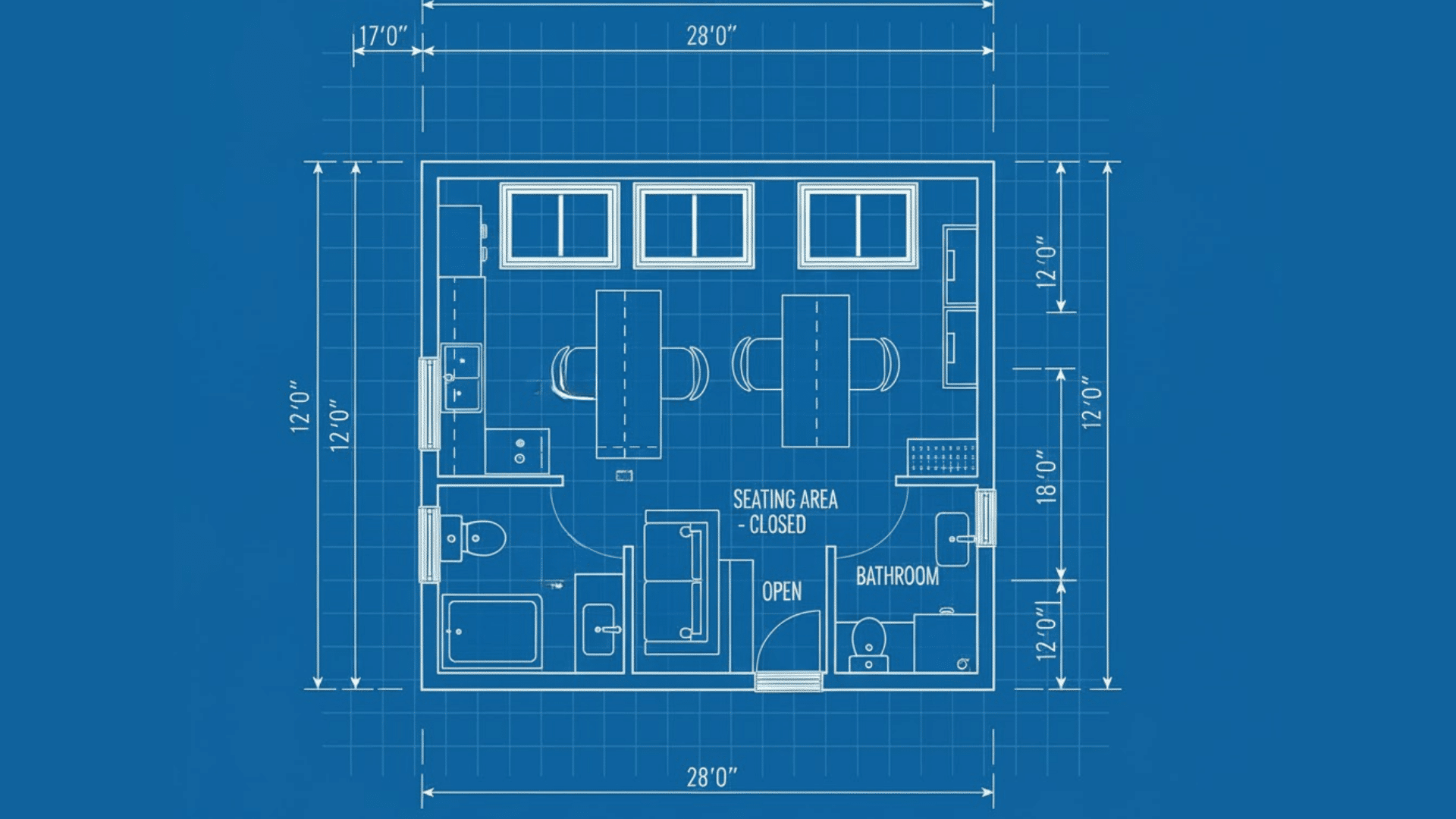
A wall-mounted table folds up when not needed, opening the main floor for daily tasks.
When lowered, it creates an instant dining or work area. This idea helps tiny homes stay flexible and suits people who want a clear living space most of the time.
13. Outdoor Living Extension
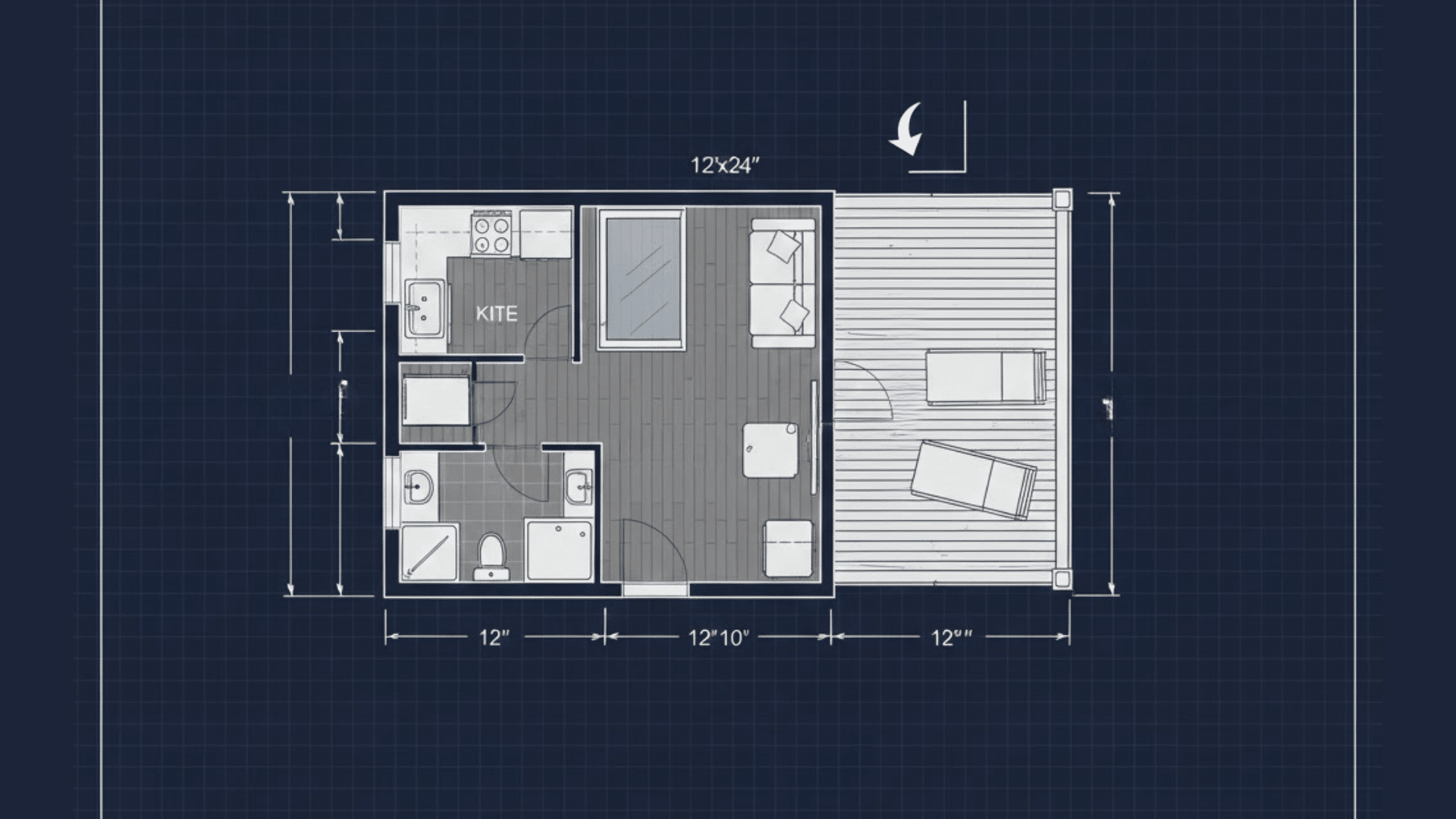
A deck adds useful outdoor space without increasing the home’s size. It gives room for eating, sitting, or cooking in mild weather.
This setup is helpful for people who enjoy spending time outside and want extra breathing room without extra indoor construction costs.
14. Tiny Home Office Nook
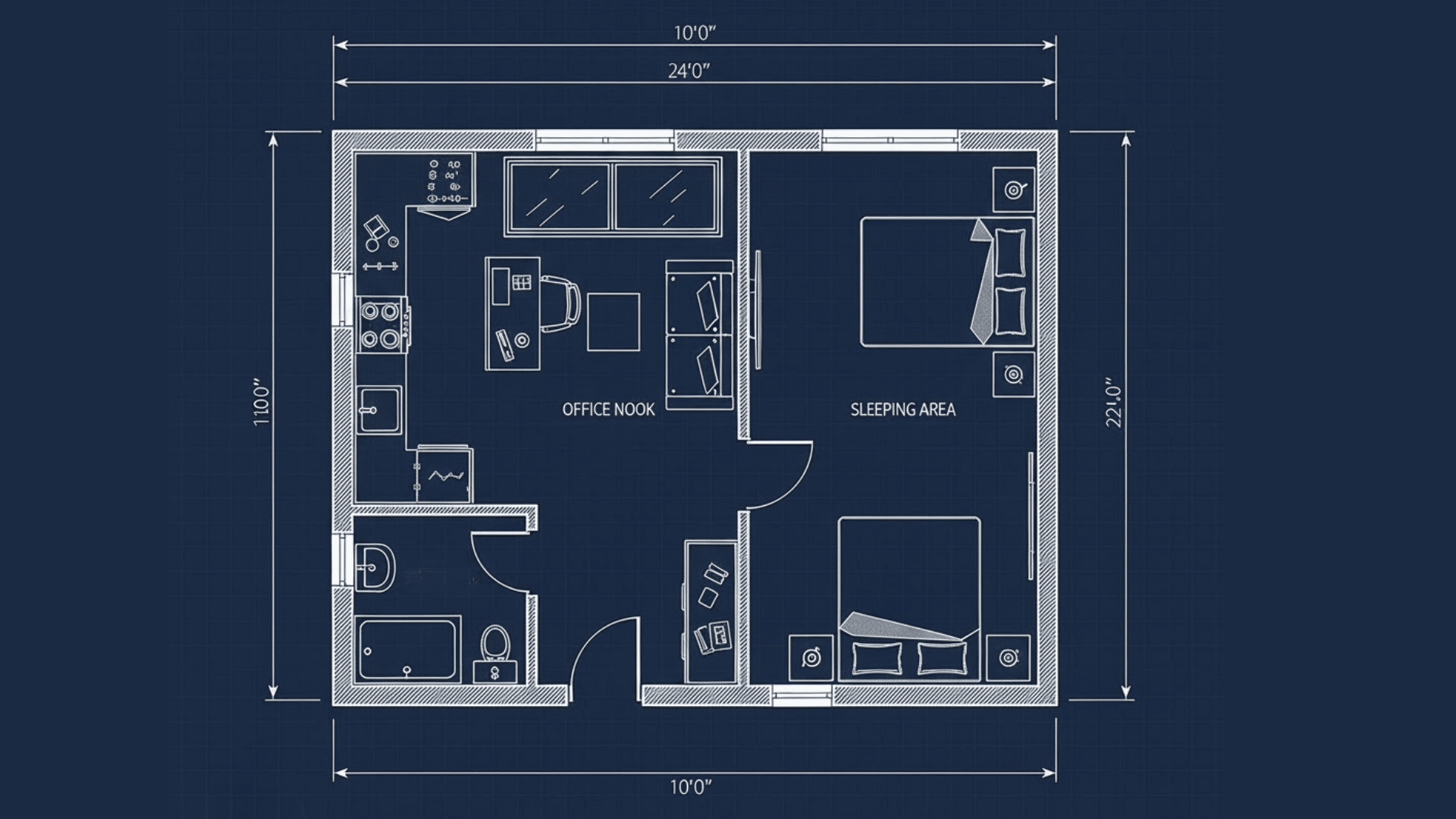
A small workspace is built into a corner or wall, often with a foldable or sliding desk.
This helps remote workers stay organized without taking over the living area.
Placing it near a window brings natural light, making long work hours feel more comfortable.
15. Pet-Friendly Layout
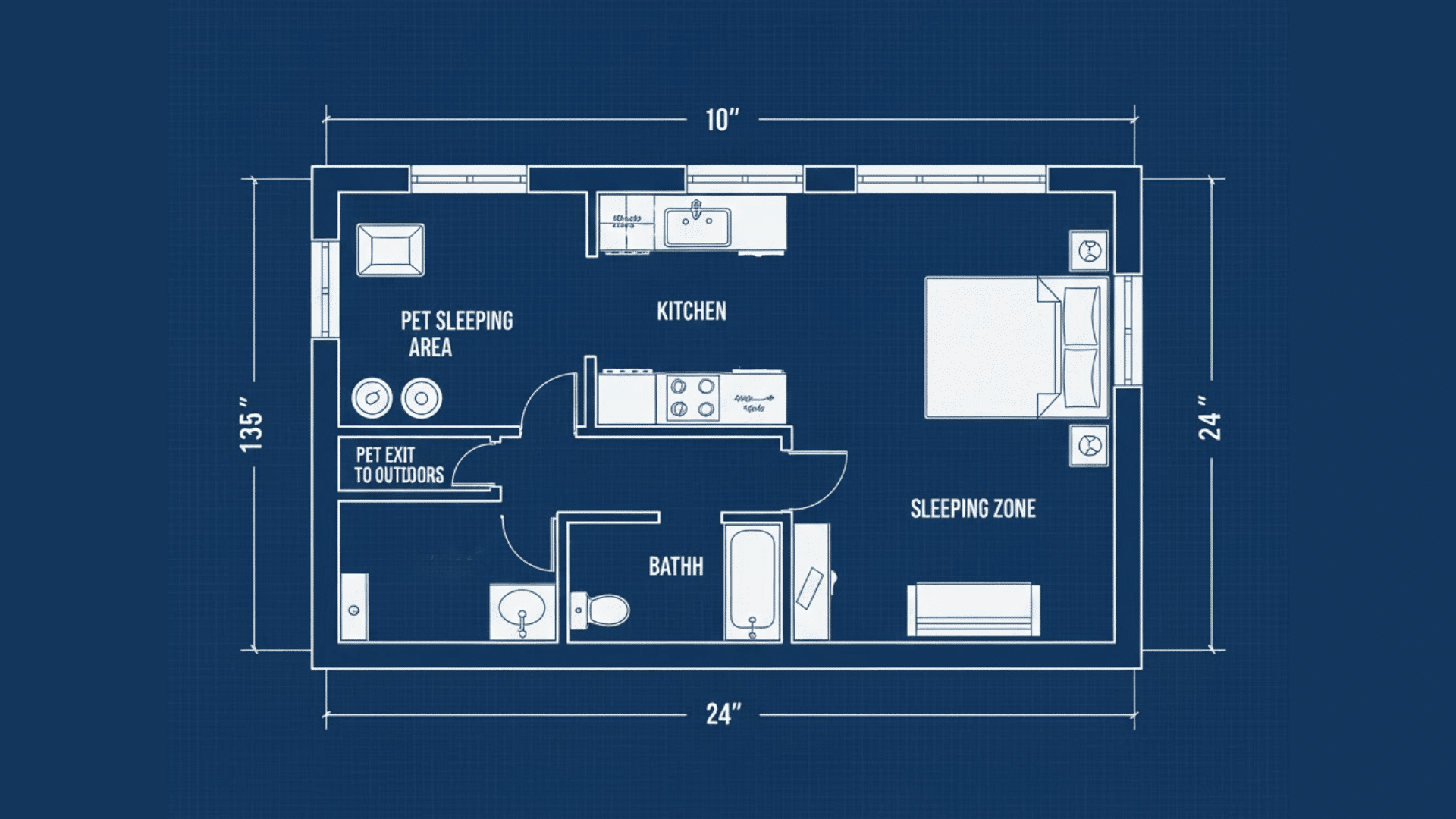
This plan includes lower sleeping spots for pets, along with fixed food and water sections. It helps keep pet items tidy and simple to access.
Owners can also plan easy outdoor exits for animals. It’s ideal for people who share their tiny home with furry companions.
16. Wheelchair Accessible Plan
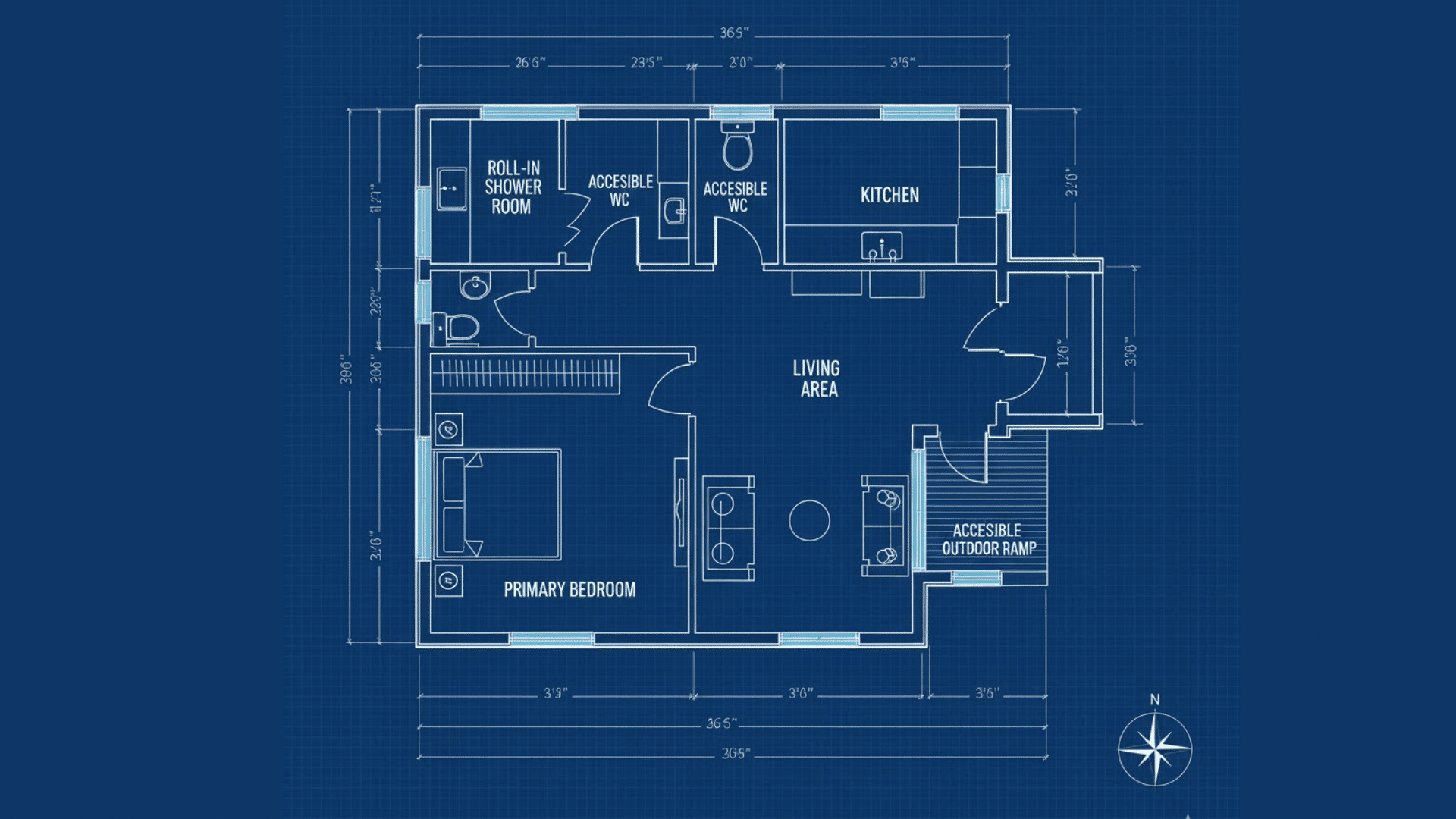
This layout uses wide doors, open pathways, and a ground-level bedroom.
The bathroom often includes a roll-in shower for easy use. No lofts or stairs are included in this design, making the entire home easy to navigate for anyone using a wheelchair.
17. Seasonal Closet System
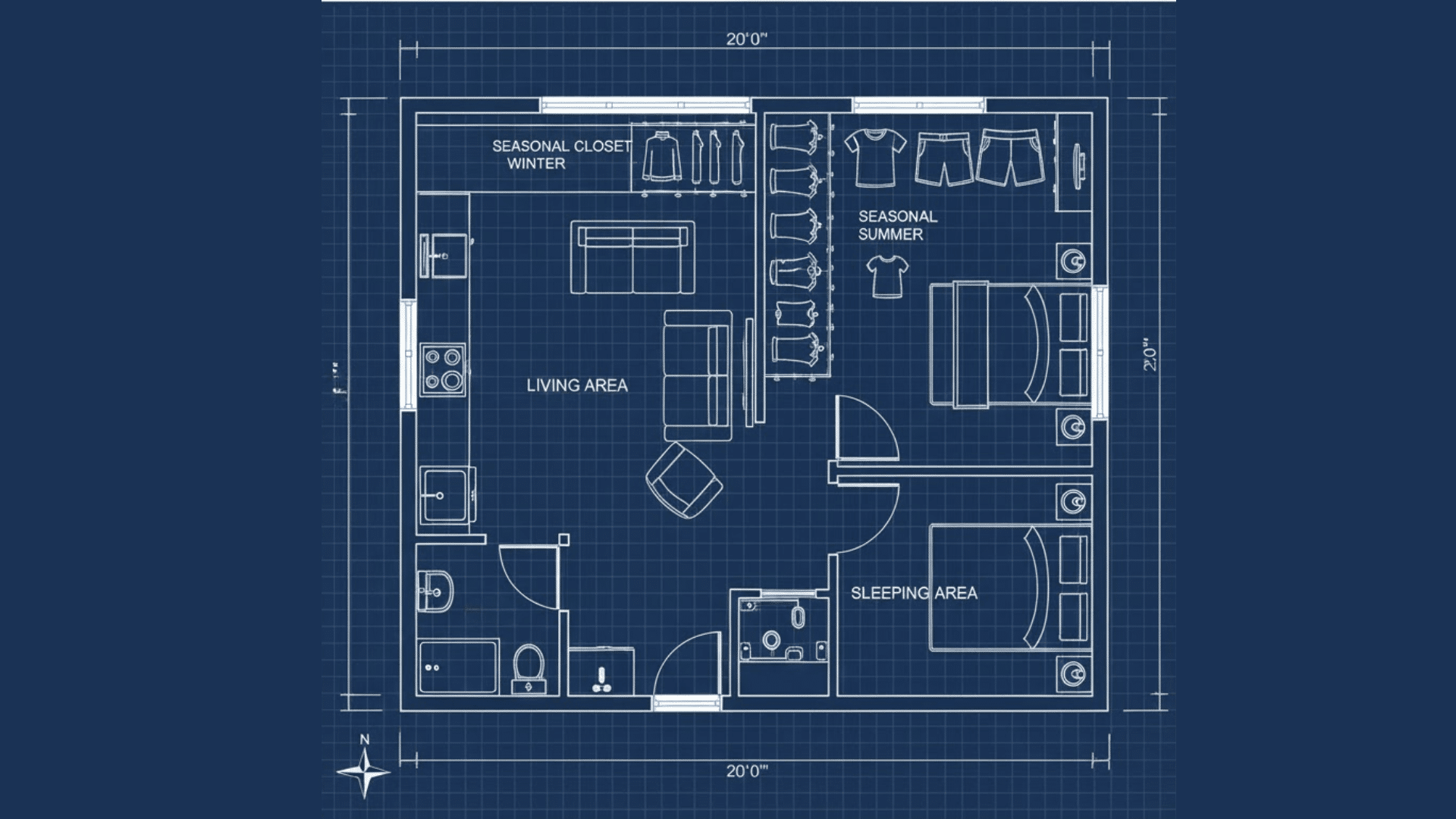
This system separates clothing by season, keeping only current items within reach.
It helps tiny homes stay orderly, especially for people who own more clothing but still want a simple daily routine.
18. Multi-Purpose Furniture Layout
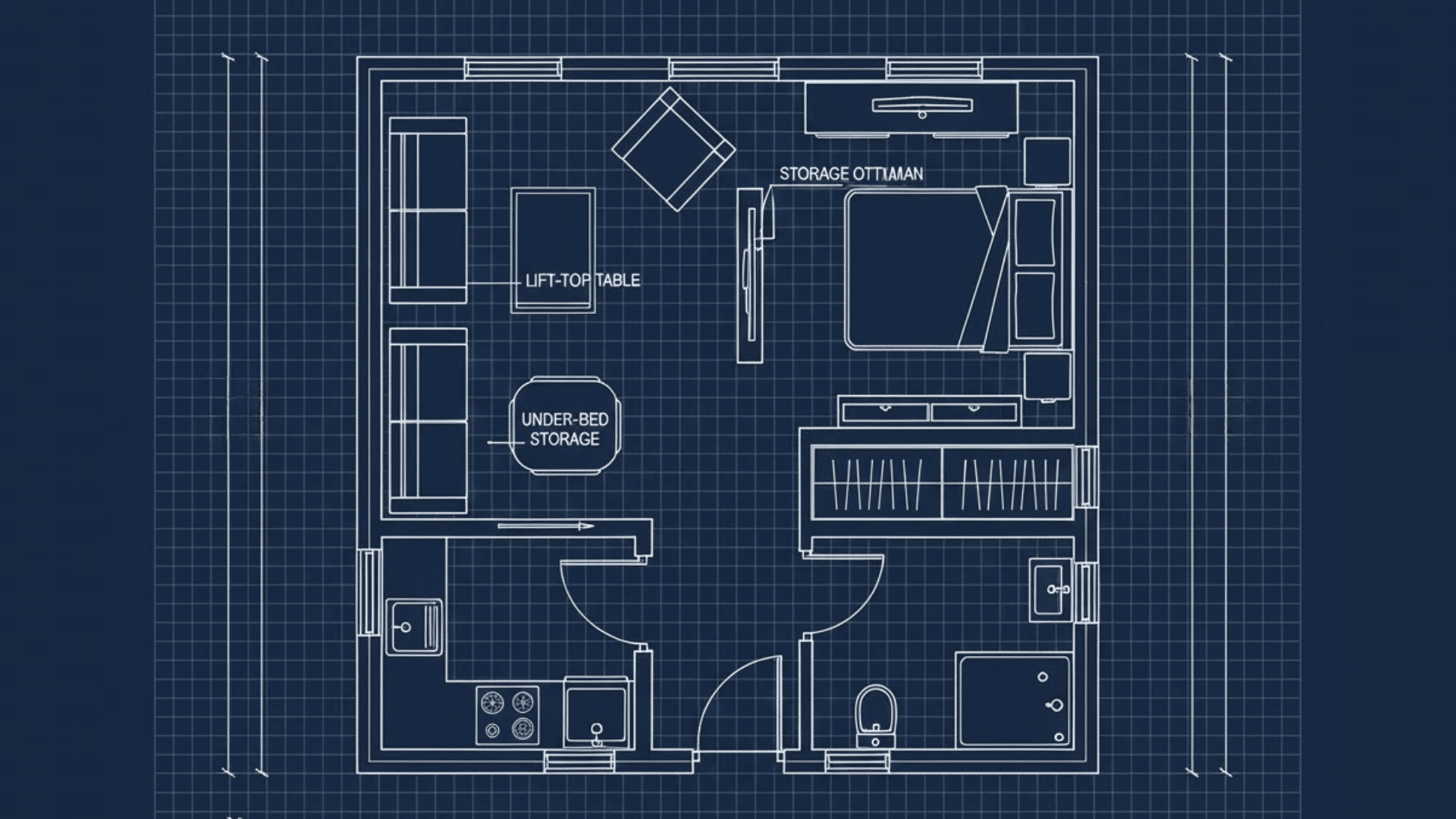
Furniture pieces serve more than one job, such as ottomans with storage or tables that lift for eating. This approach saves space and keeps daily items easy to manage.
It suits owners who want a tidy home without sacrificing comfort or functionality.
19. Modern Open Plan
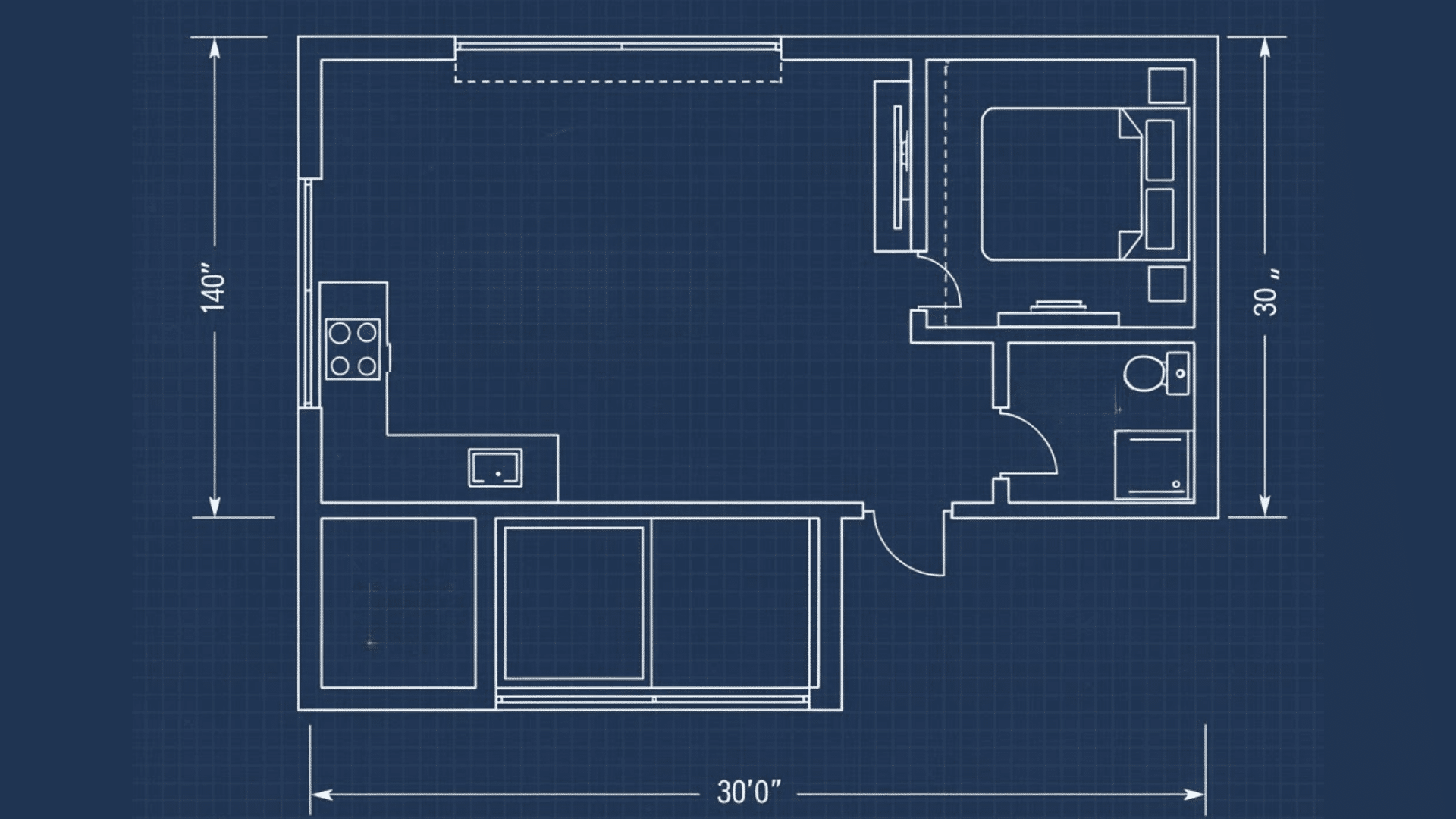
This style removes most inner walls, relying instead on curtains or sliding panels for privacy when needed.
The open space creates a roomy feel even in small homes. It works well for people who stay organized and appreciate simple layouts without extra partitions.
Must-Have Features to Have in a Well-Designed Tiny Home
- Natural light from multiple windows keeps spaces feeling open and less confined.
- Adequate storage solutions throughout, including vertical cabinets and hidden compartments.
- Functional kitchen with sink, cooktop, and refrigerator within easy reach.
- Private bathroom with toilet, sink, and shower that feels comfortable.
- Ceiling height of at least seven feet to avoid feeling cramped.
- Electrical outlets are placed strategically for appliances and charging devices.
- Durable flooring that withstands daily wear and cleans easily.
- Multi-functional spaces that serve more than one purpose efficiently.
- Plumbing access panels for easy maintenance and future repairs.
- Quality doors and windows that seal properly against the weather
DIY vs. Hiring a Builder
Deciding between DIY and hiring a builder depends on your budget, skills, and how fast you want your tiny home finished.
Going DIY
- Cheaper overall because you skip labor costs.
- More design control to customize everything your way.
- Hands-on satisfaction from building it yourself.
- Flexible timeline so you can work when you want.
Hiring a Builder
- Professional-quality construction with safe, reliable materials.
- Faster completion than most DIY builds.
- Code and permit expertise to avoid legal issues.
- Fewer mistakes and less stress throughout the process.
Final Thoughts
Finding the right tiny home floor plan takes time, but you now have the knowledge to choose wisely. Start by measuring your actual needs. How much space do you really need? What features matter most?
Don’t rush this decision. A well-planned tiny home serves you for decades. A poorly planned one feels cramped from day one.
Take blueprints to local building departments early. Get clarity on zoning and codes before spending money.
Choose a floor plan that fits your life and makes daily living comfortable.