
Want to give old furniture a fresh look or paint a freshly made wooden piece of furniture? You’re not alone. Many people struggle with peeling paint, uneven finishes, and wasted time on failed projects.
It’s frustrating when your hard work doesn’t pay off. But here’s the good news: painting wood furniture is simpler than you think.
With the right steps and materials, you can change any piece into something beautiful.
This blog will show you exactly how to paint wood furniture and get professional results at home.
Can You Paint Any Wood Furniture?
Yes, you can paint almost any wood furniture. But not all wood needs the same approach.
Solid wood pieces like oak, pine, and maple take paint beautifully.
They’re sturdy and hold up well over time. Plywood and particleboard furniture can also be painted, though they need extra care during prep work.
Unfinished Wood vs Painted Wood
Unfinished wood is the easiest to work with. It has no coatings blocking the surface.
Paint soaks right in and creates a strong bond.
Painted wood takes more effort. Old paint can be chipped or peeling. You’ll need to either strip it completely or sand it down until smooth
What About Laminate and Veneer?
Laminate furniture is trickier. The slick surface doesn’t let paint stick easily. Sand lightly, then use a bonding primer before painting.
Veneer works well with paint, too. Just be gentle when sanding so you don’t sand through the thin wood layer.
Choosing the Right Paint Type
The paint you choose affects how your furniture looks and lasts. Different paints work better for different projects.
1. Latex Paint: Easy for beginners. It cleans up with water, dries quickly, and works well for most furniture.
2. Oil-Based Paint: Oil-based paint creates a harder finish and resists scratches better. It’s great for tables and chairs, but takes longer to dry and needs mineral spirits for cleanup.
3. Chalk Paint: Chalk paint sticks to most surfaces without much prep. It gives a matte, vintage look.
High-traffic pieces need durable paint, such as oil-based. Decorative items work with any type.
Painting Technique and Finishes
Different painting techniques work better for different furniture pieces. Choose the method that fits your project and skill level.
| Technique | Best For | Appearance | Durability |
|---|---|---|---|
| Brush Painting | Detailed areas, edges, and corners | Shows slight brush marks | Good with quality brushes |
| Roller Painting | Large flat surfaces, such as tabletops | Smooth, even coverage | Excellent for quick work |
| Spray Painting | Complex designs, intricate pieces | Ultra-smooth, professional | Very durable when done right |
Most furniture projects work best with a combination of techniques.
Use a brush for corners and detailed areas, then switch to a roller for large flat surfaces.
Spray painting gives the smoothest finish but requires practice and proper ventilation. Pick what matches your comfort level and the furniture style you’re working on.
Preparing the Wood Surface for Painting
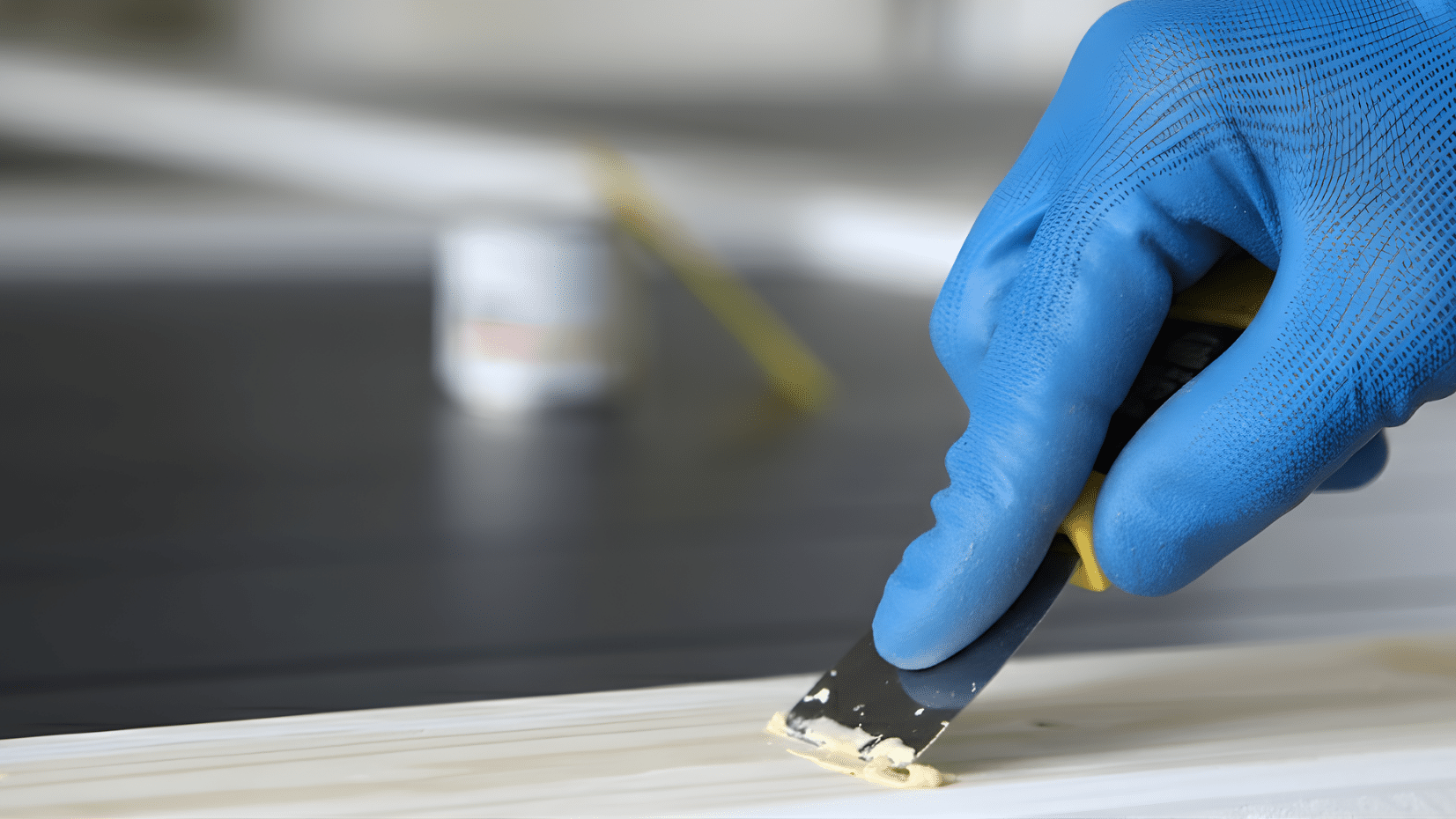
Proper surface prep determines how well your paint sticks and lasts. Skip these steps, and you’ll end up with peeling paint.
Clean the Surface Thoroughly
Remove all dirt and grease with warm, soapy water. Kitchen furniture often needs a degreaser. Let the furniture dry completely before moving forward.
Sand the Wood
Use 120-grit sandpaper to rough up the surface. Sand with the wood grain, not against it. Switch to 220-grit sandpaper for a final smooth pass.
Remove All Dust
Wipe away all sanding dust with a tack cloth or a damp rag. Check corners and detailed areas where dust hides.
Fill Holes and Cracks
Fill dents or cracks with wood filler. Let it dry, then sand flush with 220-grit sandpaper.
Apply Primer
Primer seals the wood and helps paint stick better. Apply it in thin, even coats and let it dry completely.
How to Paint Wood Furniture Without Sanding
Skipping the sanding step saves time and effort. You can paint wood furniture without sanding if you use the right products and techniques.
When Can You Skip Sanding?
You can skip sanding on furniture that’s smooth, clean, and free of peeling paint. Raw unfinished wood and previously painted pieces with intact paint work well without sanding.
There are a few points that you should keep in mind:
- Use a degreaser to remove all dirt and grease. Wipe down with a damp cloth and let it dry completely.
- Deglosser removes shine from glossy surfaces without sanding. Apply it with a cloth, let it sit, then wipe it off.
- Work in thin layers and let each coat dry fully. Without sanding, proper drying time is crucial for strong paint adhesion.
Note: After cleaning and deglossing, the standard painting process will be followed, whether you sand or not. The only difference is in the prep work, not the actual painting
Watch this helpful video showing the full process: How to Paint Furniture WITHOUT Sanding |A Ray of Sunlight
How to Paint Wood Furniture Effectively
Painting wooden furniture breathes new life into those wooden pieces. The process is simple when you follow the right steps and use proper materials.
Tools and Materials You Need
Start by gathering everything you’ll need before you begin the project.
- Quality brushes (synthetic bristles for latex, natural bristles for oil-based paint)
- Foam rollers for flat surfaces
- Small brushes for detailed areas and corners
- Large brushes for bigger surfaces
- Paint tray
- Drop cloths
Painting Wood Furniture Step by Step
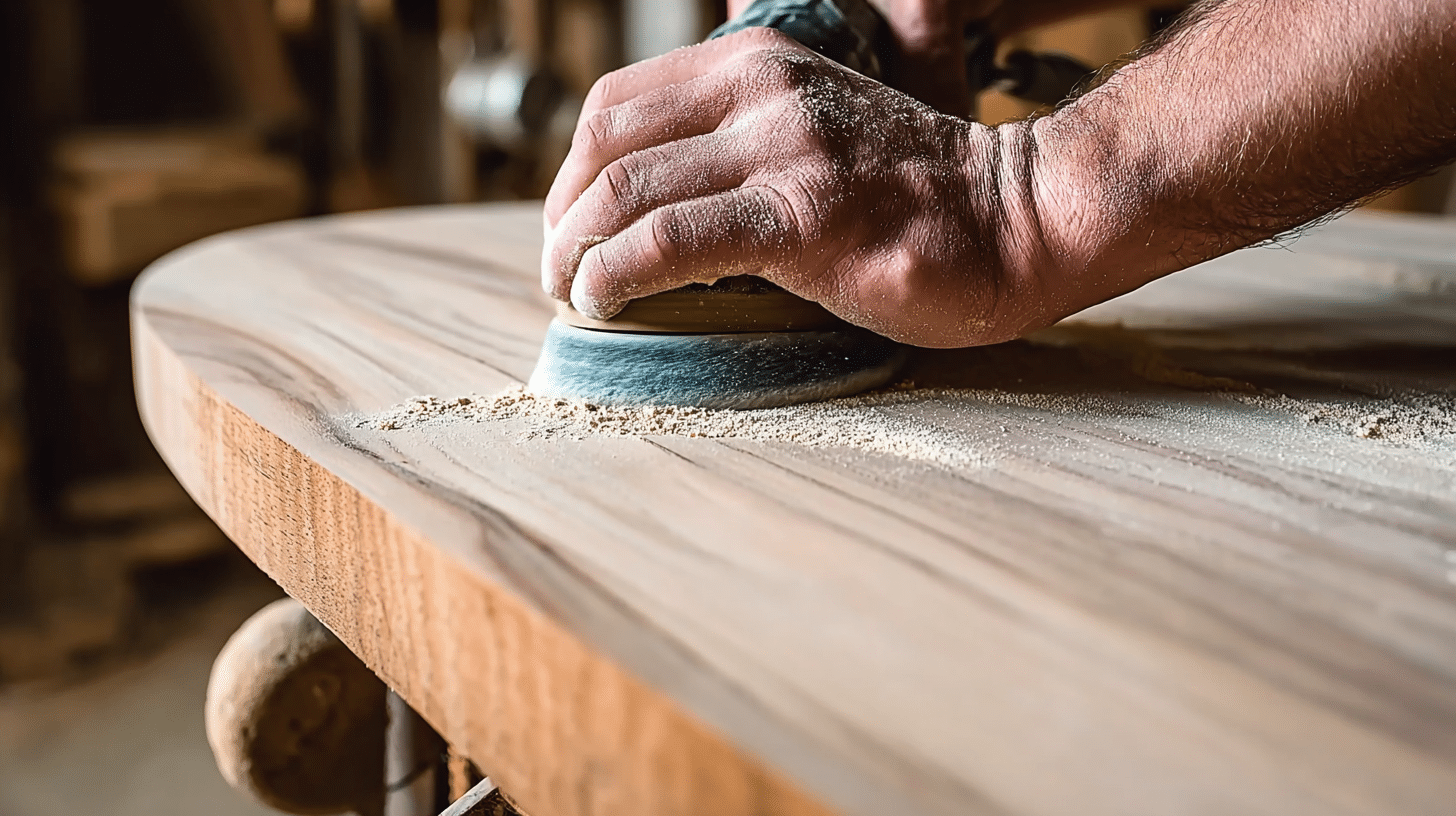
Follow these steps carefully for a smooth, professional finish. The right approach makes your furniture look store-bought.
1. Apply Paint Evenly
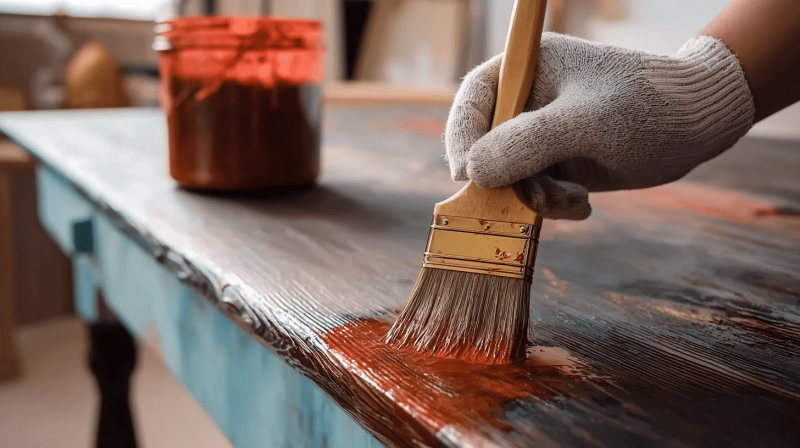
Start with thin coats. Paint in long, smooth strokes following the wood grain.
Use a foam roller for flat surfaces. Don’t overwork the paint, or you’ll create streaks.
Pick Your Paint Finishes Wisely: Matte finishes hide imperfections but show scuffs easily. Satin offers a slight sheen and cleans better than matte. Gloss creates a shiny, durable surface but highlights every flaw in the wood.
2. Drying Time and Number of Coats
Most latex paints dry in 1-2 hours. Wait 4-6 hours before adding another coat.
Oil-based paintsneed 24 hours between coats.
Chalk paint dries faster, usually in 30-60 minutes, but still wait 2-4 hours before adding another coat.
Two coats usually give solid coverage. Let the final coat cure for 48-72 hours before using the furniture.
3. Seal the Painted Surface
A sealer protects your painted furniture from scratches, stains, and daily wear.
Wait 48 hours after painting before sealing. Apply thin, even coats with a clean brush. Two to three coats provide good protection.
Let each coat dry completely. The final coat needs 24-48 hours to cure fully.
Types of Sealers:
Polyurethane offers the strongest protection and comes in water-based (clear) or oil-based (amber tint) versions.
Polycrylic dries clear for lighter furniture, while wax creates a soft finish but needs frequent reapplication.
This video by Erin Spain explains each step and helped me a lot: How to Paint Furniture: A Beginner’s Guide| Erin Spain
How to Paint Wood Furniture White for Beginners
White paint shows every imperfection, so it needs extra attention.
The basic painting procedure stays the same, but white paint requires a few additional steps for the best results.
Additional Steps for White Paint
- Choose the Right White Shade: Pure white gives a crisp, modern look while off-white creates a softer feel. Use high-quality paint for better coverage.
- Prime More Thoroughly: Use a stain-blocking primer, especially over dark wood. Apply two coats if the wood is very dark.
- Apply Extra Coats: You’ll need three coats for solid coverage over dark wood instead of the usual two coats.
- Use Water-Based Sealer: Use water-based polyurethane that won’t yellow over time. Oil-based sealers can add an amber tint to white paint.
White paint highlights scratches and uneven surfaces more than darker colors.
Dark wood stains can also bleed through if you skip primer. This is why white paint needs extra care.
Learn how it’s done from this video by Black Sheep House: Painting Furniture White| Black Sheep House
How to Paint Wood Furniture with Spray Paint
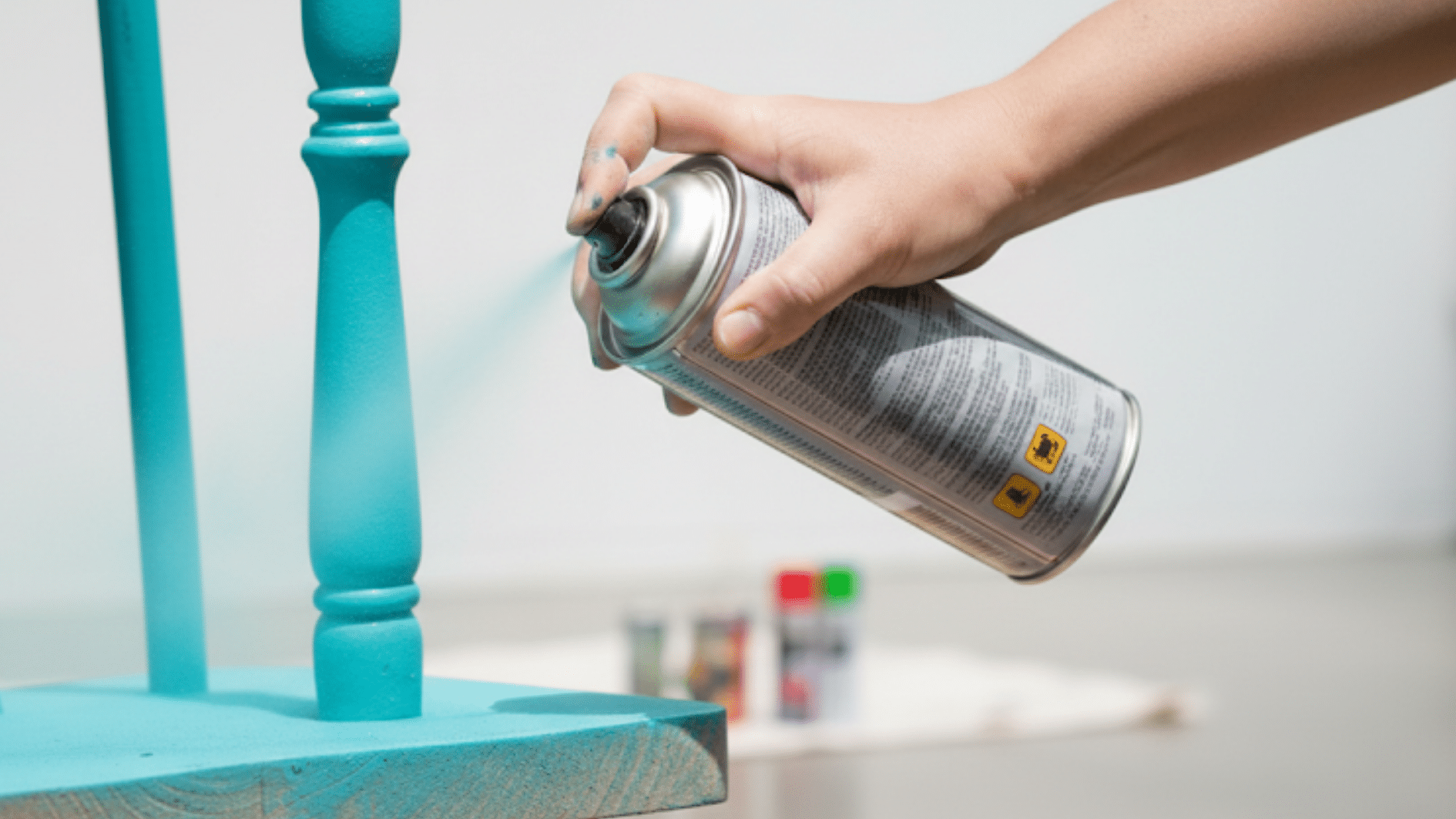
Spray paint creates the smoothest finish on furniture. It’s faster than brushing and leaves no brush marks, but it requires proper technique and ventilation.
Step 1: Set Up Your Workspace
Work outdoors or in a well-ventilated area. Lay down drop cloths and set your furniture on a raised surface like sawhorses so you can spray all sides easily.
Step 2: Prep and Prime
Clean and sand the furniture. Apply spray primer, holding the can 10-12 inches from the surface. Let it dry completely.
Step 3: Apply Spray Paint
Shake the can for one minute. Hold it 10-12 inches from the furniture and use smooth, sweeping motions. Apply 3-4 thin coats, waiting 15-30 minutes between each coat.
Step 4: Seal the Finish
Let the final coat dry for 24 hours. Apply 2-3 light coats of spray-on clear coat for protection.
Tips for Best Results: Work in temperatures between 50-85°F. Avoid windy conditions. Keep the can moving at a steady pace to prevent drips.
Spray painting takes practice, but the results look factory-made rather than hand-painted.
This helpful video by Rust Oleum walks you through the steps: How to Refinish a Table With Spray Paint | Rust-Oleum
How to Repaint Wood Furniture: Is it Different?
Repainting wood furniture gives old pieces a second chance. The process is similar to painting from scratch, but you’ll need extra steps to deal with the existing finish.
Remove or Prep the Old Paint. You have two options when repainting wood furniture.
Strip the Old Paint: Use paint stripper to remove all layers down to bare wood. Apply it, let it sit, then scrape off the softened paint.
Sand Over the Existing Paint: If the old paint is in decent shape, sand it down with 120-grit sandpaper until the shine is gone.
Once you’ve stripped or sanded, follow the same process as painting new furniture. Clean the surface, apply stain-blocking primer, paint in thin coats, and seal for protection.
Common Painting Mistakes and Quick Fixes
Avoiding these mistakes saves you time and frustration. Learn what goes wrong so you can get it right the first time.
Skipping the Prep Work
Quick Fix: Always clean and sand your furniture before painting.
Not Using Primer
Quick Fix: Apply primer even if your paint claims it already has primer. This extra layer helps paint stick and prevents stains from bleeding through.
Painting in Poor Conditions
Quick Fix: Work in a well-ventilated space with moderate temperature. Extreme heat, cold, or humidity can affect how paint dries and how it looks.
Applying Thick Coats
Quick Fix: Use thin coats rather than a single thick layer. Thick paint drips.
Not Letting Paint Dry Between Coats
Quick Fix:Wait the full recommended time before adding another coat. Rushing causes the paint to peel or create a tacky, uneven surface.
Forgetting to Seal
Quick Fix: Always add a protective topcoat after your final paint layer dries. Sealed furniture lasts longer and resists daily wear better.
Care Tips After Painting
Keep your freshly painted furniture looking great with these simple care tips. A little maintenance goes a long way in protecting your hard work.
- Wait at least a week before heavy use so the paint cures completely.
- Clean with a soft, damp cloth and avoid harsh chemicals.
- Use coasters and placemats to prevent scratches and heat damage.
- Keep furniture away from direct sunlight to prevent fading.
- Lift objects instead of dragging them across painted surfaces.
- Reapply wax every few months if you used it as a sealer.
- Touch up small chips or scratches right away to stop damage from spreading.
Final Takeaways
Painting wood furniture transforms wooden pieces into something fresh and personal.
The key is proper preparation, patience between coats, and protecting your work with a good sealer.
Whether you’re painting wood furniture for the first time or giving an old favorite a makeover, these steps ensure lasting results.
Start small with a side table or chair to build confidence.
Ready to begin? Grab your supplies and give that tired furniture piece the update it deserves.