

What makes something vintage?
Vintage items are everywhere these days. However, most people are unaware of what “vintage” actually means.
There’s a specific timeline that makes an item vintage. And knowing it matters helps you spot real vintage items from different eras.
This blog covers everything about vintage. It shows different eras with design inspirations and how to distinguish between vintage, antique, and retro items.
How Old is Vintage, and What Does It Define As?
Vintage refers to items from a previous era. These pieces hold historical and cultural significance from their respective time periods.
The term comes from winemaking. It originally described the year grapes were harvested. Now it applies to clothing, furniture, and collectibles
Vintage refers to items that are at least 20 years old but less than 100 years old. This definition comes from industry standards used by collectors and dealers.
Age alone doesn’t make something vintage. The item must also be in good condition and representative of its era.
Once an object reaches 100 years old, it becomes an antique. This creates a clear distinction between the two categories.
What Makes an Item Vintage?
Age is the primary factor. An item must be between 20 and 100 years old to qualify as vintage.
But age isn’t everything. The piece should reflect the style and craftsmanship of its era. It needs to show design elements typical of that time period.
Condition matters too. The item should be functional or well-preserved. Heavily damaged pieces lose their vintage appeal.
Finally, authenticity is key. The item must be genuinely from the claimed era, not a reproduction or modern copy.
Characteristics of Vintage Items
Several factors work together to define a vintage item. The following are the key characteristics that make something truly vintage.
Era-Specific Design
The piece should showcase design elements from its time period. This includes colors, patterns, materials, and construction methods popular during that era.
These visual cues help identify when the item was made.
Authentic period details separate real vintage from modern reproductions attempting to copy older styles.
Quality Craftsmanship
Vintage items often feature superior construction compared to mass-produced modern goods.
They were built to last, using better materials and techniques. This durability is why they have survived decades.
The craftsmanship reflects standards from an era when products were made with more care and attention to detail.
Good Condition
The item should be functional or well-preserved despite its age.
Some wear is acceptable and even expected. However, excessive damage reduces vintage value significantly.
Collectors look for pieces that have maintained their integrity over time. Proper preservation shows the item was valued and cared for throughout its life.
Authenticity
The piece must genuinely originate from its claimed time period. Reproductions and fakes don’t qualify as vintage, no matter how old they look.
Original labels, markings, or documentation help verify authenticity.
Experts can identify genuine vintage items through construction methods, materials, and design details specific to certain decades.
How to Make Your Space Vintage?
Creating a vintage look in your home doesn’t require expensive antiques or a complete renovation.
You can transform any room with the right approach and a few key elements.
1. Choose Furniture From the Right Era
Select pieces that are at least 20 years old. Look for items from the 1950s through the early 2000s. Thrift stores and estate sales offer great finds.
Mix different decades for an authentic feel. The furniture should show character and history through its design.
2. Add Vintage Textiles and Fabrics
Incorporate old linens, curtains, and rugs into the space. Patterns from past decades bring instant charm. Floral prints, geometric designs, and faded colors work well.
Layer different textures for depth. Vintage fabric adds warmth and personality to any room without a major investment.
3. Use Retro Color Schemes
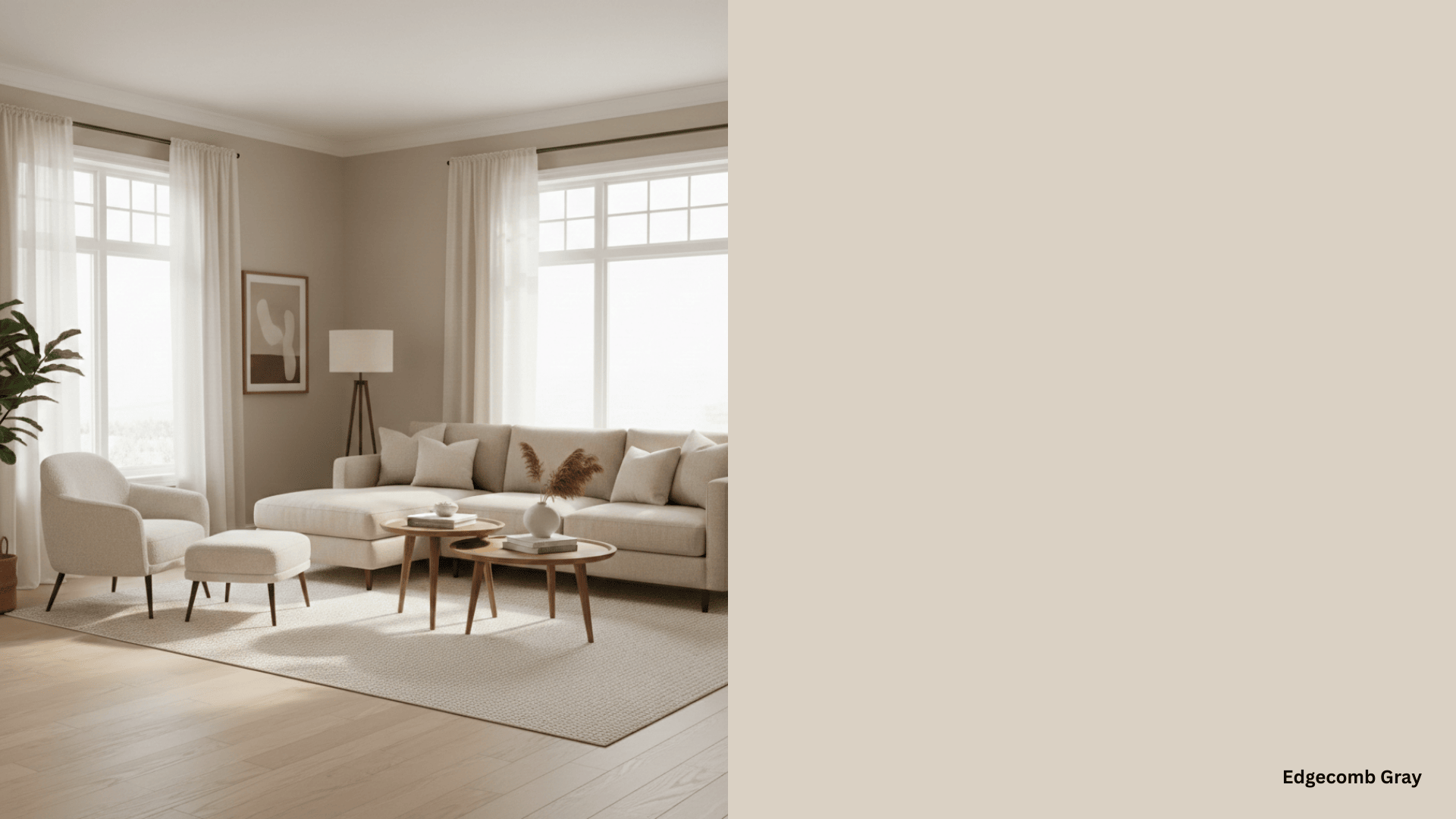
Paint walls in colors popular during vintage eras. Pastels, earth tones, and muted shades create an authentic atmosphere.
Avocado green, burnt orange, and mustard yellow were common choices. Match the color palette to your chosen decade. This sets the foundation for the entire vintage aesthetic throughout the space.
4. Display Vintage Accessories and Decor
Fill shelves with old books, ceramic pieces, and glass items. Vintage clocks, mirrors, and artwork complete the look. Flea markets offer affordable decorative objects.
Group smaller items together for visual impact. These finishing touches make the space feel genuinely lived-in and historically rich.
5. Install Period-Appropriate Lighting Fixtures
Replace modern lights with vintage or vintage-style lamps. Chandeliers, sconces, and table lamps from older decades work perfectly. Brass, copper, and ceramic fixtures suit vintage spaces.
Lighting dramatically changes how a room feels. The right fixtures tie all other vintage elements together beautifully and create ambiance.
The Vintage Eras
Different decades brought distinct styles and movements.
Each era had its own design language and cultural influences. These periods help identify and appreciate vintage items from specific times.
1920-1935: Art Deco
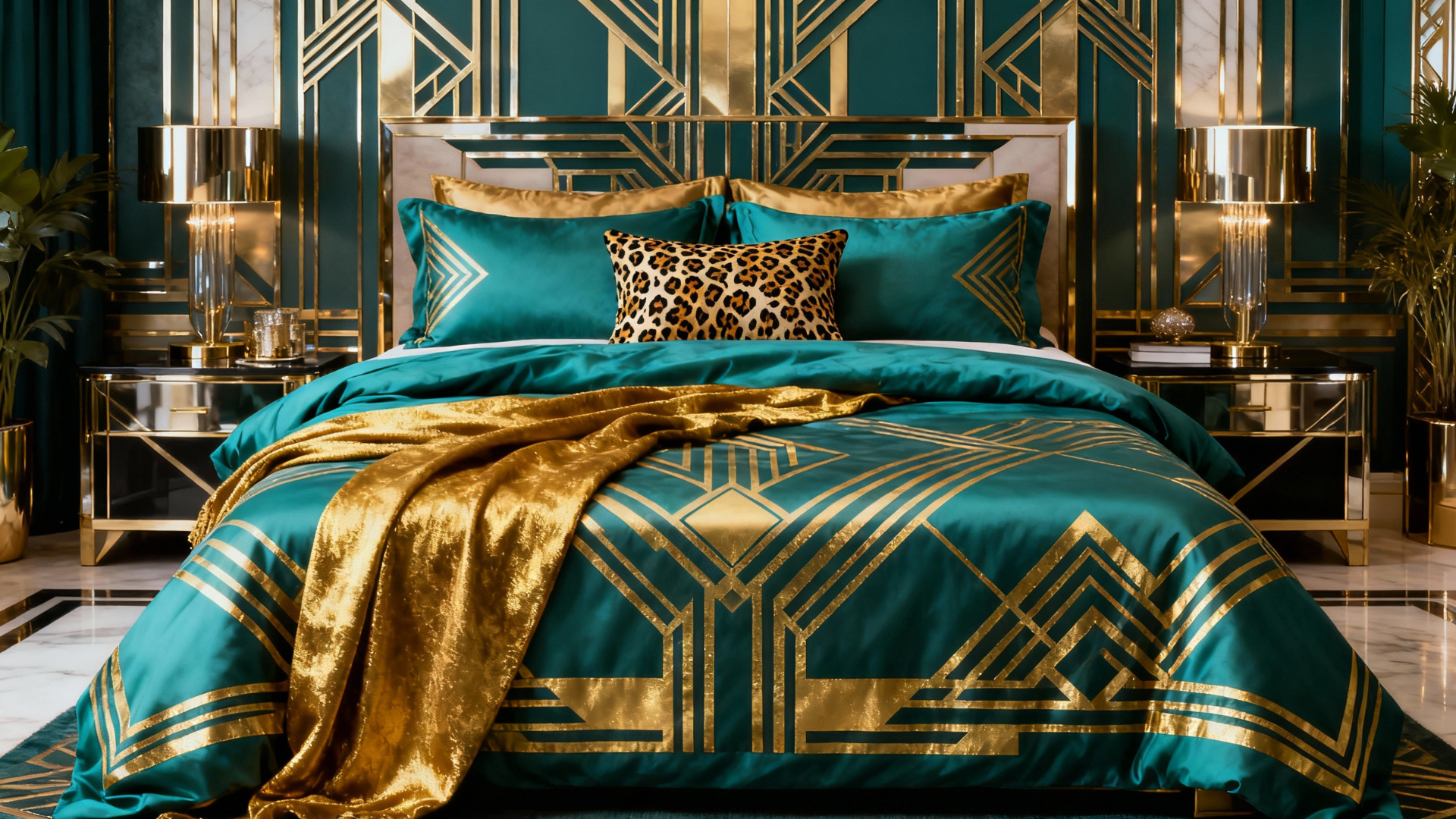
Bold geometric shapes and streamlined forms defined this glamorous era. The style celebrated modernity, speed, and luxury.
Chrome and glass were popular materials. Symmetrical patterns and stepped forms appeared frequently.
Art Deco reflected the Jazz Age’s optimism and embraced machine-age aesthetics with urban look.
1896-1914: Art Nouveau
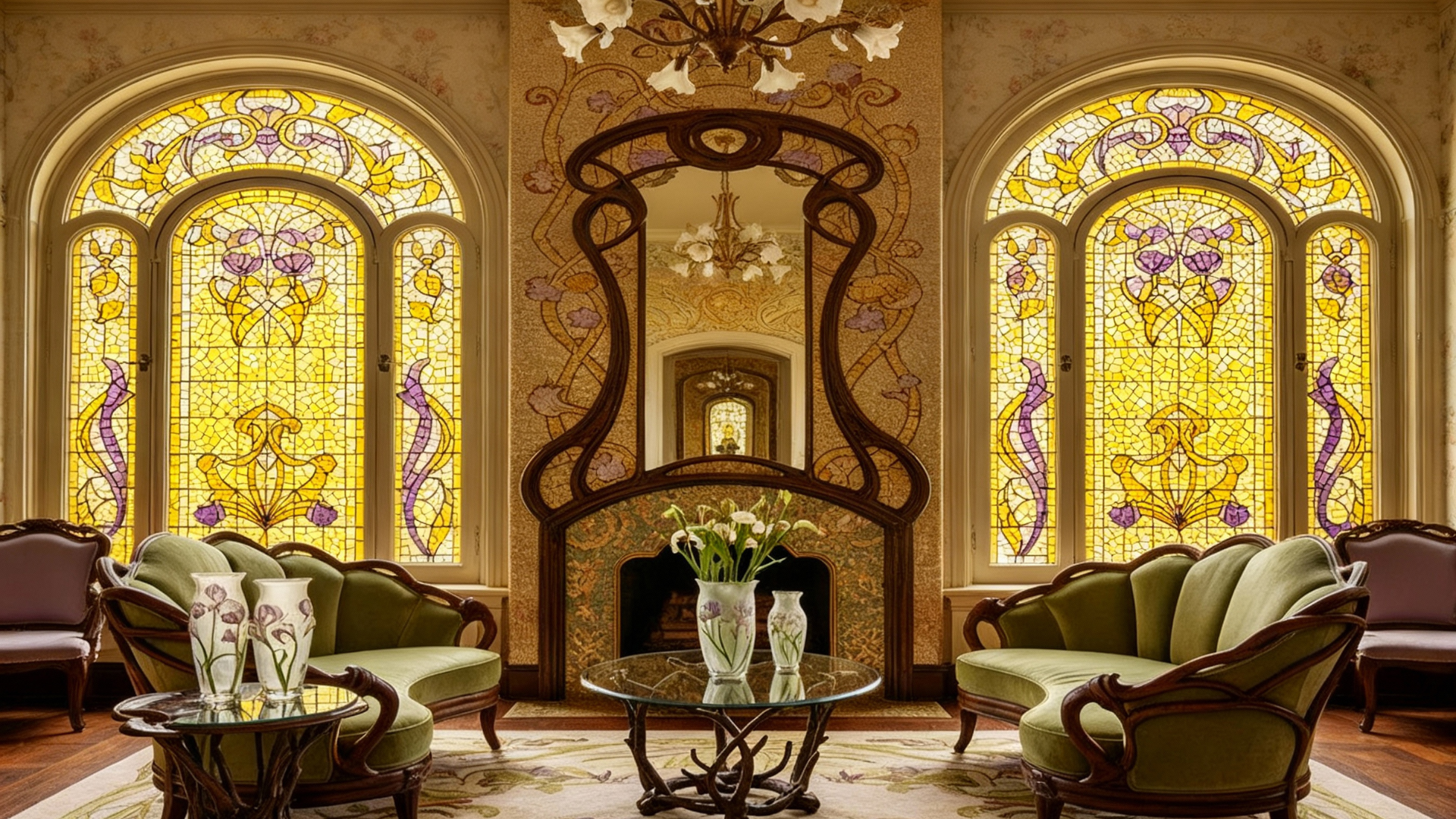
Flowing, organic lines characterized this international style. Designs featured curving plants, flowers, and female figures.
The movement had asymmetry and natural forms. Stained glass, metalwork, and furniture all shared these characteristics.
Art Nouveau rejected historical revival styles for something completely new and modern for its time.
1895-1915: Arts and Crafts
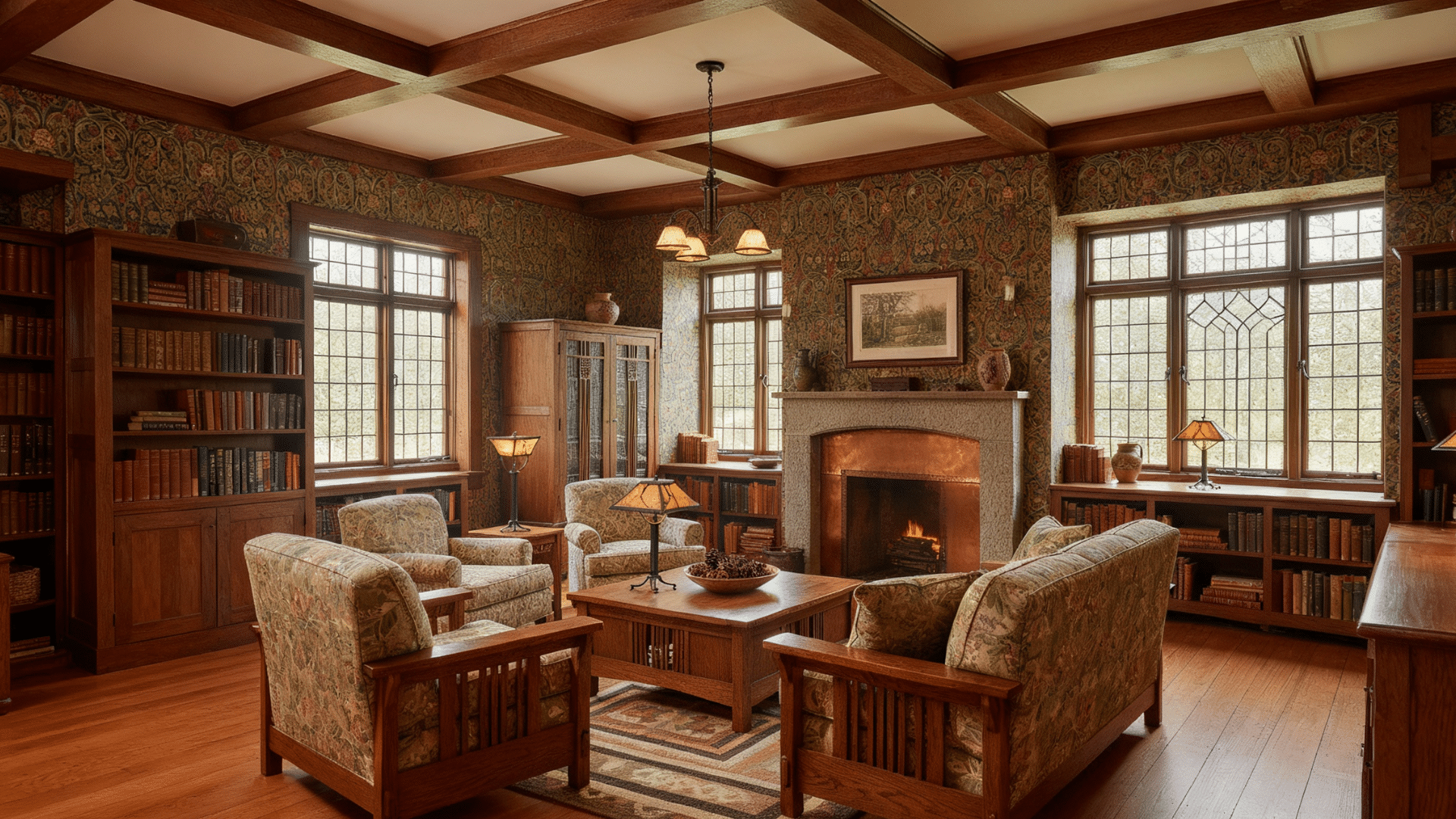
This movement rejected industrial mass production. Handcrafted items with visible joinery became valued.
Simple lines, natural materials, and functional beauty defined the style. Oak was the preferred wood. Arts and Crafts pieces emphasized quality workmanship.
The movement celebrated the maker’s skill over factory efficiency.
1855-1890: Neo-Greek/Eastlake
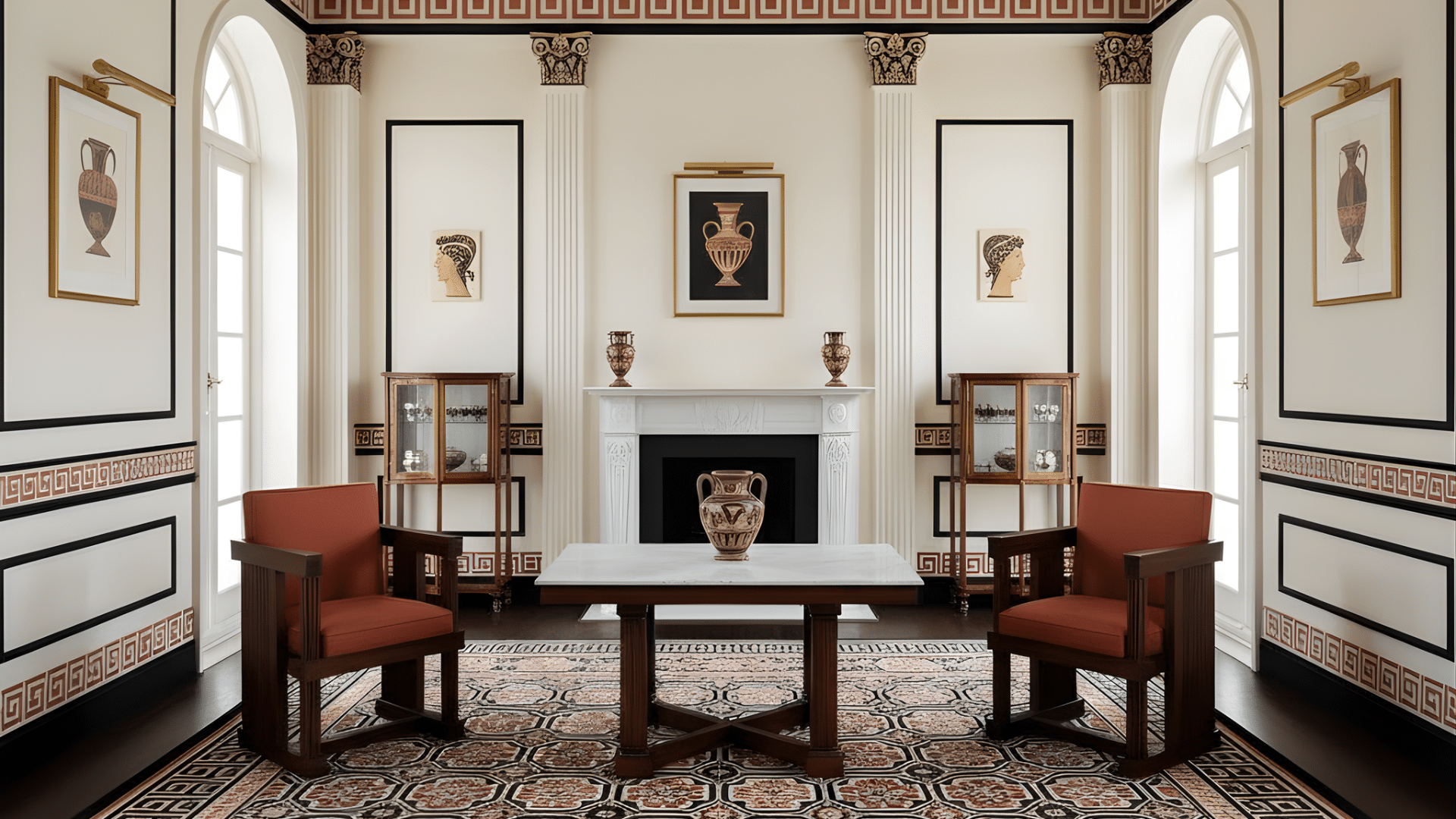
Charles Eastlake promoted functional, honest construction in furniture design. This style featured straight lines, geometric patterns, and minimal ornamentation.
Machine-cut details replaced hand-carvings. The movement emphasized practicality over excessive decoration.
Neo-Greek elements included classical motifs, while Eastlake pieces showed visible joinery and construction methods.
1845-1870: Rococo Revival
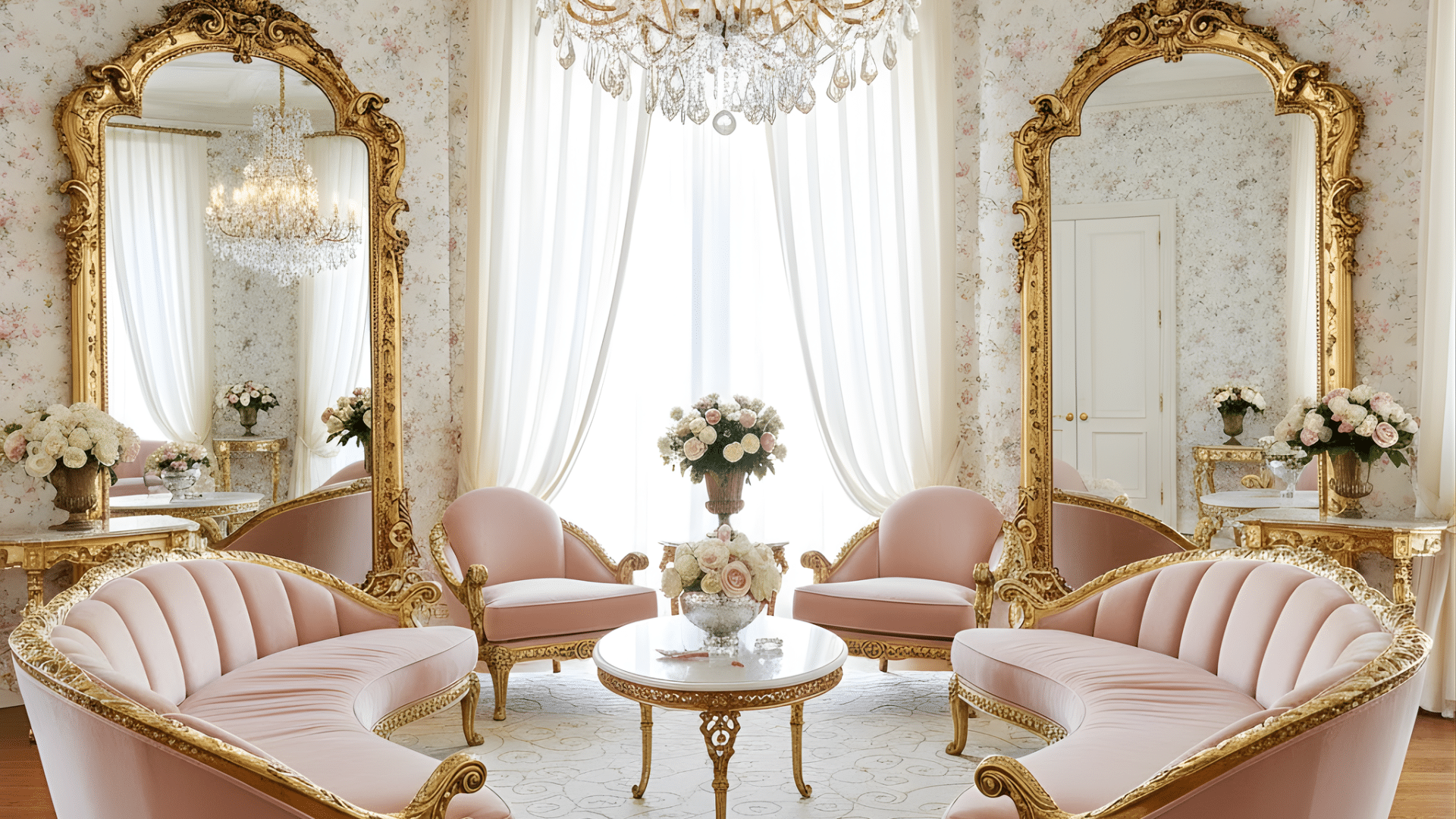
This movement brought back the eighteenth-century French style.
Curved lines, scrollwork, and feminine shapes dominated furniture design. Pieces featured elaborate carvings of flowers, shells, and leaves.
Rococo Revival items often included carved roses and cabriole legs that created a flowing appearance.
1837-1901: Victorian
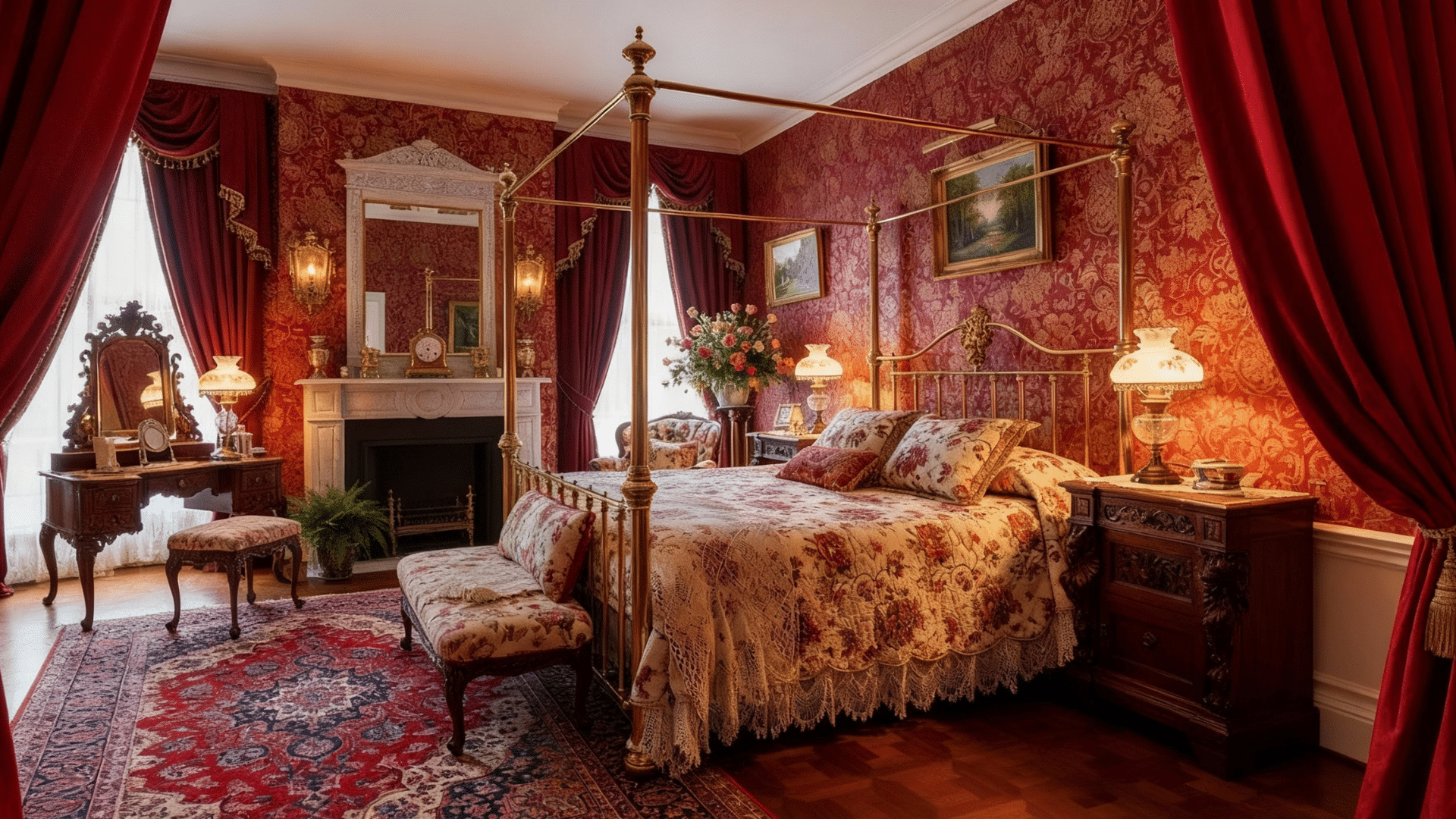
This era marked Queen Victoria’s reign in England.
The style featured ornate details, heavy furniture, and rich fabrics. Dark woods like mahogany and walnut were common.
Victorian pieces often included floral motifs and romantic elements that reflected the era’s values.
1850-1914: Naturalist/Aesthetic
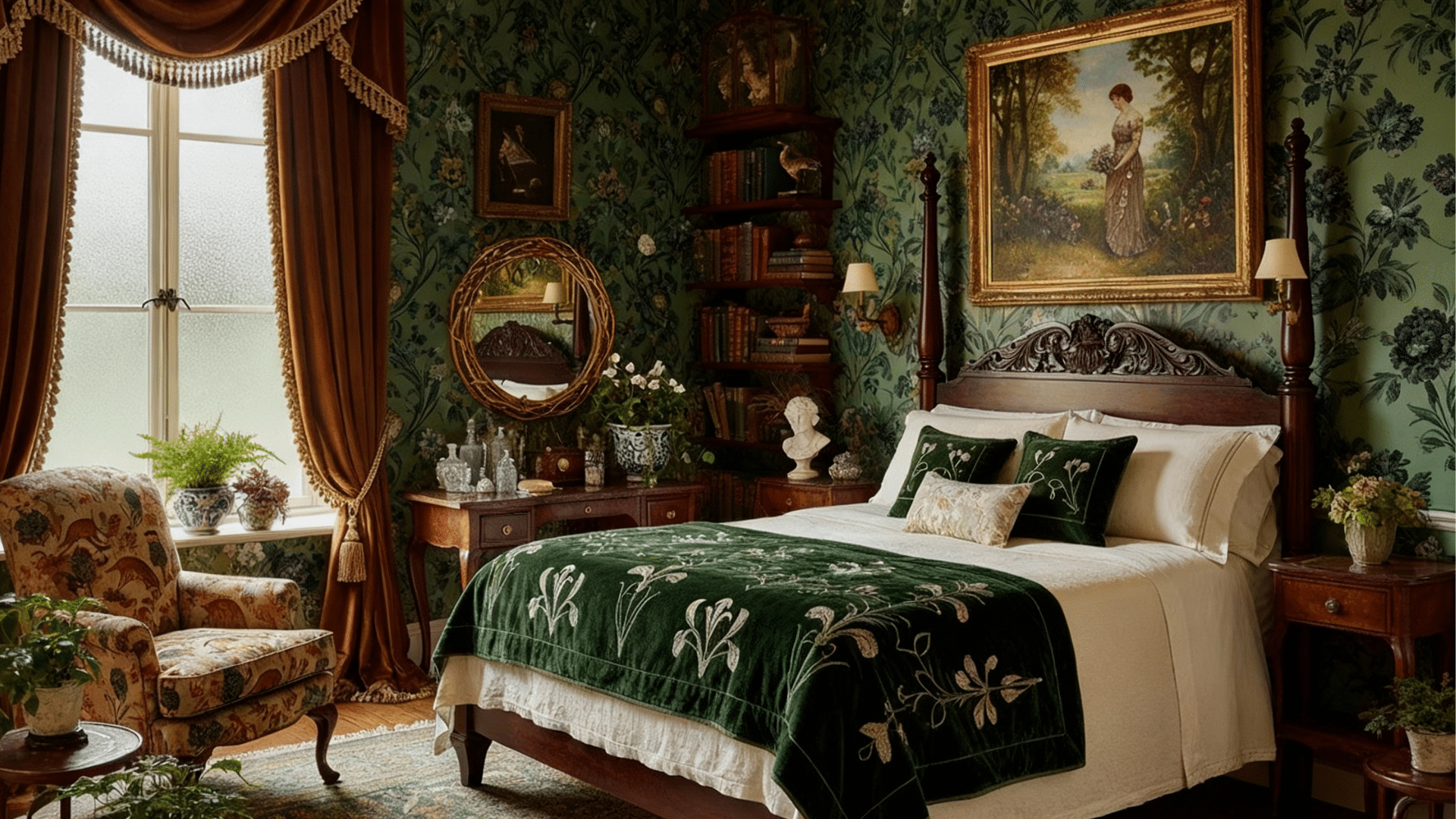
Nature-inspired designs became central to this movement.
Furniture and decor featured botanical motifs, birds, and organic forms. The style rejected heavy Victorian excess for simpler, nature-based beauty. Japanese influences appeared frequently.
Items from this period often showcased hand-painted details and celebrated the natural world’s beauty.
Why do People Often Confuse Vintage with Retro?
The terms sound similar and both relate to older styles. This causes widespread confusion among shoppers and sellers.
Vintage describes actual items from a past era. These pieces are genuinely 20 to 100 years old. They’re authentic products from their time period.
Retro, however, refers to new items designed to look old. These are modern reproductions that imitate past styles. A retro dress made today might copy 1950s fashion, but it’s not vintage.
Retailers often mislabel retro items as vintage to increase appeal. This misleads those who don’t know the difference.
Antique vs Vintage vs Retro
These three terms get mixed up constantly. Each has a specific meaning based on age and authenticity.
| Category | Age | Definition | Example |
|---|---|---|---|
| Antique | 100+ years old | Genuine items from over a century ago. These pieces have significant historical value and rarity. | Furniture from the 1920s or earlier, Victorian jewelry, and century-old pottery |
| Vintage | 20-100 years old | Authentic items from a specific past era. They represent the style and quality of their time period. | 1970s clothing, 1980s electronics, mid-century modern furniture |
| Retro | Any age (usually new) | Modern items are designed to imitate older styles. These are new products with an old-fashioned look. | New furniture styled like the 1960s, recently made clothing copying 1950s fashion |
Vintage Items You Can Collect
Collectors seek vintage items for various reasons. Some appreciate the craftsmanship while others value the investment potential.
1. Vintage Jewelry
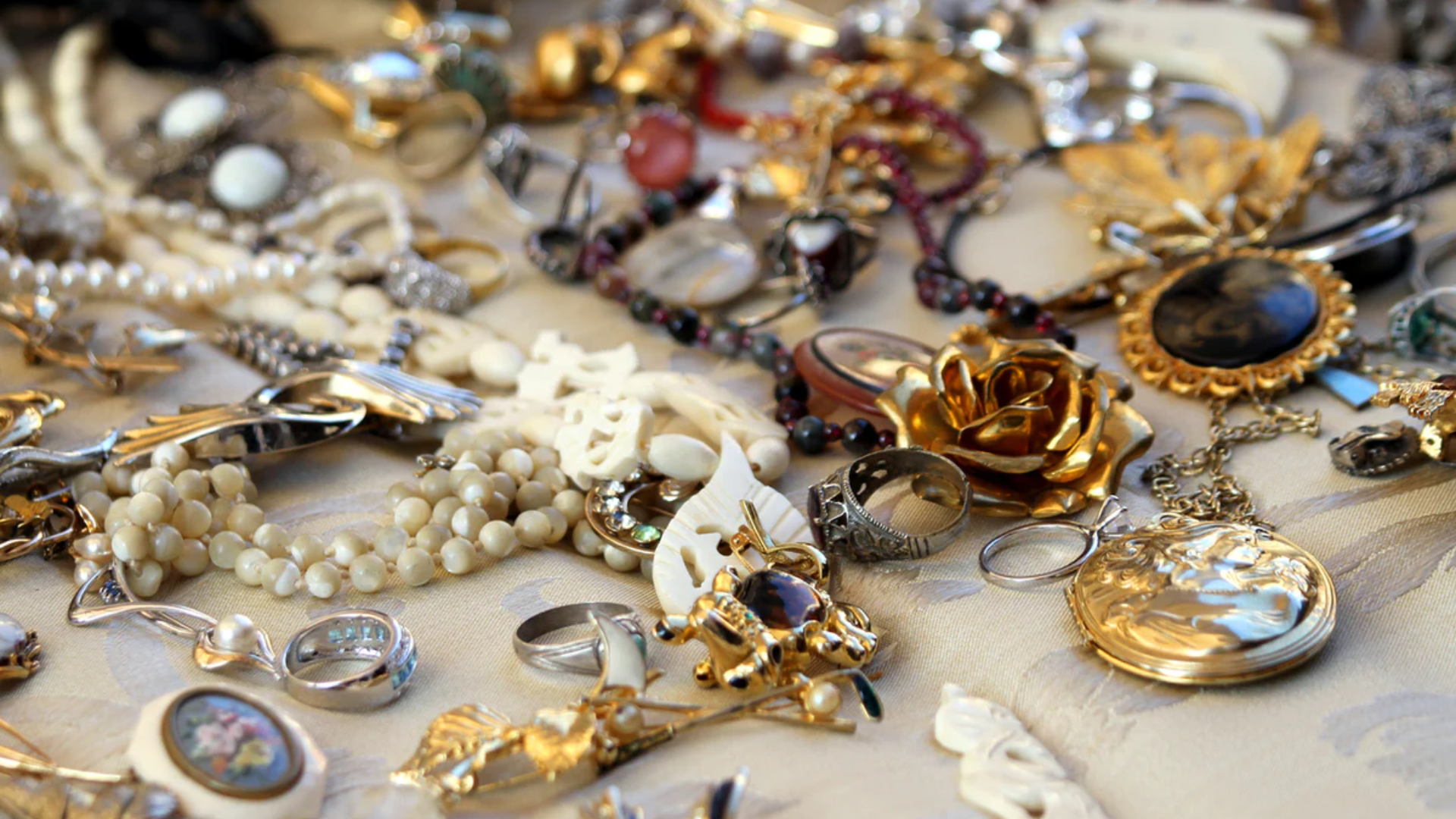
Jewelry from past decades showcases unique craftsmanship and materials no longer commonly used.
Art Deco pieces feature geometric designs, while Victorian jewelry includes intricate metalwork. Look for hallmarks and stamps to verify age and metal quality.
2. Antique Furniture
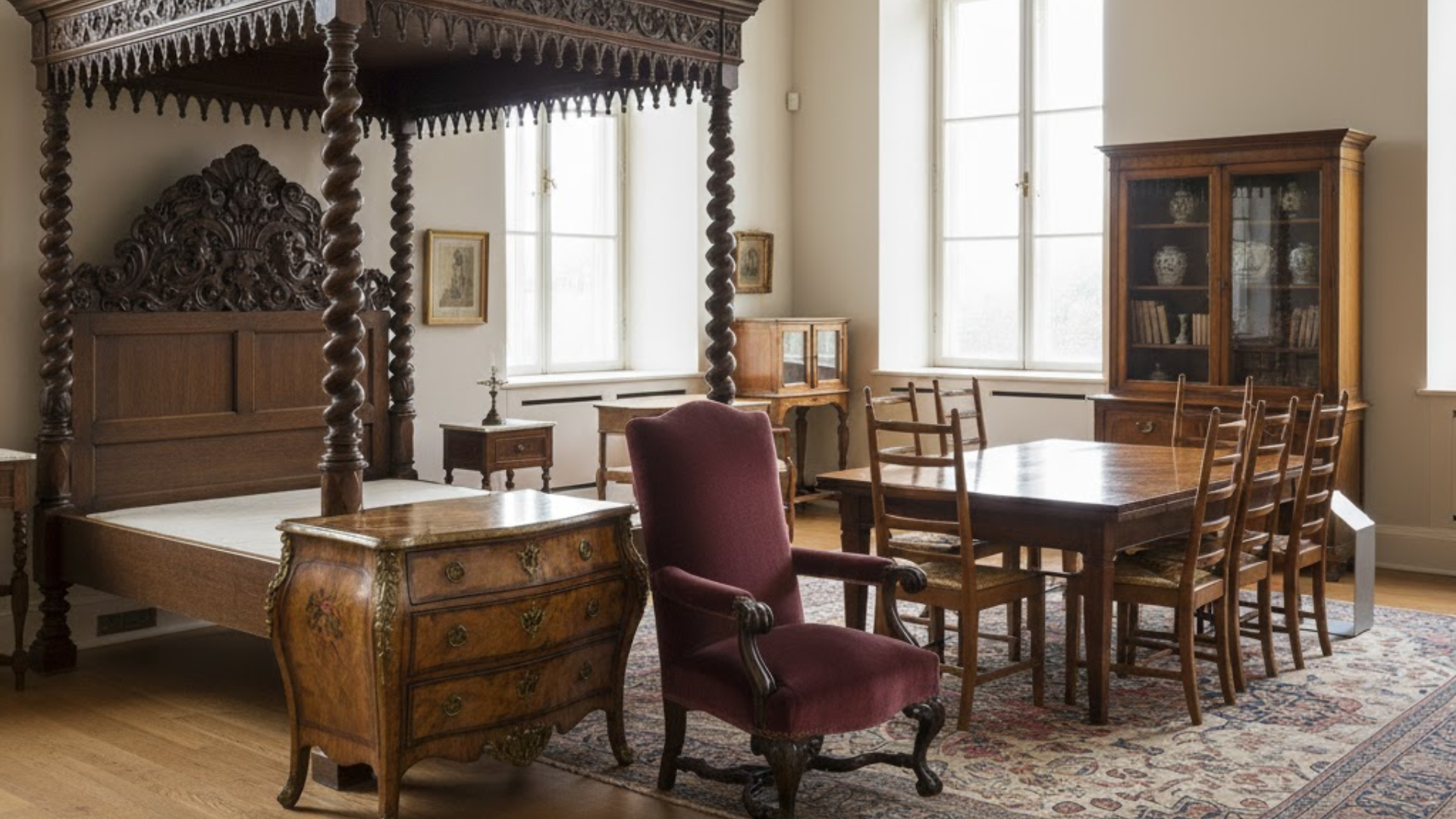
Solid wood construction and hand-carved details make antique furniture highly desirable.
Check joints, hardware, and wood type to determine authenticity. Original finishes and maker’s marks increase value significantly in the collector’s market.
3. Classic Vinyl Records
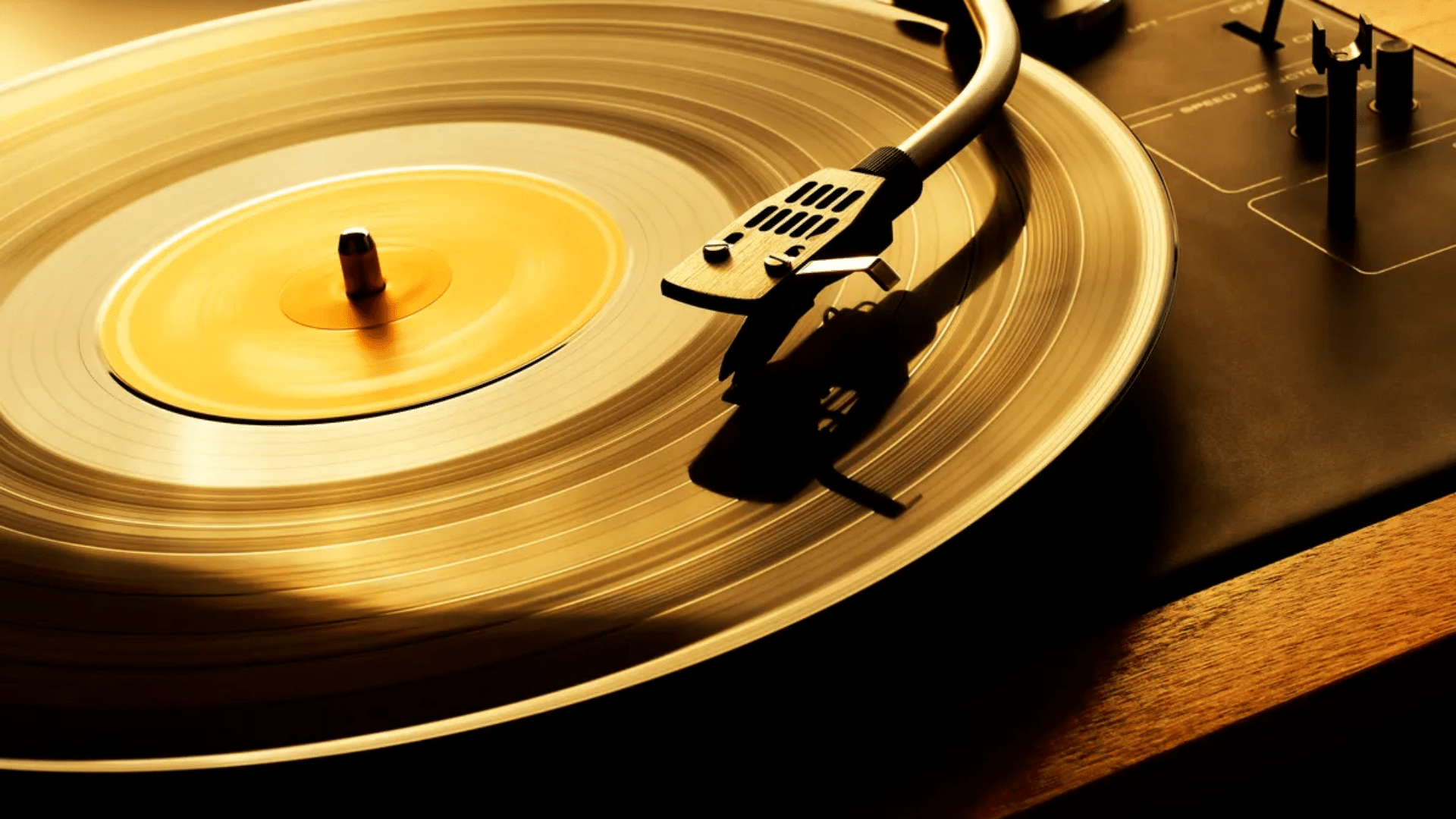
Records from the 1960s through the 1990s attract music lovers and collectors alike.
Original pressings of famous albums hold significant value. Condition matters greatly, so check for scratches and warping.
First editions and limited releases command premium prices among serious collectors worldwide.
4. Vintage Cameras and Photography Equipment
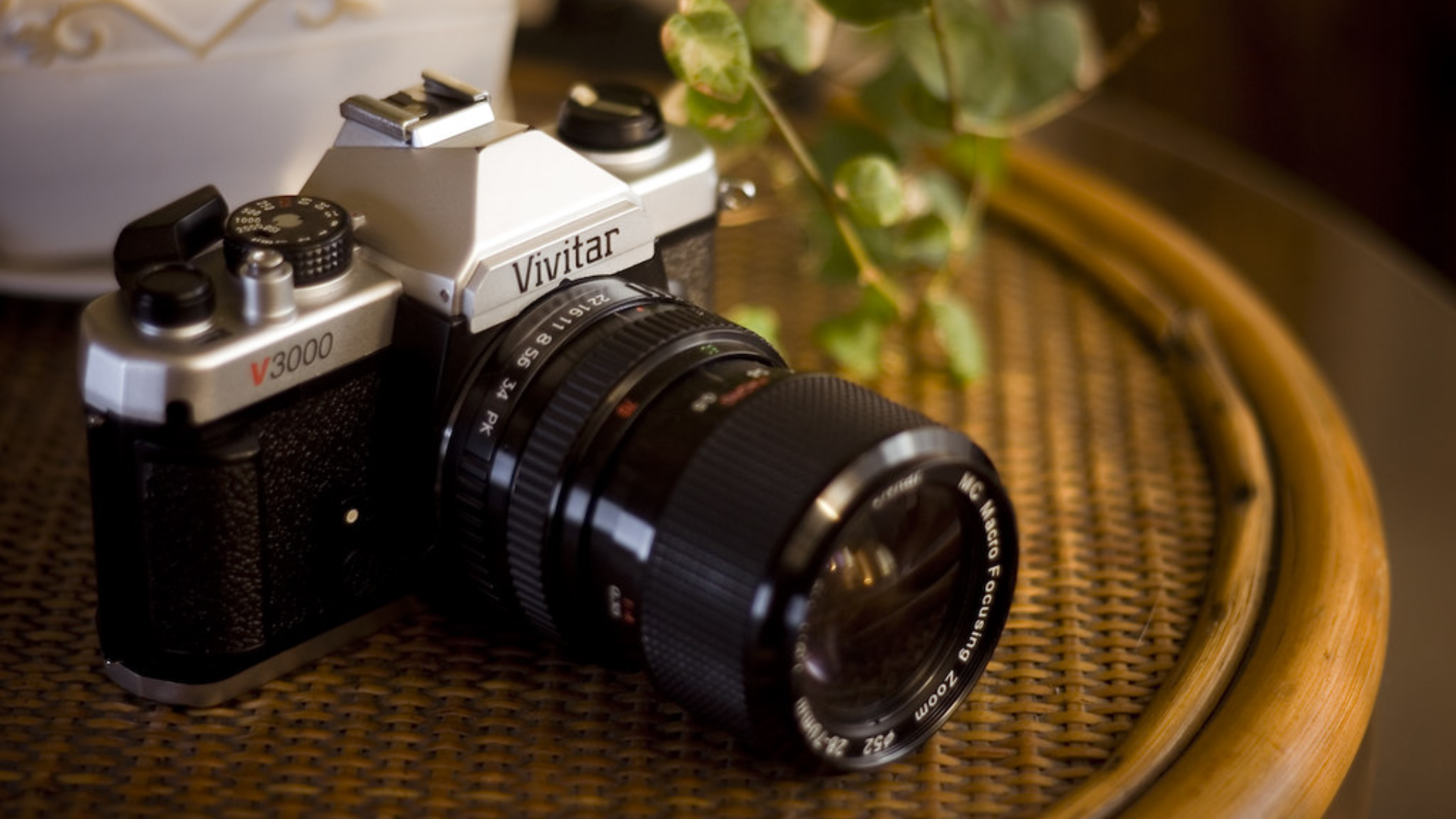
Film cameras from brands like Leica, Nikon, and Canon remain functional and collectible.
Mechanical cameras from the mid-twentieth century showcase exceptional engineering. Many photographers still use vintage equipment for its unique image quality.
Original leather cases and documentation add to a camera’s collectible value.
5. Vintage Cars
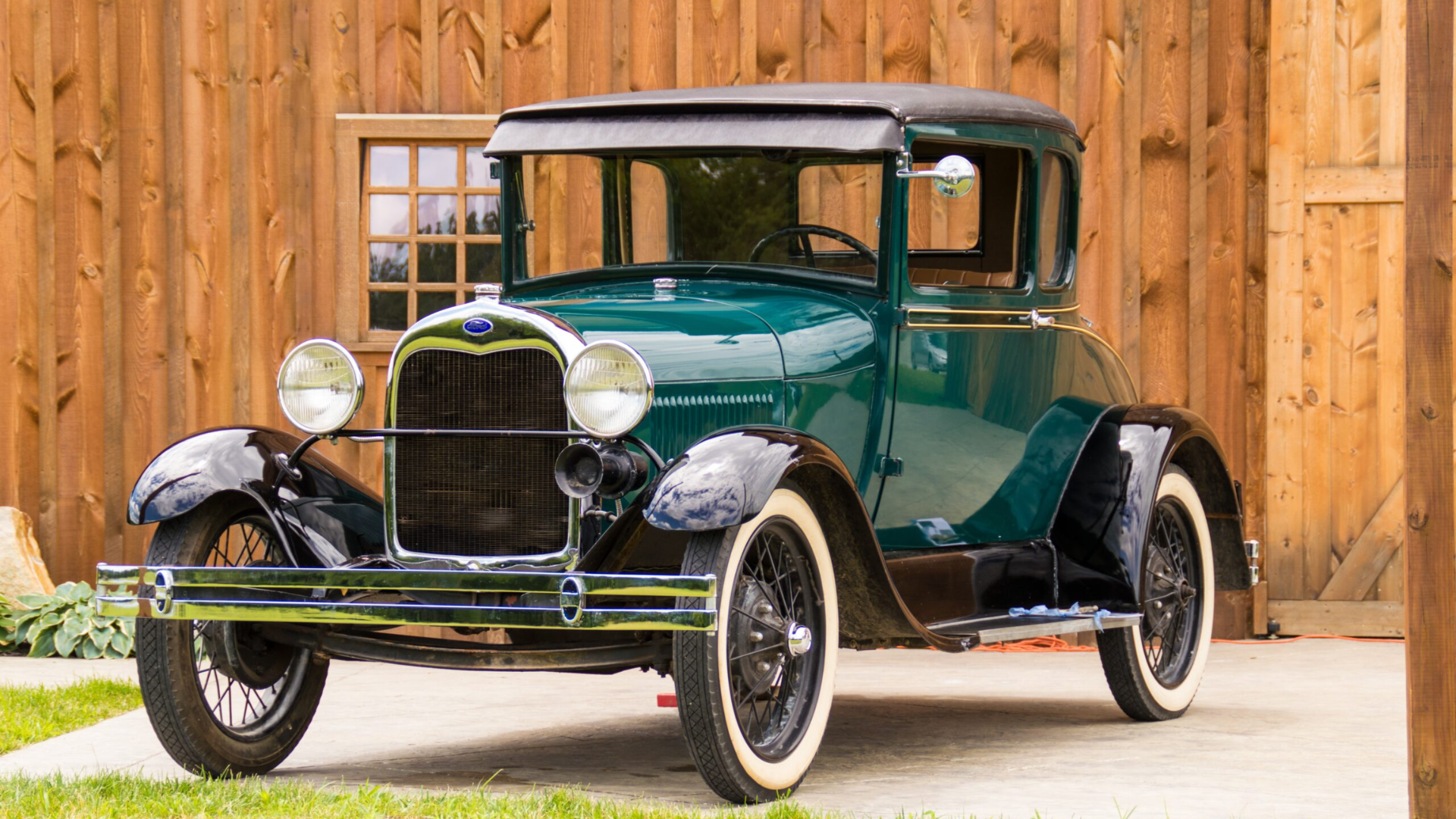
Classic automobiles from the 1920s through the early 2000s represent automotive history and engineering excellence.
Models from specific manufacturers and limited production runs hold exceptional value. Restored vehicles require proper documentation and matching numbers to verify authenticity.
Original parts, low mileage, and maintenance records significantly increase a vintage car’s worth
Final Words
Knowing how old vintage is helps you to differentiate them from antique and retro items.
The 20 to 100-year age range isn’t arbitrary. It marks items with genuine historical significance while separating them from newer retro reproductions.
Each vintage era brought its own style and craftsmanship. From Victorian ornate details to Art Deco geometric patterns, these pieces reflect their times.
Vintage items connect us to the past. They bring character into our homes and wardrobes. Now you know exactly what qualifies and why it matters.