
Your home’s exterior takes a beating from the sun, rain, and wind every single day.
So when you invest in vinyl siding, you naturally ask: how long does vinyl siding last?
Most homeowners don’t realize that vinyl siding can protect their homes for decades. But only if you choose quality material and care for it right.
I’ve seen people spend thousands on siding, then face problems within a few years. That’s frustrating.
Here’s what you need to know: vinyl siding’s lifespan depends on several factors. I’ll show you what to expect and how to make your siding last as long as possible.
How Long Does Vinyl Siding Last?
Let me give you the straight answer first. Quality vinyl siding typically lasts 20 to 40 years when properly installed and maintained.
Here’s the breakdown:
Standard vinyl siding: 20-25 years. This is your basic option. It works fine for most homes and budgets.
Premium vinyl siding: 30-40 years. Thicker material with better color retention. Worth the extra cost if you plan to stay long-term.
Builder-grade vinyl: 15-20 years. The cheapest option, but it shows wear faster. You’ll likely need repairs sooner.
Now, these numbers aren't set in stone. Your actual results depend on three big things: the quality you buy, how well it's installed, and your local climate.

A home in Florida faces different challenges than one in Colorado
Factors Affecting Longevity
Not all vinyl siding ages the same way. Some homes keep their siding looking fresh for 30 years, while others show problems in just 10.
So, what makes the difference?
Material Quality and Thickness
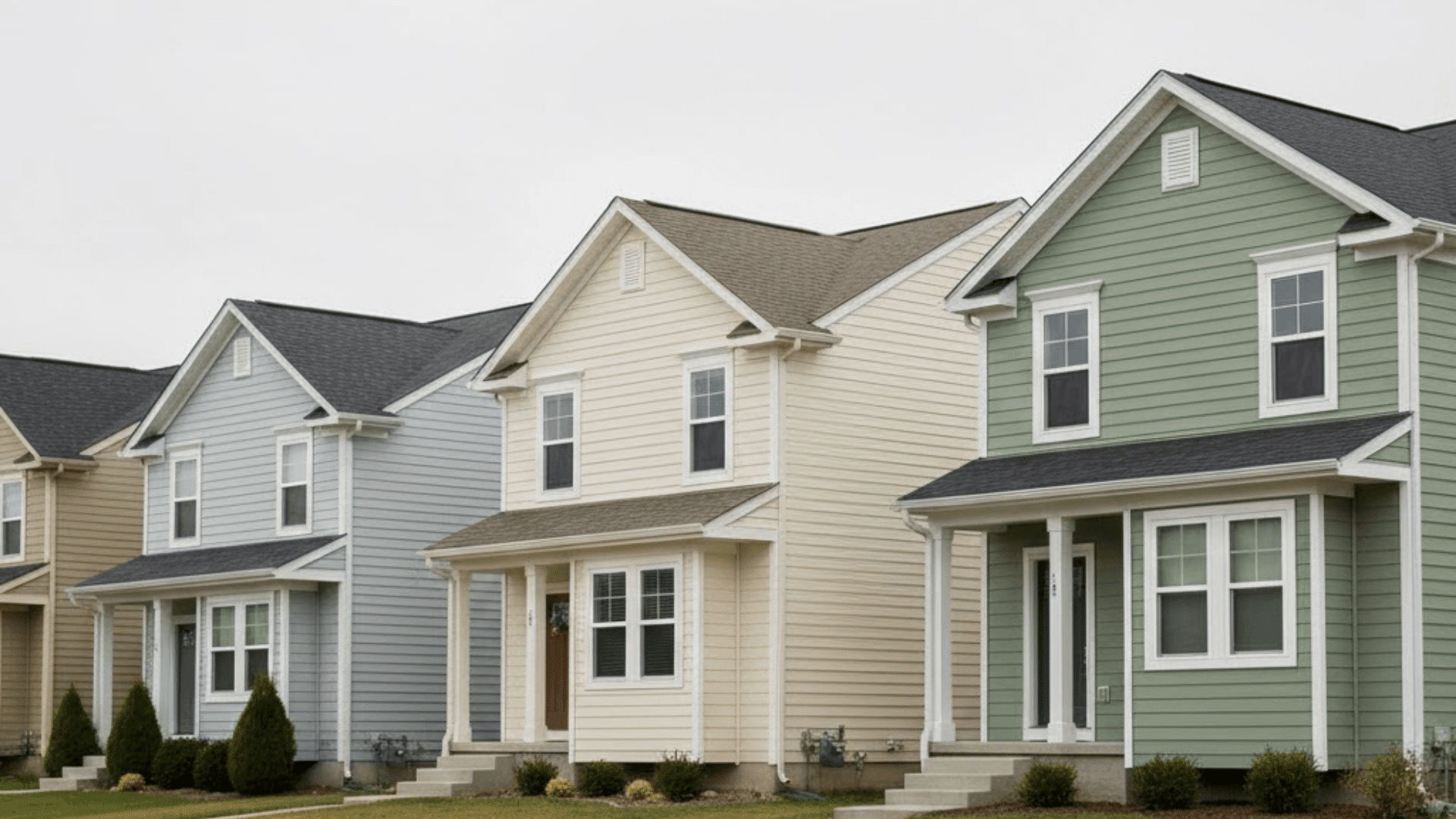
The thickness of your vinyl siding matters more than most people think. I measure this in mils (one mil equals one-thousandth of an inch).
- Thin siding (0.040 inches): Cheaper upfront, but dents easily. It won’t hold up well in harsh weather.
- Standard thickness (0.044-0.046 inches): The sweet spot for most homes. Good balance of cost and durability.
- Premium thickness (0.050+ inches): Built to last. Resists warping and impact damage much better.
Installation Quality
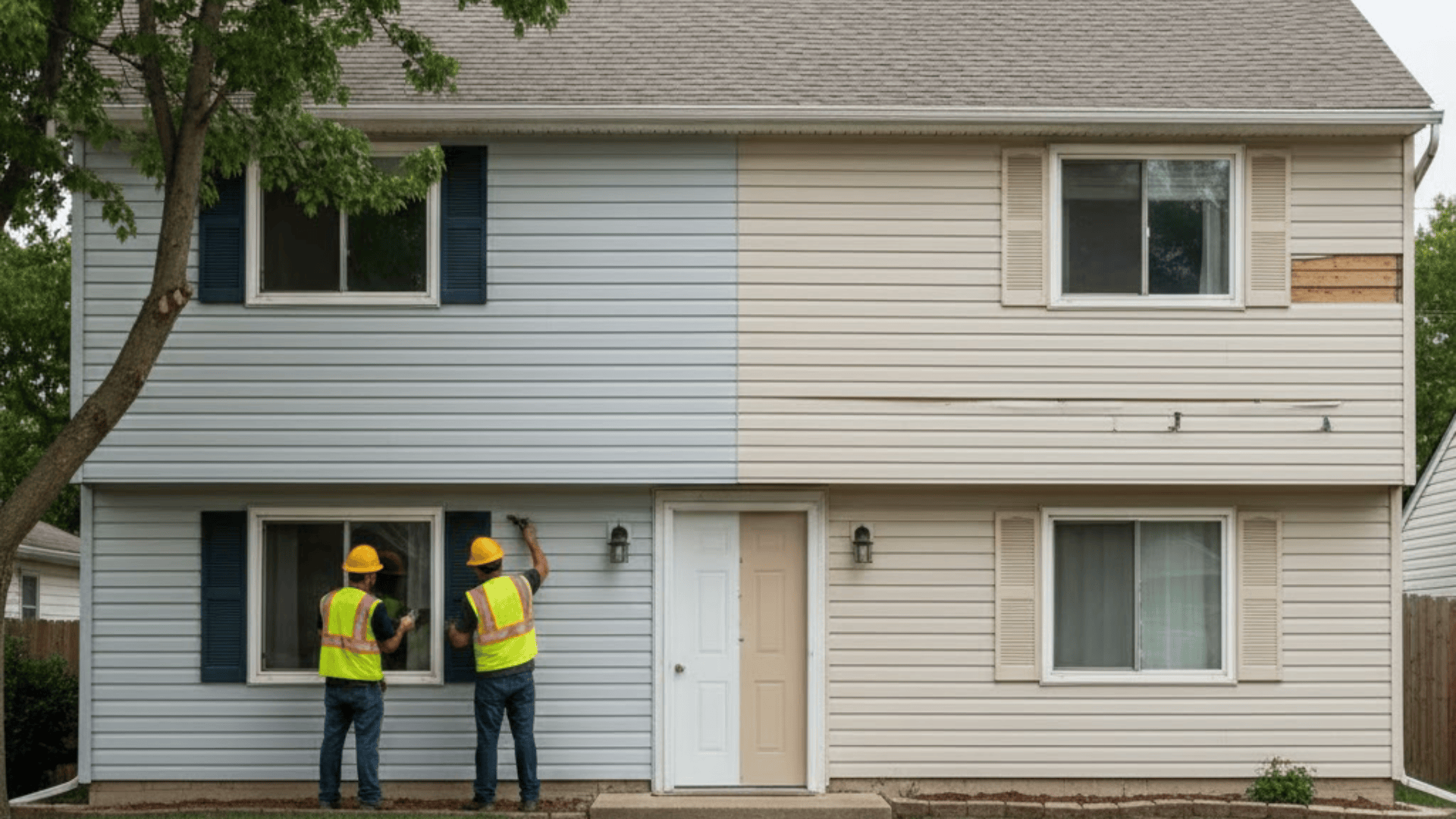
Even the best siding fails if it’s installed incorrectly. I can’t stress this enough.
Proper installation means leaving room for expansion and contraction. Vinyl moves with temperature changes.
If installers nail it too tightly, the siding will buckle when it heats up.
Always hire experienced installers. Yes, it costs more. But you’ll save thousands in repairs down the road.
Climate and Weather Exposure
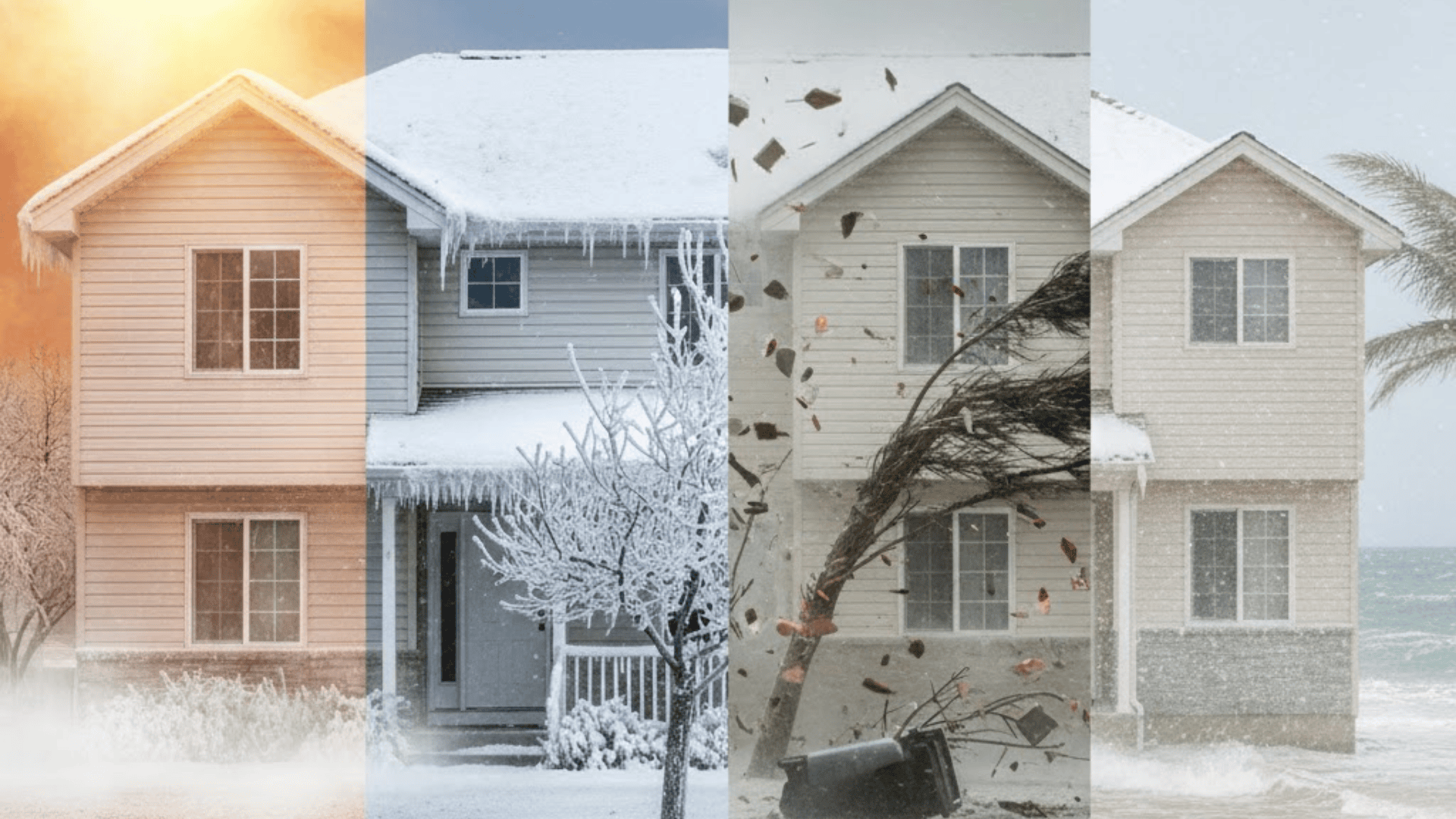
Where you live plays a huge role in your lifespan.
I’ve seen homes in mild climates get 35+ years from standard siding, while homes in extreme weather might need replacement at 20 years.
Hot, sunny climates: UV rays fade colors and make vinyl brittle over time. South-facing walls take the most brutal hit.
Cold climates: Freeze-thaw cycles cause expansion and contraction. This can crack or warp lower-quality siding.
Coastal areas: Salt air corrodes fasteners and hardware. The siding itself holds up, but the parts holding it might not.
High-wind zones: Flying debris causes dents and cracks. Storm damage adds up over the years.
Signs Your Vinyl Siding is Near the End of its Life
Your siding shows warning signs when it’s failing.
Catch these issues early, and you can avoid bigger problems. Here’s what to watch for:
1. Fading and Discoloration
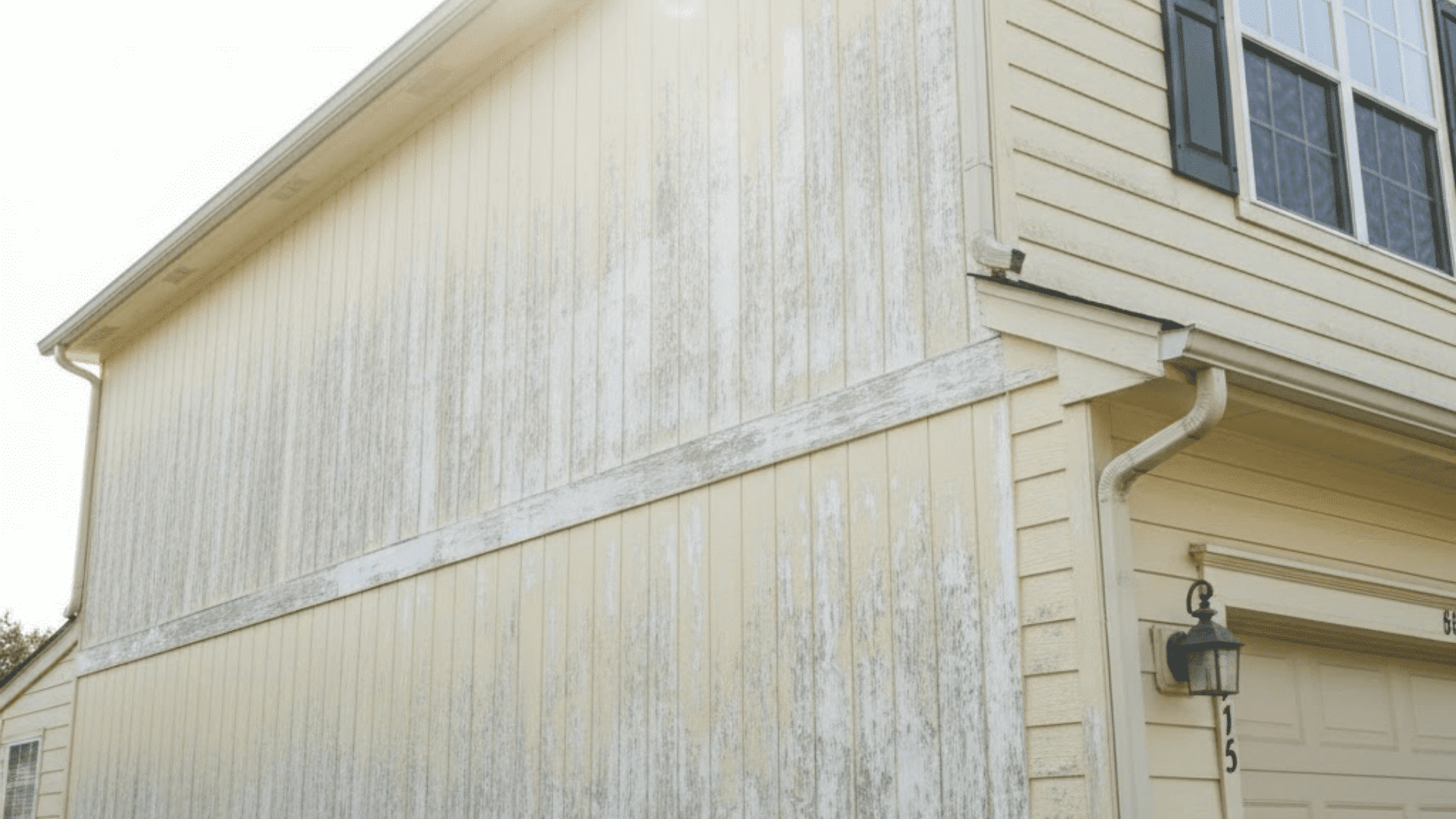
Severe fading means the material is breaking down.
If your siding looks chalky or washed out, the protective layer is gone. Once the color fades badly, vinyl becomes brittle.
South and west walls usually fade faster.
2. Warping, Buckling, or Loose Panels
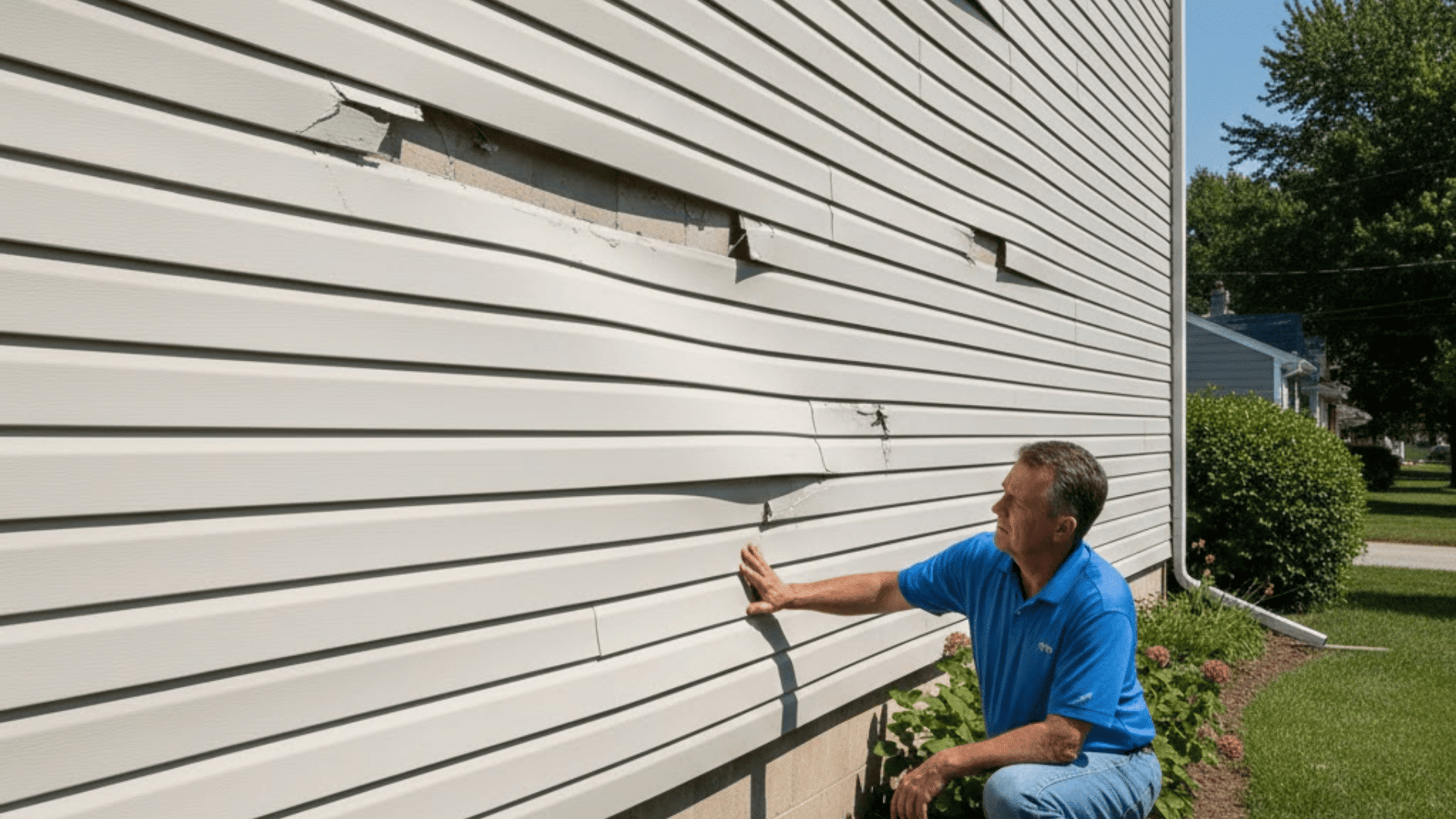
Panels should lie flat. If they’re buckling or pulling away, the material has reached its limit.
Walk around your home and gently push on panels. Loose panels let moisture in, causing mold and rot behind your walls.
3. Cracks and Holes
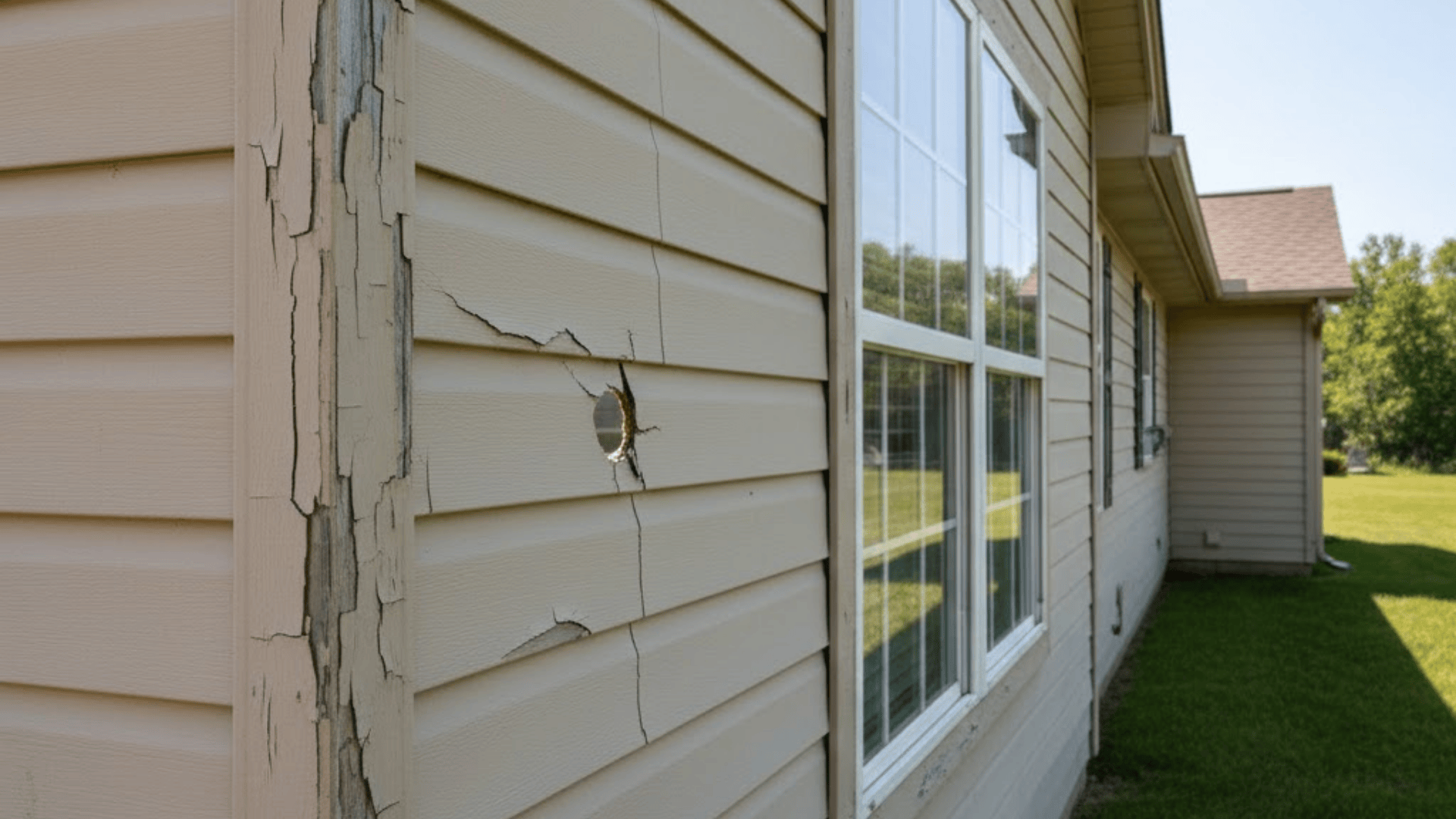
Vinyl gets brittle with age. Cracks often start near corners or windows.
Even tiny holes let water seep behind the siding. Can you see daylight through cracks? Fix them now.
4. Higher Energy Bills
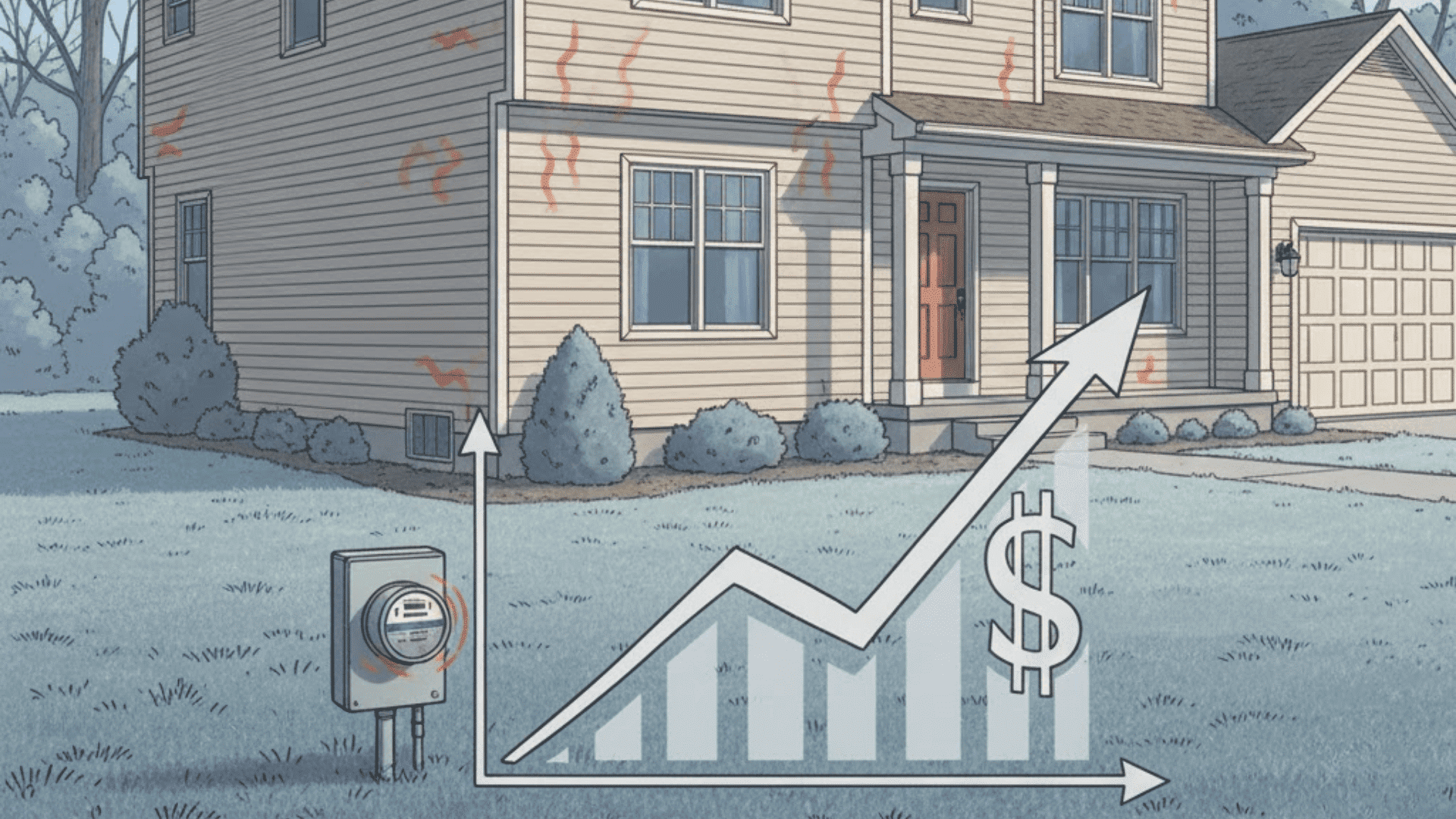
Old, damaged siding loses its insulating ability. Air leaks through cracks and gaps. Your HVAC system works harder to maintain the temperature.
If bills jumped without explanation, check your siding.
5. Mold or Fungus Growth
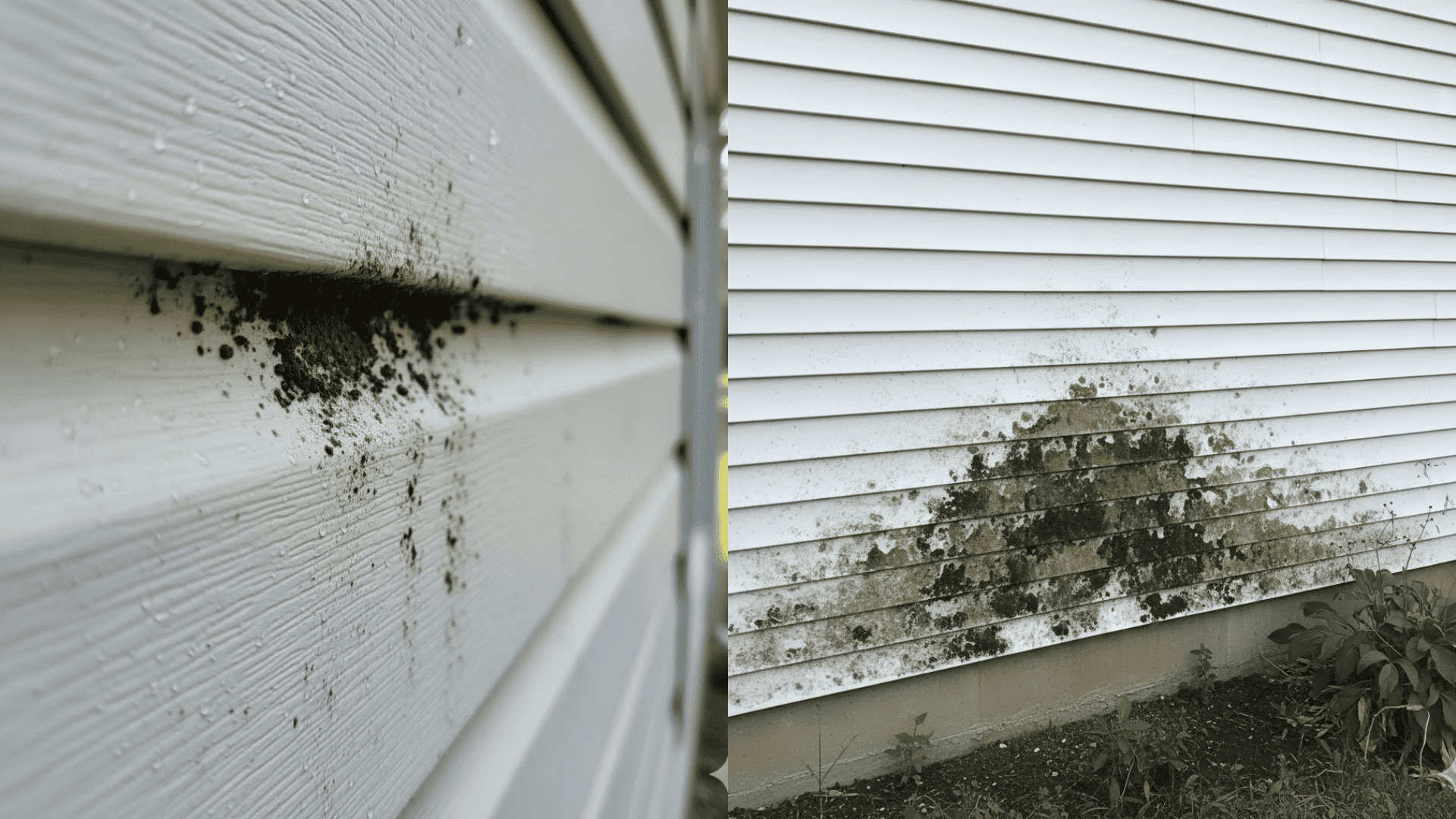
Surface mildew is normal. Heavy growth underneath panels is not.
If you spot mold or fungus near seams, moisture is getting behind the siding. This indicates the siding isn’t protecting your home anymore.
Cost Breakdown if You’re Replacing Vinyl Siding
Here’s what you’ll pay to replace your vinyl siding.
DISCLAIMER: Prices vary based on quality and your home’s size. Budget smart and you’ll get the best value for your money.
Average Replacement Costs
| Quality Level | Cost Per Square Foot | Total for 2,000 sq ft Home |
|---|---|---|
| Budget | $3 – $5 | $6,000 – $10,000 |
| Mid-Range | $6 – $8 | $12,000 – $16,000 |
| Premium | $9 – $12+ | $18,000 – $24,000+ |
Additional Costs to Consider
| Item | Cost Range |
|---|---|
| Removing old siding | $1,000 – $3,000 |
| Repairing rotted wood | $500 – $2,000 |
| Two-story scaffolding | $500 – $1,500 extra |
Quick tip: Materials cost about 40% of your total. Labor takes the other 60%. Please don’t skimp on skilled installers; they prevent costly problems later.
Maintenance Tips
You can absolutely extend the Life of Vinyl Siding.
Simple care and maintenance add years to your siding’s life. I’ve seen well-maintained siding outlast neglected siding by 10 or more years.
Tip 1: Clean it regularly.
Wash your siding twice a year with a garden hose and a soft brush. Use mild soap and water. This removes dirt, mildew, and grime before they damage the material.
Tip 2: Inspect after a storm.
Walk around your home after bad weather. Look for loose panels, cracks, or damage.
Tip 3: Trim vegetation.
Keep bushes and trees at least 12 inches away from siding. Branches scratch the surface. Constant moisture from plants encourages mold growth.
Tip 4: Fix problems quickly.
A single cracked panel costs $50 to replace. Wait too long and water damage can cost thousands. Don’t put off minor repairs.
Tip 5: Check caulking.
Inspect caulk around windows and doors yearly. Cracked caulk lets water seep behind siding. Re-caulk as needed.
Conclusion
So, how long does vinyl siding last?
With quality material and proper care, you’re looking at 20 to 40 years of solid protection.
The key is making wise choices upfront. Buy thicker siding if your budget allows. Hire skilled installers. Then commit to simple maintenance twice a year.
Your siding is a significant investment. Treat it right, and it’ll reward you with decades of reliable service and excellent curb appeal.