

Spray paint seems dry. But is it really?
Touch it too early, and you’ll see fingerprints or smudges. Wait too long, and your project sits unfinished for days.
Finding the right timing feels like guesswork.
Spray paint has three drying stages, not just one. Most people only know about the first stage.
Knowing all three stages, types of spray paints, and other factors changes everything about how you plan your painting projects.
The Different Drying Stages
Spray paint doesn’t just dry once; it goes through three distinct stages. Knowing each one helps you know when to handle your project safely.
- Touch-dry (15-60 minutes): The surface feels dry but isn’t ready for handling. Paint won’t transfer to your finger with a light touch.
- Handle-dry (1-2 hours): You can carefully move the object without leaving marks. The paint has hardened enough for gentle contact.
- Fully cured (24 hours to 7 days): The paint reaches maximum hardness and durability. It can withstand normal use, cleaning, and weather exposure without damage or wearing off easily.
Types of Spray Paints
Spray paint comes in different formulas. Each type has its own drying time and best uses. Let’s look at the main options.
1. Fast-Drying Spray Paint
This paint lives up to its name. It dries to the touch in just 10 to 15 minutes. Most brands are ready for a second coat within 30 minutes.
It works great for quick projects and small touch-ups around the house.
2. Epoxy Spray Paint
Epoxy creates a tough, hard finish. It takes longer to dry than other types, usually around 24 hours. But the wait pays off with excellent durability.
This paint sticks well to metal, glass, and ceramic surfaces for long-lasting protection.
3. Acrylic Spray Paint
Acrylic is water-based and popular for many projects. It dries to the touch in about 15 to 30 minutes. The surface feels dry quickly, but full curing takes longer.
It cleans up easily and works well on wood, plastic, and metal.
4. Rust-Preventive Enamel Spray Paint
This paint protects metal from rust and corrosion. It takes about 2 to 4 hours to dry to the touch. Full hardness develops over 24 to 48 hours.
The formula creates a protective barrier that keeps moisture away from the metal underneath.
5. Lacquer Spray Paint
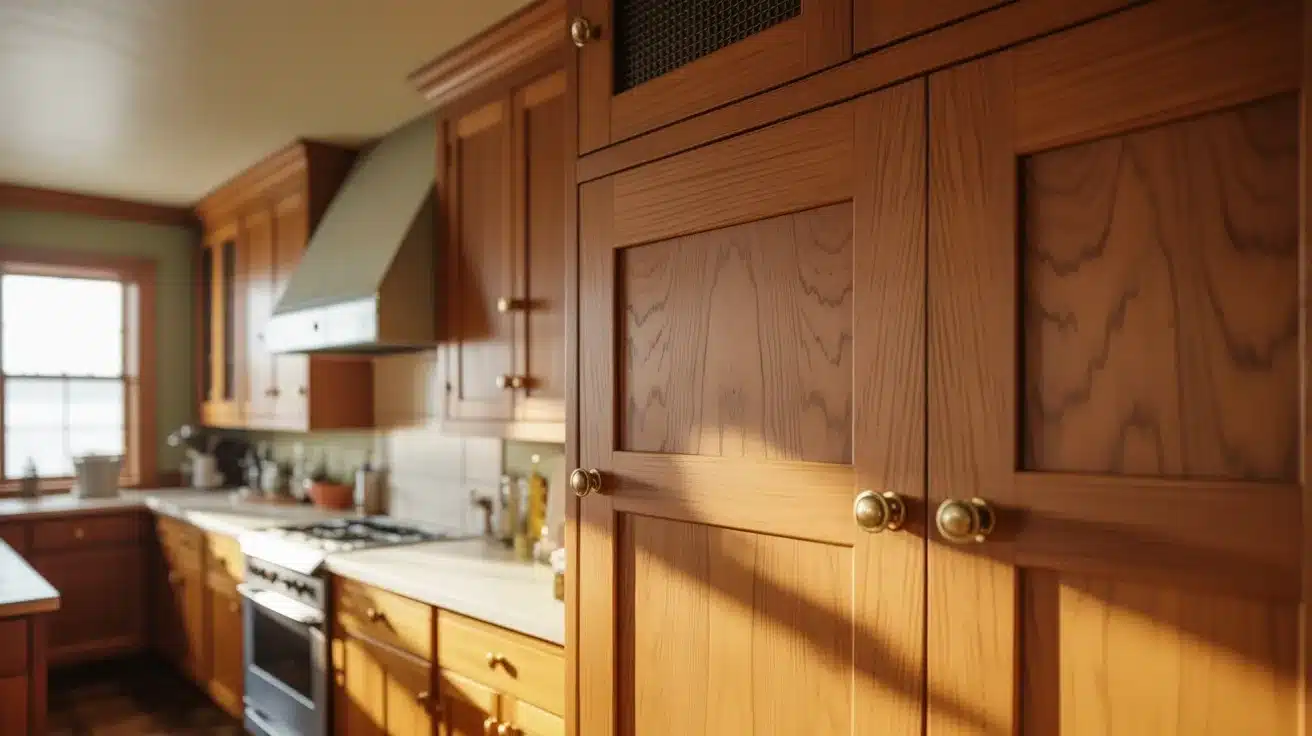
Lacquer dries incredibly fast, often in 5 to 10 minutes. It creates a smooth, glossy finish that looks professional. The quick drying time makes it perfect for furniture and cabinets.
However, it needs good ventilation because of strong fumes during application.
6. Latex Spray Paint
Latex is another water-based option that’s environmentally friendly. It dries to the touch in 30 to 60 minutes, typically.
This paint works well on walls, wood, and drywall surfaces. It has less odor than oil-based paints, and tools clean up with just soap and water.
7. Oil-Based Spray Paint
Oil-based formulas take the longest to dry completely. Touch-dry happens in 6 to 8 hours for most brands. Full curing can take several days or even a week.
But the extended drying time brings benefits like a harder finish and better coverage.
Spray Paint Drying Time on Different Materials
Different surfaces affect how spray paint dries. The material absorbs paint differently. The following is what to expect on common surfaces.
1. Plastic
Plastic is non-porous, so paint sits on top rather than soaking in.
Most spray paints dry to the touch on plastic in 15 to 30 minutes. However, plastic needs proper prep work first.
Clean it thoroughly and use a plastic primer for better adhesion. Without prep, the paint might peel off easily even after drying.
2. Porous Texture
Porous surfaces like untreated wood or concrete absorb spray paint quickly.
This absorption speeds up the initial drying time to about 10 to 20 minutes.
But these materials often need more coats because they soak up the first layer. Apply a primer first to seal the surface and reduce paint absorption significantly.
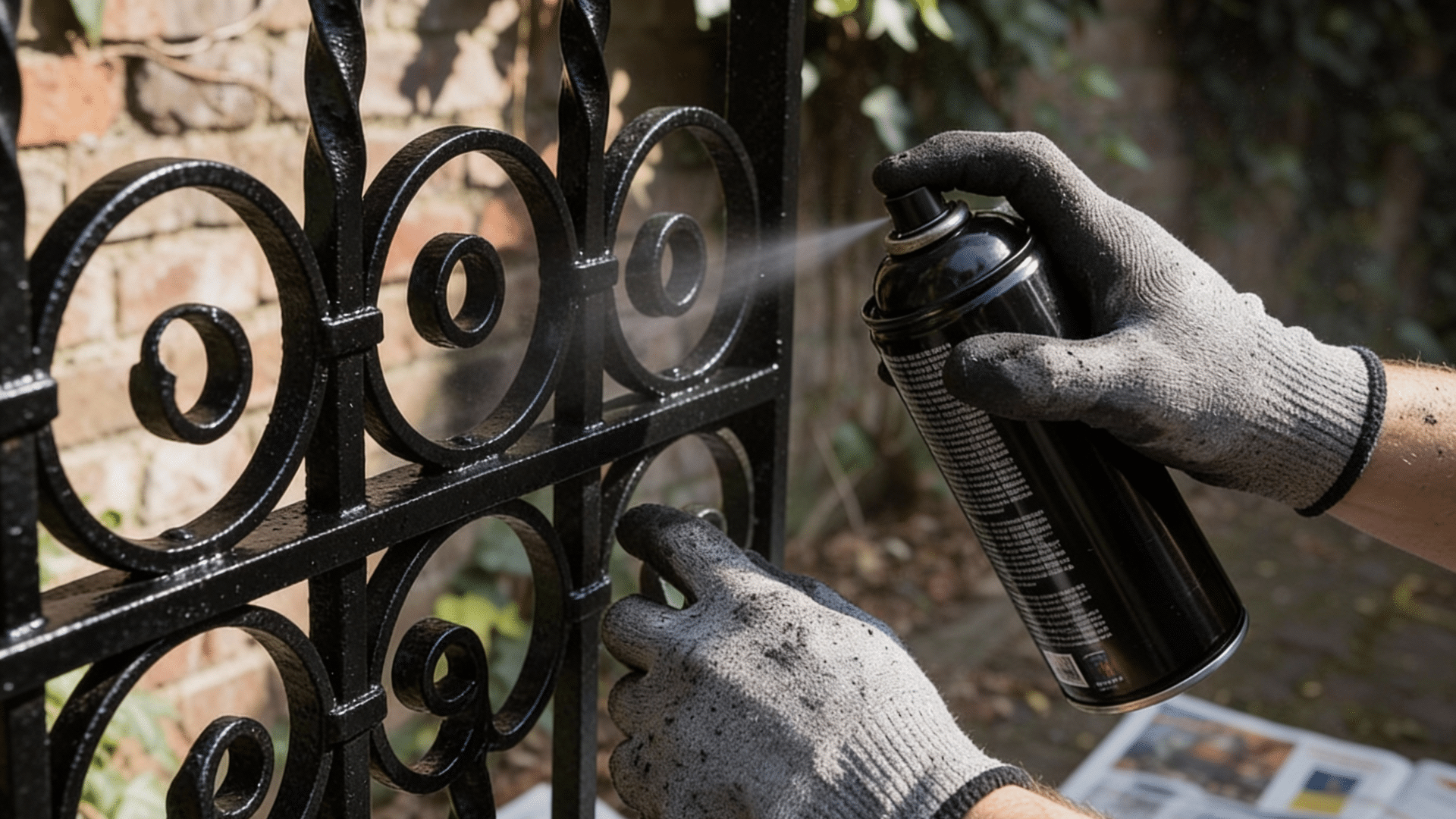
3. Metal
Metal surfaces don’t absorb paint, which affects drying time.
Spray paint on metal typically dries to the touch in 20 to 40 minutes. The smooth surface helps paint dry evenly and consistently.
Clean the metal well and remove any rust before painting.
Temperature matters too; cold metal slows down the drying process noticeably compared to room-temperature surfaces.
4. Wood
Wood is slightly porous and absorbs some paint into its fibers.
Spray paint on wood dries to the touch in about 15 to 30 minutes, usually. Raw wood absorbs more paint than sealed or varnished wood does.
Sand the surface smooth before painting for better results.
Apply thin, even coats to prevent drips and ensure consistent drying across the entire wooden surface.
Does the Sun Help in Drying Spray Paint Faster?
Sunlight can speed up spray paint drying, but it’s not always the best choice.
The sun’s heat raises the surface temperature and helps solvents evaporate faster. Direct sunlight can cut drying time significantly on cool days.
However, too much sun creates problems. Intense heat causes paint to dry unevenly or form bubbles. The outer layer dries too quickly, while underneath stays wet.
This leads to cracking later on.
Indirect sunlight works better than direct exposure. Place your project in a warm, shaded spot with good airflow.
This gives you faster drying without the risks that come with harsh, direct sun.
Does the Type of Climate Affect the Drying Time?
Climate plays a big role in drying time. Temperature and humidity change how fast paint dries. The following is how different conditions affect the process.
| Climate Condition | Drying Time Impact | Touch-Dry Time |
|---|---|---|
| Hot and Dry | Fastest drying conditions | 10-15 minutes |
| Warm and Moderate | Ideal drying conditions | 15-30 minutes |
| Cool and Dry | Slower than warm weather | 30-45 minutes |
| Hot and Humid | Heat helps, but moisture slows | 25-40 minutes |
| Cool and Humid | Slowest drying conditions | 45-90 minutes |
| Cold Weather | Paint may not cure properly | 2+ hours |
| Rainy/Wet | Moisture interferes with drying | 1-3 hours |
Other Environmental Factors That Affect Drying Time
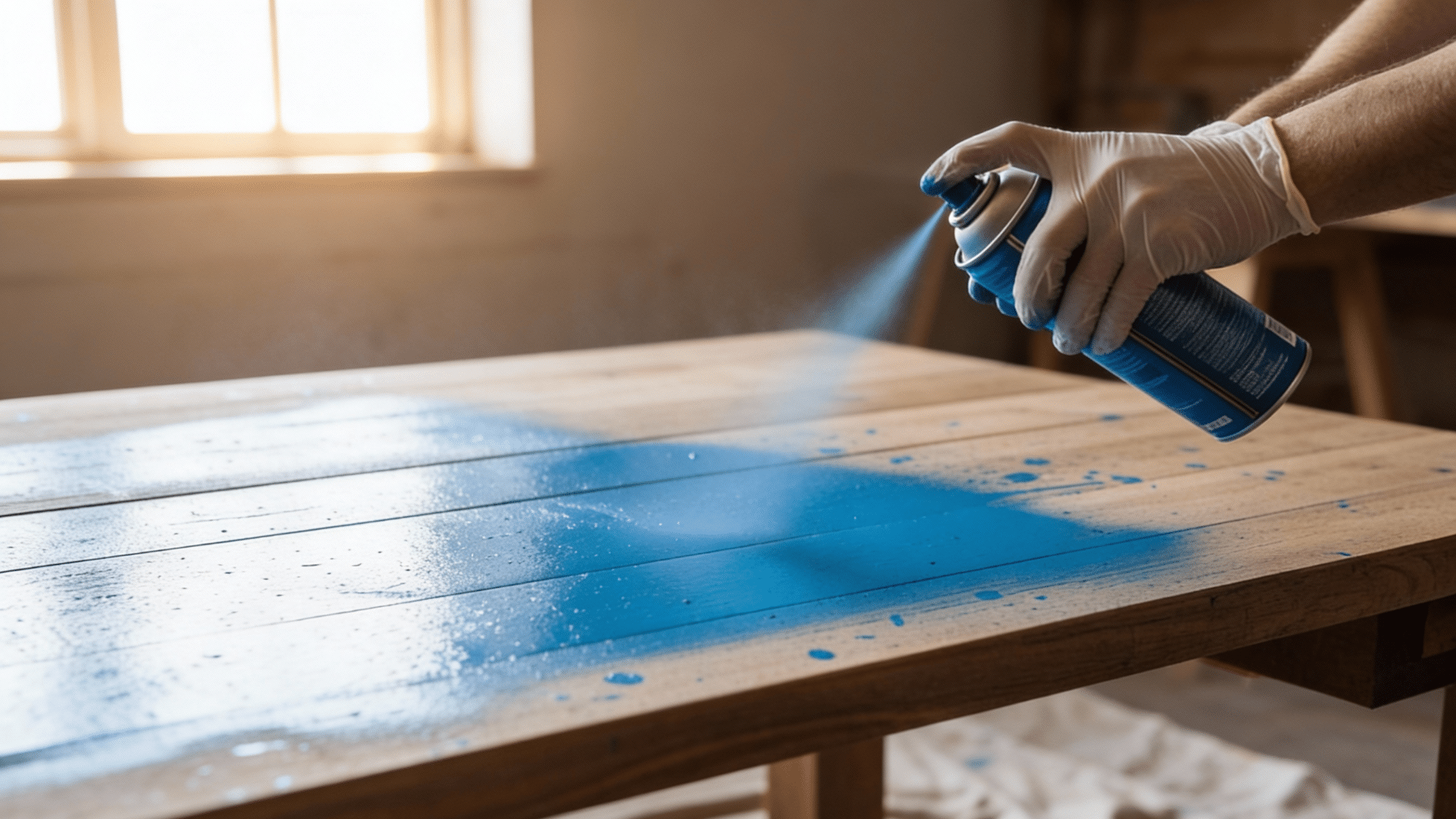
Beyond climate, other factors influence drying time, too. Your painting environment matters more than you might think.
Ventilation and Air Circulation
Good airflow helps paint dry faster by moving fresh air across the surface. Stagnant air traps moisture and slows evaporation of paint solvents.
Use fans or open windows to improve circulation, but avoid direct airflow that creates dust problems.
Proper ventilation also reduces fumes and makes the workspace safer and more comfortable for extended painting sessions.
Coat Thickness
Thin coats dry much faster than thick ones. A heavy layer of paint takes longer because solvents must evaporate from deeper within.
Apply multiple thin coats instead of one thick coat for better results. Each thin layer dries in minutes, while a thick coat might stay tacky for hours.
This approach also prevents drips and creates a smoother finish overall.
Number of Coats Applied
Each additional coat needs drying time before applying the next one.
The first coat usually dries fastest because it contacts the bare surface directly. Subsequent coats dry on top of previous layers, which can slow things down slightly.
Wait until each coat feels dry to the touch before adding another.
Rushing between coats causes smudging and an uneven final appearance.
Surface Preparation
A clean, properly prepped surface helps paint adhere and dry correctly.
Dirt, oil, or moisture on the surface interferes with drying and adhesion. Sand rough spots and wipe away dust before painting for the best results.
Primers also help by creating a uniform base that accepts paint evenly. Poor prep work leads to longer drying times and potential peeling later on.
Paint Age and Storage Conditions
Old or improperly stored paint dries differently from fresh paint.
Exposure to extreme temperatures or moisture damages the formula over time. Paint that’s been sitting for years might separate or thicken significantly.
Always check the manufacture date and shake cans thoroughly before use.
Fresh paint from climate-controlled storage gives the most predictable and reliable drying times for your projects.
Tips to Make Spray Paint Dry Faster
Making spray paint dry faster saves time and gets you to the next step quicker. Here are some practical ways to speed things up.
- Control the environment. Paint in warm, dry conditions between 65-85°F. Use a fan to improve air circulation, but don’t aim it directly at wet paint.
- Apply thin, even coats. Multiple light layers dry faster than one heavy coat. Wait 10-15 minutes between coats.
- Use a hairdryer on low heat. Keep it moving and maintain 12 inches distance. Heat speeds up evaporation, but too much causes bubbling or cracking in the finish.
Wrapping It Up
Spray paint drying time depends on multiple factors working together. The type of paint matters. So do the surface and the weather conditions around you.
Start with thin coats and give each layer enough time. Check the can for specific recommendations from the manufacturer.
Got questions about your specific project? Drop a comment below. We’re here to help you succeed.