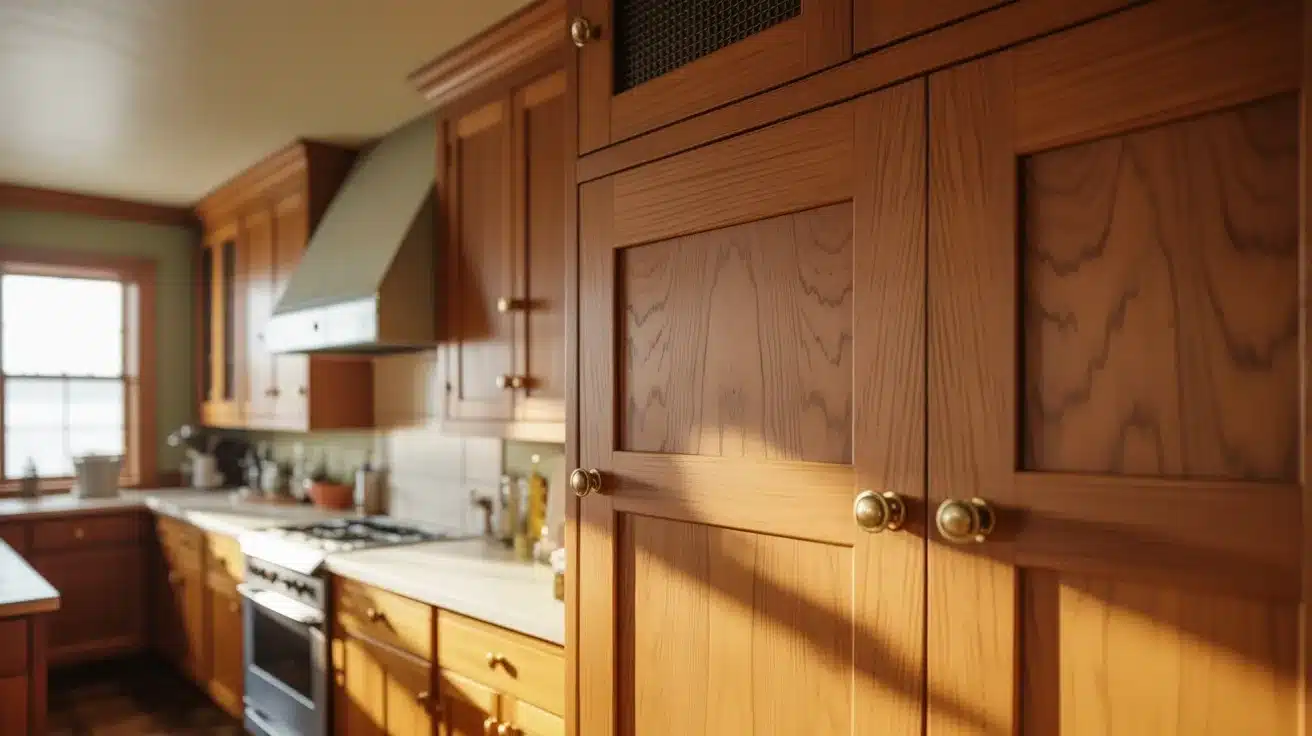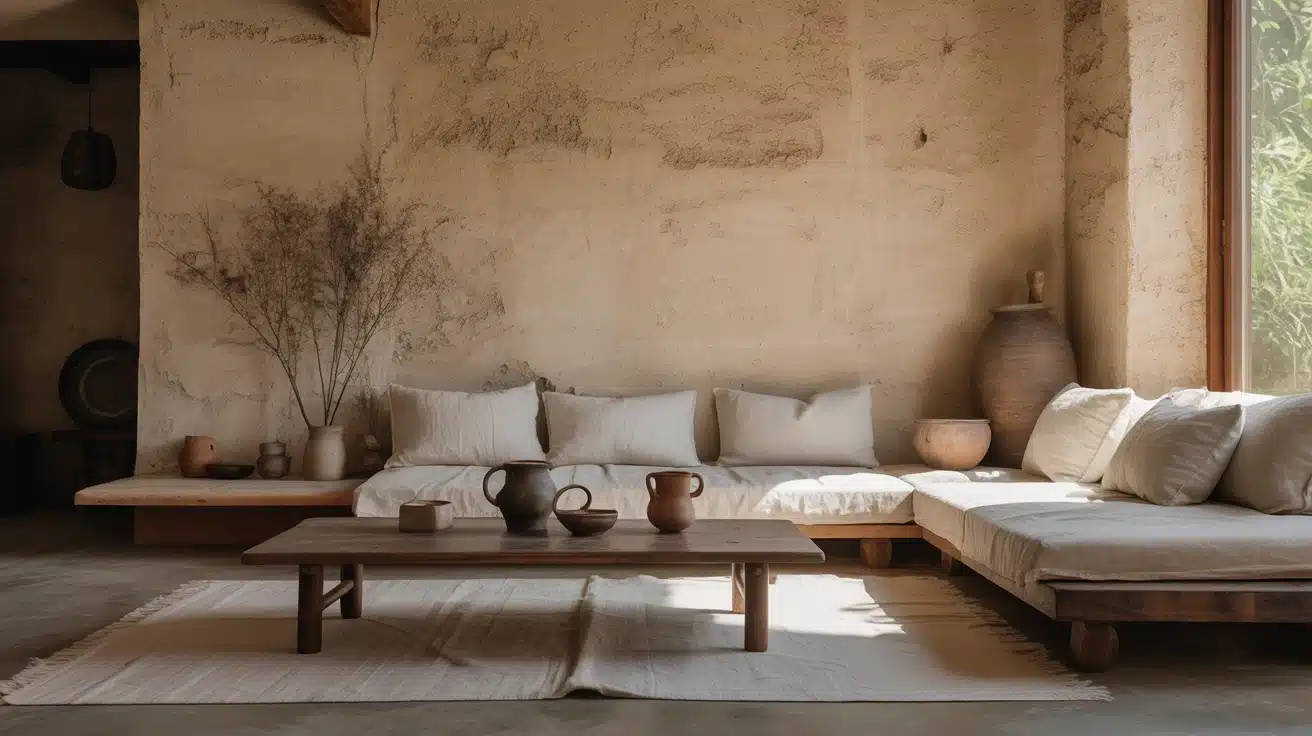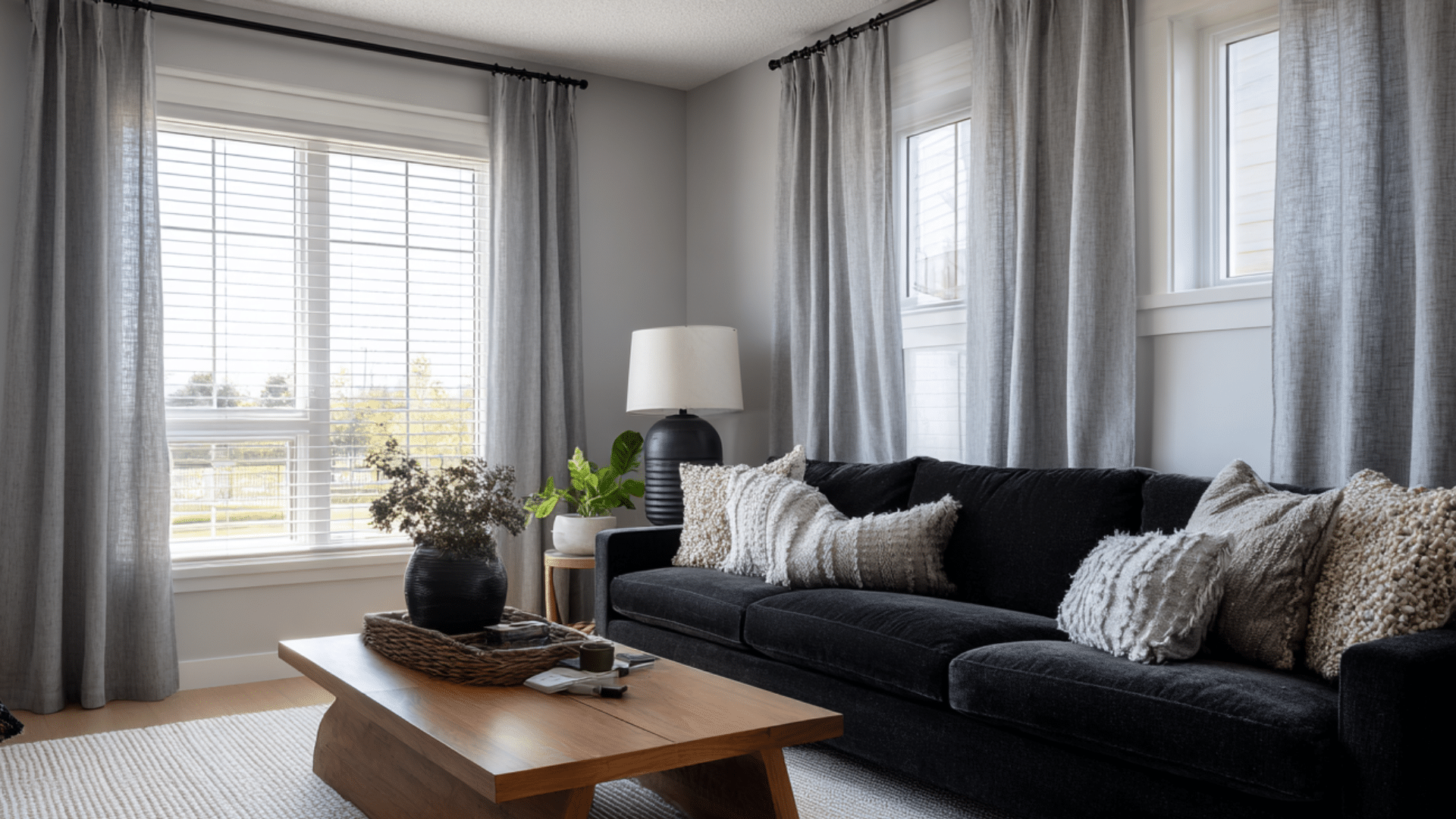


You’ve probably heard people use “flat” and “matte” like they’re totally different things.
But here’s what most paint stores won’t spell out: they’re nearly identical with only slight differences.
Same basic look, almost the same performance, just minor variations depending on the brand.
So why all the confusion around flat vs matte paint? Companies label them differently, and those tiny differences keep people guessing.
Let’s understand which paint sheen means what.
What is Paint Sheen?
Paint sheen is how shiny or dull your paint looks once it dries. It’s a scale from no shine to super glossy.
The shine level affects more than looks. Shinier paints clean more easily but show imperfections. Duller paints hide flaws but mark up quickly.
The sheen scale:
- Flat/Matte (no shine)
- Eggshell (slight shine)
- Satin (soft glow)
- Semi-gloss (noticeable shine)
- High-gloss (very shiny)
Different rooms need different sheens. Bathrooms work better with semi-gloss for easy cleaning. Bedrooms suit flat paint for a calm, soft look.
What “Flat” and “Matte” Mean
See, here’s the truth: flat and matte are nearly identical, but there are a few small differences depending on the brand.
Most of the time, you won’t notice any gap between them.
Some companies use flat for absolute zero-sheen paint. Others call it “matte” and might add slightly better durability.
Matte sounds more upscale, so premium lines favor that name. “Flat” is the traditional term.
Key characteristics and differences:
- Both have little to no shine
- Hide wall flaws really well
- Harder to clean than glossier options
- Create a soft, velvety look
- Matte may handle light cleaning slightly better
- Flat typically has zero sheen, while matte might have the tiniest hint
- Durability varies more by brand than by finish name
Don’t overthink the labels. Focus on whether a low-sheen finish matches your room’s needs and daily wear patterns.
Flat vs Matte Paint : Side-By-Side Comparison
Choosing between flat and matte can feel tricky because they look similar at first glance.
This table helps you see how each finish behaves in real rooms and under normal use.
| Feature | Flat Paint | Matte Paint |
|---|---|---|
| Shine Level | No shine at all, which reduces glare from lamps or daylight. | A slight sheen that gives a bit more life to the wall surface. |
| Color Depth | Colors can look softer and lighter. | Colors appear slightly deeper and smoother. |
| Coverage | Covers old marks and uneven spots well. | Covers nicely, but not as forgiving as flat on rough walls. |
| Touch-Ups | Touch-ups blend easily with the rest of the wall. | Touch-ups may be a little more noticeable. |
| Patch Jobs | Hides patched areas better. | Still hides flaws, but not as strongly as flat. |
| Cleaning | Marks show faster, and cleaning is harder. | Allows gentle cleaning in busy rooms. |
| Cost | Often, the more budget-friendly option. | Usually priced a bit higher. |
Flat and matte both create a soft look, but they handle light and wear in different ways. Flat shines when you need to hide marks, while matte offers a stronger surface for daily use.
A small sample on your wall can help you see the difference before choosing a finish.
Which is More Durable – Flat or Matte?
Here’s the honest answer: neither is particularly durable, and the difference between them is minimal.
Both finishes sit at the bottom of the durability scale compared to shinier options.
Some brands make their matte paint slightly more scuff-resistant than flat. But we’re talking small improvements, not a major difference.
You still can’t scrub either finish hard without damaging the surface.
Durability factors:
- Both marks are easily made from contact
- Neither handles moisture well
- Matte might resist light scuffs slightly better
- Brand quality matters more than the finish name
Rooms that Work Well with Flat Paint
This finish excels in specific spots around your home. Put it where traffic stays light, and walls don’t get touched much.
Ceilings and Low-Touch Areas
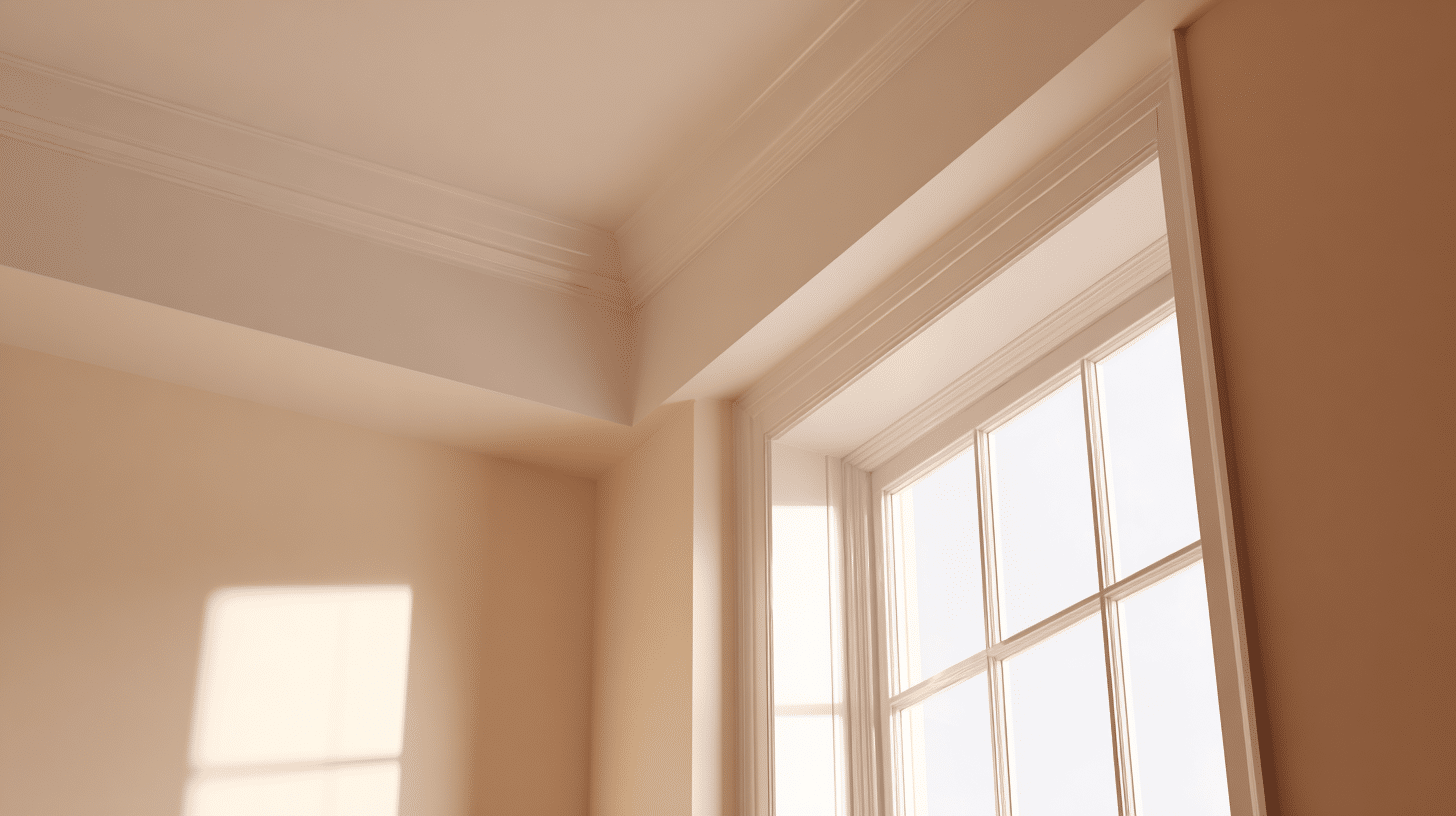
Ceilings are the best spot for flat paint. Nobody touches them, and the finish prevents glare while hiding drywall imperfections.
Other good areas include closets, storage rooms, and upper stairwell walls.
Rooms with Uneven or Textured Walls
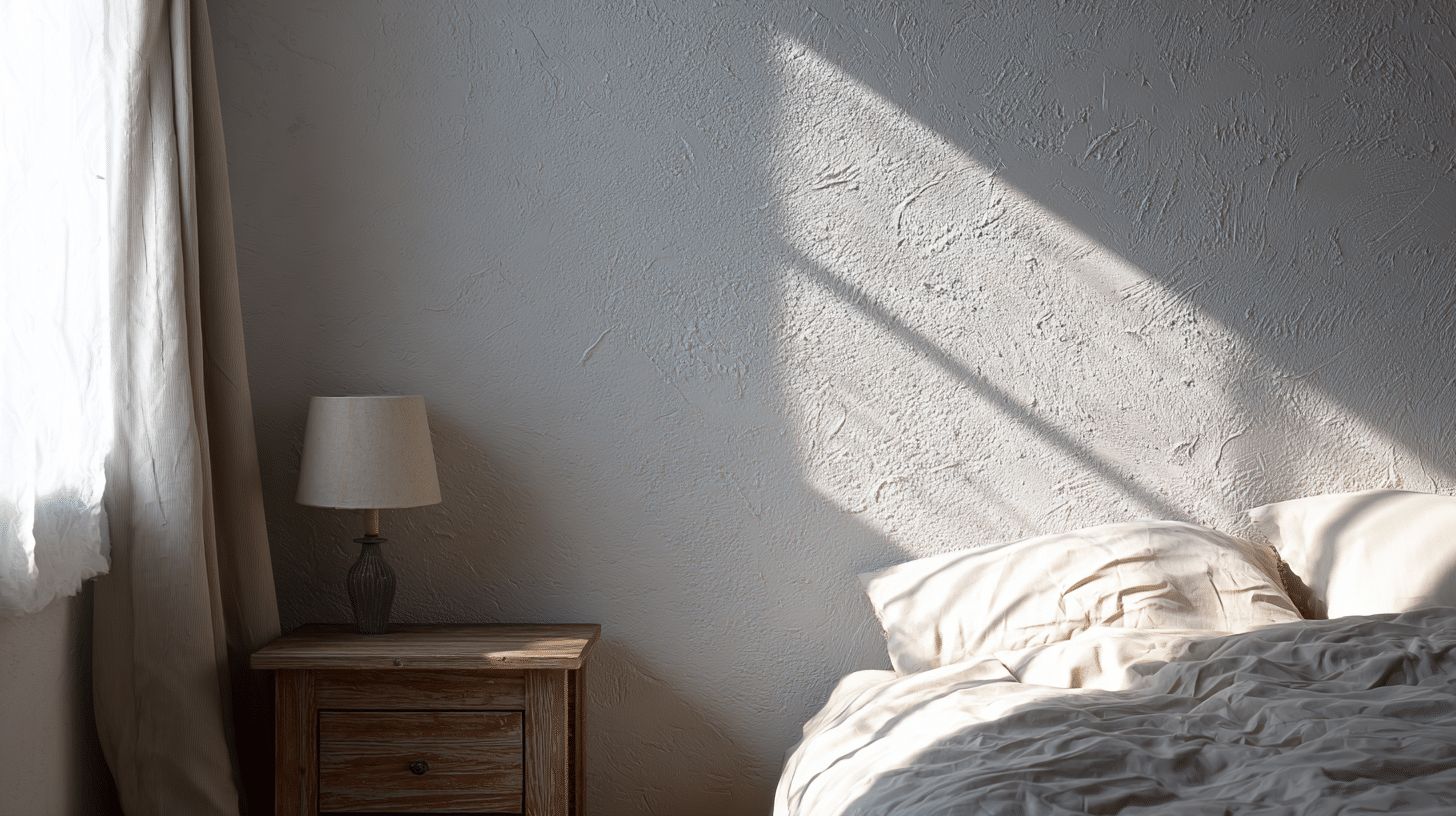
Flat paint hides wall flaws better than shinier options. It scatters light instead of reflecting it, so bumps and texture fade into the background.
One person online shared how switching from satin to flat made her imperfect bedroom walls look instantly better.
Bedrooms or Guest Rooms
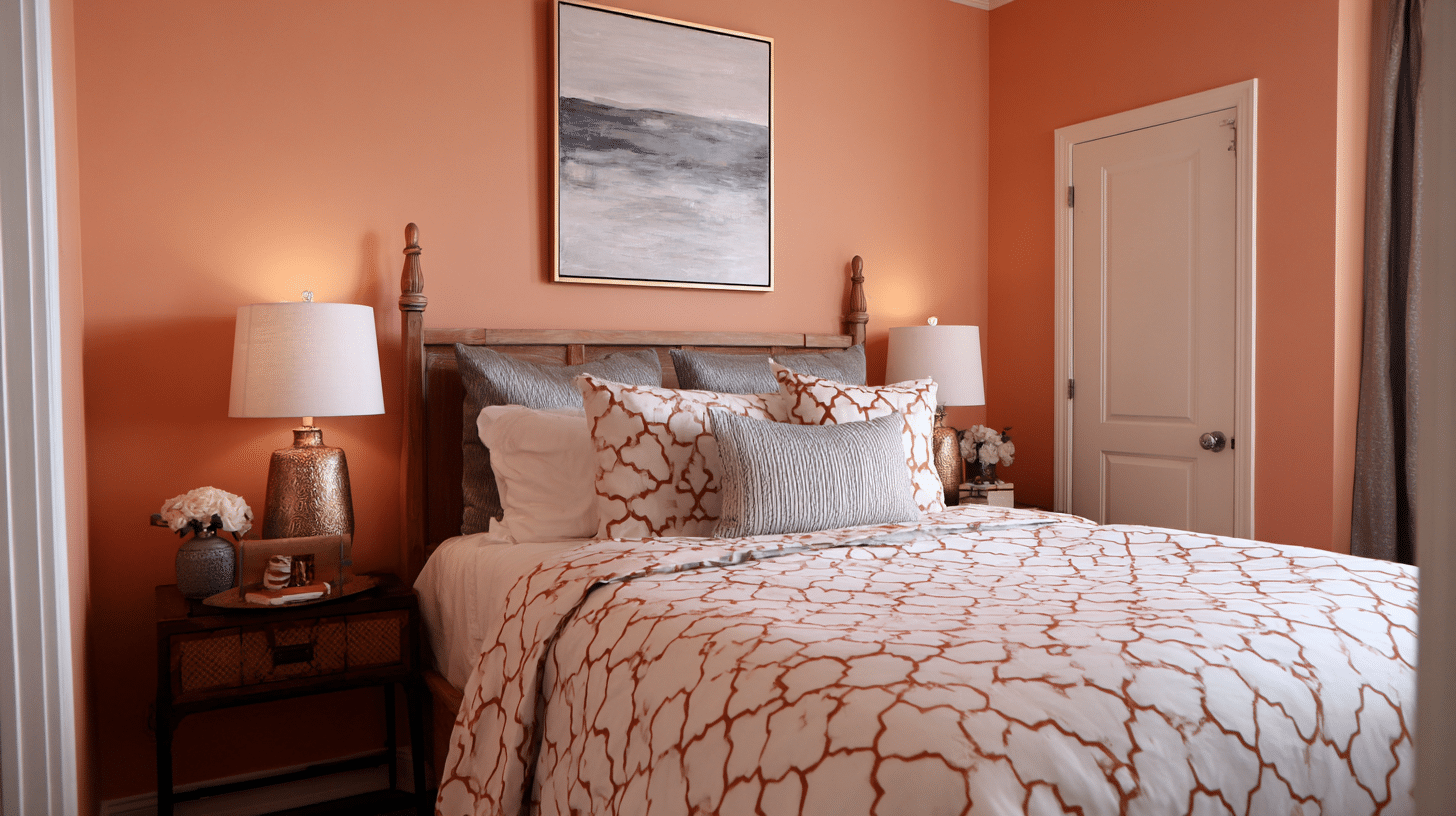
Primary bedrooms and guest rooms work great with this finish. They stay clean without constant wall contact, and the soft appearance fits the calm vibe these spaces need.
Just remember that high-traffic areas will show wear much faster with the same paint.
Where Matte Paint Performs Well
Since matte and flat are identical, this finish faces the same challenges in busier areas. But people still use it in these spaces, often with some trade-offs.
Living Rooms and Hallways
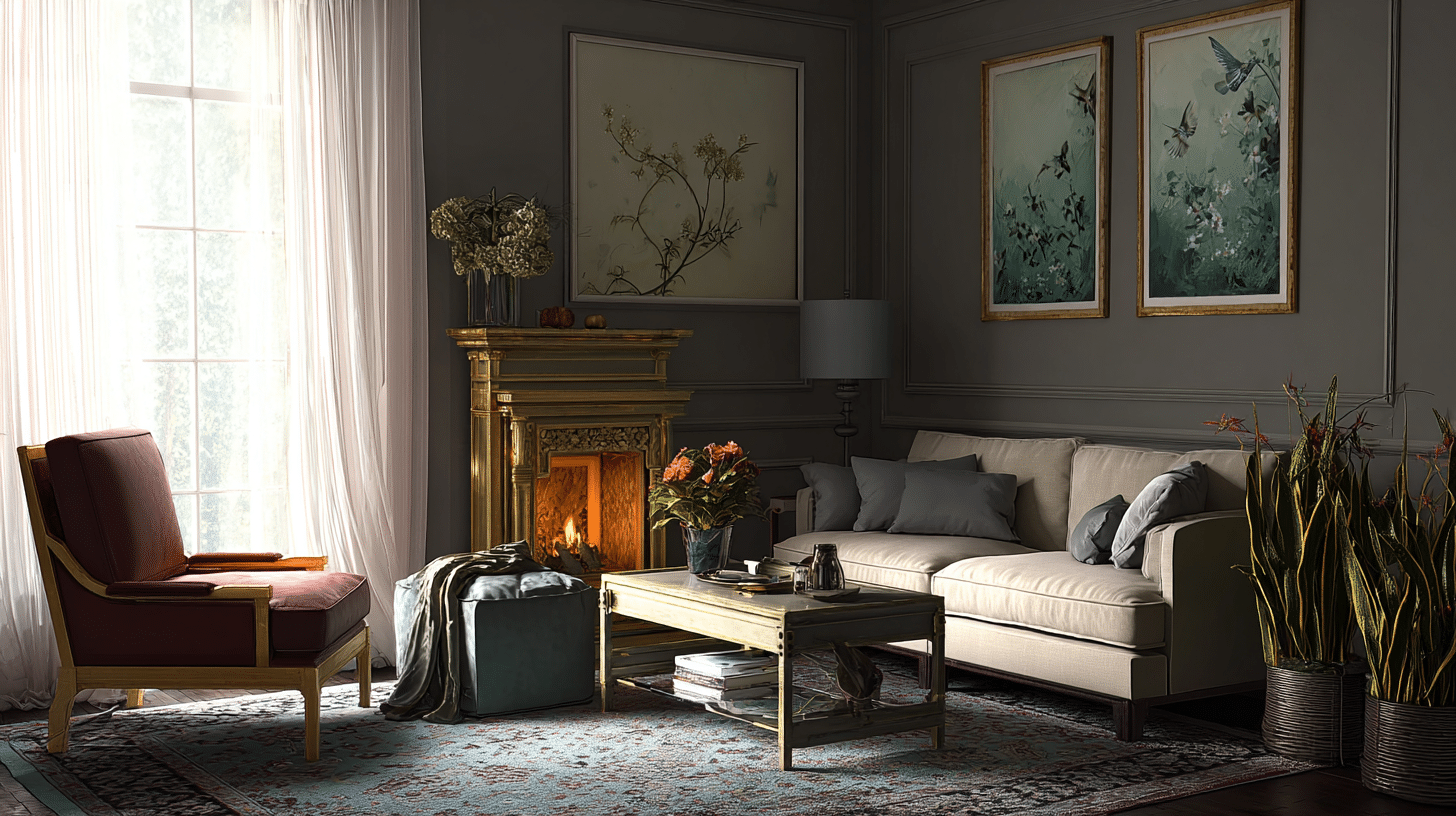
Living rooms get moderate traffic, so this finish can work if you’re careful.
Hallways are trickier because walls get bumped and touched constantly. You’ll need to stay on top of marks and be gentle when cleaning them off.
Kids’ Rooms or Busy Spaces

This is where flat and matte finishes struggle the most. Kids touch walls constantly, and this paint shows every fingerprint, crayon mark, and scuff.
One parent mentioned repainting her daughter’s room in satin after just six months because the flat finish looked grimy, no matter how gently she cleaned it.
Home Offices or Media Rooms
Home offices work better since you’re mostly sitting at a desk. Media rooms benefit from the light-absorbing quality, which reduces screen glare.
Just keep drinks away from the walls, and you’ll probably be fine with this finish in these spaces.
How to Choose the Right Paint Sheen
Making this decision doesn’t have to be complicated. Answer a few questions about your space, and the right choice becomes obvious.
Think About Traffic First
High-traffic areas like hallways, kitchens, and bathrooms need something tougher than flat paint.
If your space sees a lot of action, eggshell or satin makes more sense.
Check Your Wall Condition
Bumpy walls? Texture issues? Poor drywall work? Flat paint hides all of that better than any other option. Smooth walls give you more flexibility to choose based on other factors.
Consider Who Lives There
Kids and pets change everything. Little hands touch walls constantly, and flat paint doesn’t clean well enough to keep up.
One parent mentioned giving up on this finish until her kids became teenagers.
Ask Yourself About Maintenance
Some people don’t mind repainting every few years. Others want to paint once and forget about it. Flat paint looks beautiful but demands more upkeep than shinier finishes.
Your tolerance for maintenance should guide your final choice.
Colors that Work Well in Flat vs Matte
Since these are the similar finishes, any color that works in one works in the other. Some shades look particularly good without shine.
Soft Neutrals and Whites
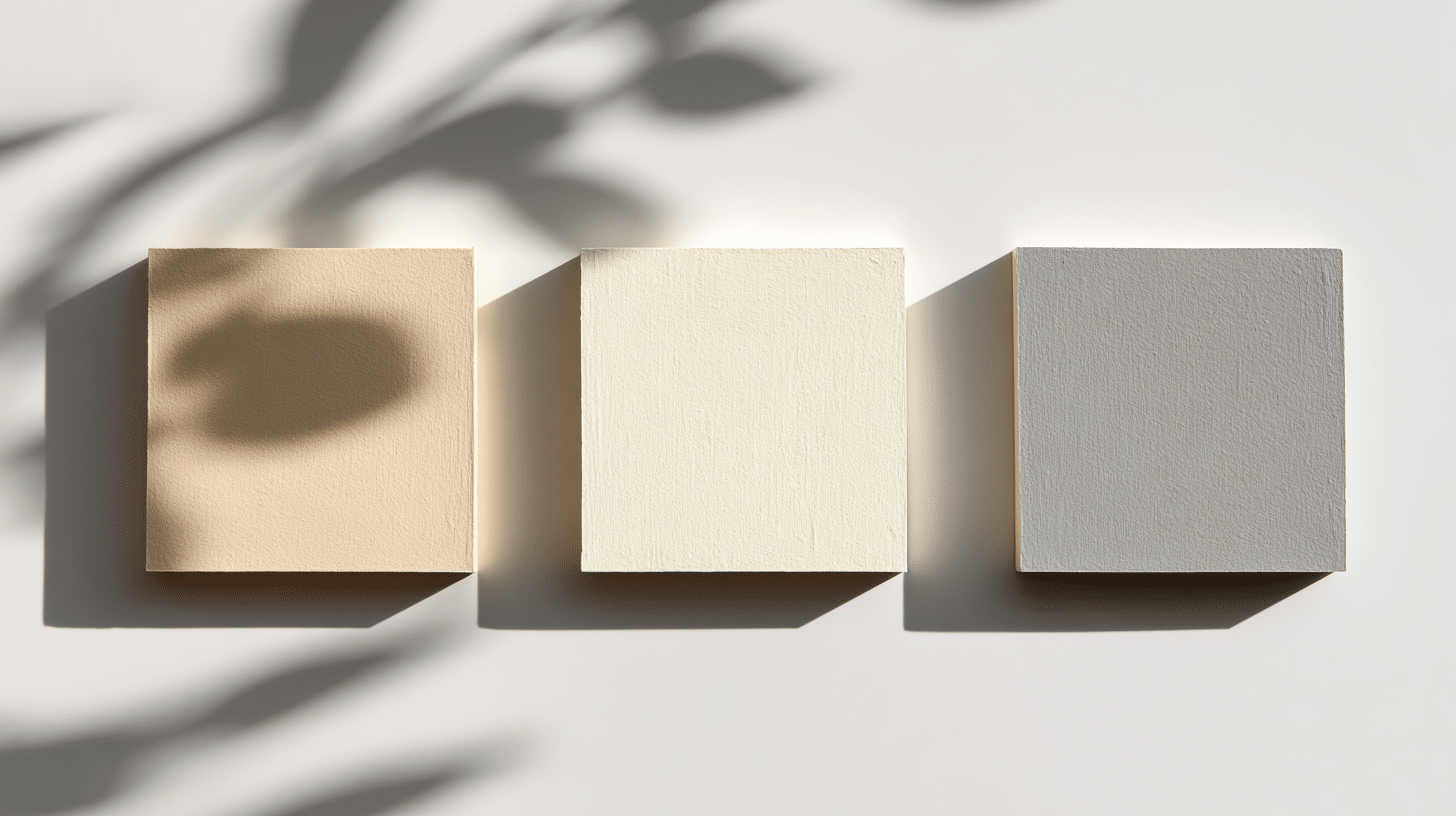
Off-whites and beiges look rich in flat paint. The lack of sheen makes them feel cozy instead of stark.
Colors like greige, cream, and soft gray work beautifully in bedrooms where you want a calm atmosphere without any glare.
Deep and Moody Tones

Dark colors get even more dramatic with this finish. Navy, charcoal, and deep green absorb light and create a sophisticated look.
One person shared that their library, painted in flat deep blue, feels like a completely different space at night compared to daytime.
Earthy and Natural Shades
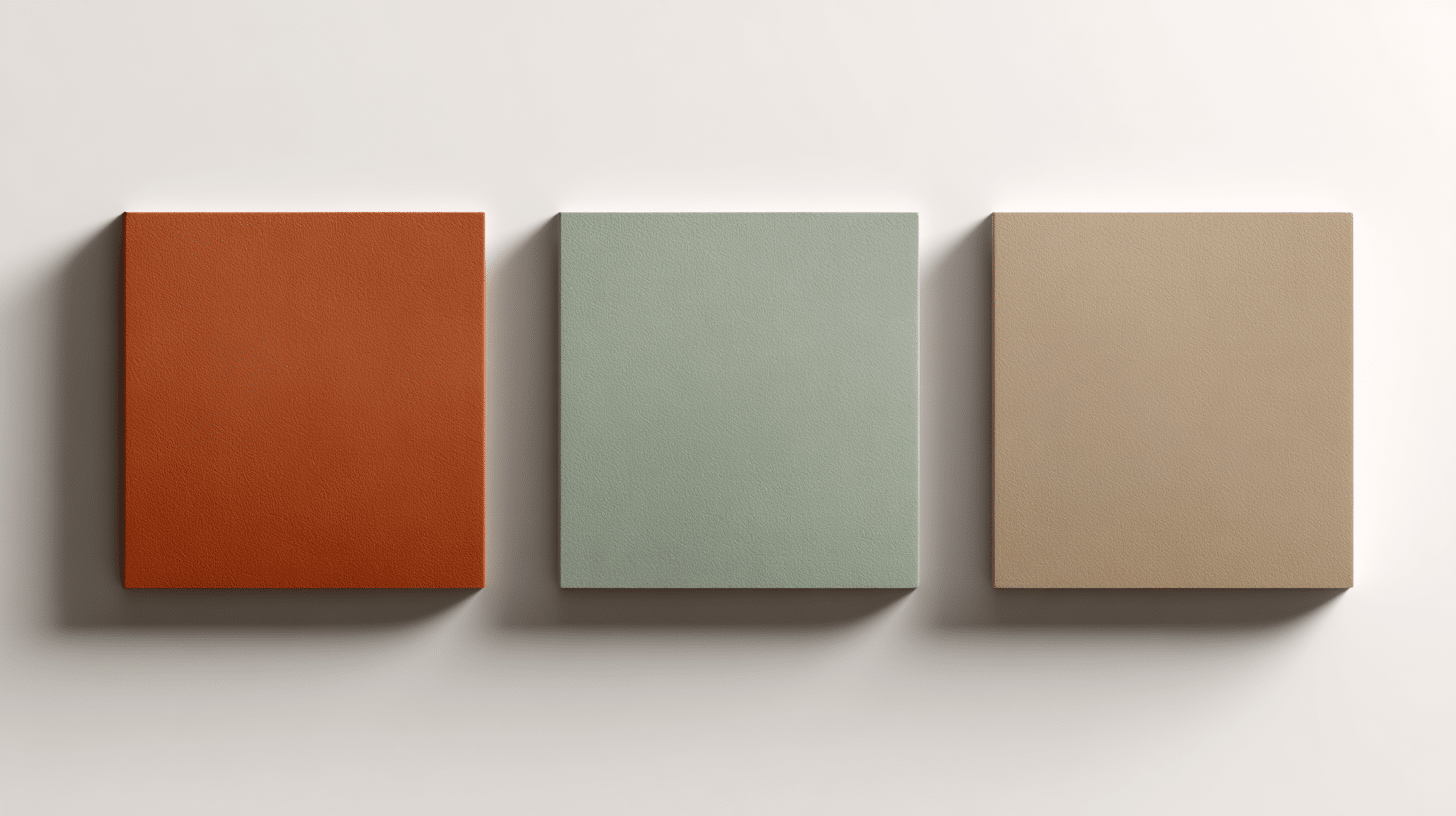
Terracotta, sage, and mushroom tones pair perfectly with flat finishes. These colors already have an organic feel, and the matte surface enhances that natural quality.
They work well in spaces where you want a grounded, relaxed vibe.
Pale Pastels for Quiet Rooms

Blush pink, powder blue, and soft lavender look gentle and calming without shine. These colors suit nurseries, guest rooms, and meditation spaces.
The flat finish keeps them from looking too sweet or childish.
How do These Differ from Other Sheens?
Flat and matte sit at one end of the shine spectrum, but understanding where other finishes fall helps you make better choices for different rooms.
Eggshell
It has a slight sheen, like an actual egg surface. It’s one step up from flat in durability and works well for dining rooms and living spaces that need a bit more cleanability.
Satin
It offers a soft glow and handles cleaning much better than flat or matte. Popular for family rooms and hallways, though it shows wall flaws more clearly than duller finishes.
Semi-gloss and high-gloss
These are the most durable options for bathrooms, kitchens, doors, and cabinets.
Both clean easily but highlight every wall imperfection, so save them for spaces where durability beats aesthetics.
Mistakes to Avoid
People make specific errors with each finish that affect how the paint performs. Knowing what to avoid saves you time and frustration down the road.
Flat Paint
1. Using it in moisture-prone areas: Bathrooms and kitchens are off-limits for flat paint.
2. Applying only one coat: Single coats look thin and streaky. You need two coats minimum to get that smooth, professional appearance that flat paint is known for.
3. Forgetting to save leftover paint: Touch-ups blend perfectly with flat paint, but only if you kept extra.
Matte Paint
1. Scrubbing stains aggressively: Even though matte handles cleaning slightly better than flat, hard scrubbing still removes paint and creates shiny spots.
2. Skipping wall preparation: Dirt and grease show through matte finishes worse than shinier options. Clean and prime your walls first, or every flaw becomes visible once you paint.
3. Choosing it for high-traffic zones: Hallways and kids’ spaces overwhelm paint’s limited durability.
4. Not testing samples first: Paint chips lie about how colors look in real lighting conditions. Buy a sample, test it on your wall, and live with it for a few days before buying gallons of paint.
A Simple Wrap-Up Before You Choose
The whole matte vs flat paint debate comes down to this: they’re nearly the same with minor differences.
Your real decision is whether this low-shine finish suits your lifestyle.
Low-traffic rooms with imperfect walls? Perfect. High-traffic areas with kids? You’ll struggle.
Test a sample, think about maintenance honestly, and trust your instincts. Match the finish to how you actually live, not just how pretty it looks.
Ready to choose? Grab a sample can and see how it works in your space.