
Flat paint confuses people. Should it go in the bedroom or the kitchen? Will it be easy to clean?
Can it cover up those wall imperfections? Flat paint is the best finish for hiding flaws, but it’s also the hardest to maintain.
Most designers use it strategically, not everywhere. The trick is knowing exactly where it works best.
This blog will tell you everything you need to know about flat paint on walls.
What is Flat Paint?
Flat paint is a type of wall paint with no shine or gloss. It dries to a completely matte finish.
This paint contains less resin than other finishes, which gives it that non-reflective surface. When light hits flat paint, it absorbs rather than bounces back.
That’s why walls painted with a flat finish look smooth and even. The lack of sheen makes it popular for ceilings and low-traffic areas.
It’s also called matte paint in some regions.
Where Should You Use Flat Paint?
Flat paint works best in specific rooms and situations. It’s not a one-size-fits-all solution. The following is where this matte finish truly shines and delivers the best results.
1. Bedrooms
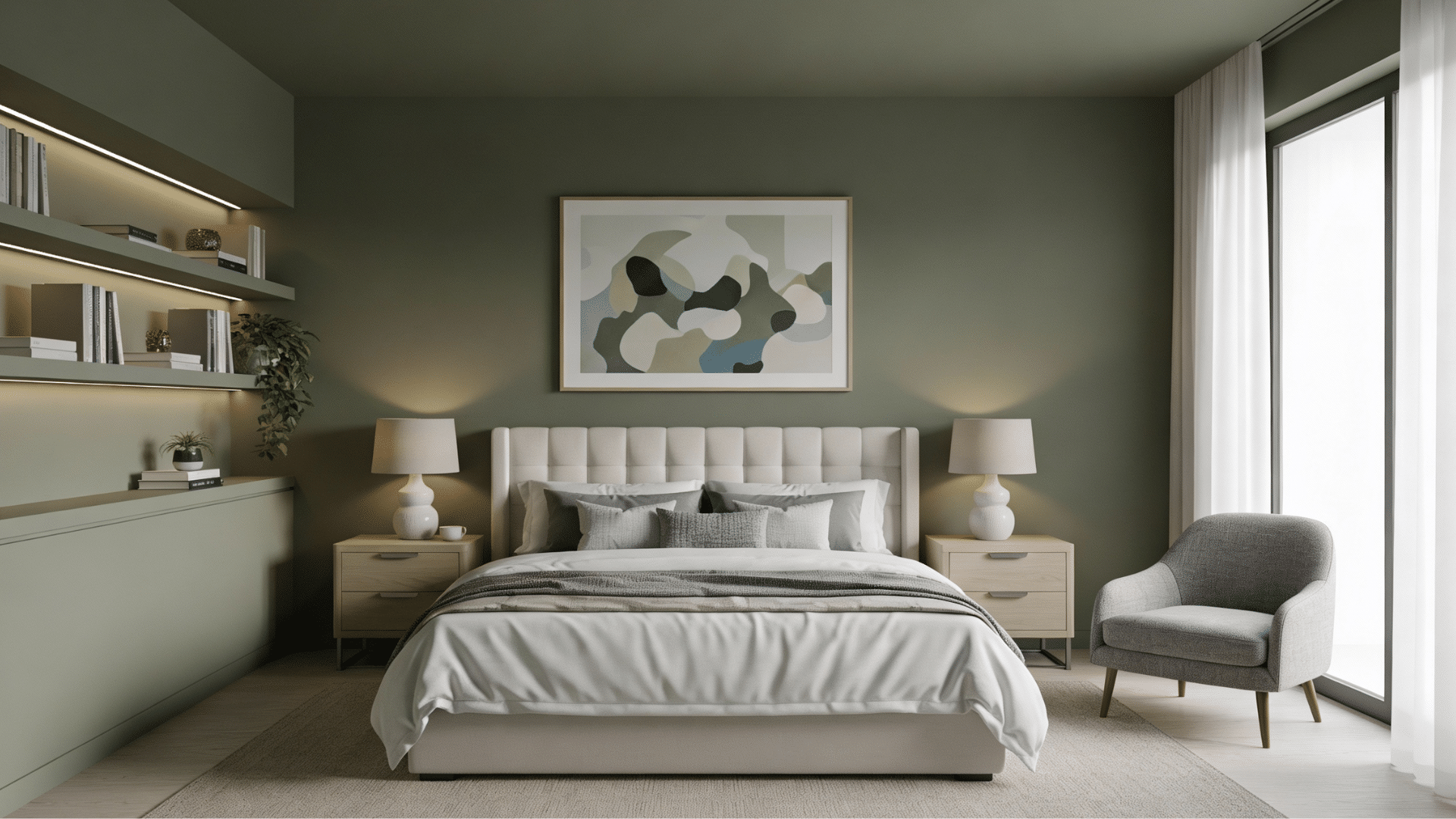
Bedrooms are perfect for flat paint. The low-traffic nature means walls won’t get touched often.
This finish creates a calm, relaxing atmosphere that helps with sleep. It hides minor wall imperfections beautifully.
The matte surface doesn’t reflect light from windows or lamps, keeping the room peaceful and cozy.
2. Ceilings
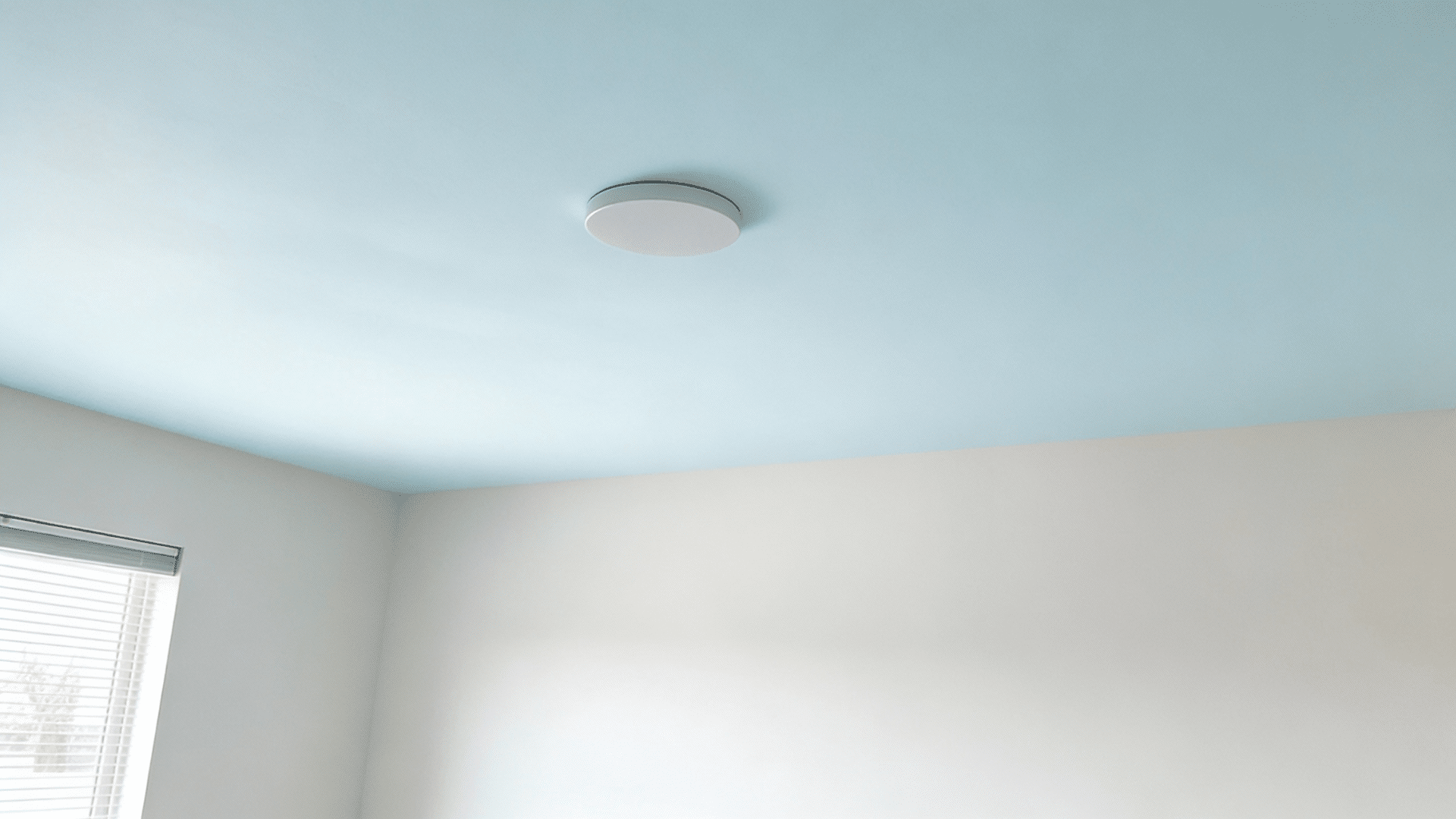
Most professionals use flat paint on ceilings. It hides surface flaws and tape lines from drywall installation.
The non-reflective finish prevents glare from overhead lights. Ceilings rarely need cleaning, so the low durability isn’t a problem.
This makes flat paint the standard choice for ceiling applications in homes.
3. Formal Living Rooms
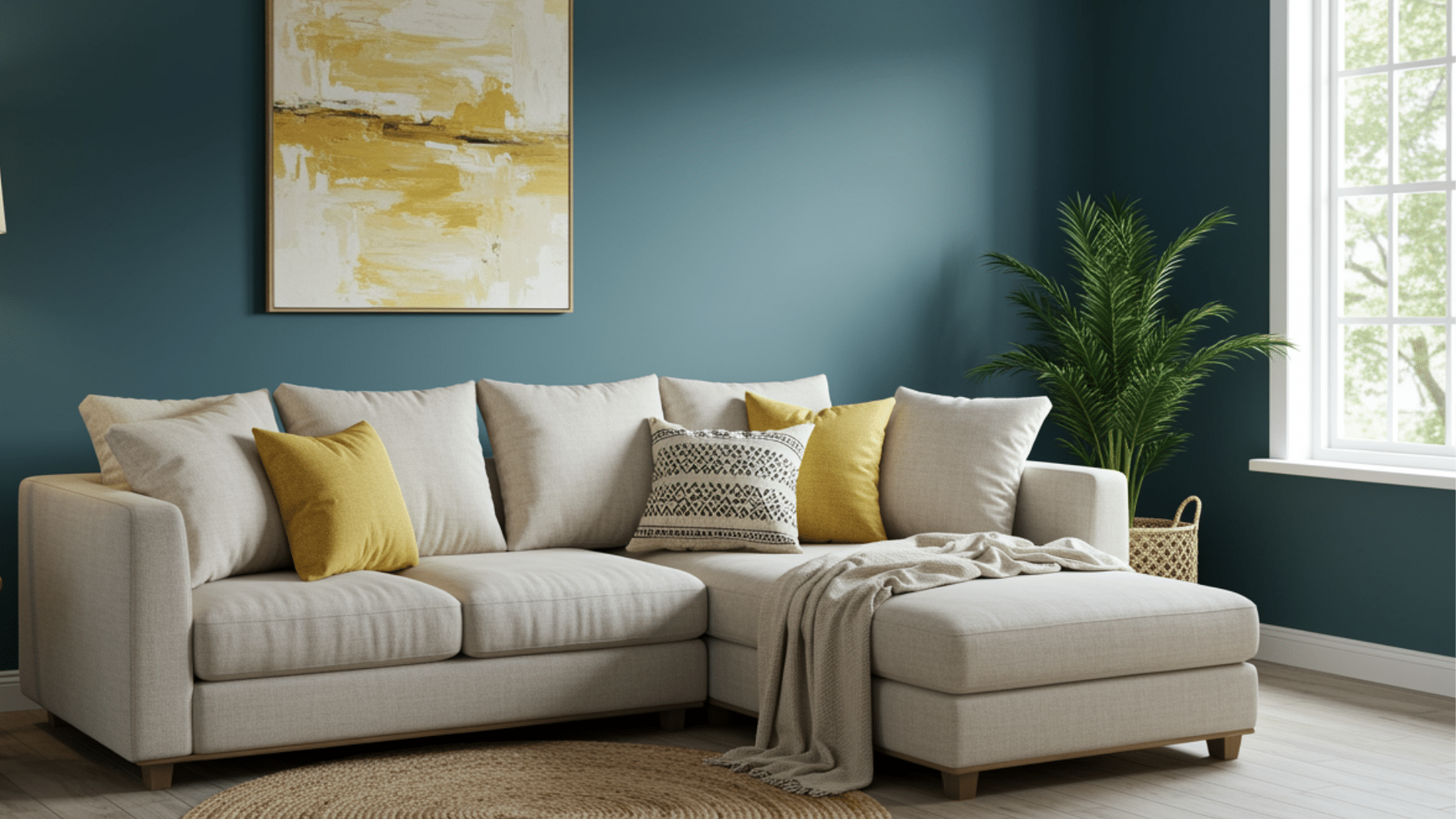
Formal living rooms benefit from flat paint’s sophisticated look. These spaces don’t see heavy use or frequent touching.
The matte finish adds a refined, upscale appearance to walls. It works well with traditional decor and creates an inviting atmosphere.
Just avoid it near light switches or high-contact areas.
4. Dining Rooms
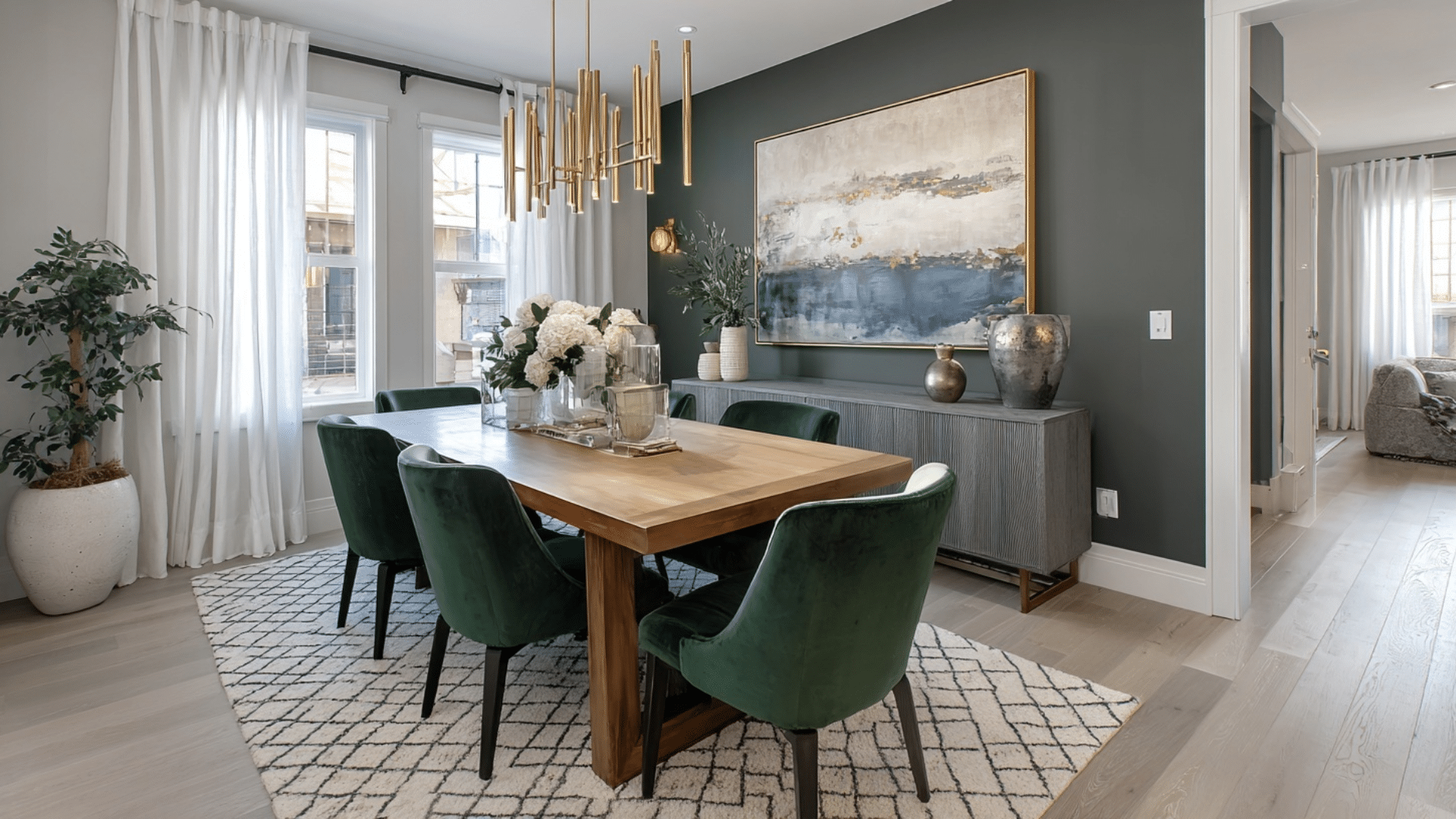
Dining rooms can handle flat paint in most cases. Walls in these spaces rarely get dirty or scuffed.
The finish complements formal dinner settings and creates warmth. However, avoid it behind dining chairs that might rub against the walls.
Keep it away from areas where food splatters could occur.
Where to Avoid Using Flat Paints?
Flat paint on walls isn’t suitable for every space in a home. Some rooms and situations require more durable finishes. These limitations help make better choices for their walls.
Kitchens
Kitchens need washable paint finishes. Flat paint can’t handle grease splatters, food stains, or frequent cleaning.
Cooking creates moisture and grime that penetrate the porous surface. Wiping down flat painted walls often leaves marks or removes paint.
A satin or semi-gloss finish works much better in kitchen spaces.
Bathrooms
Bathrooms have constant moisture and humidity. Flat paint absorbs water instead of repelling it.
This leads to mold growth, mildew, and paint deterioration. Steam from showers penetrates the matte surface quickly.
Bathrooms need moisture-resistant finishes like satin or semi-gloss that can handle wet conditions and regular cleaning.
High-Traffic Hallways
Busy hallways get touched constantly by hands, bags, and shoulders. Flat paint shows every scuff mark and fingerprint.
The surface can’t withstand repeated cleaning without damage. Kids and pets make these areas even harder on the walls.
Choose a more durable finish for hallways that see heavy daily use.
Kids’ Rooms
Children’s rooms need washable paint finishes. Little hands leave fingerprints, crayon marks, and sticky residue on walls.
Flat paint makes cleaning these messes nearly impossible. Attempts to scrub stains often damage the surface more.
Parents will appreciate a satin finish that handles the inevitable spills and marks much better.
Stairwells
Stairwells get touched as people steady themselves going up and down. Handrails protect some areas, but walls still face contact.
Flat paint shows wear patterns quickly in these spaces. The inability to clean marks without damaging paint becomes frustrating.
A more durable finish prevents constant touch-ups in stairwell areas.
Let’s Address it: Do People Hate Flat Paint?
People have mixed feelings about flat paint on the walls of their home.
Some love the smooth, refined look it creates. Others hate how hard it is to clean and maintain.
Interior designers often recommend it for specific rooms only. The main complaint is that it shows every mark and cannot be scrubbed.
Parents with young children tend to avoid it completely.
However, those who use it in appropriate spaces appreciate its ability to hide wall imperfections.
The finish isn’t universally hated, but it requires careful consideration. Most people prefer it in low-traffic areas where durability isn’t a concern.
Can Flat Paint be Used Outdoors?
Flat paint can technically be used outdoors, but it’s not the best choice. Exterior walls face harsh weather conditions like rain, sun, and dirt.
Flat finishes can’t handle this exposure well. They absorb moisture and stains easily, leading to faster deterioration. Most outdoor projects need satin or semi-gloss finishes instead.
These provide better protection against the elements.
However, some people use flat paint on exterior ceilings under covered porches. The lack of direct weather exposure makes this acceptable.
For actual exterior walls, choose a finish designed to withstand outdoor conditions and frequent cleaning.
Other Types of Paint Finishes and How They Differ from Flat Paint
Different paint finishes serve different purposes in a home. Each has its own level of shine and durability.
Understanding how they compare to flat paint helps to choose the right finish for each room.
Eggshell Paint
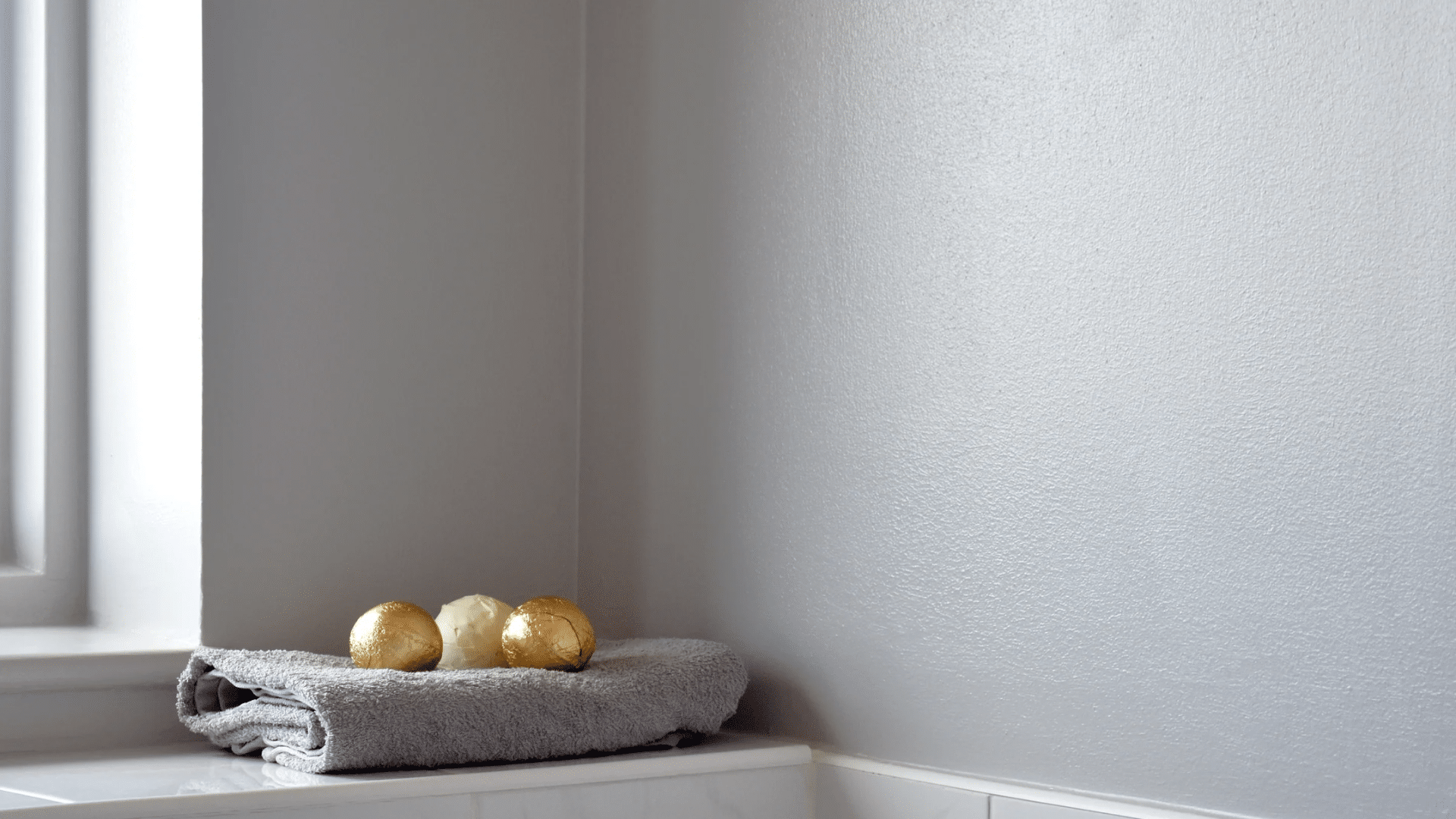
Image Credit: @Vintro Luxury Paint
Eggshell paint has a slight sheen, like an actual eggshell. It’s one step up from flat in terms of durability.
This finish hides imperfections fairly well while offering better cleanability. It works great in living rooms and bedrooms that see moderate use.
The subtle shine adds depth without being too reflective or shiny.
Satin Paint
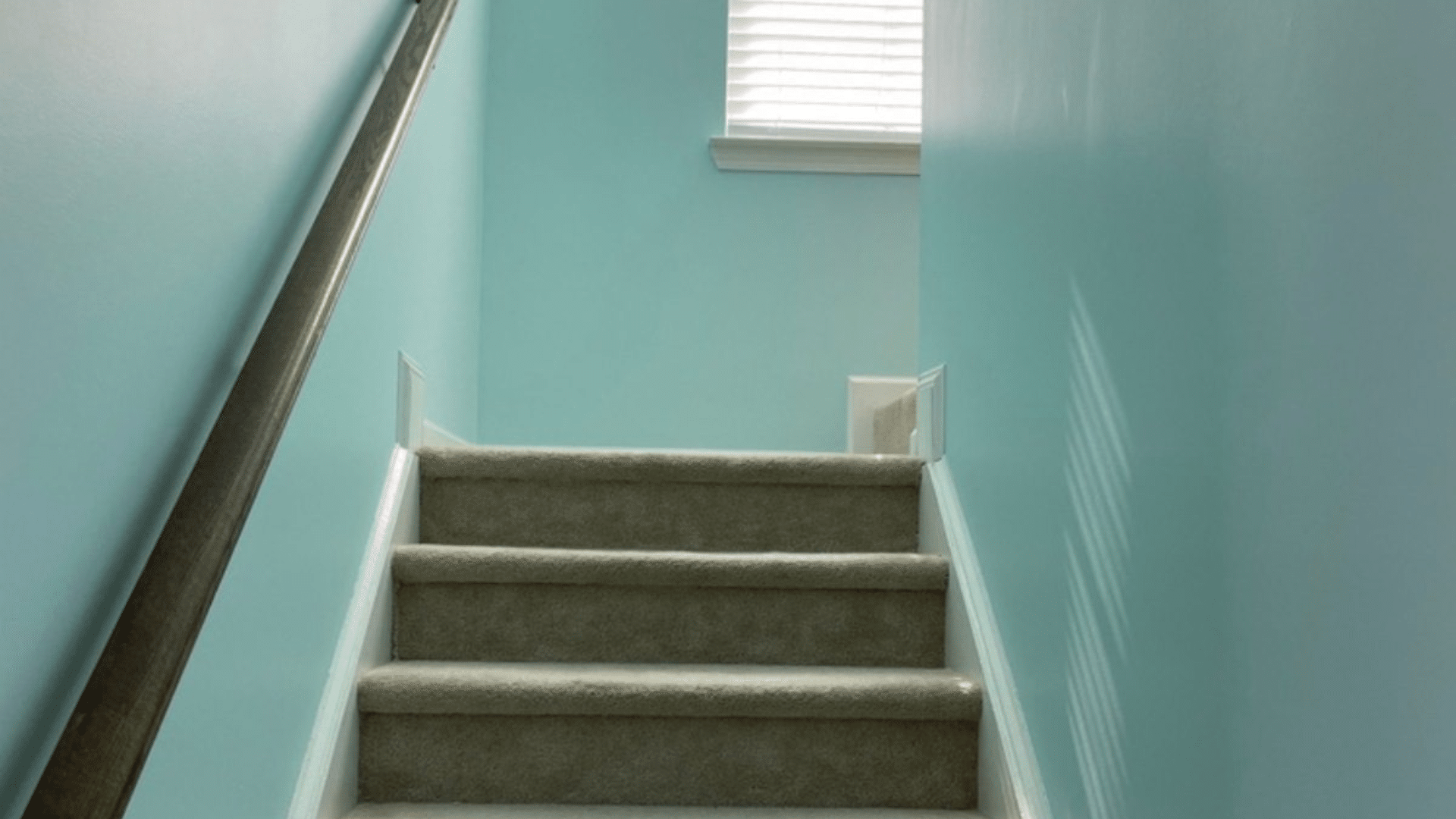
Image Credit: @Housing
Satin paint has a soft, velvety sheen that’s more noticeable than eggshell. It’s much easier to clean than flat paint, making it ideal for high-traffic areas.
This finish works well in kitchens, bathrooms, and hallways. It reflects more light than flat paint but still looks classic.
Most families choose satin for its balance between appearance and practicality.
Semi-Gloss Paint
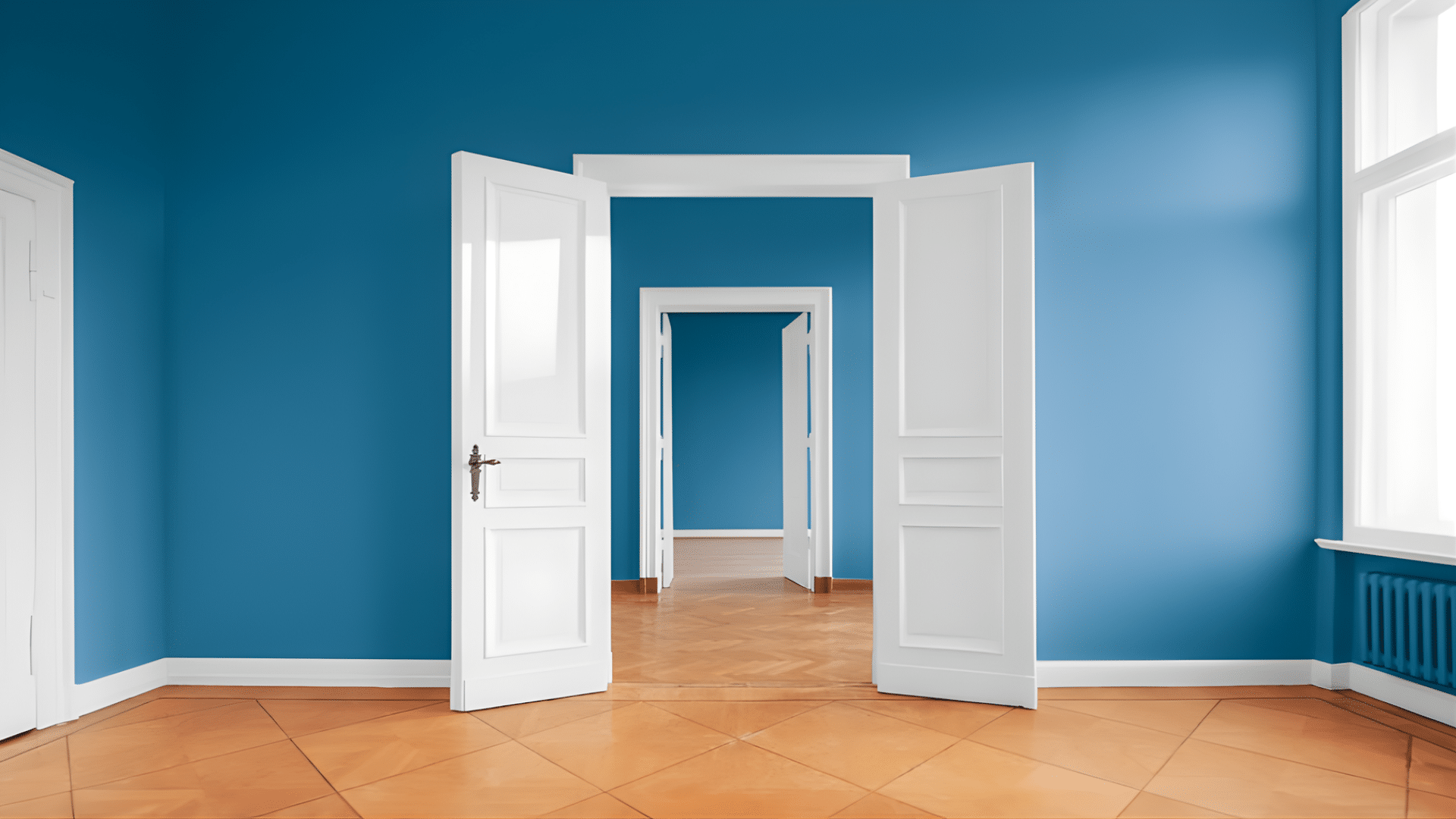
Image Credit: @Fantastic Handyman
Semi-gloss paint has a noticeable shine that reflects light clearly. It’s highly durable and stands up to frequent scrubbing and moisture.
This finish is perfect for trim, doors, and cabinets. Bathrooms and kitchens benefit from its water-resistant properties.
However, it shows every wall imperfection, so surface preparation is critical before applying it.
Gloss Paint

Image Credit: @HGTV
Gloss paint creates the shiniest, most reflective finish available. It’s extremely durable and easy to clean with regular household cleaners.
Most people use it on furniture, doors, and trim rather than walls. The high shine highlights every surface flaw, so walls must be perfectly smooth.
It’s the most moisture-resistant option, but it can look too shiny for most interior walls.
Can You Paint Flat Over Other Paint Types?
Yes, flat paint can go over other paint types with proper preparation.
The existing surface needs to be clean, dry, and lightly sanded first. Glossy finishes require more sanding to help the flat paint adhere properly.
A primer coat improves adhesion and ensures even coverage. Without prep work, the flat paint might peel or not stick well.
Most professionals recommend using a primer when switching from glossy to flat finishes. The transition works best when the underlying paint is in good condition.
Peeling or damaged paint should be scraped off before applying flat paint over it.
Is Flat Paint Washable?
Flat paint is not very washable compared to other finishes. The porous, matte surface absorbs water and cleaning solutions easily.
Scrubbing often removes paint or leaves shiny spots on the wall. Light dusting works fine, but wet cleaning causes problems.
Some manufacturers now offer “washable flat” or “scrubbable matte” paints with improved durability. These special formulas resist stains better than traditional flat paint.
However, they still don’t match the cleanability of satin or semi-gloss finishes. For spaces that need regular cleaning, choose a different finish.
Flat paint works best in rooms where walls rarely get dirty or touched.
How to Wash Flat Paint from the Walls?
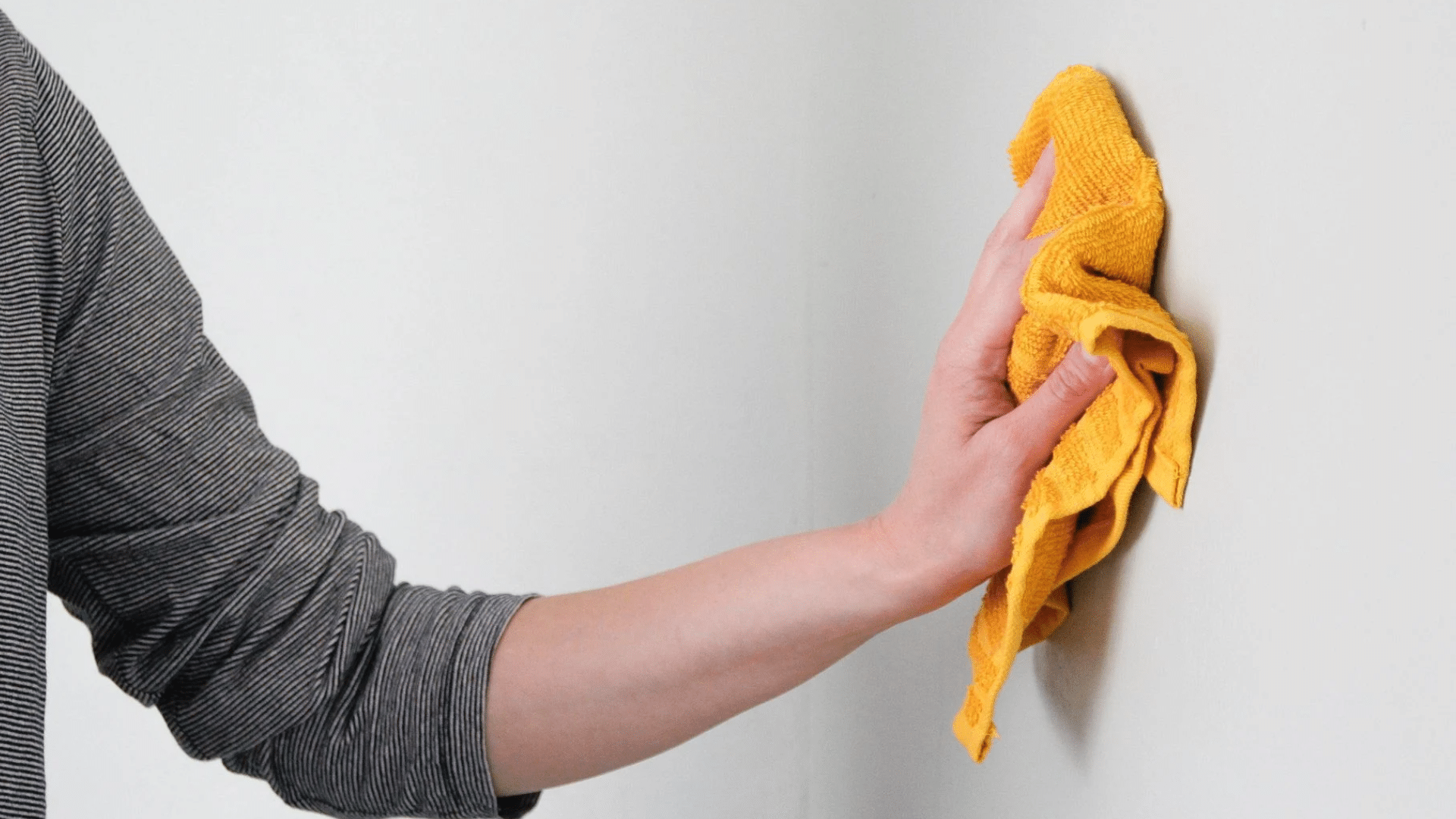
Cleaning flat paint requires extra care and gentleness. The wrong approach can damage the finish permanently.
Follow these steps to clean flat painted walls without causing harm or leaving marks behind.
Step 1: Dust the Walls First
Start by removing loose dirt and dust with a dry microfiber cloth. Work from top to bottom in gentle strokes.
This prevents dirt from turning into mud when water is added. A soft brush attachment on a vacuum also works well.
Regular dusting prevents buildup that requires deeper cleaning later on.
Step 2: Test in a Hidden Spot
Always test your cleaning method in an inconspicuous area first. Try behind furniture or in a closet corner.
Wait for the spot to dry completely before checking results. This reveals whether your approach will damage the finish.
Testing prevents ruining visible wall areas with the wrong cleaning technique.
Step 3: Use Minimal Water
Wet a soft sponge or cloth with plain water only. Wring it out thoroughly until it’s barely damp.
Too much water will damage flat paint and leave marks. Gently blot the stained area rather than rubbing or scrubbing.
Let the moisture do the work without applying pressure to the surface.
Step 4: Try Mild Soap Solution
If water alone doesn’t work, add a tiny drop of mild dish soap. Mix it with water to create a very diluted solution.
Apply with a barely damp sponge using light pressure only. Blot gently instead of wiping in circular motions.
Rinse the area with a clean, damp cloth to remove soap residue.
Step 5: Blot Dry Immediately
After cleaning, blot the area dry with a clean, soft towel. Don’t let water sit on flat paint for long periods.
Excess moisture can soak into the porous surface and cause damage. Pat gently rather than rubbing the wall.
Proper drying prevents water marks and maintains the matte finish appearance.
Step 6: Avoid Harsh Cleaners
Never use abrasive cleaners, bleach, or strong chemicals on flat paint. These products will strip the paint or leave permanent marks.
Magic erasers are too abrasive for flat finishes and remove paint. Stick to plain water or very mild soap solutions only.
Harsh products cause more damage than the original stain.
Step 7: Touch-Up Paint
Sometimes stains won’t come out without damaging the paint. In these cases, touch-up paint is the only solution.
Keep leftover paint from the original job for repairs. Touch-ups may show slightly, but beat permanent stains.
This is a limitation of flat paint that you must accept when choosing this finish.
Tips to Keep Your Flat Painted Walls Looking Fresh
Maintaining the flat paint on walls takes preventive care and gentle handling. Regular maintenance prevents major cleaning issues later.
- Dust walls regularly with a soft microfiber cloth weekly in high-traffic areas and monthly in bedrooms.
- Address stains immediately before they set. Blot fresh spills gently with a barely damp cloth right away.
- Keep touch-up paint handy in a sealed container labeled with the room name for quick repairs when needed.
- Limit wall contact by teaching family members to avoid touching surfaces and installing light switch plate covers.
- Protect walls in vulnerable spots by positioning furniture slightly away and using clear bumpers behind chairs.
- Control humidity levels using exhaust fans, dehumidifiers, or open windows to prevent moisture damage and mold growth.
- Vacuum baseboards and corners with a soft brush attachment to prevent dust from traveling up walls.
Is Flat Paint for Your House?
Flat paint works for some homes but not others. It depends on lifestyle, traffic patterns, and maintenance preferences.
Homes with adults only or minimal activity can handle flat paint well. Families with young children or pets should choose more durable finishes instead.
Consider each room individually rather than using one finish throughout. Budget matters too since flat paint requires more frequent touch-ups.
If you value easy cleaning over appearance, skip flat paint.
For those who prioritize a refined look in low-traffic spaces, flat paint is worth considering.