
Average Cost to Build a House – National and Per-Square-Foot
The national average for building a house typically falls between $100 and $200 per square foot.
This means a 2,000-square-foot home could cost between $200,000 and $400,000. But these numbers aren’t set in stone.
Your location plays a huge role in final costs. Building in California or New York costs significantly more than constructing in Texas or Georgia. Labor rates, material availability, and local building codes all affect your bottom line.
The type of home you choose matters too. A basic single-story ranch will cost less per square foot than a custom two-story with high-end finishes.
Remember, these are averages. Your actual costs might run higher or lower depending on your specific choices and circumstances.
Price to Build a House – From Foundation to Fixtures
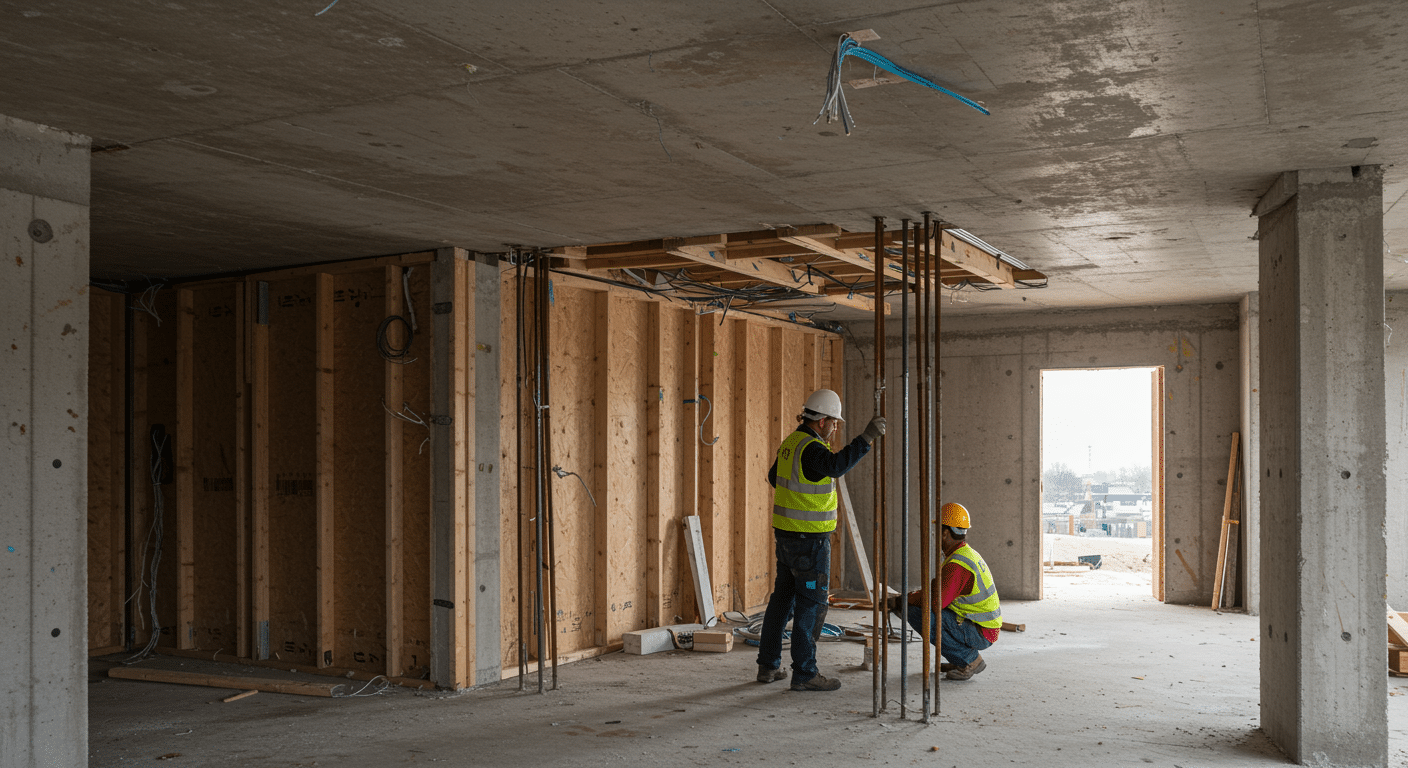
Building a house involves multiple stages, and each one comes with its own price tag. Let’s break down the major cost categories so you know exactly where your money goes.
Disclaimer: The prices mentioned below are approximate estimates. Refer to your dealer for accurate prices.
Framing and Structure
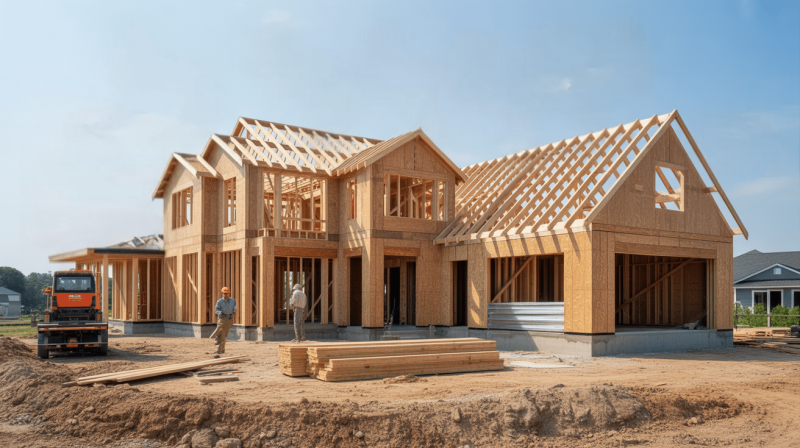
Framing gives your house its shape and skeleton. This stage includes walls, floors, roof trusses, and all the lumber needed to hold it together.
- Lumber and framing materials typically cost $15,000 to $30,000 for an average home
- Labor adds another $20 to $50 per square foot
- Steel framing costs more but offers better durability in certain climates
- Windows and exterior doors get installed during this phase, adding $5,000 to $15,000
Roofing
Your roof protects everything underneath. Material choice drastically changes your costs here.
- Asphalt shingles are budget-friendly at $3 to $5 per square foot
- Metal roofing runs $7 to $12 per square foot, but lasts much longer
- Tile or slate roofing can cost $10 to $25 per square foot
- Installation labor typically equals the material cost
Plumbing Mishaps and Delays
Water supply and drainage systems are essential but often underestimated. Costs vary based on the number of bathrooms and the quality of fixtures.
- Rough plumbing installation runs $3 to $6 per square foot
- Each bathroom adds $3,000 to $8,000 in fixtures and installation
- Kitchen plumbing costs another $2,000 to $5,000
- Water heater installation adds $800 to $2,500
Electrical Work
Wiring your entire house safely requires licensed electricians. Modern homes need more circuits than ever before.
- Basic electrical wiring costs $3 to $8 per square foot
- Electrical panel and service hookup add $1,000 to $3,000
- Light fixtures and switches run $500 to $2,000, depending on choices
- Smart home wiring increases costs by 10% to 20%
HVAC Installation
Heating and cooling systems keep your home comfortable year-round. Size and efficiency ratings determine your investment here.
- Central air conditioning costs $3,000 to $7,000 installed
- Furnace installation runs $2,500 to $6,000
- Ductwork adds $1,500 to $3,000 to an average home
- High-efficiency systems cost more upfront but save on energy bills
Uncovering Hidden Fees – The Sneaky Add-Ons
Most builders focus on the total price to build a house and forget about the extras that creep in. These hidden fees can add thousands to your final bill if you’re not watching closely.
Permit fees vary widely by location but usually range from $1,500 to $5,000. Some municipalities charge more for larger homes or special features. Then there’s land surveying, which costs $300 to $1,000, but you can’t skip it.
Impact fees cover things like sewer connections and road access.
These can hit $3,000 to $10,000, depending on your area. Soil testing is another must-have, at $500 to $2,000.
Don’t forget inspections throughout the build. You’ll pay $300 to $500 per inspection, and you’ll need several.
Temporary utilities during construction add another $1,000 to $3,000. Plan for these, or they’ll blow your budget.
What’s Driving Costs Up
Building materials don’t stay at the same price year after year.
Several factors are pushing costs higher right now, and understanding them helps you plan better.
- Lumber Price Swings – Wood prices jumped over 300% during recent shortages and still haven’t fully stabilized. Supply chain issues continue affecting availability.
- Steel and Metal Costs – Rising demand in construction and manufacturing has driven prices up by 25-40% compared to pre-pandemic levels.
- Labor Shortages – Skilled workers are harder to find, so contractors charge more. Wages have increased 15-20% in many markets.
- Shipping Delays – Getting materials to job sites is taking longer and costing more. Fuel prices and port congestion add to expenses.
- Eco-Friendly Materials – Sustainable options like bamboo flooring and recycled materials cost a premium price but offer long-term benefits
Building vs. Buying a House – Is Custom Worth the Price?
Deciding between building and buying isn’t just about money. Each option comes with trade-offs that affect your timeline, stress levels, and overall satisfaction.
| Factor | Building a House | Buying an Existing House |
|---|---|---|
| Average Cost | $100-$200 per square foot | Often 10-20% less than the building |
| Timeline | 6-12 months or longer | Move in within 30-60 days |
| Customization | Complete control over design | Limited to what’s available |
| Location Choice | Depends on finding buildable land | More options in established areas |
| Maintenance | Everything is new, warranties included | Older systems may need repairs soon |
| Financing | Construction loans are complex | Standard mortgages are simpler |
| Stress Level | High – lots of decisions to make | Lower – fewer choices needed |
Building costs more and takes longer, but you get exactly what you want. Buying is faster and easier, but you might compromise on features. Your choice depends on your priorities and patience.
Wrapping it Up
So there you have it. The price to build a house isn’t just one number. It’s a combination of foundation work, framing, systems, finishes, and those sneaky fees that catch people off guard.
Now you know what to expect and where your money goes. Use this information to carefully plan your budget.
Talk to local builders, get multiple quotes, and always add a 10-15% cushion for surprises.