Walking into a furniture store can be confusing. There are dozens of pieces, but they all look different.
Furniture falls into distinct styles. And each style has specific features you can learn to recognize.
Once you understand these styles, shopping becomes simple. You’ll stop second-guessing your choices and start creating a home you love.
Keep reading to find your perfect style.
The Evolution of Furniture Styles
Furniture styles didn’t just appear overnight. They evolved slowly over time.
Each decade brought something new to the table. The 1920s gave us Art Deco with its bold geometric shapes. Then the 1950s introduced mid-century modern pieces that we still love today.
The 1970s went wild with colors and patterns. And the 1980s were all about excess and drama.
Many of these styles keep coming back. What was popular fifty years ago often resurfaces with a modern twist.
That’s why understanding the history helps you make better choices now.
The Iconic Types of Furniture Styles
Furniture styles tell the story of how we’ve lived through the centuries. Each style reflects the culture and tastes of its time.
1. American Colonial
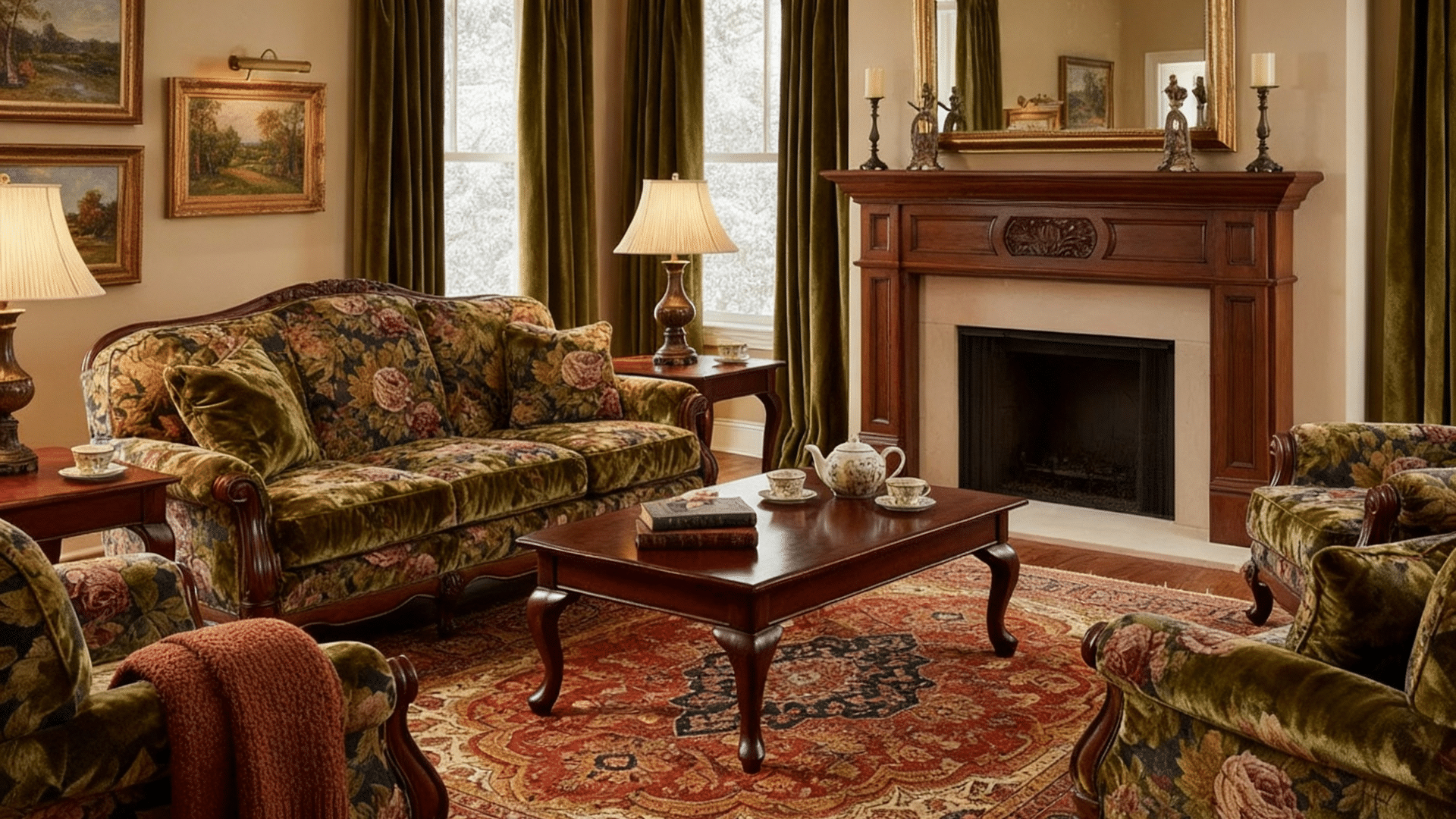
American Colonial furniture came from the early settlers in America. It was practical and sturdy because people needed furniture that lasted.
Craftsmen used local woods like pine, maple, and oak. The style borrowed ideas from English designs but made them simpler.
Characteristics:
- Simple, straight lines with minimal curves
- Made from solid wood like pine or maple
- Functional design focused on durability
- Turned legs on chairs and tables
- Minimal decoration or carving
2. Contemporary
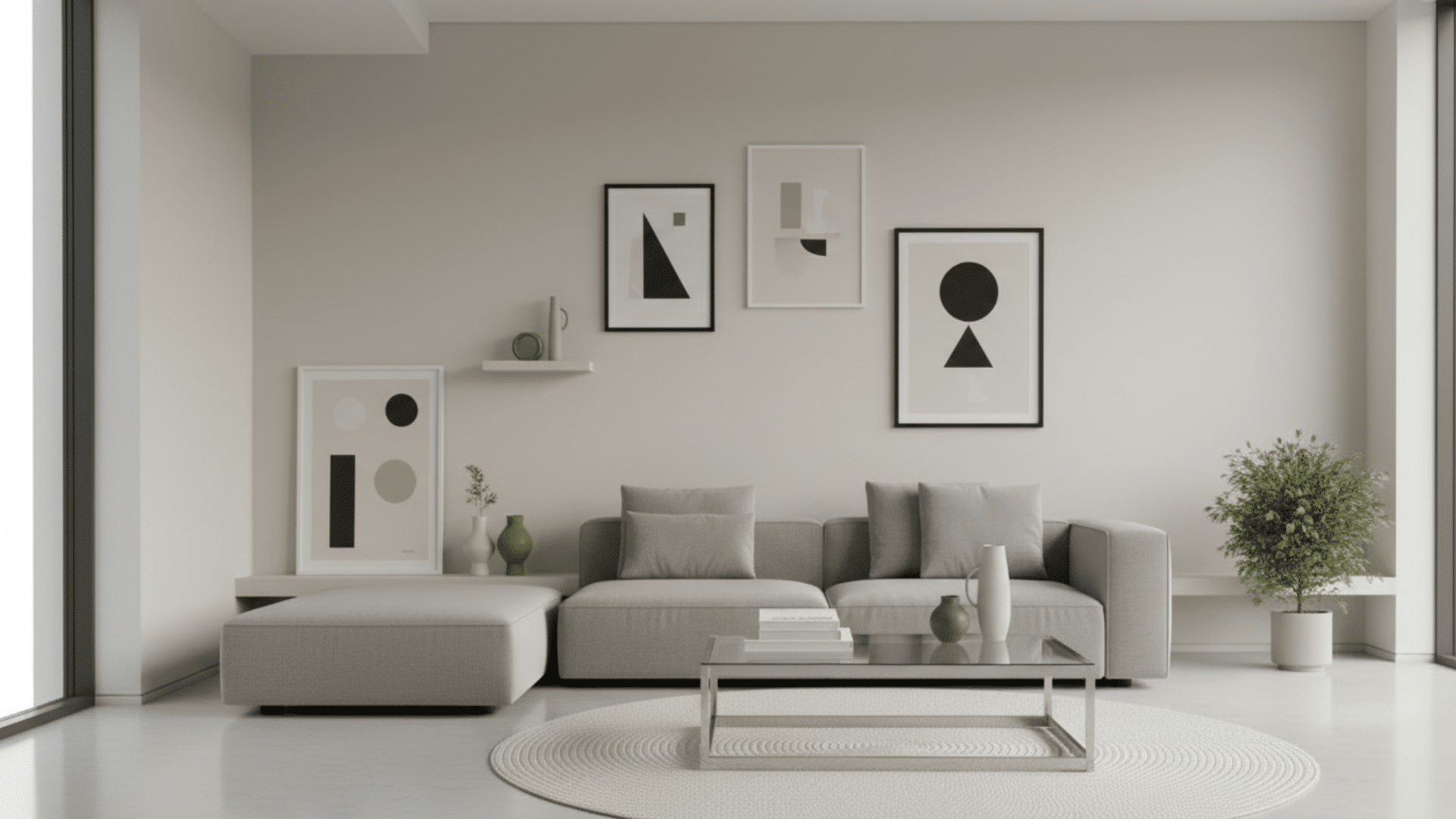
Contemporary furniture is what’s popular right now. It keeps changing as new trends appear.
This style focuses on clean lines and neutral colors. Materials mix freely; you’ll see wood, metal, and glass together.
Contemporary pieces are comfortable and functional; this style adapts to what people actually need today.
Characteristics:
- Clean, smooth lines and surfaces
- Neutral color palettes with occasional bold accents
- A mix of materials like wood, metal, and glass
- Open, airy feel with minimal bulk
- Focus on comfort and function
3. Mid-Century Modern
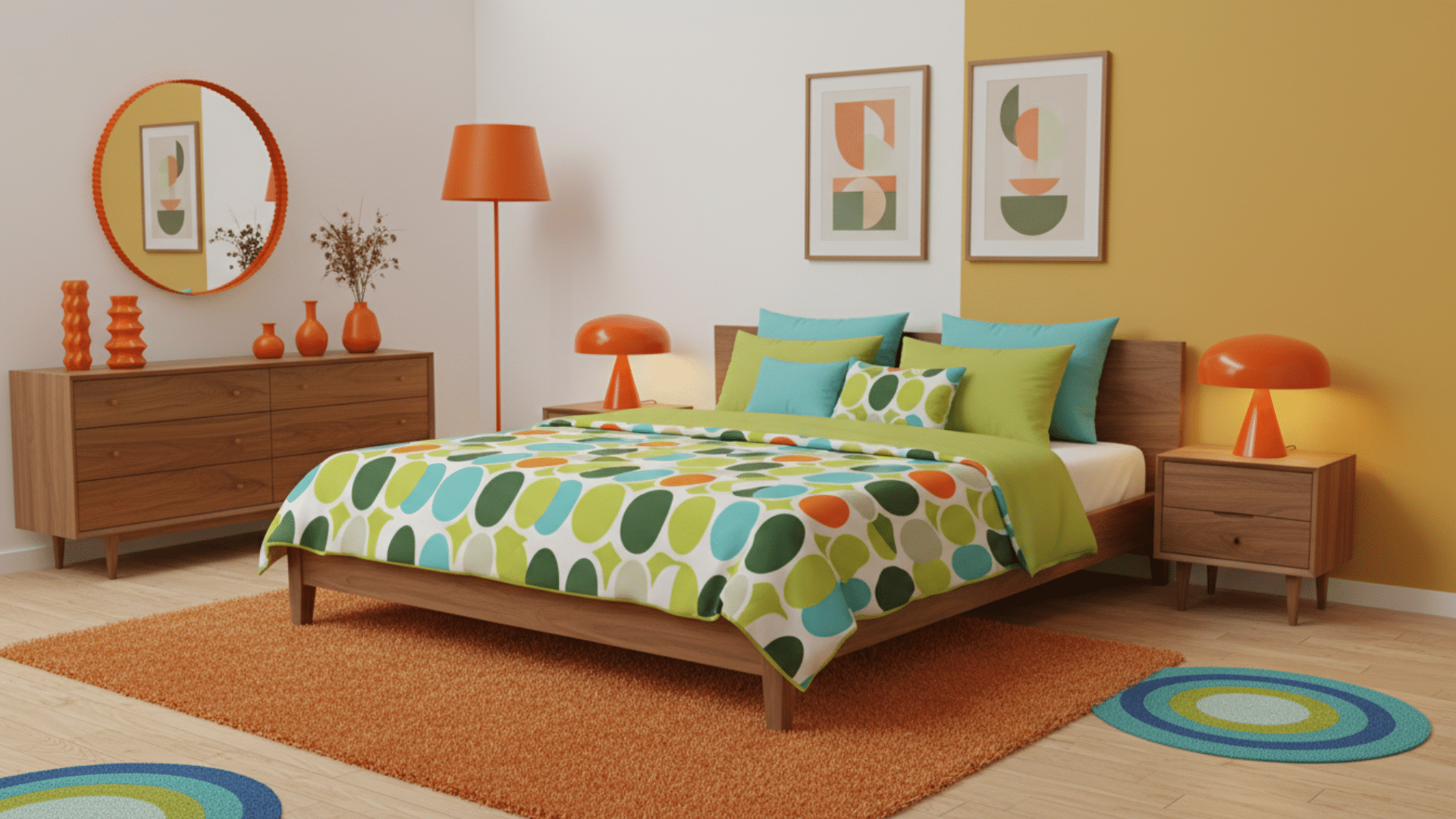
Mid-Century Modern became popular in the 1950s and 1960s.
It brought a fresh, optimistic feel after World War II. Designers wanted furniture that was both beautiful and functional.
The style uses organic shapes and clean lines. You’ll see tapered legs on almost everything.
Characteristics:
- Tapered legs on chairs, sofas, and tables
- Organic and geometric shapes combined
- Warm wood tones, especially walnut and teak
- Low-profile furniture with clean lines
- Mix of natural and manufactured materials
4. Rococo
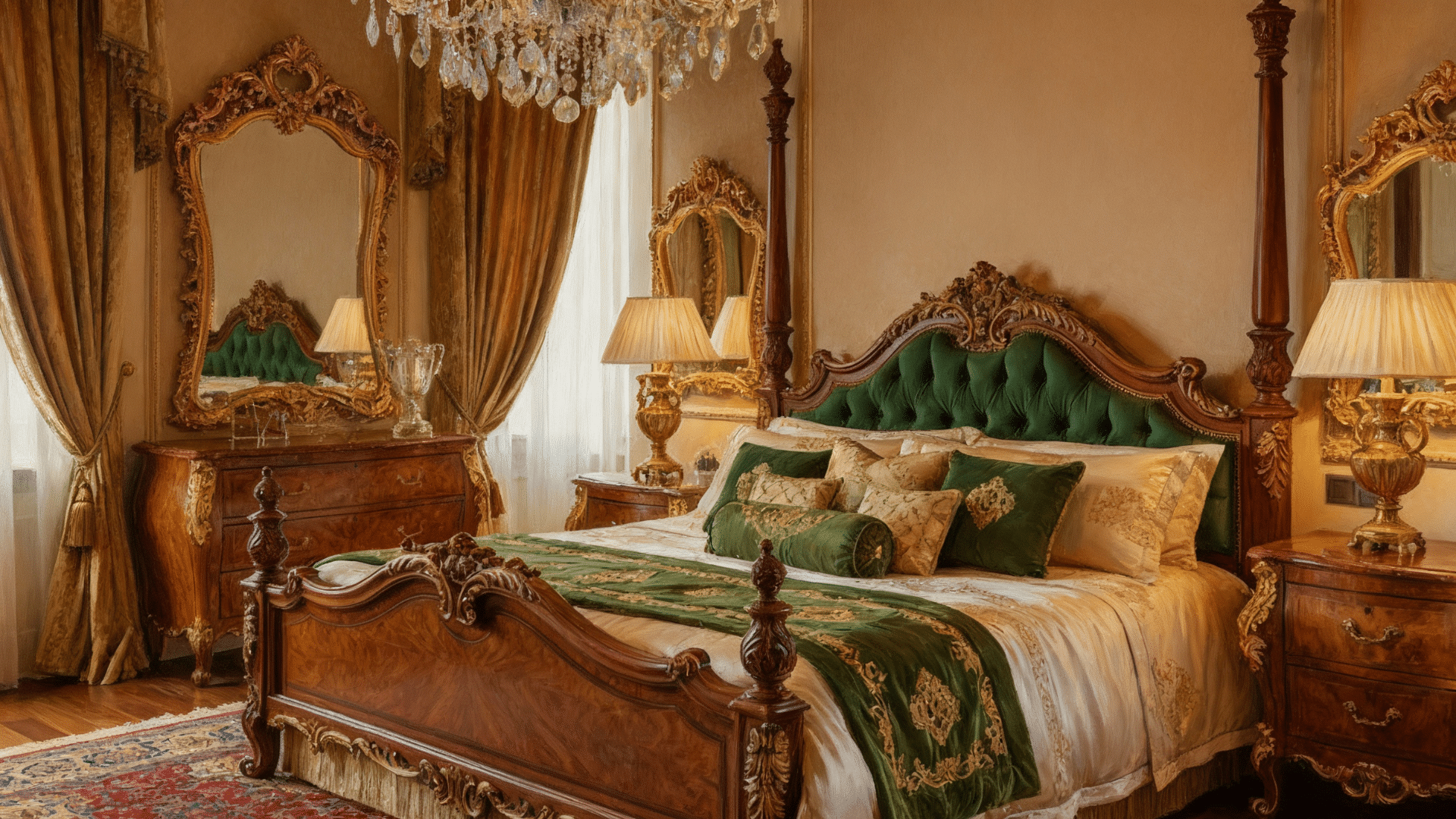
Rococo furniture is fancy and decorative. It started in 18th-century France among wealthy families.
Everything about this style is ornate and curved. Gold leaf, intricate carvings, and luxurious fabrics are everywhere.
The furniture feels light despite all the decoration. Rococo was about showing off wealth and taste. It’s the opposite of simple or minimal.
Characteristics:
- Elaborate curves and scrollwork
- Gold leaf and ornate carvings
- Pastel colors and rich fabrics
- Asymmetrical designs and shell motifs
- Cabriole legs with decorative feet
5. Rustic Furniture
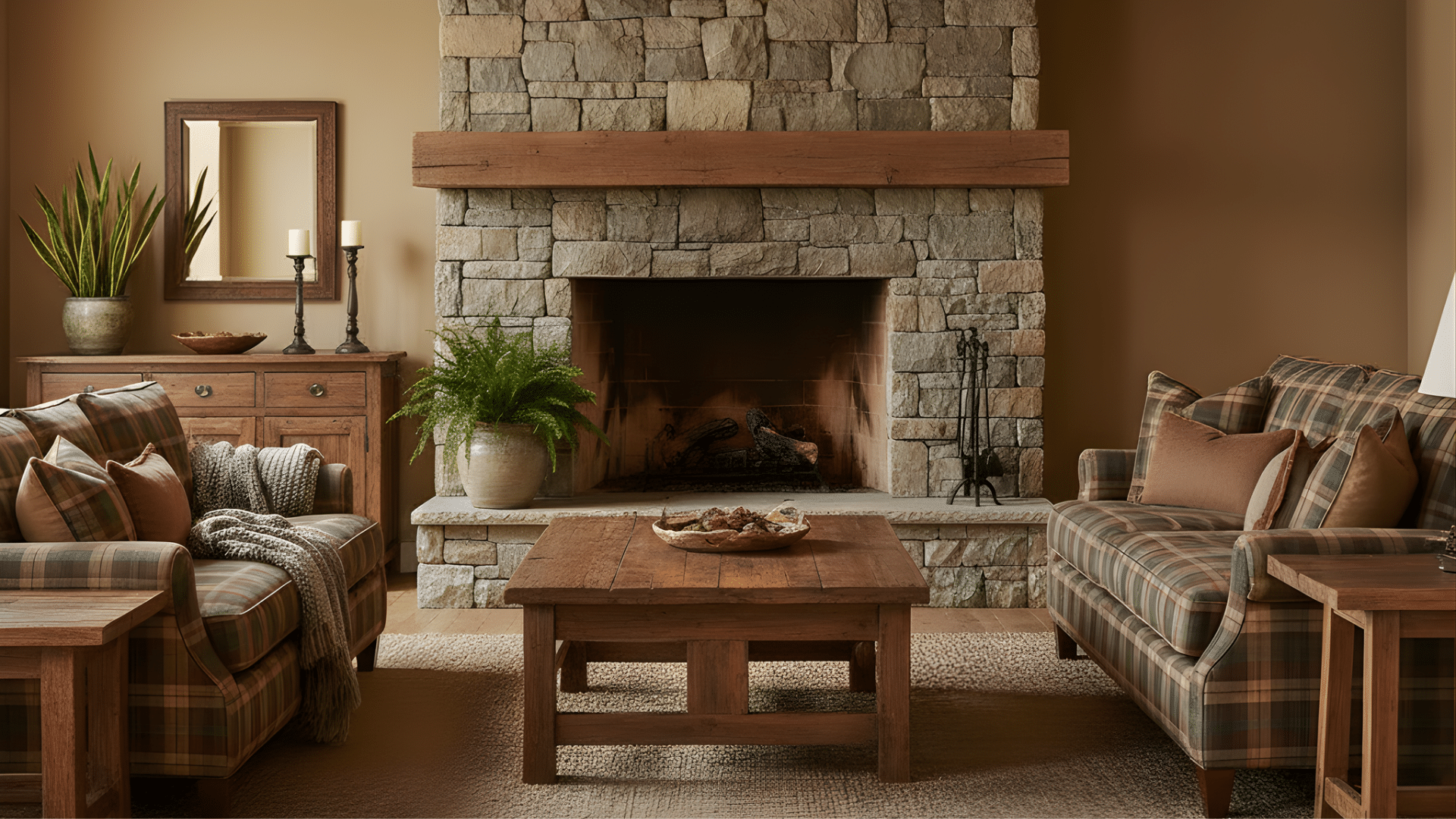
Rustic furniture celebrates natural, raw materials. It looks like it came straight from a cabin or farmhouse.
Wood is usually rough or distressed, showing its natural character. You’ll see knots, grain patterns, and imperfections, and that’s the point.
Characteristics:
- Natural, unfinished, or distressed wood
- Visible knots, grain, and imperfections
- Heavy, solid construction
- Earthy colors and natural tones
- Simple, straightforward designs
6. Art Deco
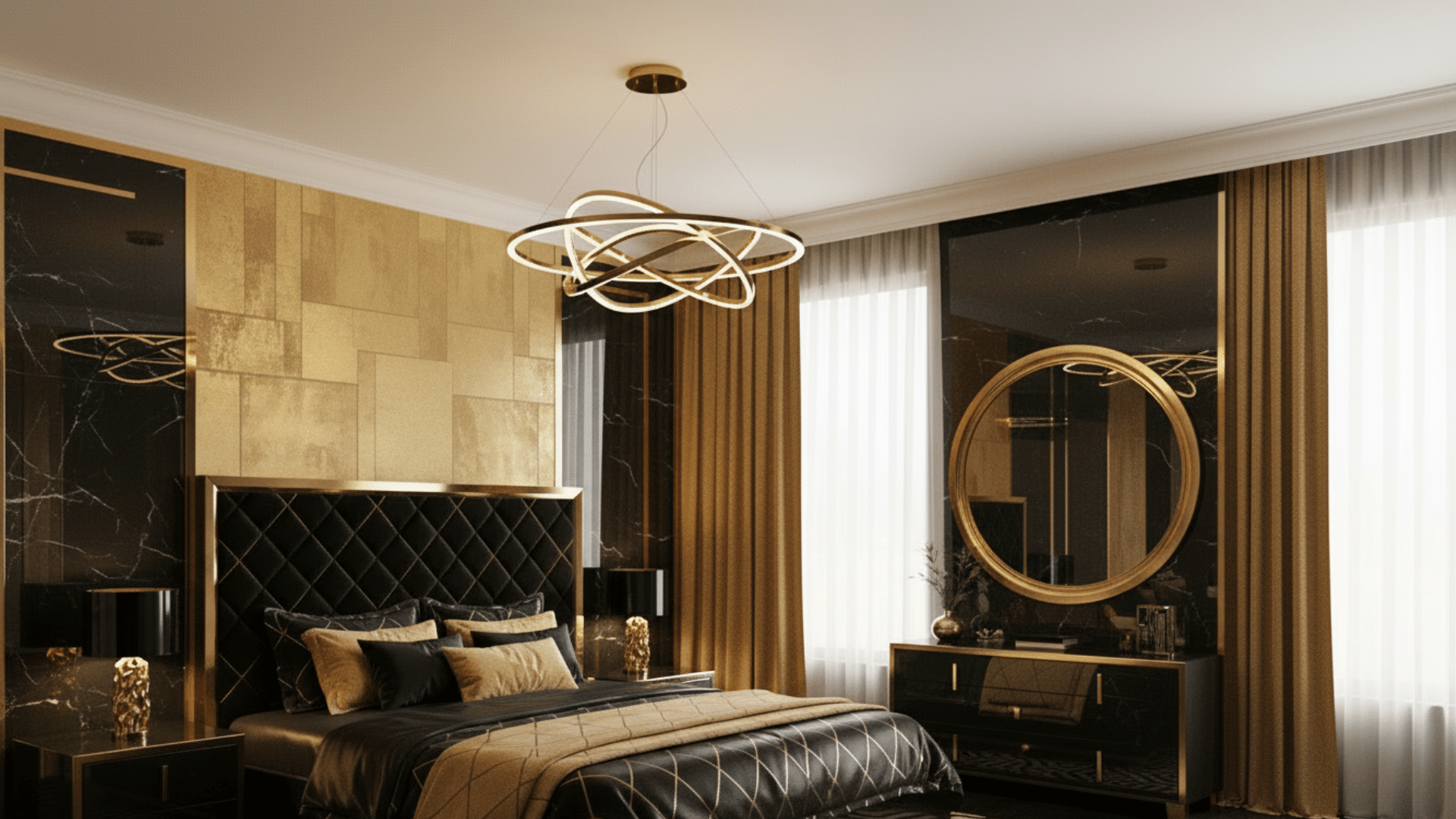
Art Deco ruled the 1920s and 1930s. Think chrome, glass, and exotic woods together.
Art Deco furniture has strong lines and symmetrical designs.
It represented optimism and modernity between the world wars. The style mixed industrial materials with expensive ones.
Characteristics:
- Bold geometric patterns and shapes
- Luxurious materials like chrome and glass
- Rich, contrasting colors
- Symmetrical, streamlined designs
- Sunburst and zigzag motifs
7. Industrial
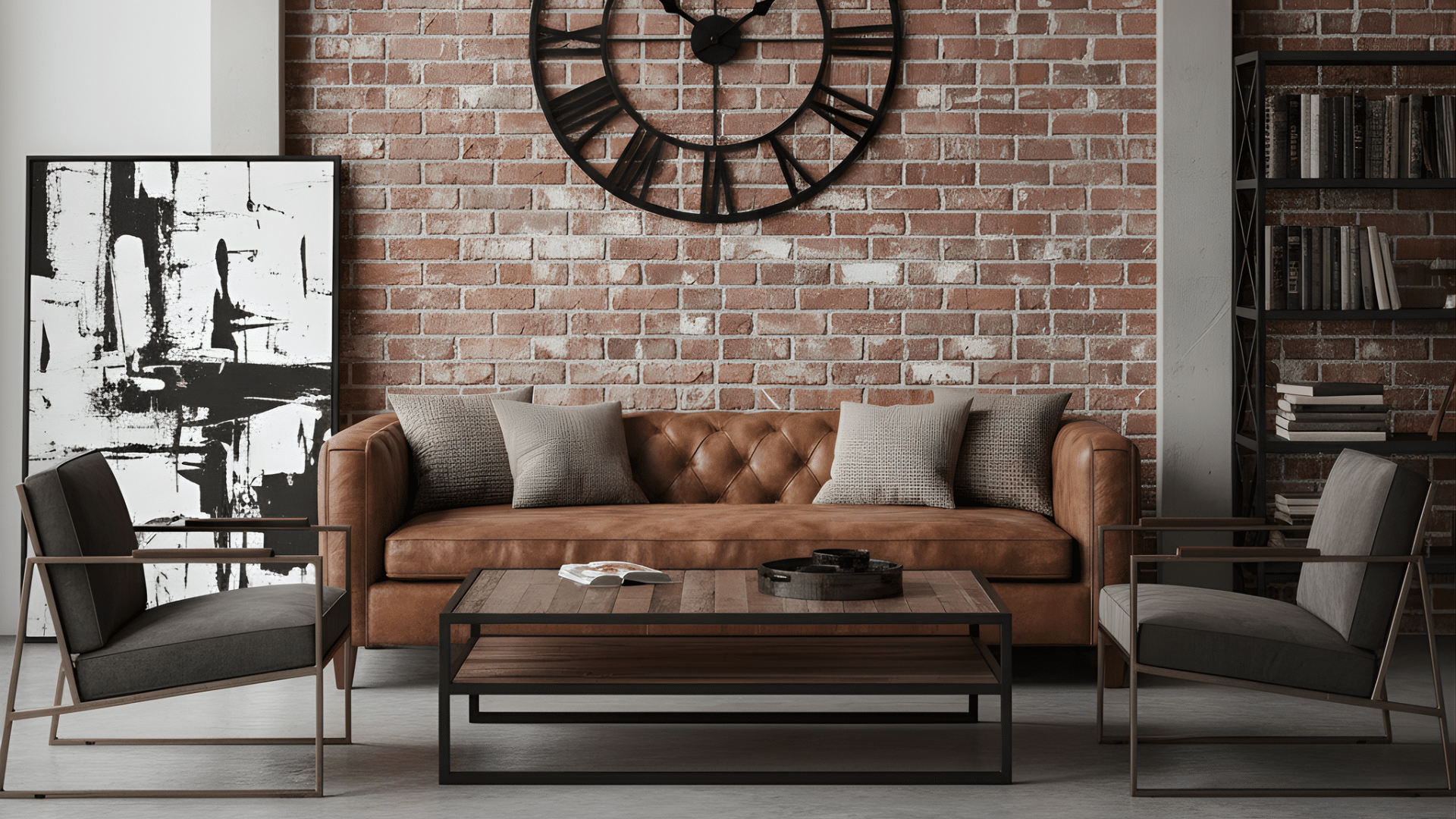
Industrial furniture takes inspiration from old factories and warehouses. It uses materials like metal, reclaimed wood, and exposed hardware.
You’ll see rivets, bolts, and metal frames left visible. Industrial pieces are sturdy and functional.
Characteristics:
- Exposed metal frames and hardware
- Reclaimed or weathered wood
- Unfinished, raw appearance
- Utilitarian, functional design
- Neutral colors with metal accents
8. Art Nouveau
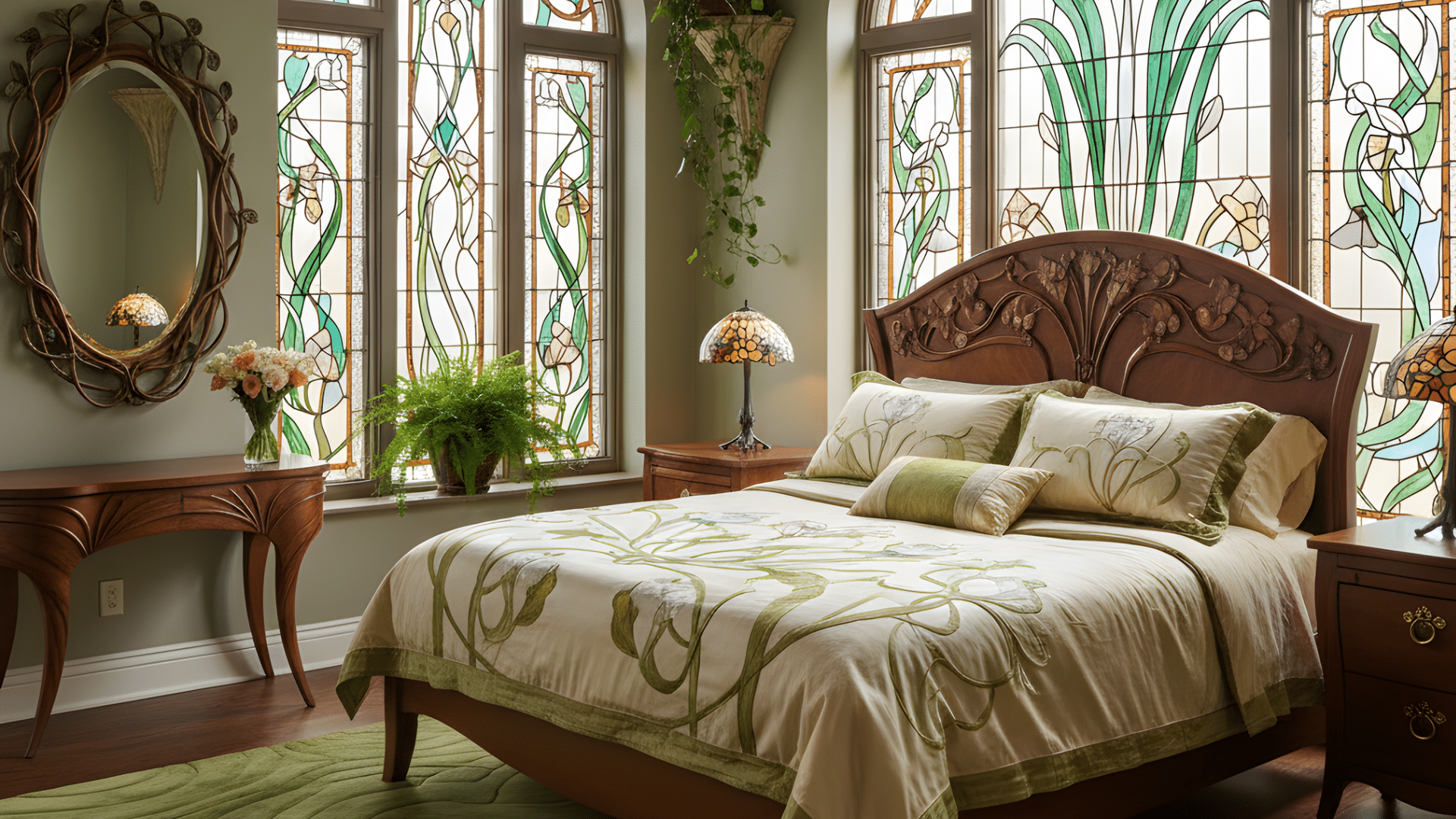
Art Nouveau flourished around 1900. It brought nature indoors through design. Flowing, curving lines mimic plants and flowers.
You’ll see whiplash curves and organic shapes everywhere.
Art Nouveau rejected the rigid styles that came before it. The furniture feels alive and flowing.
Characteristics:
- Flowing, curved lines inspired by nature
- Floral and plant motifs
- Whiplash curves and organic shapes
- Stained glass and intricate inlays
- Asymmetrical, graceful designs
9. Minimalist
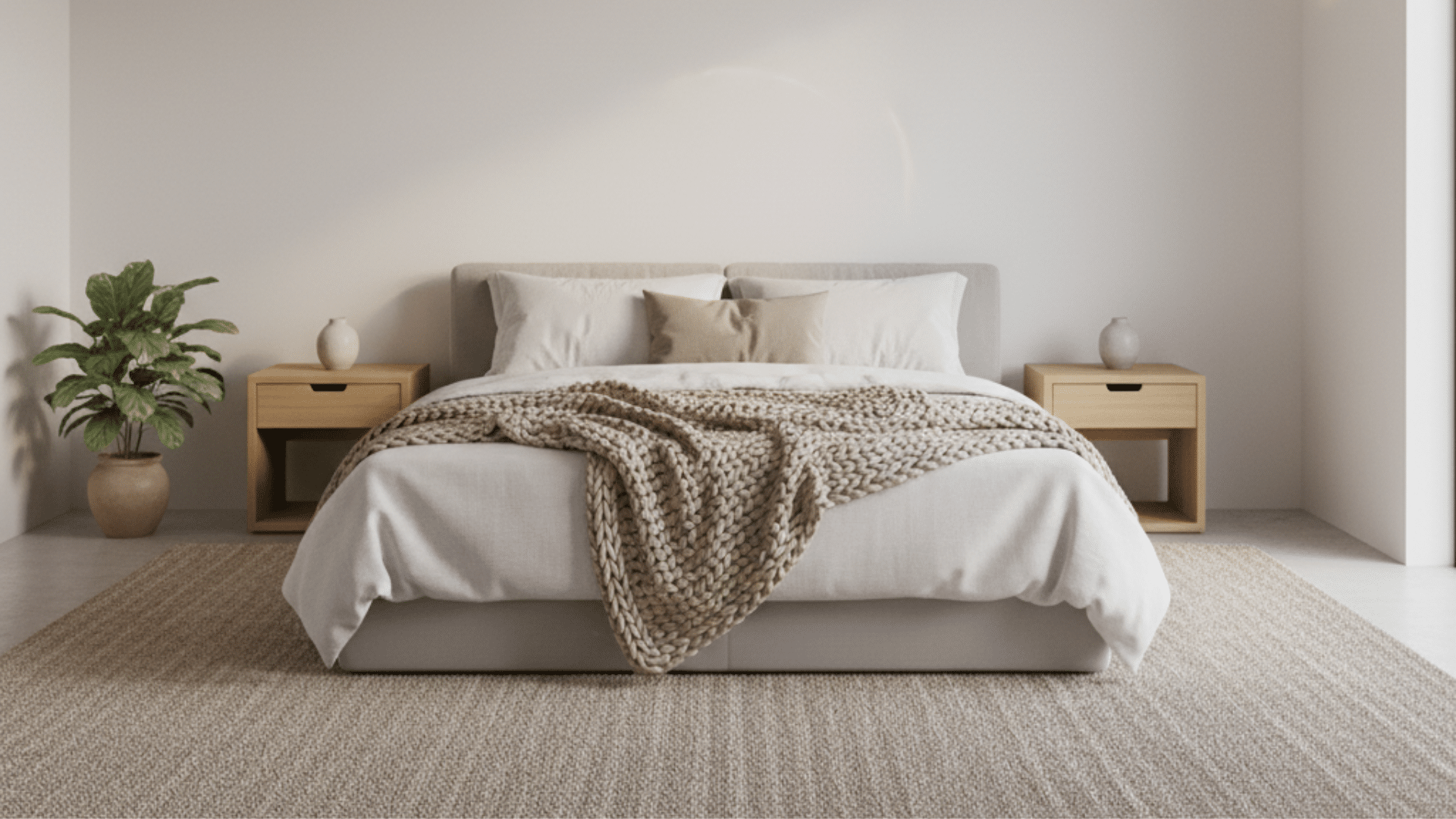
Minimalist furniture strips everything down to basics. Less is more here. Clean lines and simple shapes define this style.
There’s no extra decoration or unnecessary details.
Colors stay neutral, whites, grays, and blacks dominate. Each piece serves a clear purpose. Minimalist furniture creates calm, uncluttered spaces.
Characteristics:
- Extremely clean, simple lines
- Neutral color palette
- No unnecessary decoration
- Focus on function and form
- Open, uncluttered appearance
10. Scandinavian
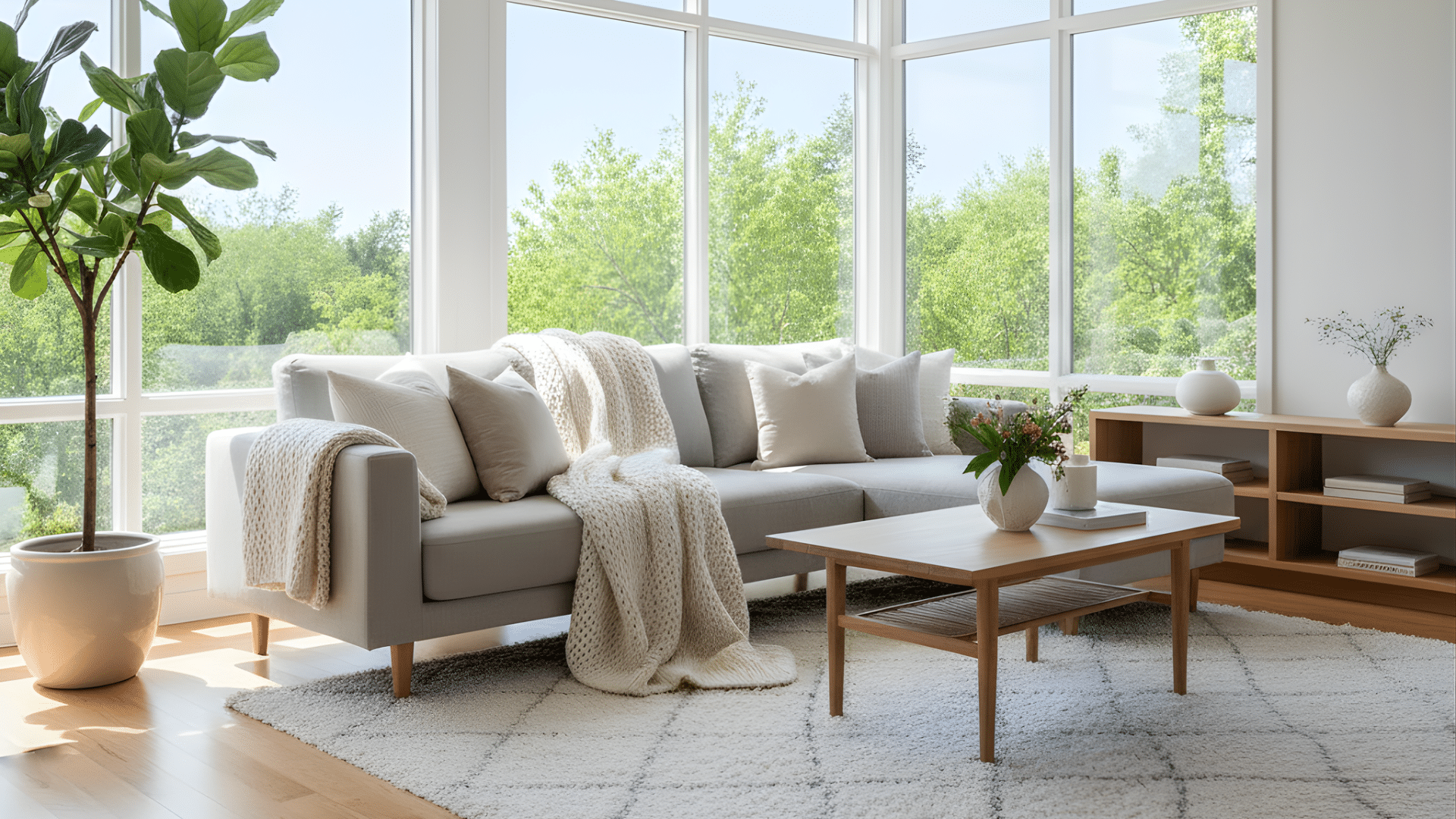
Scandinavian furniture comes from Nordic countries. It balances simplicity with warmth. Light-colored woods like birch and pine are common.
Clean lines mix with soft textures and natural materials. Scandinavian design values craftsmanship and quality. It creates spaces that feel bright and airy.
Characteristics:
- Light-colored woods like birch and ash
- Clean, simple lines with warmth
- Functional and practical design
- Natural materials and textures
- Bright, airy feel with comfort
11. Shabby Chic
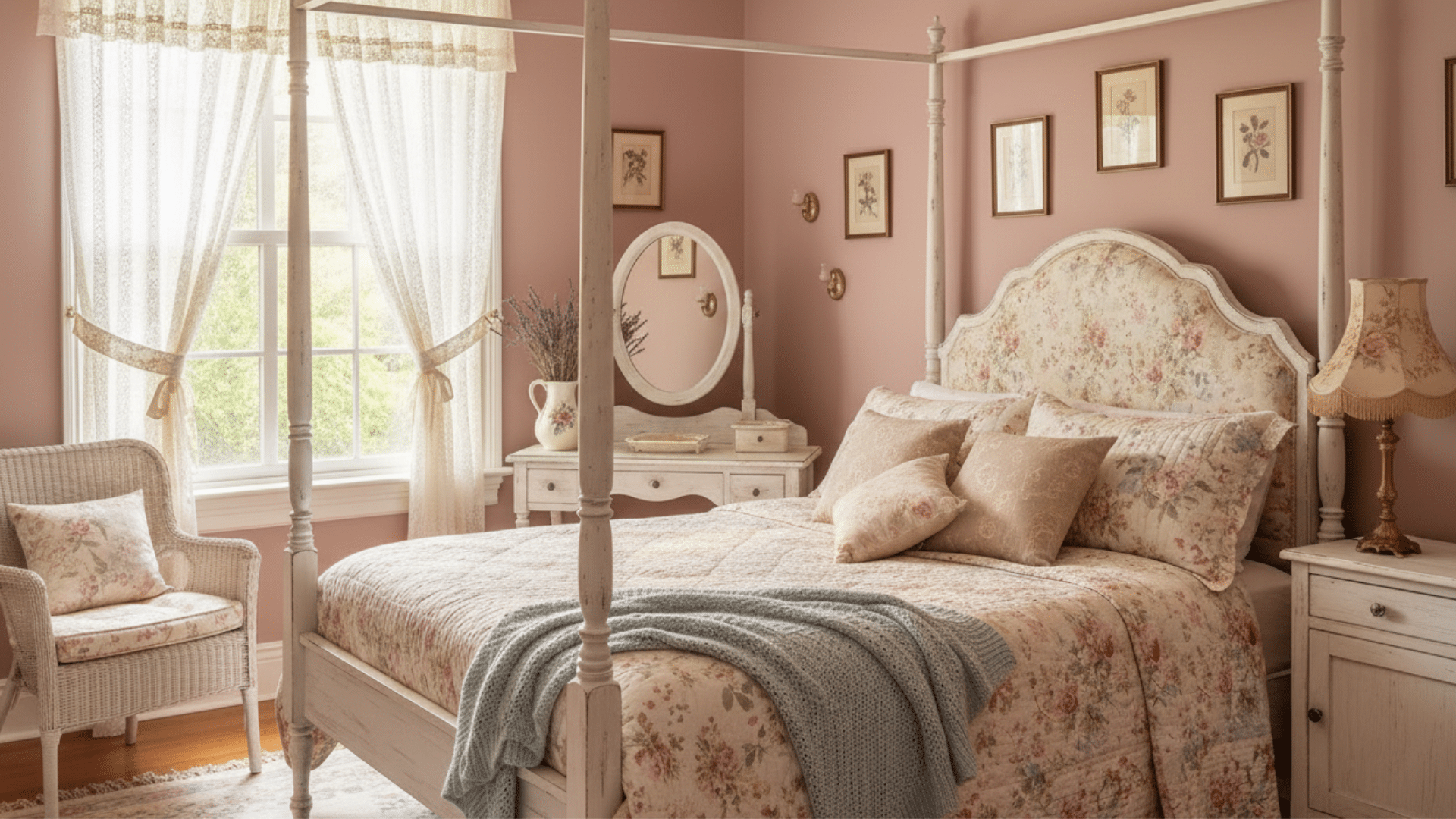
Shabby Chic furniture looks vintage and worn charmingly. It’s about controlled distress and softness.
White and pastel colors dominate this style. You’ll see painted furniture with intentional chips and scratches. Floral patterns and soft fabrics add to the romantic feel.
Vintage pieces mix with newer items. Shabby Chic creates a cozy, lived-in look.
Characteristics:
- Distressed, painted finishes
- Soft, pastel color palette
- Vintage and romantic feel
- Floral patterns and soft fabrics
- Intentionally aged appearance
12. Maximalist
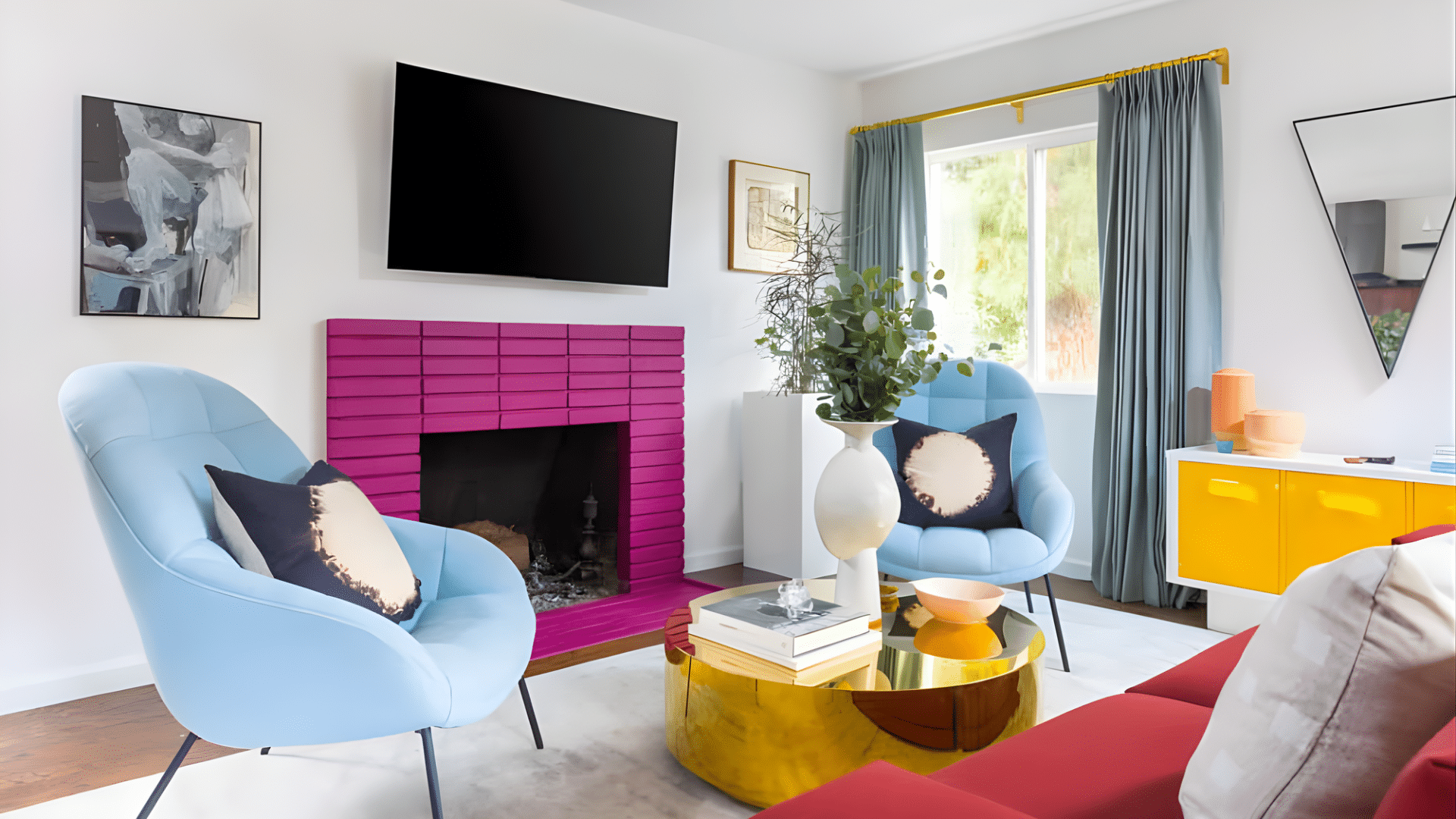
Maximalist furniture is bold and unapologetic. More is more here. Rich colors, patterns, and textures layer together freely.
You’ll see statement pieces with strong personalities. Maximalist spaces feel collected and personal.
Characteristics:
- Bold, rich colors and patterns
- Layered textures and materials
- Mix of styles and periods
- Ornate and decorative pieces
- Personal, collected feel
13. Empire
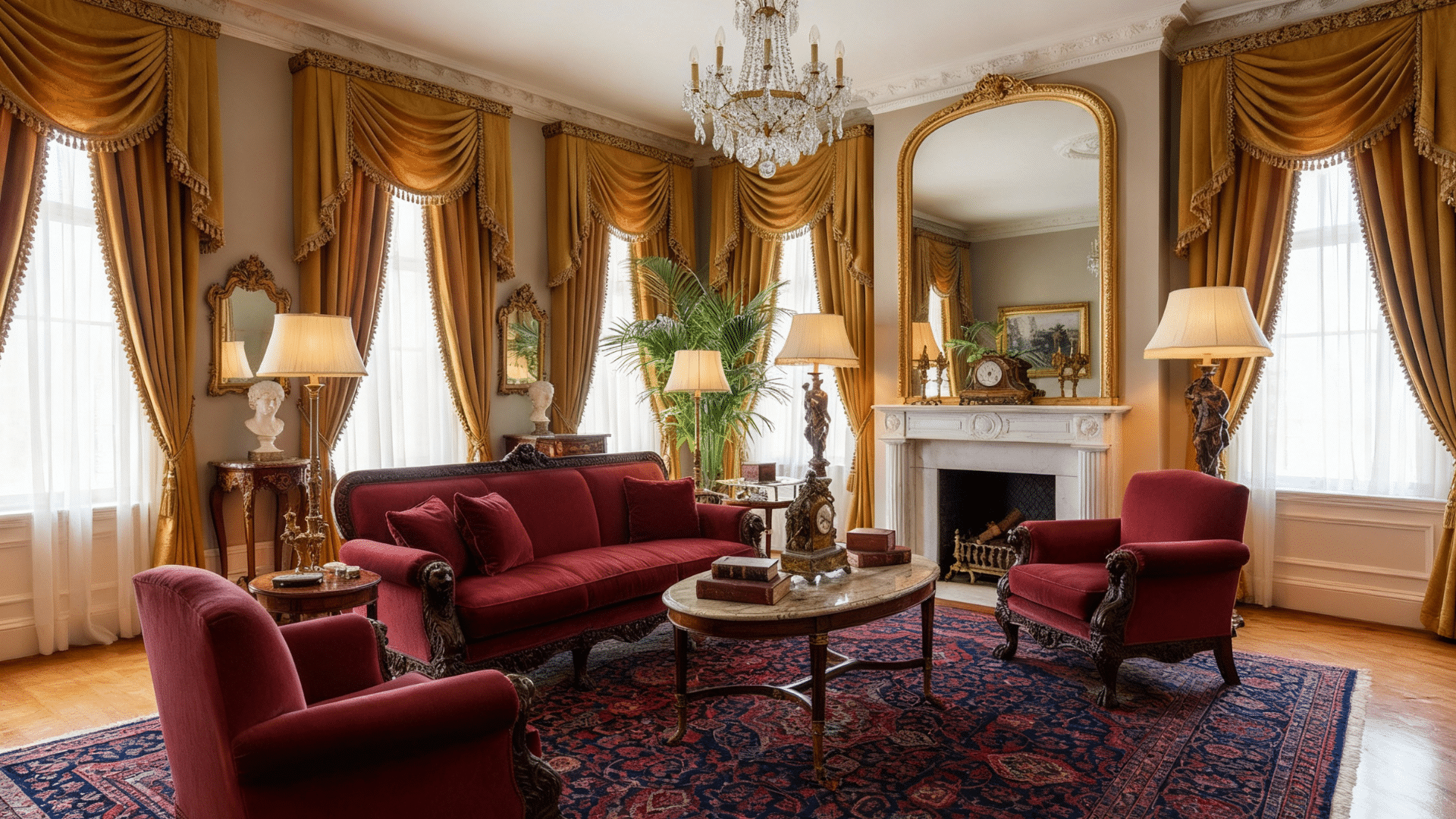
Empire furniture came from Napoleon’s France in the early 1800s. The style borrowed heavily from ancient Greek and Roman designs.
You’ll see columns, laurel wreaths, and military motifs. Dark woods like mahogany were favorites.
Gold accents and rich upholstery add luxury. Empire furniture is symmetrical and imposing. It was meant to show power and sophistication.
Characteristics:
- Classical Greek and Roman motifs
- Dark woods, especially mahogany
- Gold or bronze accents
- Symmetrical, formal designs
- Military symbols and eagle motifs
How to Choose the Right Furniture Style for Your Home?
Picking the right furniture style can feel tricky. But it doesn’t have to be. Here are practical steps to help you choose furniture that fits your home and lifestyle perfectly.
Consider Your Home’s Architecture
Your home’s structure gives you clues about which furniture styles work best. A modern apartment suits contemporary pieces.
An older house might look better with traditional furniture. Look at your doors, windows, and moldings. They tell you what era your home represents.
Think About Your Lifestyle
How you live matters more than trends.
Do you have kids or pets? Choose durable, easy-to-clean furniture. Do you entertain often? You’ll need comfortable seating for guests.
Active households need furniture that can take some wear. Your daily routine should guide your choices. Function comes first, then style follows naturally.
Identify Your Personal Taste
What makes you happy when you look at it? Browse magazines and websites to see what catches your eye. Save images of rooms you love. Notice patterns in what you pick. Do you prefer clean lines or ornate details? Bold colors or neutrals? Your gut reaction tells you a lot about your style preferences.
Measure Your Space
Measure every room before buying anything. Write down the dimensions and keep them with you. Big furniture overwhelms small rooms.
Too-small pieces get lost in large spaces. Consider doorways and hallways. Leave enough space to walk around comfortably. Proper proportions make rooms feel balanced.
Test Before Buying
Never buy furniture without experiencing it first. Sit on sofas and chairs for several minutes.
Open drawers and check how smoothly they move. Feel the fabric and finish quality. If buying online, check the return policy carefully.
Some furniture looks great in photos but disappoints in person.
Conclusion
So there you have it. Furniture styles don’t have to be a mystery anymore.
Don’t rush your decision. Take time to think about which style fits your lifestyle and home. Mix styles if that feels right. There are no strict rules here.
Start looking at furniture with fresh eyes. Visit a few stores or browse online.
Got questions or want to share which style you picked? Drop a comment below.
Happy decorating!