Painting a home’s exterior isn’t cheap. Most people get sticker shock when they see quotes. The cost to paint the exterior of the house depends on size, materials, and labor.
But the thing is, without knowing what drives these expenses, it’s tough to budget properly.
Knowing the breakdown helps. When you know where your money goes, you make smarter choices. You spot fair pricing and avoid overpaying.
This blog breaks down every expense. From paint and prep work to labor and extras, you’ll see the full vision. No surprises, just clear numbers.
Disclaimer: The figures discussed in the blog are estimates and averages. The actual costs may vary.
Average Cost to Paint a House Exterior
The exterior paint cost varies widely based on several factors. On average, most houses fall between $3,000 and $8,000 for a complete job. But that’s just a starting point.
Size matters most here. A small 1,500-square-foot home might cost around $2,500. Meanwhile, a larger 3,000-square-foot property can easily reach $10,000 or more.
Location plays a role, too. Urban areas tend to charge higher rates than rural ones.
The type of siding also affects pricing. Wood, brick, and stucco each require different prep work and materials.
Don’t forget the paint quality. Budget paints save money upfront but fade faster.
Premium options cost more initially but last longer. Labor typically accounts for 70-80% of the total bill.
Cost Breakdown by Home Size
Home size directly impacts the exterior house painting cost. Larger homes need more paint, more labor hours, and more prep work.
| Home Size (sq ft) | Estimated Cost Range | Average Cost |
|---|---|---|
| 1,000 – 1,500 | $1,800 – $3,500 | $2,650 |
| 1,500 – 2,000 | $2,500 – $5,000 | $3,750 |
| 2,000 – 2,500 | $3,500 – $6,500 | $5,000 |
| 2,500 – 3,000 | $5,000 – $8,500 | $6,750 |
| 3,000 – 4,000 | $7,000 – $12,000 | $9,500 |
| 4,000+ | $10,000 – $16,000+ | $13,000 |
These figures include labor and materials. They assume standard one-story to two-story homes with typical siding. Homes with complex architecture or hard-to-reach areas will cost more.
Detailed Cost Breakdown – Materials, Labor, and Prep Work
Every paint job has three main expense categories.
Materials, labor, and prep work each take a slice of the budget. Understanding these components helps you see where your money actually goes.
1. Paint and Primer Costs
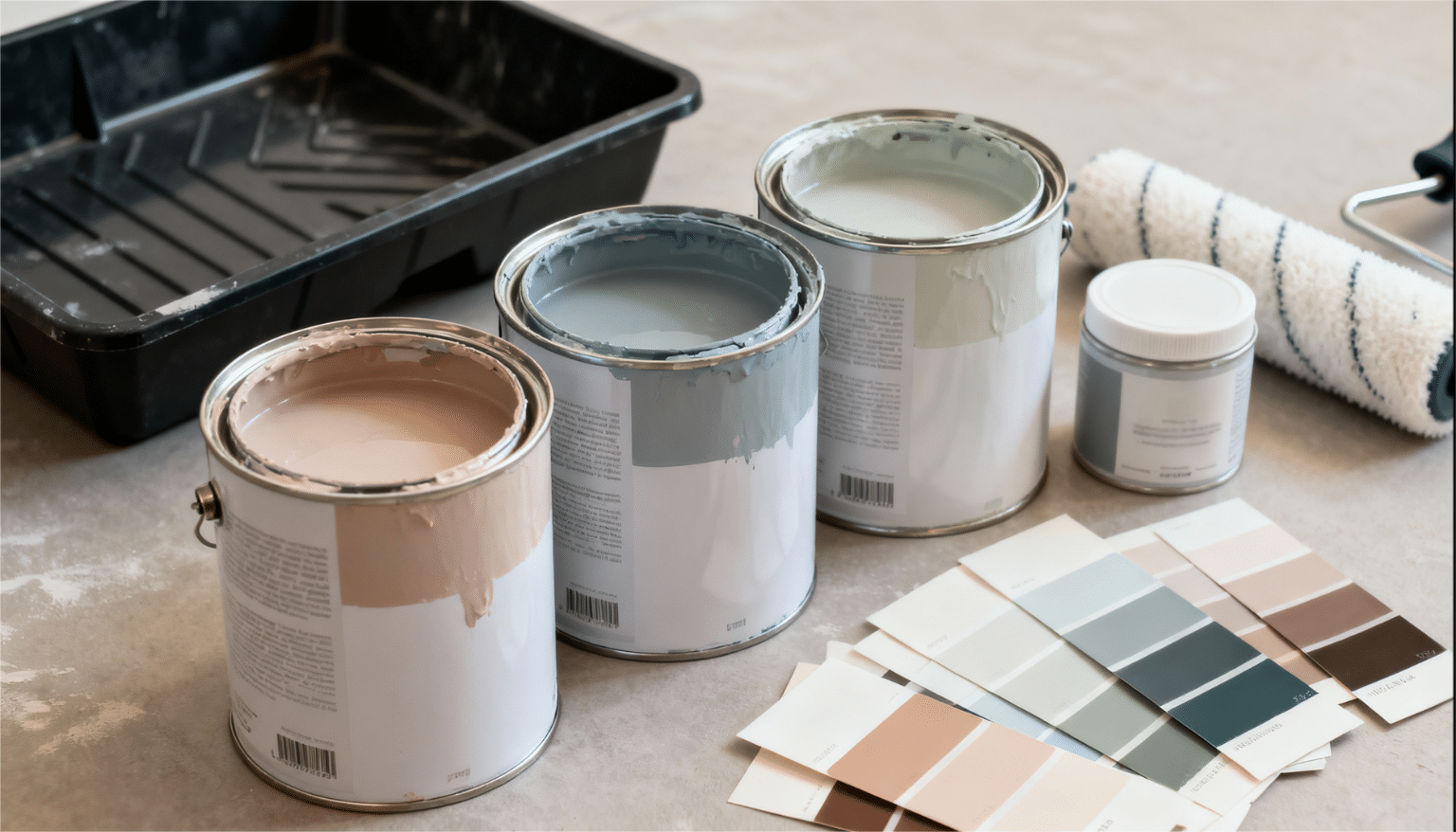
Paint quality makes a big difference in your budget. Budget-grade exterior paint costs $25-$35 per gallon. Mid-range options run $35-$50 per gallon. Premium paints go for $50-$80 per gallon or more.
Most homes need 10-15 gallons for a single coat. Two coats are standard, so double that amount.
Primer adds another $20-$30 per gallon. A typical 2,000-square-foot home requires $500-$1,200 in paint and primer alone. Better paint lasts 7-10 years, while cheaper paint fades in 3-5 years.
2. Labor Costs
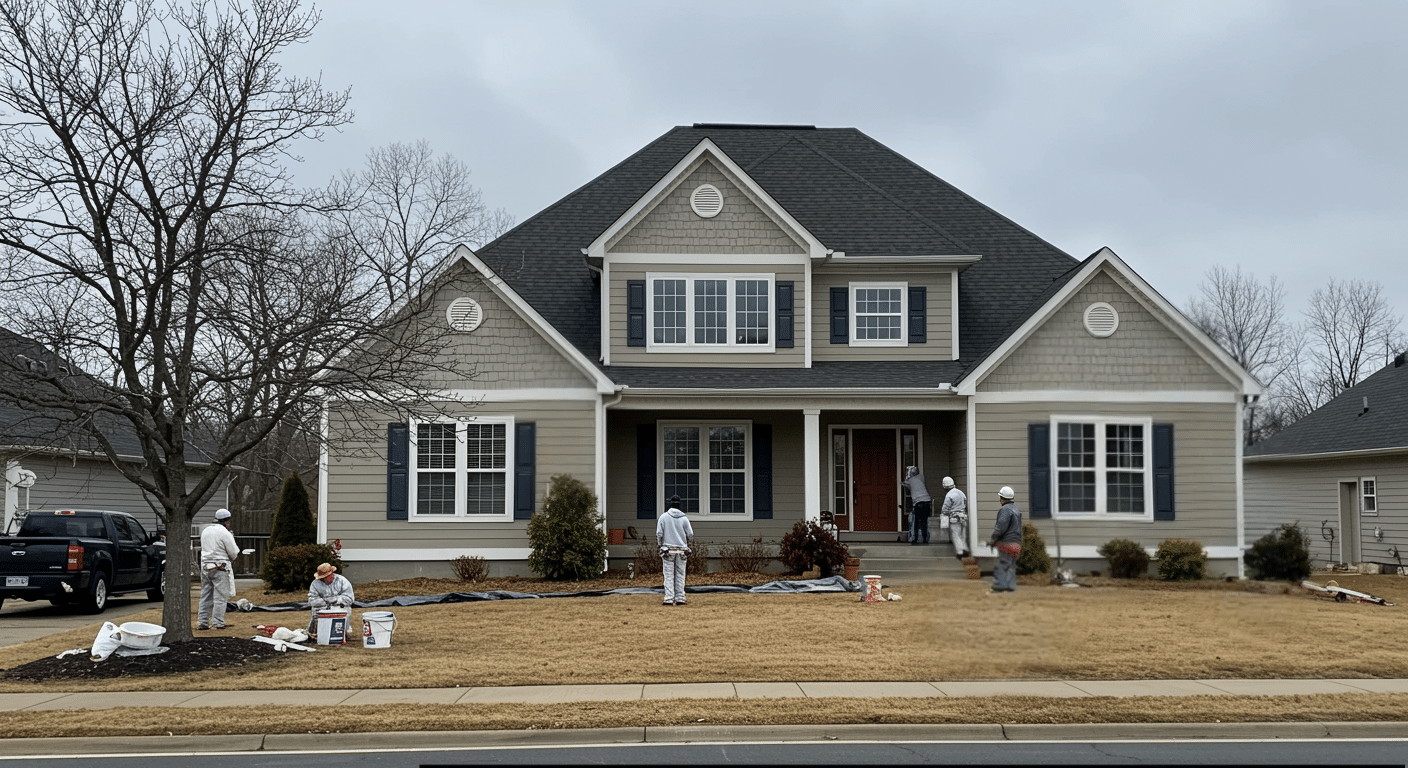
Labor eats up the biggest chunk of your budget. Professional painters charge $25-$100 per hour, depending on location and experience. Most projects are quoted at $1.50 to $4.00 per square foot.
A standard two-story home takes 3-5 days with a crew of 2-3 painters. That’s roughly 40-60 labor hours total. Expect to pay $2,000-$6,000 just for labor on an average-sized home.
Complex homes with detailed trim, multiple stories, or difficult access cost more.
Location matters too; cities charge higher rates than small towns.
3. Surface Preparation Costs
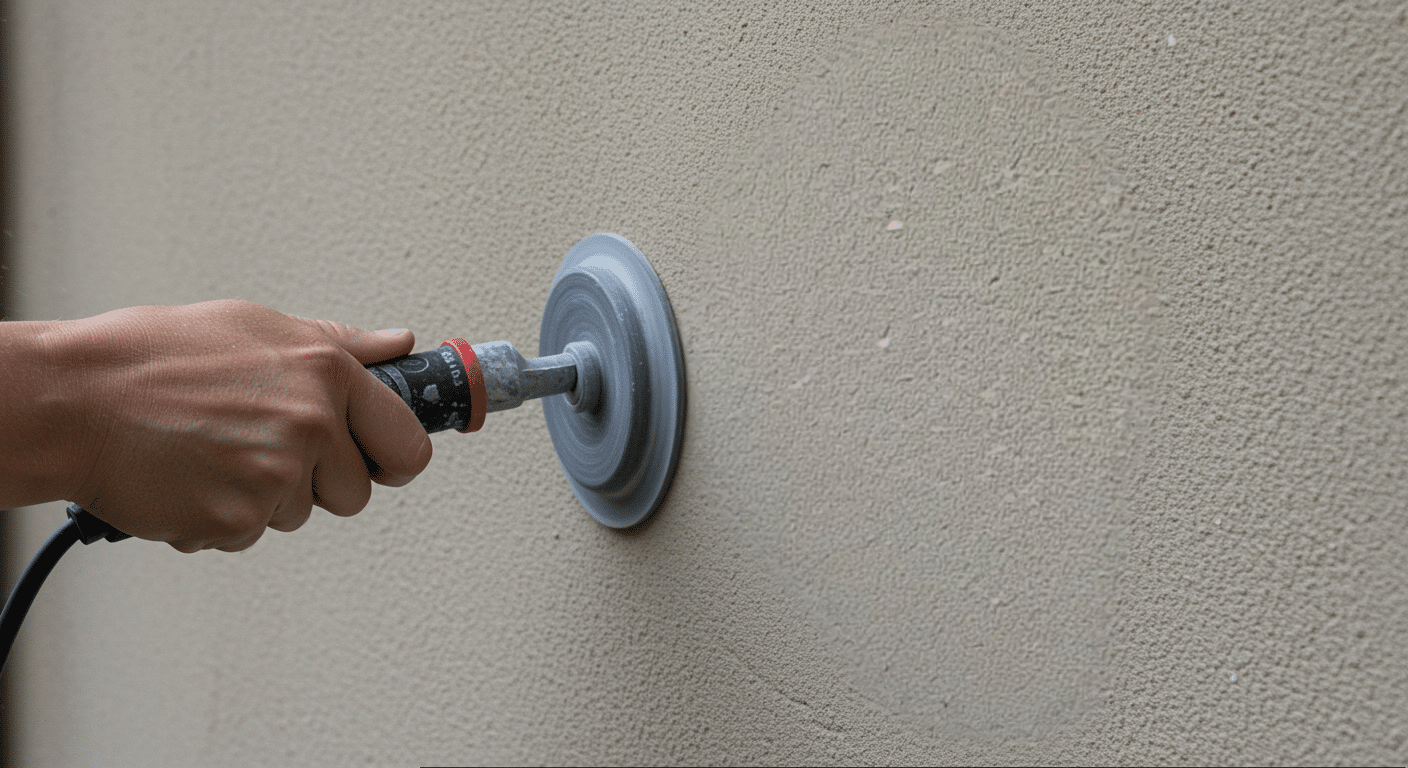
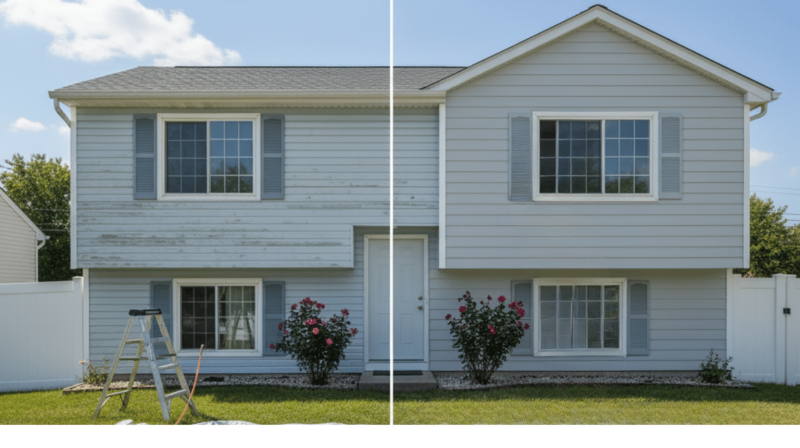
Prep work determines how long your paint job lasts. This step includes power washing, scraping old paint, filling cracks, and sanding rough spots. It takes time, but it prevents peeling and bubbling later.
Power washing alone costs $200-$500 for most homes. Scraping and sanding add $300-$800, depending on condition.
Caulking and patching run another $150-$400. Severely damaged siding needs repairs first, which can add $500-$2,000 or more.
Total prep costs range from $650 to $1,700 for average homes. Skipping this step saves money now but causes problems later.
4. Equipment and Supplies
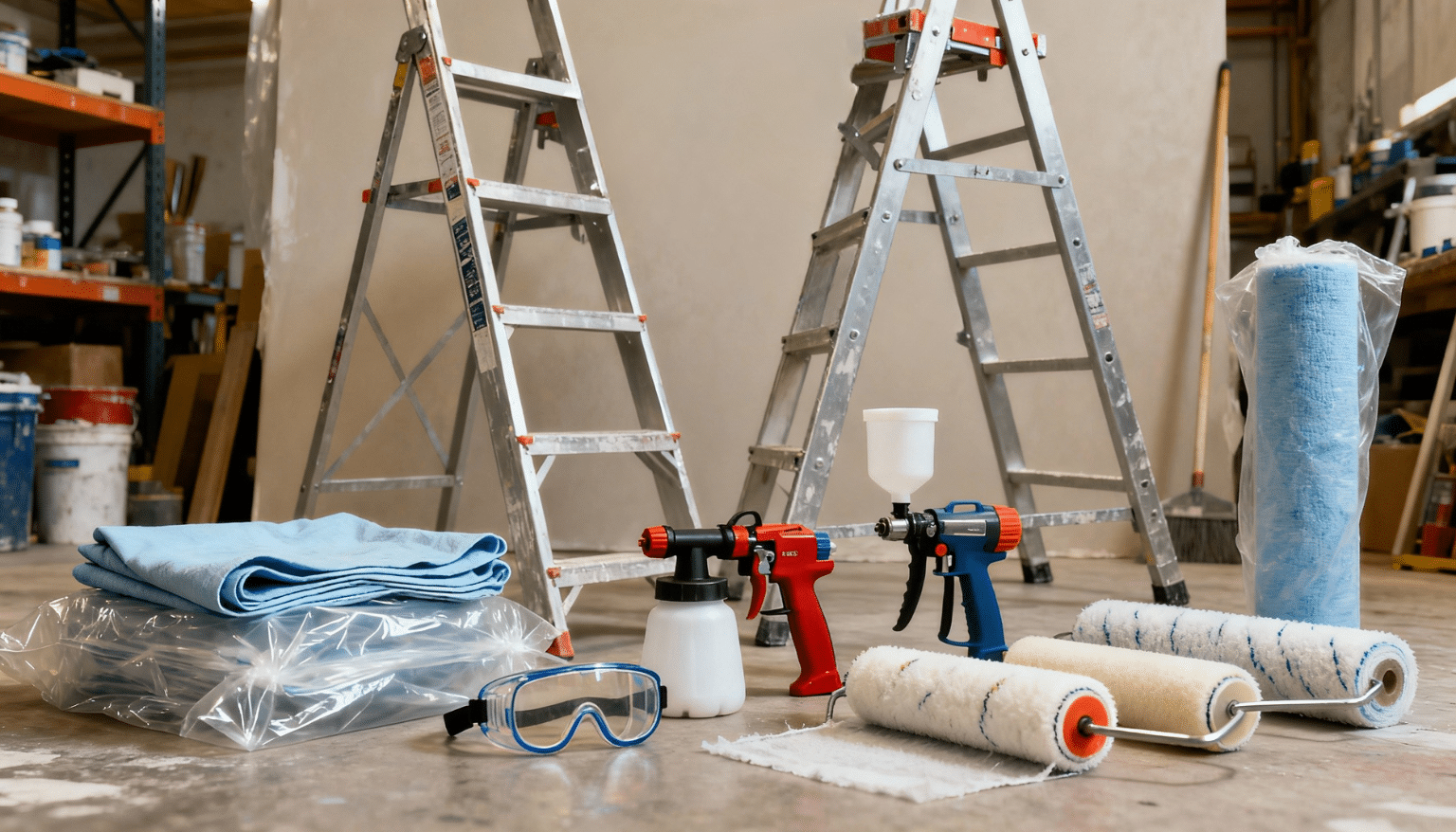
Professional crews bring their own gear, but these costs factor into quotes. Ladders, scaffolding, and lifts for tall homes run $200-$800 in rental fees. Drop cloths, tape, and plastic sheeting add $100-$200.
Sprayers cost $300-$1,000 to rent or operate. Brushes, rollers, and trays run $50-$150.
Safety equipment like masks and goggles adds another $50-$100. Cleanup supplies and disposal fees tack on $75-$150.
All told, equipment and supplies cost $775-$2,400. DIY projects save on labor but still need this gear.
Factors Affecting the Cost
Multiple variables influence what you’ll pay for exterior painting. Each factor can significantly increase or decrease costs.
| Factor | Impact on Cost | Price Difference |
|---|---|---|
| Home Size | Larger homes need more paint and labor | +$2,000 – $8,000 |
| Number of Stories | Multi-story homes require scaffolding | +$500 – $2,000 |
| Siding Type | Wood, brick, and stucco have different needs | +$300 – $1,500 |
| Surface Condition | Damaged surfaces need extra prep | +$500 – $3,000 |
| Paint Quality | Premium paints cost more upfront | +$400 – $1,200 |
| Trim and Details | Extra trim adds labor time | +$300 – $1,000 |
| Geographic Location | Urban areas charge higher rates | +20% – 40% |
| Season | Peak season (summer) costs more | +10% – 25% |
Key Budgeting Tips
Smart planning cuts costs without sacrificing quality. A few strategic decisions can save hundreds or even thousands of dollars.
- Get Multiple Quotes: Request at least three estimates from licensed painters. Compare what’s included in each quote. This helps you spot fair pricing and avoid overcharges.
- Choose Off-Season Timing: Schedule your project in the fall or early spring. Painters charge less during slower months. You’ll save 10-25% compared to peak summer rates.
- Do Your Own Prep Work: Handle power washing, scraping, and minor repairs yourself. Prep work costs $650-$1,700 when professionals do it. DIY saves that entire amount.
- Buy Quality Paint: Invest in better paint that lasts 8-10 years. Cheap paint needs repainting sooner. The upfront cost pays off long-term.
- Bundle Projects: Combine exterior painting with other outdoor work. Contractors often discount bundled services.
Wrapping it Up
Knowing the cost to paint the exterior of the house helps you plan better and avoid surprises. You now know what drives pricing, from materials and labor to prep work and home size.
Use this information to get fair quotes and make informed decisions.
Get estimates from three local painters this week. Compare their breakdowns carefully. Remember, cheaper isn’t always better if it means redoing the job sooner.
Have questions about your specific situation? Drop a comment below.