
Ever stared at leftover exterior paint and thought about using it indoors?
I’ve been there. That half-empty can is taking up space, and you’re thinking about using it for your bedroom walls. Why waste money on new paint, right?
But wait. Can you use exterior paint inside without any risks? The answer might surprise you.
Exterior paint contains chemicals that work great outdoors but can cause serious problems inside your living spaces.
Before you grab that brush, let me tell you what you need to know.
So, Can You Use Exterior Paint Indoors?
No, you shouldn’t use exterior paint inside your house. It’s actually dangerous for your health.
Exterior paint contains chemicals called VOCs. These help the paint resist rain and sun. But indoors, they release toxic fumes into your home.
The smell can linger for months or even years. Your family breathes in these harmful vapors every day.
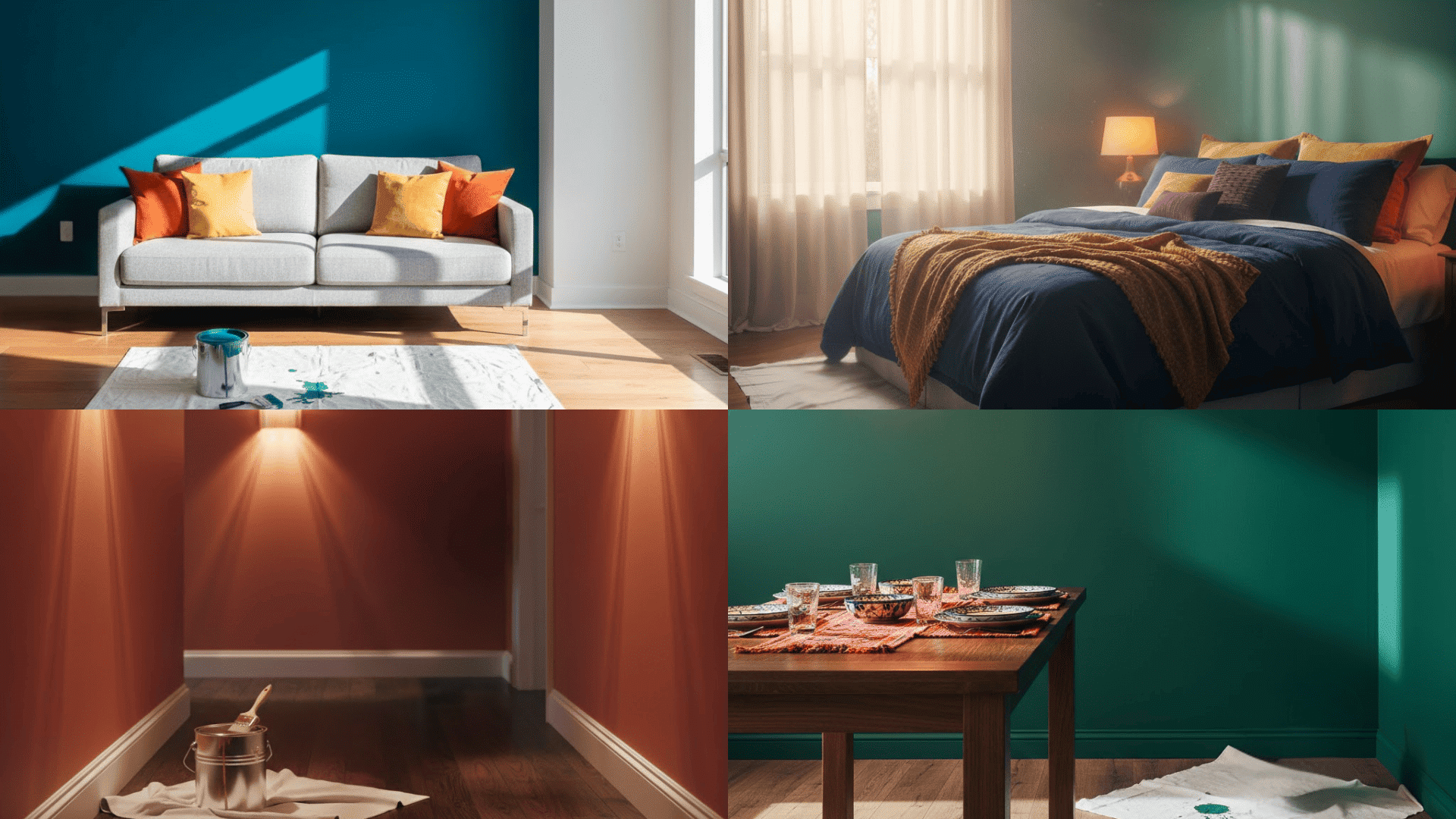
Exterior Paint in Living Room
Your living room is where your family gathers daily. Using exterior paint here exposes everyone to constant chemical fumes.
Kids play on the floor. Pets lounge on furniture. Everyone breathes in the toxic air during movie nights and family time.
The upholstered furniture in living rooms absorbs these chemicals.
Exterior Paint in Bedroom
Bedrooms are the worst place for exterior paint. You spend about 8 hours sleeping there each night.
These fumes cause headaches, dizziness, and nausea.
Some people develop breathing problems over time. Children and elderly family members face the most significant risks.
Exterior Paint in Hallway
Hallways connect all your rooms.
Fumes spread everywhere through your HVAC system and natural air circulation.
These narrow spaces often have limited windows. Toxic fumes build up quickly with nowhere to escape.
Exterior Paint in Dining Room
Your dining room is where you share meals with loved ones. Exterior paint fumes can actually affect your food.
Food absorbs chemical odors from the air around it. Your meals might taste strange.
High traffic areas like dining rooms stir up more chemical particles.
Can You Use Exterior Paint Inside a Garage?
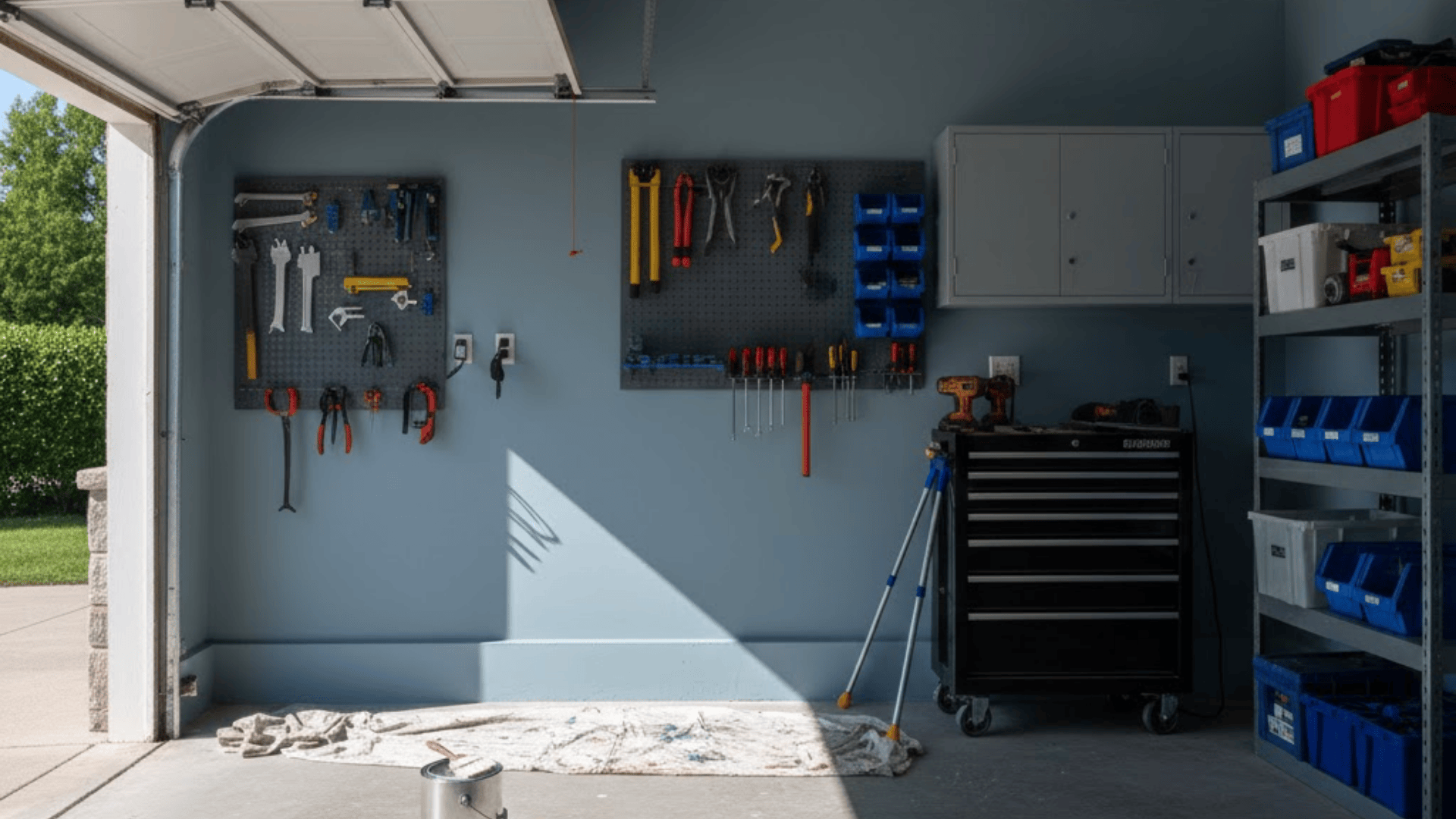
You can use exterior paint inside a detached garage, but avoid it in attached garages. The toxic fumes from exterior paint will seep into your home if the garage connects to your living space.
Detached garages are safer since they’re separate from where you live.
But you’ll still breathe in harmful chemicals if you spend time working there.
Exterior Paint on Garage Walls
Garage walls might seem like a good spot for exterior paint. After all, garages handle temperature changes and moisture.
But the VOCs in exterior paint create health risks even in garages.
Interior paint formulated for high-traffic areas works better. It gives you durability without the dangerous off-gassing.
Exterior Paint in Attached Garage
Never use exterior paint in an attached garage. This space is directly connected to your home.
Every time you open the door between your garage and house, you let fumes inside. Your HVAC system may pull air from the garage, too.
Family members walking through the garage track in chemical particles on their shoes. Pets that spend time in the garage carry fumes on their fur.
Can You Use Exterior Paint Inside on Trim?
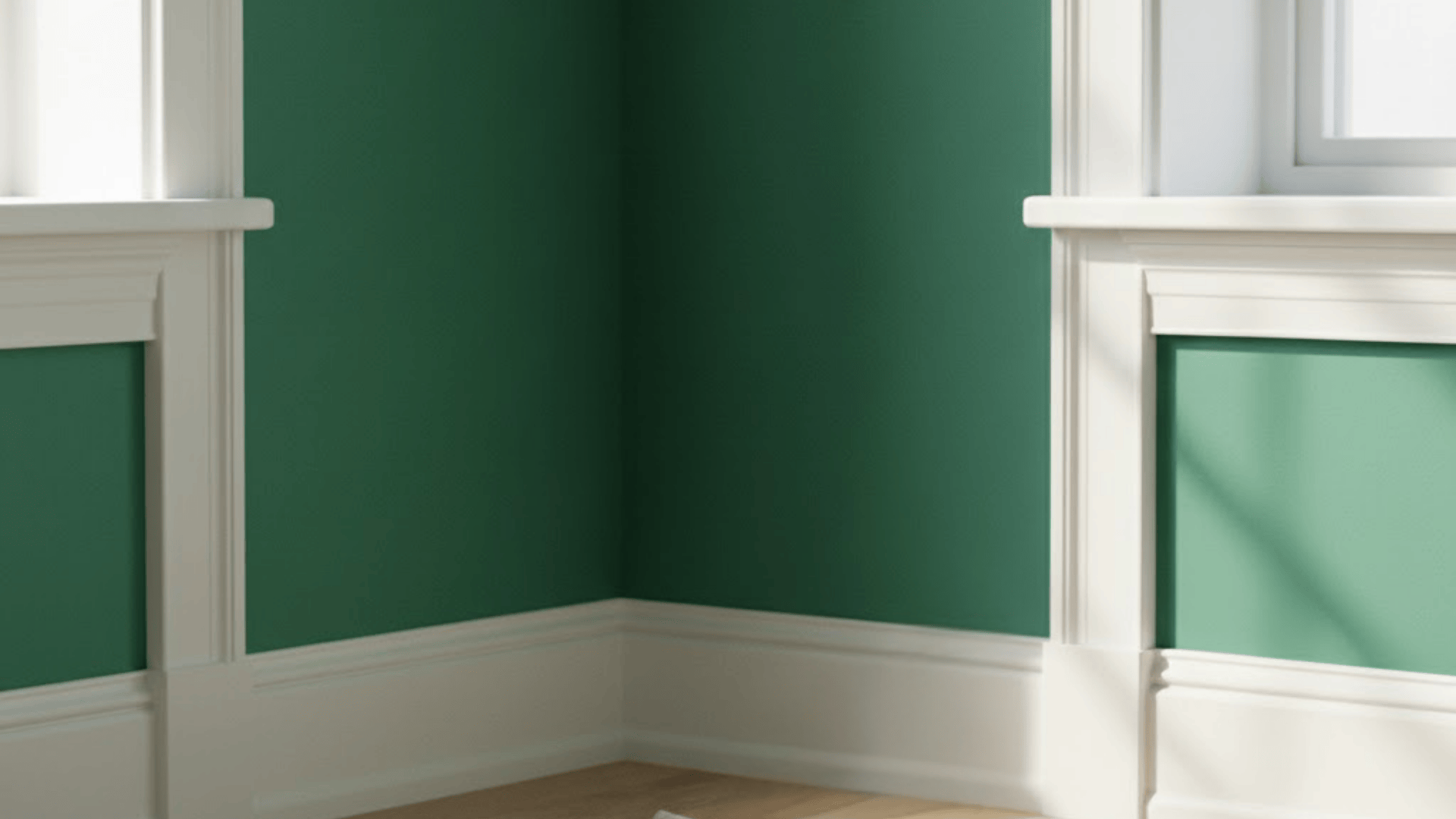
No, avoid using exterior paint on interior trim. Trim pieces are close to where you touch, sit, and breathe daily.
Door frames, baseboards, and window trim sit at hand level and floor level. This puts the toxic fumes right in your breathing zone.
Exterior Paint on Door Frames
Door frames get touched constantly throughout the day. The chemicals transfer to your skin with every touch.
Children put their hands near their faces after touching doors.
Use semi-gloss interior paint on door frames. It cleans easily and dries without toxic off-gassing.
Exterior Paint on Window Trim
Window trim sits right where you open windows for fresh air. Sunlight heats up the trim, which accelerates VOC release.
Your sunny windows become hotspots for chemical off-gassing throughout the day.
Choose interior trim paint with mildew resistance for windows. It handles condensation without the harsh chemicals.
Exterior Paint on Baseboards
Baseboards run along every wall in your home. Pets and small children spend time at floor level, breathing in concentrated chemicals.
Vacuuming and foot traffic stir up paint particles that become airborne.
Apply durable interior paint rated for high traffic areas. It stands up to scuffs without poisoning your air.
Can You Use Exterior Paint Inside a Bathroom?
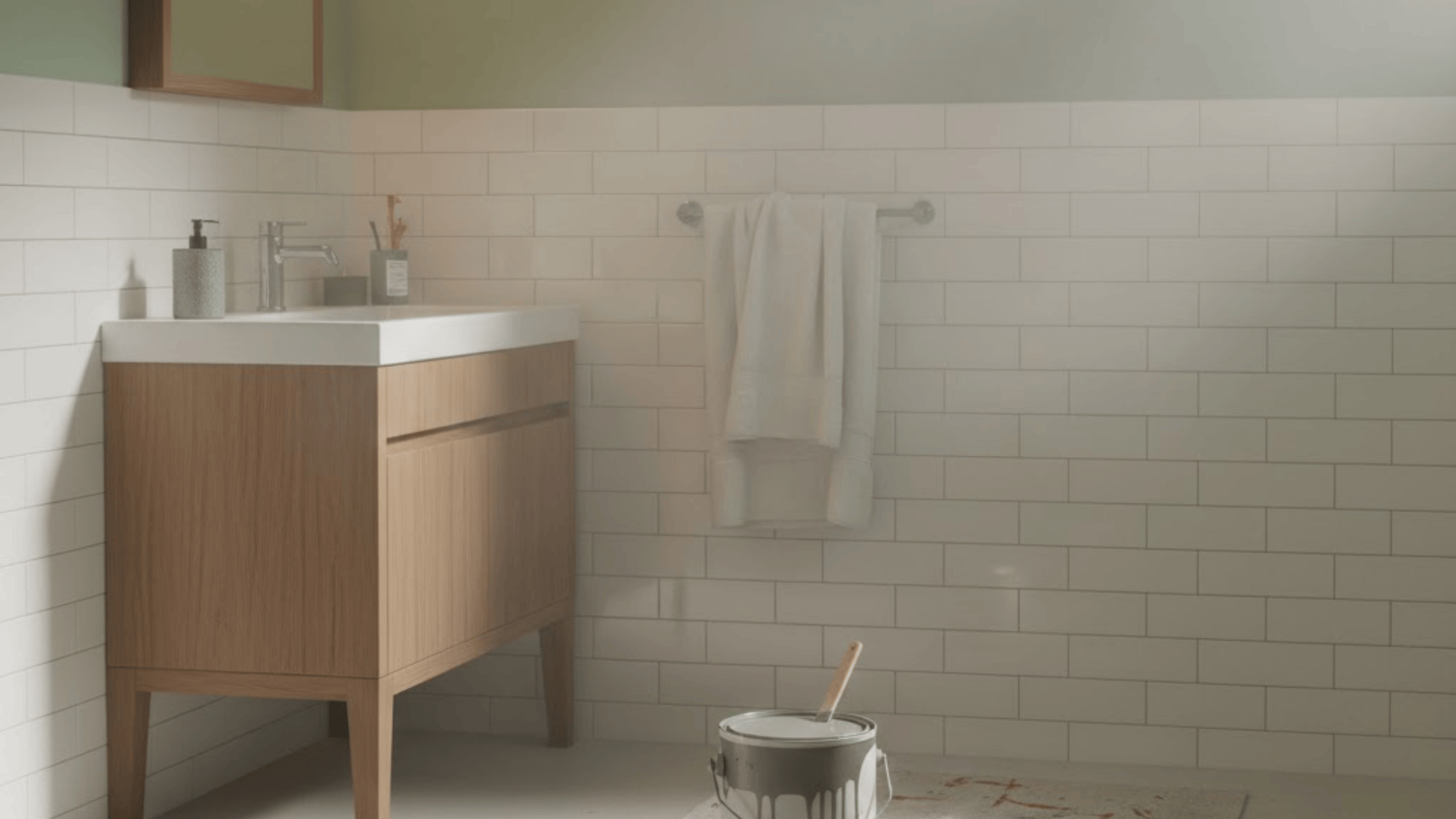
No, don’t use exterior paint inside a bathroom.
Bathrooms have high humidity and poor ventilation. Moist air makes VOCs release faster into the air you breathe.
That’s constant exposure to harmful chemicals in a confined area.
Bathroom walls face steam and splashes regularly. You might think exterior paint solves moisture problems.
Your shower steam carries toxic particles throughout the space. Special bathroom paints handle moisture without poisoning your air.
Can You Use Exterior Paint Inside on Walls?
No, you should not apply exterior paint on interior walls. The surface material doesn’t change the fact that toxic chemicals will off-gas into your living space.
Different wall types absorb and hold paint differently.
But they all trap harmful VOCs that slowly release over time.
Exterior Paint on Plaster Walls
Plaster walls are common in older homes. Their alkaline nature can react with paint chemicals in unpredictable ways.
The thickness of plaster means paint takes longer to cure. You’ll smell those fumes for an extended period.
Exterior Paint on Concrete Interior Walls
Concrete basement walls seem like they could handle exterior paint. But concrete is extremely porous at a microscopic level.
It absorbs liquids and holds them for years. Those trapped chemicals continue to be released into your basement air.
Exterior Paint on Brick Interior Walls
Brick’s rough, pitted surface actually increases the painted area compared to smooth walls. More surface means more chemical release.
The gaps between bricks create pockets where fumes accumulate. Your brick wall becomes a long-term source of indoor air contamination.
Under What Circumstances Can Exterior Paint Be Used Inside?
There are very few situations where exterior paint might be acceptable indoors. Even then, you’re taking risks with your health.
These limited cases require specific conditions to minimize harm.
Exterior Paint in Well-Ventilated Rooms
- Open all windows and doors before painting
- Keep them open for several weeks after application
- Use fans to push fumes outside constantly
- Only paint during warm weather
Exterior Paint for Temporary Interior Projects
- Use only for surfaces you’ll repaint within six months
- Seal off the space from the living areas
- Wear a respirator while working
Exterior Paint in Low Traffic Areas
- Storage closets are opened once month or less
- Attic spaces for seasonal storage only
- Mechanical rooms with equipment only
Exterior Paint in Storage Rooms
- Detached sheds work better than attached spaces
- The room needs its own exterior door and windows
Conclusion
So, can you use exterior paint inside your home? The answer is no. The health risks far outweigh any savings.
Exterior paint releases toxic VOCs that cause headaches, respiratory issues, and long-term health problems.
The lingering smell and constant air quality concerns aren’t worth it.
Save yourself the trouble. Invest in proper interior paint from the start.
Quality interior paint exists for good reasons.