
What if your siding choice could save you thousands?
I’ve seen too many homeowners pick the wrong material. They end up with peeling paint, water damage, and constant maintenance.
It drains your wallet and your time. You deserve better than that cycle of repairs.
Here’s something most contractors won’t tell you: the best siding for house isn’t always the most expensive option.
Smart choices exist that protect your home and look fantastic for decades. I’m going to break down what really works.
What Makes a Siding “The Best”?
Not all siding is created equal. What works for one home might fail miserably on another.
I’ve learned that “best” means different things to different people. Your neighbor might love vinyl, but that doesn’t mean it’s right for you.
So let’s talk about what actually matters when you’re making this choice.
- Durability comes first. Your siding needs to handle rain, wind, snow, and sun without falling apart.
- Maintenance matters too. Some options need constant painting while others just need a quick wash.
- Cost goes beyond the price tag. Installation and lifespan affect your total investment.
- Energy efficiency lowers your bills. Good siding keeps heat where it belongs.
- Curb appeal counts. Your siding sets the tone for your entire property.
Best Siding for House
These options prove themselves year after year in real-world conditions.
1. Fiber Cement Siding
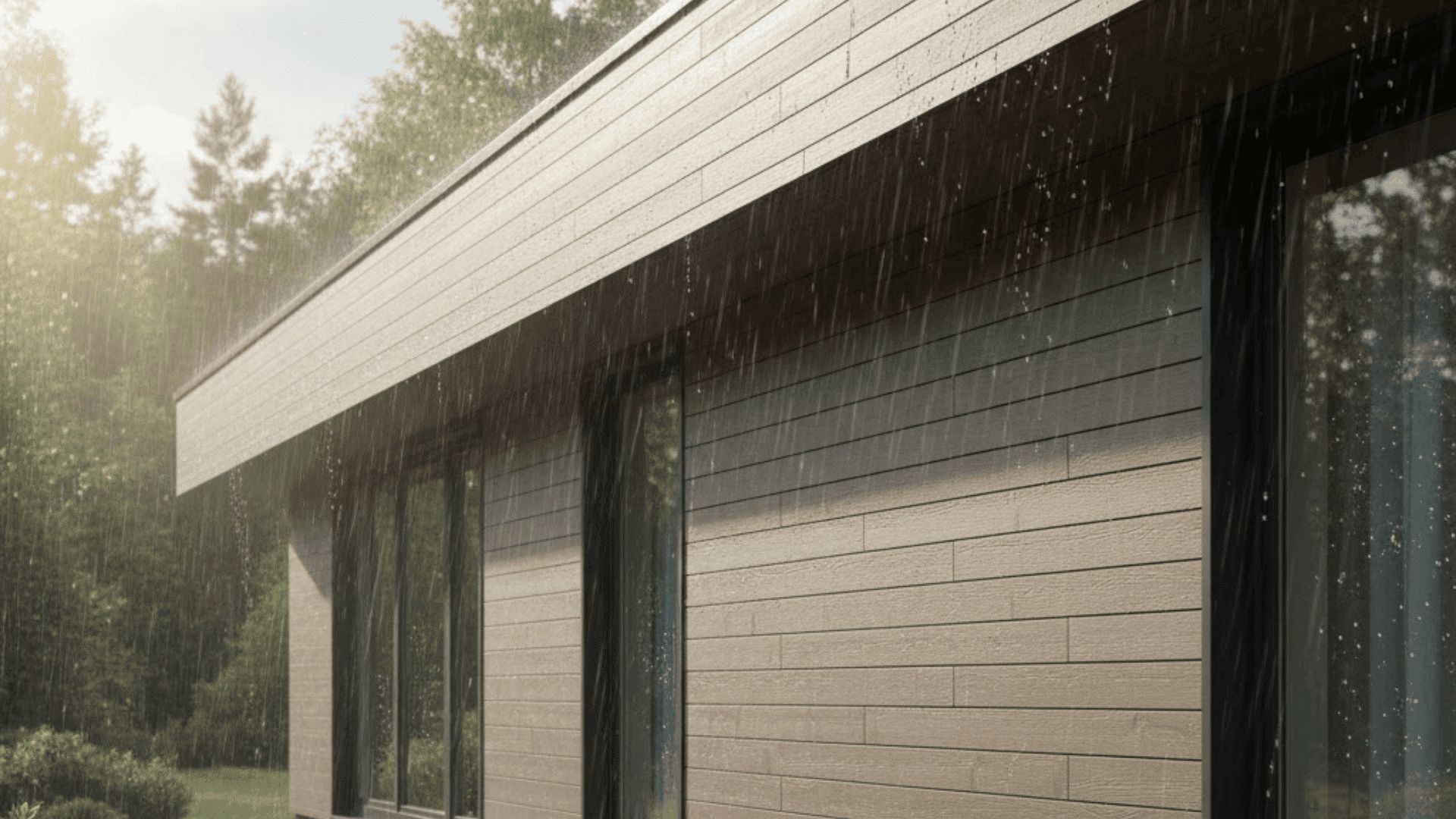
Fiber cement combines cement, sand, and cellulose fibers into boards that handle almost anything.
It looks like real wood but doesn’t rot or attract termites. Rain, snow, and fire don’t damage it. You can get it in tons of styles like wood planks, shingles, or stucco looks.
Yes, it costs more upfront than vinyl.
But it also lasts 50 years or longer with minimal care.
Quick tip: Hire experienced contractors for installation. Fiber cement is heavy and needs proper handling to avoid cracks.
2. Vinyl Siding
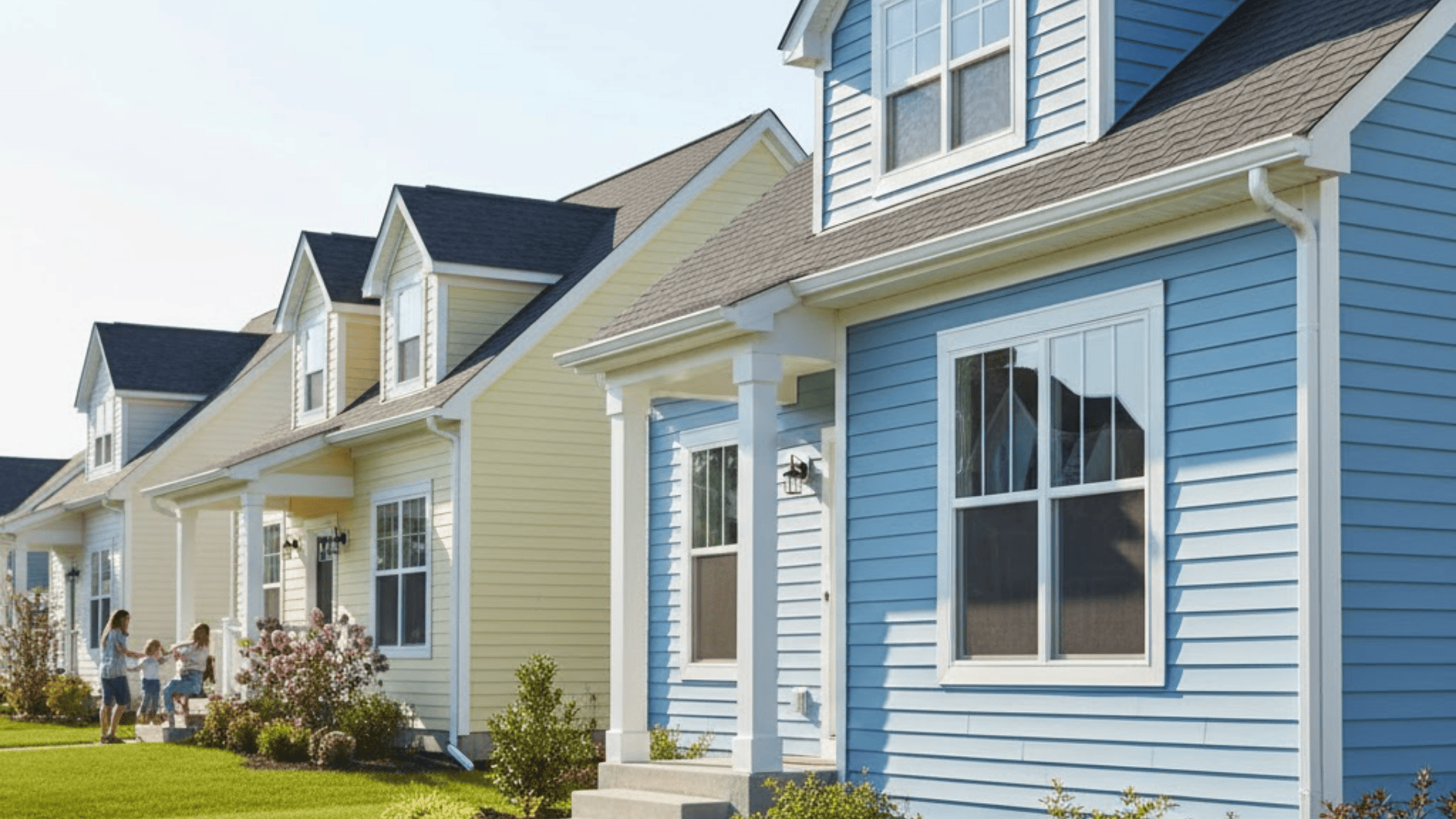
Vinyl gives you the most bang for your buck. It’s made from PVC plastic that’s molded into panels.
Installation is quick and easy, which keeps labor costs down. It never needs painting and resists moisture really well. You spray it with a hose once a year to keep it clean.
But vinyl can crack in extreme cold. Strong impacts leave dents that you can’t fix.
Worth knowing: Choose thicker vinyl (at least 0.04 inches) for better durability and less warping over time.
3. Engineered Wood Siding
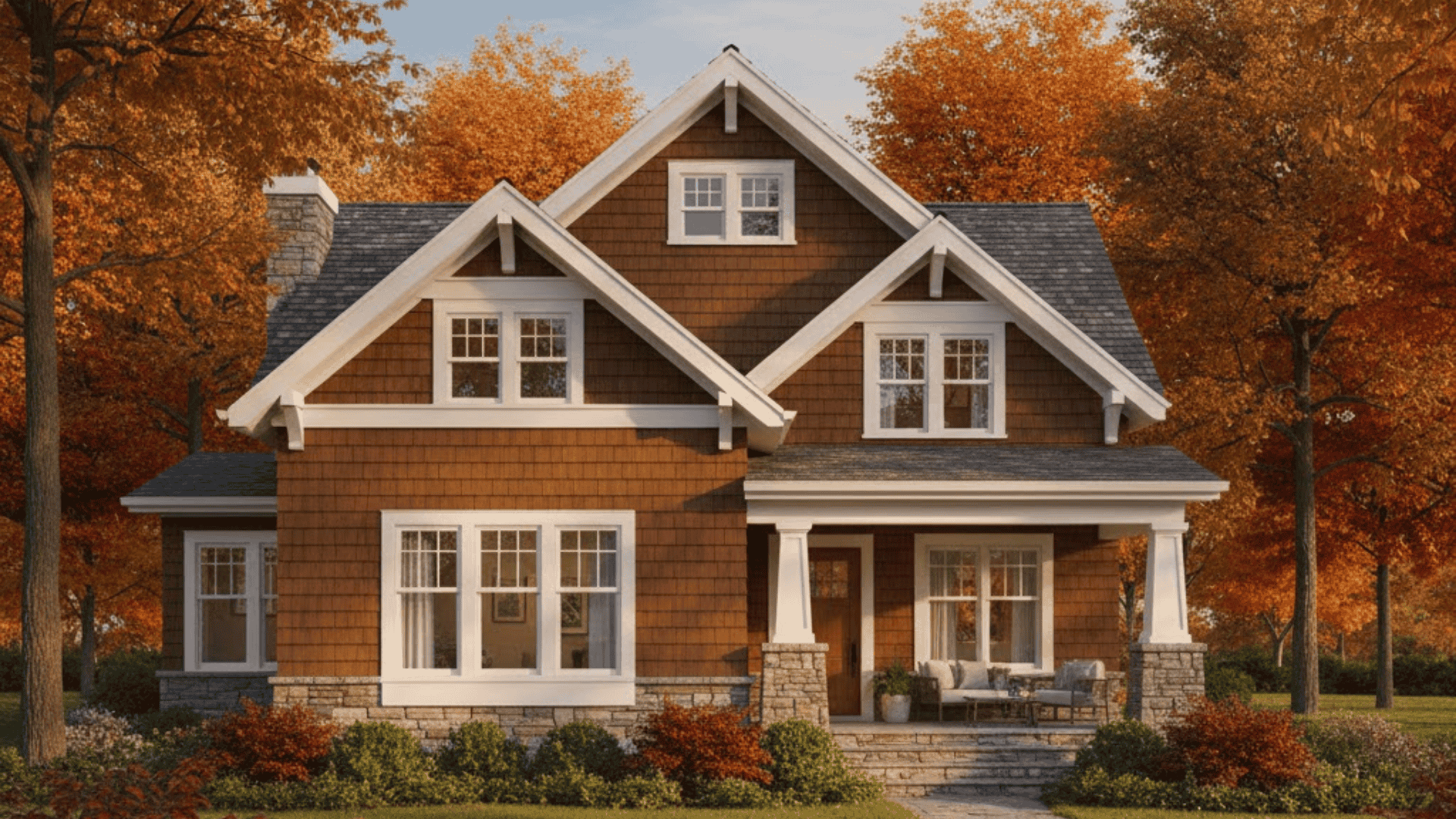
Engineered wood gives you wood’s beauty without all the hassle. It’s made from wood strands and resins pressed together.
It looks incredibly realistic because it contains real wood fibers.
Moisture and rot resistance come built right in. Termites and insects leave it alone, too.
The trade-off? It still needs some maintenance every few years.
Keep in mind: Apply a fresh coat of paint or stain every 3-5 years to keep your warranty valid and protection strong.
4. Natural Wood Siding
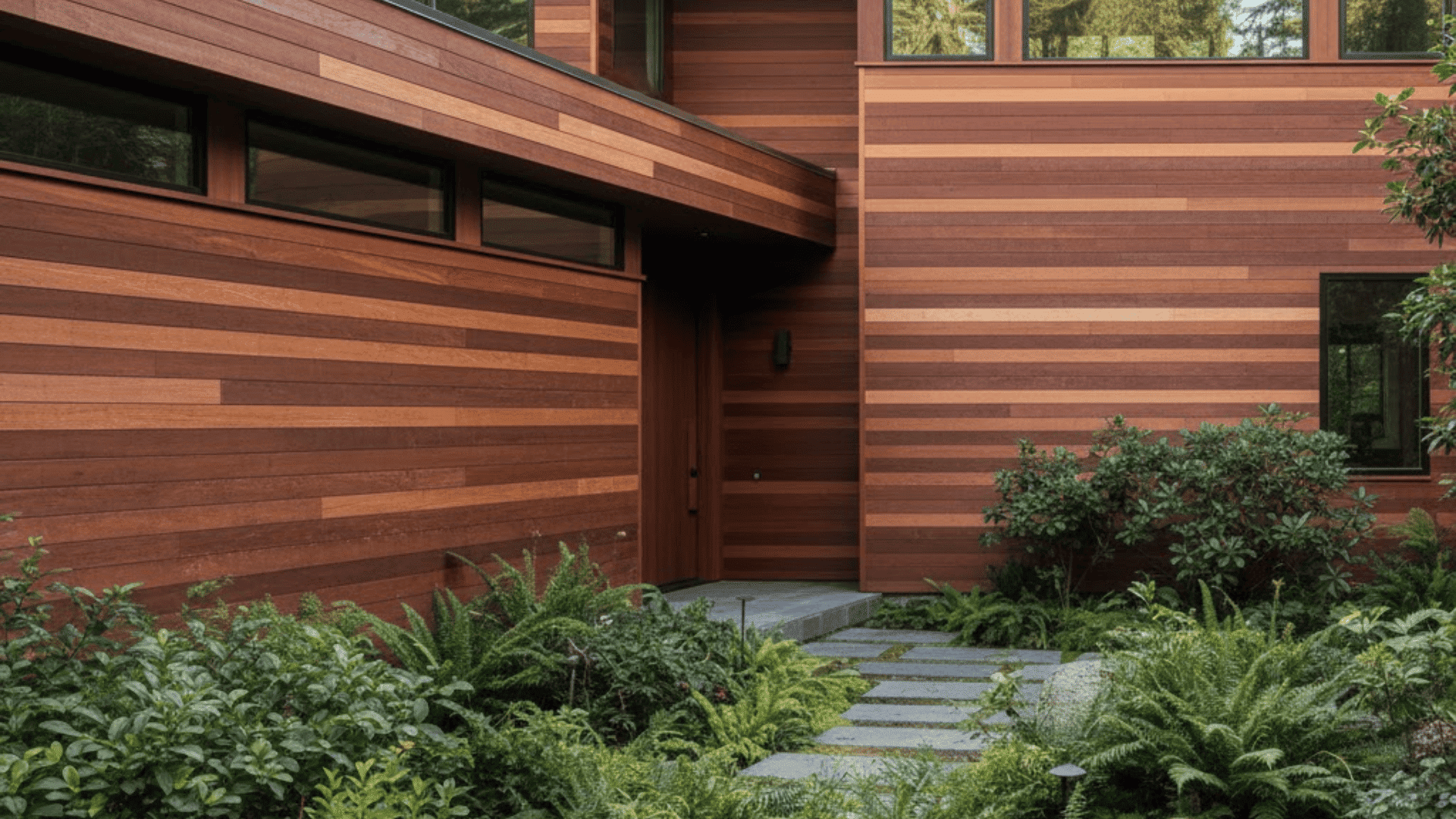
Real wood brings unmatched character to your home. Cedar, redwood, and pine are the most popular choices.
It ages beautifully when appropriately maintained. You can paint or stain it any color you want, and change it later.
Wood is also naturally insulating, which helps with energy bills.
But it demands attention. You’ll need to repaint or restain every 3-5 years.
Smart choice: Cedar and redwood naturally resist rot better than other woods, especially for areas that stay damp or shaded.
5. Metal Siding (Steel & Aluminum)
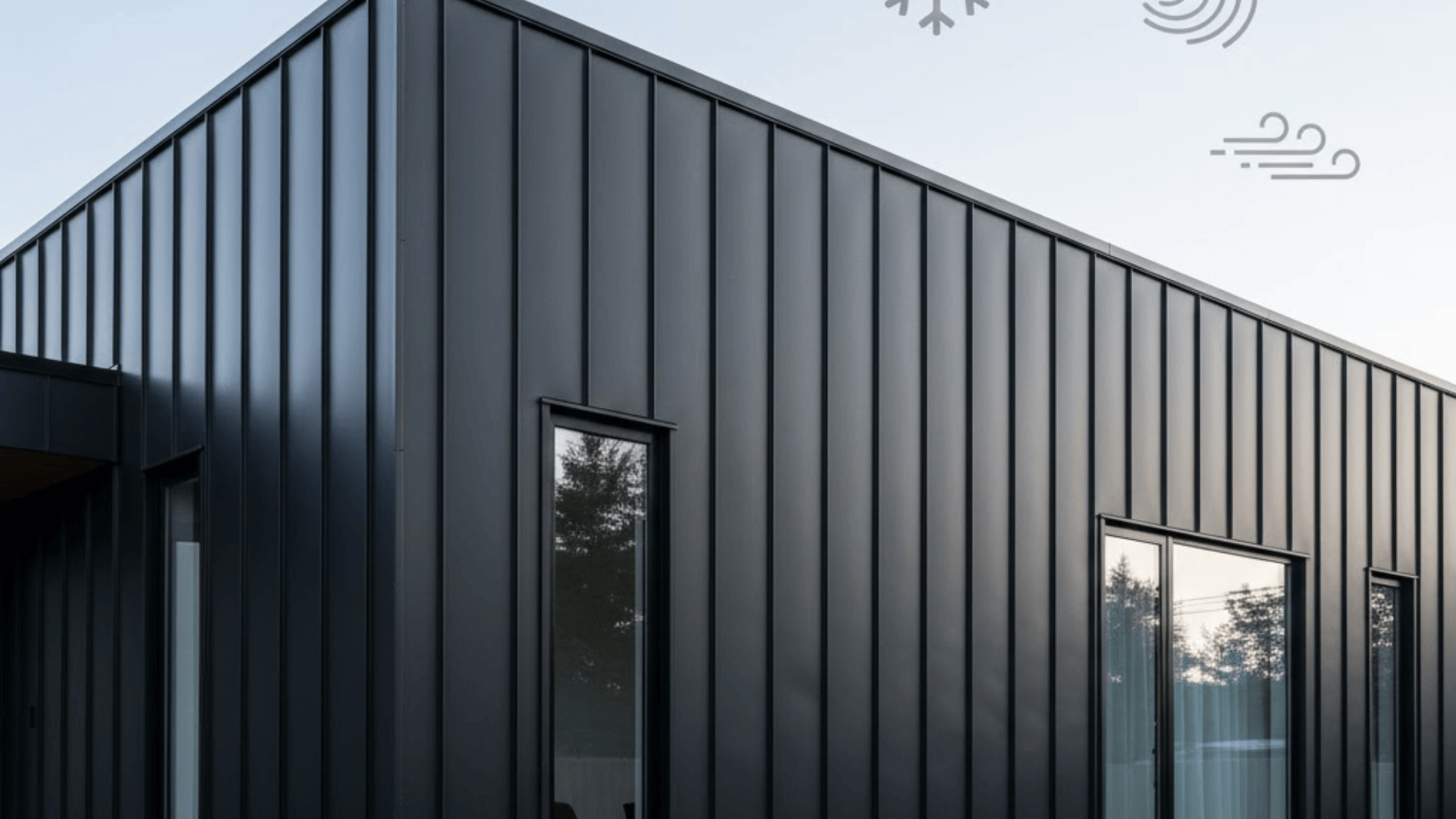
Metal siding stands up to punishment that destroys other materials. Both steel and aluminum work great for harsh conditions.
Fire can’t harm it at all. Rot and insects aren’t even concerns.
Aluminum resists rust naturally and weighs very little. Steel is stronger but needs protective coatings to prevent corrosion.
Important note: In coastal areas, always choose aluminum over steel because salt air causes steel to rust faster.
6. Brick Veneer & Stone Veneer
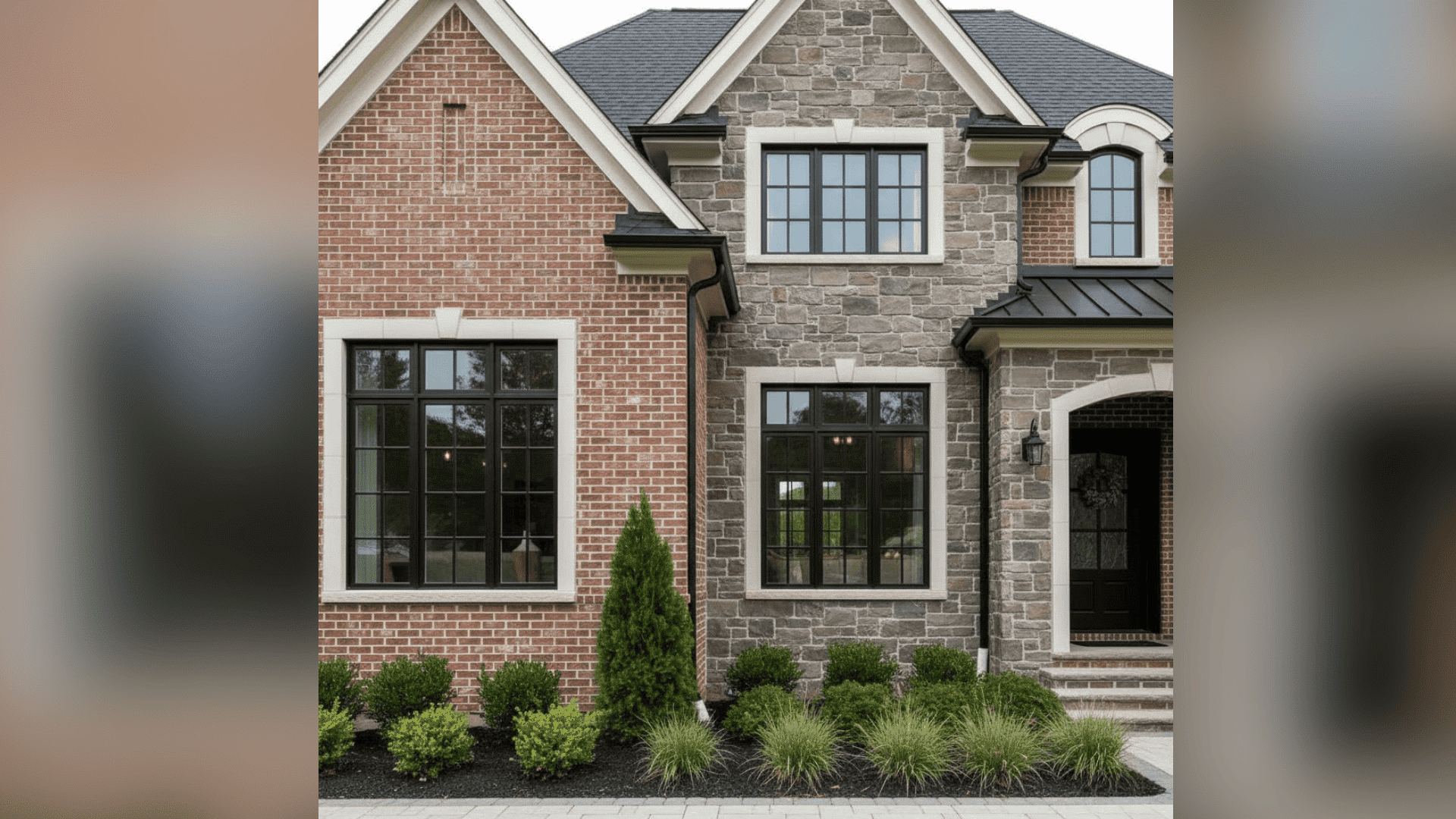
Veneer gives you the look of solid masonry at a fraction of the weight and cost.
These thin layers attach to your existing walls. They provide incredible curb appeal that never goes out of style. Fire, rot, and pests can’t touch them either.
Brick and stone last a lifetime with zero maintenance beyond occasional cleaning.
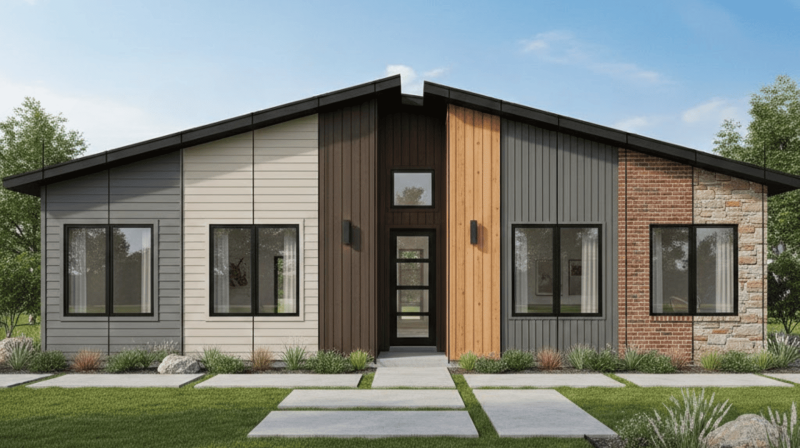
Budget hack: Mix veneer with other materials on different sections to get that luxury look while controlling your overall budget.
Best House Siding Based on Climate

Your local weather should guide your choice more than anything else.
Cold Climates:
Choose siding that won’t crack in freezing temperatures.
Best options:Fiber cement, engineered wood, insulated vinyl
Hot Climates:
Pick materials that resist fading and withstand intense heat.
Best options: Metal siding, fiber cement
Coastal Areas:
Salt air causes corrosion, so siding must be moisture- and rust-resistant.
Best options:Vinyl, aluminum, fiber cement
Humid Climates:
High humidity leads to mold and rot, so use non-absorbent materials.
Best options:Fiber cement, metal siding
Best House Siding by Budget
Let’s talk real numbers so you can plan accordingly.
| Budget Category | Siding Type | Cost Per Square Foot (Installed) |
|---|---|---|
| Budget-Friendly | Vinyl Siding | $3 – $8 |
| Mid-Range | Engineered Wood | $5 – $10 |
| Mid-Range | Fiber Cement | $6 – $12 |
| High-End | Natural Wood | $8 – $15 |
| High-End | Brick Veneer | $10 – $25 |
| High-End | Stone Veneer | $12 – $30 |
Here’s a side-by-side look at how each material stacks up. This makes comparing your options much easier.

How to Choose the Best Siding for Your House?
- Start with your climate.
- Set your budget range.
- Think about maintenance time.
- Match your home’s style.
- Check local building codes.
- Talk to neighbors with similar homes.
- Get multiple contractor opinions.
Conclusion
You now know how to choose the best siding for house based on your needs.
Fiber cement offers strength. Vinyl fits tight budgets. Wood brings classic beauty. Metal handles harsh weather, and veneer adds lasting value.
The right choice protects your home for decades and cuts energy costs. That’s worth getting right.
So what’s next? Walk around your property and check for problems. Then get quotes from contractors and compare their advice to this guide.
Start protecting your biggest investment today.