
Most paint brands won’t tell you this, but their fancy labels mean nothing if the paint cracks after two winters.
Not all paints handle sun, rain, and temperature swings the same way.
Some excel on wood but fail on metal.
Others promise durability but peel within months.
This breakdown cuts through the marketing noise.
You’ll get tested brands, surface-specific picks, and the honest trade-offs professionals consider before cracking open a can.
What Makes the Best Exterior Paint?
Not all exterior paints handle weather, surfaces, and time the same way.
Here’s what to look for in exterior paints:
- Surface compatibility: Paint formulated for wood won’t always grip vinyl or stucco properly
- Flexibility and durability: Good paint expands and contracts without cracking or peeling
- UV resistance: Protects color from fading in direct sunlight
- Moisture and mildew resistance: Blocks humidity from causing blistering or mold growth
- Low VOC levels: Safer for your family and the environment
- Easy application: Some paints work better with sprayers, others with rollers or brushes
The best exterior paint balances adhesion, flexibility, UV defense, and moisture protection for your climate.
Understanding Exterior Paint Types and Formulas
Not all paint formulas are built the same, and what’s inside the can determines how long your paint job actually lasts. That’s especially true for exterior applications.
Formulas vary across latex paints, 100% acrylics, oil-based options, and elastomerics.
1. Acrylic Latex Paint
Acrylic latex grips wood siding, fiber cement, and vinyl without cracking when temperatures swing from hot to cold.
- What works: Cleans up with soap and water, holds color in direct sunlight, resists mildew in humid climates.
- What doesn’t: Dries fast, so brush marks can show; might need primer on chalky or weathered surfaces.
2. 100% Acrylic Paint
Think of this as regular acrylic’s tougher cousin.
The 100% acrylic formula sticks to porous surfaces like brick, stucco, and concrete way better than mixed formulas. It costs more per gallon, but it lasts longer and lets walls breathe while blocking rain.
You’ll need a few coats for solid coverage, though.
3. Oil-Based Paint (Alkyd)
Oil-based paints create a hard, super smooth finish that takes abuse without showing it.
Doors, metal railings, and trim look sharp with this stuff because it levels out as it dries.
The catch?
It reeks while you’re painting, takes forever to dry, and you need mineral spirits for cleanup. Skip it for stucco or concrete since those surfaces need to breathe.
Decor tip: Use oil-based paint on your front door in a bold color. That glossy, durable finish makes the entrance pop and handles constant use without chipping.
4. Alkyd Resin Paint
This paint acts like oil-based paint but dries faster and doesn’t smell quite as bad.
It self-levels, so you get smooth results on trim and woodwork without visible brush strokes.
Just prep your surface right, or it’ll bubble up within months.
5. Epoxy Paint
Epoxy isn’t for walls, period. But for garage floors, driveways, and pool decks?
Nothing beats it.
This stuff creates a rock-hard surface that handles oil spills, foot traffic, and UV rays without breaking down.
The downside is intense prep work and a slippery surface when wet.
6. Elastomeric Paint
Imagine painting your house with liquid rubber.
That’s elastomeric paint. It stretches over hairline cracks and creates a waterproof barrier perfect for stucco and concrete in coastal areas.
You’ll burn through more paint per square foot and might need a sprayer, but it handles hurricanes and tropical storms better than anything else.
7. Finish Options
The sheen you pick changes both how your paint looks and how well it performs,
- Flat – Hides bumps and texture on siding, but shows every fingerprint and smudge
- Satin – Gives walls a soft glow and wipes clean without looking shiny
- Semi-gloss – Bounces light and shrugs off moisture, perfect for shutters and trim
- Gloss – Creates a mirror-like surface with maximum toughness, but shows every dent underneath
Pro tip: Mix your finishes for better curb appeal. Flat or satin on the main walls, semi-gloss on trim, and gloss on the front door create layers that make your house look more put-together.
8. Climate Compatibility
Where you live controls what you buy.
Blazing sun all year?
You need UV blockers or your color fades within three summers.
Ocean or rainy climate?
Mildew-resistant formulas are required since salt air and moisture destroy regular paint. Cold winters need flexible paints that expand and contract without cracking.
A paint that works in Florida might split apart after one Minnesota winter.
Also Read:Cost to Paint the Exterior of the House
Now let’s look at the 12 paints that actually back up their claims with real performance.
Best Exterior Paint Options Overall
They work across different exterior surfaces, survive extreme weather, and last long enough to make the investment worth it.
1. Sherwin-Williams Duration Exterior Acrylic
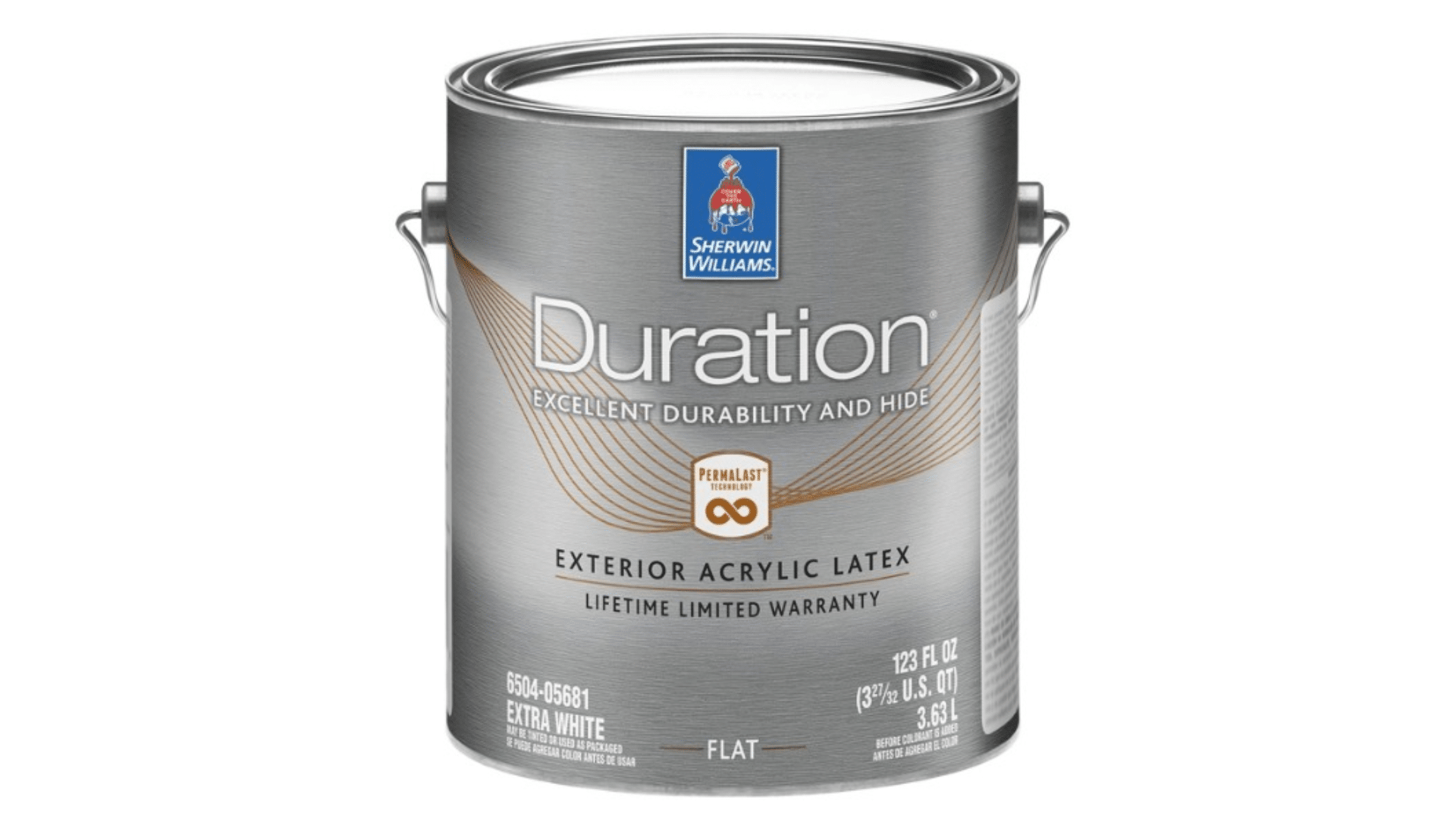
Sherwin-Williams Duration Exterior Acrylic goes on thick and grips whatever surface you’re covering.
Why it works: The thick formula covers in fewer coats and creates a protective barrier that resists peeling for years.
2. Benjamin Moore Aura Exterior
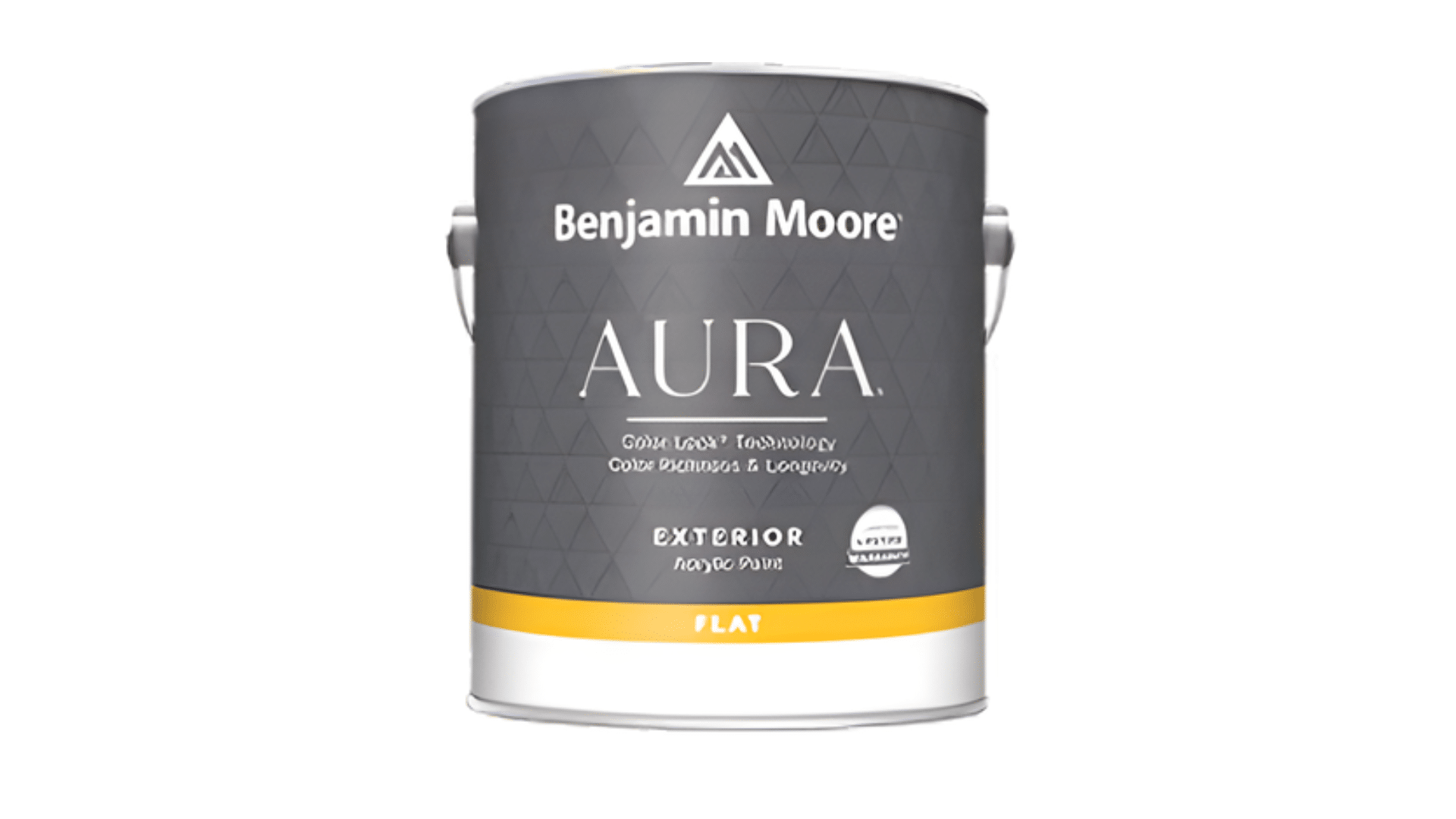
Benjamin Moore Aura Exterior uses Color Lock technology that prevents fading even when your house bakes in direct sunlight all day.
If keeping your color bright matters to you, this is the one.
It costs more than most paints, but homes in desert climates or tropical areas stay looking fresh way longer.
3. Behr Premium Plus Ultra Exterior
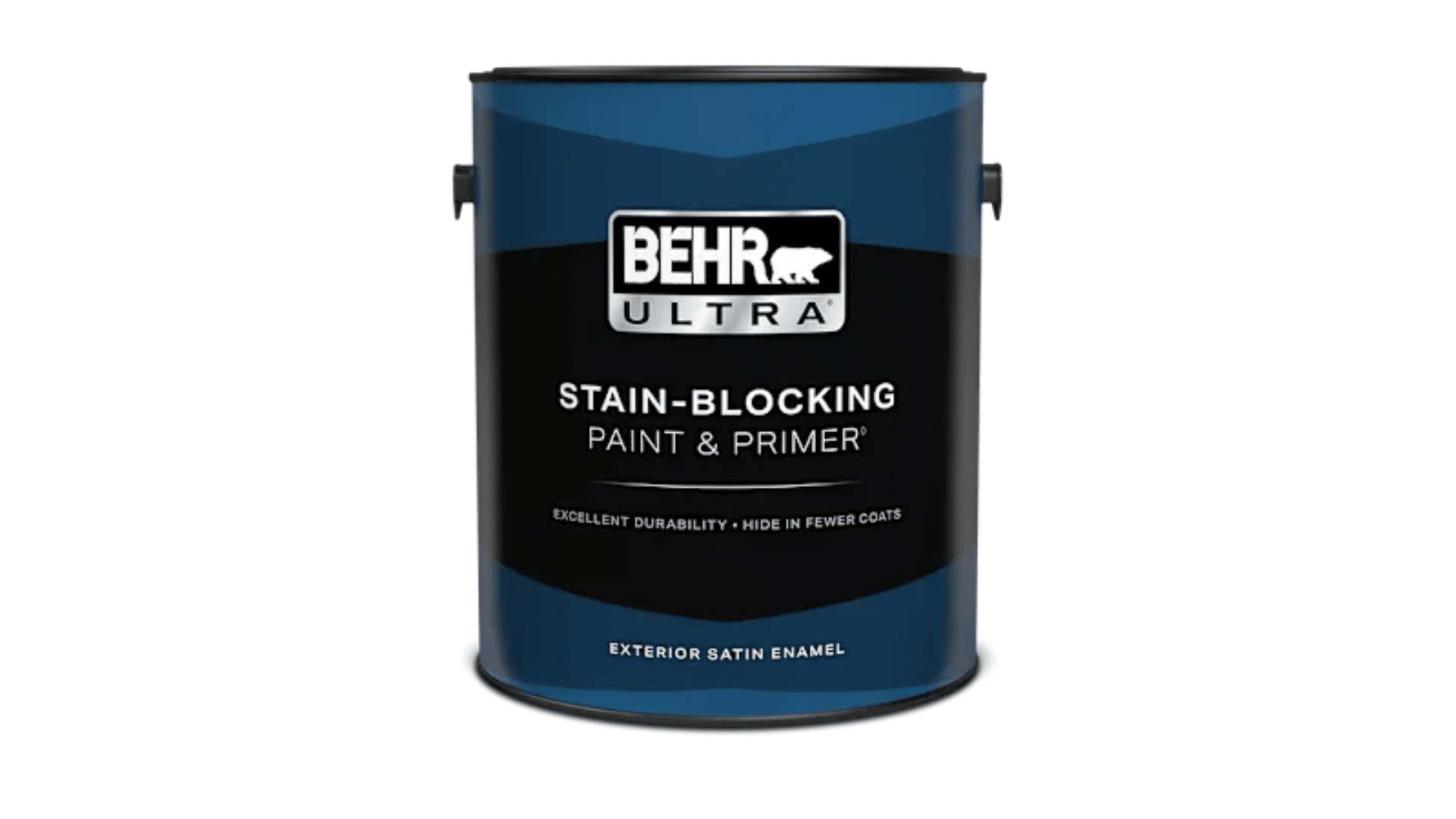
Behr Premium Plus Ultra Exterior gives you solid performance without the premium price tag.
This paint passed independent weather tests and holds up in rain, snow, and heat.
It’s not quite as thick as Duration or as fade-resistant as Aura, but for most homes in average climates, it does the job at half the cost.
Quick tip: Behr works great if you’re planning to repaint every 7 to 10 years anyway. Save the expensive stuff for problem areas.
4. PPG Permanizer Exterior

PPG Permanizer Exterior creates a thick, long-lasting coating that resists moisture damage and blistering.
It performs exceptionally well in areas with high humidity or frequent rain.
The formula is self-priming on most surfaces, which cuts down prep time.
What you get: strong adhesion, excellent coverage, and protection that lasts through multiple seasons without touch-ups.
Best Exterior Paint for Wood
These options stay flexible, resist moisture that causes rot, and grip both new lumber and old weathered siding without peeling off in sheets.
5. Benjamin Moore Regal Select Exterior
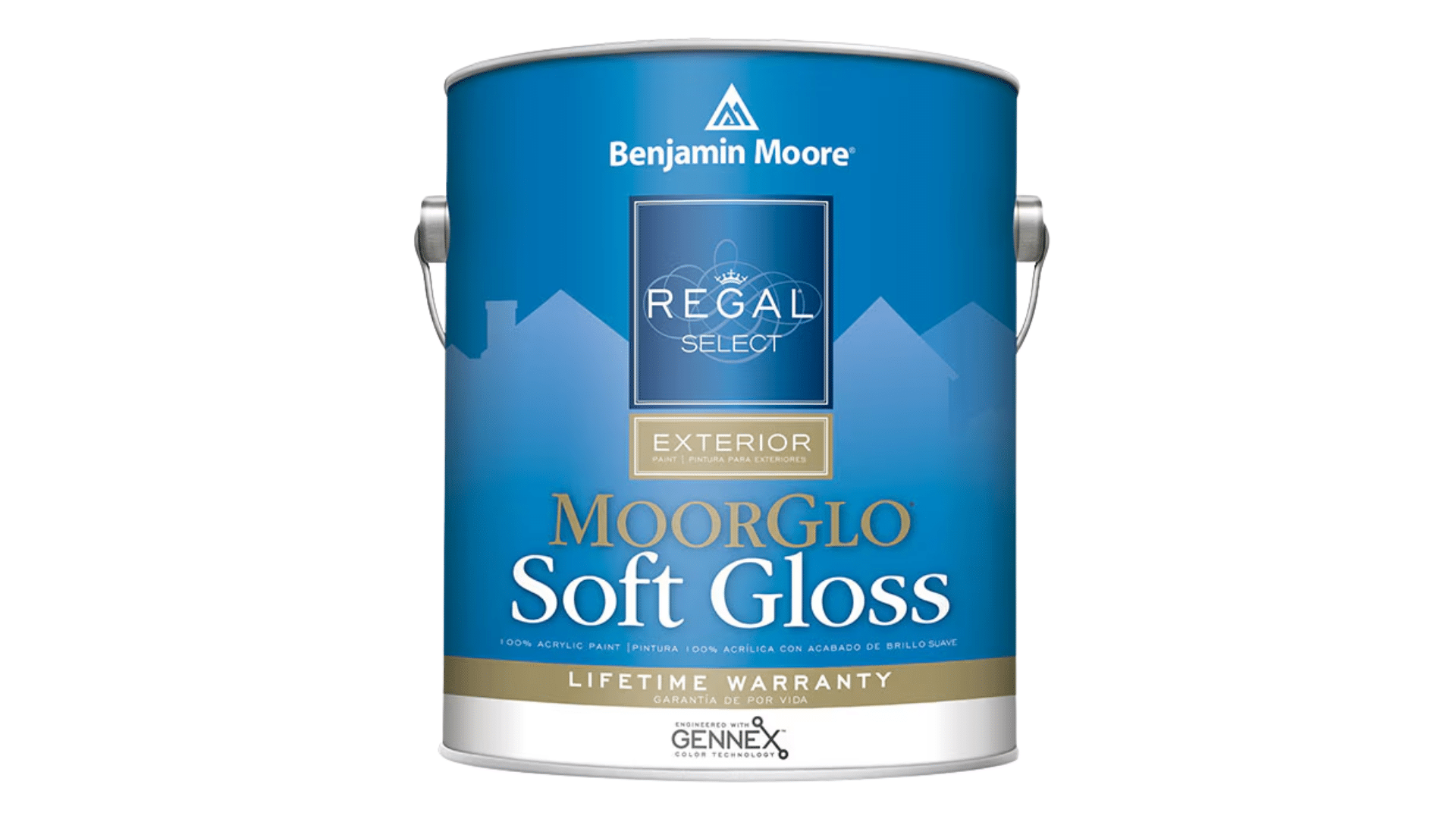
Benjamin Moore Regal Select Exterior uses an acrylic formula that bends and flexes as wood swells in humidity and shrinks in dry weather.
That flexibility prevents the cracking and peeling you see with stiffer paints.
It also blocks moisture from soaking into the wood, which stops rot before it starts.
6. Sherwin-Williams Emerald Exterior
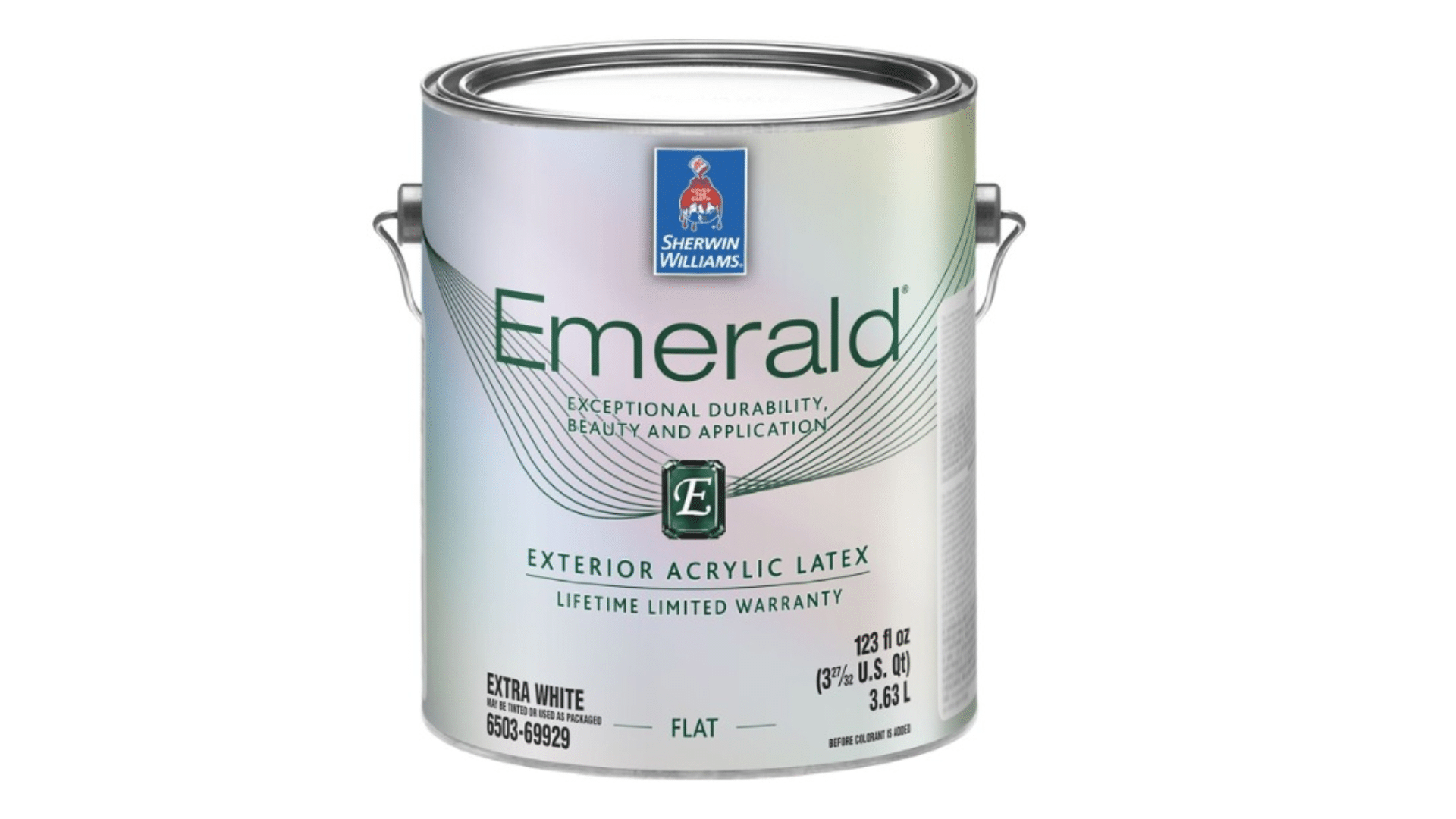
Sherwin-Williams Emerald Exterior works great on wood that’s been painted before or has seen better days.
What makes it different:
- Self-priming saves time on repaint jobs
- Strong adhesion even on weathered wood
- Smooth finish that covers old texture
7. ECOS Exterior Paint
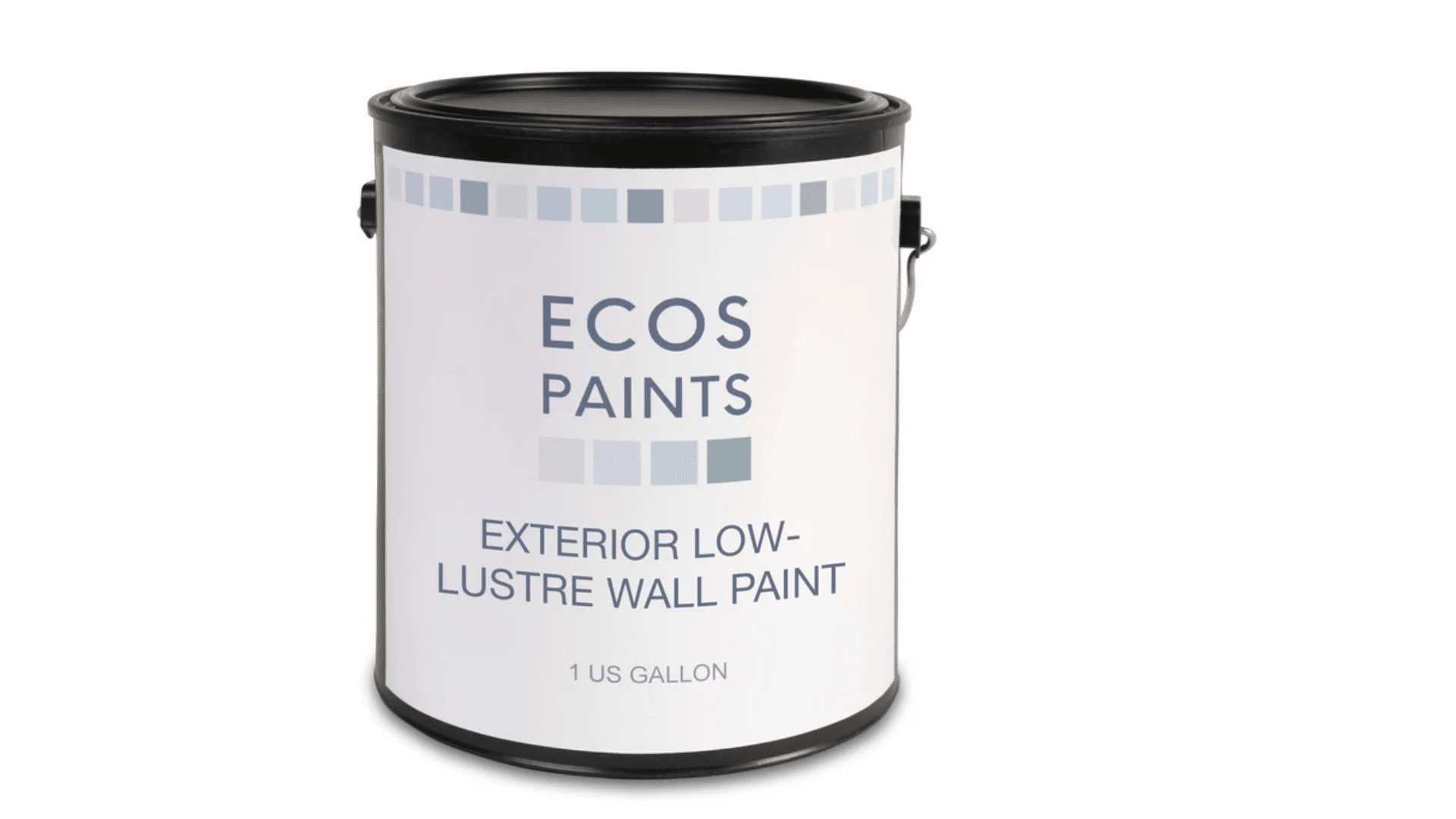
ECOS Exterior Paint uses a low-VOC formula that doesn’t release harsh fumes while you paint or for weeks afterward.
It performs well in mild to moderate climates and handles wood surfaces without issues.
Not the toughest option for extreme weather, but solid if you want something safer around kids and pets.
Decor tip: Pair ECOS with natural wood stains on accent features like shutters or pergolas. The low-VOC approach works well for outdoor spaces where you spend time.
Best Exterior Paint for Metal
Metal needs rust protection, period.
They also grip slick metal surfaces that most paints slide right off, and they handle the expansion metal goes through when temperatures change.
8. Rust-Oleum Stops Rust Protective Enamel

Rust-Oleum Stops Rust Protective Enamel creates a rigid barrier between metal and moisture, which is what causes rust in the first place.
The name says it all.
It comes in oil-based and water-based versions, depending on what you need.
9. Sherwin-Williams Pro Industrial DTM Acrylic
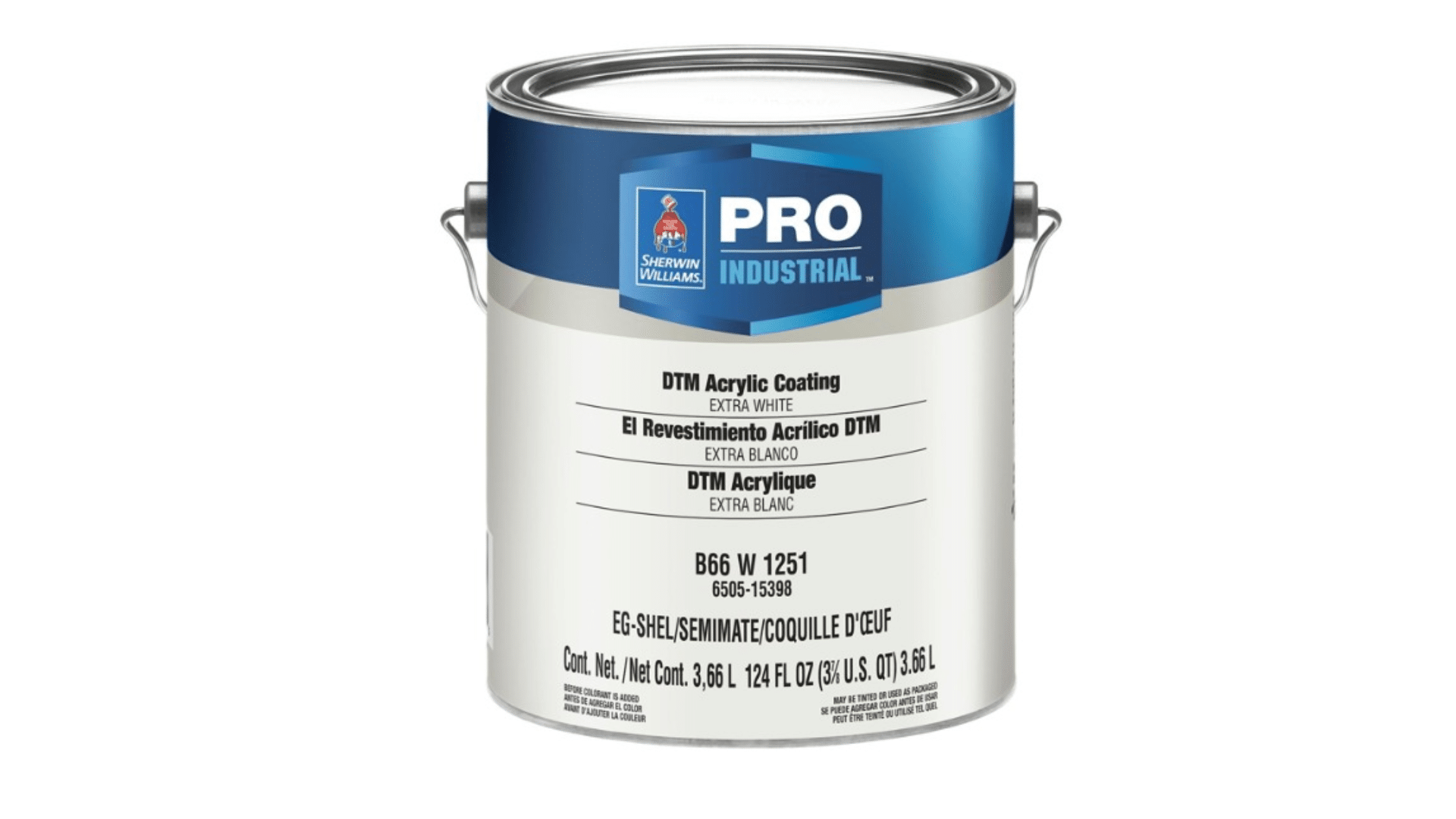
Sherwin-Williams Pro Industrial DTM Acrylic means you can skip primer and paint right over clean metal surfaces. DTM stands for “direct to metal.”
This acrylic formula bonds tightly and resists corrosion even in coastal areas with salt air.
It’s built for industrial use but works just as well on residential metal siding, railings, and fixtures.
10. Benjamin Moore Coronado Rust Scat
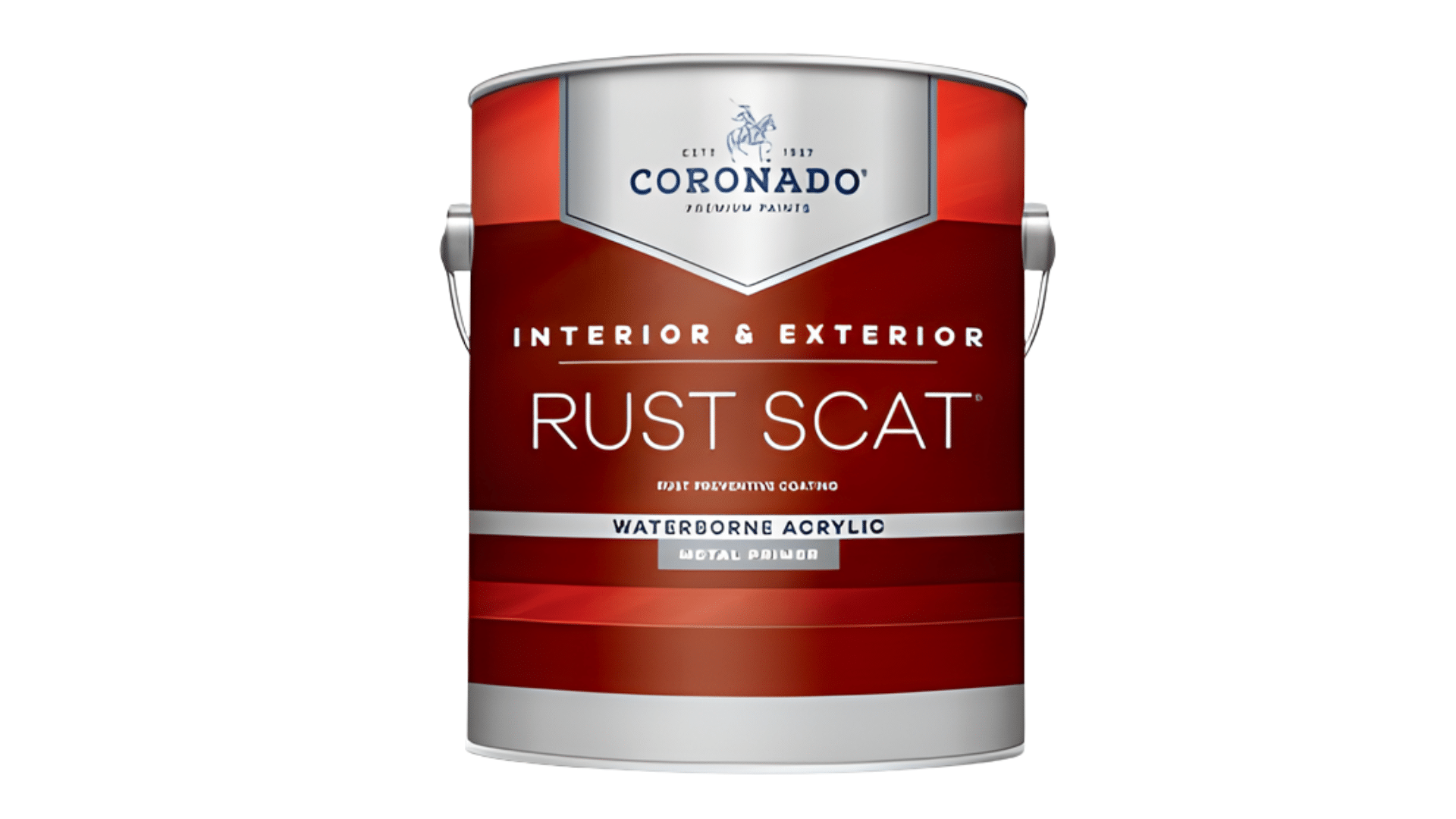
Benjamin Moore Coronado Rust Scat handles the constant moisture and salt that eats through regular coatings if you live near the ocean or in a humid climate.
Lab tests show it prevents corrosion longer than standard metal paints.
It’s made specifically for environments that destroy metal fast.
Best Exterior Paint for Doors
Doors get touched, slammed, and exposed to weather all at once. They also dry fast, so you’re not waiting all day to close your door.
11. Benjamin Moore Advance Exterior

Benjamin Moore Advance Exterior dries to a smooth, almost furniture-quality finish that hides brush strokes.
This paint is tough enough to handle keys, bags, and hands without showing marks.
The formula resists yellowing, too, so white and light-colored doors stay clean-looking.
Quick tip: Use Advance on your front door in a color that contrasts with your siding. The smooth finish makes bold colors pop.
12. Sherwin-Williams SnapDry Door & Trim Paint
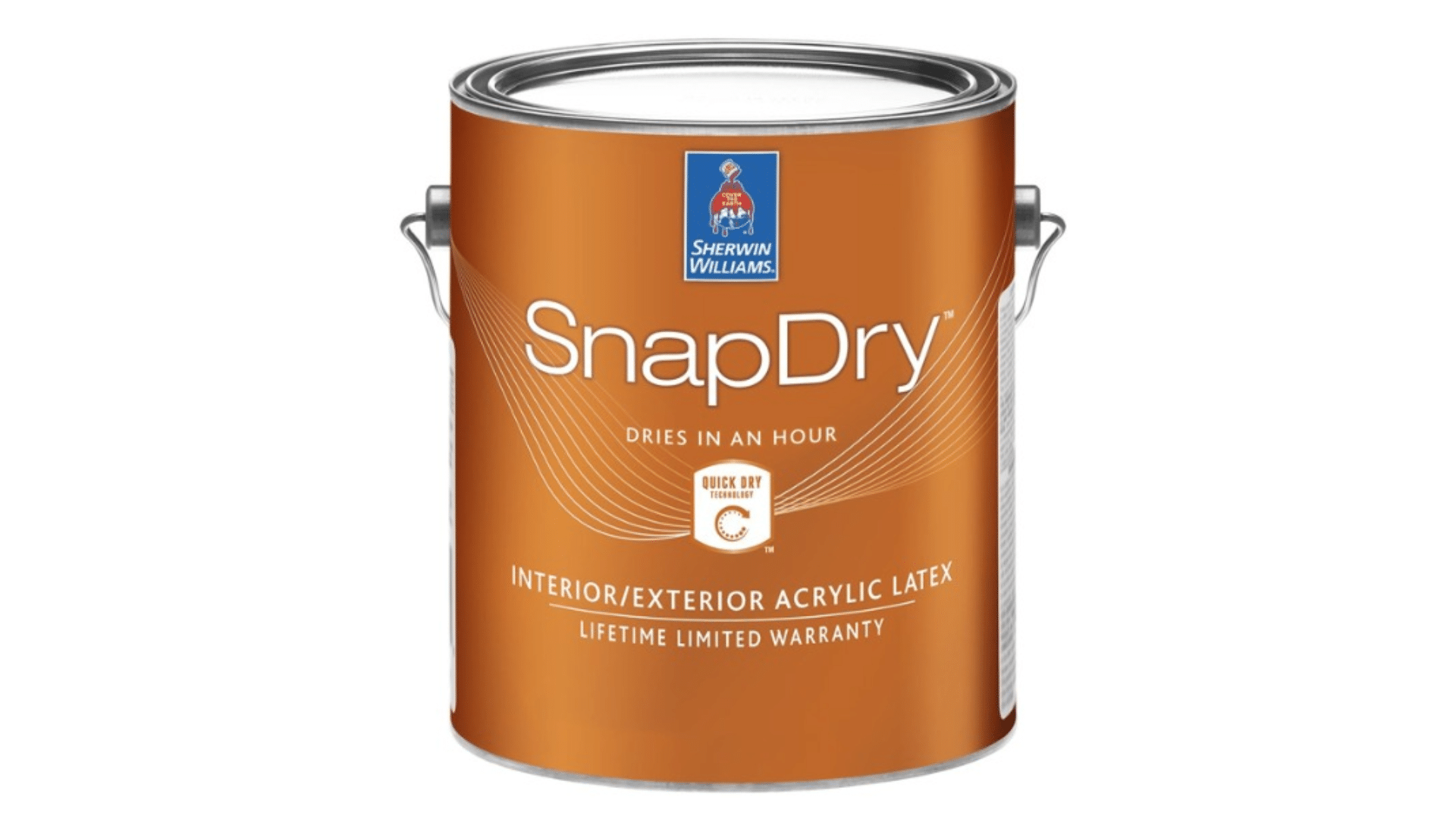
Sherwin-Williams SnapDry Door & Trim Paint lives up to its name by drying to the touch in under an hour.
What makes it fast:
- Dries quickly, so bugs and dust don’t stick to wet paint
- Cures fast enough for everyday use within a day
- Hard finish resists fingerprints and smudges
- Cuts down waiting time between coats
How to Choose the Right Exterior Paint for Your Surface
The surface you’re painting controls which paint formula actually works.
Pick the wrong chemistry, and you’ll deal with peeling, cracking, or rust within a year or two.
It also determines how long exterior paint will last.
Match paint to material.
- Wood needs flexible acrylic that bends with humidity and temperature changes
- Doors require hard finishes that resist scuffs from constant touching and use
- Metal demands rust-inhibiting formulas built into the paint, not added primers
- Stucco and concrete need breathable coatings that let trapped moisture escape
Best Exterior Paint Combination
Mixing the right paints for different surfaces gives you better results than using one product everywhere.
Your siding, trim, doors, and metal fixtures all face other challenges, so they need different solutions.
Smart paint combinations:
- Use durable acrylic on siding for long-term weather resistance
- Switch to hard enamel on doors and trim for scuff protection
- Apply rust-preventive formulas on all metal railings and fixtures
- Match paint flexibility to how much each surface expands and contracts
The money you save buying one paint for everything disappears when you’re repainting failed sections in two years.
Spend a bit more upfront on the right product, and your whole exterior holds up longer with less maintenance.
Final Thoughts
Choosing exterior paint comes down to matching chemistry with climate and surface.
Your house faces sun, rain, temperature swings, and time.
Give it paint that can handle all of that without cracking, fading, or peeling within a few years.
Pick the paint that fits your surface and climate, then get to work.