
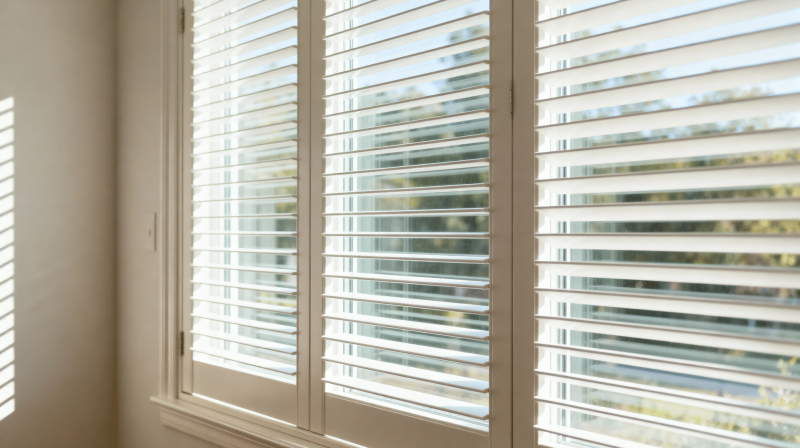
Noticed those slatted windows that tilt open like little shelves?
Those are jalousie windows, and they’ve been cooling homes for decades. Most people overlook them when planning homes, thinking they’re outdated or just for tropical climates.
But they’re more practical than you’d think.
This blog shows what makes these windows worth considering. You’ll learn about their features and drawbacks, types, costs, where to buy or replace them, and whether they’re right for your space.
Historical Context
Before air conditioning, people needed smart ways to stay cool.
These windows solved that problem. They appeared in the early 1900s but gained popularity after World War II when builders needed affordable ventilation.
By the 1960s, they were everywhere: beach houses, sunrooms, and tropical homes across Florida, Hawaii, and coastal regions.
Then central air conditioning changed everything. Energy efficiency mattered more than airflow. That’s when these windows lost popularity.
Key Features of Jalousie Windows
What makes these windows unique, and how they actually work in real homes:
- Adjustable Slats: The glass slats tilt from fully closed to wide open. You control the exact angle, which means you decide how much air comes in.
- Crank Mechanism: A simple hand crank operates all the slats at once. One turn moves all the pieces of glass together, making them easy to use.
- Maximum Ventilation: When fully open, nearly the entire window area allows air to flow through. No other window style gives you this much airflow in the same space.
- Rain Protection: The overlapping slats angle outward when open. Rain hits the glass and runs off outside instead of coming into your home.
Modern Jalousie Window Options
Today’s windows have come a long way from the basic models of the past. Here are the main types you’ll find on the market:
1. Glass Windows

These are the traditional styles most people recognize. Clear glass slats provide visibility and light while offering good ventilation.
The glass is usually tempered for safety, so it won’t shatter easily if broken. You can choose from different thicknesses depending on your climate needs.
2. Aluminum Frame Windows
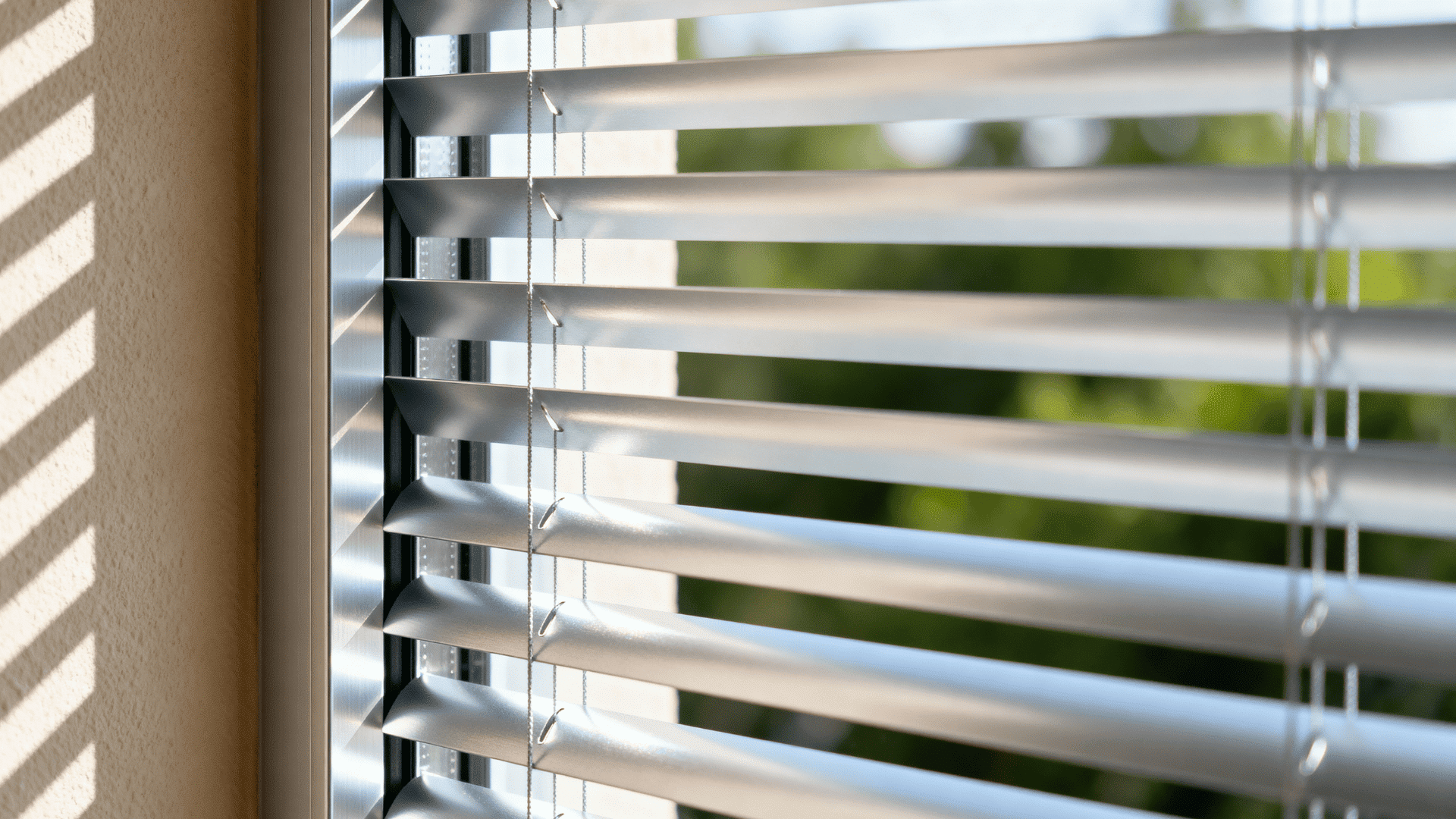
Aluminum frames resist rust and corrosion, making them perfect for coastal or humid areas. They’re lightweight but strong enough to hold multiple glass slats.
The frames come in different colors to match your home’s exterior. Maintenance is less, just occasional cleaning.
3. Vinyl Frame Windows
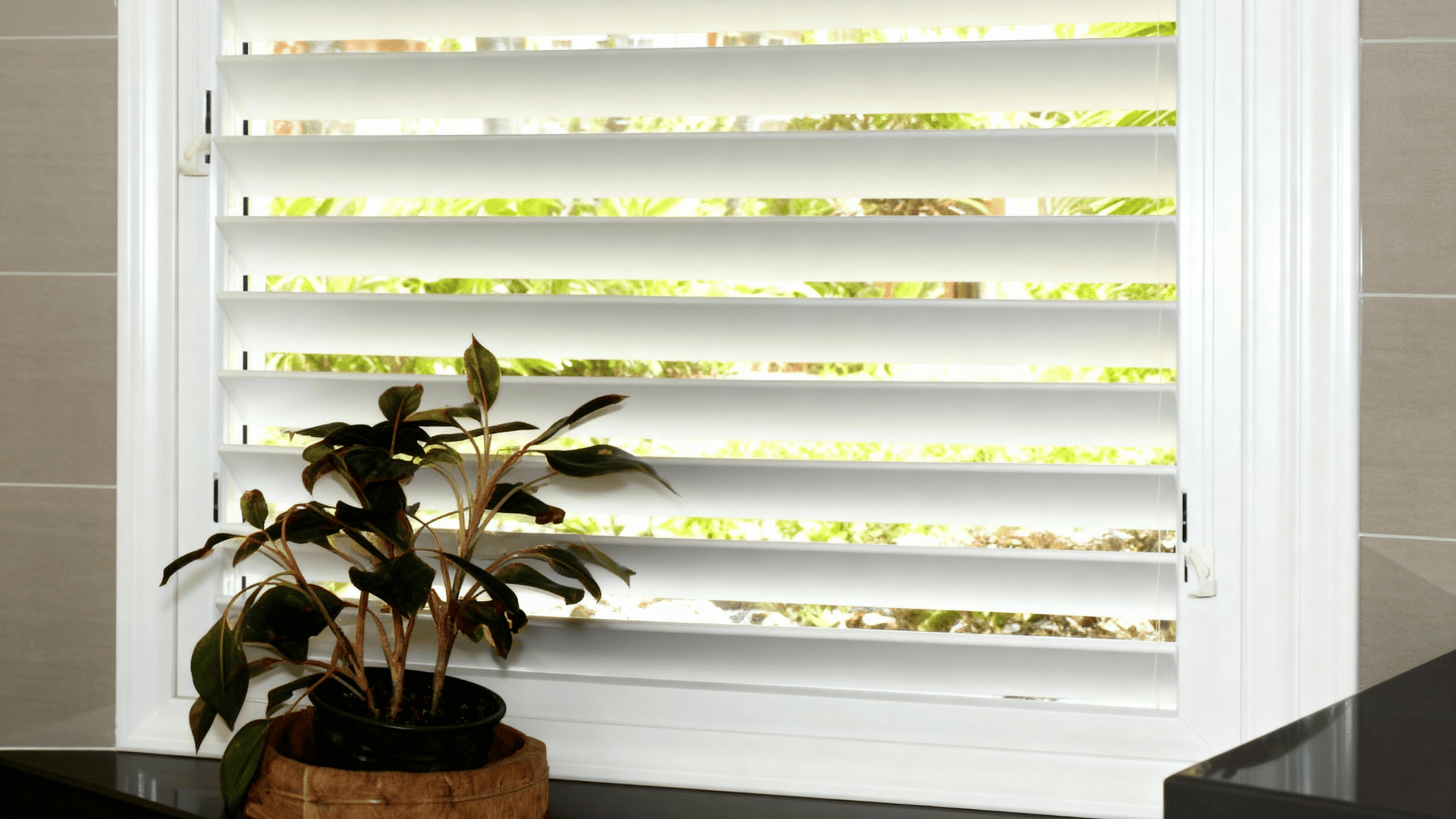
Vinyl frames offer better insulation than aluminum and never need painting.
They won’t rot, warp, or corrode over time. These are quieter when opening and closing compared to metal frames. Vinyl also costs less than aluminum in most cases.
4. Wood Slat Windows
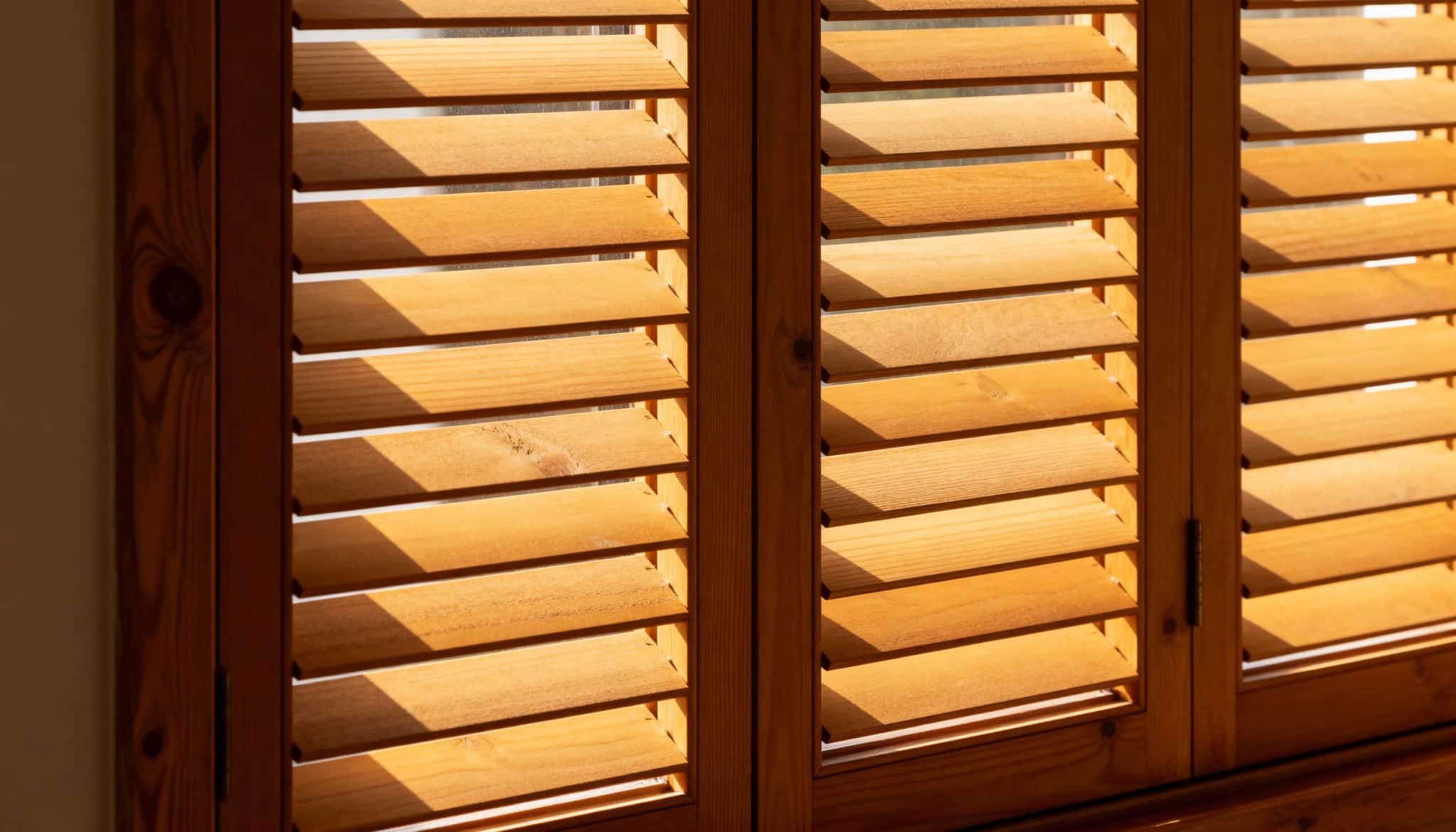
These offer a unique look by replacing transparent glass with solid timber for privacy and sunlight blocking.
They add natural appeal and are usually treated for moisture and termites. However, they require more maintenance than vinyl or aluminum to keep their finish.
5. Frosted or Textured Glass Windows
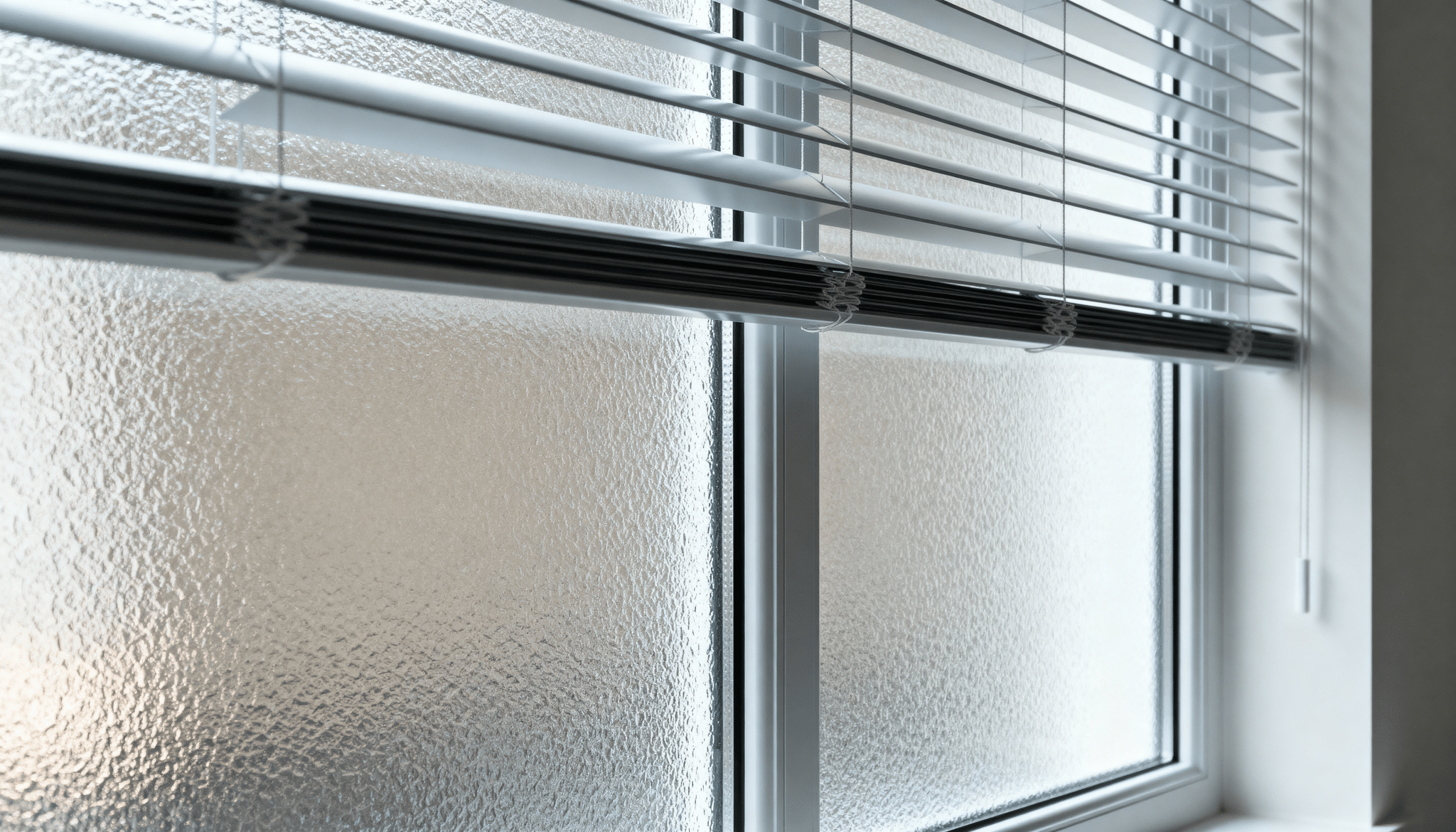
This option suits bathrooms or street-facing rooms needing natural light and privacy.
Slats with etched, sandblasted, or patterned surfaces distort visibility, offer airflow, and diffuse sunlight, reducing glare. They are usually tempered for safety.
6. Acrylic (Polycarbonate) Windows
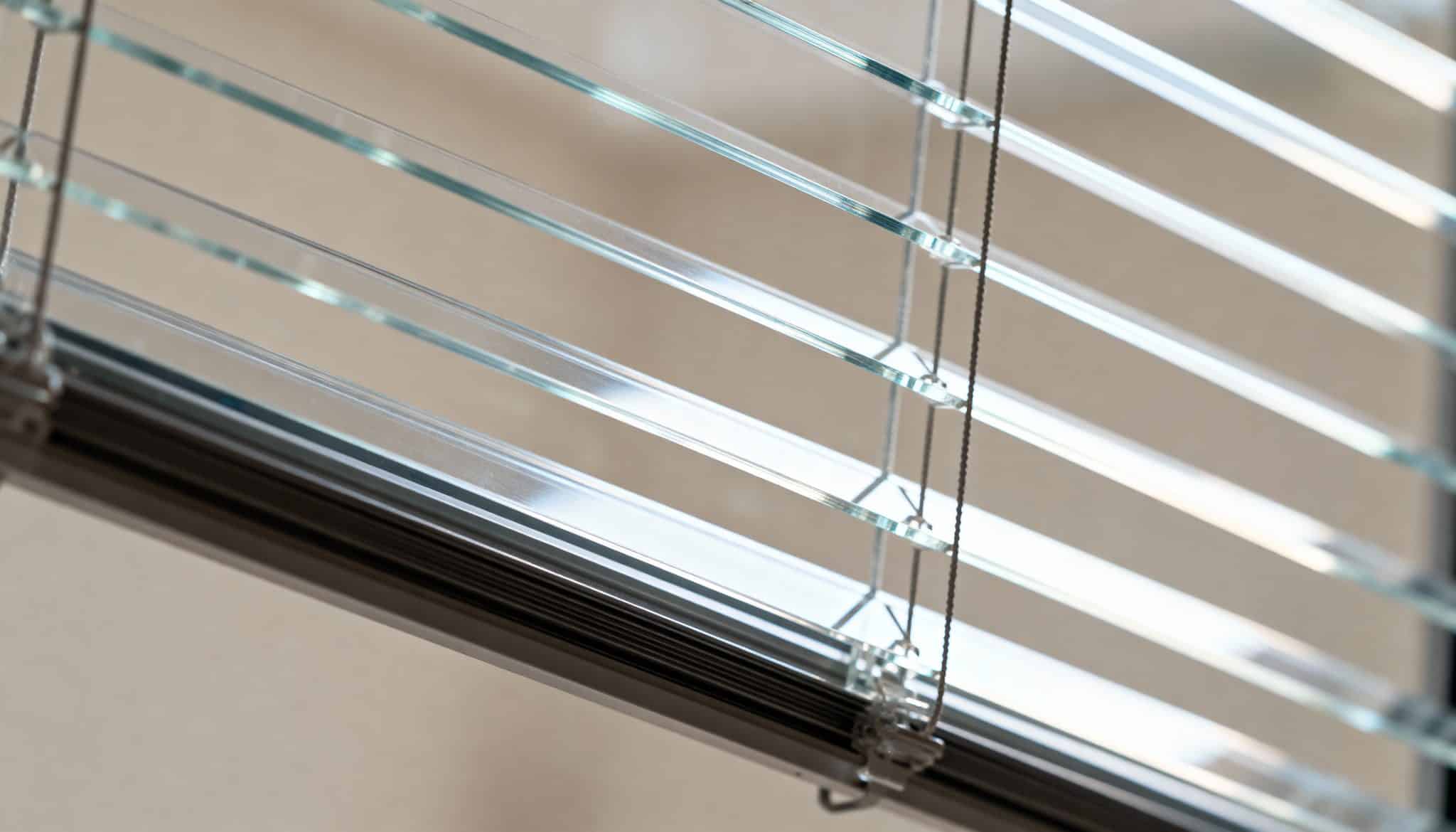
Acrylic slats are a good alternative to glass in rough weather or safety areas.
Virtually unbreakable and lighter than glass, they resist shattering from debris. High-quality UV coatings help prevent yellowing over time.
7. Composite Frame Windows
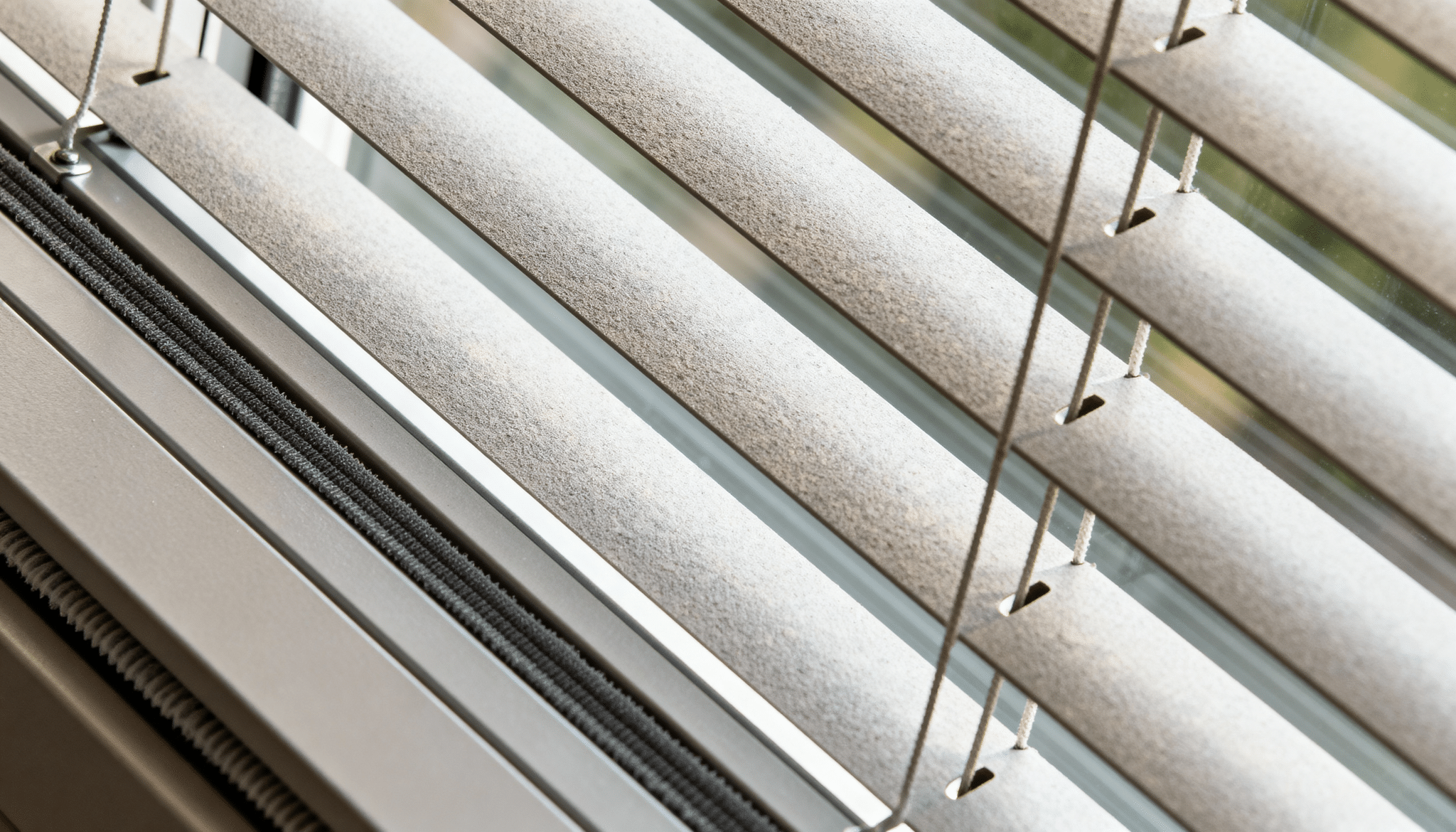
Composite frames blend materials like wood fibers and plastic to mimic wood with the durability of synthetics.
They provide strong stability and thermal efficiency, resisting rot, fungi, and insects. Unlike vinyl, they can often be painted or stained for flexible design options.
Cost Breakdown
Here’s what you’ll actually spend from purchase to installation.
| Cost Component | Price Range |
|---|---|
| Basic window unit (standard size) | $150 – $300 |
| Premium window unit (larger or custom) | $300 – $600 |
| Aluminum frame upgrade | $50 – $100 extra |
| Tempered glass upgrade | $30 – $80 extra |
| Professional installation (per window) | $100 – $250 |
| Removal of the old window | $50 – $100 |
| Frame repairs if needed | $75 – $200 |
| Weather stripping and sealing | $20 – $50 |
| Hardware and crank mechanism | $15 – $40 |
| Total per window (installed) | $250 – $800 |
Disclaimer: Cost may vary depending on location and other factors.
When to Replace Your Old Windows
Sometimes, repair isn’t worth it anymore. Here are clear signs that tell you it’s time for new windows.
Cracked or Broken Glass Slats
If multiple slats are cracked or shattered, replacement makes more sense than fixing individual pieces. Broken glass also poses safety risks, especially if you have kids or pets around your home.
Crank Mechanism Fails
When the crank handle won’t turn smoothly, or the slats no longer move together, the internal gears are worn out. This makes the window unusable and defeats its main purpose of providing controlled ventilation.
Visible Corrosion
Corrosion on metal frames or hardware indicates that moisture has penetrated deeply into the structure.
This weakens the entire window system and will only get worse over time, especially in humid climates.
Major Air Leaks
If you feel drafts even when the slats are completely closed, the seals have failed. This seriously increases heating and cooling costs and makes your home uncomfortable during extreme weather.
Slats Won’t Stay in Position
When slats slip or won’t hold their angle after you set them, the clips or brackets are broken.
This constant readjustment gets annoying fast and means the window isn’t functioning properly anymore.
Where to Buy New or Replacement Jalousie Windows
Finding the right place to buy these windows can save you time and money. Here are your best options:
White Louver Window
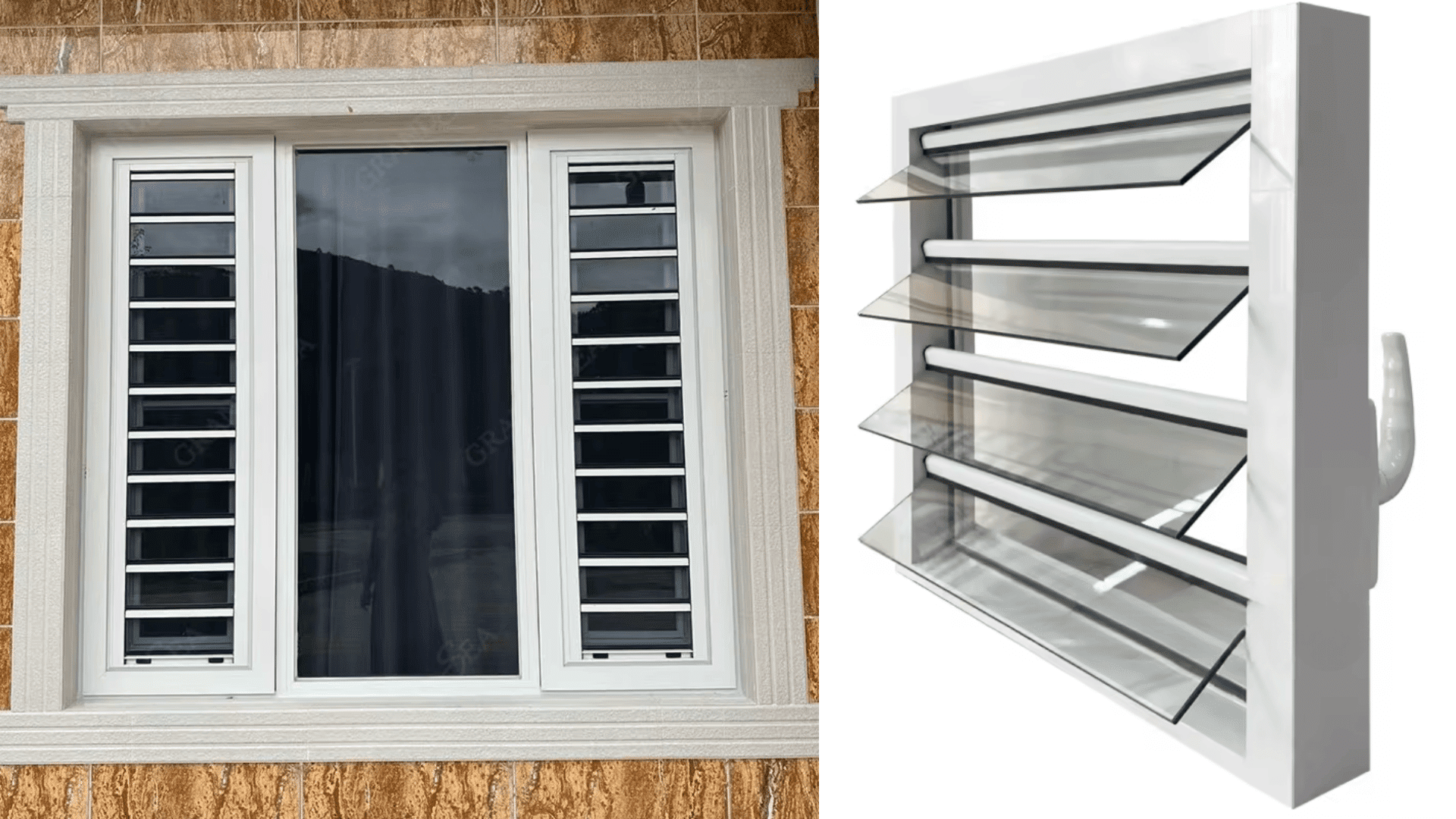
This window is a customizable white louver window offered with tiered pricing based on the order size, ranging from $78 to $68 per square meter.
The supplier provides custom samples at various levels of customization.
Palram Side Window
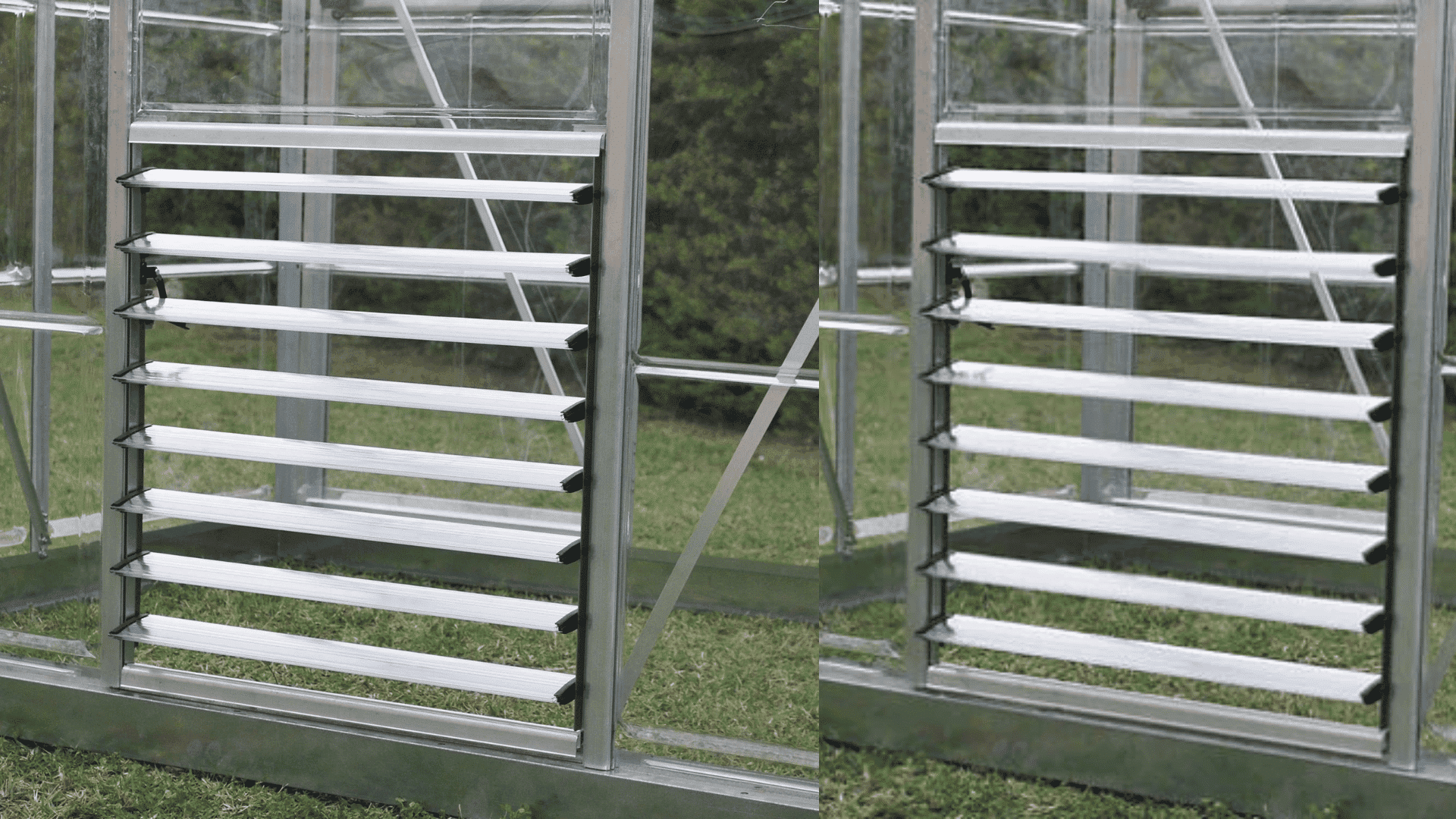
Silver-framed louvered side window, designed for a greenhouse or similar outdoor structure.
The adjustable horizontal slats allow controlled ventilation, essential for regulating temperature and humidity.
Aluminium Frame
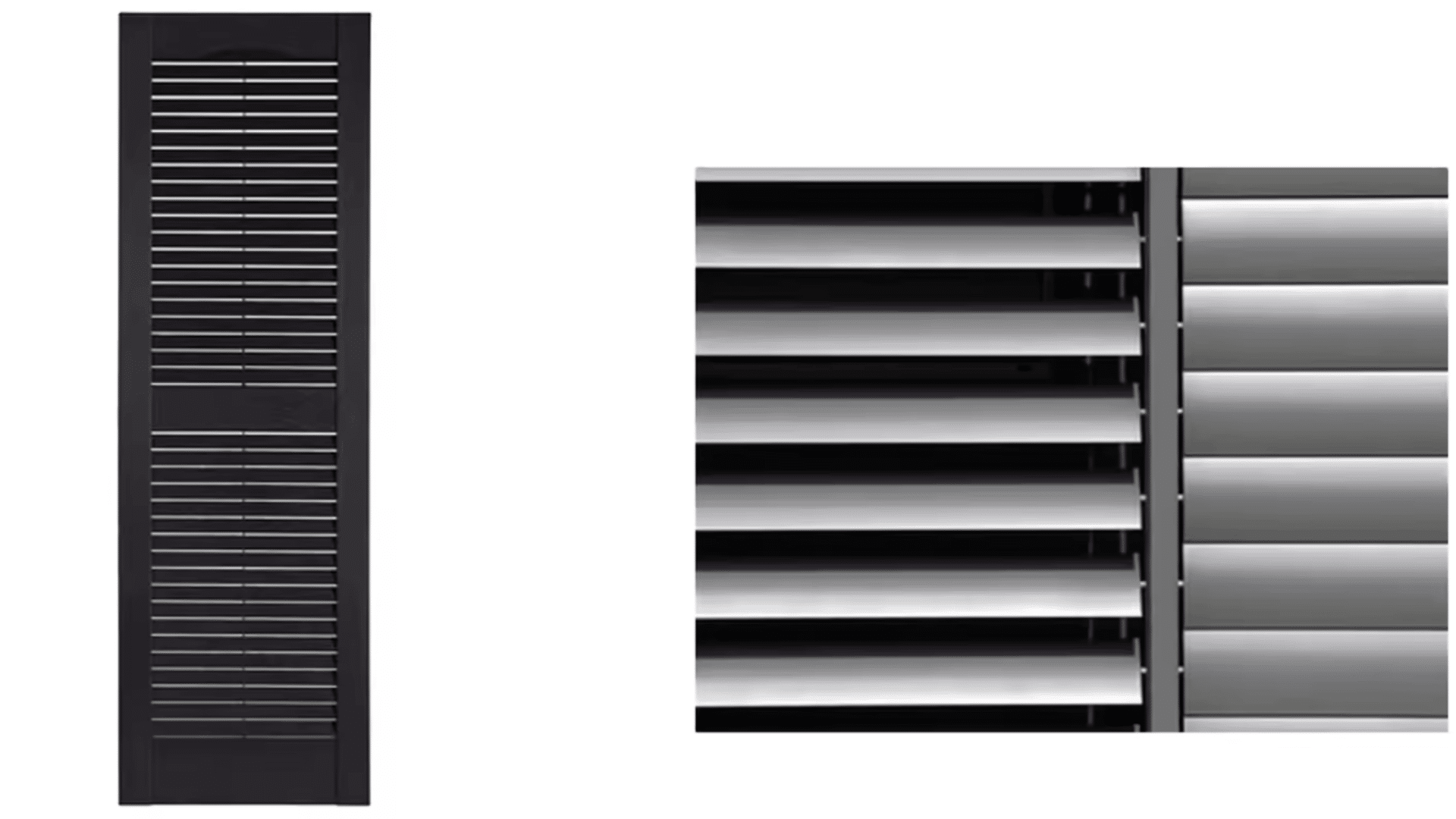
Adjustable Windows Modern Ventilation Aluminum Jalousie Window
A narrow, tall black louver shutter with closely spaced horizontal slats.
It is an aluminum frame product designed for ventilation and light control, which can be used as a window insert or facade element.
Canopia Greenhouse Windows

Automatic Louver Window Opener
A green-framed louvered window with clear polycarbonate or plastic slats.
It features a black hydraulic piston or damper mechanism for smooth, controlled opening and closing. It is specifically designed for ventilation in a greenhouse structure.
Glass Louvre Window
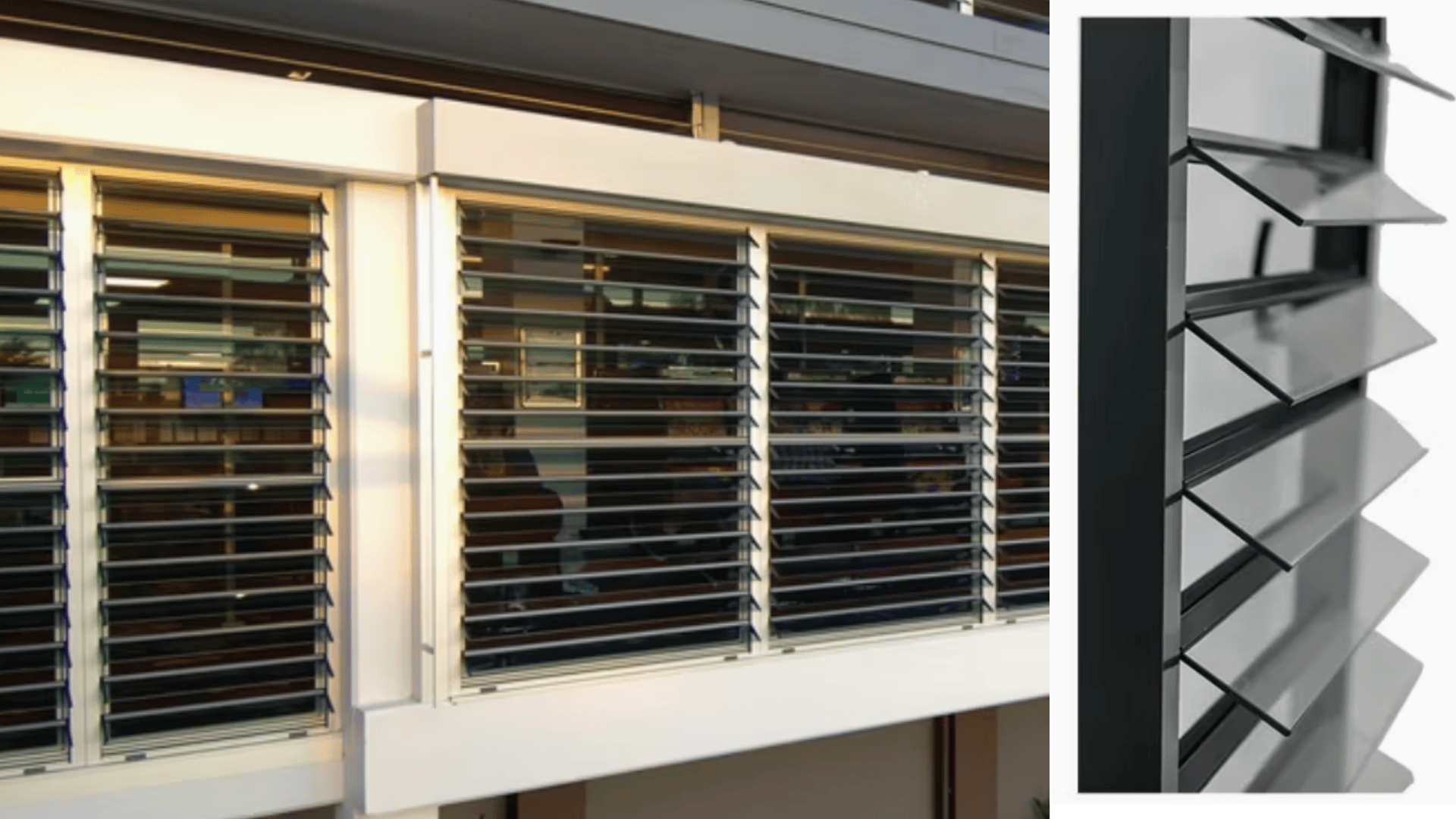
This window showcases a modern, wide-span system, featuring multiple panels of clear glass slats set within a white exterior frame.
The design provides extensive natural light and highly adjustable ventilation, commonly used in stylish commercial or residential buildings.
Jalousie Windows vs Other Window Styles
You will learn how these windows stack up against other common types:
| Feature | Jalousie | Double-Hung | Casement | Sliding |
|---|---|---|---|---|
| Ventilation | Maximum airflow | 50% opening | Full opening | 50% opening |
| Energy efficiency | Poor | Good | Excellent | Good |
| Security | Weak | Strong | Very strong | Moderate |
| Cost | $250-$800 | $300-$1,000 | $400-$1,200 | $200-$700 |
| Maintenance | High | Low | Low | Very low |
| Best climate | Hot, humid | All climates | Cold, windy | Mild areas |
| Ease of use | Very easy | Moderate | Easy | Very easy |
| Cleaning | Difficult | Easy | Easy | Very easy |
How to Maintain and Clean Windows
- Clean glass slats monthly with cordial, soapy water and a soft cloth.
- Vacuum between slats to remove dust and debris buildup.
- Lubricate the crank mechanism twice a year with silicone spray.
- Check for loose screws and tighten them as needed.
- Inspect weatherstripping annually and replace it if worn.
- Wipe down frames to prevent dirt accumulation.
- Test each slat to make sure it opens and closes properly.
- Apply rust-prevention spray to metal parts in humid areas.
- Remove and clean individual slats once a year for deep cleaning.
- Keep drainage holes at the bottom clear of blockages.
Final Thoughts
There you have it, everything you need to know about jalousie windows. They’re not perfect for everyone, but in the right setting, they work beautifully.
The ventilation alone makes them worth considering. Just keep in mind the insulation issues before you commit.
Check your local climate. Then think about your budget and your willingness to maintain. If both align with what these windows offer, go for it.
Still unsure? Talk to a local window installer.
They’ll give you honest feedback based on your specific situation.