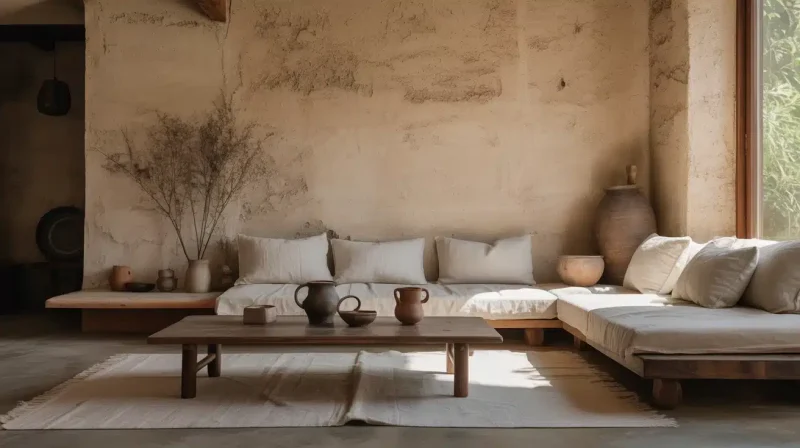
Japanese culture has long fascinated me.
I’ve read their books, studied their traditions, and always felt drawn to their design philosophies.
Once I visited a Japanese café in my city. Decluttered. Asymmetric. Every piece is placed with intention. That’s where Wabi sabi style came alive for me.
This philosophy celebrates imperfection, the cracks, the aging, the wear. It taught me to stop hiding scratches but cherish them.
Those marks on your furniture? They’re not problems. They’re stories.
Let me show you how this changes everything.
Wabi Sabi Meaning
Wabi Sabi is a Japanese philosophy that finds beauty in imperfection.
“Wabi” points to simple, quiet beauty, the kind found in a chipped teacup or a moss-covered stone. “Sabi” celebrates the charm that comes with age and wear.
Together, they form a way of seeing the world that values what is natural, worn, and real over anything polished or perfect.
It’s less a design rule and more a way of life.
What is Wabi Sabi Style?
Wabi Sabi is a philosophy that finds beauty in imperfection and simplicity, and then weaves it into interior design.
The biggest shift for me? Those imperfections I once thought looked shabby now carry meaning. They show what has endured. What has lived. And somehow, that makes you fall in love with them.
This approach reminds us that nothing is permanent. Everything ages and changes with time.
It uses natural materials such as wood, stone, and clay in their raw, neutral colors. No shine. No perfection.
The goal is simple: find calm in what’s real and lived-in.
The Origin and History of Wabi Sabi:
Wabi Sabi dates back to the 15th century in Japan.
It grew from Zen Buddhism and traditional tea ceremonies. Japanese tea masters taught people to appreciate humble, imperfect things over polished perfection.
The philosophy is simple: value nature’s cycles, accept change, and find peace in simplicity.
Characteristics of Wabi Sabi Style
Wabi sabi thrives on authenticity and simplicity, creating spaces that feel organic and lived-in rather than staged or perfect.
Natural materials: This design uses natural materials like wood, clay, bamboo, stone, and paper that reflect organic qualities.
Neutral, muted colors: This style uses natural tones without vibrant shades. Earthy browns, soft whites, and natural wall textures set a soothing, relaxing mood.
Imperfection: The fundamental principle of Wabi Sabi is to walk through imperfection and embrace the beauty of cracks, asymmetry, chips that appear as unique, not flaws.
Simplicity: The simpler the better, that’s what this interior is about. It focuses on an essential, clean, organised space.
Aging: Wabi Sabi values the beauty of growing and aging. It includes tarnished objects, weathered wood, and faded clothes as decor, adding depth and history to the interior.
Handcrafted Object: Wabi sabi style favors handmade items such as pottery, woven baskets, and carved wood. Each piece shows the maker’s touch with unique marks.
Declutter: Keep only what you need or love. Clear spaces let each item shine and create calm, removing visual mess for peaceful surroundings.
How to Bring Wabi Sabi Into Your Home
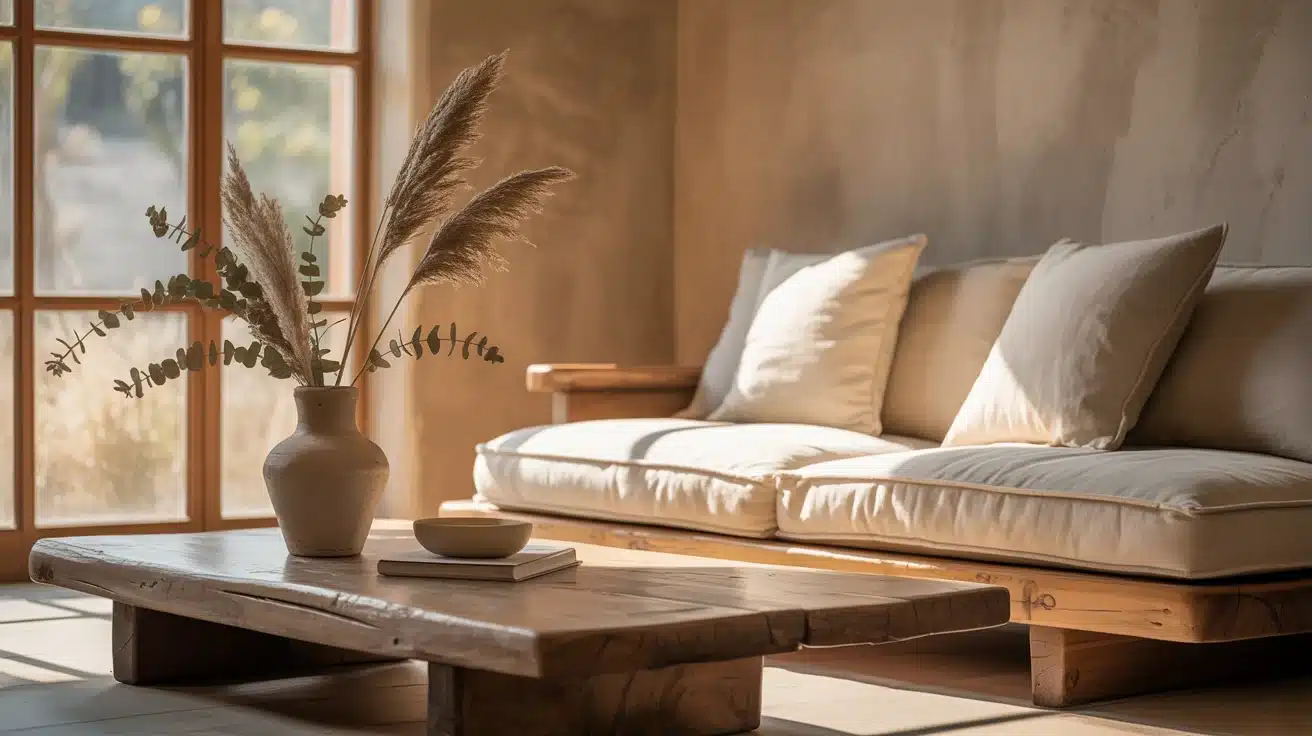
You don’t need to start from scratch. I didn’t either. Take one step at a time and slowly bring this style into your space.
Here are five simple steps to get you started:
Step 1: Choose Natural Materials
Start with wooden furniture, stone accents, and handmade decor. Look for pieces with visible grain, natural texture, and organic character.
Step 2: Pick Colors and Textured Walls
Soft shades like beige, cream, and white work best. I went with warm beige and never looked back. Add textured walls or plaster for depth without bold colors.
Step 3: Highlight the Imperfections
Stop fixing every crack and chip. Worn furniture and aged items tell stories, making your space feel honest and lived-in.
Step 4: Keep It Simple
Remove unnecessary items and declutter. Every object should have a purpose. This keeps your home feeling peaceful and easy to maintain.
Step 5: Add Natural Elements
Bring in potted plants, branches, dried flowers, and natural lighting. Simple clay containers and living greenery connect your indoor space to nature.
Wabi Sabi Home Decor Inspiration
If you’re falling for those imperfections too, here’s your inspiration to take it one step at a time.
Let’s see the popular styles :
1. Wabi Sabi Bedroom
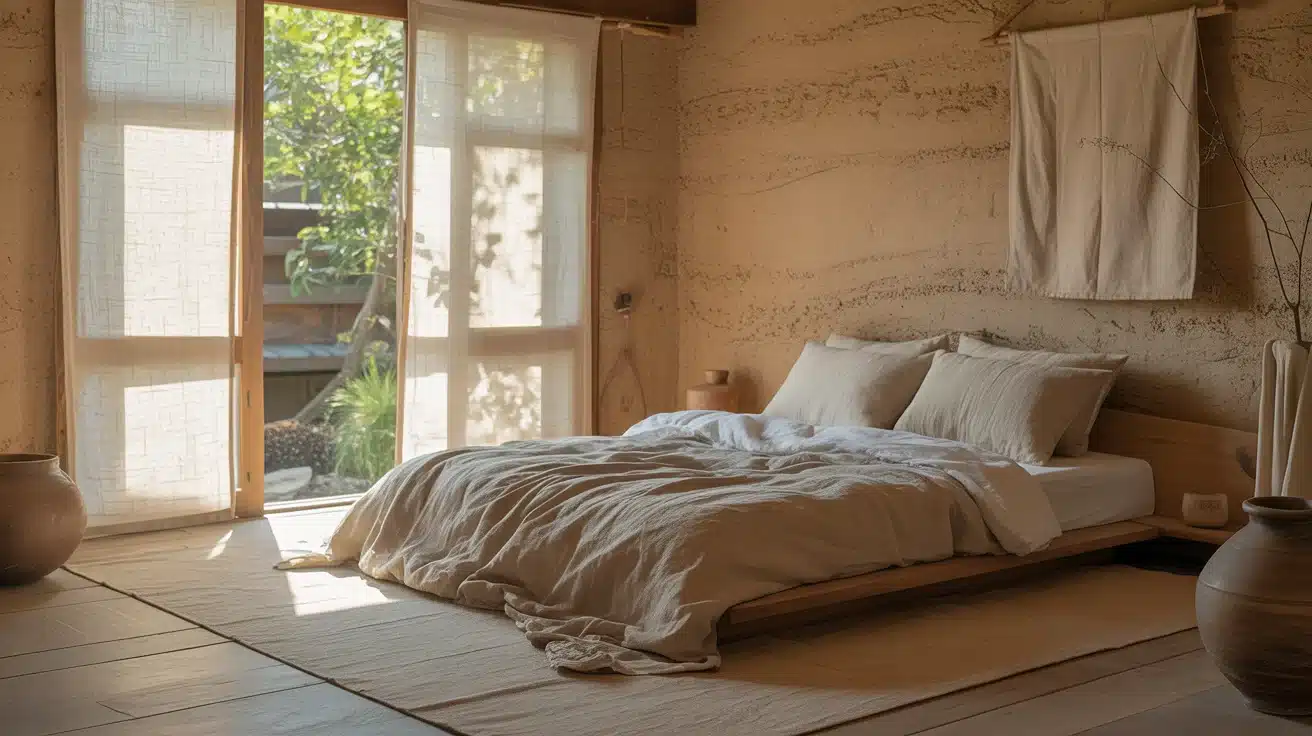
Start with your bedroom, one room that truly reflects you.
Linen sheets that wrinkle, a clear nightstand, and no decorative pillows you never use. It needs natural light, wooden furniture, linen or cotton fabrics, and neutral walls.
The wrinkles in the sheets used to feel like a problem. Now they feel right and peaceful.
2. Wabi Sabi Living Room
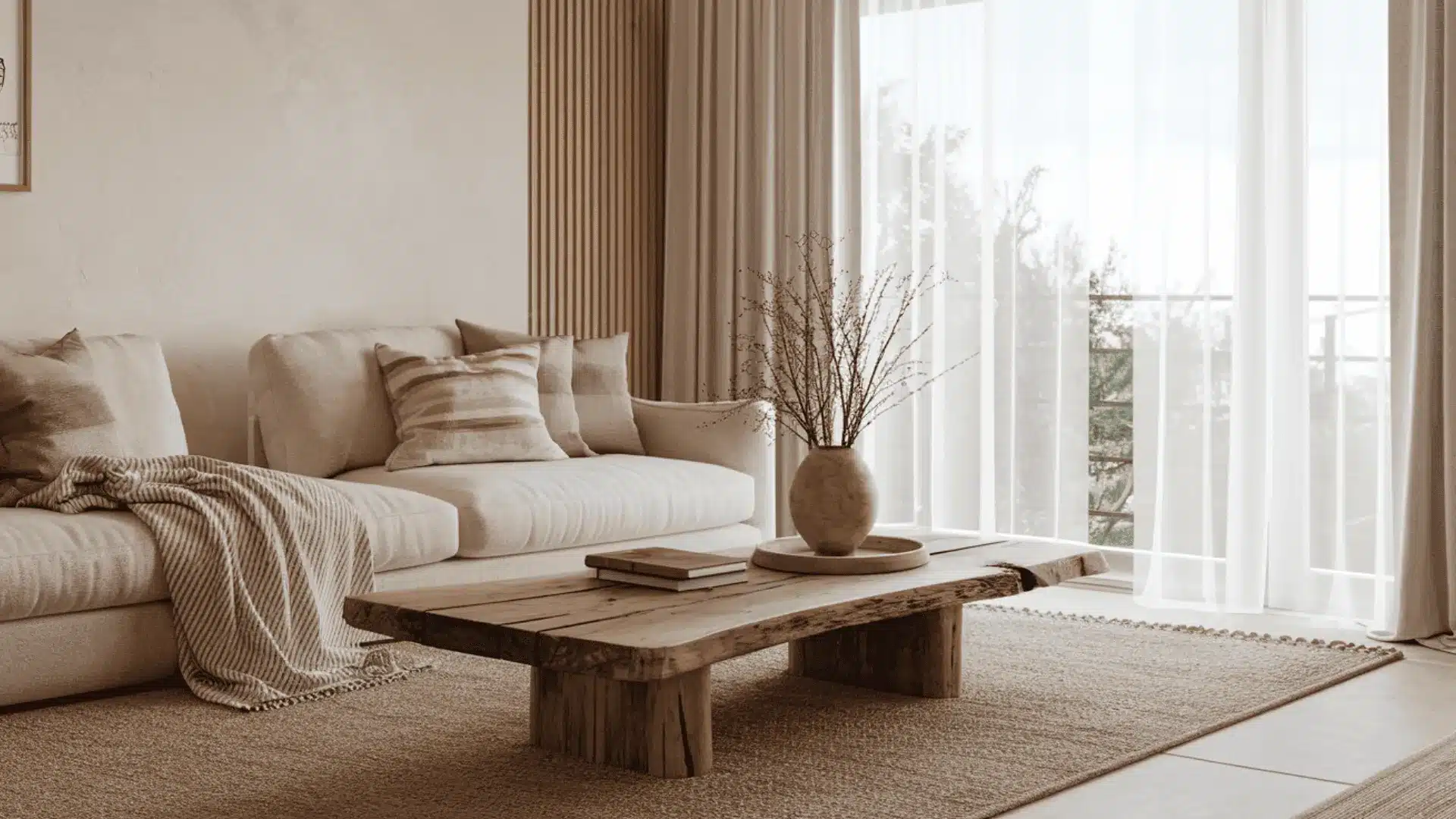
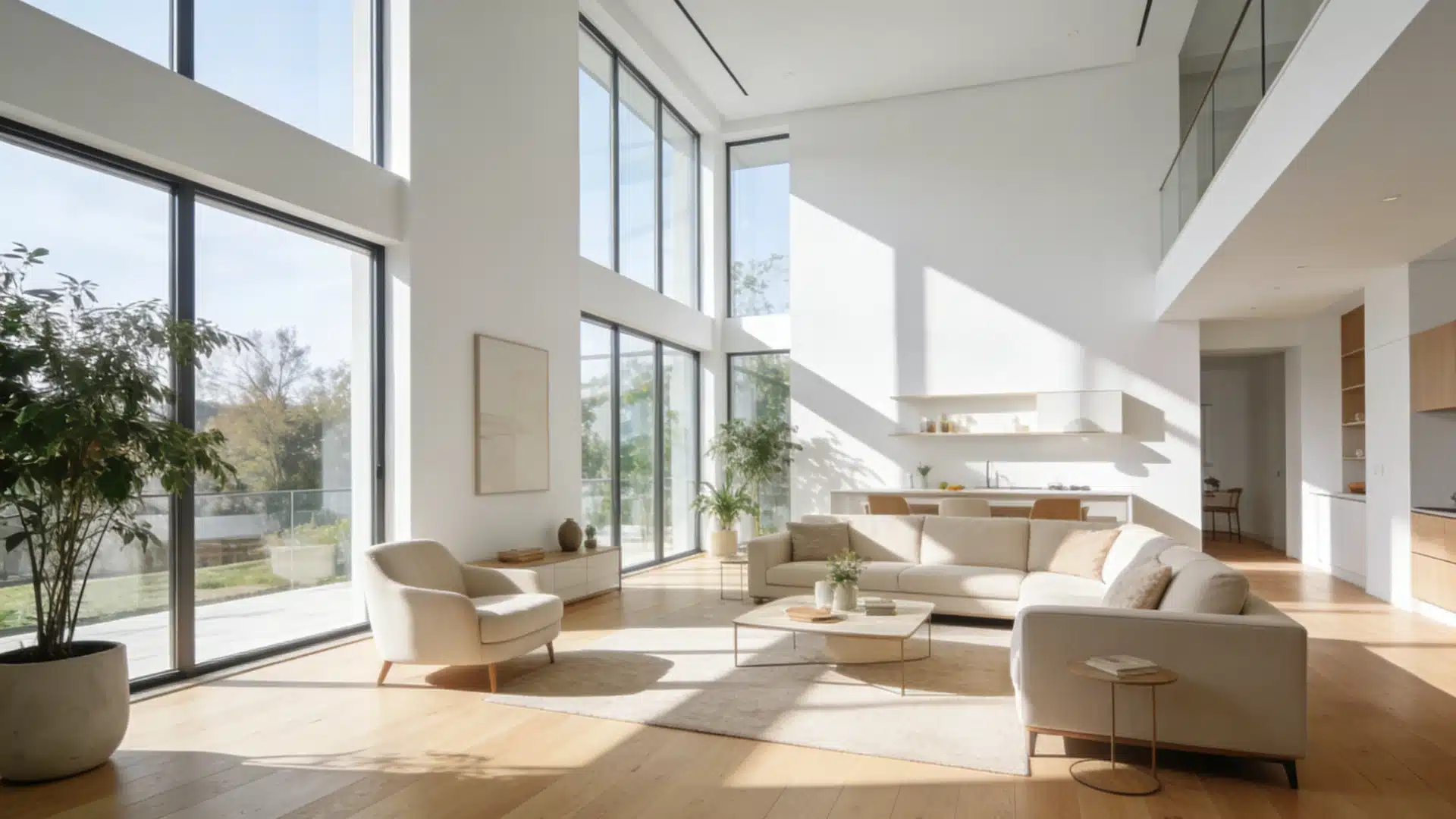
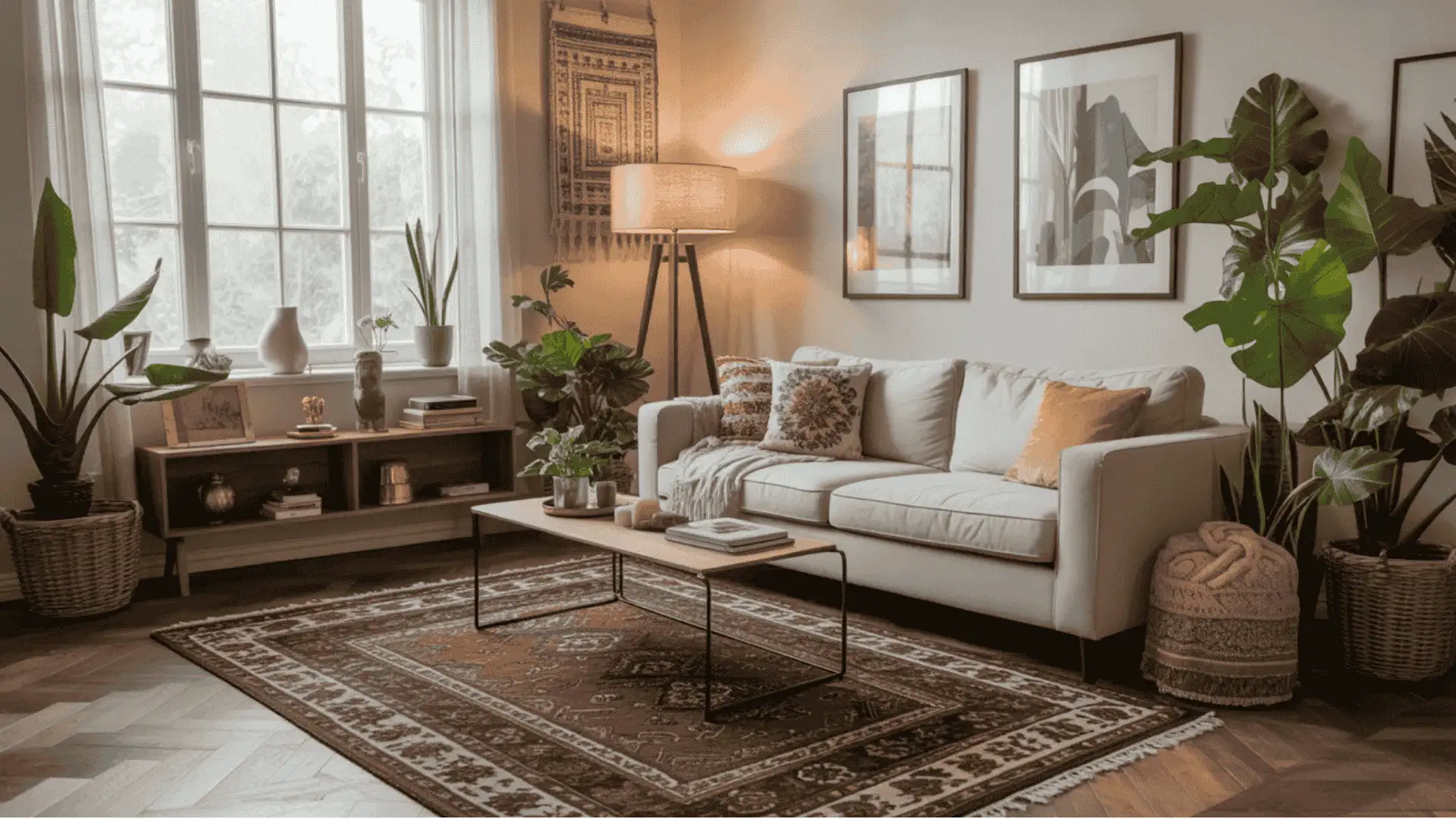
The living room is where most time gets spent at home, so getting it right matters.
- Choose muted colors and textures to set the calming atmosphere
- Choose linen or cotton fabric for curtains and sofas
- Go for wooden furniture with clean lining.
3. Wabi Sabi Dining Room
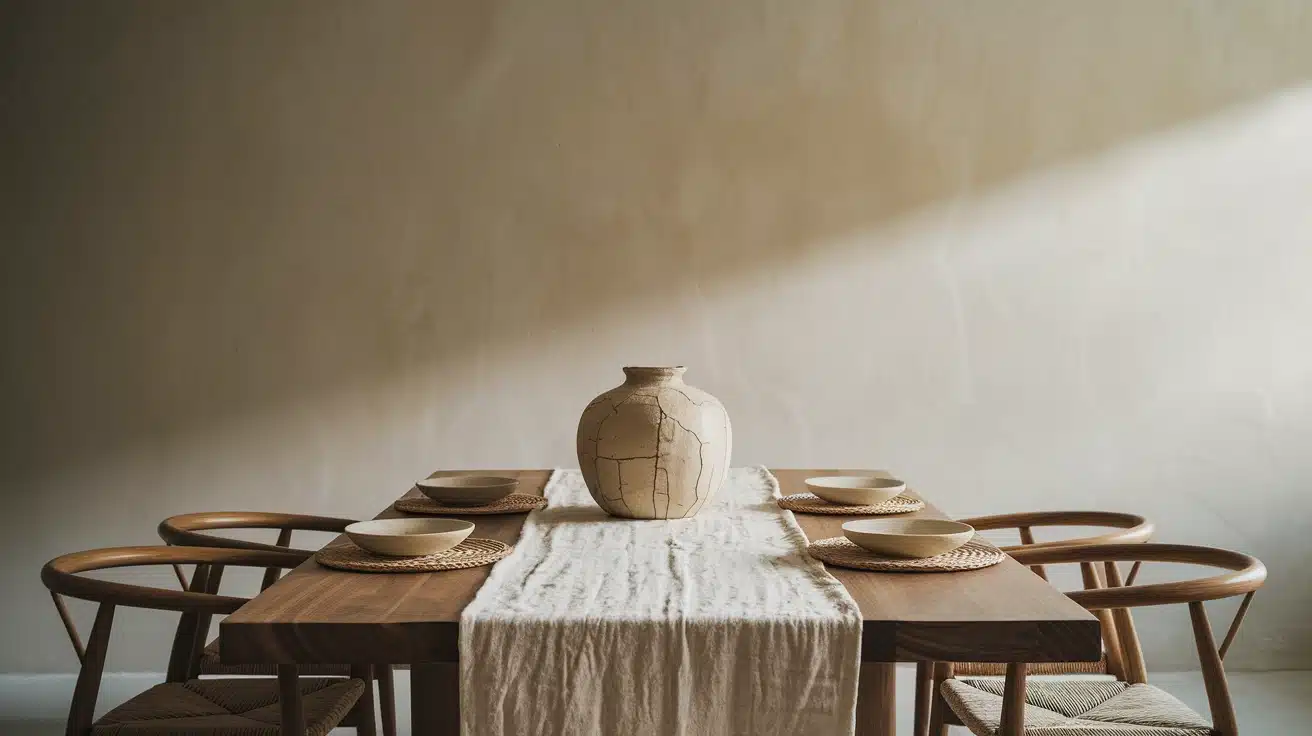
The crockery that was chipped and tucked away is now my dining room centerpiece.
Those undefined, imperfect pieces sit proudly on my wooden table. Paired with linen napkins and simple settings. The chips aren’t flaws anymore; they’re what make them special.
4. Wabi Sabi Bathroom
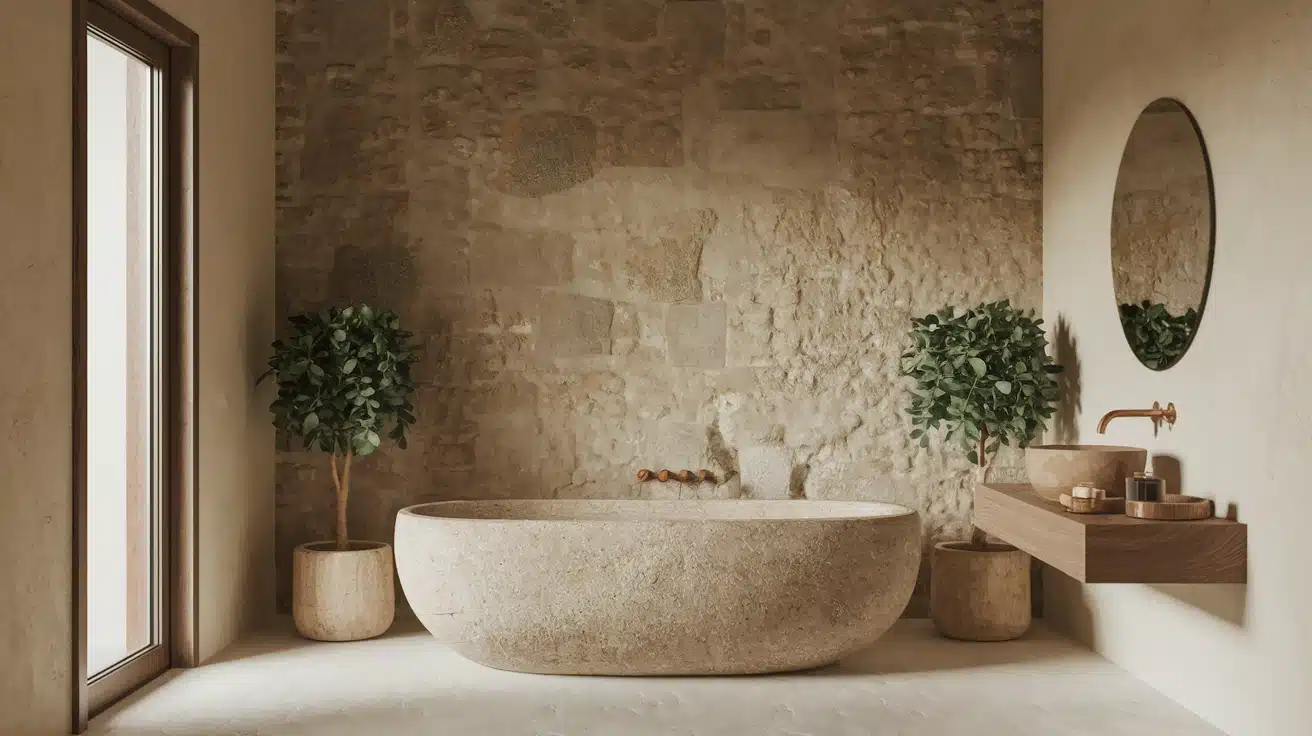
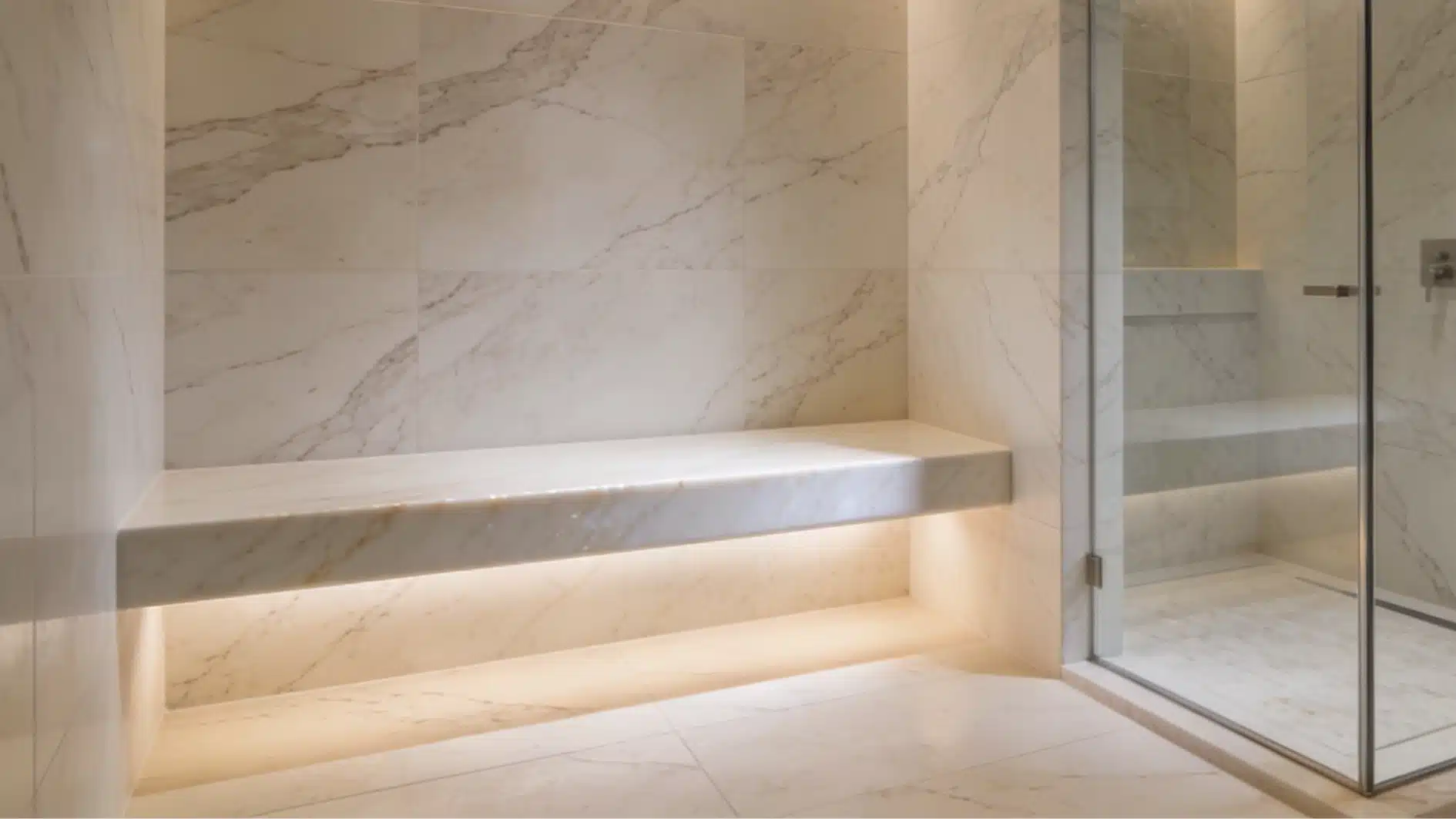
The bathroom is where you start and end each day, so it matters to keep it calm.
- Use natural material for the accent wall
- You can use a stone bathtub
- Use a potted plant and a wooden accessory
- Let a space for natural lighting
5. Wabi Sabi Kitchen
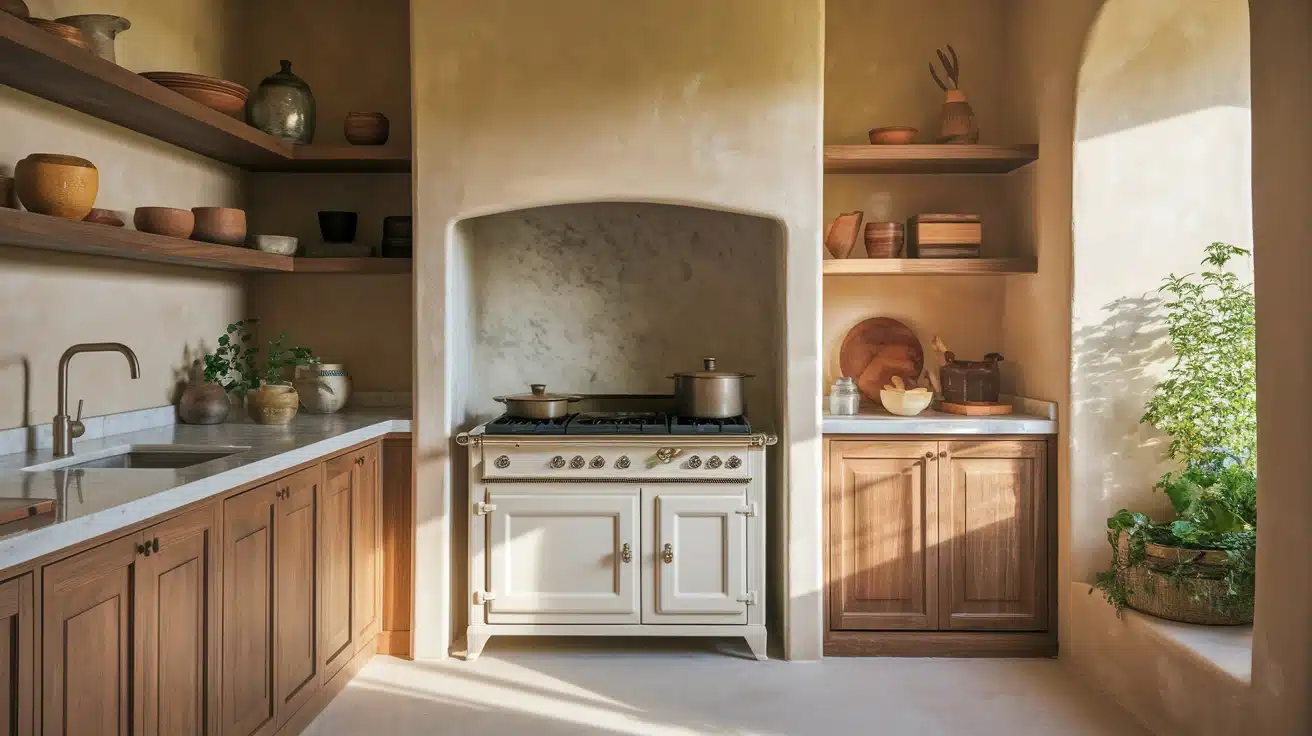
For people who value elegance, it creates a sense of comfort, making a kitchen more than just a cooking space.
Wooden cabinet with a marble or stone countertop in a neutral tone. Open shelving and spaces are considerable.
The use of wooden and traditional culinary items adds a touch of your wabi sabi style to your kitchen.
Wabi Sabi vs. Other Interior Designs
While Wabi Sabi shares similarities with other designs, it has unique characteristics that set it apart.
Knowing these differences helps you choose the right aesthetic for your space.
| Feature | Wabi Sabi | Japandi | Rustic | Zen |
|---|---|---|---|---|
| Origin | Japanese philosophy | Japanese + Scandinavian | Western countryside | Japanese Buddhism |
| Focus | Imperfection and aging | Function and comfort | Cozy, natural warmth | Perfect minimalism |
| Colors | Muted, earthy tones | Light, neutral palette | Dark woods, bold tones | Pure whites, blacks |
| Textures | Weathered, organic | Smooth, natural | Rough, heavy | Clean, polished |
| Style | Rustic, lived-in | Modern, sleek | Cabin-like, charming | Strict, organized |
| Decorating | Minimal, intentional | Functional pieces | Can be cluttered | Precise, sparse |
| Feeling | Quiet, meditative | Warm, balanced | Cozy, inviting | Calm, orderly |
Why Install Wabi-Sabi Interior Design in Your Space?
The wabi sabi style changed my space first. Then it changed how I live, as it has multiple benefits for our mental, emotional, and even physical well-being.
- Reduce Stress and Anxiety: The core focus on simplicity and imperfection helps reduce stress and anxiety.
- Encourage Mindfulness: It promotes the sense of gratitude by appreciating the beauty of what is imperfect.
- Acceptance: This style teaches the you the art of accepting things as they are, building emotional resilience, and reducing pressure to be perfect.
- Authenticity: It values the history and story of handmade things.
- Connect to nature: Use natural elements like wood, stone, and clay to bring the outdoors into your space.
- Sustainability: I repair instead of replace. I keep instead of discarding. This approach aligns with sustainable materials management by using resources responsibly and reducing waste.
Conclusion
Building a wabi sabi-style space is about more than looks.
It’s about acceptance, simplicity, and the imperfection of what you already have.
I started small, from one room to another. But that one change shifted how I see my entire home. Now my space naturally brings me calm. I notice beauty in moments and flaws I used to ignore.
Creating a space that feels natural and inviting doesn’t cost much. It takes one step at a time.
Ready to make a change? Make it Wabi Sabi.
Frequently Asked Questions (FAQs)
What are the 7 Principles of Wabi-Sabi?
The seven principles are Kanso (simplicity), Fukinsei (asymmetry), Shibumi (understated beauty), Shizen (naturalness), Yugen (subtle grace), Datsuzoku (freedom from habits), and Seijaku (tranquility).
What are Common Wabi-Sabi Design Mistakes?
Buying new items to look “aged,” over-decorating to force the aesthetic, and ignoring real safety issues like structural damage.
Is Japandi Still in Style in 2026?
Yes, Japandi remains popular in 2026, blending Japanese simplicity with Scandinavian functionality for modern, comfortable spaces.