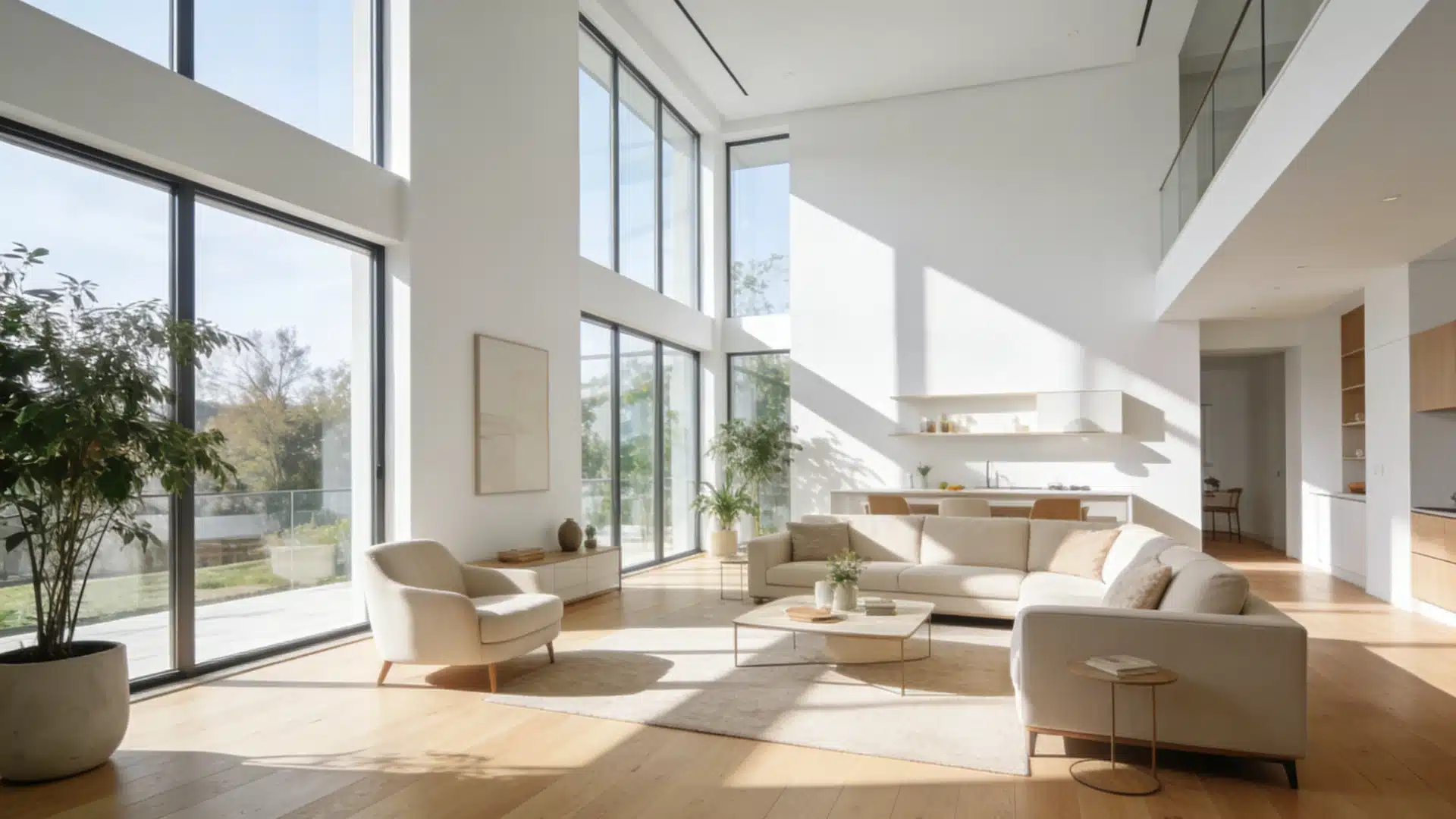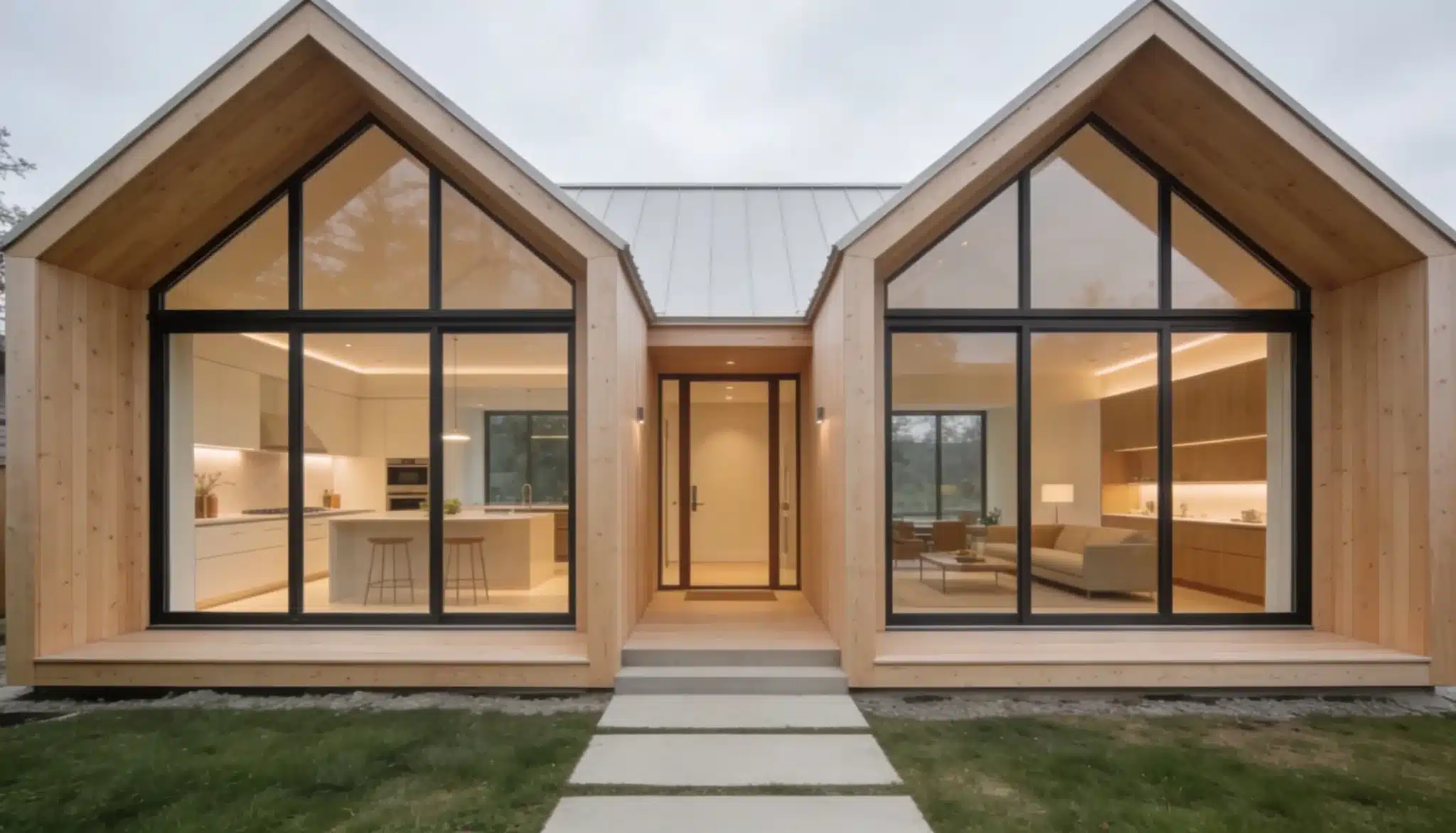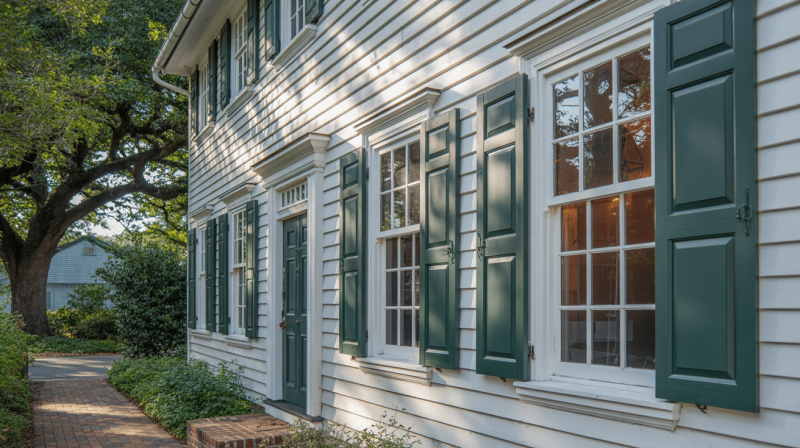
Your home’s windows do more than just let in light.
They shape how your space looks and feels, affect your energy bills, and even impact your curb appeal. With so many window styles out there, picking the right one can feel overwhelming. Each type has its own strengths and quirks.
That’s why we’ve rounded up popular windows to help you find the perfect match for your home and lifestyle.
What Does Window Style Mean?
Window style refers to the specific design and functionality of different window types.
Think of it like choosing between a sedan and an SUV. Both get you where you need to go, but they work differently and suit different needs.
Some windows slide open horizontally, while others crank outward. Some are fixed in place, and others tilt for easy cleaning.
The style you pick affects:
- Ventilation
- Maintenance requirements
- Energy efficiency
- Natural light levels
It also plays a massive role in your home’s overall look, from modern and sleek to traditional and charming.
Here’s a List of Popular Window Styles
When you’re shopping for windows, you’ll quickly notice a few names pop up everywhere.
Double-hung and casement windows lead the pack because they’re versatile and easy to maintain. Sliding windows aren’t far behind, especially in modern builds.
1. Double-Hung Window

Double-hung windows feature two sashes that slide up and down independently.
Both sections move for flexible ventilation, and many tilt inward for easy cleaning.
They’re pricier than single-hung options and require more maintenance as the hardware wears, but their versatility and classic appeal make them worth it for most homeowners.
2. Single-Hung Window

Single-hung window styles look similar to double-hung, but only the bottom sash moves.
They’re budget-friendly with fewer moving parts to maintain, though you’ll sacrifice some ventilation flexibility and need to clean the outside from a ladder.
3. Sliding Window

Sliding windows glide horizontally along a track, making them ideal for wide openings with limited vertical space.
They offer panoramic views and won’t protrude into outdoor walkways, but the tracks collect dirt easily, and typically, only half the window opens at once.
4. Casement Window

Casement windows are hinged on one side and crank outward like a door. They provide maximum airflow and excellent energy efficiency with their tight seal.
The downside? They can interfere with patios or decks when open, and screens have to go on the inside.
5. Picture Window

Picture windows are fixed panes that frame views and flood rooms with natural light. Since they don’t open, they’re incredibly energy-efficient and low-maintenance.
Just remember, you’ll get zero ventilation and might deal with heat gain in sunny spots.
6. Awning Window

Awning windows hinge at the top and open outward from the bottom, allowing you to keep them open even in light rain.
They’re great for privacy when placed high on walls, but offer limited views and can bump into things outside when opened.
7. Bay Window

Bay windows project outward with three panels, creating extra interior space and dramatic curb appeal.
They bring in tons of light and add architectural interest, though the installation is expensive, and that extra surface area means higher heating and cooling costs.
8. Bow Window

Bow windows use four or more panels in a gentle curve for an elegant look.
They increase interior space and offer sweeping views, but they cost more than bay windows and require professional installation due to their complexity.
9. Hopper Window

Hopper windows tilt inward from the top and work perfectly in basements or tight spaces.
They’re amongst the window styles that are easy to clean since they open toward you, but they take up interior space when open and aren’t ideal if you have furniture below.
10. Skylight Window

Skylights bring natural light down from your roof, transforming dark spaces and reducing your need for artificial lighting during the day.
Watch out for potential leaks if they’re not installed correctly, and be prepared for some serious heat gain in summer.
11. Roof Window

Roof windows sit at an angle following your roof’s pitch and actually open for ventilation, unlike fixed skylights.
They’re perfect for attic conversions but require cutting into your roof and proper flashing to keep water out.
12. Garden Window

Garden windows are mini greenhouses that project outward, perfect for growing herbs above your kitchen sink.
They add serious charm but offer limited ventilation and need frequent cleaning since there’s glass on all sides.
13. Storm Window

Storm windows are installed over existing windows to boost insulation without the cost of a complete replacement.
They improve energy efficiency and protect your original windows, though moisture can get trapped between layers, and they might look dated on modern homes.
14. Transom Window

Transom windows sit above doors or other windows to add light without sacrificing privacy below.
They add architectural interest and make rooms feel taller, but cleaning them requires a ladder, and most don’t allow airflow.
15. Egress Window

Egress windows meet building codes for emergency exits in basements and bedrooms.
They make lower levels livable with natural light and add home value, but installation means cutting through foundation walls and maintaining window wells outside.
16. Jalousie (Louvered) Window

Jalousie windows have horizontal glass slats that tilt open in unison for maximum ventilation.
They bring vintage mid-century charm but are terrible for energy efficiency, and individual slats break easily and cost a fortune to replace.
17. Arched Window

Arched windows feature curved tops that create stunning focal points and work with both classic and modern designs.
Custom shapes cost more to manufacture, finding window treatments that fit is a nightmare, and most are fixed so that you won’t get ventilation.
Picking the Right Window Style for Your Home
Choosing window style isn’t just about what looks good. You need to think about how each room functions and what you actually need from your windows.
Consider Your Room’s Purpose
Kitchens benefit from casement or garden windows above the sink.
Bedrooms need options that balance privacy with ventilation, such as awnings or double-hung windows. Living rooms are where picture windows really shine since they frame views and flood spaces with light.
Think about these factors:
- How much ventilation does the room need?
- Do you want maximum light or more privacy?
Energy Efficiency Matters
Windows with fewer moving parts seal better and save money.
Picture windows and casement windows win here with their tight seals. Double-hung and sliding options can develop gaps over time.
Budget Reality Check
Single-hung windows cost less than double-hung. Standard sizes beat custom shapes every time. Storm windows offer a middle ground if you’re not ready for complete replacement.
Specialty styles like bow windows will always cost more due to the complexity of installation, so factor that in before you commit.
Window Styles that Work Best According to Your Home’s Architectural Style
Your home’s architecture gives you clues about which windows will look right and function well.
Matching the right style to your home’s design creates harmony between old and new, inside and out.
1. Victorian Homes

Victorian houses are known for their ornate details, steep rooflines, and dramatic flourishes that call for equally decorative window choices.
Exterior Window Styles
- Bay and bow windows add depth to front-facing rooms.
- Arched windows make statements above entryways.
- Double-hung windows with decorative trim suit upper floors.
Interior Window Styles
- Tall double-hung windows suit high ceilings.
- Garden windows fit well in kitchens.
2. Ranch Style Homes

Ranch homes feature low, horizontal profiles with open floor plans and practical designs.
Built mostly in the mid-20th century, they prioritize function and easy indoor-outdoor living.
Exterior Window Styles
- Sliding windows mirror the home’s horizontal profile.
- Picture windows offer unobstructed views.
Interior Window Styles
- Picture windows connect indoor and outdoor spaces.
- Sliding windows above kitchen counters don’t swing into the workspace.
- Single-hung options work well for low ceilings in bedrooms.
3. Colonial Homes

Colonial architecture emphasizes symmetry, proportion, and formal balance.
Exterior Window Styles
- Double-hung windows are arranged in balanced rows.
- Evenly spaced windows create formal symmetry.
Interior Window Styles
- Double-hung windows maintain room-to-room consistency.
- Transom windows above doorways add light.
4. Mediterranean Homes

Mediterranean homes draw on Spanish and Italian coastal architecture, featuring stucco walls and designs suited to warm climates.
Exterior Window Styles
- Arched windows echo Spanish influences.
- Casement windows with wrought iron add Old World charm.
Interior Window Styles
- Arched windows frame views in living spaces.
- Transom windows boost light and cross-ventilation.
5. Craftsman Homes

Craftsman homes celebrate natural materials and handcrafted details born from the Arts and Crafts movement.
Exterior Window Styles
- Double-hung or casement windows with wide trim.
- Bay windows create cozy reading nooks.
Interior Window Styles
- Wood frames showcase natural materials.
- Double-hung windows with substantial trim.
- Transom windows above built-ins maintain light flow.
Costs You Should Expect
Window prices vary wildly depending on style, size, and materials.
A basic single-hung window might run you $150 to $400, while fancy bow windows can easily hit $3,500 or more per unit.
Standard double-hung and casement windows typically cost between $300 and $900 installed. Sliding windows are usually budget-friendly at $250 to $700.
Specialty options get pricey fast: bay windows start around $1,200, and skylights cost $900 to $2,400.
Vinyl frames are the most affordable option.
Wood costs more but offers classic beauty. Energy-efficient upgrades like low-E glass add $50 to $150 per window but pay off through lower utility bills.
Window Buying Tips
Getting new windows is a significant investment, so you want to make sure you’re doing it right.
- Measure twice, order once: even minor measurement errors can leave you with windows that don’t fit properly
- Check your local building codes: basement bedrooms need egress windows, and some areas have specific requirements
- Get at least three quotes: compare pricing from different contractors to avoid overpaying
- Ask about warranties: quality windows should come with 10 to 20 years of coverage on both glass and frames
- Consider energy ratings: look for ENERGY STAR labels and U-factor ratings appropriate for your climate zone
- Think about maintenance: vinyl needs almost nothing, while wood requires regular painting or staining
- Don’t forget window treatments: custom shapes like arches are expensive to cover with blinds or curtains
Window Care and Upkeep
Keeping your windows in good shape doesn’t require much effort, but a little regular maintenance goes a long way.
Different window styles have different needs, so knowing what yours require helps them last longer.
1. Cleaning Basics
Wash your windows at least twice a year using mild soap and water. Don’t forget the tracks on sliding windows since dirt builds up fast.
Tilt-in double-hung windows make cleaning easy.
Quick cleaning tips:
- Use a squeegee for streak-free glass
- Clean frames with an appropriate cleaner for the material
2. Seasonal Maintenance
Inspect seals and weatherstripping every fall.
Lubricate moving parts on casement and awning windows annually with silicone spray.
3. Material-Specific Care
Wood frames need yearly touch-ups to prevent rot. Vinyl needs occasional washing. Skylights require extra vigilance for leaks.
Watch for these warning signs:
- Condensation between panes means seal failure
- Difficulty opening indicates hardware problems
Final Thoughts
Finding the right window styles for your home comes down to balancing function, budget, and looks.
Whether you’re drawn to the classic charm of double-hung windows or the modern appeal of sleek casements, each style brings something different to your space.
Think about energy efficiency, maintenance needs, and your home’s architecture before making your choice.
Ready to upgrade your windows?