Did your roof just survive a brutal storm? Yes, that sinking feeling.
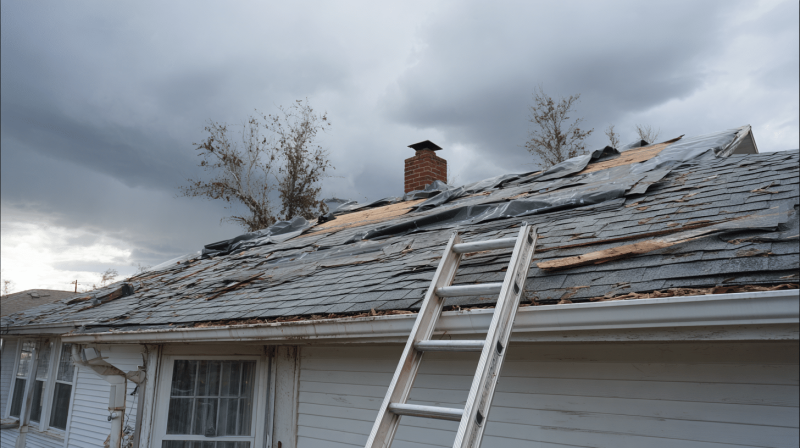
You step outside after the winds die down, and there it is, missing shingles, dents, or worse.
Your home’s first line of defense is compromised, and you’re wondering what comes next. Storm damage doesn’t wait for a convenient time.
But here’s the good news: storm damage roof repair is straightforward when you know the steps. I’ll walk you through exactly what to do.
What to do After a Storm: Quick Checklist
The storm just passed, and you’re wondering about your roof.
Let’s give you a clear action plan that keeps you safe and protects your home.
Right Away:
- Take photos and videos from the ground
- Check your attic for leaks or water spots
- Place buckets under active drips
- Cover damage with tarps if it’s safe
- Call your insurance company to report damage
- Schedule a professional roof inspection
Acting fast stops small problems from turning into expensive nightmares.
The sooner you address storm damage, the better your chances of a full recovery. Now let’s look at the specific types of damage storms cause to roofs.
Signs that Point to Storm Damage Roof Repair
Your roof takes a beating during severe weather.
But how do you know if it needs attention right away? Here are the warning signs to watch for.
Missing or Damaged Shingles

Walk around your property after a storm passes. Look up at your roof from different angles.
Do you see bare spots where shingles used to be? Strong winds can rip shingles clean off or crack them at the edges.
Even curled or lifted shingles expose your roof to water damage.
Dents on Metal Surfaces

Check your gutters, downspouts, and metal flashing. Hail leaves dents that are easy to spot.
If these areas show damage, your shingles probably took hits, too. Your air conditioning unit outside can also reveal hail impact signs.
Water Stains Inside

Brown or yellow stains on your ceiling mean water got through. Don’t ignore small stains because they grow with time.
These marks often appear in corners or along edges where leaks start.
Granules in Gutters

After a storm, check your gutters. See dark, sandy material? Those are asphalt granules from deteriorating shingles.
Losing too many granules means your roof can’t protect your home effectively anymore.
Other Warning Signs

- Sagging roof sections
- Daylight visible through attic boards
- Debris stuck in valleys
- Higher energy bills
Catching these signs early saves you money. Now let’s talk about what to do next.
Types of Storm-Related Roof Damage
Different weather conditions attack your roof in specific ways, and knowing what you’re dealing with helps you respond correctly.
1. Hail: Hail slams down at high speeds and leaves circular dents or cracks in shingles. You might see bruising where the impact pushed granules into the shingle mat, shortening your roof’s lifespan.
2. Water: Water seeps through damaged flashing or loose shingles, rotting the wood decking and spreading to the insulation fast.
3. Wind: High winds lift shingle edges, break seals, and expose underlayment to rain. Corners and ridges take the hardest hits because wind catches them first.
4. Debris: Large limbs puncture holes straight through your roof, while smaller debris clogs gutters and traps moisture.
Steps to Repair Your Roof on Your Own
Some roof repairs are manageable if you’re handy and the damage isn’t severe. But before you climb up there, know your limits.
Safety comes first, always.
Step 1: Assess the Damage Safely
Get on your ladder and inspect the damaged area up close.
If you see widespread damage or feel uncomfortable at heights, stop right there. Call a professional instead.
Step 2: Remove Damaged Shingles
Slide your pry bar under the damaged shingle and lift the nails carefully. Work from top to bottom.
Pull out the broken shingle without damaging the surrounding ones.
Step 3: Install New Shingles
Slide the new shingle into place.
Nail it down securely, then apply roofing cement under the edges. Press the shingle above it back down to seal everything.
Step 4: Check Your Work
Look for gaps or loose edges. Apply extra sealant if needed.
Make sure water can flow down without catching on your repair.
Safety Tip: Never work on your roof alone or in wet, windy conditions. Always use a secured ladder, wear non-slip shoes, and use a safety harness.
When to Call a Professional?
DIY projects are all okay, but roofs aren’t the place to learn on the job.
Some situations demand professional expertise, and recognizing them protects both you and your home.
Call a Pro When You See:
- Damage covering more than 30% of your roof
- Sagging or structural issues anywhere
- Multiple leaks in different areas
- Damage around chimneys or vents
- Missing flashing or soffit damage
- Water stains are spreading across ceilings
Safety Concerns: Steep roofs are dangerous without proper safety gear. One slip can change your life forever.
Insurance Claims: Professional inspections carry weight with insurance companies. Adjusters trust licensed contractors more than homeowner estimates.
Time and Efficiency: Professionals finish faster, spot hidden damage you might miss, and provide warranties for their work.
Complex Repairs: Some fixes require specialized tools and knowledge. Replacing valleys, fixing structural damage, or working with tile roofs requires training.
DIY Repairs VS Professional Services
| Factor | DIY Repairs | Professional Services |
|---|---|---|
| Cost | Lower upfront, materials only | Higher but includes a warranty |
| Safety Risk | High without proper equipment | Trained with safety gear |
| Quality | Depends on skill level | Guaranteed quality work |
| Insurance Claims | May not be accepted | Documentation accepted by insurers |
| Hidden Damage | Easy to miss problems | Experts spot underlying issues |
DIY works for small, simple repairs like replacing a few shingles. But extensive roof repair needs professional attention.
Weigh your skills, time, and the scope of damage before deciding.
Choosing the Right Contractor for Roof Storm Damage Repair
Check References and Reviews
Look up online reviews on multiple platforms. Ask for references from recent projects to know what to expect.
Get Multiple Written Estimates
Get at least three detailed written estimates that break down materials, labor, and timeline.
Verify Licensing and Insurance
Ask for proof of licensing and liability insurance before anything else. Licensed contractors follow building codes and protect you from liability.
Review the Contract Carefully
Read every line before signing. The contract should specify materials, costs, timeline, payment schedule, and warranty details.
Repair VS Replacement
Deciding between patching up damage or installing a new roof can be tough. Several factors determine which option makes the most financial and practical sense for your home.
| Factor | Repair | Replacement |
|---|---|---|
| Best For | Damage under 30% of the roof | Damage to over 50% of the roof |
| Roof Age | Under 15 years old | Over 15 years old |
| Timeline | A few hours to one day | Several days to a week |
| Lifespan Added | 2 to 5 years | 20 to 25 years |
| Insurance Coverage | Partial coverage common | Often fully covered for storm damage |
| Energy Efficiency | No improvement | Modern materials reduce energy bills |
| Home Value | Minimal impact | Significant increase in resale value |
Cost of Storm Damage Roof Repair
Storm damage repair costs vary based on damage severity and roof size.
Minor repairs run $300 to $800. Moderate damage costs $1,500 to $3,500. Extensive repairs can reach $5,000 or more.
Insurance often covers storm-related repairs after the deductible. Get multiple quotes before starting work. Document all damage with photos for your insurance claim.
Always review your policy coverage limits before committing to repairs.
Prevention of Future Damage
Preventing storm damage is easier and cheaper than repairing it.
Regular maintenance keeps your roof strong and ready to handle whatever the weather throws at it.
- Schedule roof inspections twice yearly
- Clean gutters every spring and fall
- Trim overhanging tree branches
- Replace damaged shingles immediately
- Reinforce ridge caps and valleys
- Check attic ventilation regularly
- Consider impact-resistant shingles in hail-prone areas
Wrapping Up
Storm damage roof repair protects your home and your wallet when handled quickly.
Spot the warning signs early, act fast after storms hit, and know when to call professionals. Regular maintenance prevents most problems before they start.
Your roof shields everything you value inside. Don’t let storm damage turn small issues into expensive disasters.
Get that inspection done, fix what needs fixing, and keep your home safe for years ahead.