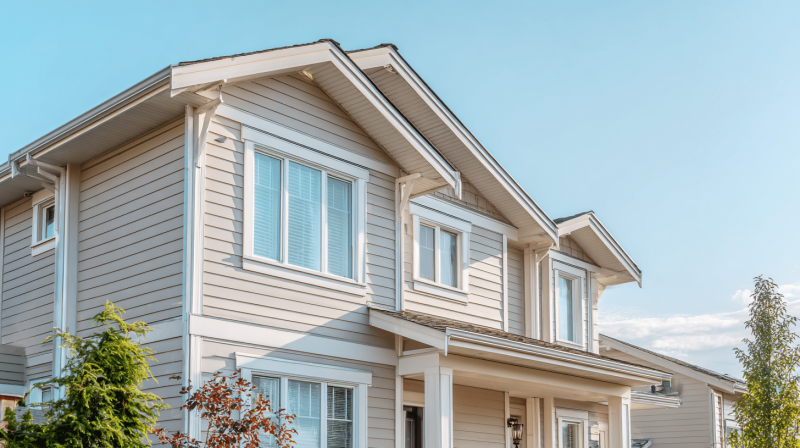
Tired of your home’s faded, dingy vinyl siding?
Most homeowners assume replacing vinyl siding is the only option when it loses its luster. But you can actually paint it. And it might save you thousands compared to a full replacement.
Can you paint vinyl siding successfully? Absolutely, though it’s not as straightforward as painting wood or brick.
There are specific techniques, potential pitfalls, and costs you need to know about.
This blog breaks down everything, the pros, the cons, and what you’ll actually spend to give your home’s exterior a fresh new look.
Can You Paint Vinyl Siding on a House?
Yes, you can paint vinyl siding on a house.
Modern paints specifically designed for vinyl make it possible to refresh your home’s exterior without the cost of replacement.
However, there’s a catch: you need to use the right type of paint and follow proper preparation steps.
The siding must be in good condition, meaning no warping, major cracks, or severe damage.
You’ll need acrylic urethane paints with special adhesion properties that can flex with the vinyl as it expands and contracts with temperature changes.
Pros and Cons Of Painting Vinyl Siding
Painting vinyl siding has clear benefits and real drawbacks. Here’s what you need to weigh before making your decision.
Pros of Painting Vinyl Siding
- Cost-effective alternative: Painting costs significantly less than full siding replacement, typically saving you 50-70% on exterior updates.
- Quick transformation: You can completely change your home’s appearance in just a few days.
- Covers fading and discoloration: Paint effectively hides sun damage, chalking, and the uneven color that develops over years of exposure.
- Extends siding lifespan: A quality paint job adds protection that helps your existing siding last several more years.
- Increases curb appeal: Fresh paint instantly boosts your home’s visual appeal and potentially its resale value.
- Eco-friendly option: Keeping existing siding reduces landfill waste compared to complete replacement.
Cons of Painting Vinyl Siding
- Voids manufacturer’s warranty: Most vinyl siding warranties become invalid once you apply paint.
- Requires ongoing maintenance: Painted vinyl needs repainting every 7-10 years, creating a recurring expense and commitment you wouldn’t have with unpainted siding.
- Risk of heat damage: Choosing darker colors than the original can cause the siding to absorb excessive heat and warp.
- Labor-intensive prep work: Proper cleaning, repairs, and priming take considerable time and effort.
- Not suitable for damaged siding: Paint won’t fix underlying problems like cracks or warping. It may actually make these issues more noticeable.
Best Vinyl Siding Paint Colors
Choosing the right color for vinyl siding affects both appearance and performance.
Here are the top options that balance aesthetics with practicality.
| Color | Why It Works | Best For |
|---|---|---|
| White | Maximum heat reflection prevents warping | Any architectural style, classic look |
| Light Gray | Modern appeal, hides dirt, stays cool | Contemporary homes, low-maintenance |
| Beige | Neutral neutral, forgiving of imperfections | Traditional homes, natural settings |
| Soft Blue | Coastal vibe, excellent heat reflection | Cottage or beach-style homes |
| Sage Green | Earthy tone blends with landscaping | Nature-inspired, fresh appearance |
| Cream | Softer than white, manages heat well | Traditional homes, an inviting look |
Key rule: Stay within the same color family as your original siding or go lighter to avoid heat-related warping.
Want to go deeper into colors, brands, etc for Vinyl Siding? Click here.
How to Paint Vinyl Siding (Step-By-Step Overview)

Painting vinyl siding requires the right approach to get results that last. Here’s what you need and how to do it properly.
Collect the Tools and Supplies
- Pressure washer or garden hose with spray nozzle
- TSP (trisodium phosphate) cleaner or vinyl siding cleaner
- Scrub brush with soft bristles
- Caulk and caulking gun
- Primer formulated for vinyl (if needed)
- Acrylic urethane paint designed for vinyl siding
- Paint sprayer, roller, or high-quality brushes
- Drop cloths and painter’s tape
- Ladder and safety equipment
- Bucket and sponges
How to Paint Vinyl Siding: Steps and Instructions
Step 1: Inspect the Siding
Walk around your house and check for damage. Look for cracks, warping, loose panels, or rot. Repair or replace damaged sections before painting.
Step 2: Clean Thoroughly
Use a pressure washer on low setting or scrub with TSP cleaner to remove dirt, mildew, and chalk. This step is crucial for paint adhesion. Rinse completely and let dry for 24-48 hours.
Step 3: Repair and Prep
Fill gaps and cracks with exterior caulk. Sand any rough spots gently. Cover windows, doors, and trim with painter’s tape and drop cloths.
Step 4: Apply Primer (if necessary)
Some vinyl-specific paints don’t require primer, but check your paint’s instructions. If needed, apply a thin coat and let it dry.
Step 5: Paint the First Coat
Work from top to bottom in small sections. Apply thin, even coats rather than one thick layer. Avoid painting in direct sunlight or when temperatures are below 50°F or above 85°F.
Step 6: Apply Second Coat
Wait for the first coat to dry completely, usually 4-6 hours. A second coat ensures even coverage and better durability.
Step 7: Clean up and Inspect
Remove tape while the paint is slightly tacky. Check for missed spots or drips once everything dries.
How Much Does it Cost to Paint Vinyl Siding?
The cost to paint vinyl siding depends on your home’s size, condition, and whether you tackle it yourself or hire professionals.
| Cost Type | Price Range | What’s Included |
|---|---|---|
| DIY (1,500-2,000 sq ft) | $600 – $1,500 | Paint, primer, cleaning supplies, tools, caulk |
| Professional (1,500-2,000 sq ft) | $2,500 – $7,000 | Labor, materials, prep work, and cleanup |
| Per Square Foot (Professional) | $1.50 – $4.00 | Complete service |
| Large Homes (2,500-3,000 sq ft) | $4,000 – $10,000+ | Professional installation |
| Additional Repairs | $200 – $1,000 | Fixing damage before painting |
| Full Siding Replacement | $8,000 – $20,000 | Complete tear-off and new installation |
Bottom line: Painting saves you 60-75% compared to replacement, making it a budget-friendly option for refreshing your home’s exterior.
How Long Does Painted Vinyl Last?
Painted vinyl siding typically lasts 7 to 10 years before needing a fresh coat.
This lifespan depends heavily on several factors:
- Quality of paint: Using premium acrylic urethane paints designed specifically for vinyl extends longevity. Cheap exterior paint may start peeling or fading within 3-5 years.
- Climate conditions: Harsh weather accelerates wear. Homes in areas with intense sun, heavy rain, or extreme temperature swings see faster deterioration. Coastal homes face additional challenges from salt air.
- Prep work quality: Thorough cleaning and proper surface preparation are crucial. Skipping these steps can cut the lifespan in half, with paint failing in just 2-4 years.
- Color choice: Lighter colors last longer than dark ones. Dark paint absorbs more heat, causing faster fading and potential siding damage that shortens paint life.
- Maintenance: Regular cleaning and prompt touch-ups extend durability. Neglected painted vinyl shows wear much sooner.
- Application method: Professional application with proper techniques typically outlasts DIY jobs by 2-3 years due to better coverage and adhesion.
For comparison, unpainted vinyl siding lasts 20-40 years with minimal maintenance.
Once you paint, you’re committing to a repainting cycle roughly every decade.
When You Should DIY and When to Hire a Professional
Deciding between DIY painting and hiring professionals depends on your skills, time, and the project’s complexity.
When DIY Makes Sense
You have painting experience: If you’ve tackled exterior painting projects before, vinyl siding is manageable with proper prep and the right products.
Your home is single-story: Working at ground level is safer and easier. You can reach everything with a standard ladder without scaffolding.
You have time to spare: DIY painting takes several weekends between cleaning, prepping, and applying multiple coats. Rush jobs show poor results.
Budget is your priority: Saving $2,000-$5,000 on labor makes DIY appealing if you’re comfortable with the work.
The siding is in good condition: Minimal repairs mean less technical work and more straightforward painting.
Here’s When to Hire a Professional
Your home is two-story or taller: Working at height requires specialized equipment and safety knowledge. Professional crews have the gear and experience.
Time is limited: Professionals complete in days what takes you weeks, getting your home back to normal faster.
Extensive repairs are needed: If your siding needs significant caulking, patching, or panel replacement, pros handle it better.
You want warranty protection: Many professional painters guarantee their work for 2-5 years, giving you recourse if problems develop.
You lack painting experience: Poor technique leads to streaks, drips, and premature failure. Professionals deliver consistent results worth the investment.
The project feels overwhelming: If you’re stressed just thinking about it, hiring out preserves your sanity and ensures quality work.
Paint Vinyl Siding Before and After

The update from painting vinyl siding goes beyond just color. Here’s what actually changes:
- Appearance: Faded, chalky siding becomes vibrant and uniform. Paint covers discoloration and sun damage that made your home look neglected.
- Maintenance: Unpainted vinyl is virtually maintenance-free. Once painted, you’re committed to washing and repainting every 7-10 years.
- Warranty: Your manufacturer coverage becomes void after painting.
- Curb appeal: Your home looks newer and well-maintained, which neighbors and potential buyers notice immediately.
- Durability: Unpainted vinyl lasts 20-40 years with minimal care. Painted vinyl requires ongoing attention to maintain its appearance.
You gain immediate visual improvement but trade long-term convenience for ongoing maintenance responsibilities.
Final Thoughts
So, can you paint vinyl siding and make it worthwhile?
Yes, when your siding is structurally sound but visually tired.
You’ll spend a fraction of replacement costs and get nearly a decade of improved curb appeal. But skip painting if you’re dealing with damaged siding, prefer zero-maintenance solutions, or want dark colors.
Paint masks problems temporarily but creates new ones with heat absorption and ongoing upkeep.
Your decision boils down to honest assessment: evaluate your siding’s condition, consider your budget, and think about your timeline.
Frequently Asked Questions (FAQ’s)
Is it a Bad Idea to Paint Vinyl Siding?
Not necessarily. It’s a good option if your siding is sound but faded. However, it voids warranties and requires repainting every 7-10 years, creating ongoing maintenance you wouldn’t have otherwise.
Can You Paint Vinyl Siding with a Roller?
Yes. Use a 3/8-inch nap roller for flat surfaces. It provides good coverage and control. You’ll still need brushes for corners and edges where rollers can’t reach effectively.
Can Vinyl Siding be Painted Black?
Technically, yes, but it’s risky. Black absorbs excessive heat that can warp vinyl. Most experts recommend staying within 10-20 shades lighter than your original color to avoid heat damage.