

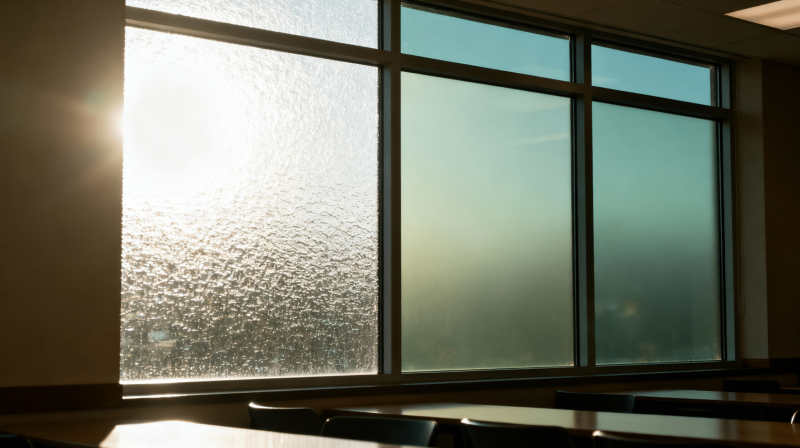
Residential Window Tinting – What is it?
Residential window tinting involves a thin film applied directly to your window glass.
This film can be made from polyester, metal, or ceramic materials. Each type offers different levels of protection and performance. The film blocks UV rays and reduces heat transfer.
It also adds a layer of privacy to your rooms. Some films are darker, while others are almost clear.
Installation requires professional skills in most cases.
The installer cleans the glass, cuts the film to size, and carefully applies it using special solutions. Once installed, the tint bonds to the glass surface.
Tinted House Windows – Disadvantages and Advantages
These help you see how it affects your comfort, energy use, privacy, and home value.
Disadvantages

1. High Initial Cost
Professional window tinting isn’t cheap at all. You’ll pay between $5 and $15 per square foot on average. For a typical home, this adds up to thousands of dollars.
Quality films cost more but last longer. The installation labor also contributes immensely to the total expense.
2. Reduced Natural Light
Darker tints block sunlight from entering your rooms. This makes your interior spaces feel dimmer and gloomier.
You might need to turn on the lights more often during the day. Some people find this atmosphere depressing. It can also negatively affect your mood and productivity.
3. Potential Warranty Issues
Many window manufacturers void warranties if you add aftermarket tinting. This leaves you unprotected if the glass develops problems later.
Seal failures and condensation issues won’t be covered anymore. Always check your warranty terms before installing tint. The risk might not be worth the benefits.
4. Difficult Removal Process
Removing old or damaged tint is a real headache. The adhesive often leaves sticky residue on the glass.
You’ll need special tools and cleaning solutions to remove it. Professional removal services charge high fees for this work. DIY removal can damage your windows if done incorrectly.
5. Visibility Problems at Night
Tinted windows reduce visibility in dark conditions. Looking out becomes harder, especially with darker films.
This creates safety concerns if you need to see outside quickly. Street lights and outdoor activities become less visible. Emergency situations might be harder to spot from inside.
6. Bubble and Peel Issues
Poor installation or low-quality films develop bubbles over time. The tint can also peel away from the edges of the glass. These problems look terrible and reduce the film’s effectiveness.
Moisture trapped under the film causes additional damage. Fixing these issues often means complete replacement.
Advantages

7. Energy Savings
Tinted windows reduce heat gain during the summer months. Your air conditioning won’t work as hard, which lowers your energy bills.
Studies show you can save up to 30% on cooling costs. The film reflects solar heat before it enters your home. This keeps indoor temperatures more stable throughout the day.
8. UV Protection
Window films block up to 99% of harmful UV rays. This protects your furniture, carpets, and artwork from fading.
Your skin also gets protection from sun damage while you’re indoors. The film acts like sunscreen for your entire home. Over time, this preservation saves you money on replacements.
9. Privacy Enhancement
Tinted windows make it harder for outsiders to see inside your home. You can go about your daily activities without feeling exposed. Different tint levels offer varying degrees of privacy.
During the daytime, the effect is especially noticeable. You maintain your view while others can’t easily peer in.
Cost Breakdown
| Concern | Details |
|---|---|
| Material Cost | Film ranges from $2 to $15 per square foot. Quality matters a lot. |
| Labor Charges | Professional installation adds $3 to $8 per square foot. Skilled workers cost more. |
| Total Investment | The average home costs $1,500 to $5,000 total. Large homes pay even more. |
| Cheap Film Problems | Low-cost options fade quickly. They bubble and peel within months. |
| Replacement Costs | Failed tints need complete removal first. Then you pay for a new film again. |
| Maintenance Fees | Special cleaners are required. Regular glass cleaners damage the film. |
| No ROI Guarantee | Energy savings might not cover costs. Payback period can exceed 10 years. |
| Hidden Expenses | Window repairs before installation add costs. Frame damage requires fixing first. |
Types of Window Tinting
1. Dyed Window Film

This is the most affordable option on the market. The film uses multiple dye layers to absorb solar heat.
It provides decent privacy and effectively reduces glare.
The dye fades over time with sun exposure. You’ll notice color changes within a few years. It offers the least heat rejection compared to other types.
2. Metalized Film

Tiny metallic particles are embedded in this film type. They reflect heat and UV rays away from your windows.
This type is more durable than dyed films. The metal layer makes it scratch-resistant and long-lasting.
It can interfere with cell phone and GPS signals. Some people find the shiny appearance unappealing from outside.
3. Carbon Film

Carbon particles give this film its dark, matte finish.
It blocks up to 40% of infrared light that causes heat. The film doesn’t fade as dyed versions do. It maintains its color and effectiveness for many years.
Carbon tint costs more than dyed or metalized options. But it won’t interfere with electronic signals at all.
4. Ceramic Film

This is the premium option with the best performance overall.
Ceramic particles block heat without reducing visibility. It effectively rejects up to 50% of solar heat. The film doesn’t fade, discolor, or interfere with signals.
It’s the most expensive type you can buy. Installation costs are also higher due to the material value.
5. Crystalline Film

This film is nearly invisible but highly effective. It blocks heat and UV rays without darkening windows.
You get protection while maintaining your natural light levels.
The technology is advanced and relatively new. It costs almost as much as ceramic film. Not all installers have experience working with it
Tinting vs Blinds vs Curtains
| Feature | Window Tinting | Blinds | Curtains |
|---|---|---|---|
| Cost | $1,500-$5,000 for the whole home | $20-$200 per window | $30-$300 per window |
| Maintenance | Less cleaning. Lasts 10-20 years | Dust regularly | Wash periodically |
| Light Control | Fixed darkness. No adjustment | Adjustable and Full control | Open or close freely |
| Privacy | Daytime privacy. Less at night | Full when closed. Adjustable | Complete when drawn |
| Flexibility | Cannot change easily. Hard removal | Removable and fully portable | Switch seasonally |
What People Suggest Before Tinting
Most people in the thread say home window tinting does help with summer heat, but results vary.
Several users report a substantial drop in room temperature, reduced glare, and improved comfort, even with lighter films. Others feel it does very little and prefer external shade, roller shutters, or strong blinds instead.
Many agree that the type and quality of film matter a lot.
Cheap dyed tint often cuts light more than heat, while metal or ceramic films work better.
Some mention downsides such as darker rooms, reduced winter heat, and cost. A few also warn about glass cracking on old windows and poor installs that bubble or peel.
Final Thoughts
Many salespeople won’t mention the disadvantages of home window tinting.
The high costs, reduced light, and potential warranty problems are serious factors to consider. Tinting is not always a bad choice. For some homes in hot climates, it makes perfect sense.
But you need to weigh these disadvantages against your specific situation.
Think about your budget, your home’s lighting needs, and your long-term plans. What will you decide?


