Tired of cracked tiles or endless grout scrubbing? Choosing the right shower wall material can make or break the look and longevity of your bathroom.
From modern panels to traditional tile and stone, today’s shower materials come in a wide range of styles, costs, and maintenance levels.
But with so many types of shower wall panels available, it’s easy to feel overwhelmed. The key is to match your selection with your budget, cleaning routine, and installation preferences.
This guide will break down the most popular options, compare their pros and cons, and help you avoid costly mistakes during your remodel.
Factors to Consider When Choosing Shower Materials
Selecting the right shower wall material is a crucial decision that impacts both the aesthetics and functionality of your bathroom.
When evaluating shower wall panels and types of shower materials, consider the following critical factors:
- Durability and resistance to water damage and moisture
- Initial cost and long-term maintenance expenses
- Aesthetic appeal and compatibility with bathroom design
- Installation complexity and required professional expertise
- Cleaning and hygiene requirements
- Potential for mold and mildew resistance
- Thermal and acoustic insulation properties
- Overall structural integrity and lifespan
By carefully weighing these essential aspects, you can select shower wall materials that not only look beautiful but also provide practical, long-lasting performance in your bathroom space.
Types of Shower Wall Panels and Materials
Choosing the right shower wall material is essential for durability, style, and maintenance. Different materials offer unique benefits in terms of cost, aesthetics, and ease of installation.
Below is a breakdown of popular options with a quick glance at their strengths and weaknesses.
Use this guide to find the best fit for your bathroom remodel.
1. Ceramic and Porcelain Tile

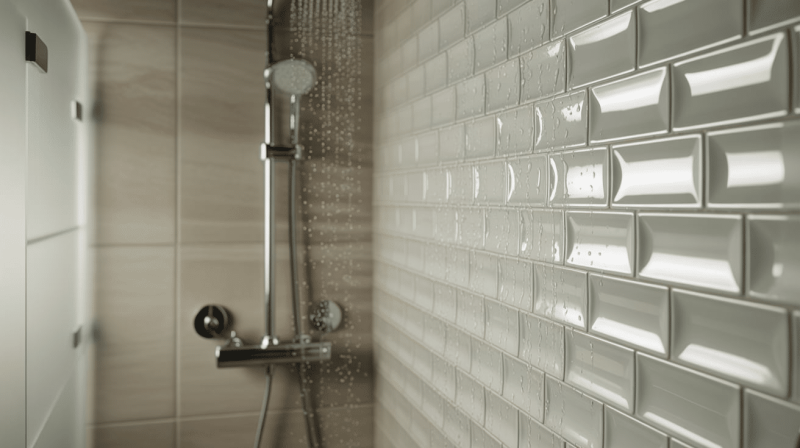
A timeless choice, ceramic and porcelain tiles offer endless design flexibility. Known for their great water resistance and pretty appearance, they suit both modern and traditional bathrooms.
These tiles require skilled installation but deliver a classic, high-end result. Grout maintenance can be a concern over time. Still, they’re among the most customizable options.
- Pros: Durable, waterproof, wide design variety, heat-resistant
- Cons: Grout needs regular cleaning, higher installation cost, can crack under impact
- Best use cases: Custom, high-end bathrooms; showers with intricate designs or accents
2. Acrylic Shower Panels

Acrylic panels are a popular low-maintenance alternative to tiles. They’re lightweight, seamless, and resistant to mold and mildew. Installation is fast and typically DIY-friendly.
While design options are more limited, they offer a clean and modern look.
Great for quick updates or budget-conscious remodels.
- Pros: Affordable, easy to clean, fast installation, mold-resistant
- Cons: Fewer design choices, can scratch, may discolor over time
- Best use cases: Budget renovations, guest bathrooms, DIY projects
3. Fiberglass Shower Walls

Fiberglass panels are among the most affordable and easy-to-install materials. They often come in one-piece or sectional kits, making them great for quick installs.
However, they’re less durable and can look dated. Repairs may show visibly, and color options are limited.
- Pros: Low cost, lightweight, quick to install, easy maintenance
- Cons: Scratches easily, less modern look, prone to yellowing
- Best use cases: Rental units, budget remodels, starter homes
4. Natural Stone (Marble, Granite, etc.)

Natural stone brings unmatched beauty and luxury to shower spaces.
Each piece is unique, adding elegance and value to the bathroom. It requires sealing and maintenance to prevent water damage. Installation and material costs are high, but the aesthetic payoff is significant.
- Pros: Luxurious appearance, unique patterns, adds home value
- Cons: Expensive, requires sealing, heavy and hard to install
- Best use cases: Luxury bathrooms, spa-style designs, custom remodels
5. Solid Surface (e.g., Corian)

Solid surface panels are non-porous and seamless, offering a clean, modern finish. They mimic stone or tile without the grout lines. The material is easy to clean and repairable if scratched.
Available in a wide range of colors and styles but can be costly.
- Pros: Seamless look, low maintenance, customizable, repairable
- Cons: Higher price point, may scratch, not heat-resistant
- Best use cases: Contemporary bathrooms, mid-to-high-end remodels
6. Glass Panels

Glass shower walls create an open, airy atmosphere. Frameless glass enclosures are especially popular for modern, upscale bathrooms. They’re easy to clean and show off tile or stone work.
However, they can be pricey and require frequent cleaning to avoid water spots.
- Pros: Sleek design, visually enlarges space, easy to clean
- Cons: Expensive, prone to water spots, needs strong framing
- Best use cases: Modern bathrooms, luxury showers, open-concept spaces
7. PVC and Laminate Panels

PVC and laminate panels are waterproof, affordable, and come in various finishes that mimic tile or stone.
They’re lightweight and ideal for DIY installation. However, they can look less realistic up close and may not last as long as other materials.
- Pros: Inexpensive, water-resistant, easy to install, low maintenance
- Cons: Less durable, not as upscale, limited realism
- Best use cases: Quick upgrades, budget-friendly remodels, rental properties
Which Shower Wall Material is Best for Your Bathroom?
Choosing the best shower wall material depends on several key factors, including your budget, design preferences, maintenance expectations, and whether you prefer DIY or professional installation.
If you’re on a tighter budget, fiberglass or PVC panels may be ideal, while natural stone or solid surface options suit higher-end renovations.
For style, ceramic tile and glass panels offer a modern or classic look, while types of shower wall panels like acrylic or laminate provide more practical solutions. Low-maintenance shower materials such as acrylic and solid surface are great for busy households.
If you’re planning to install it yourself, lightweight materials like fiberglass or PVC are more manageable, while stone or tile usually require a professional touch for best results.
Cost Comparison of Popular Shower Wall Materials
Below is a simplified table comparing the approximate price ranges, including installation and potential long-term value.
This can guide you in selecting the right types of shower wall panels based on your financial goals and expectations.
| MATERIAL | MATERIAL + INSTALL (PER SQ. FT.) | LONG-TERM VALUE / ROI |
|---|---|---|
| Ceramic/Porcelain Tile | $15 – $35 | High – classic look, durable |
| Acrylic Panels | $10 – $20 | Moderate – low maintenance, modern |
| Fiberglass | $8 – $15 | Low to Moderate – budget-friendly |
| Natural Stone (e.g. marble) | $40 – $100+ | High – luxury appeal, adds value |
| Solid Surface (e.g. Corian) | $25 – $50 | Moderate to High – seamless, durable |
| Glass Panels | $30 – $70 | High – sleek look, upscale feel |
| PVC/Laminate Panels | $5 – $15 | Low – economical but less durable |
Keep in mind that actual prices can vary depending on your location, installer, and bathroom layout. While some shower materials require more upfront investment, they may offer greater long-term value, durability, and resale appeal.
Balancing initial cost with overall performance is key to making a smart, cost-effective choice.
What Are the Worst Shower Wall Materials?
Several shower wall materials should be avoided due to maintenance issues, durability problems, or water damage risks.
Regular drywall is the worst choice, as it absorbs moisture and promotes dangerous mold growth that can compromise structural integrity and health.
Natural stone like marble and limestone, while beautiful, requires constant sealing and is prone to staining, etching from soap, and expensive maintenance. Painted surfaces quickly peel and bubble in humid conditions, creating an unsightly mess.
Wood paneling, though aesthetically appealing, warps, rots, and harbors bacteria in wet environments.
Wallpaper is another disaster in showers, peeling and creating breeding grounds for mold. Instead, opt for porcelain tiles, solid surface materials, or quality fiberglass panels designed specifically for wet environments.
Tips for Choosing the Right Shower Material
Selecting the ideal shower wall material isn’t just about looks—it’s about longevity, ease of care, and how it fits into your lifestyle.
We’ve gathered insights from bathroom designers and contractors to help you avoid common pitfalls and make informed decisions. Here’s what the pros recommend:
-
Choose based on lifestyle: For busy households, low-maintenance shower materials like acrylic or solid surface are ideal.
-
Avoid porous materials without sealing: Natural stone looks stunning but requires sealing to prevent mold or staining.
-
Don’t underestimate installation: DIY-friendly types of shower wall panels include PVC and fiberglass—tile or stone often needs a pro.
-
Think long-term: Cheaper materials may cost more in repairs or replacement over time.
-
Match maintenance to commitment: Tile requires grout cleaning; glass needs regular wiping to prevent spots.
The right material blends style, practicality, and durability—choose wisely to enjoy a beautiful, low-stress shower for years to come.
Wrapping It Up
Don’t let looks alone guide your decision.
The best shower wall material balances appearance with function, durability, and ease of care.
From low-cost panels perfect for quick installs to high-end finishes with long-term value, the right choice depends on how you use your space.
By comparing the types of shower wall panels available, you can confidently plan a bathroom that stands up to daily use and still looks great over time.