Planning a new roof or trying to understand your current one? The 4/12 roof pitch is one of those sweet spots that many builders recommend.
It’s not too steep, not too flat, and it works well in most climates.
But what exactly does 4/12 mean, and is it the right choice for your home?
This guide breaks down everything you need to know about this popular roof slope, from how it looks to what materials work best with it.
What is a Roof Pitch?
A roof pitch is simply the steepness of your roof. It’s measured using a ratio that shows how much the roof rises compared to how far it runs horizontally.
Here’s how it works: the first number tells you how many inches the roof rises vertically, and the second number represents a 12-inch horizontal distance.
So a 4/12 roof pitch means the roof rises 4 inches for every 12 inches it extends outward.
Pitch affects more than just appearance. It determines how well water drains, which roofing materials you can use, and installation costs.
Steeper roofs shed rain and snow faster but need more materials. Flatter ones are easier to walk on but may require extra waterproofing. Let’s cover this part in detail now.
Flat Pitches VS Steep Roofs
Choosing between flat and steep roofs means weighing different priorities and trade-offs.
Flat Pitches (1/12 to 3/12)
These roofs appear nearly level and are common on modern homes and commercial buildings. Water moves slowly, requiring special waterproofing to prevent pooling.
They’re easy to walk on and use less material, but need regular maintenance.
Steep Roofs (7/12 and Higher)
Steep roofs shed water and snow quickly and create dramatic architectural statements.
They’re ideal for snowy regions but use significantly more materials. Installation requires specialized safety equipment, and labor costs run higher.
Pitches like 4/12 balance both extremes. You avoid drainage issues of flat roofs while keeping costs below steep options. This makes medium slopes practical for most climates and budgets.
4/12 Roof Pitch in Practical Terms
Let’s break down what a 4/12 pitch means for your actual roof and why it matters.
1. Slope Angle Conversion
A 4/12 pitch equals about 18.43 degrees or roughly 33% as a percentage. Knowing this helps when discussing your project with contractors who use different measurement systems.
2. Drainage Efficiency
This pitch handles water well. Rain flows off at a good pace without pooling. Snow slides off eventually, though not as fast as steeper roofs. You get solid drainage without extra material costs.
3. Walkability & Safety
Roofers can work on this slope without major difficulty, though safety gear is still needed. Most contractors find it comfortable, which often means lower labor costs for you.
4. Attic Space
A 4/12 pitch creates decent attic space compared to flatter roofs. The slope promotes better air circulation, which helps prevent moisture buildup and keeps things cooler in summer.
5. Cost Considerations
This pitch costs less than steeper roofs since you need fewer materials.
Labor rates are reasonable because workers move around easily. You’ll pay more than for a flat roof, but avoid long-term water problems.
Roof Pitch Chart: Where 4/12 Fits In
A roof pitch chart compares common roof slopes so you can see where yours fits.
| Pitch Ratio | Angle (Degrees) | Category | Characteristics |
|---|---|---|---|
| 1/12 | 4.76° | Low-Slope | Nearly flat, needs special waterproofing |
| 2/12 | 9.46° | Low-Slope | Minimal drainage |
| 3/12 | 14.04° | Low-Slope | Better drainage, still flat |
| 4/12 | 18.43° | Medium-Slope | Balanced drainage and walkability |
| 5/12 | 22.62° | Medium-Slope | Good water shedding |
| 6/12 | 26.57° | Medium-Slope | Excellent drainage |
| 7/12 | 30.26° | Steep-Slope | Requires safety equipment |
| 8/12 | 33.69° | Steep-Slope | High material costs |
| 12/12 | 45° | Steep-Slope | Very steep, dramatic look |
The 4/12 pitch sits at the start of the medium-slope range.
It’s steep enough for standard materials but not so steep that costs increase dramatically. Many codes consider 4/12 the minimum for traditional roofing.
Now, let’s look at which materials work best with it.
4/12 Pitch from Different Angles – How it Looks
From the Ground Level
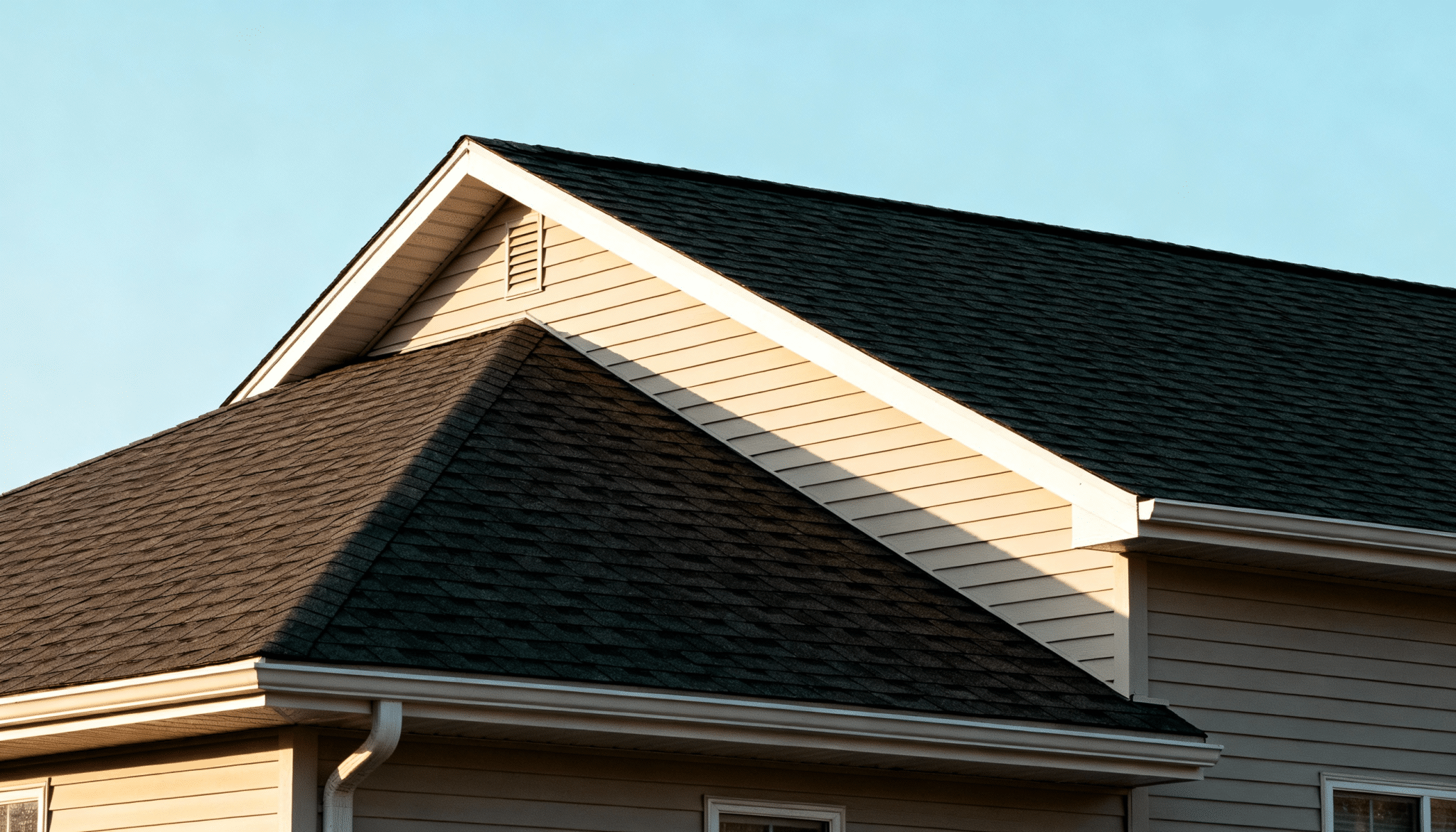
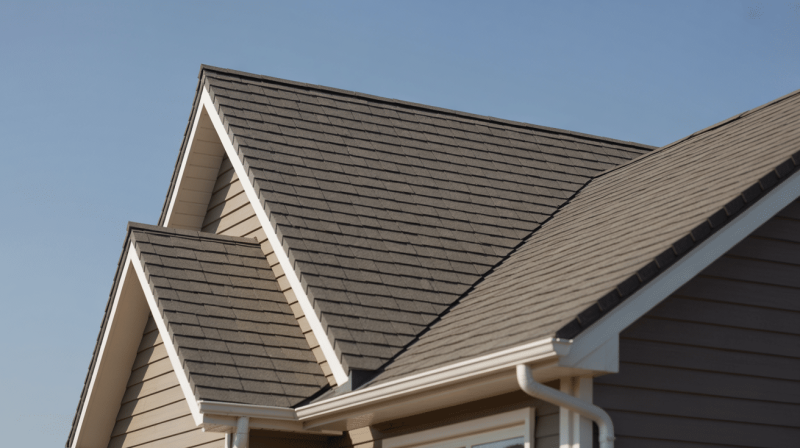
Standing in front of a house with a 4/12 pitch, the roof looks moderately sloped. It’s noticeable but not dramatic.
The angle gives the home a traditional residential appearance with a gentle upward sweep from the eaves to the ridge.
From the Street
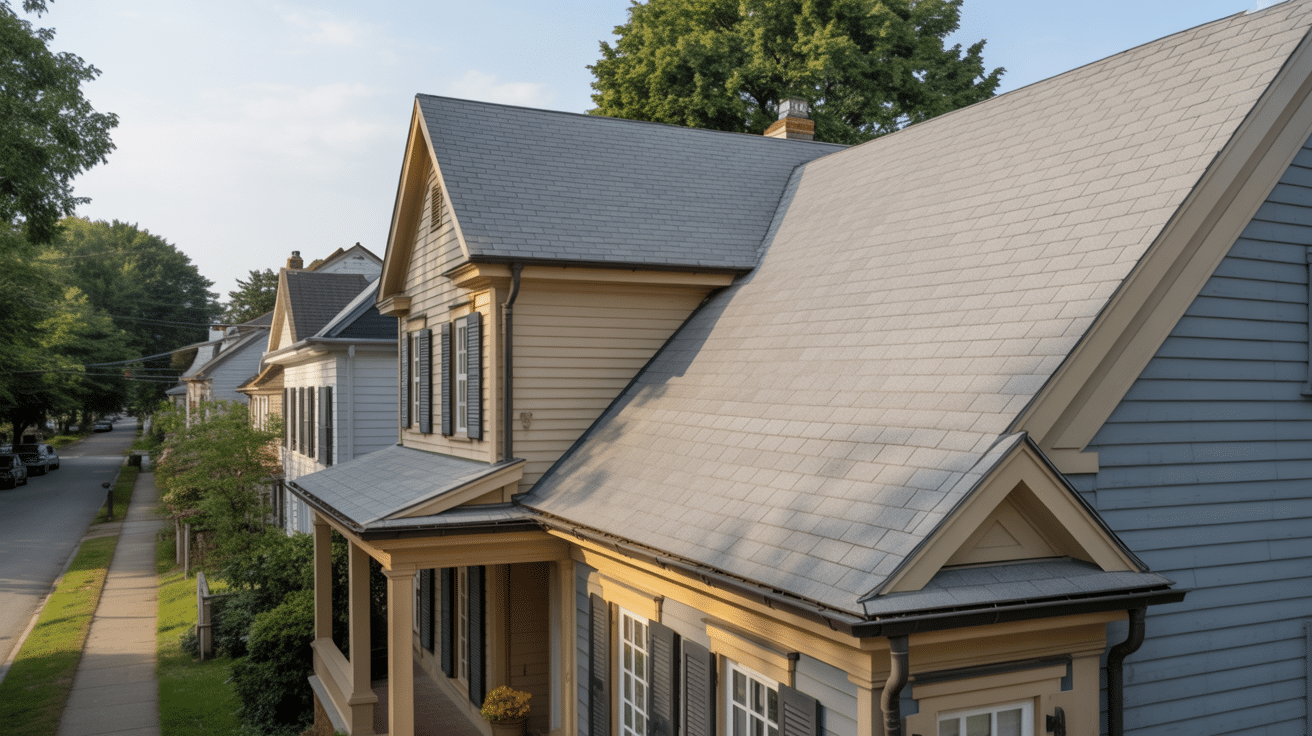
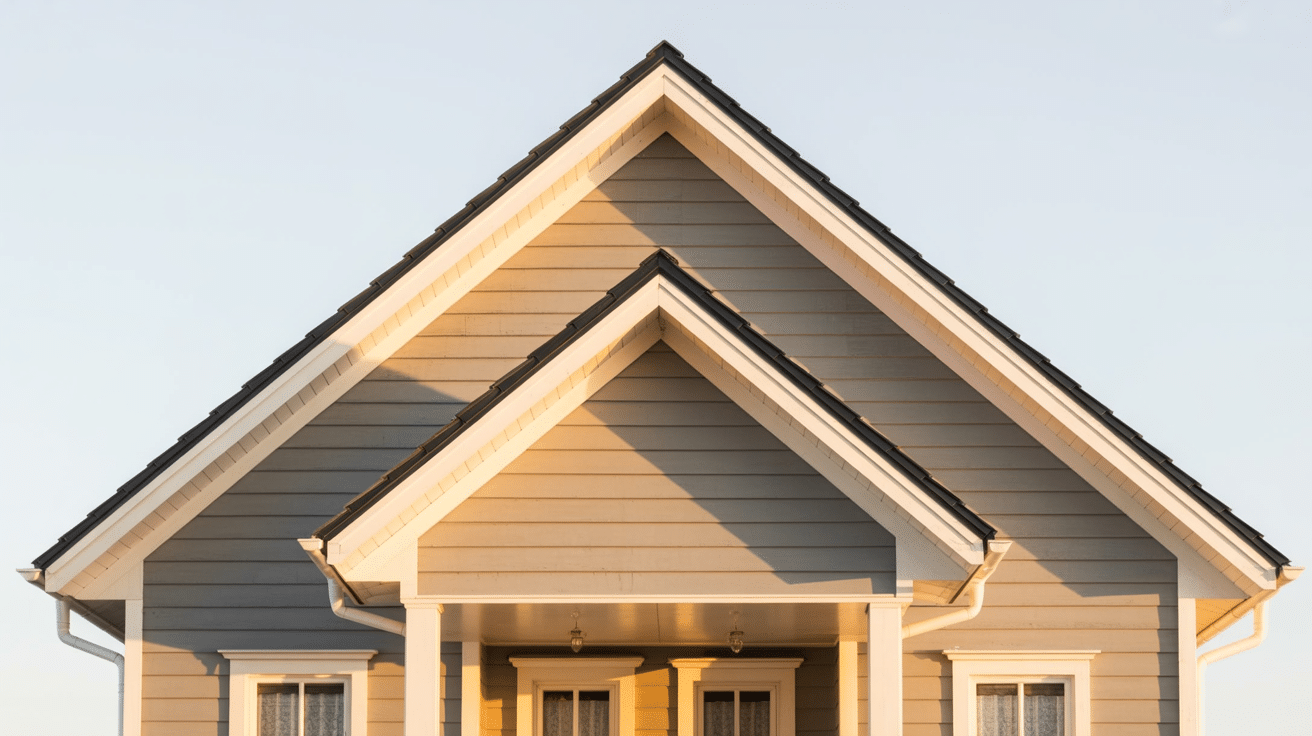
Driving past, the roofline creates a balanced profile that doesn’t dominate the home’s facade.
The slope is visible but subtle, giving the house a clean, classic look that fits well in most neighborhoods.
From Inside the Attic

A 4/12 pitch provides decent headroom near the center.
The ceiling slopes at a manageable angle, creating usable space for storage or potential conversion without requiring you to crouch constantly.
From the Side
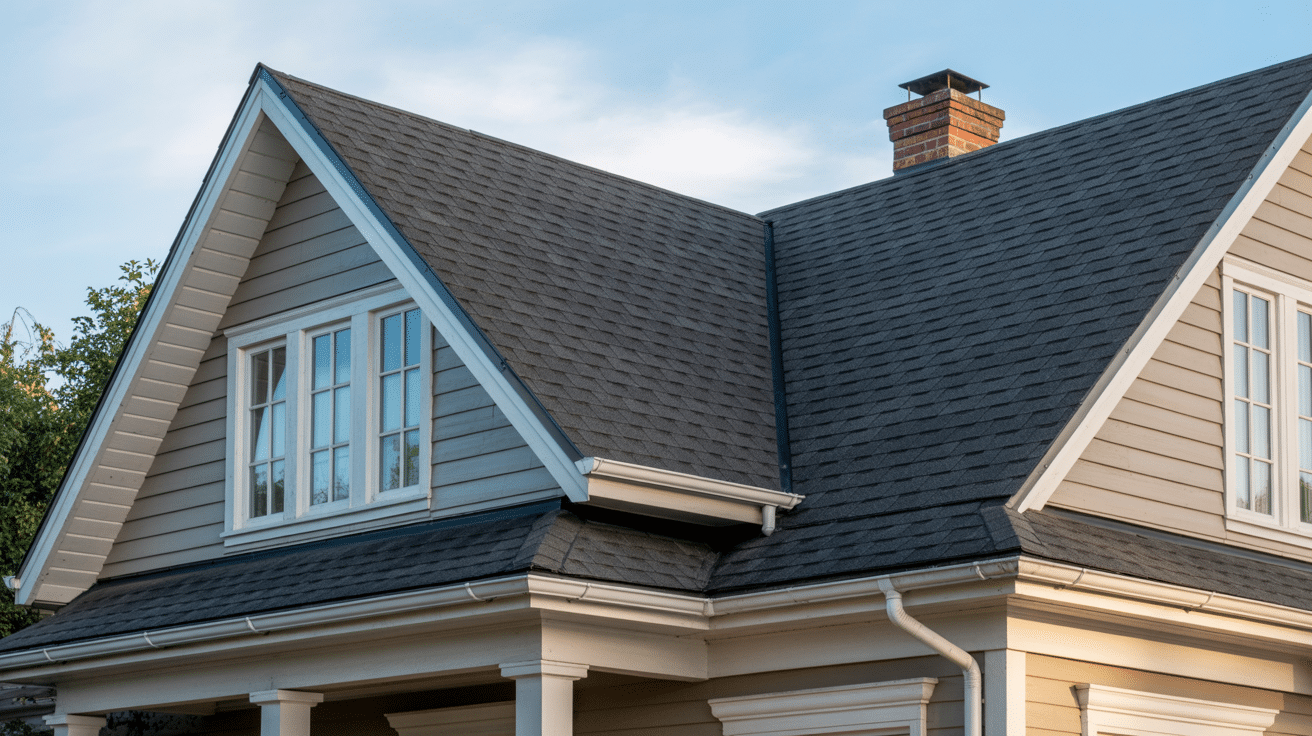
The side view clearly shows the rise and run relationship. The roof rises gradually but steadily from the eaves to the peak.
It’s steep enough for proper drainage but gentle enough to avoid looking aggressive.
Walking on the Roof
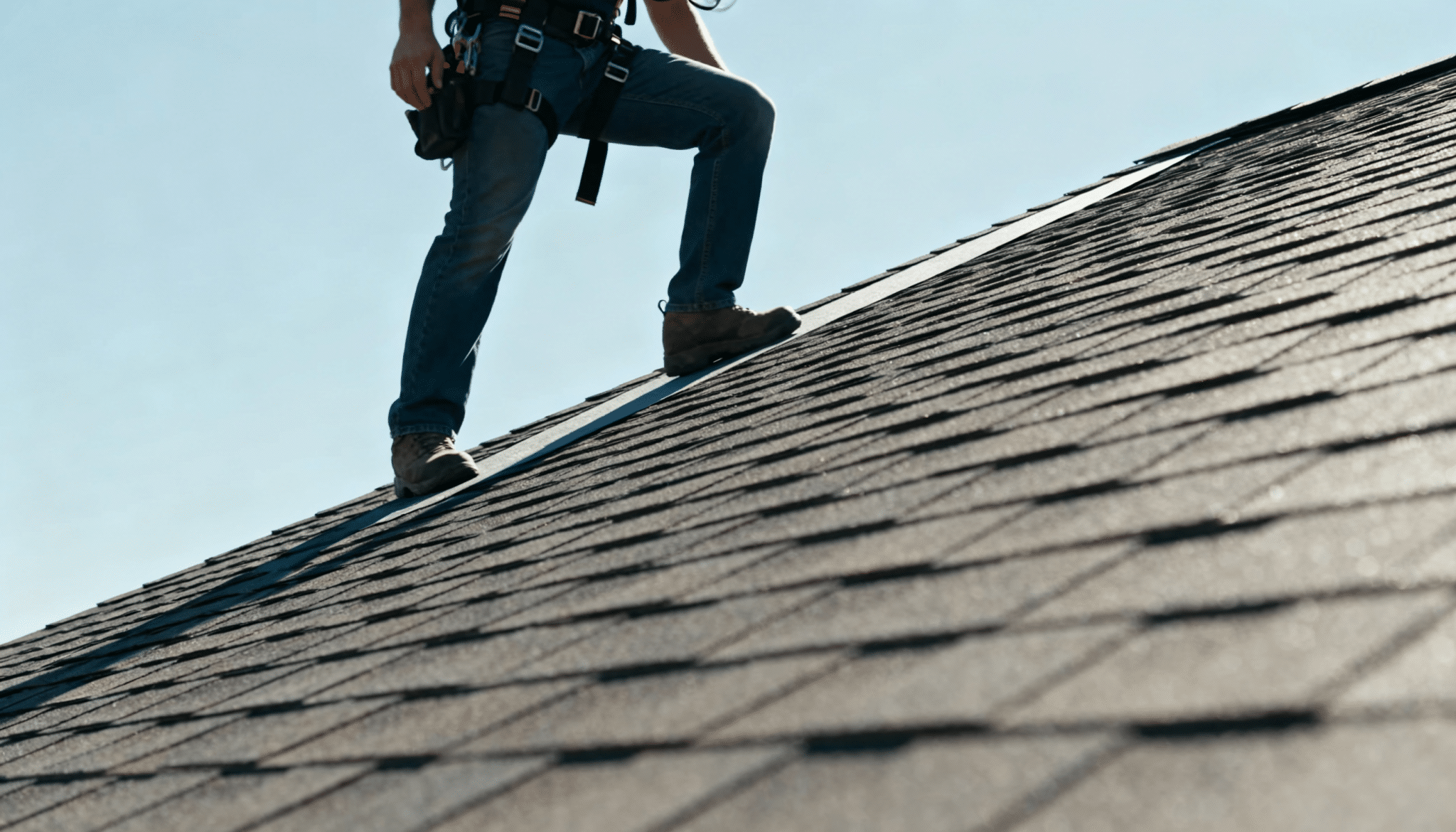
When you’re on a 4/12 roof, the slope is definitely present under your feet. You’ll need to brace yourself, but it’s not so steep that movement becomes extremely difficult.
Roofers can work on this pitch with standard safety equipment.
Best Roofing Materials for a 4/12 Pitch
A 4/12 pitch works with most standard roofing materials. Here are the top choices.
Asphalt Shingles
The most popular choice for 4/12 roofs. They’re affordable, easy to install, and last 15-30 years. Three-tab shingles are budget-friendly, while architectural shingles offer better durability and curb appeal.
Metal Roofing
Metal lasts 40-70 years and sheds water quickly. The upfront cost is higher, but it reflects heat, resists fire, and you’ll likely never need another roof.
Tile Roofing
Clay or concrete tile works on 4/12 pitches and lasts 50-100 years. It’s heavy, so your structure needs proper support. Common in southwestern homes and handles heat exceptionally well.
Wood Shakes
Cedar shakes give you a natural look and last 20-40 years with maintenance. Some areas restrict them due to fire concerns, but the rustic appearance is hard to beat.
Synthetic Materials
These mimic slate or tile but cost and weigh less. They last 30-50 years and resist impact and extreme temperatures. Installation is straightforward, keeping labor costs reasonable.
Your choice depends on budget, climate, and aesthetics. Now let’s weigh the overall pros and cons of a 4/12 pitch.
Pros and Cons
Every roof pitch has trade-offs. Here’s what you gain and what you might sacrifice with a 4/12 slope.
Advantages of a 4/12 Pitch
-
Good Water Drainage: The slope moves water off efficiently without ponding. Rain flows to gutters at a decent pace, and snow slides off without dangerous buildup.
-
Lower Material Costs: You’ll use less roofing material compared to steeper pitches. A smaller surface area means fewer shingles and reduced waste.
-
Easier Installation and Maintenance: Roofers can work on this slope without extreme safety measures. Repairs and inspections are manageable, often meaning lower labor costs.
-
Works with Most Materials: Asphalt shingles, metal, tile, and wood all perform well. Many codes consider 4/12 the minimum for standard materials.
-
Creates Usable Attic Space: The slope gives you decent headroom for storage or conversion. Air circulation is better than flatter roofs.
Drawbacks of a 4/12 Pitch
-
Not Ideal for Heavy Snow Areas: This pitch isn’t as aggressive as steeper options. You might need to clear snow manually during big storms.
-
Less Dramatic Curb Appeal: This pitch creates a subtle roofline rather than a bold statement. It’s practical but not particularly eye-catching.
-
Limited Design Flexibility: Certain styles need steeper or flatter roofs. Victorian or A-frame homes won’t work well with 4/12.
-
Still Requires Safety Equipment: Even though it’s walkable, you need proper safety gear. DIY maintenance isn’t as simple as it seems.
-
Middle-Ground Compromises: The 4/12 sits between extremes, so it doesn’t excel at any one thing. It’s solid all around but not outstanding.
Understanding these pros and cons helps you decide if it’s right for your needs. Ready to measure your own roof pitch?
How to Measure Roof Pitch + Regional Considerations
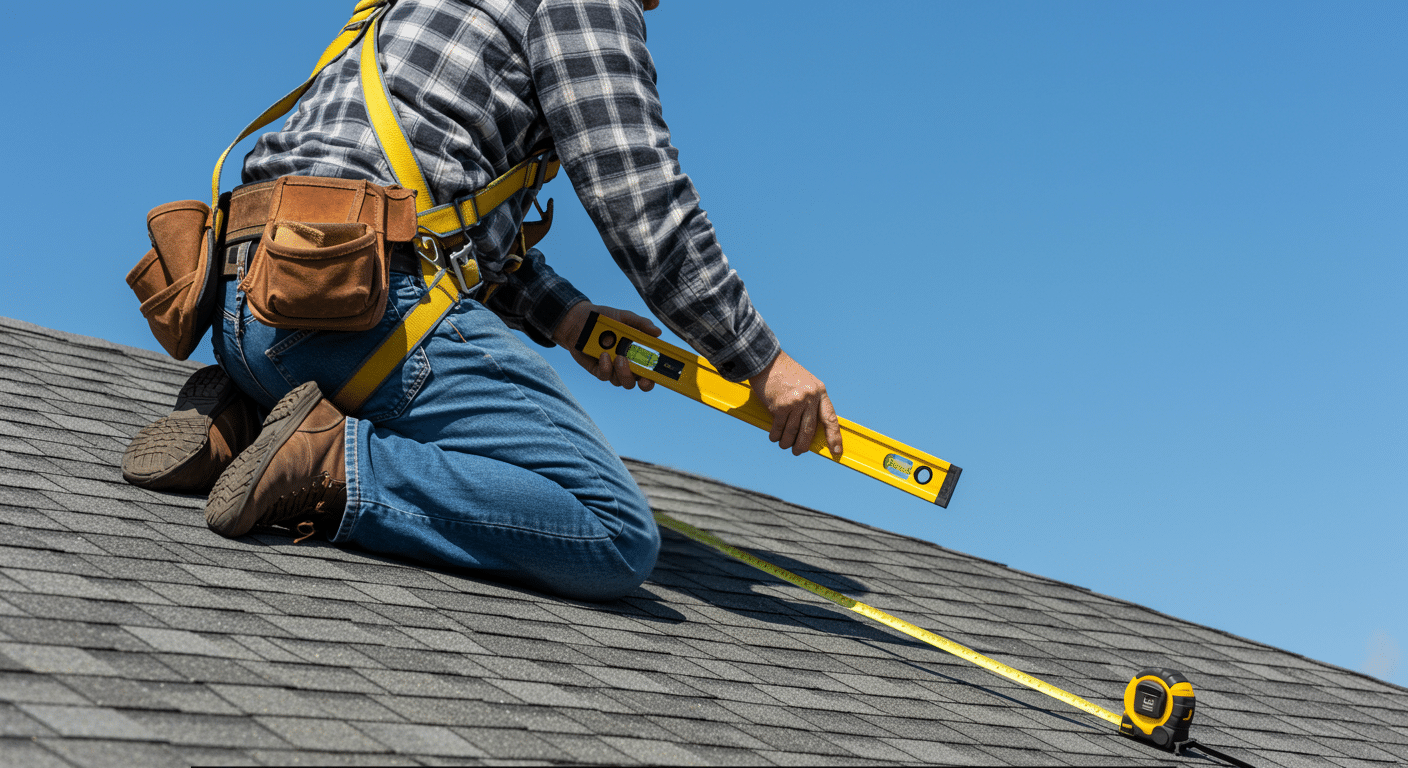
Measuring roof pitch is straightforward with basic tools.
Here’s how to do it safely and accurately:
Tools You’ll Need
- 24-inch level
- Tape measure
- Pencil
Step-by-Step
Step 1: Choose Your Measuring Location. Measure from inside the attic (safer) or directly on the roof surface.
Step 2: Position the Level Place your level horizontally against the roof or rafter. Make sure the bubble shows it’s perfectly level.
Step 3: Mark 12 Inches. Find and mark the 12-inch point on your level.
Step 4: Measure Vertical Distance From the 12-inch mark, measure straight up (or down if on the roof) to the roof surface. This is your rise measurement.
Step 5: Calculate Your Pitch. If the vertical measurement is 4 inches, you have a 4/12 pitch. If it’s 6 inches, that’s 6/12.
Quick Alternative
Use a pitch gauge or digital angle finder from any hardware store. Place it on the roof for an instant reading without manual calculations.
Regional Considerations
Southern states typically use 3/12 to 5/12 since snow isn’t a concern. Northern regions prefer 6/12 or steeper for heavy snow loads.
The 4/12 sits in the middle, working well in most climates without extra costs.
Your choice depends on local weather, budget, and design preferences.
Wrap-Up
The 4/12 roof hits that practical middle ground most homes need.
It drains water effectively, works with nearly every roofing material, and keeps costs reasonable compared to steeper options.
Whether you’re building new or replacing an existing roof, this slope handles most climates without breaking your budget.
Check a roof pitch chart to compare your options, but chances are, 4/12 will check all your boxes for performance and value.